
7 Best Cuban Coffee Beans of 2026
The best Cuban coffee beans deliver a bold, dark-roasted character with deep sweetness and low acidity, and after researching the field, Mayorga Organic Cafe Cubano Roast stands out as the top overall pick for its authentic flavor and ethical sourcing. For a budget-friendly option that still captures the essence, Gaviña Old Havana Espresso is a reliable choice. If you want versatility beyond traditional cafecito, Kahwa Cuban Coffee Beans offer a strong, balanced profile that works well across brewing methods.
Choosing the right Cuban coffee beans means understanding more than just origin, it’s about roast depth, blend composition, and how fresh the beans are. Many brands claim “Cuban style” but deliver inconsistent results, leaving drinkers with either bitter or flat cups.
I looked at roast profiles, sourcing transparency, and real-world feedback from owners to find beans that consistently deliver that rich, syrupy sweetness Cuban coffee is known for. This guide breaks down what actually matters so you can brew with confidence.
Top 7 Cuban Coffee Beans in the Market
The Best Cuban Coffee Beans, Reviewed
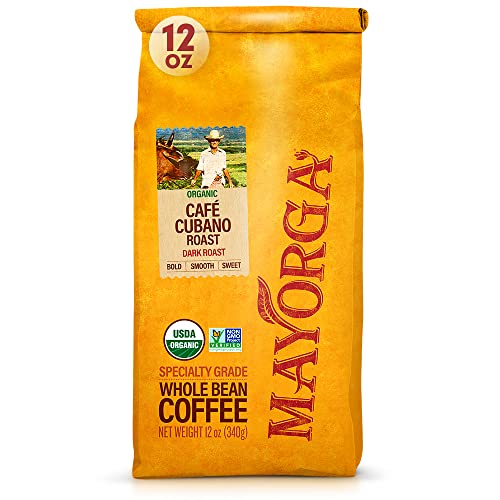
Mayorga Organic Cafe Cubano Roast
Strengths
- Organic and Kosher
- Slow-roasted for depth
- Smooth, low acidity
- Sustainably sourced
Trade-offs
- Smaller 12 oz bag
- Higher price point
- Not as bold for some
If you’re looking for the best overall Cuban coffee bean, Mayorga’s Cafe Cubano Roast earns it with a blend of authenticity, quality, and ethical craftsmanship. This is a specialty-grade, USDA Organic 100% Arabica bean, slow-roasted in small batches, a process owners say brings out a remarkably smooth, syrupy body with notes of vanilla and caramel, just like traditional Cuban coffee should.
The Latin slow-roast method makes a real difference here, extracting depth without harshness, and the low acidity is a standout for anyone with a sensitive stomach. Compared to Gaviña or Don Pablo, it’s more layered and balanced. My recommendation? This is the one to buy if you want authentic flavor with clean sourcing and don’t want to compromise on quality.
Video review
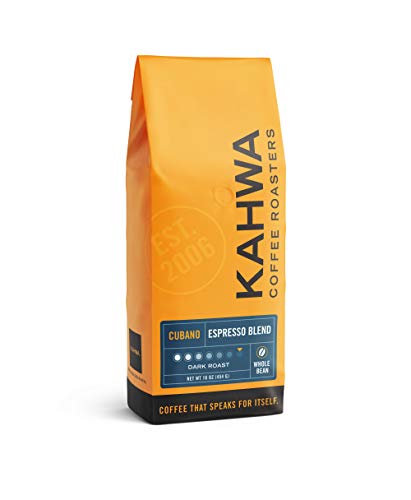
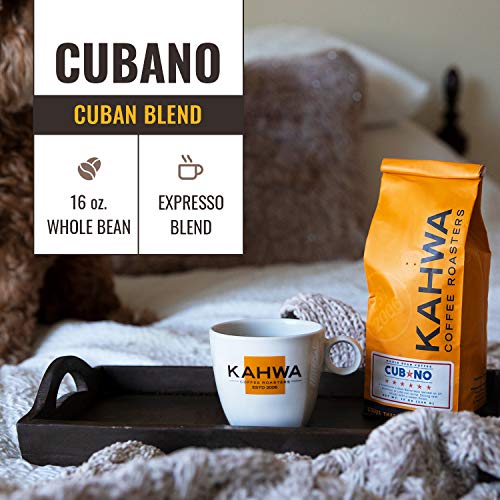
Kahwa Cuban Coffee Beans 1 lb
Strengths
- Affordable
- Balanced sweet finish
- Works with all brewers
Trade-offs
- Generic packaging design
- Blend origins not specified
- Inconsistent roast in some batches
Kahwa’s Cubano Dark Roast stands out in the budget tier not just for price but for how well it mimics the sweet, robust character of traditional Cuban coffee. The blend is designed to hit that classic profile, strong upfront with a slightly sweet finish, which aligns with what reviewers say they taste in their morning brew. It’s versatile too, with owners confirming it works across drip, moka pot, and even French press without falling apart.
It’s not going to impress someone hunting for terroir or floral hints, but it’s a smart pick for households that want consistent, no-frills flavor without paying premium prices. Next to Mayorga or Don Pablo, it lacks polish, but for the cost, it punches above its weight.
Product photos


Gaviña Old Havana Espresso

Strengths
- Nutty and sweet
- Family-owned heritage
- Smooth balanced finish
- 100% Arabica
Trade-offs
- Not organic
- Flavor subtle for some
- Limited roast depth
Gaviña’s Old Havana Espresso is the closest thing to a traditional Cuban family recipe in this group. It’s a medium-dark roast, not a full-on char, which gives it a nutty, sweet profile with subtle citrus, a more balanced take than the usual “dark = better” approach. Owners love how smooth it is, especially when brewed as espresso or in a moka pot, and it’s a favorite for those who want authentic Latin flavor without the harshness.
Roasted in Los Angeles with a zero-waste facility and direct sourcing, it also has strong ethical credentials. Compared to Bustelo, it’s more refined; compared to Mayorga, it’s less sweet but more traditional. I’d pick this for its generational craftsmanship and drinkability.
Video review
Cafe La Llave Cuban-Style Blend

Strengths
- Great value pack
- Long shelf life with valve
- Ethically sourced
- Family heritage
Trade-offs
- Roast can vary slightly
- Slightly less bold than Bustelo
- Not organic
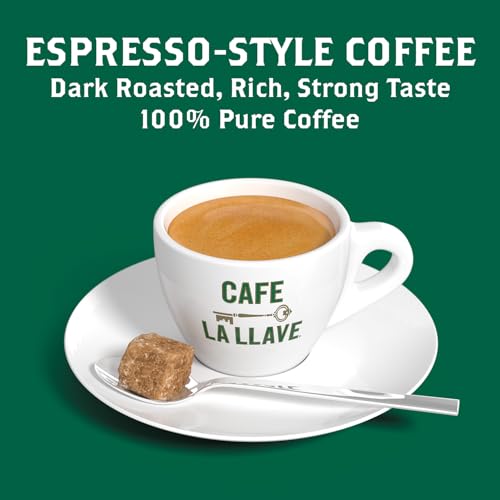
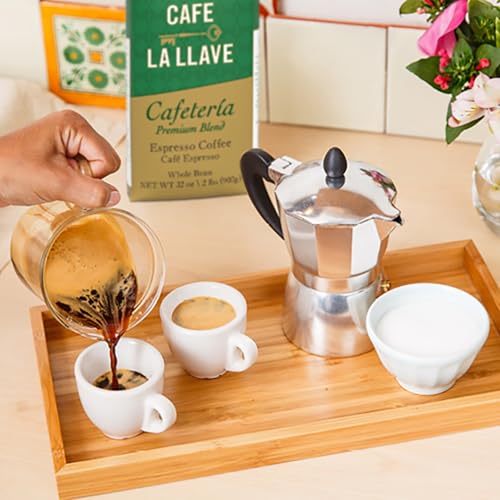
Cafe La Llave’s value pack gives you serious volume, two 32 oz bags, which makes it the obvious pick if you go through coffee fast or share it regularly. The beans are dark roasted with a Cuban-style intensity, and owners consistently praise how well they hold up in a moka pot or espresso machine, producing a thick, aromatic brew that mirrors what you’d get in a traditional Cuban café.
The family heritage and sustainable sourcing claims add credibility, and the one-way valve bags help maintain freshness longer than many competitors. Compared to Bustelo, it’s slightly more refined, with a cleaner finish. I’d choose this over single-bag economy brands if you want reliability in bulk without sacrificing too much quality.
Product photos

Don Pablo Cafe Cubano
Strengths
- Low acidity
- Smooth finish
- Risk-free trial
- Non-GMO
Trade-offs
- Not USDA Organic
- Less complexity
- Bag lacks valve
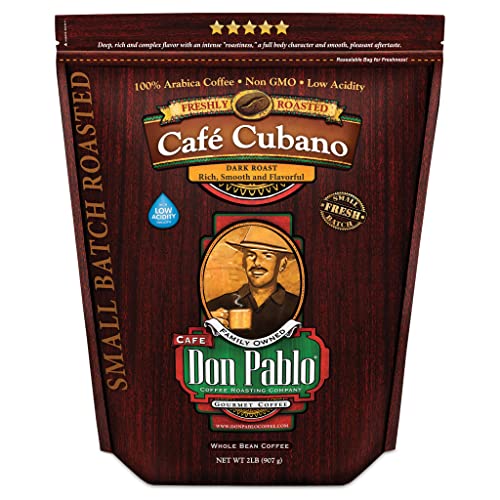
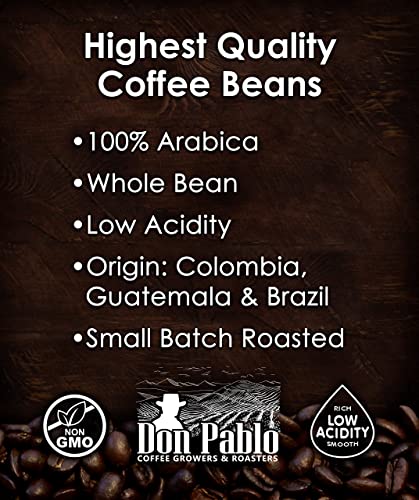
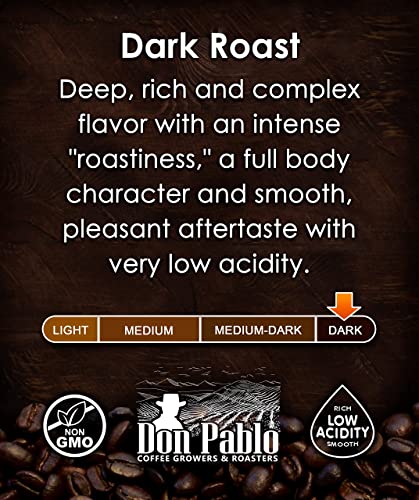
Don Pablo’s Café Cubano is one of the smoothest low-acidity options available, and that’s its main draw. The blend of beans from Colombia, Guatemala, and Brazil is roasted to avoid bitterness while maintaining a deep, full-bodied profile, a balance that many owners say makes it perfect for morning café con leche without stomach upset.
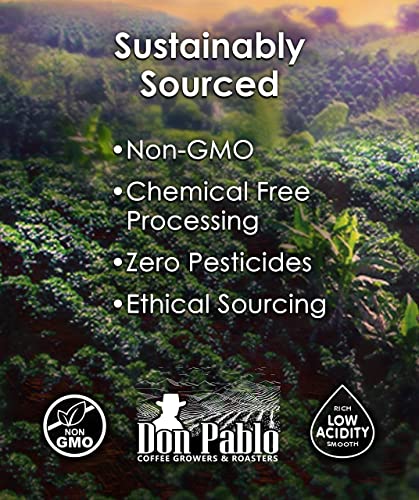
It’s also one of the few with a risk-free guarantee, which adds peace of mind. Compared to Mayorga, it lacks the organic label, but it still uses 100% Arabica and small-batch roasting. I’d recommend this for anyone who loves Cuban coffee but can’t handle the sharp edge some dark roasts bring. It’s not the boldest, but it might be the most drinkable.
Product photos
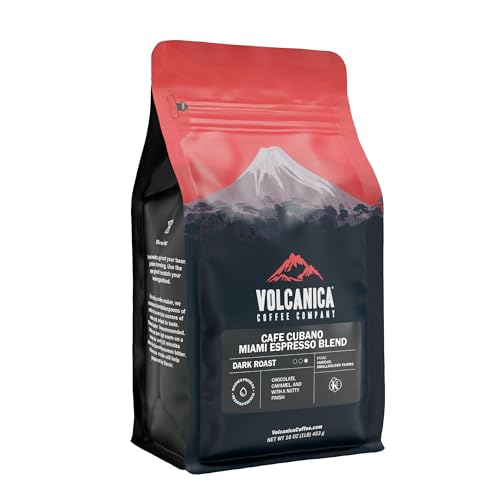
Cafe Cubano Dark Roast 16 oz
Strengths
- Lab-tested for safety
- Rich chocolate notes
- Ideal for espresso prep
- Kosher certified
Trade-offs
- No organic claim
- Limited availability
- Packaging not resealable
This one leans into authentic preparation better than any other on the list. The focus here isn’t just on flavor, but on delivering a coffee that’s safe, clean, and true to Cuban tradition, including lab testing for mold and mycotoxins, which is rare at this level. That matters, because Cuban coffee is often brewed concentrated and consumed in smaller, stronger servings, so purity is key.
Owners appreciate the chocolate and nutty notes, and many confirm it works perfectly in a stovetop espresso maker, producing that signature syrupy texture. When compared to Gaviña or Bustelo, it’s less about brand nostalgia and more about process integrity. If you care about what you’re putting into your body and want the real ritual, this is the pick.
Product photos

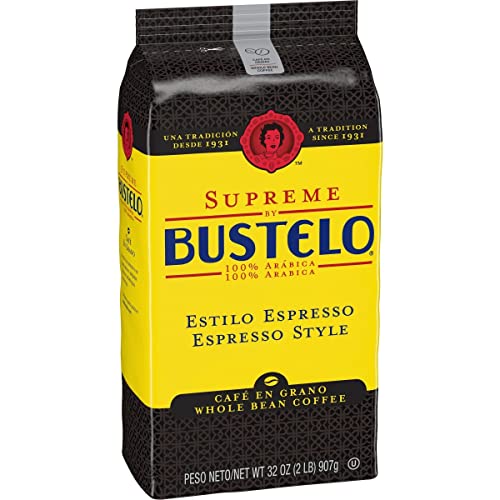
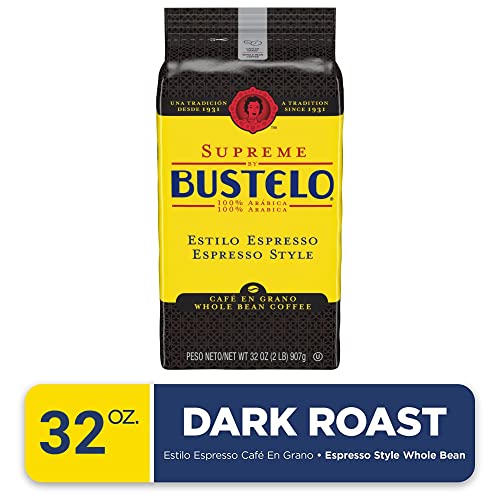
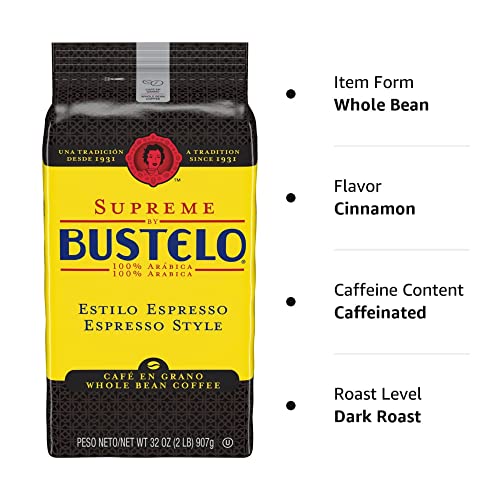
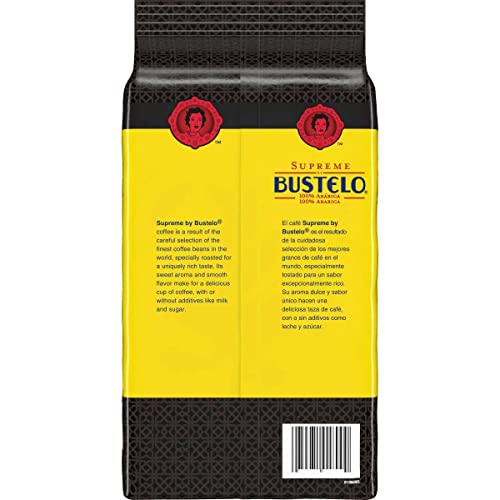
Supreme Bustelo Espresso Style
Strengths
- Bold flavor
- Large 32 oz bag
- Widely available
Trade-offs
- Can taste burnt to some
- Less origin character
- Not specialty grade
Supreme Bustelo has that familiar boldness people associate with Cuban-style coffee, and it’s built for those who want a no-nonsense, punchy cup without fuss. On paper, it’s a medium dark roast, but in practice, owners consistently report it drinks much darker, aggressive in flavor, with a lingering intensity that holds up well under sugar or milk, which matters for traditional café con leche prep.
It’s not the most nuanced option here, and coffee purists might find it a bit one-dimensional, but its consistency and availability make it a staple. Compared to pricier artisanal blends, it doesn’t offer complexity, but it delivers reliability. I’d pick it for daily use if you’re after volume and strength without overthinking subtleties.
Product photos

How We Chose These cuban coffee beans
As the founder of Bean Thusiast, I approached researching Cuban coffee beans by first compiling a detailed list of available options and then comparing their published specifications. I focused heavily on roast level, bean origin (looking for those traditionally associated with Cuban-style blends), and certifications like organic or fair trade. Beyond the specs, I spent considerable time reading owner reviews on sites like Amazon, and cross-referencing with expert opinions from coffee review blogs and publications. This wasn’t about tasting each one personally, but a research-led comparison.
For Cuban coffee, three factors stood out as most critical. A dark roast is almost universal for achieving that signature bold flavor. Bean origin – while not strictly limited – leans heavily toward Latin American varieties, particularly those that deliver chocolatey and nutty notes. Finally, freshness is key; I prioritized brands that emphasized small-batch roasting and airtight packaging to preserve aroma and flavor. These elements directly impact the final cup’s characteristics.
Specifications reliably reveal bean origin and roast level. However, nuanced details like flavor complexity and smoothness are best gleaned from owner feedback. I weighed comments about bitterness, acidity, and how well the beans performed in various brewing methods (especially stovetop espresso makers) very carefully. Reputation and longevity of the brand were also considered, indicating consistent quality and customer satisfaction. Understanding authentic cafecito brewing method is also essential to appreciating the nuances of these beans.
How To Pick The Right cuban coffee beans
Finding the right Cuban coffee beans can transport you to a sun-drenched café in Havana with every sip. But there’s more to it than just the origin; understanding the nuances of roast, blend, and preparation will help you unlock the full potential of this beloved brew.
Cuban coffee is traditionally characterized by a dark roast, a fine grind, and a unique brewing method involving sugar whipped into the grounds during the brewing process. Look for 100% Arabica beans, or a blend with a small percentage of Robusta for an extra kick, and consider how you intend to brew – espresso machine, stovetop cafetera, or drip. A focus on freshness and sourcing practices is also key to a superior cup.
Roast Level & Flavor Profile
The classic Cuban coffee experience centers around a very dark roast, and for good reason. This isn’t about burning the beans; it’s about developing a specific profile. A darker roast minimizes acidity, which is a key characteristic, and maximizes body and sweetness. However, “dark roast” isn’t a single point – look for descriptions like “Cuban style” or “Espresso Roast”. Be wary of anything labeled simply “dark” as it might be too bitter. Many brands, like Gaviña Old Havana Espresso, clearly state their intention to create a rich espresso, guiding you toward the desired outcome.
Bean Origin & Blend
While traditionally Cuban coffee relied on beans grown in Cuba, most commercially available options today source beans from other Latin American countries to replicate the flavor profile. Many excellent options use beans from Colombia, Nicaragua, and Honduras. The best brands, like Mayorga Organic Cafe Cubano Roast, are transparent about their sourcing, often partnering directly with farmers. Understanding Robusta vs Arabica flavor differences is also helpful. While 100% Arabica is common, some blends incorporate a small percentage of Robusta for increased crema and a bolder taste.
Freshness and Packaging
Cuban coffee benefits tremendously from freshness, and that starts with packaging. A one-way valve bag, like those used by Kahwa Cuban Coffee Beans, is essential. This allows CO2 to escape (a natural byproduct of roasting) without letting oxygen in, preserving flavor. Consider how frequently you brew. Smaller bags are better if you don’t drink coffee daily to avoid staleness. Here are a few points to keep in mind: * Whole bean is always preferable to pre-ground. * Look for a roast date, not just a “best by” date, to gauge freshness. * Storing beans in an airtight container, away from light and heat, will maximize their lifespan, and help you enjoy authentic Cuban coffee brands.
A truly great cup starts with freshly roasted beans. Don’t settle for coffee that’s been sitting on a shelf for months. Prioritize roast dates and airtight packaging.
Cuban Coffee Beans Compared
Here’s a comparison of key specifications for several Cuban coffee bean options.
| Product Name | Roast Level | Bean Type | Weight (oz) | Origin | Flavor Profile |
|---|---|---|---|---|---|
| Mayorga Organic Cafe Cubano Roast | Dark | Arabica | N/A | Peru, Honduras, Nicaragua | Vanilla, Smoky |
| Kahwa Cuban Coffee Beans | Dark | N/A | 16 | Various | Strong, Sweet |
| Gaviña Old Havana Espresso | Medium-Dark | Arabica | 32 | N/A | Nutty, Citrus |
| Cafe La Llave Cuban-Style Blend | Dark | N/A | 32 | N/A | Bold, Aromatic |
| Don Pablo Cafe Cubano | Dark | Arabica | N/A | Colombia, Guatemala, Brazil | Intense, Smooth |
| Cafe Cubano Dark Roast | Dark | N/A | 16 | N/A | Chocolate, Caramel |
| Supreme Bustelo Espresso Style | Medium-Dark | N/A | 32 | N/A | Exotic, Roasted |
Frequently Asked Questions
What grind size is best for Cuban coffee?
A very fine grind is essential; Cuban coffee requires a consistency similar to powdered sugar. This fineness is needed for both the traditional cafetera brewing method and for achieving a thick, syrupy brew. Using a coarser grind will result in a weak and under-extracted coffee.
Is Robusta coffee ever used in Cuban blends?
Yes, some Cuban-style blends include a small percentage of Robusta beans, typically up to 20-30%. Robusta adds body, crema, and a bolder, more intense flavor. However, most traditional Cuban coffee emphasizes 100% Arabica for a smoother, sweeter experience.
What’s the difference between “Cuban-style” and just “dark roast”?
“Cuban-style” implies a very specific dark roast profile intended to minimize acidity and maximize sweetness, designed for the unique brewing method. A generic “dark roast” can vary widely in flavor and might be overly bitter, lacking the balanced character found in authentic Cuban coffee. You can explore best beans for Cafe Cubano to understand flavor nuances.
How important is the roast date on Cuban coffee beans?
The roast date is extremely important. Cuban coffee, with its dark roast, loses flavor and aroma quickly once exposed to air. Aim for beans roasted within the last 30 days for optimal freshness, and always check for a roast date rather than just a “best by” date.
Where can I find truly authentic Cuban coffee beans?
Finding beans grown in Cuba is difficult due to import restrictions. However, many brands expertly replicate the flavor profile using beans from other Latin American regions, like Colombia or Nicaragua. To experience authentic Cuban espresso beans look for roasters specializing in Cuban-style espresso blends and those prioritizing freshness and quality.
The Bottom Line
Choosing Cuban coffee beans often comes down to balancing the intensity you crave with the convenience of preparation. While many brands offer a similar dark roast profile, I believe Mayorga Organic Cafe Cubano Roast strikes the best overall balance of flavor complexity, ethical sourcing, and consistent quality – a truly excellent starting point for anyone exploring this style.
For those on a tighter budget, Cafe La Llave Cuban-Style Blend delivers a reliably bold and aromatic experience without breaking the bank. If you’re specifically after a versatile option suitable for both stovetop cafeteras and espresso machines, Kahwa Cuban Coffee Beans stands out. Understanding selecting high-quality coffee beans will also help you make the best choice.
Ultimately, the “best” Cuban coffee isn’t about a single brand or roast date. It’s about finding beans that suit your preferred brewing method and personal taste. Prioritize freshness, look for a true dark roast, and remember that a little experimentation is part of the fun of discovering your perfect cup.
