
3 Best Cold Press Coffee Makers of 2026
The Takeya Deluxe is the best cold press coffee maker for most people, delivering clean, smooth coffee with a durable Tritan build and fine-mesh filter that owners consistently praise. If you want a premium, stylish option built to last, the Bodum stands out with its stainless steel construction and strong filtration.
Most people don’t realize how much the right cold press coffee maker can elevate their cold brew, from avoiding gritty sediment to fitting neatly in the fridge for daily use. A lot of models look similar, but small differences in filter quality and materials make a real difference in taste and longevity.
I compared top models based on specs, owner feedback, and what matters most: consistent brew quality, ease of cleaning, and durability. These picks reflect what stands out in real-world use, not just on paper.
Top 3 Cold Press Coffee Maker in the Market
The Best Cold Press Coffee Maker, Reviewed
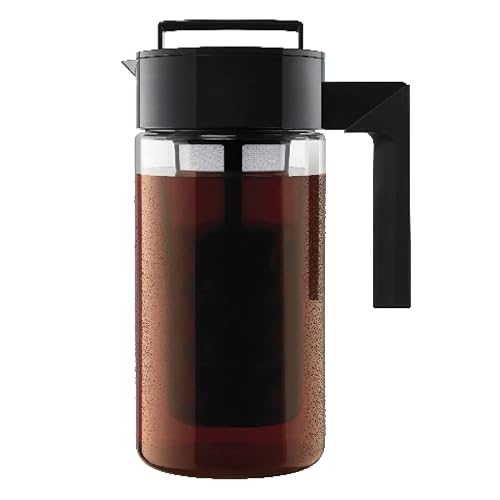
Takeya Deluxe Cold Brew Coffee Maker
Strengths
- Fine-mesh filter
- Leakproof lid
- Dishwasher safe
- Durable Tritan
- Compact fit
Trade-offs
- Plastic feel not for everyone
- Filter hard to clean
- No measurement markings
The Takeya Deluxe stands out as a no-nonsense, reliable workhorse in the cold brew game. On paper and in owner feedback, it nails the essentials: a fine-mesh filter that actually keeps silt out, a truly leakproof lid that holds up during fridge storage, and a durable Tritan pitcher that won’t crack or retain odors. It’s one of the few models that feels built for daily use without fuss.
What impresses most is how consistently reviewers report making smooth, low-acid concentrate with minimal effort, just add coarsely ground beans and cold water, steep overnight, and pour. Compared to glass models, this one is lighter, safer, and fits in most fridge doors. It’s not flashy, but it’s the kind of well-executed design that makes you wonder why others haven’t copied it.
Video review
Bodum 51oz Cold Brew Coffee Maker

Strengths
- Premium build
- Dual-lid system
- Stainless steel accents
- No paper filters
- Smooth extraction
Trade-offs
- Plastic carafe stains
- Heavier than others
- Pricier for function
Bodum brings its usual build confidence to this cold brew pitcher, and it shows in the materials, stainless steel accents, a solid silicone lid, and a plunger-style system that actually feels substantial in hand. The dual-lid design is smart: one seals during steeping, the other doubles as a press and pour lid, which owners say makes serving easier and less messy. It’s not a French press, but the mechanism helps compact grounds after brewing.
Still, despite the premium vibe, some users note the plastic carafe can stain over time, especially with frequent use. It’s BPA-free and durable, but not quite at the level of the Takeya’s Tritan. If you value craftsmanship and a refined look, this one delivers. But it’s overkill if you just want a no-frills brewer.
Video review
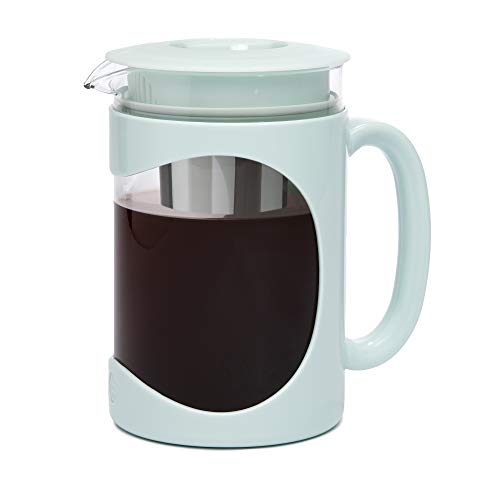
Primula Burke Deluxe Cold Brew Maker
Strengths
- Large capacity
- Glass carafe
- Comfort grip handle
- Dishwasher safe
- Easy to use
Trade-offs
- Glass can break
- Not leakproof
- Requires proper tamp
This one feels like the gateway drug to cold brew, and that’s a good thing. The Primula Burke is straightforward, affordable, and built with beginners in mind. The glass carafe gives it a clean, classic look, and the removable mesh filter is easy to handle and clean, which owners consistently praise. At 1.6 quarts, it makes enough for several servings, and the comfort-grip handle actually makes pouring without drips possible.
Where it stumbles slightly is in the fine print: some users report weak brews if the grind isn’t coarse enough or the grounds aren’t lightly tamped. It’s not a flaw, just a learning curve. Compared to the Takeya, it’s less rugged and doesn’t have a leakproof lid, so it’s not ideal for fridge jostling. But for someone testing the cold brew waters, it’s a solid entry point.
Product photos


How We Evaluated cold press coffee maker
As the founder of Bean Thusiast, I approach evaluating coffee equipment with a focus on how it impacts the final brew’s flavor and ease of use. Rather than a hands-on lab test, this was a research-led comparison of published specifications, features, and, most importantly, owner and expert feedback. I compared models across build quality, brewing capacity, filtration effectiveness, and ease of cleaning, looking for patterns in what users consistently praised or criticized.
For cold press coffee makers, consistent brew quality and durability are paramount. I weighted the quality of the filtration system heavily, as a fine-mesh filter is crucial for avoiding sediment in the final cup. Beyond that, the materials used and the design’s practicality for everyday use were key factors. If you’re looking for additional information, check out our cold brew equipment tips.
Specifications tell you about capacity and materials, but owner reviews reveal how those translate to real-world performance. I paid close attention to comments about leakage, ease of cleaning, and whether the coffee truly tasted smoother and less acidic. Reputation among coffee enthusiasts and mentions in respected review sites also influenced my assessment. Learning more about finding the right beans is also helpful with our coffee bean selection for cold brew.
How To Choose The cold press coffee maker
As someone who’s spent years exploring the world of coffee, I know a fantastic cold brew begins with the right equipment.
A quality cold press coffee maker should prioritize ease of use, consistent extraction, and durability. Look for models with fine-mesh filtration to avoid sediment, materials that won’t impart flavors, and designs that simplify both brewing and cleaning. Airtight seals are crucial for preserving freshness, and a suitable capacity for your needs is also key.
Filter Quality & Sediment
The biggest complaint I hear about cold brew is sediment. It’s unpleasant to drink and suggests inconsistent filtration. While some sediment is inevitable, a truly good cold press coffee maker minimizes it. Stainless steel filters are typically superior to nylon or paper; they’re reusable, don’t add flavor, and generally offer finer filtration. Look closely at how the filter seals against the brewing chamber – a tight seal is essential. The Takeya Deluxe, for example, boasts a fine-mesh filter, and reviews highlight its effectiveness at keeping grounds contained, while some cheaper models struggle here.
Material & Durability
Glass carafes look elegant, but they are fragile. Tritan plastic (like in the Takeya) and stainless steel are much more durable choices. Beyond avoiding breakage, consider how the material affects taste. Low-quality plastics can impart off-flavors, so BPA-free options are a must. Stainless steel is generally inert and won’t alter the coffee’s profile. The Bodum system, with its stainless steel and silicone components, represents a premium build quality that should last. If you’re looking for top cold brew makers, material is a major consideration.
Capacity & Convenience
Think about how much cold brew you typically make. A smaller pitcher (32-48oz) is fine for one or two people, but a larger capacity (50oz+) is better for families or entertaining. Beyond size, ease of cleaning is paramount. Dishwasher-safe components are a huge time-saver. I’ve found that a wide-mouth opening makes cleaning much easier. Here’s what I look for when thinking about convenience: * A simple design. Too many parts mean more to clean. * Dishwasher compatibility. This is a huge win for daily use. * A design that fits easily into your refrigerator door. This isn’t just about space; it encourages more frequent brewing.
A good rule of thumb: don’t skimp on the filter. A superior filter will always deliver a cleaner, more enjoyable cold brew, regardless of the other features.
Finally, if you are interested in making a really strong cold brew ratio for a concentrate, ensure the maker has a capacity large enough to accommodate the coffee grounds and water needed.
Cold Press Coffee Maker Compared
Here’s a comparison of key specifications for the featured cold press coffee makers.
| Product | Capacity (oz) | Material | Filter Type | Dishwasher Safe | Lids Included |
|---|---|---|---|---|---|
| Takeya Deluxe | N/A | Tritan | Fine-Mesh | Yes | 1 |
| Bodum | 51 | Stainless Steel, Plastic | N/A | N/A | 2 |
| Primula Burke Deluxe | 52 | Glass | Removable | Yes | N/A |
Frequently Asked Questions
What grind size should I use for cold press coffee?
A coarse grind is best for cold press coffee. It prevents over-extraction and minimizes sediment passing through the filter, resulting in a smoother, less bitter brew. Think about a grind similar to what you’d use for a French press.
Can I use a cold press coffee maker for tea?
Yes, you absolutely can use a cold press coffee maker for tea, especially for making sun tea or cold-brew style iced tea. Just ensure it’s thoroughly cleaned after brewing coffee to avoid flavor transfer.
How long will cold brew concentrate last in the refrigerator?
Properly stored in an airtight container, cold brew concentrate will generally last for up to two weeks in the refrigerator. However, the flavor will start to degrade after the first week, so it’s best consumed sooner rather than later.
Are glass cold brew makers prone to breaking?
Glass carafes are more fragile than plastic or stainless steel options, so they are more prone to breaking if dropped or exposed to sudden temperature changes. If durability is a primary concern, I recommend considering a model made from Tritan plastic or stainless steel.
What’s the difference between cold brew and iced coffee?
Cold brew is steeped for 12-24 hours, resulting in a less acidic, naturally sweeter concentrate. Iced coffee is typically hot-brewed coffee that’s then chilled, and often diluted, which can sometimes result in a more bitter taste. If you’re interested in other brewing methods, you might consider exploring the best cold drip coffee maker for a different, equally smooth result.
The Bottom Line
Ultimately, choosing a cold press coffee maker comes down to balancing convenience with control. If you want consistently smooth, sediment-free cold brew with minimal fuss, I recommend the Takeya Deluxe. It strikes an excellent balance of durability, filtration, and ease of cleaning, making it a standout option for daily use.
For those on a tighter budget, the Primula Burke Deluxe offers a good entry point into cold brew, though you might encounter a bit more sediment. And if you value versatility and already enjoy a French press, exploring the French press cold brew method is a great way to get started. The Bodum system, while pricier, is a top-tier choice for those prioritizing build quality and a premium brewing experience.
Don’t get too hung up on fancy features or large capacity numbers. The most important factors are a quality filter to eliminate sediment, durable materials that won’t affect the coffee’s taste, and a design that makes brewing and cleaning a simple, repeatable process. Focus on those fundamentals, and you’ll be well on your way to enjoying exceptional cold brew at home.
