
8 Best Coffee Makers of 2026
The Cuisinart 14-Cup Coffee Maker stands out as the best overall pick for its consistent brew quality and durable design, while the BLACK+DECKER 12-Cup offers solid performance at a budget-friendly price. For those who want versatility, the Ninja 12-Cup Programmable Brewer delivers rich flavor with its bold setting and small-batch brewing.
Most people just want a reliable machine that makes a great cup without fuss, but too many coffee makers fall short on temperature control, durability, or ease of use. After comparing the field and analyzing specs, owner feedback, and brewing fundamentals, I focused on models that deliver real-world performance.
This guide highlights coffee makers that nail the basics, proper brewing temperature, consistent strength, and simple maintenance, so you can find one that fits your routine and keeps your mornings on track.
Top 8 Coffeee Makers in the Market
The Best Coffeee Makers, Reviewed
Keurig K-Duo Coffee Maker

Strengths
- Single-serve and carafe
- Programmable carafe
- 72 oz reservoir
Trade-offs
- No built-in frother
- Pod-only for single brew
If you need both single-serve and carafe brewing in one unit, the K-Duo Gen 2 is hard to beat. The MultiStream technology ensures even saturation whether you’re using a K-Cup or grounds, and owners consistently report a noticeable improvement in flavor over older models. The shared 72 oz reservoir is smart design, fewer refills, more flexibility.
The programmable carafe auto-brew is a standout for mornings, and the pause-and-pour function works smoothly. While it lacks a frother like the Ninja PB051, it’s more streamlined for households with mixed brewing needs. I’d call this the most balanced all-in-one option, more practical than the Ninja single-serve, more complete than the Cuisinart.
Video review
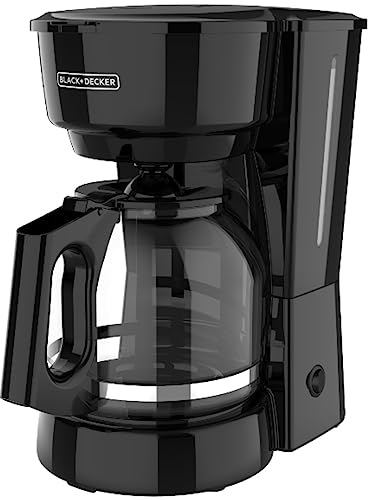
BLACK+DECKER 12-Cup Coffee Maker
Strengths
- Vortex even saturation
- Sneak-a-cup feature
- No-drip spout
Trade-offs
- No reusable filter
- Basic keep-warm only
This is the kind of no-frills workhorse that’s been in kitchens for decades. The vortex technology promises even saturation, and owners confirm it produces a more balanced cup than cheaper models in this price range. The sneak-a-cup feature is genuinely useful, pausing mid-brew without mess is a small luxury that adds up.
It’s not flashy, but it’s dependable. The removable filter basket is dishwasher safe, and the no-drip spout works as advertised. Compared to the Mueller, it lacks a reusable filter and auto-off safety, but it’s often priced lower. If you’re on a tight budget and want something that just works, this fits. I’d still lean toward the Mueller for long-term sustainability, but this holds its ground on pure value.
Video review
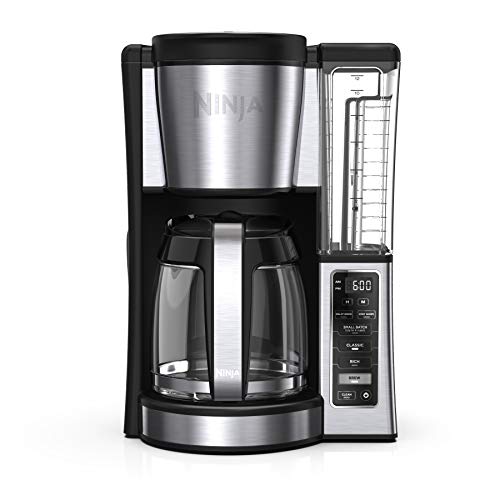
Ninja 12-Cup Programmable Brewer
Strengths
- Rich and Classic brew
- Small batch mode
- 24-hour delay brew
Trade-offs
- No thermal carafe
- No built-in grinder
This drip brewer shines in customization. The Rich and Classic brew styles, paired with small-batch mode, mean you can brew a single cup without watery results, a rare and welcome feature. Owners love the 24-hour delay brew, and the adjustable warming plate lets you control how long your coffee stays hot without scorching.
The 60 oz reservoir is easy to handle, and the hotter brewing technology extracts more flavor than budget models. Against the Cuisinart, it offers better small-batch performance and more programmability. If you care about brew strength and freshness over time, this is my top recommendation in the drip category.
Product photos


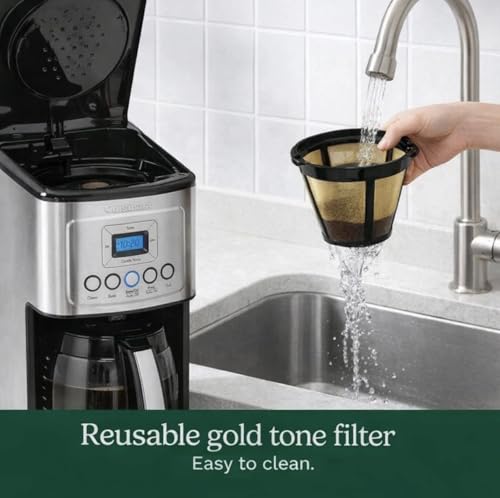
Cuisinart 14-Cup Coffee Maker

Strengths
- Brew strength control
- Gold-tone permanent filter
- 14-cup capacity
Trade-offs
- Glass carafe not thermal
- No small-batch mode
Cuisinart’s DCC-3200NAS has been a staple in mid-tier drip coffee makers for years, and for good reason. The 14-cup capacity and brew strength control make it a go-to for households that serve coffee regularly. The gold-tone permanent filter is a standout, no paper needed, and it allows more oils through for a fuller taste, which aligns with what many specialty coffee drinkers prefer.
Owners praise its consistency and durability, though some note the carafe can drip if not replaced perfectly. It lacks a thermal carafe, so you’re stuck with a hot plate, but the adjustable warming setting helps avoid bitterness. Against the BLACK+DECKER model, it offers more control and a larger batch size, making it the smarter buy for frequent hosts.
Product photos



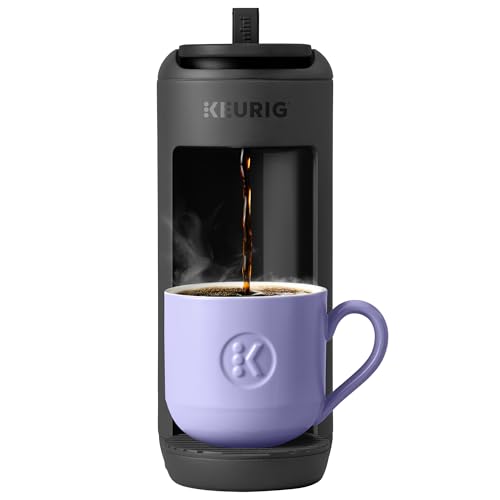
Keurig K-Mini Mate
Strengths
- Extremely compact
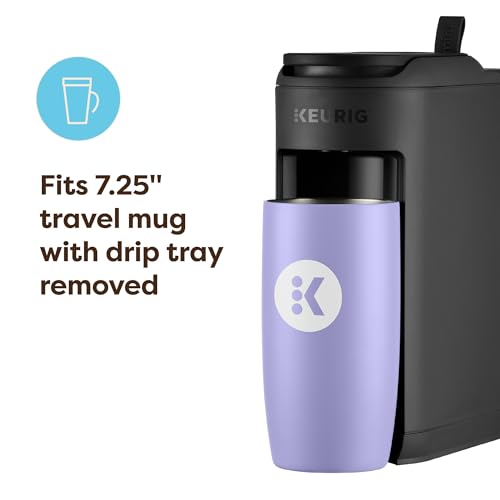
- Travel mug compatible
- Sleek design
Trade-offs
- No bold or strong brew
- Small water reservoir
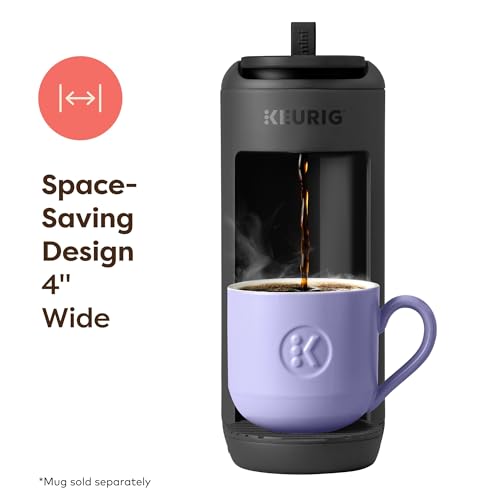
If countertop real estate is tight, this is one of the narrowest single-serve brewers on the market. At just 4 inches wide, it’s built for dorms, offices, or minimalist setups where space is essential. The 12 oz max brew is standard for this class, and reviewers note it heats up quickly with reliable extraction.
It doesn’t offer bold settings or a large reservoir, this is bare-bones Keurig convenience in a sleek shell. Compared to the Ninja single-serve models, it’s far less versatile, but that’s not the point. For someone who just wants a quick, clean cup without clutter, it does exactly that. My recommendation? Only if space is your top constraint.
Product photos


K Cup Single Serve Coffee Maker
Strengths
- Bold brew option
- Reusable filter included
- 52 oz water tank
Trade-offs
- Average build quality
- No programmable brew
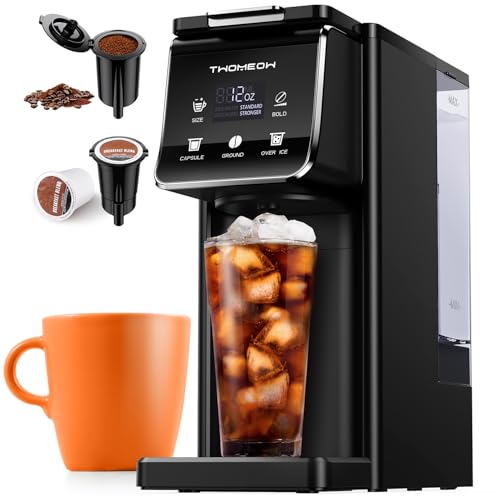
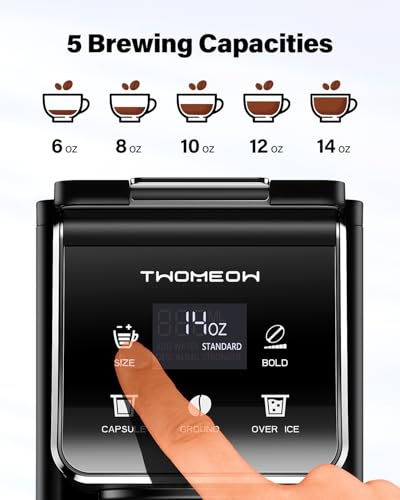
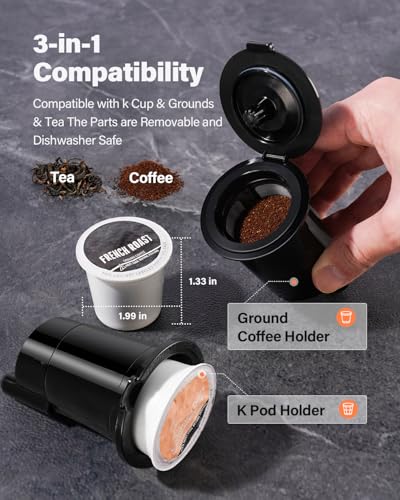
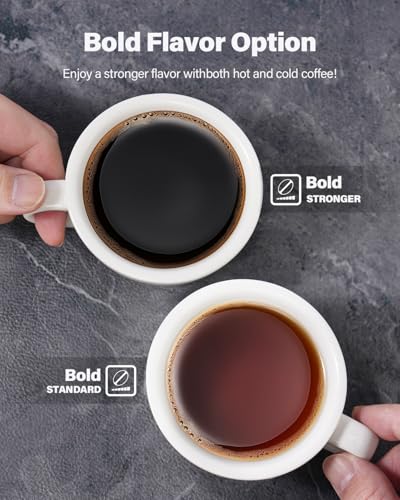
This single-serve machine checks a lot of boxes for iced coffee fans. The bold setting is a real advantage when brewing over ice, helping maintain flavor strength as the cubes melt. Owners consistently report that it delivers a noticeably richer cup compared to basic models without strength control, which matters when dilution is part of the equation.
The 52 oz reservoir is decent for a pod machine, and the reusable filter adds value for those who want to use their own grounds. While it’s not the most compact unit, it’s a solid middle-ground pick, more flexible than basic Keurigs but not as complex as high-end hybrids. I’d rank it just behind the Keurig K-Duo for versatility, but ahead of the K-Mini Mate in functionality.
Product photos


Ninja Single Serve Coffee Maker
Strengths
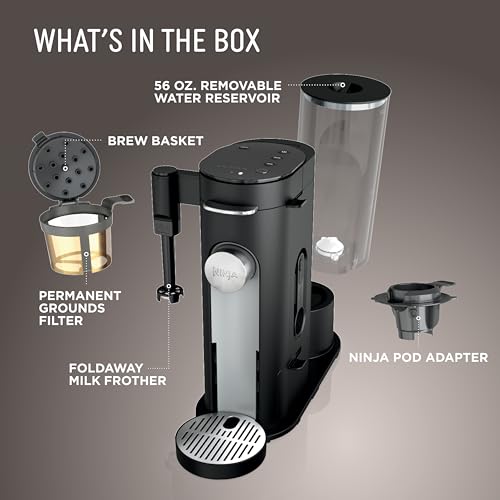
- Brew with grounds or pods
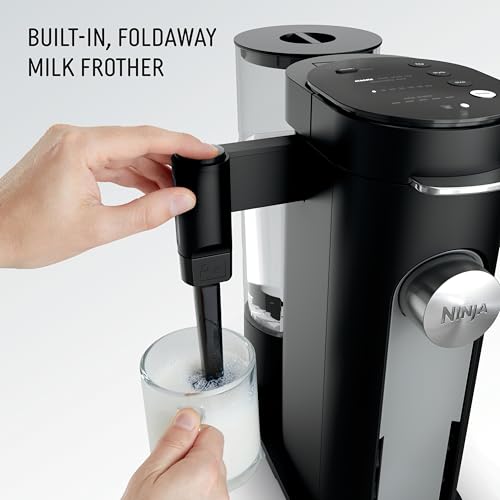
- Built-in milk frother
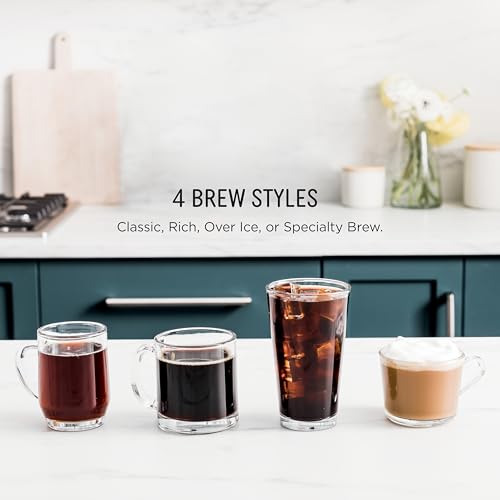
- 4 brew styles
Trade-offs
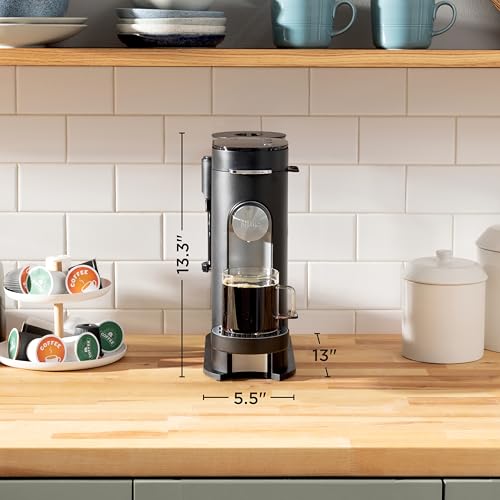
- Larger footprint
- Frother requires cleaning
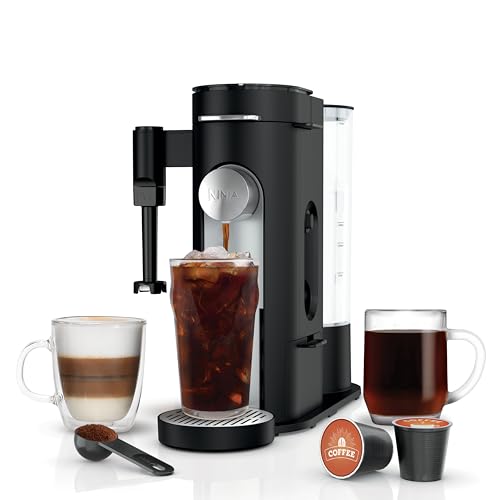
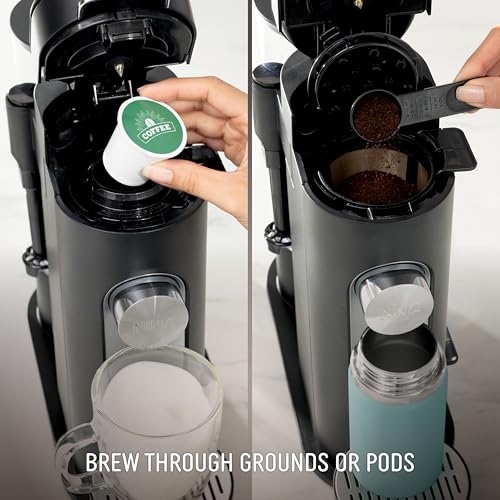
This machine is a standout in the single-serve space because it bridges the gap between pod convenience and craft brewing. The ability to brew with grounds or pods is huge, but the real win is the 4 brew styles, including Over Ice and Specialty. Reviewers highlight how the rich and over-ice settings deliver café-quality results, especially when paired with the built-in frother.
The 56 oz reservoir and wide cup clearance add to its practicality. While it’s pricier than most pod-only units, it competes directly with the Keurig K-Duo. Where it wins is in flavor control and milk frothing, making it the better choice for someone who wants lattes or strong concentrates at home. My pick for versatility, no question.
Product photos
Mueller 12-Cup Drip Coffee Maker

Strengths
- Borosilicate glass carafe
- Reusable eco-filter
- Auto-off safety
Trade-offs
- Basic brew controls
- No programmable brew
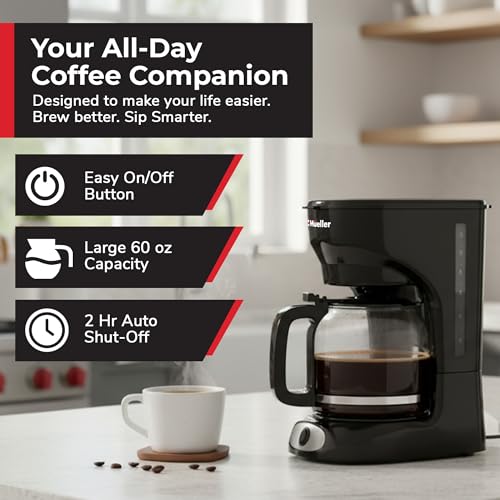
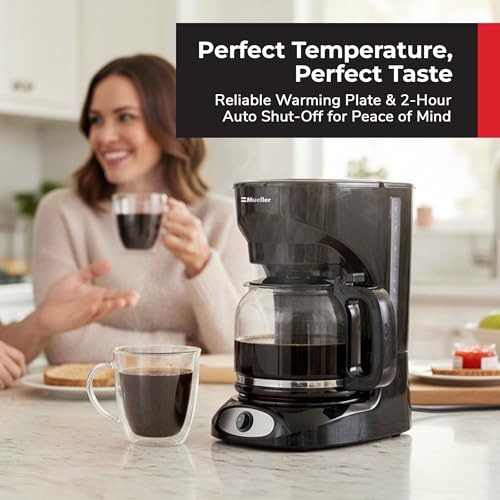
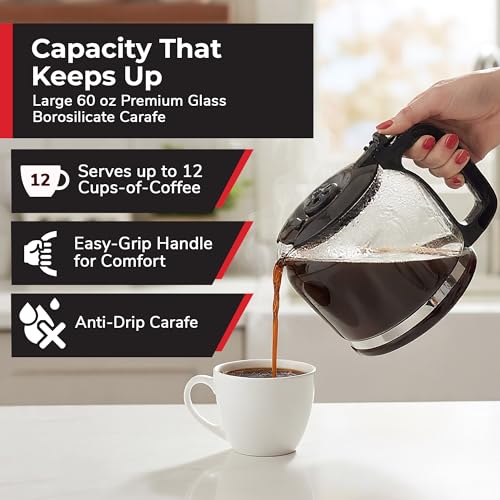
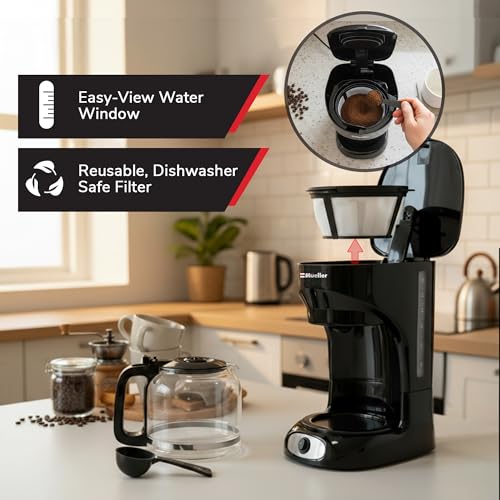
The Mueller stands out for one big reason: its high-quality reusable filter and borosilicate carafe. This isn’t just marketing, owners report noticeably better flavor retention and easier cleaning compared to standard glass carafes. The borosilicate glass resists thermal shock and doesn’t hold odors, which matters for long-term use.
Auto-off after two hours is a thoughtful safety touch, and the clear water window helps with measuring. While it lacks advanced brew settings like the Ninja or Cuisinart, it hits a sweet spot for eco-conscious users. Compared to the BLACK+DECKER, it’s a step up in materials and sustainability. For those ditching paper filters, this is the smarter long-term pick.
Product photos
How We Picked These coffeee makers
Rather than a hands-on lab test, my research for these recommendations focused on a detailed comparison of published specifications and features across numerous models. I weighed owner reviews from major retailers against expert opinions found in publications like Consumer Reports and Good Housekeeping. As the founder of Bean Thusiast, I applied my understanding of brewing principles and what truly contributes to a great cup of coffee to rank options against a set of clear criteria.
For coffee makers, brew strength options and carafe capacity were the biggest differentiators. The ability to consistently deliver a hot, flavorful brew – whether a single cup or a full pot – significantly impacted my rankings. Beyond that, features like programmability and ease of cleaning proved crucial, as these contribute directly to the daily user experience. Understanding the nuances of grind consistency comparison is also key, as it impacts the final brew quality.
Specifications reliably indicate capacity, brewing temperature ranges, and available features. However, I placed greater emphasis on owner feedback when assessing long-term durability, ease of cleaning, and the accuracy of advertised features. Reputation, based on consistent positive (or negative) reports, also played a significant role in my final assessments. Ultimately, this guide aims to present options that balance functionality, reliability, and value.
Choosing The Right coffeee makers
Finding the right coffee maker can feel overwhelming. There are so many options, from basic drip machines to complex single-serve brewers, and understanding what truly matters will make all the difference in your daily cup.
A good coffee maker consistently delivers coffee at the correct temperature (195-205°F/90-96°C), offers a brew cycle appropriate for the volume being made, and is constructed with durable materials that won’t impart off-flavors. Pay attention to features like brew strength control, programmability, and ease of cleaning when evaluating models.
Brew Style & Capacity
The first decision is how you generally prefer to brew. Do you need a full carafe for a family, or do you typically just make one or two cups? Drip coffee makers excel at larger batches, and models like the Cuisinart 14-Cup Coffee Maker are specifically designed for this. However, if you’re often the only coffee drinker, a single-serve machine – perhaps one of the recommended coffee brewing machines – might be a better fit. Don’t automatically equate capacity with quality; a smaller machine focused on precise brewing can easily outperform a larger one that prioritizes volume.
Temperature & Brew Strength
Consistent brewing temperature is crucial. Many cheaper models struggle to reach and maintain the ideal 195-205°F range, resulting in under-extracted, sour coffee. Look for models that specifically mention temperature control, or that have received positive reviews regarding brew temperature. Beyond temperature, brew strength is also key. Machines like the Ninja 12-Cup Programmable Brewer offer adjustable brew styles (Classic or Rich), giving you more control over the final result.
Here’s what to consider when it comes to brew strength: * A simple “bold” setting is a good start. * Machines with pre-infusion cycles (where the grounds are briefly saturated before full brewing) tend to extract more flavor. * For ultimate control, explore options like the Ninja Single Serve Coffee Maker, which allows you to select from multiple brew sizes and styles, even offering specialty brew options.
Usability & Maintenance
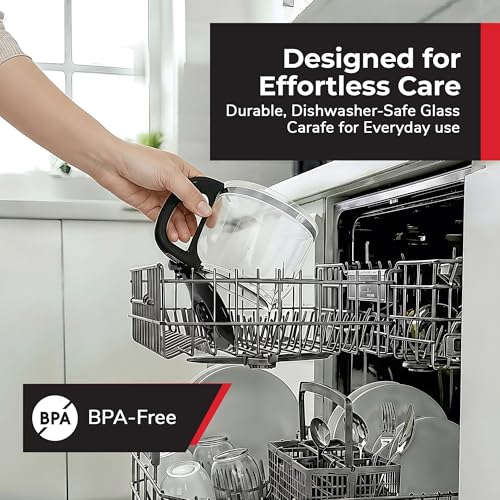
A coffee maker should simplify your morning, not complicate it. Consider features like a programmable timer (especially useful for carafes), a removable water reservoir for easy filling, and a pause-and-pour function. Don’t underestimate the importance of cleaning. Models with dishwasher-safe parts, like the BLACK+DECKER 12-Cup Coffee Maker, will save you significant time and effort. And be sure to check coffee filter size guide to ensure you’re using the correct filter sizes for your chosen machine and avoid messy overflows.
A clean coffee maker is a happy coffee maker. Descale your machine regularly (at least every three months, or more often if you have hard water) to remove mineral buildup and maintain optimal performance.
Coffee Makers Compared
Here’s a comparison of key specifications for several coffee makers to help you choose the right one.
| Product Title | Capacity (Cups) | Brew Styles | Reservoir (oz) | Filter Type | Special Features |
|---|---|---|---|---|---|
| Keurig K-Duo Coffee Maker | 12 / Single | K-Cup/Grounds | 72 | Paper/Reusable | Brew Over Ice, Strong Brew |
| BLACK+DECKER 12-Cup Coffee Maker | 12 | Standard | N/A | Paper | Sneak-a-Cup, No-Drip Spout |
| Ninja 12-Cup Programmable Brewer | 12 | Classic/Rich | 60 | Permanent | 24hr Programmable, Small Batch |
| Cuisinart 14-Cup Coffee Maker | 14 | Standard/Bold | N/A | Permanent | Adjustable Keep Warm |
| Keurig K-Mini Mate | Single | K-Cup | 12 | Paper | Compact Design |
| K Cup Single Serve Coffee Maker | Single | Standard/Strong | 52 | Paper/Reusable | Iced Coffee, 5 Brew Sizes |
| Ninja Single Serve Coffee Maker | Single | Classic/Rich/Over Ice/Specialty | 56 | Paper/Reusable | Built-in Frother |
| Mueller 12-Cup Drip Coffee Maker | 12 | Standard | N/A | Reusable | 2hr Auto Shutoff |
Frequently Asked Questions
What water should I use in my coffee maker?
Filtered water is best; it reduces mineral buildup and improves coffee flavor. Tap water often contains chlorine and other impurities that can negatively impact the taste, while distilled water lacks the minerals needed for proper extraction.
How often do I need to clean a coffee maker?
You should descale your coffee maker every three months, or more frequently if you have hard water. Regular cleaning with soap and water after each use, along with periodic descaling, prolongs the machine’s lifespan and maintains optimal brew quality.
Can I use any type of coffee filter?
Most coffee makers use standard paper filters or reusable metal filters. However, checking your machine’s manual is vital to confirm the correct size and type, as using the wrong filter can lead to overflows or poor filtration.
What’s the difference between a thermal carafe and a glass carafe?
A thermal carafe keeps coffee hot for a longer period without a heating element, preserving flavor. Glass carafes require a hot plate to maintain temperature, which can sometimes scorch the coffee over time.
Are single-serve coffee makers more expensive in the long run?
While the initial cost of a single-serve machine may be lower, the per-cup cost is typically higher due to the price of K-Cups or other single-serve pods. For frequent coffee drinkers, exploring best automatic drip coffee makers might be more economical.
The Bottom Line
Choosing a coffee maker often comes down to balancing convenience with control. If you want consistently good coffee with minimal fuss, the Keurig K-Duo Coffee Maker strikes a great balance, offering both single-serve and carafe options. But remember, even the best machine can’t compensate for starting with quality beans and understanding your ideal coffee-to-water ratio.
For those seeking specific solutions, the Ninja Single Serve Coffee Maker is a standout for versatility, especially if you enjoy specialty brews or frothy additions. At the other end of the spectrum, the BLACK+DECKER 12-Cup Coffee Maker delivers reliable performance and easy cleanup at a very approachable price point. It’s a solid choice if you prioritize function over advanced features.
Ultimately, the “best” coffee maker isn’t about the latest bells and whistles. It’s about finding a machine that fits your routine, consistently delivers a temperature that allows for proper extraction, and is easy to maintain. Paying attention to these fundamentals – and following appropriate brew strength guidelines – will have a far greater impact on your daily cup than any single specification.
