
8 Best Coffee Powders for Filter Coffee 2026
The best coffee powder for filter coffee starts with Cothas Speciality Blend Filter Coffee, it delivers a bold, authentic decoction that stands up well to milk. For a solid everyday choice, Continental Malgudi 80% Coffee Blend offers a balanced, traditional flavor at a reliable price. If you prefer a pure coffee experience without chicory, Narasu’s Pure Filter Coffee Premium is the top pick.
Choosing the right coffee powder isn’t just about brand names, it’s about understanding how the blend matches your taste and routine. Too many people end up with bitter, weak, or off-flavor brews simply because they didn’t know what to look for in the mix.
After researching the market and analyzing owner feedback alongside roast profiles, bean quality, and coffee-to-chicory ratios, these picks stand out for consistency, flavor, and value. This guide breaks down exactly what makes each one work, so you can choose with confidence.
Top 8 Coffee Powder For Filter Coffee in the Market
The Best Coffee Powder For Filter Coffee, Reviewed
Cothas Speciality Blend Filter Coffee

Strengths
- Two large packs
- Silky smooth brew
- Excellent aroma
Trade-offs
- Higher price point
- Slight chicory aftertaste
- Not ultra-strong
This is the complete package, higher coffee content, a refined grind, and packaging that supports long-term use. With two large packs, it’s built for committed filter coffee drinkers who want both volume and quality. The 85/15 blend shines here: bold and aromatic, but not harsh, with a golden-brown decoction that mixes beautifully with milk.
Owners consistently praise its silky texture and lack of bitterness, calling it ‘restaurant-quality at home.’ Compared to the single-pack version, this is the smarter buy for regular users. It edges out the Hotel Blend in balance and outperforms budget options in depth. My recommendation for most serious drinkers stops here.
Video review
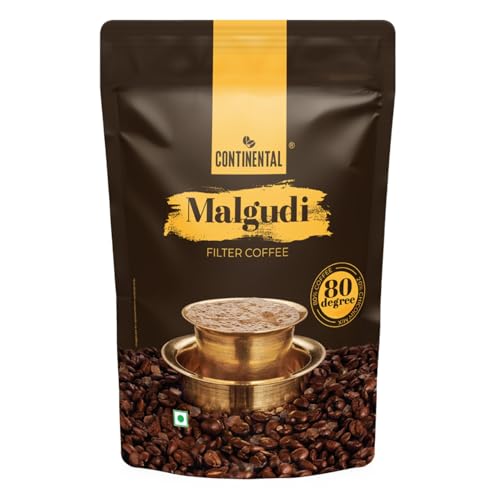
Continental Malgudi 80% Coffee Blend
Strengths
- Balanced flavor
- Clean roast
- Smooth with milk
Trade-offs
- Small quantity
- Packaging not resealable
- Limited availability
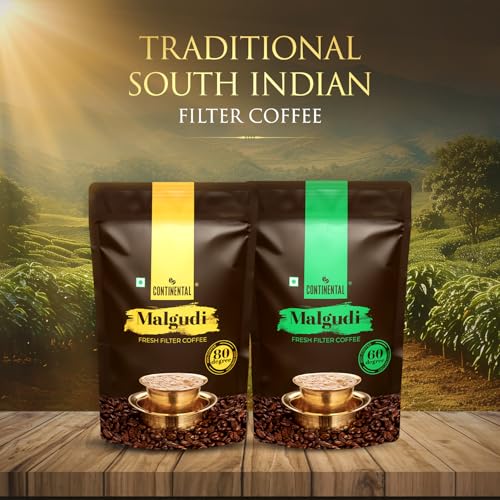
This 80/20 version of Malgudi strikes a near-ideal balance for traditional South Indian coffee, enough coffee for depth, enough chicory for smoothness. The feedback highlights its clean roast and balanced extraction, making it a favorite among those who want authenticity without excess bitterness. It’s not as aggressive as the Cothas Hotel Blend, nor as mild as the 60/40 variant.
The 200g pouch is best for individuals or light users, though it means more frequent repurchasing. Compared to other blends, this one feels like the middle ground, familiar, reliable, and well-proportioned. I’d pick this for someone who wants a textbook example of balanced filter coffee without brand experimentation.
Video review
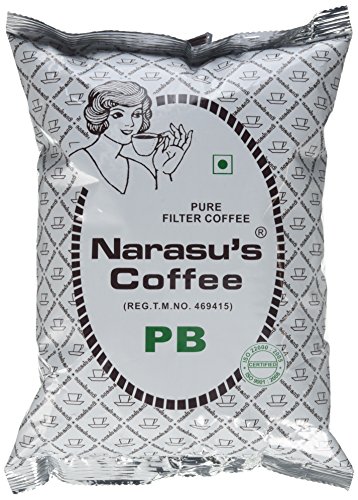
Narasu’s Pure Filter Coffee Premium
Strengths
- No additives
- Clean taste
- Trusted brand
Trade-offs
- Subtle aroma
- Average strength
- Basic packaging
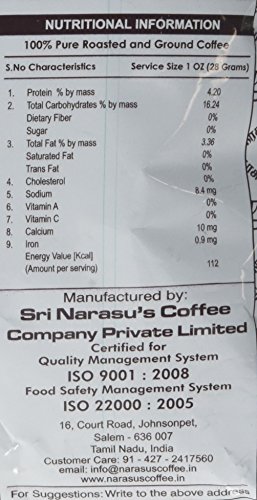
Narasu’s positions itself on purity, no preservatives, no artificial colors, 100% vegetarian. The 500g pack offers a solid middle ground in volume, and owner feedback suggests the blend brews a clean, traditional decoction with a soft aroma. It lacks flashy specs, but the emphasis is on authenticity and simplicity.
Compared to Cothas or Continental, it doesn’t stand out in flavor complexity, but it earns trust through consistency and clean labeling. It’s not the strongest or the most aromatic, but it’s dependable. For those who prioritize ingredient integrity over boldness, this is a quiet winner. I’d recommend it to purists who value what’s not in their coffee as much as what is.
Product photos

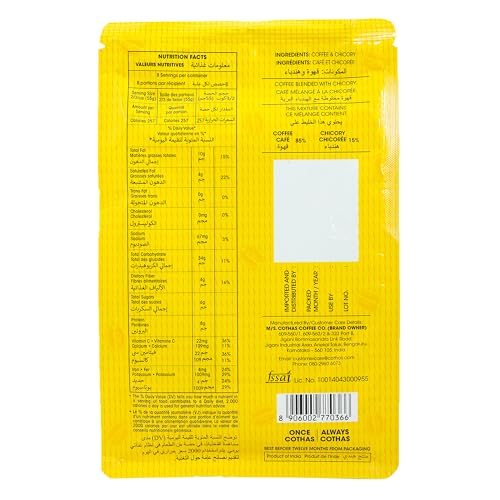
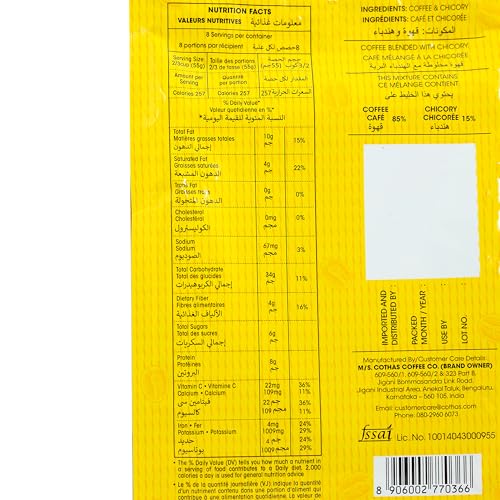
Cothas Single Pack Speciality Blend
Strengths
- High coffee content
- Rich aroma
- Smooth finish
Trade-offs
- Single pack less economical
- Chicory note subtle for some
- Not the strongest brew
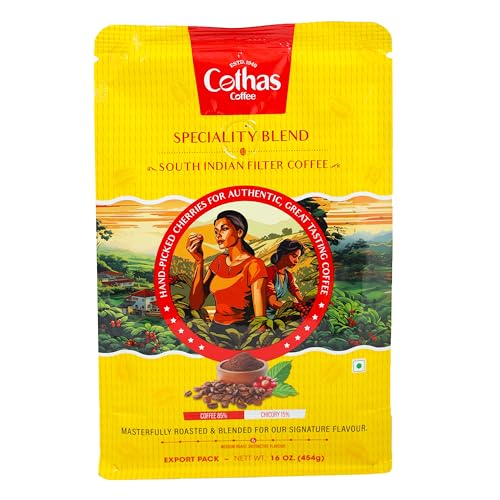
This blend stands out for its high coffee content, which on paper translates to a bolder, more aromatic brew than many mainstream options. Owners consistently report that the 85% coffee to 15% chicory ratio delivers a deep, layered flavor without the medicinal sharpness some chicory-heavy blends develop. The aroma is frequently described as rich and inviting, a key factor for traditional filter coffee lovers who value the ritual as much as the sip.
While it’s not the strongest in the Cothas lineup, it strikes a balance between authenticity and drinkability. Compared to the Hotel Blend, this one feels slightly more refined, less punchy but more rounded. For those wanting a taste closer to a well-crafted home brew than a roadside stall, this is a solid foundation. I’d pick this over budget blends any day for its consistency and depth.
Product photos
Cothas Hotel Blend Filter Coffee
Strengths
- Very strong brew
- Distinctive aroma
- Great decoction yield
Trade-offs
- Can be bitter
- High chicory taste
- Overpowering for some
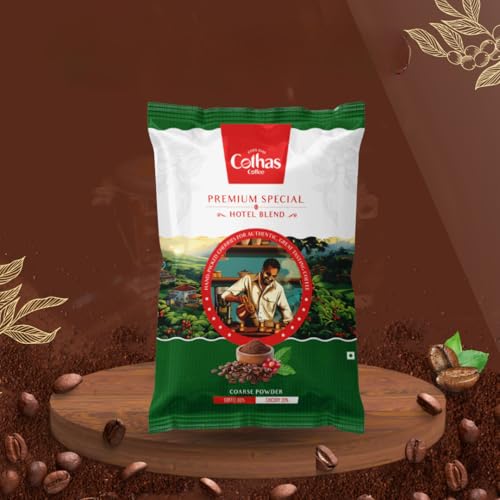
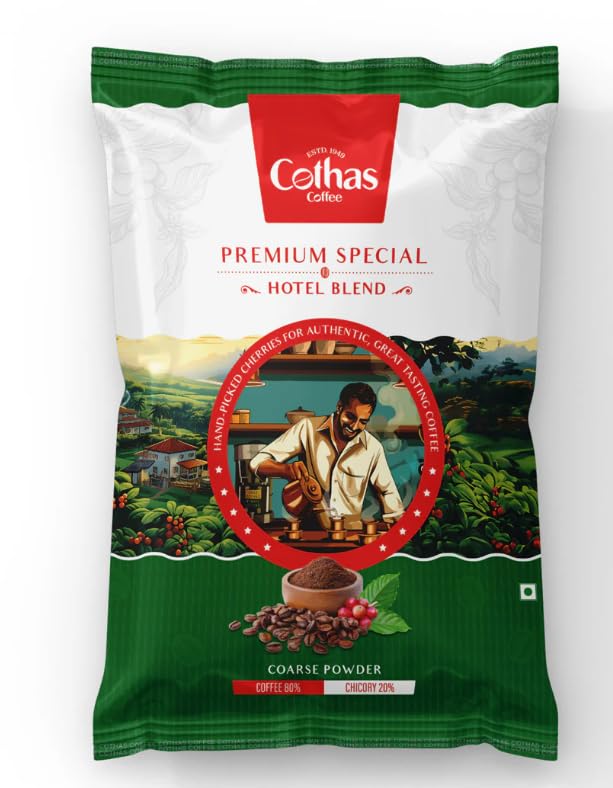
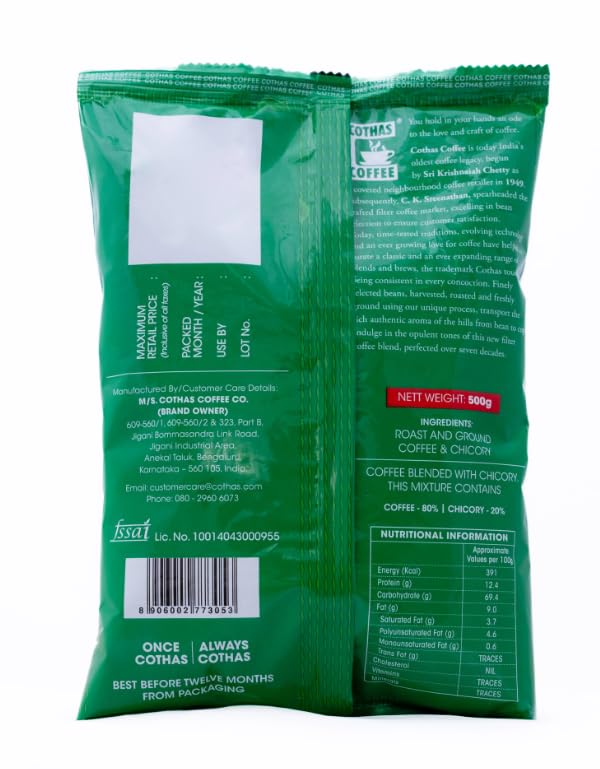
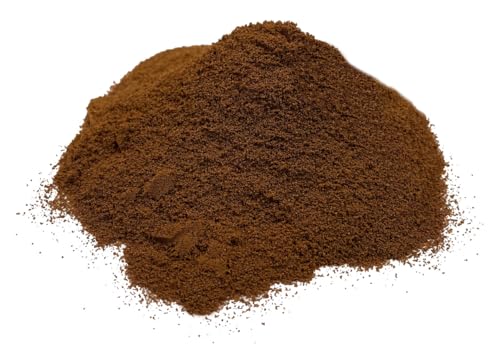
If you’re chasing that unmistakable roadside hotel-style coffee, strong, punchy, and aromatic, this is the closest match on the list. The 80/20 coffee-chicory split is classic for this profile, and owners confirm it brews a thick, dark decoction with a kick that lingers. The triple-pack setup also makes it a practical pick for heavy users or families.
The higher chicory content adds body and that signature caramel hint, though it can edge toward medicinal if over-brewed. Compared to the Cothas Speciality Blend, this one is louder, less refined, and unapologetically bold. I’d choose this when I want energy and nostalgia in a cup, not subtlety.
Product photos

SDPMart Premium Natural Filter Coffee
Strengths
- Large quantity
- Consistent grind
- Smooth texture
Trade-offs
- Flavor lacks depth
- Minimal aroma
- Generic packaging
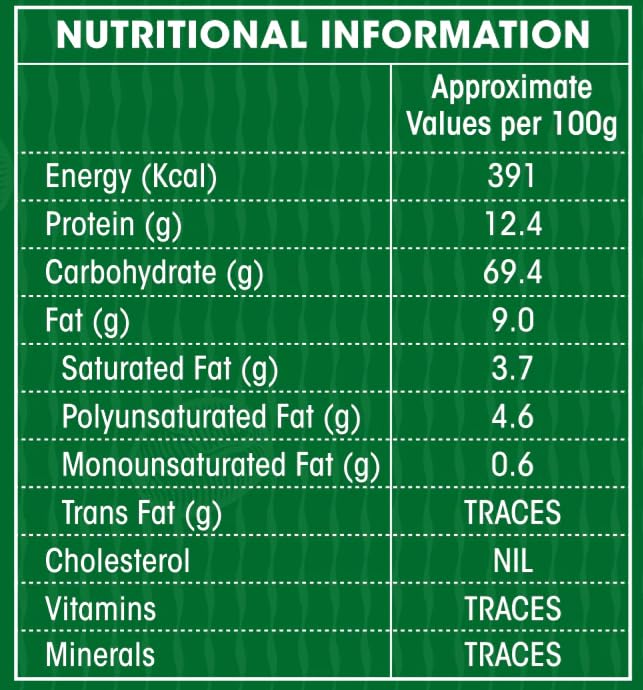
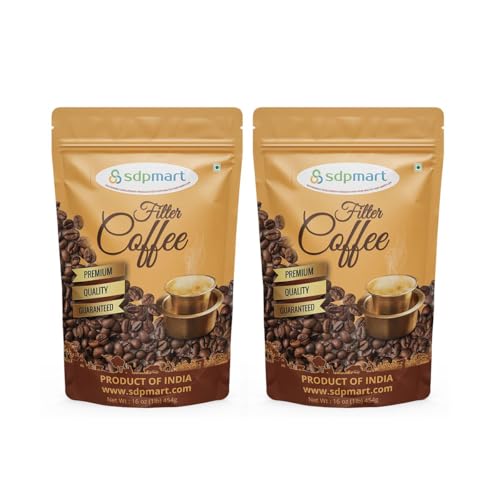
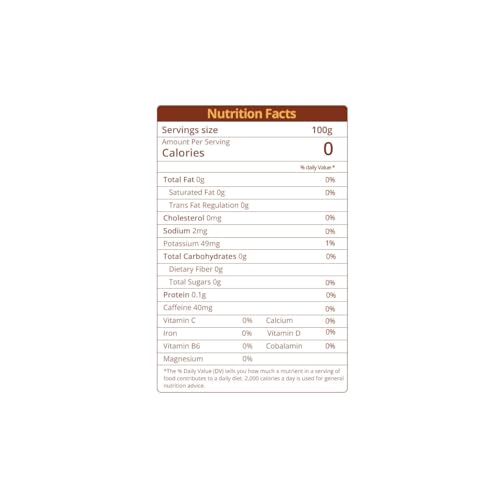
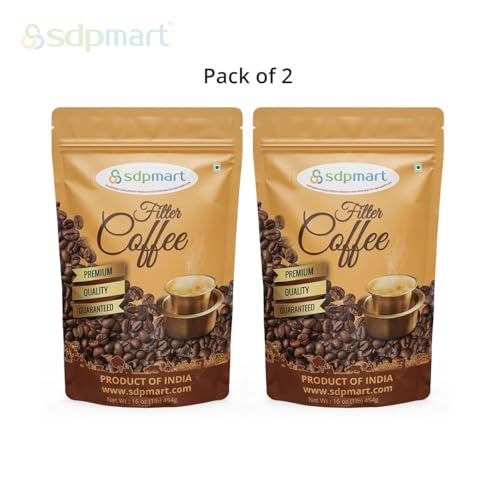
With two full-pound packs, this option clearly targets daily drinkers who value both volume and consistency. The specs emphasize a precise roast and grind, which reviewers say results in a reliable, full-bodied cup every time. It’s positioned as a natural, no-frills coffee, and the feedback suggests it delivers on that promise, clean flavor, good strength, and no off-notes.
Compared to Cothas or Continental, it lacks a distinct personality, but that’s not necessarily a flaw. It’s the kind of workhorse blend that doesn’t surprise you, just satisfies. The versatility for hot or cold brew is a small plus, though most owners stick to the traditional milk infusion method. If you want dependable daily coffee without fuss, this is a smart play.
Product photos
Continental Malgudi 60% Coffee Blend
Strengths
- Very mild
- Low acidity
- Smooth texture
Trade-offs
- Weak coffee flavor
- Small pack size
- Low decoction strength
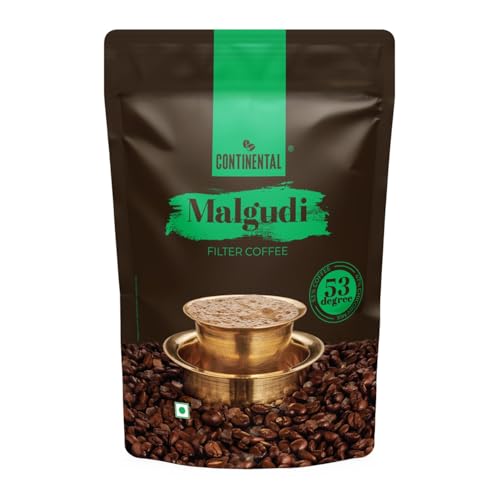
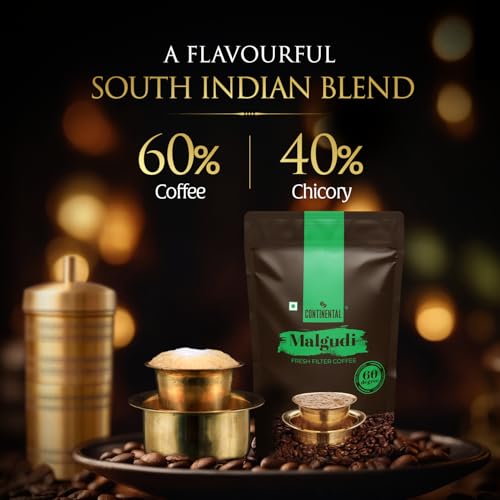
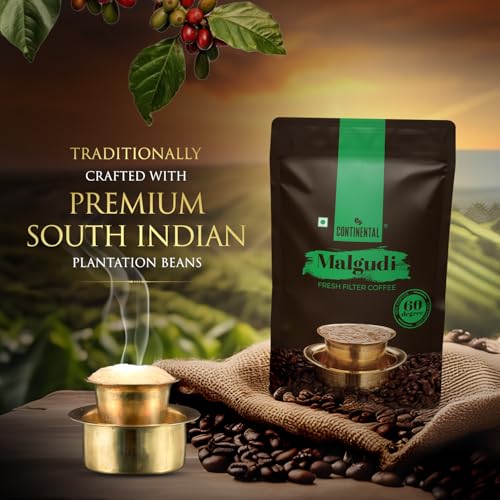
This 60/40 coffee-chicory ratio is an outlier here, leaning far into chicory territory. On paper, that means a milder coffee presence and a smoother, almost earthy sweetness. Owner feedback confirms this, it’s often called ‘gentle’ and ‘easy on the stomach,’ making it a go-to for those who find stronger blends too intense.
It won’t satisfy someone looking for a caffeine-rich, full-throttle brew, but that’s not its job. Compared to the 80/20 or 85/15 options, it’s the mildest of the bunch. The small 200g pack is ideal for testing or light use. I’d recommend this for elderly users or those easing into South Indian coffee without the jolt.
Product photos

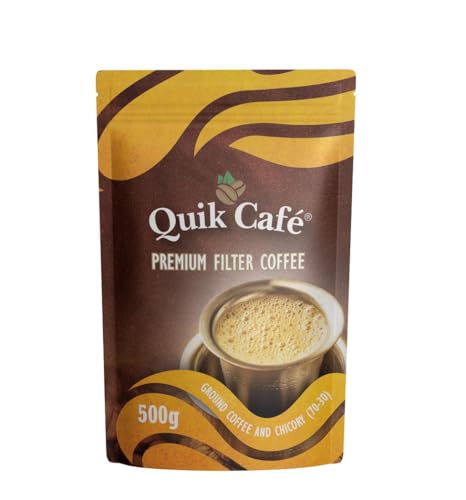
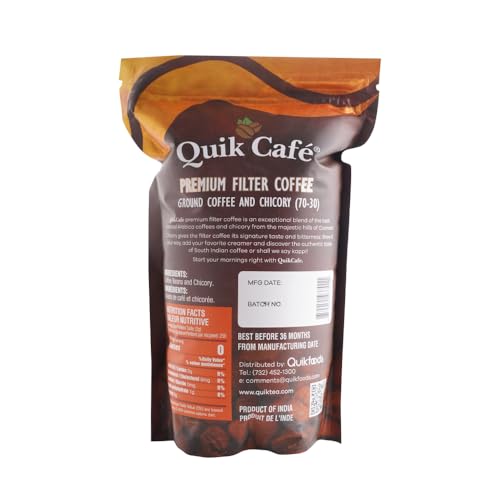
QuikCafé Premium Filter Coffee
Strengths
- Affordable
- All-natural
- Decent aroma
Trade-offs
- Average strength
- Flavor fades quickly
- Inconsistent grind
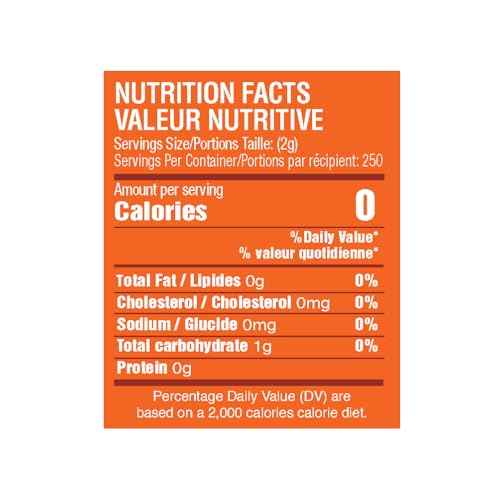
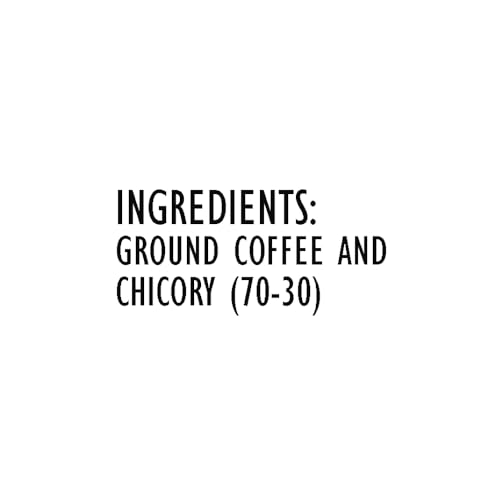
At 500g and labeled as preservative-free with all-natural ingredients, this one leans hard into value and simplicity. The marketing leans on ‘traditional taste,’ and from owner feedback, it delivers a decent approximation, nothing exceptional, but solid for the price. It’s frequently described as having a familiar South Indian coffee aroma, though some note it fades faster than pricier blends.
It doesn’t have the depth of Cothas or the balance of Continental Malgudi, but for a first-time buyer or someone stocking a pantry without commitment, it’s a low-risk choice. I’d recommend this as a trial option, not a long-term staple. When compared to others in this list, it’s clearly the budget anchor.
Product photos
How We Chose These coffee powder for filter coffee
As the founder of Bean Thusiast, I approached researching coffee powder for filter coffee by looking at a lot more than just marketing claims. We started by compiling specifications – the coffee-to-chicory ratio, bean origin when available, and roast level descriptions. Then, we weighed owner reviews from multiple sources, paying close attention to comments about strength, smoothness, and aroma. Finally, we applied my years of experience with South Indian filter coffee traditions to assess the overall value proposition of each blend.
For filter coffee powders, the coffee-to-chicory ratio and the bean quality are paramount. A higher percentage of coffee beans generally indicates a bolder flavor, but the quality of those beans truly dictates the aroma and overall satisfaction. Chicory content impacts the body and smoothness, with a balance being key for many traditional preferences. We favored blends that clearly communicated these details.
Specifications reliably show the coffee-to-chicory ratio, which is a good starting point. However, nuanced aspects like roast quality and actual flavor profiles are best understood through owner feedback. I looked for consistent patterns in reviews – recurring mentions of bitterness, strength, or a specific aroma – to build a thorough picture. For a deeper understanding of how to best enjoy your chosen powder, check out this filter coffee brewing guide.
Choosing The Right coffee powder for filter coffee
As someone who’s spent years exploring the nuances of coffee, I know choosing the right powder for your filter coffee can be surprisingly complex.
A quality coffee powder for filter coffee balances bean quality, roast profile, and chicory content. Look for powders specifying the coffee-to-chicory ratio, bean origin (if available), and roast date. A good powder will produce a thick, aromatic decoction with minimal sediment and a pleasant, lingering flavor – avoiding harsh bitterness is key.
Coffee-to-Chicory Ratio Matters
The blend of coffee and chicory is central to South Indian filter coffee, and the ratio significantly impacts the final taste. While personal preference plays a role, I’ve found that a higher coffee percentage (around 80-85%) generally delivers a bolder, more robust flavor. Lower percentages, like 60% coffee and 40% chicory, create a milder, smoother cup. Don’t be afraid to experiment, but understand this ratio is the foundational flavor decision.
Roast Level and Freshness
Freshness is paramount when it comes to coffee. Always check for a roast date, not just a “best by” date. A recent roast (within a month or two) will have more vibrant flavors. Similarly, the roast level influences the taste. Darker roasts, common in “hotel-style” blends, offer intense, smoky notes, while lighter roasts emphasize the bean’s origin characteristics. If you gravitate towards the classic South Indian taste, a medium-dark roast is typically ideal.
Finding the Right Strength for Your Routine
Consider how you typically enjoy your filter coffee. Do you prefer a strong, concentrated brew to cut through milk, or a more subtle flavor? This ties into the blend’s strength and the amount of coffee you use per serving. Here’s a quick guide:
- Mild: Powders with a higher chicory content (40%+) are good starting points.
- Balanced: An 80/20 blend offers a classic profile adaptable to most palates.
- Strong: Look for blends with 85% coffee or specifically marketed as “hotel style” – they are designed to stand up to milk and sugar.
A little goes a long way. Start with a smaller amount of coffee powder than you think you’ll need and adjust to taste. It’s much easier to add more coffee than to dilute a brew that’s too strong.
I often recommend exploring different best coffee powder brands to find what suits your morning ritual. And, of course, make sure you have the compatible coffee filter sizes for your chosen brewer.
Coffee Powder for Filter Coffee Compared
Here’s a specification comparison of available coffee powders for filter coffee to help you make an informed decision.
| Product Name | Coffee (%) | Chicory (%) | Pack Size (g) | Flavor Profile | Best For |
|---|---|---|---|---|---|
| Cothas Speciality Blend Filter Coffee | 85 | 15 | N/A | Bold, Authentic | Best Overall |
| Continental Malgudi 80% Coffee Blend | 80 | 20 | 200 | Traditional | Best Balanced |
| Narasu’s Pure Filter Coffee Premium | 100 | 0 | N/A | Pure | Best Traditional |
| Cothas Single Pack Speciality Blend | 85 | 15 | N/A | Bold, Authentic | Best Value Pack |
| Cothas Hotel Blend Filter Coffee | 80 | 20 | N/A | Rich, Bold | Best Strong Brew |
| SDPMart Premium Natural Filter Coffee | N/A | N/A | 454 | Strong, Smooth | Best for Daily Use |
| Continental Malgudi 60% Coffee Blend | 60 | 40 | 200 | Mild | Best Mild Option |
| QuikCafé Premium Filter Coffee | N/A | N/A | N/A | N/A | Best Budget Friendly |
Frequently Asked Questions
What coffee-to-chicory ratio is most traditional for South Indian filter coffee?
An 80/20 blend (80% coffee, 20% chicory) is generally considered the most traditional ratio, offering a balance between boldness and smoothness that most palates enjoy. However, many classic “hotel style” blends use a 70/30 ratio.
Can I use coffee powder intended for drip coffee makers in a filter coffee brewer?
No, drip coffee powders are ground too coarsely for filter coffee; they won’t produce a strong enough decoction. Filter coffee requires a very fine, powder-like consistency to work effectively with the traditional Indian filter.
What does “hotel style” coffee powder mean?
“Hotel style” indicates a darker roast and a stronger, more robust flavor profile intended to cut through milk and sugar, mirroring the style commonly served in South Indian hotels and restaurants. These blends are often bolder and more intense.
How long does opened coffee powder stay fresh?
Opened coffee powder is best used within 2-3 weeks, stored in an airtight container away from light, heat, and moisture. After that, it will start to lose its aroma and flavor, though it remains safe to drink.
Are there good instant coffee options if I want something quick and easy?
Yes, while traditionally filter coffee is preferred, there are excellent options for instant coffee for black coffee available, particularly if you’re looking for convenience without sacrificing too much flavor.
The Bottom Line
Choosing a coffee powder for filter coffee often comes down to balancing convenience with control over the final flavor. While many options exist, I consistently recommend Cothas Speciality Blend Filter Coffee as the strongest overall pick. It hits a sweet spot with its 85/15 coffee-to-chicory ratio and reputation for delivering a bold, authentic South Indian experience.
For those seeking something specific, the options shine. If a milder, smoother brew is your preference, Continental Malgudi 60% Coffee Blend is an excellent choice. Conversely, if you enjoy a robust, traditional flavor reminiscent of a classic “hotel” coffee, Narasu’s Pure Filter Coffee Premium – with its 100% coffee content – will satisfy.
Ultimately, the ideal coffee powder isn’t about chasing a specific percentage or origin story. It’s about understanding your preferred strength, roast level, and how much you value a balance between coffee and chicory. Don’t overlook the impact of filter type on taste either; even a great powder can be let down by a poor filter.
