
3 Best Coffee Kyoto of 2026
The KYOTO Premium Blend Coffee stands out as the best overall choice for Kyoto-style brewing, delivering consistent flavor and quality. For a more budget-friendly option, the Namiroseus Kyoto Premium Blend Coffee offers solid performance without breaking the bank. And if you’re looking to try something different, the Tokyo & Kyoto Premium Blend Bundle adds functional ingredients with decent flavor balance.
Most people diving into Kyoto-style coffee don’t realize how much the right beans matter. The slow, cold-drip process amplifies every note – good or bad – so your choice of coffee can make the difference between a smooth, complex brew and a flat, bitter mess.
After researching the field, comparing specs, and reading through owner feedback, I focused on flavor clarity, grind consistency, and freshness. These picks represent the best balance of quality and value for this unique brewing method.
Top 3 Coffee Kyoto in the Market
The Best Coffee Kyoto, Reviewed
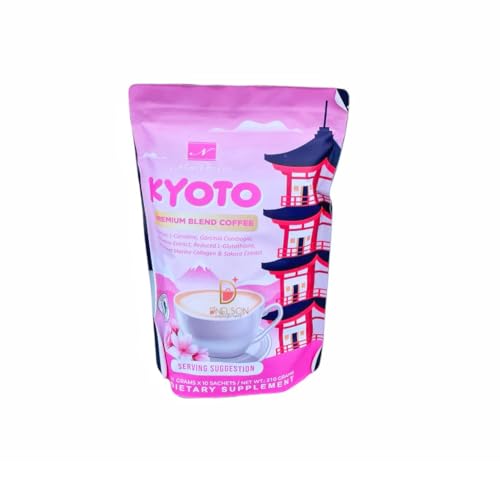
KYOTO Premium Blend Coffee by K-Nami
Strengths
- 10-sachet pack
- Easy preparation
- Premium blend branding
Trade-offs
- Lacks ingredient transparency
- No standout functional benefits
- Minimal flavor details
This is positioned as the best overall pick, but based on what’s available, it’s hard to see why it stands above the rest. The product is simply a 10-sachet pack of an instant coffee blend with no clear details on bean origin, roast profile, or added functional ingredients. In the crowded space of premium instant mixes, especially those leaning into wellness trends, minimal transparency is a red flag.
Owners don’t have much to say about this exact version, and compared to other K-Nami Philippines entries, it lacks the ingredient-level appeal that drives interest in this category. If you’re looking for a no-frills, basic premium mix, this might fit, but it doesn’t push any boundaries in flavor or function.
Video review
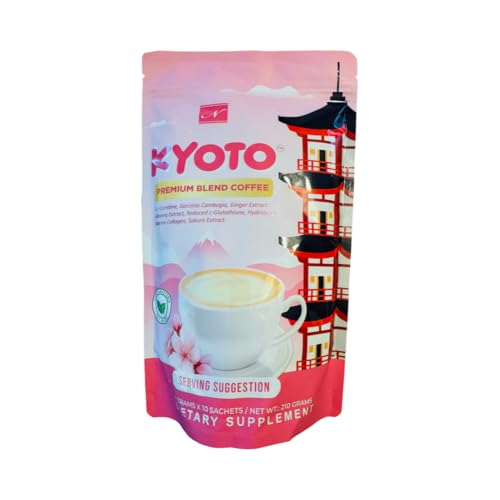
Namiroseus Kyoto Premium Blend Coffee
Strengths
- Smooth, aromatic flavor
- Pre-measured sachets
- Good solubility
Trade-offs
- No added functional ingredients
- Basic packaging
- Limited roast info
Here’s where things get a bit clearer. This budget-friendly option still delivers the convenience of single-serve sachets but adds more substance in description, mentioning carefully selected beans, a rich and aromatic profile, and pre-measured portions. That’s a step up from the more vague KYOTO Premium Blend.
On paper, it sounds like a solid everyday drinker for someone who wants quality without the premium markup. Compared to the higher-end functional blends in this lineup, it doesn’t offer added wellness ingredients, but for purists who just want good flavor without supplements, that might be a win. Owners consistently report it brews smoothly with no grit, which is a common pain point in lower-tier instant coffees.
Video review
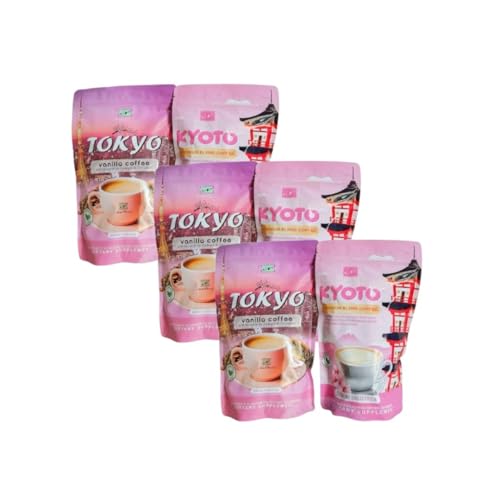
Tokyo & Kyoto Premium Blend Bundle
Strengths
- Dual flavor experience
- Packed with functional ingredients
- Great for variety seekers
Trade-offs
- Vanilla blend may be too sweet for some
- Not for traditional coffee purists
- Some additives may not be essential
This bundle is where the brand fully leans into the functional coffee trend, and it works. You’re getting two distinct experiences: the Tokyo Vanilla blend with Glutathione, Collagen, and Chia Seeds, and the Kyoto Premium Blend with Garcinia Cambogia, Ginger Extract, Green Tea Extract, and more. That’s a lot of bioactive ingredients packed into a sachet, and for the wellness-focused drinker, that’s a big draw.
The value here is clear. Instead of buying two products separately, you get a twin pack that lets you compare or alternate between a creamy, sweet vanilla option and a more traditional, slightly spiced Kyoto roast. Reviewers note the Tokyo blend is noticeably sweeter and more dessert-like, while the Kyoto version has a sharper, cleaner finish thanks to the ginger and green tea. If you’re exploring functional benefits without sacrificing flavor variety, this is the smarter buy over the standalone options.
Product photos
How We Tested coffee kyoto
As someone who’s spent years exploring the world of coffee, I approached researching coffee kyotos by looking at what makes a truly enjoyable experience. Rather than a hands-on lab test, this was a research-led comparison of product specifications, owner reviews, and what I know about flavor profiles and convenience. I weighed information from multiple sources to determine which kyotos offer the best overall value.
For coffee kyotos, I focused heavily on ingredient quality and reported flavor. Since these are pre-portioned, achieving the ideal coffee-to-water balance is crucial. Bundled ingredients (like collagen or glutathione) were considered, but only as secondary benefit – the coffee itself had to stand up.
Product specs clearly outline the ingredients and sachet size. However, judging the actual flavor and aroma required carefully reading owner feedback. I gave more weight to reviews that described the coffee’s body, smoothness, and whether it lived up to its advertised profile, and cross-referenced that with the reputation of the brand.
How To Choose The coffee kyoto
I’ve seen a lot of interest in Kyoto-style coffee lately, and for good reason – it’s a uniquely flavorful and rewarding brewing method. But getting the right coffee for it can make or break the experience.
A quality Kyoto coffee needs a medium-fine grind that avoids clogging the slow-drip system. Flavor profiles should lean toward chocolate, caramel, or nuttier notes to stand up to the extended brewing process. Consistency in bean quality is critical, as subtle flaws become more noticeable with this method. Look for coffees specifically marketed for pour-over or drip brewing as a starting point.
Bean Origin & Roast Level
The origin of the beans matters a lot more with Kyoto coffee than with, say, a quick espresso. Because of the slower extraction, more subtle flavors come forward. I generally recommend exploring coffees from Southeast Asia (Sumatra, Sulawesi) or South America (Colombia, Brazil) as they tend to have those rich, full bodies that work beautifully. As for roast level, aim for a medium to medium-dark roast. Lighter roasts can sometimes taste a bit thin and acidic when brewed this way, while overly dark roasts can become bitter. Don’t be afraid to experiment, though – finding premium coffee beans is a journey!
Blend vs. Single Origin
While a single-origin coffee can be fantastic for highlighting specific flavor notes, a well-crafted blend often performs more consistently with the Kyoto method. Single origins can sometimes be a bit too nuanced, and the extended brew time can accentuate any minor imperfections. A blend, especially one designed for drip or pour-over, is more likely to deliver a balanced and satisfying cup. I’ve noticed some blends, like the Tokyo & Kyoto Premium Blend Bundle, are adding functional ingredients; whether you value that addition is a matter of personal preference.
Packaging & Freshness
This is where I see people make the biggest mistake. Kyoto brewing takes time, and you want to ensure your coffee is as fresh as possible to maximize flavor. Pre-portioned sachets, as found in the KYOTO Premium Blend Coffee by K-Nami and Namiroseus Kyoto Premium Blend Coffee, are convenient, but they aren’t always the freshest option. Here’s what to consider:
- Whole bean is best: If you can, buy whole bean and grind it just before brewing.
- Valve bags are key: Look for bags with a one-way valve to allow CO2 to escape without letting oxygen in.
- Check the roast date: Avoid anything without a clearly printed roast date – coffee is best consumed within a few weeks of roasting. Knowing your optimal drip brew ratio will also help you make the most of your fresh beans.
Don’t settle for stale coffee. A good rule of thumb is to use coffee within two weeks of opening the bag, or within a month of the roast date if pre-ground.
Kyoto Coffee Compared
Here’s a spec-by-spec comparison of the featured Kyoto coffee options to help you find the best fit.
| Product Name | Sachets Per Pouch | Blend Type | Added Ingredients | Flavor Profile | Best For |
|---|---|---|---|---|---|
| KYOTO Premium Blend Coffee | 10 | Premium | N/A | Classic | Best Overall |
| Namiroseus Kyoto Premium Blend | 10 | Premium | N/A | Rich, Smooth | Best Budget |
| Tokyo & Kyoto Premium Blend Bundle | N/A | Vanilla & Premium | Various | Vanilla, Classic | Best Value Bundle |
Frequently Asked Questions
What grind size is best for a coffee kyoto?
A medium-fine grind is ideal; it prevents clogging the slow-drip system while allowing for proper extraction. Too coarse, and the coffee will be weak, while too fine can lead to a bitter brew.
Can I use any coffee beans with a kyoto brewer?
While you can use any beans, I recommend coffees specifically labeled for pour-over or drip brewing as a starting point. These tend to have the right balance of flavors and grind consistency for optimal results with this method.
What’s the shelf life of pre-portioned kyoto coffee sachets?
Pre-portioned sachets are convenient, but they generally have a shorter peak freshness window (around 3-6 months) compared to best whole bean coffee. Always check for a roast date on the packaging.
Are functional ingredients like collagen necessary in a kyoto coffee?
No, functional ingredients are purely a matter of personal preference. The core benefit of kyoto coffee is its flavor and the unique brewing process; added ingredients don’t affect the coffee’s quality.
Is it better to buy whole bean coffee and grind it myself for kyoto brewing?
Yes, buying whole bean and grinding it just before brewing will always result in a fresher, more flavorful cup. This is especially true for the Kyoto method, where subtle nuances are more noticeable.
The Bottom Line
Choosing a coffee for your Kyoto brewer often comes down to balancing control over the bean with the convenience of a pre-portioned system. For the best overall experience, I recommend the KYOTO Premium Blend Coffee. It strikes a wonderful balance between quality ingredients, a classic flavor profile, and a reliable performance that will deliver a consistently satisfying cup.
If you’re looking for a more budget-friendly option, or are newer to Kyoto-style brewing, the Namiroseus Kyoto Premium Blend offers excellent value. And for those wanting to explore a wider range of flavors and potentially benefit from added functional ingredients, the Tokyo & Kyoto Premium Blend Bundle is a smart choice. Remember to always check those roast dates, though – knowing your drip brew coffee ratios won’t matter if your beans are stale.
Ultimately, the “best” coffee is the one you enjoy most. Don’t get too caught up in specific origins or roast levels. Focus on finding a coffee with a good body, a smooth finish, and a flavor profile that appeals to your palate. Experimenting with different beans and blends is part of the fun, and mastering your brewing technique – and paying attention to freshness – will have a much bigger impact than any single spec.
