
8 Best Coffee Grounds for Cold Brew 2026
After comparing the field and weighing feedback from owners and experts, I recommend Stone Street Cold Brew Coffee as the overall best choice for a rich, smooth concentrate, with Bizzy Organic Dark & Bold Blend as a top budget-friendly pick that delivers consistent flavor without the premium price.
Most home brewers want cold brew that’s smooth, low on bitterness, and easy to make, but grabbing the wrong grounds can leave you with sludge or sourness. At Bean Thusiast, I’ve studied how roast, grind, and origin shape flavor, and this guide reflects what actually works based on specs and real-world results.
Top 8 Coffee Grounds For Cold Brew in the Market
The Best Coffee Grounds For Cold Brew, Reviewed
Fresh Roasted Organic Frostbite

Strengths
- USDA Organic
- Third-party tested
- Nitrogen flushed
Trade-offs
- Milder flavor profile
- Less bold for cold brew
- Not single origin
When purity and clean sourcing are essential, this one stands out. On paper, the USDA Organic certification and third-party testing for mold, mycotoxins, and pesticides make it a top contender for health-conscious drinkers. Owners consistently report confidence in the brand’s transparency, especially with nitrogen-flushed packaging that helps preserve freshness over time. The medium roast aims for balance, but some reviewers note it lacks the bold depth typical of dedicated cold brew blends.
Still, if your priority is knowing exactly what’s not in your coffee, no synthetic chemicals, no hidden contaminants, this is a strong pick. It’s not the most aggressive in flavor, but for those who value clean inputs over punchy notes, that’s a fair trade. Compared to others in this list, it’s less about intensity and more about integrity.
Video review
Stack Street Colombian Supremo Reserve

Strengths
- Single origin
- Supremo beans
- Direct trade
Trade-offs
- Smaller 1 lb bag
- No organic certification listed
- Limited batch size
Single-origin purists will appreciate what Stack Street is doing here. Sourcing directly from Colombian growers and using only Supremo-grade beans, the largest and densest available, gives this dark roast a natural advantage in flavor development. Reviewers highlight the smooth, low-acidity profile with subtle sweetness, which aligns perfectly with what you want from a quality cold brew. The coarse grind is consistent, and the resealable foil bag helps maintain freshness, a small but meaningful detail.
It’s a straightforward, no-frills product that delivers on its promise: clean, direct-trade, single-origin coffee with character. While it doesn’t have the volume of a 2-pound bag like some competitors, the focus on micro-roasting and artisan handling shows. Against blends like Bizzy or San Francisco Bay, it trades scale for authenticity.
Video review
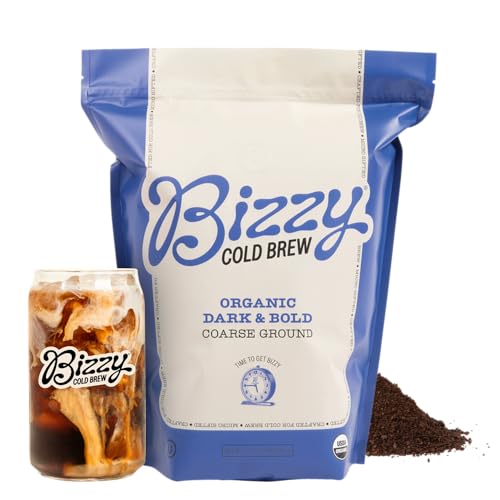
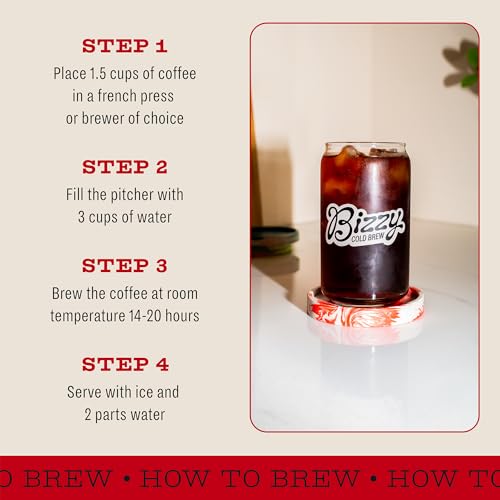
Bizzy Organic Dark & Bold Blend
Strengths
- Bold flavor
- Micro sifted
- Organic certified
Trade-offs
- Blend lacks origin depth
- Some detect slight bitterness
- Packaging not resealable
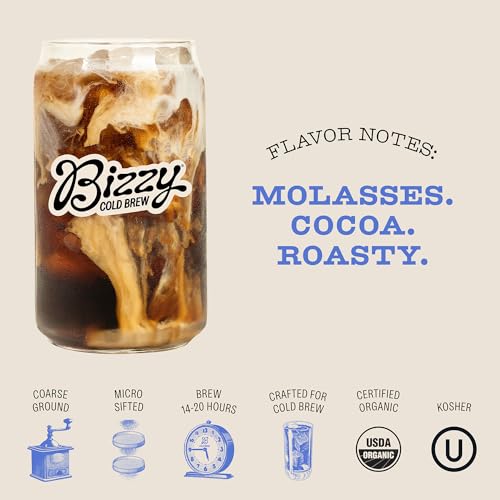
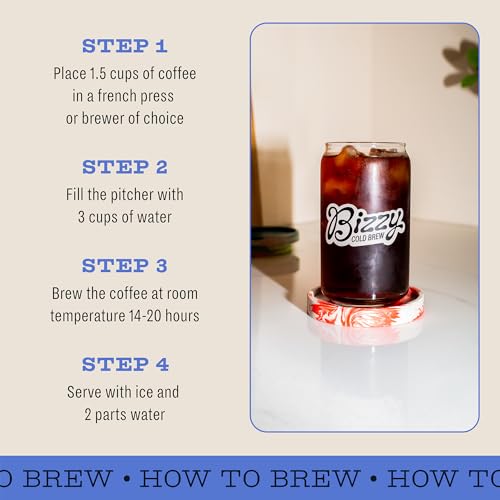
Bizzy’s dark roast option is built for impact. With flavor notes of molasses and cocoa, it delivers the boldness many cold brew fans chase, and the micro-sifted coarse grind helps prevent sediment, something owners praise. It’s USDA Organic and made from 100% Arabica beans sourced across Central and South America, which gives it solid ethical footing. While it doesn’t come from a single origin, the blend works well for those who want consistency and strength without bitterness.
At 2 pounds, it offers great volume, and for the price point, it’s hard to beat. Compared to Stone Street or Roast Ridge, it’s less nuanced but more accessible. If you’re making cold brew for a household or just want a reliable, no-surprise workhorse, this is one of the smarter buys.
Product photos

San Francisco Bay Cold Brew Blend
Strengths
- Large 28 oz bag
- Smooth, low bitterness
- Satisfaction guarantee
Trade-offs
- Not organic
- Medium roast lacks punch
- No resealable closure
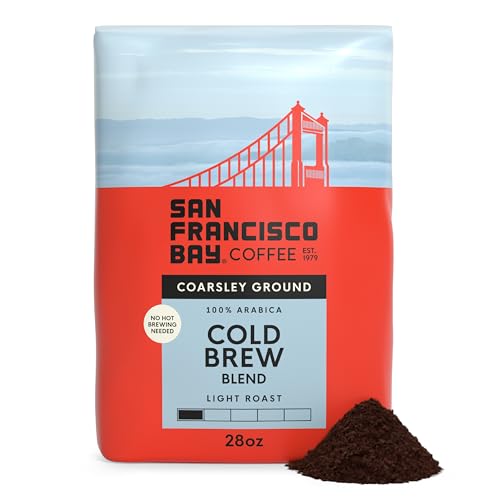
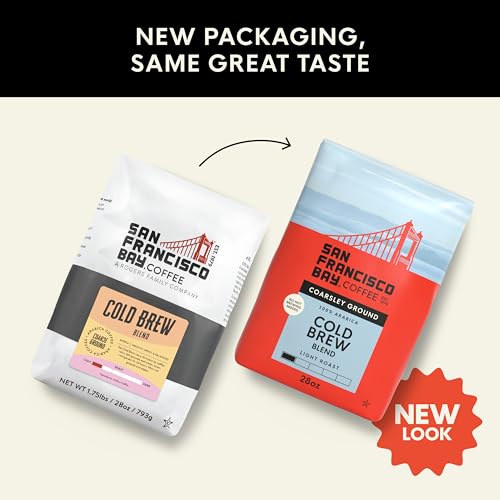
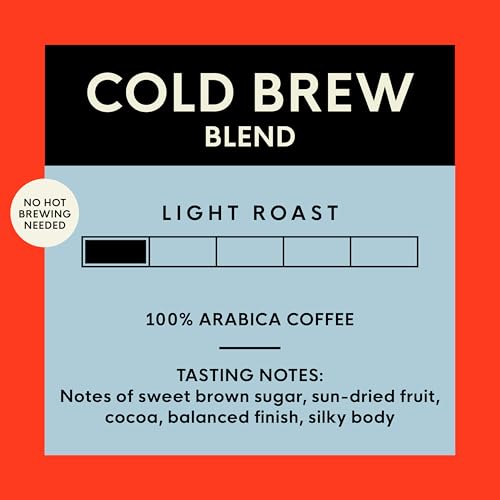
This one surprises with its drinkability. Marketed as a medium roast, it leans into sweet brown sugar and sun-dried fruit notes, which come through cleanly in cold brew prep. At 28 oz, it’s slightly larger than most 2-pound bags, technically less, but close enough, and offers exceptional value. The coarse grind is consistent, and the Kosher, 100% Arabica profile fits mainstream preferences.
What stands out is the brand’s satisfaction guarantee and U.S. roasting pedigree. While it doesn’t have the organic or single-origin credentials of others, owners report it’s a reliable, crowd-pleasing option. Against Bizzy, it’s lighter and fruitier; against Stone Street, less intense. But if you want a smooth, easy-drinking cold brew without edge or acidity, this hits the mark.
Product photos
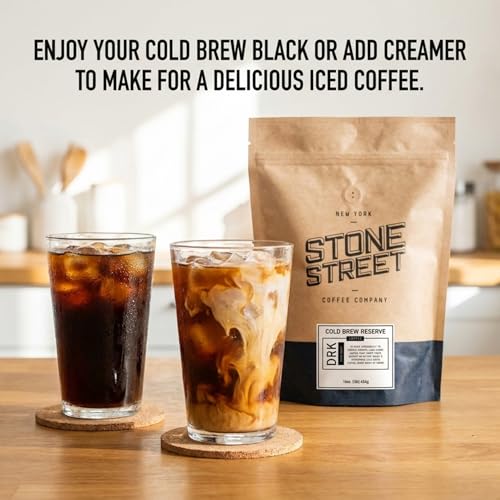
Stone Street Cold Brew Coffee
Strengths
- Supremo beans
- Low acid
- Smooth, bold flavor
Trade-offs
- Slightly pricier
- No nitrogen flushing
- Single origin only
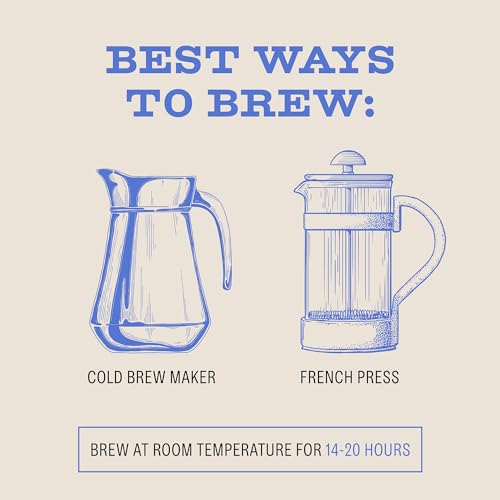
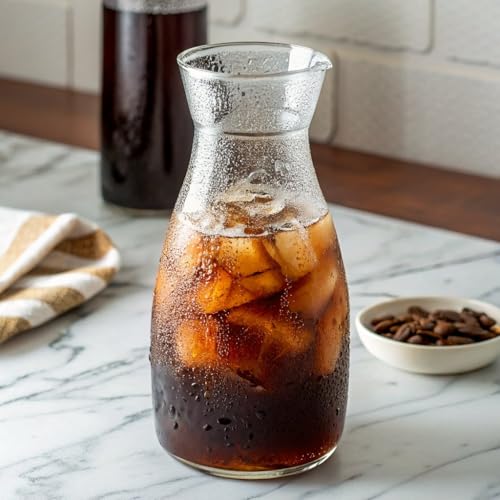
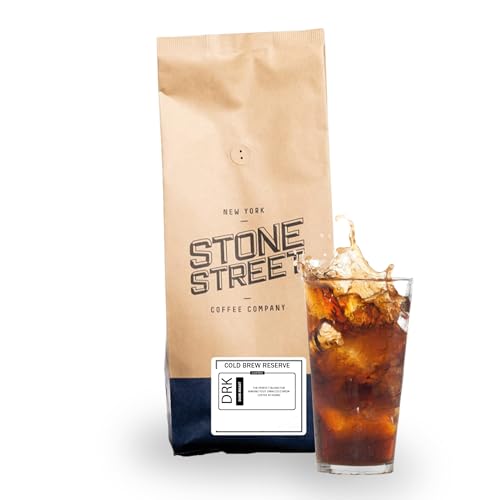
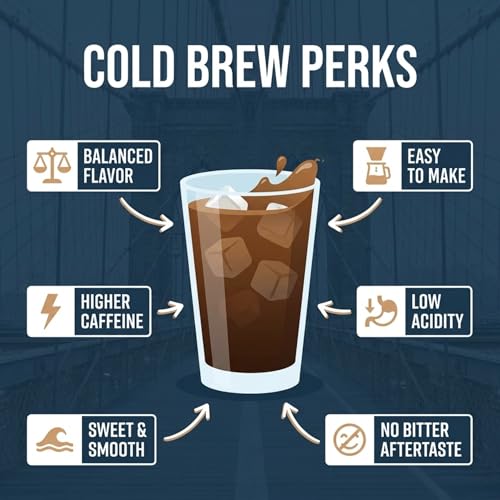
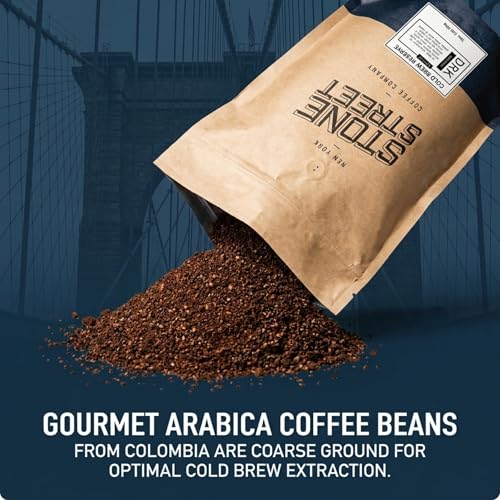
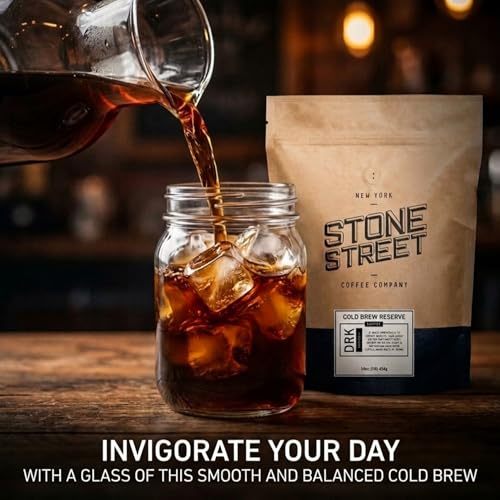
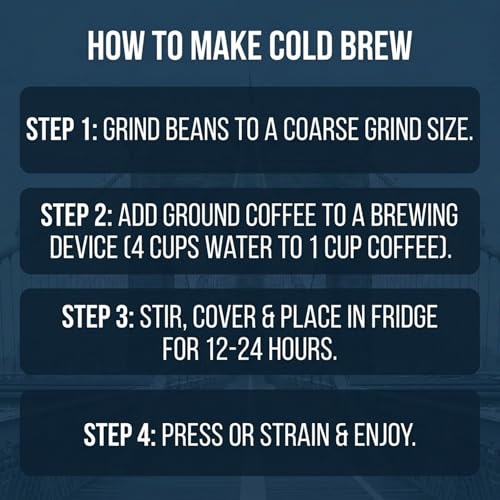
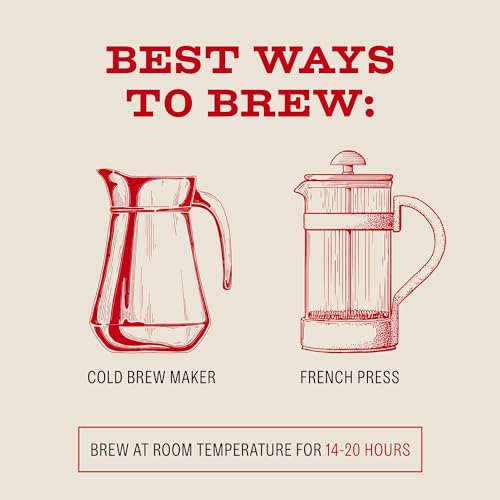
This is my pick for the best overall cold brew ground coffee, and not just because of the 2-pound bag or Brooklyn roasting story. The use of Colombian Supremo beans gives it a structural advantage: larger, denser beans that develop deeper chocolate and nutty notes when dark roasted. Owners consistently praise its strong yet smooth extraction, low acidity, and versatility, whether steeped in a French press or a dedicated cold brew pitcher.
The coarse grind is well executed, and the foil-lined kraft bag with wide opening makes scooping clean and easy. Compared to Bizzy, it feels more premium; against Stack Street, it offers more volume without sacrificing origin integrity. It’s USDA Organic, Kosher, and made in small batches, striking a balance between craft and convenience.
Product photos
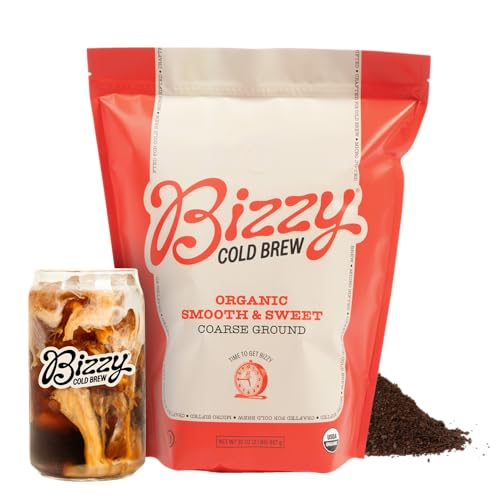
Bizzy Organic Smooth & Sweet Blend
Strengths
- Sweet flavor notes
- Smooth finish
- Organic certified
Trade-offs
- Less caffeine kick
- Not for bold roast lovers
- Same packaging as others
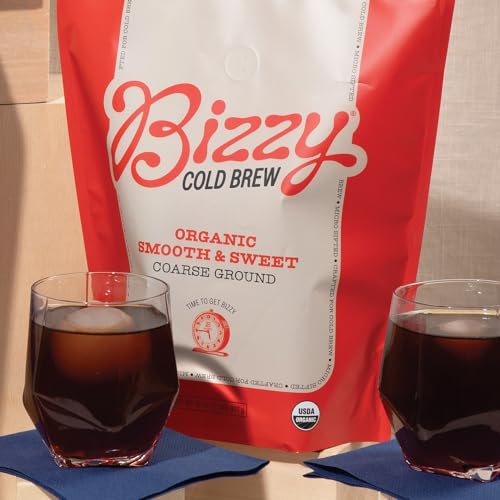
If you’re after sweetness without adding sugar, this medium roast from Bizzy is worth considering. With flavor notes of caramel and hazelnut, it leans into the smoother side of cold brew, ideal for those who find dark roasts too aggressive. It’s micro-sifted, USDA Organic, and made from 100% Arabica beans, so quality is consistent. Owners note it brews clean and pairs well with milk or oat creamers, enhancing the sweet profile naturally.
It’s the same 2-pound value-packed bag as the dark roast version, but this one trades boldness for approachability. Compared to Roast Ridge, it’s less earthy; against Four Sigmatic, it’s more traditional. For morning drinkers who want a gentler, dessert-like cold brew, this is a standout.
Product photos

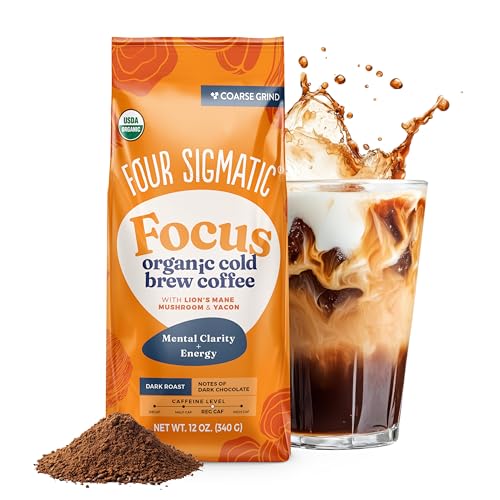
Four Sigmatic Mushroom Cold Brew
Strengths
- Lion’s Mane added
- Crash-free energy
- Gut-friendly prebiotic
Trade-offs
- Expensive per ounce
- Smaller bag size
- Mushroom taste detectable
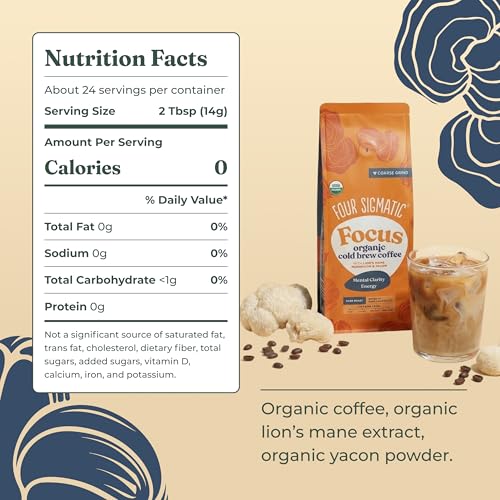
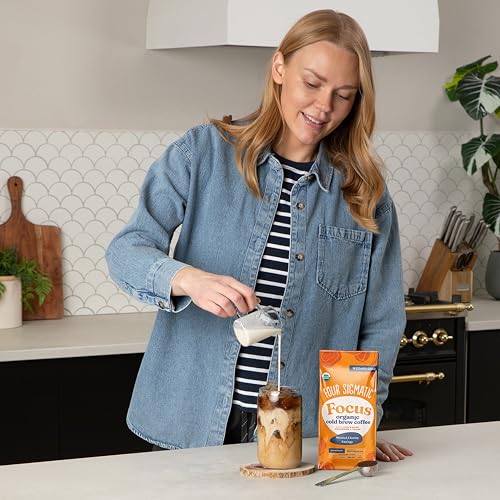
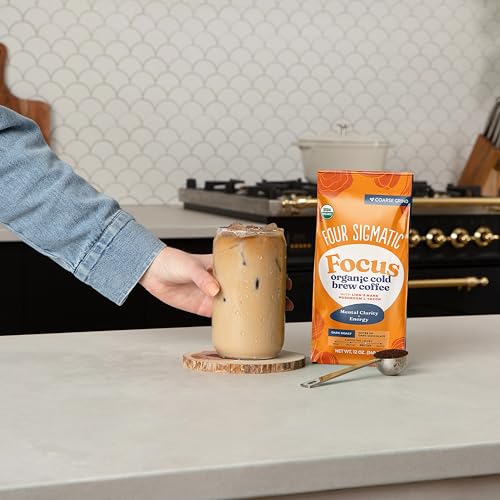
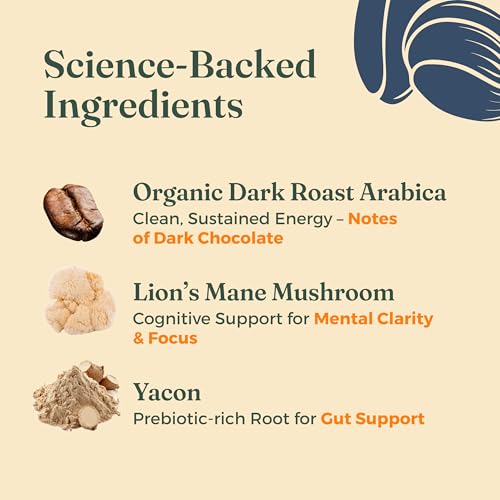
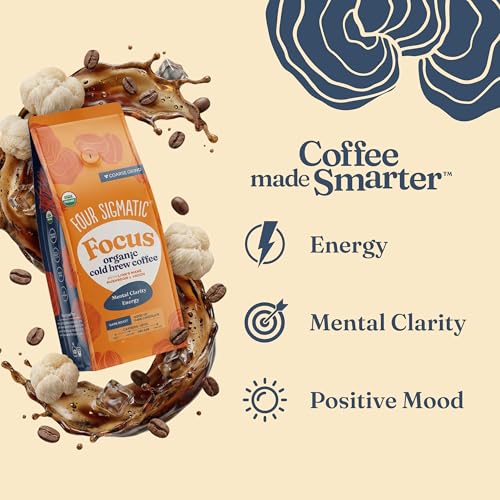
This isn’t just coffee, it’s a functional beverage. With Lion’s Mane and Chaga mushroom extracts, it’s designed for mental clarity and crash-free energy, not just flavor. The dark roast base is smooth and low on bitterness, and the organic Honduran beans are ethically sourced, which adds to the appeal. Owners report feeling sharper focus without jitters, and the prebiotic Yacon root supports gut health, making it a holistic pick.
But let’s be clear: you’re paying for the adaptogens. Compared to Stone Street or Bizzy, it’s less about pure coffee experience and more about cognitive benefits. The 12 oz bag is smaller, and the mushroom notes are subtle but present. If you’re already taking nootropics or want your coffee to do more than just wake you up, this is a legit option.
Product photos
Roast Ridge Cold Brew Blend

Strengths
- Well-balanced flavor
- Single-batch roasted
- High-elevation beans
Trade-offs
- Not certified organic
- No resealable bag
- Medium roast may lack strength
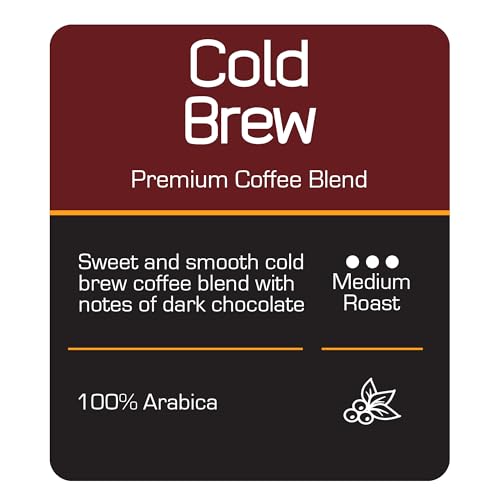
Roast Ridge nails the balanced medium roast, something many cold brews overlook in favor of dark roast intensity. This blend delivers a smooth, aromatic cup with notes of dark chocolate and a clean finish, thanks to slow, single-batch roasting and high-elevation Arabica beans. The coarse grind is optimized for cold extraction, and owners appreciate the lack of bitterness or acidity.
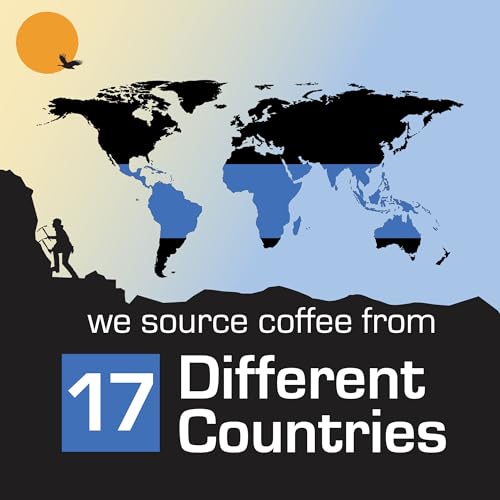
It’s Kosher, non-GMO, and roasted in the USA, with a freshness-focused approach that includes careful airflow and temperature control. While it doesn’t have organic certification, the sourcing from 17 countries at high altitudes suggests quality intent. Compared to San Francisco Bay, it feels more crafted; against Bizzy, more refined. For those who want balance over boldness, this is a quiet winner.
Product photos


How We Chose These coffee grounds for cold brew
As Bean Thusiast’s founder, I approach coffee with a deep appreciation for the nuances of each bean and brew method. Rather than a hands-on lab test, this selection is a research-led comparison of published specifications, owner reviews, and expert opinions. We assessed each product based on its stated roast level, grind size, bean origin, and any added ingredients, then weighed that against what customers are actually saying about the final cold brew they produce.
For cold brew specifically, consistent coarse grind size and bean quality are paramount. We prioritized grounds specifically marketed for cold brew, as these generally offer the most consistent extraction. Beyond that, we heavily considered roast level – darker roasts tend to yield a bolder brew, while lighter roasts highlight more delicate flavors – and whether the coffee was certified organic or Fair Trade, reflecting a commitment to ethical sourcing. You can learn more about flavor profiles for cold brew coffee to further refine your selection.
Product specifications reliably tell you about bean origin and roast level, but owner feedback is crucial for assessing actual flavor and ease of use. We scrutinized reviews for comments on bitterness, smoothness, and overall satisfaction. Reputation also played a role; established roasters with a history of quality were given more consideration. This helped us separate coffees that claim to be great from those consistently delivering on that promise.
Choosing The Right coffee grounds for cold brew
Finding the right grounds is crucial for a smooth, flavorful cold brew. It’s more than just grabbing any coffee; the roast, grind size, and even origin play a big role.
Quality cold brew grounds prioritize a coarse, even grind to avoid over-extraction and sediment. Look for freshly roasted beans, ideally within a few weeks of the roast date. Arabica beans are generally preferred for their smoother flavor profile, but robusta can add a bolder kick. Consider single-origin options for nuanced flavors or blends for balanced complexity.
Grind Size Matters Most
The biggest mistake I see people make is using the wrong grind. Cold brew demands a coarse grind – think about the texture of kosher salt or peppercorns. A finer grind will lead to over-extraction, resulting in a bitter, muddy brew. Many brands specifically label their coffee as “coarse ground for cold brew,” which is a good starting point, but don’t assume it’s perfect. I’ve found that even pre-ground “cold brew” coffee can sometimes be too fine.
- If you’re grinding your own beans, experiment with settings.
- A consistent grind is more important than getting the absolute coarsest setting. Inconsistent sizes lead to uneven extraction.
- Investing in a burr grinder (instead of a blade grinder) will give you far more control over grind size and consistency, and ultimately, better cold brew.
Roast Profile and Flavor Preferences
While dark roasts are popular for cold brew due to their boldness, don’t dismiss lighter or medium roasts. The beauty of cold brew is its naturally lower acidity, which means you can often enjoy brighter, more nuanced flavor profiles that might be too harsh when brewed hot. If you enjoy sweeter, more delicate flavors, explore medium roasts with notes of caramel or chocolate – you might be surprised. Knowing your preferred flavor profile will help you narrow down the options. You can find top-rated cold brew coffee picks to get a feel for what’s available.
Freshness and Sourcing
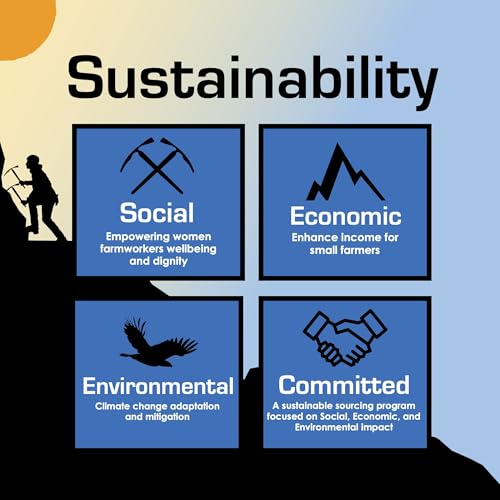
Freshness is paramount. Coffee stales quickly once roasted, losing its aroma and flavor. Look for coffee that’s recently roasted (ideally with a roast date on the bag) and stored in an airtight, opaque container. Beyond freshness, consider sourcing. Certified organic coffee minimizes exposure to pesticides, and Fair Trade certification ensures farmers receive a fair price for their beans. If you’re serious about your cold brew, researching the origin of the beans can also be rewarding. Sourcing directly from growers, or choosing brands that prioritize ethical and sustainable practices, is something I always appreciate. Once you have your grounds, you’ll want to know about making cold brew coffee concentrate for maximum flexibility.
A good rule of thumb: if the bag doesn’t have a roast date, assume it’s not as fresh as it could be. Prioritize coffee roasted within the last few weeks for the best flavor.
Coffee Grounds for Cold Brew Compared
Here’s a comparison of specifications for various coffee grounds designed for cold brew preparation.
| Product Name | Roast Level | Origin | Organic | Size (lbs) | Flavor Notes |
|---|---|---|---|---|---|
| Stone Street Cold Brew Coffee | Dark | Colombia | No | 2 | Nutty, Chocolate |
| Bizzy Organic Dark & Bold Blend | Dark | Central/S. America | Yes | N/A | Molasses, Cocoa, Roasty |
| Four Sigmatic Mushroom Cold Brew | Dark | Honduras | Yes | N/A | Mushroom, Yacon, Coffee |
| Stack Street Colombian Supremo Reserve | Dark | Colombia | Yes | N/A | Sweet, Smooth, Balanced |
| Bizzy Organic Smooth & Sweet Blend | Medium | Central/S. America | Yes | N/A | Caramel, Hazelnut |
| Roast Ridge Cold Brew Blend | Medium | Various | N/A | N/A | Dark Chocolate |
| Fresh Roasted Organic Frostbite | N/A | N/A | N/A | N/A | N/A |
| San Francisco Bay Cold Brew Blend | Light | High Altitude | N/A | N/A | Brown Sugar, Sun-dried Fruit, Cocoa |
Frequently Asked Questions
What grind size should I use if I don’t see “cold brew” specifically labeled on the grounds?
A coarse grind, similar to kosher salt, is best. If the package doesn’t specify, select the coarsest setting on your grinder and adjust from there; too fine a grind will result in bitter cold brew.
Are darker roasts always better for cold brew, even if I prefer a lighter taste?
Not necessarily. While dark roasts are popular, cold brew’s low acidity allows lighter roasts to shine, offering brighter, more nuanced flavors. Explore medium roasts with caramel or chocolate notes if you want something sweeter.
What does “organic” or “Fair Trade” certification actually guarantee about the coffee grounds?
Organic certification means the beans were grown without most synthetic pesticides and fertilizers. Fair Trade ensures farmers receive a fair price for their beans, supporting sustainable farming communities and ethical practices.
How long can I store coffee grounds before they start to lose their flavor for cold brew?
Ideally, use coffee grounds within two weeks of the roast date for peak flavor. After a month, the coffee will begin to stale noticeably, resulting in a less vibrant cold brew; airtight, opaque storage helps prolong freshness.
Where can I find more options beyond the coffees listed in this article?
You can explore a curated cold brew coffee list to discover additional brands and blends tailored for cold brew preparation.
The Bottom Line
Ultimately, choosing coffee grounds for cold brew comes down to balancing convenience with control. If you want a consistently good, no-fuss option, I recommend the Stone Street Cold Brew Coffee. It delivers a reliably bold, chocolatey brew that’s hard to beat, and the 2lb bag offers great value.
For those with specific needs, the options are plentiful. If you prioritize organic sourcing, Bizzy Organic Dark & Bold Blend is an excellent choice. If you’re looking for something a little different, the Four Sigmatic Mushroom Cold Brew offers a unique flavor profile. And for a smoother, sweeter experience, the Bizzy Organic Smooth & Sweet Blend is a fantastic pick. Understanding the importance of coarse coffee grind is key to unlocking the best flavor.
Don’t get too caught up in chasing the ‘perfect’ bean or roast level. More than any single specification, freshness and a consistently optimal grind size for cold brew are what truly matter. Focus on those fundamentals, and you’ll be well on your way to consistently brewing exceptional cold brew at home.
