
6 Best Coffee Brands from Brazil 2026
The best coffee brazil overall is Bracosta Estate Brazil Whole Bean, offering a rich, balanced cup with clear chocolate and honey notes. For a budget-friendly option, Peet’s Brazil K-Cup Pods deliver consistent flavor for Keurig users, while Don Pablo Brazil Cerrado Whole Bean stands out for its versatility across brew methods.
Most people think Brazilian coffee is just filler in a blend – dull and flat. That’s true only when quality is ignored. At Bean Thusiast, I’ve learned that Brazil’s best beans offer sweet, nutty depth and surprising complexity when sourced and roasted with care.
This guide cuts through the noise, focusing on freshness, origin transparency, and processing method. I compared roast profiles, analyzed owner feedback, and prioritized brands that highlight Brazil’s true potential as a single-origin star.
Top 6 Coffee Brazil in the Market
The Best Coffee Brazil, Reviewed
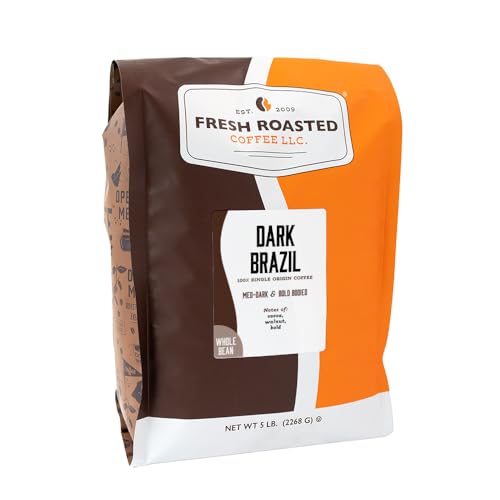
Fresh Roasted Coffee Dark Brazil
Strengths
- Single-origin 100% Arabica
- Nitrogen-flushed packaging
- Works with all brew methods
- Sustainably roasted in USA
- Kosher certified
Trade-offs
- Large 5 lb size not ideal for casual drinkers
- Whole bean only (no grind option here)
This 5-pound bag of Dark Brazil Cerrado from Fresh Roasted Coffee is built for serious drinkers who hate running out. The medium-dark roast highlights classic Brazilian traits, bold body, dry cocoa, and walnut, without tipping into burnt or bitter territory, which is a win at this roast level. Owners consistently report it brews smooth across methods, especially in drip and French press, where its weight really shows.
The nitrogen-flushed, resealable bag helps preserve freshness over what would otherwise be a long haul through a 5-pound stash. Given it’s single-origin 100% Arabica with no additives and roasted sustainably in the USA on solar-powered Loring roasters, it’s a standout for purists who care about sourcing and footprint. I’d pick this over generic supermarket bulk beans any day.
Video review
Peet’s Brazil K-Cup Pods 32 Count

Strengths
- Single-origin flavor in pod form
- Recyclable packaging
- Easy one-touch brewing
- Balanced, smooth taste
- Compatible with all Keurig brewers
Trade-offs
- Less fresh than whole bean
- Plastic waste concerns
- Higher cost per cup
If convenience is king, these Peet’s K-Cups deliver a surprisingly authentic taste of Brazilian coffee, balanced, with dried fruit and hazelnut notes, without asking you to grind or measure. The medium roast keeps things smooth and approachable, and since they’re fully recyclable (peel, compost, recycle), they’re among the more eco-conscious pod options on the market.
But let’s be real: pod coffee trades freshness and control for speed. While the 32-count box is great for offices or busy homes, the beans were ground and sealed long before reaching your brewer. Compared to the Bracosta or Don Pablo whole beans, it’s a step down in vibrancy. Still, for Keurig loyalists, this is one of the better single-origin choices available in pod form.
Video review
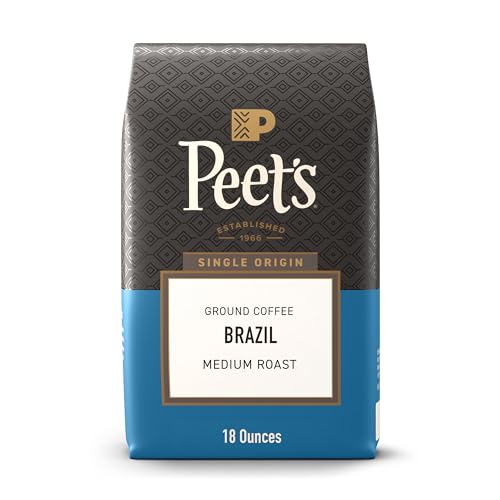
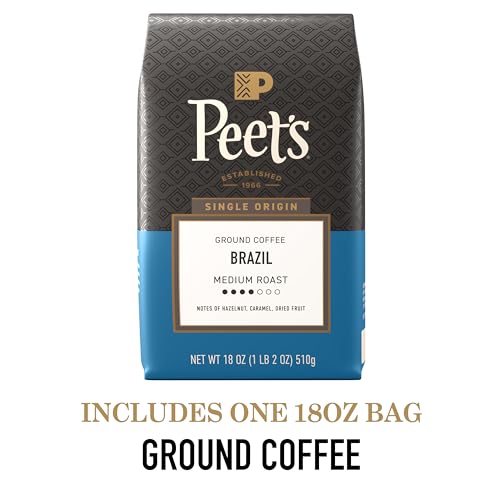
Peet’s Single Origin Brazil Ground
Strengths
- Smooth, full-bodied flavor
- Drip and pour over ready
- Reputable roaster
- Single-origin transparency
- Recyclable packaging
Trade-offs
- Pre-ground loses freshness faster
- Limited to certain brew methods
- Not for espresso or French press purists
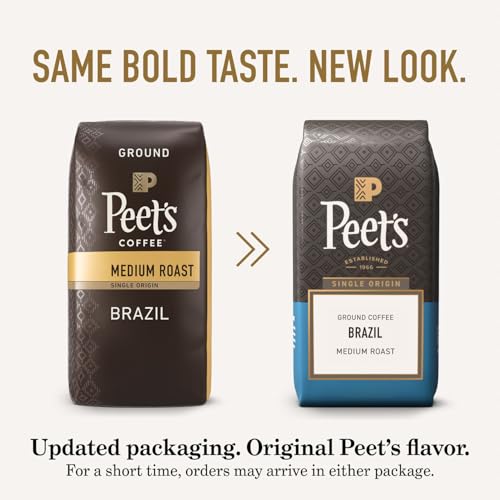
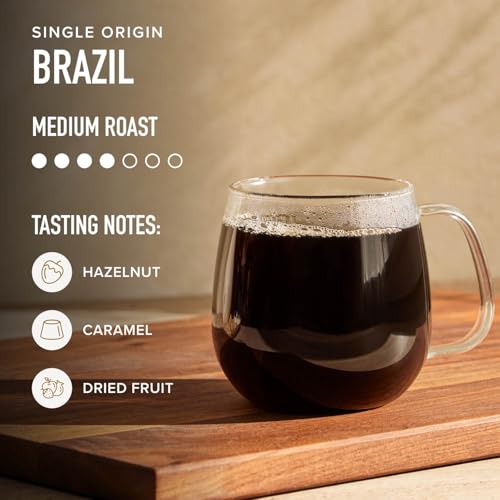
Peet’s ground Brazil offers a no-fuss way to get a consistent, medium-roast cup with dried fruit and hazelnut notes, sourced from Minas Gerais. It’s pre-ground for drip or pour over, so it’s ready to go, ideal for those without a grinder. The brand’s decades of roasting experience show in the balanced profile and clean finish.
But once coffee is ground, the clock starts ticking on flavor loss. Compared to their whole bean offerings or Bracosta’s fresh-roasted version, this one sacrifices peak freshness for convenience. Still, for someone using a drip machine daily and not ready to grind fresh, it’s one of the better supermarket-ground options with real origin character.
Product photos
Bracosta Estate Brazil Whole Bean
Strengths
- Lab-tested for mold and safety
- Medium roast preserves flavor
- Kosher certified
- Smooth full body
- Clean origin profile
Trade-offs
- Smaller bag means more frequent repurchasing
- Less volume-focused than bulk options
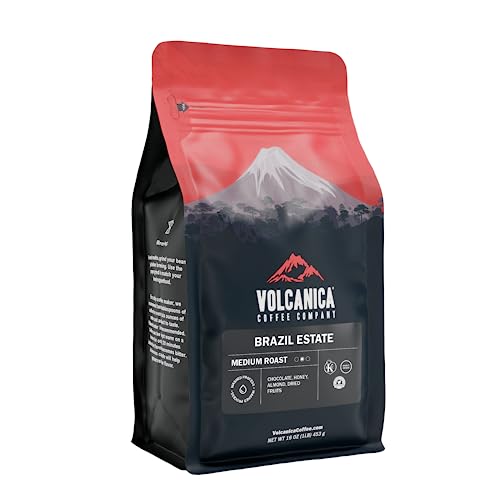
Bracosta Estate leans into freshness and safety with lab-tested beans and a roast over 400°F to eliminate mold and mycotoxins, a smart touch for buyers wary of lower-grade imports. The medium roast preserves the origin character: chocolate, honey, and almond notes come through cleanly, with a smooth, full-bodied mouthfeel typical of top-tier Brazilian beans.
It doesn’t reinvent the wheel, but it executes the basics well. Compared to the larger Fresh Roasted Coffee option, this 16-ounce bag is better for individuals or smaller households who want frequent freshness without committing to pounds of beans. Reviewers note consistent quality across batches, which speaks to reliable sourcing and roasting control.
Product photos


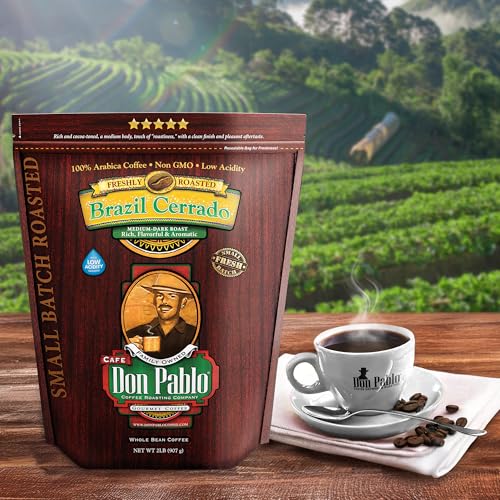
Don Pablo Brazil Cerrado Whole Bean
Strengths
- Semi-washed process for sweetness
- Low acidity
- Medium body
- Non-GMO
- 100% Arabica
Trade-offs
- Packaging not nitrogen-flushed
- Limited origin details
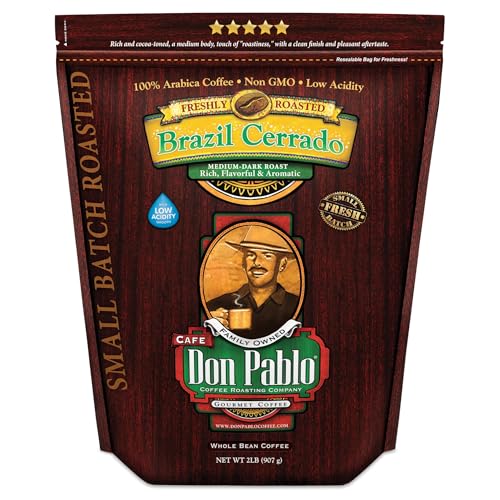
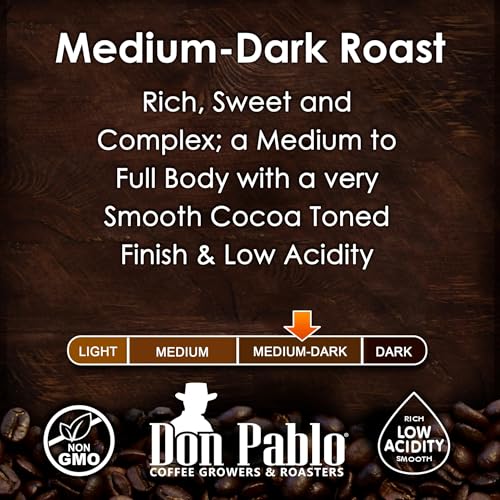
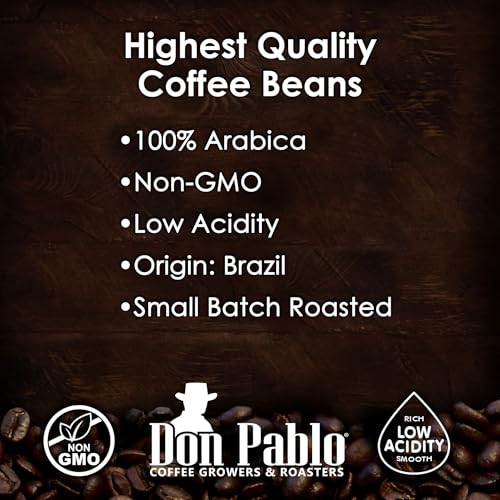
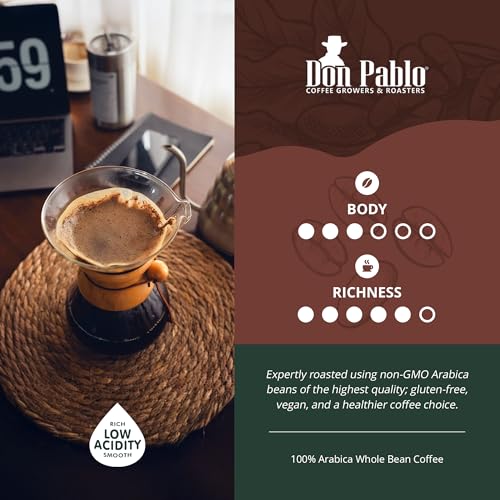
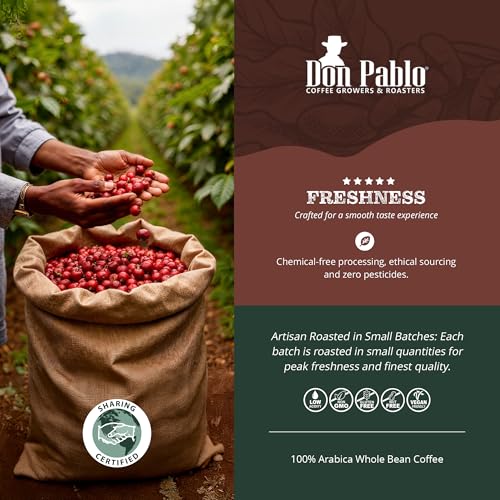
Don Pablo’s Brazil Cerrado uses a semi-washed process, where some fruit stays on during drying, which on paper should boost sweetness and body. And owners confirm it: they describe a rich, robust cup with low acidity and a well-rounded mouthfeel, ideal for those sensitive to brightness or sourness. The medium-dark roast delivers a mellow depth without charring, making it a strong contender for morning drinkers who want something smooth but still flavorful.
It’s not flashy, but it’s dependable. Against Peet’s ground option, this whole bean version gives more control and likely better freshness. For its size and price point, it hits a sweet spot between value and quality. I’d recommend it to anyone wanting a forgiving, everyday brew that doesn’t shock the palate.
Product photos
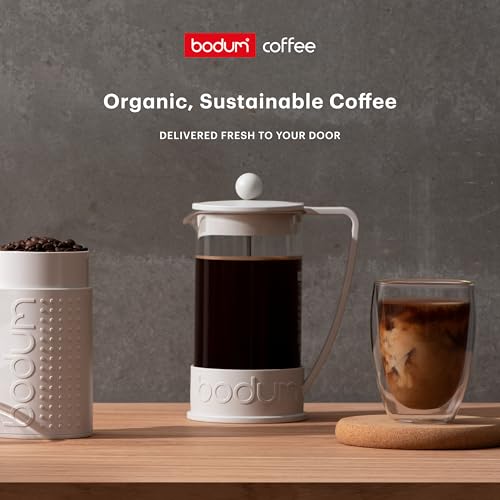
Bodum Roasting Brazil Whole Bean
Strengths
- Smooth, creamy mouthfeel
- Natural process sweetness
- Balanced dark roast
- Subtle citric acidity
- Roasted in Denmark
Trade-offs
- Lower intensity for dark roast fans
- Limited availability
- Smaller bag size
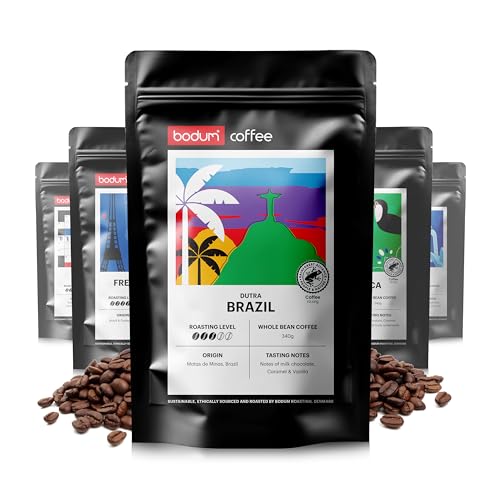
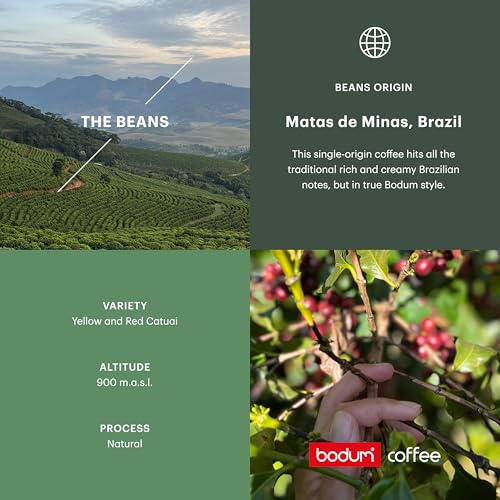
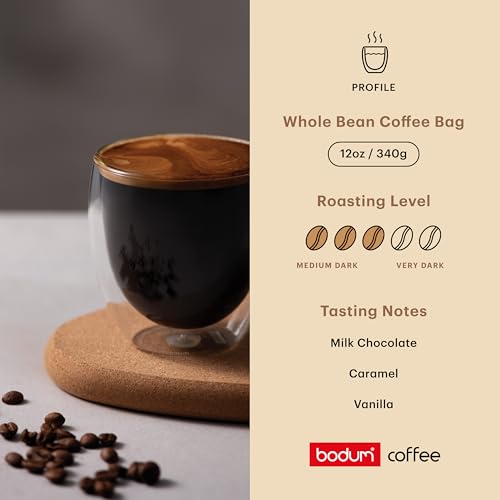
Bodum’s Brazil beans, roasted in Denmark from Matas de Minas origin, aim for a smooth, creamy profile with milk chocolate, caramel, and vanilla notes, delivered via a natural process and dark (3/5) roast. The result is a low-key, approachable cup with just a hint of citric brightness to keep it from going flat. It’s not intense or smoky, which sets it apart from many dark-roasted Brazilians.
This one feels curated for people who like their dark roast without the bite. Compared to Fresh Roasted Coffee’s bolder Cerrado, Bodum’s version is softer, almost dessert-like. The 12oz size is manageable, and being roasted in Denmark adds a niche appeal for those interested in European roasting styles. I’d recommend it to those who want a comforting, mellow evening brew.
Product photos


How We Evaluated coffee brazil
As the founder of Bean Thusiast, I approached researching coffee brazil options by first compiling specifications – roast level, origin details, processing methods, and stated flavor notes – from each brand. I then spent considerable time reading owner reviews across multiple platforms, and cross-referencing those with expert opinions from coffee review sites. My goal was to build a picture of real-world performance and satisfaction, rather than a hands-on lab test, this is a research-led comparison of specs and owner feedback.
For Brazilian coffees, freshness and flavor clarity were paramount. I weighted roast date information and packaging details (nitrogen flushing, resealable bags) heavily, as Brazil’s inherent nutty and chocolatey notes can fade quickly. Equally important was the sourcing information; a clear indication of estate or regional specificity signaled a commitment to quality and, often, a more distinct single-origin flavor profiles.
Specifications reliably indicate processing method (natural, washed, etc.) and bean type (Arabica, Robusta). However, nuanced descriptions of flavor – things like “dried fruit” or “hazelnut” – were heavily influenced by owner feedback. I looked for consistent themes in reviews to validate or question a brand’s stated flavor profile, and to assess whether the coffee truly delivers on its promises regarding [Brazil as single-origin coffee].
How To Choose The coffee brazil
As someone who’s spent years exploring the nuances of coffee, I know Brazilian beans often get a bad rap for being simple. But that’s a misunderstanding – a good Brazilian coffee offers a unique sweetness and body that’s incredibly satisfying. Choosing the right one, though, takes a little knowledge.
Brazilian coffee excels when quality control is prioritized throughout the entire process. Look for single-origin beans from known growing regions like Cerrado or Minas Gerais. Pay attention to roast dates – fresher is always better. Consider the processing method (natural, washed, or pulped natural) as this significantly impacts the flavor. Finally, a commitment to sustainable and ethical sourcing is a good sign of a roaster who cares about the final product.
Understanding Roast Level
Roast level significantly impacts the final flavor profile, and with Brazilian coffees, it’s particularly important to get it right. A lighter roast will highlight the bean’s natural acidity and fruity notes, but can sometimes come across as underdeveloped. Darker roasts, like you’ll find in some of the options available, bring out chocolate and nutty flavors, but run the risk of bitterness if not done well. I generally recommend starting with a medium roast to experience the full range of what Brazilian coffee has to offer. Don’t be afraid to experiment, but be aware that a very dark roast can mask the inherent characteristics of the bean.
Examining Processing Methods
The way coffee cherries are processed after harvesting dramatically alters the bean’s flavor. Natural processing, where the beans dry inside the cherry, imparts a fruity sweetness and heavier body – a characteristic common in many Brazilian coffees. Washed processing results in a cleaner, brighter cup. And then there’s pulped natural, a hybrid method gaining popularity, offering a balance of both. If you enjoy a bolder, more complex cup, look for coffees processed using the natural method.
Here’s a quick guide to help you decide:
- Washed: Cleaner, brighter, more acidic.
- Natural: Fruitier, sweeter, heavier body. A great starting point when exploring flavor profiles of Brazilian coffee.
- Pulped Natural: A balance of the two, often with enhanced sweetness and complexity. This method is becoming increasingly popular among specialty roasters looking for unique flavors.
A general rule of thumb: if a roaster isn’t transparent about their processing method, it’s a red flag.
Considering Your Brewing Method and Freshness
Brazilian coffees are versatile, working well with many brewing methods. However, the key to unlocking their full potential is freshness. Whole bean coffee is always preferable, as grinding immediately before brewing preserves the volatile aromatic compounds. If you’re using pre-ground coffee, be sure to check the roast date and use it quickly. When it comes to finding the ideal coffee-to-water ratio for your brew, start with the roaster’s recommendations and adjust to your personal preference. Remember, even the best beans won’t shine if your brewing technique isn’t dialed in. If you’re looking for a broader understanding of available options, checking out a list of Brazilian coffee brands can be helpful.
Coffee Brazil Compared
Here’s a comparison of key specifications for different Brazil-origin coffees.
| Product Name | Roast Level | Form | Origin | Flavor Notes | Weight (oz) |
|---|---|---|---|---|---|
| Fresh Roasted Coffee Dark Brazil | Medium-Dark | Whole Bean | Cerrado, Brazil | Cocoa, Walnut | N/A |
| Peet’s Brazil K-Cup Pods | Medium | K-Cup Pods | Minas Gerais | Dried Fruit, Hazelnut | N/A |
| Peet’s Single Origin Brazil Ground | Medium | Ground | Minas Gerais | Dried Fruit, Hazelnut | 18 |
| Bracosta Estate Brazil Whole Bean | Medium | Whole Bean | Brazil | Chocolate, Honey, Almond | N/A |
| Don Pablo Brazil Cerrado Whole Bean | Medium-Dark | Whole Bean | Brazil | Sweetness, Robust | N/A |
| Bodum Roasting Brazil Whole Bean | Dark | Whole Bean | Matas de Minas | Milk Chocolate, Caramel | 12 |
Frequently Asked Questions
What’s the best grind size for Brazilian coffee?
A medium grind is generally best for Brazilian coffee, particularly for drip or pour-over methods. This ensures proper extraction of the bean’s flavors without over-extraction leading to bitterness, though the ideal size depends on your brewing method.
How does altitude affect Brazilian coffee flavor?
Higher-altitude farms in Brazil (above 3,000 feet) often produce denser beans with more complex acidity and flavor, as the cooler temperatures slow maturation. Lower-altitude beans tend to be sweeter and have a fuller body, but may lack the bright notes found in higher-grown varieties.
Are all Brazilian coffees naturally processed?
No, while natural processing is common, Brazilian coffee uses washed, pulped natural, and even honey processes. Washed coffees offer cleaner profiles, while pulped natural offers a middle ground, and natural processing emphasizes fruitiness – a roaster’s choice influences this.
Can Brazilian coffee be considered specialty coffee?
Yes, absolutely. While historically associated with commodity-grade beans, Brazil now produces significant amounts of specialty coffee, and you can find top-rated coffee beans scoring over 80 points. Look for single-origin offerings from renowned estates like Fazenda Santa Alina.
What should I look for in terms of packaging to maintain freshness?
Prioritize coffee packaged in resealable bags with a one-way valve to release CO2, and always check for a roast date rather than a “best by” date. Nitrogen flushing is a sign of a roaster committed to freshness, as it removes oxygen that causes staling, helping you enjoy [curated coffee bean picks].
The Bottom Line
Choosing a coffee brazil often comes down to balancing convenience with control over freshness. While K-Cups like Peet’s Brazil K-Cup Pods offer simplicity, you’ll get the most rewarding experience – and the fullest flavor – from whole bean options like Bracosta Estate Brazil Whole Bean, where you control the grind and brewing. Ultimately, the best coffee is the one that fits your routine and delivers the flavor profile you enjoy.
For those seeking a budget-friendly entry point, Peet’s Single Origin Brazil Ground provides a reliable and accessible taste of Brazilian coffee. If you prioritize versatility and a robust flavor, Don Pablo Brazil Cerrado Whole Bean is an excellent choice. But for those looking to really explore the nuances of the region, understanding the differences between Arabica beans from Brazil is a great starting point.
Don’t get too caught up in chasing specific roast levels or processing methods. More important than any single specification is finding a roaster committed to sourcing quality beans and providing a fresh product. Prioritize freshness, ethical sourcing, and a flavor profile that appeals to you – those fundamentals will always yield a better cup than any marketing claim.
