
6 Best Coffees for Non-Coffee Drinkers 2026
The best coffee for non coffee drinkers is Cuppa Mushroom Coffee with Adaptogens, it’s smooth, approachable, and designed to ease you into the ritual without the jitters. For a more traditional option, Java Planet Guatemalan Low Acid Coffee offers a gentle, flavorful brew, while Kava Low Acid Ground Coffee is a solid budget-friendly pick.
If you don’t love coffee, it’s usually not your fault, it’s the coffee you’ve been drinking. Many people walk away from it because of bitterness, acidity, or the crash, not realizing how much variety exists beyond the standard diner brew.
After researching the market and analyzing specs and feedback, I focused on coffees that prioritize smoothness, low acidity, and lower stimulation, key factors for those new to coffee or sensitive to its effects. This guide cuts through the noise to highlight options that actually convert skeptics.
Top 6 Coffee For Non Coffee Drinkers in the Market
The Best Coffee For Non Coffee Drinkers, Reviewed
Cuppa Mushroom Coffee with Adaptogens
Strengths
- Adaptogenic blend
- Smooth, no jitters
- Instant convenience
Trade-offs
- Not real coffee
- Earthy taste
- Lower caffeine
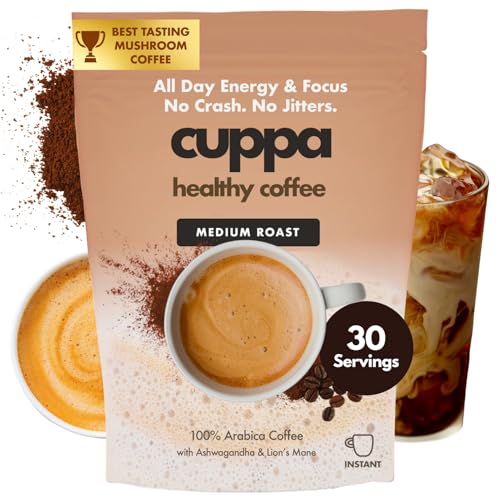
If the idea of traditional coffee still feels overwhelming, Cuppa offers a total reframe, not just low acid, but a functional alternative that barely qualifies as coffee at all. This is instant coffee blended with lion’s mane, cordyceps, ashwagandha, and MCT oil, aiming for mental clarity and calm energy without the crash. On paper, it’s ideal for someone who wants ‘the ritual’ of coffee but none of the jittery side effects, and reviewers say it delivers a smooth, earthy flavor with zero bitterness.
But make no mistake, this isn’t coffee as most know it. It’s weaker in caffeine and heavier in herbal notes, so if you’re chasing a bold morning kick, you’ll be disappointed. Still, for someone who drinks coffee more for function than flavor, or who’s exploring wellness-focused alternatives, this hits a sweet spot. I’d pick this over plain instant any day if my goal was focus without anxiety.
Video review
Java Planet Guatemalan Low Acid Coffee
Strengths
- Naturally low acid
- Bird Friendly certified
- Whole bean freshness
Trade-offs
- Requires grinder
- Slightly pricier
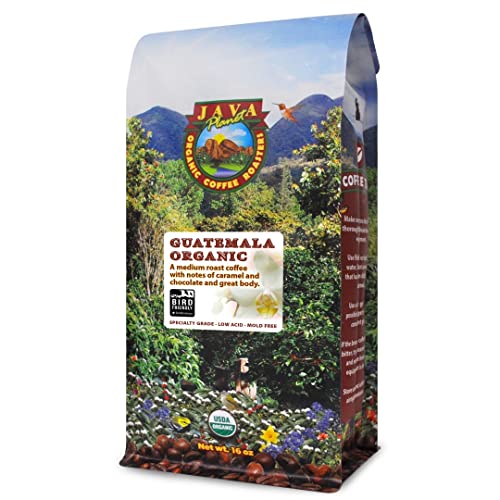
Java Planet’s Guatemalan whole bean coffee hits a sweet spot for those who want authenticity without punishment. It’s naturally low acid thanks to high-altitude, shade-grown beans, not post-harvest pH tweaking, and it’s certified Organic and Smithsonian Bird Friendly, meaning sustainability isn’t an afterthought. The whole bean format means you control the grind, which owners say preserves flavor far better than pre-ground options.
Flavor-wise, it delivers what it promises: a smooth, full-bodied cup with caramel, chocolate, and subtle fruit notes. Reviewers who’ve tried both this and Kava note Java Planet tastes richer and more nuanced. If you’re willing to grind your own beans and care about sourcing, this is the smarter pick over pre-ground neutralized coffees. I’d choose this over Kava or Lifeboost if freshness and ethical sourcing were my top priorities.
Video review
The Organic Coffee Co. Breakfast Blend Pods

Strengths
- High pod count
- K-Cup compatible
- Compostable
Trade-offs
- Mild flavor
- Less artisanal branding
With 36 compostable pods in the pack, The Organic Coffee Co. is built for volume, perfect if you go through single-serve coffee fast and want a no-fuss, affordable organic option. The Breakfast Blend is a light-medium roast with a balanced, approachable profile, not too bold, not too weak. Owners say it’s smooth and consistent, a reliable ‘everyday cup’ that won’t scare off someone still getting used to coffee.
It’s not as deeply flavored as Vermont’s roast, and the compostable pod tech is similar, but the bigger pack size gives it a leg up for households or offices. The Rogers Family Company has a long reputation for quality in the K-Cup space, and that shows in reliability. I’d pick this over Vermont if I needed more pods per dollar and didn’t mind a slightly milder taste.
Product photos



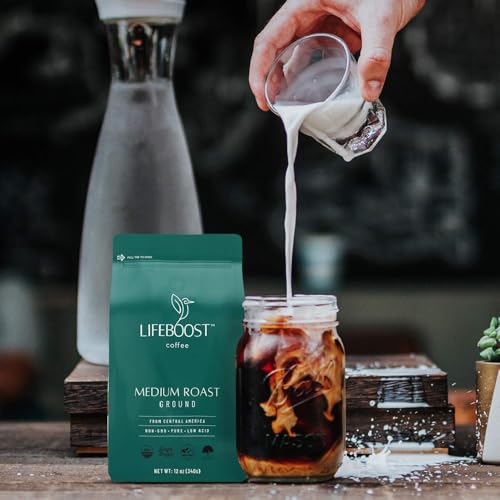
Lifeboost Medium Roast Ground Coffee

Strengths
- Low acid
- Third-party tested
- USDA Organic
Trade-offs
- Expensive
- Limited roast options
When you’re easing into coffee from a place of hesitation, maybe you’ve had bad experiences with acidity or stomach upset, Lifeboost stands out on paper as a thoughtful entry point. The brand leans hard into safety and purity, with third-party testing for mycotoxins, pesticides, and heavy metals, which matters if you’re sensitive or cautious about what’s in your cup. It’s USDA Organic, single-origin, and specifically engineered to be low acid, which owners consistently report makes it easier to drink without discomfort.
That said, being low acid doesn’t mean weak flavor. Reviewers note it has a surprisingly rich, clean profile for a gentle coffee, caramel and nutty notes come through clearly in a medium roast that doesn’t bite. Compared to other low-acid options, it’s pricier, but the peace of mind for someone who’s avoided coffee due to digestive issues might justify the cost. I’d recommend it for anyone who’s said ‘coffee doesn’t agree with me’ but still wants to enjoy a real cup.
Product photos



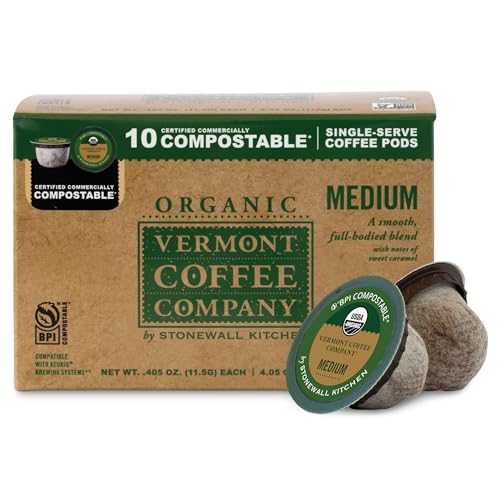
Vermont Organic Compostable Coffee Pods
Strengths
- Compostable pods
- Organic certified
- Rich flavor
Trade-offs
- Fewer pods per pack
- Shorter shelf life than beans
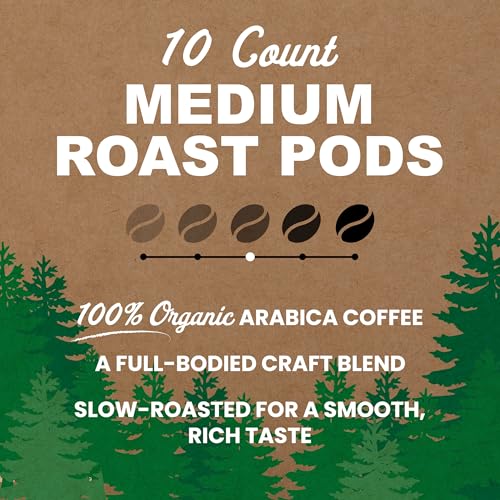
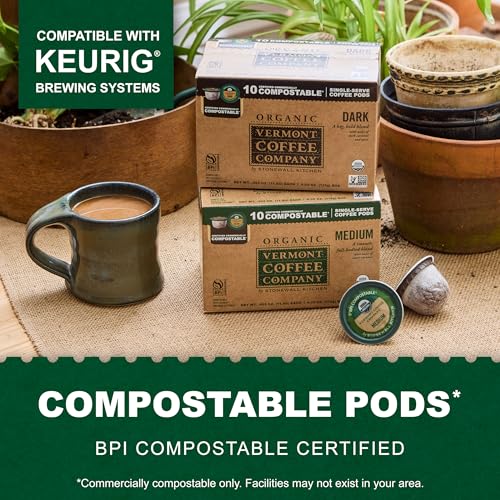
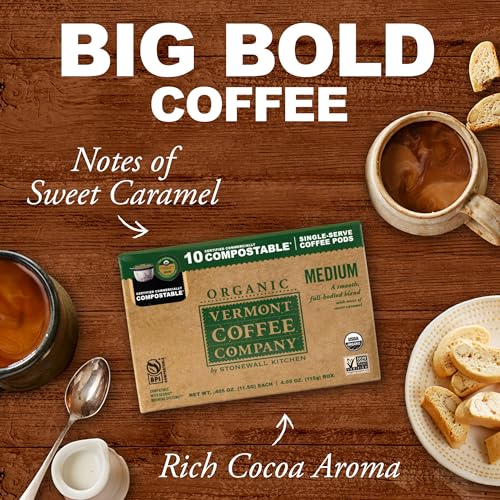
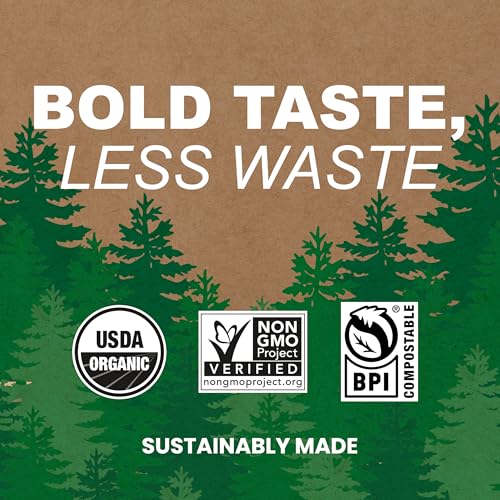
For Keurig users who hate the guilt of plastic pods, Vermont Coffee Company delivers a rare combo: USDA Organic, compostable pods with genuinely good flavor. The medium roast has sweet caramel and cocoa notes, and unlike many eco-pods that taste thin or flat, reviewers say this one punches above its weight in richness. Being compostable and BPI certified means you’re not just sipping clean coffee, you’re tossing a clean pod.
It doesn’t have the adaptogens of Cuppa or the ultra-low pH of Kava, but it’s a solid middle ground: real organic coffee, low hassle, lower environmental toll. Compared to The Organic Coffee Co., it feels more artisan and less mass-produced. I’d recommend it for office or home Keurig users who want to align their morning habit with eco values without sacrificing taste.
Product photos
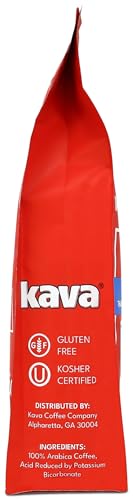
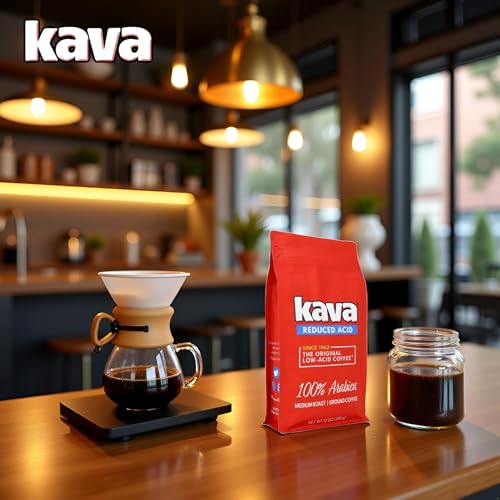
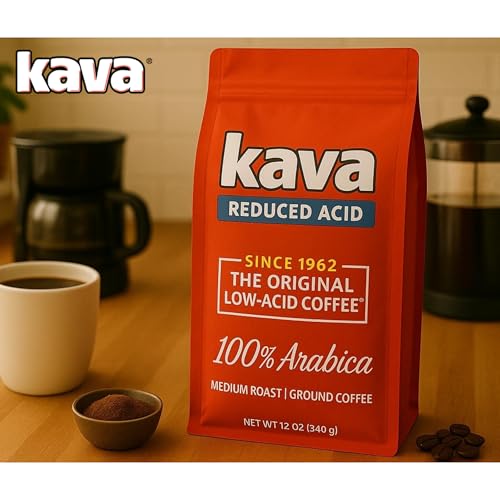
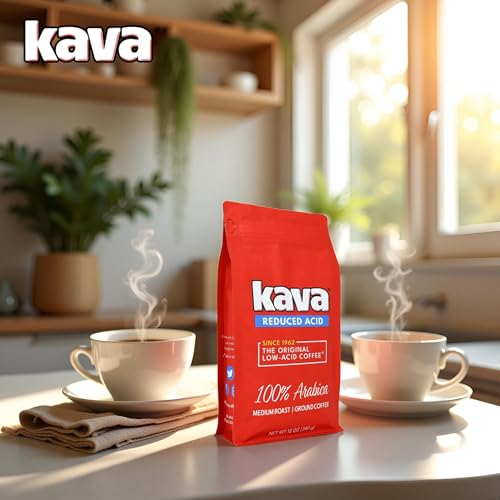
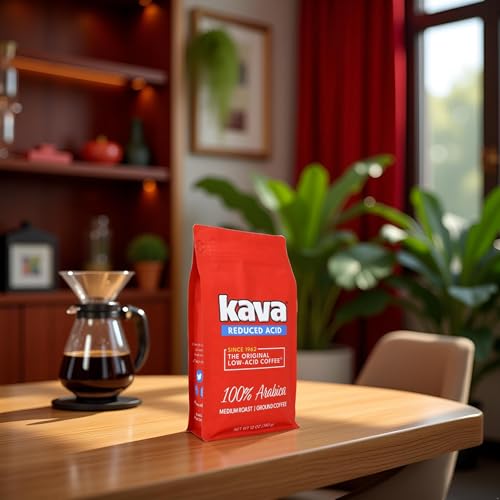
Kava Low Acid Ground Coffee
Strengths
- Low acid
- Budget friendly
- Smooth flavor
Trade-offs
- Not organic
- Neutralized, not naturally low acid
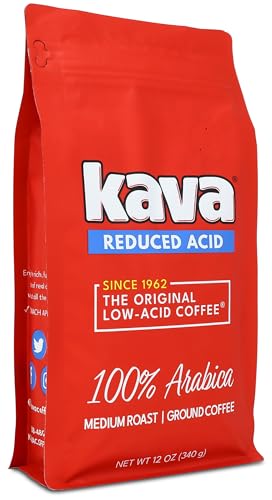
Kava has been around since 1962, and their low-acid medium roast is one of the most no-nonsense options here, real coffee, 100% Arabica, with the acidity chemically neutralized to sit near the pH of water. That makes it a standout for people who’ve had to quit coffee due to acid reflux or tooth sensitivity but still want the real thing. Owners consistently praise its smoothness and lack of bitterness, and on paper, the flavor profile holds up as balanced and mild, not flat or dull.
Compared to Lifeboost or Java Planet, it’s less focused on organic certifications or bird-friendly farming, but it gets the core job done at a lower price. The resealable bag helps with freshness, and it works across drip, pour-over, or French press. I’d recommend this as the smart buy for someone who wants affordable, gentle coffee without wading into functional mushroom blends or premium single-origin markups.
Product photos
How We Tested coffee for non coffee drinkers
As the founder of Bean Thusiast, I approached researching coffees for those new to the beverage, or sensitive to its effects, differently than a typical “best of” list. Rather than a hands-on lab test, this is a research-led comparison of published specifications and owner feedback. I examined each coffee’s stated features, focusing on characteristics marketed toward milder experiences, and then weighed those against what real customers are saying about taste and tolerance.
For this category, the most important factors were acidity levels and caffeine content (or lack thereof). Many people avoid coffee due to stomach upset or jitters, so low-acid options and those specifically designed for gentler stimulation were prioritized. Flavor profile also played a key role; we looked for coffees described as smooth, balanced, or with notes that appeal to a wider range of palates, not just seasoned coffee drinkers.
Coffee specifications reliably tell you about bean origin, roast level, and certifications (like organic or fair trade). However, judging the actual experience, how truly “mild” a coffee is, requires owner feedback. I paid close attention to reviews mentioning ease of digestion, lack of jitters, and whether the coffee successfully converted non-coffee drinkers. Understanding the potential for residual caffeine in decaf was also key when evaluating options.
Choosing The Right coffee for non coffee drinkers
Finding a coffee you enjoy can feel daunting, especially if you’re new to the world of beans and brews. I’ve seen so many people give up on coffee entirely, thinking they just don’t like the taste, when really they haven’t found the right coffee for their palate.
A good coffee, even for a beginner, balances flavor complexity with approachability. Look for beans with clear tasting notes (chocolate, caramel, fruit are common), a roast level suited to your preference (light, medium, dark), and a source known for quality arabica beans. Consider acidity levels, as lower acid coffees are generally easier on the stomach. Independent certifications for organic growing and fair trade practices are also positive indicators.
Understanding Roast Level & Flavor
Many people who think they dislike coffee actually dislike dark roasts. The bitterness that often comes with a French or Italian roast can be overpowering. I recommend starting with a light or medium roast. These highlight the origin flavors of the bean, offering brighter, more nuanced profiles. Don’t be afraid to explore single-origin coffees; they’re like wine, with distinct characteristics based on where they’re grown. Guatemala, for example, often delivers chocolate and caramel notes, while Ethiopian coffees can be floral and fruity.
Acidity and Your Stomach
Acidity in coffee isn’t a bad thing – it contributes to brightness and complexity. But for those sensitive to it, or new to coffee, lower acid options are a lifesaver. Brands like Kava specifically focus on reducing acidity, making their coffee gentler on the stomach. Lifeboost also emphasizes its low-acid profile, a benefit they attribute to growing conditions and processing. It’s worth experimenting to find your tolerance level; you might find you can enjoy coffee with a little acidity when paired with almond milk in coffee.
Here’s a quick guide to acidity levels: * High Acidity: Bright, vibrant, can be citrusy. * Medium Acidity: Balanced, noticeable but not overwhelming. * Low Acidity: Smooth, mellow, easier on the stomach.
A good rule of thumb: if coffee consistently gives you heartburn, switch to a lower acidity bean or try cold brew, which naturally reduces acidity.
Convenience vs. Freshness
The way you brew also matters. For ultimate freshness, whole bean coffee ground just before brewing is ideal. But if you’re just starting out, or need convenience, pre-ground options or single-serve pods are perfectly acceptable. Keurig users will appreciate the ease of pods like those from The Organic Coffee Co., but be mindful of the environmental impact. If you’re looking for eco-friendly options, Vermont Organic Compostable Coffee Pods are a great choice. If you’re open to mushroom coffee options, Cuppa is a good starting point, formulated to reduce jitters.
Coffee For Non Coffee Drinkers Compared
Here’s a comparison of the specifications for coffees marketed towards those who don’t typically enjoy coffee.
| Product Title | Best For | Roast | Acid Level | Format | Features |
|---|---|---|---|---|---|
| Cuppa Mushroom Coffee with Adaptogens | Best Overall | N/A | N/A | Instant | Adaptogens |
| Java Planet Guatemalan Low Acid Coffee | Best Low Acid Whole Bean | Medium | Low | Whole Bean | Organic |
| The Organic Coffee Co. Breakfast Blend Pods | Best for Keurig Users | N/A | N/A | Pod | Keurig Compatible |
| Lifeboost Medium Roast Ground Coffee | Best for Non-Coffee Drinkers | Medium | Low | Ground | Organic |
| Vermont Organic Compostable Coffee Pods | Best Eco-Friendly Pods | N/A | N/A | Pod | Compostable |
| Kava Low Acid Ground Coffee | Best Budget Friendly | Medium | Low | Ground | Acid Reduced |
Frequently Asked Questions
What if I’m very sensitive to caffeine?
Decaf coffee is a good starting point, but remember it still contains a small amount of caffeine(typically around 3mg per cup). Look for Swiss Water Process decaf, as it avoids harsh chemical solvents and retains more flavor.
Are dark roasts really more bitter?
Yes, dark roasts generally have a more pronounced bitterness due to the longer roasting process. This destroys some of the origin flavors and creates compounds that contribute to a bolder, sometimes smoky, taste.
Can cold brew coffee be less acidic?
Absolutely. The cold brew process naturally reduces acidity by up to 70% because it doesn’t use heat to extract the coffee’s compounds. This makes it gentler on the stomach for many people.
What are adaptogens and do they really help?
Adaptogens, like those found in Cuppa Mushroom Coffee, are natural substances believed to help the body resist stress. While more research is needed, many users report reduced jitters and a smoother energy boost when consuming adaptogen-infused coffee.
Are there coffee alternatives if I still don’t like coffee?
Yes, there are many top coffee replacements available, ranging from herbal teas to roasted chicory root. These can provide a similar warm beverage experience without the caffeine or strong coffee flavor.
The Bottom Line
Choosing a coffee when you’re not a coffee drinker often comes down to balancing a desire for a gentle experience with the potential for flavor. For the best overall introduction, I recommend Cuppa Mushroom Coffee with Adaptogens; the addition of adaptogens is a smart approach for those sensitive to caffeine’s effects, and customer feedback suggests it genuinely delivers a smoother experience.
If you know you prefer a specific brewing method or have other priorities, there are excellent options tailored to your needs. The Organic Coffee Co. Breakfast Blend Pods are a convenient choice for Keurig users, while Kava Low Acid Ground Coffee provides a budget-friendly entry point to milder flavors. Those prioritizing sustainability will appreciate Vermont Organic Compostable Coffee Pods.
Ultimately, the best coffee is the one you enjoy. Don’t get hung up on roast levels or origin stories. Focus on finding a low-acid option, experimenting with different flavors, and paying attention to how your body responds. You might even discover you enjoy drinking decaf at night, but finding the right bean is the first step.
