
8 Best Coffee Substitutes of 2026
The best coffee substitute overall is Monkey Brew Organic Mushroom Coffee, thanks to its functional adaptogenic blend and rich flavor. For a budget-friendly pick, DANDY BLEND delivers solid taste and digestive benefits without the cost. If you want versatility and control, Herbaila Roasted Chicory Root offers high-quality granules that work across brew methods.
Most people looking for a coffee substitute aren’t just chasing flavor, they’re trying to escape caffeine jitters, acid reflux, or energy crashes. But swapping your morning cup isn’t as simple as grabbing anything labeled “coffee alternative.” Too many options taste like burnt dirt or leave you bloated.
This guide cuts through the noise. I researched the field, comparing ingredient quality, brewing ease, and real user feedback to find substitutes that actually deliver a satisfying, body-friendly experience. These picks balance taste, function, and value, so you can find one that fits your routine, not just your cravings.
Top 8 Coffee Substitute in the Market
The Best Coffee Substitute, Reviewed
DANDY BLEND Instant Herbal Beverage

Strengths
- Budget friendly
- Easy to prepare
- Gentle on digestion
Trade-offs
- Mild flavor
- Not coffee-like
- Low in fiber
DANDY BLEND has been around for decades, and owners consistently report it’s one of the most accessible coffee alternatives for those ditching caffeine cold turkey. On paper, it’s a blend of dandelion, chicory, and other herbs, but in practice, it delivers a mild, slightly sweet profile that lacks the bite of real coffee, ideal if you’re sensitive to bitterness.
The flavor is light and earthy, not bold, so if you’re used to dark roasts, this might feel underwhelming. Still, its biggest strength is how easy it is to prepare and how gentle it is on the stomach. For someone transitioning away from coffee or nursing a sensitivity, this is a reliable starting point.
Video review
Herbaila Roasted Chicory Root Granules

Strengths
- High in inulin
- Robust coffee-like flavor
- Clean ingredient list
Trade-offs
- Slight bitterness
- Requires straining
- Not for sweet profiles
Herbaila stands out in the chicory space by delivering a product that’s not just a coffee alternative but a functional food. The granules brew up dark and dense, with a slightly woody, nutty depth that mirrors a medium-dark roast. Reviewers note it holds up especially well in milk-based drinks, where its natural bitterness is softened.
The inulin content here is a real highlight, this is one of the few substitutes where gut health isn’t just a footnote. The sourcing from India and claims of hand-selected roots sound marketing-heavy, but owner feedback backs the consistency and freshness. Compared to blends, this is a purer, more focused option for those who want prebiotic benefits without added ingredients.
Video review
Kaffree Roma Plant-Based Original

Strengths
- Long shelf life
- Balanced grain blend
- Acid and tannin free
Trade-offs
- Mild prebiotic content
- Grain aftertaste
- Less coffee-like
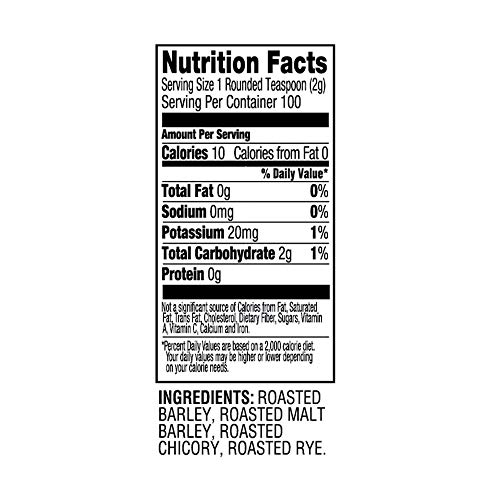
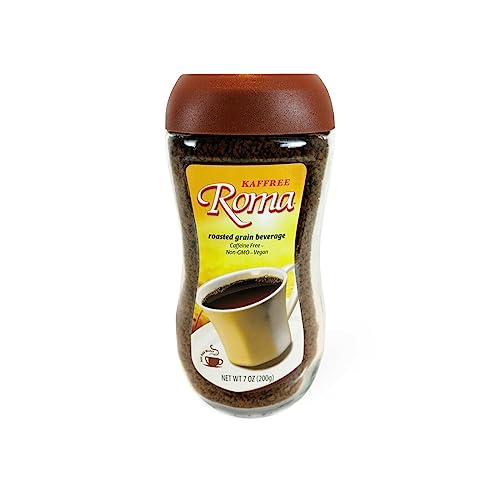
Kaffree Roma leans into its grain-based identity with a blend of roasted barley, chicory, and rye, three ingredients that together create a surprisingly full-bodied, warming drink. The aroma is toasty, almost like a dark rye bread, and owners say it satisfies the ritual of coffee drinking even if it doesn’t fully mimic the taste.
What sets it apart is its shelf life and serving count, 100 servings per container means long-term use without degradation. It’s also tannic acid-free, making it a solid pick for acid-sensitive drinkers. Compared to pure chicory options, it’s less bitter and more rounded, though not as fiber-rich. If you want something pantry-stable and grain-forward, this delivers.
Product photos

nuKAF Instant Chicory Coffee Alternative

Strengths
- 100% pure chicory
- High in prebiotics
- Smooth, rich flavor
Trade-offs
- Fine powder clumps
- Slight earthiness
- Higher price point
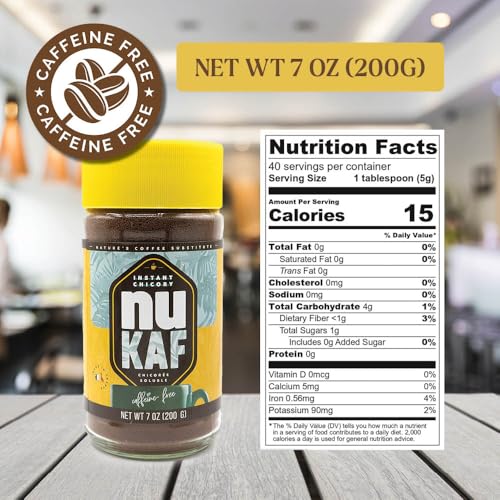
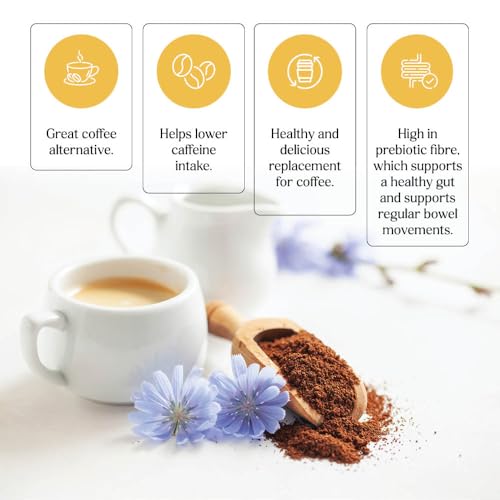
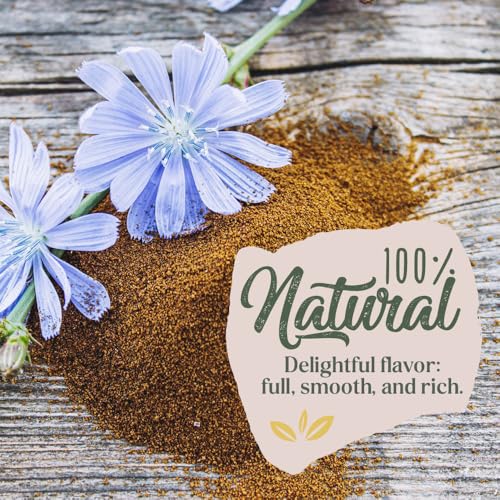
nuKAF positions itself as a premium, tradition-rooted chicory powder, and on paper, it delivers. Made entirely from French-grown chicory root, it’s 100% pure, no fillers, no grains, and that shows in the flavor: deep, earthy, and slightly sweet with a smooth finish. Reviewers consistently praise its richness, especially when brewed strong.
The Kosher certification and family heritage claims add authenticity, but the real win is the high inulin content and clean taste. It dissolves well in hot water or milk, making it ideal for lattes. Compared to blends, this is a more serious option for those who want a direct, unadulterated substitute with functional benefits. I’d pick this over grain blends if purity matters.
Product photos


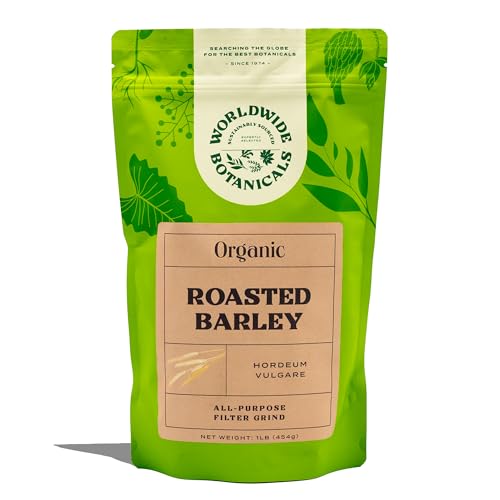
Worldwide Botanicals Organic Barley Orzo
Strengths
- Versatile brewing options
- Organic and kosher
- Mild, nutty flavor
Trade-offs
- Low in fiber
- Not coffee-strong
- Requires filtering
Orzo lovers will feel right at home with this Italian-style roasted barley. It’s certified organic and ground to a universal consistency, so it works in drip machines, French presses, even espresso setups. The flavor is nutty, slightly sweet, and completely free of acidity, owners say it’s perfect for evening cups when you want the ritual without the jolt.
Compared to chicory-based options, it’s lighter and less bitter, which makes it a great blending candidate. Mix it with real coffee to cut caffeine gradually, or serve it straight with milk for a cappuccino-style experience. The health claims around liver and kidney support aren’t proven, but the antioxidant content and clean sourcing give it solid backing.
Product photos




Monkey Brew Organic Mushroom Coffee Alternative

Strengths
- Adaptogenic powerhouse
- Clean, tested ingredients
- Energy without jitters
Trade-offs
- Not coffee-flavored
- Higher cost
- Earthy mushroom note
Monkey Brew isn’t trying to be coffee, it’s aiming to replace the function of coffee with clean, sustained energy. The blend of lion’s mane, cordyceps, and ashwagandha is backed by adaptogenic science, and owners report noticeable improvements in focus and calm. The addition of cacao and cinnamon gives it a mocha-like warmth, making it more dessert than brew.
It’s USDA organic, third-party tested, and free of mycelium fillers, a big deal in the mushroom space. While it lacks the gut fiber of chicory, it compensates with broad wellness support. Compared to traditional substitutes, this is the most functional, almost like a morning tonic. I’d recommend it over standard blends for anyone prioritizing mental clarity over coffee mimicry.
Product photos


DelighTeas Organic Coffee Alternative Blend

Strengths
- USDA organic
- Sweet, earthy balance
- Lab-tested purity
Trade-offs
- Low fiber
- Fine sediment
- Fewer servings
DelighTeas leans into Ayurvedic tradition with a blend of chicory, dandelion, carob, and cardamom, ingredients that together create a surprisingly balanced, slightly sweet cup. The carob adds a cocoa-like softness, which reviewers say makes it more palatable for those turned off by bitter substitutes.
It’s USDA organic, lab-tested, and free of common allergens, which adds peace of mind. The grind works in most brewers, though fine sediment is a common note. Compared to single-source chicory, this is more approachable and aromatic, but less potent in prebiotic content. If you want organic purity with a touch of sweetness, this hits the mark.
Product photos




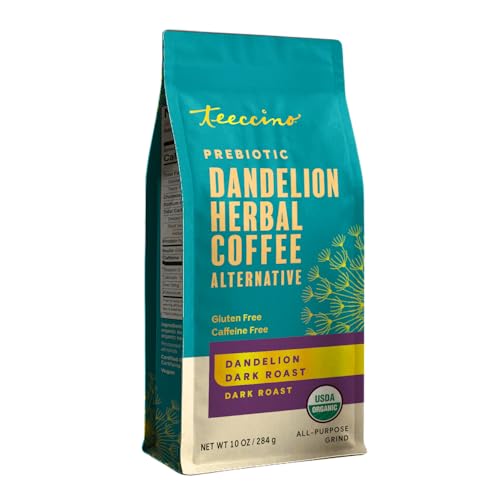
Teeccino Dandelion Dark Roast Herbal Coffee
Strengths
- High inulin per cup
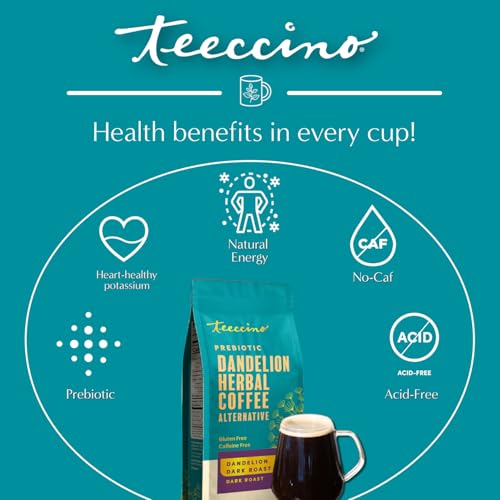
- Acid free
- Brews like coffee
Trade-offs
- Contains ramón seeds
- Slight aftertaste
- Not grain-free
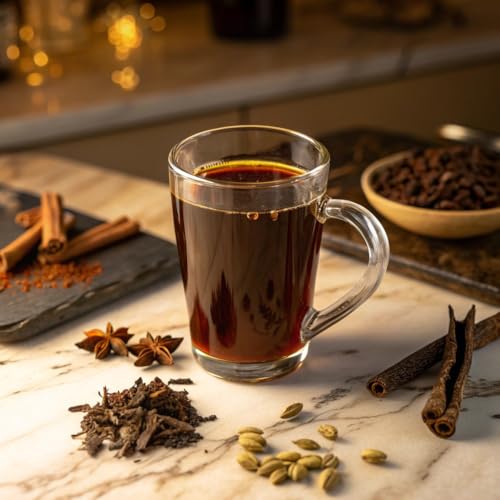
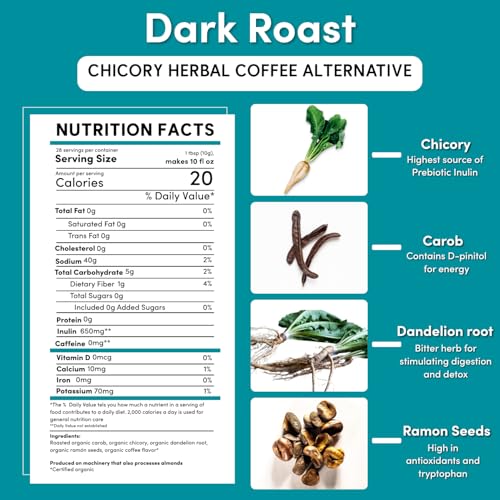
Teeccino is one of the most well-known names in herbal coffee, and for good reason. The Dandelion Dark Roast blends chicory, dandelion root, and ramón seeds into a bold, smooth brew that actually feels like a real coffee experience. With over 650mg of inulin per cup, it’s a standout for digestive health.
Owners praise its acid-free profile and versatility, brew it hot, iced, or in a cappuccino. It dissolves well and leaves minimal grit. Compared to others, it strikes the best balance between flavor, function, and ease of use. If you want one substitute that does it all, tastes good, supports gut health, and fits smoothly into your routine, this is the one I’d recommend first.
Product photos

How We Picked These coffee substitute
As the founder of Bean Thusiast, I approach coffee alternatives with a critical eye, looking beyond simply replicating coffee’s flavor. My research involved comparing published specifications – ingredient lists, processing methods, and certifications – across a wide range of products. I then weighed owner reviews from multiple retailers alongside expert opinions found in food and beverage publications. This wasn’t about personal tasting sessions; rather, a research-led comparison of specs and owner feedback applied to my understanding of flavor profiles and functional ingredients.
For coffee substitutes, I placed the heaviest emphasis on ingredient quality and digestive impact. A truly successful alternative should offer a pleasant experience, but also avoid the downsides many seek to escape when moving away from coffee. High inulin content, indicating prebiotic benefits, was a key differentiator, as was the presence of potentially beneficial adaptogens or other functional ingredients. Flavor profiles were also considered, but secondary to health aspects and reported ease of brewing.
Specifications reliably reveal ingredient lists and processing details, while owner feedback highlighted brewing ease and, crucially, digestive tolerance. Reputation – brand history and sourcing practices – played a role when specs were similar. I also looked for independent certifications (USDA Organic, Kosher) to verify claims. You can explore further options with a look at non-caffeinated coffee swaps if you are looking for even more ideas.
Choosing The Right coffee substitute
Finding a satisfying coffee alternative requires understanding what you’re trying to replicate – and what you’re trying to avoid. It’s not simply about mimicking the flavor; it’s about understanding the ritual, the energy boost (or lack thereof), and the impact on your body.
A quality coffee substitute prioritizes flavor complexity achieved through roasting and blending, avoids excessive fillers or artificial ingredients, and transparently lists its components. Look for products specifying the type of chicory (root vs. leaf), the sourcing of other ingredients like dandelion or barley, and any third-party testing for purity and contaminants. The goal is a beverage that’s both enjoyable and beneficial, not just a caffeine-free mimic.
Flavor Profile & Ingredients
The biggest hurdle is, of course, the taste. Many first-time switchers are surprised by how different these beverages can be. Chicory is the most common base – and for good reason, it offers a roasted, slightly woody flavor that can approximate coffee. But it’s not a perfect match. Blends incorporating carob, dandelion, and even cacao can add depth and sweetness. Consider what aspects of coffee you enjoy most. Do you prefer a bold, dark roast or something lighter and more floral? Some options, like Kaffree Roma, lean heavily on grains, offering a more robust, though distinctly different, flavor. Others, like those featuring dandelion, prioritize digestive benefits alongside a milder taste.
Adaptogens & Functional Benefits
Increasingly, coffee substitutes are packing in extra ingredients. Monkey Brew, for instance, goes beyond simple roasted roots, including a substantial adaptogenic blend of mushrooms and ashwagandha. These ingredients are intended to provide a sustained energy boost and support overall wellness, mimicking some of the perceived benefits of coffee without the jitters. While the science behind adaptogens is still evolving, I’ve seen many people report positive effects. If you’re looking for more than just a caffeine-free beverage, exploring these options is worthwhile. Before you commit, research the specific adaptogens and understand their potential effects – not all are suitable for everyone.
Brew Method & Value
Convenience is a factor. Instant options like nuKAF and DANDY BLEND are incredibly easy to use, but often sacrifice some flavor complexity. Granular blends, like those from Herbaila, require a bit more effort but offer greater control over the brewing process. You can use a French press, drip coffee maker, or even an espresso machine (though results will vary). Here’s a quick guide to help you evaluate:
- Instant: Fastest, least flavorful, great for travel.
- Granular: Versatile, better flavor, requires more effort.
- Pre-ground blends: Convenient, often a good balance of flavor and ease of use. These are usually designed for specific brew methods.
Ultimately, cost is also a consideration. Some specialty blends can be quite expensive, while others, like DANDY BLEND, offer excellent value. If you’re new to the world of coffee substitutes, I recommend starting with a smaller, more affordable option to see if you enjoy the flavor before investing in a larger, pricier bag. You might also consider experimenting with a best coffee alternative to find one that suits your needs.
Don’t chase a perfect coffee replica. Embrace the unique flavor profile of these alternatives and focus on finding a beverage you genuinely enjoy.
If you’re looking for a different kind of energy boost, exploring the green tea energy boost could be a good alternative.
Coffee Substitute Compared
Here’s a comparison of key specifications for various coffee substitutes.
| Product Name | Caffeine Free | Primary Ingredient | Form | Added Flavors | Health Focus |
|---|---|---|---|---|---|
| Monkey Brew Organic Mushroom Coffee | Yes | Mushroom Blend | Powder | Yes | Adaptogens, Wellness |
| Teeccino Dandelion Dark Roast | Yes | Chicory/Dandelion | Grind | No | Digestive Health |
| nuKAF Instant Chicory Coffee | Yes | Chicory Root | Powder | No | Gut Health |
| DelighTeas Organic Coffee Blend | Yes | Chicory/Dandelion | Blend | No | Digestion, Antioxidants |
| Kaffree Roma Plant-Based Original | Yes | Barley/Chicory/Rye | Granules | No | Acid Free |
| DANDY BLEND Instant Herbal Beverage | Yes | Dandelion/Chicory | Powder | No | Mineral Rich |
| Herbaila Roasted Chicory Root | Yes | Chicory Root | Granules | No | Gut Health, Fiber |
| Worldwide Botanicals Organic Barley | Yes | Barley | Grind | No | Liver/Kidney Support |
Frequently Asked Questions
What’s the biggest difference between chicory root and dandelion root as a coffee substitute?
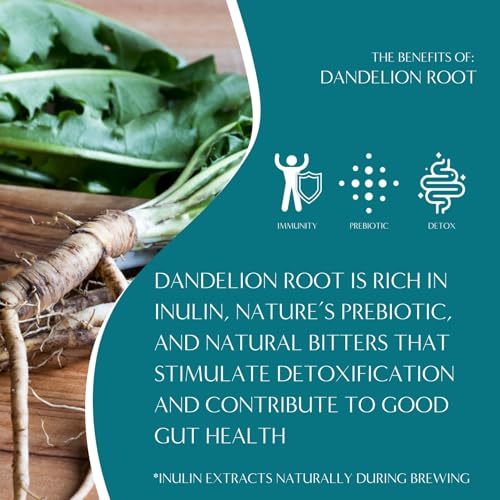
Chicory offers a more roasted flavor profile similar to coffee, while dandelion is milder and slightly floral; dandelion is also often favored for its potential prebiotic benefits and support of digestive health. Both are caffeine-free, but their flavor contributions differ significantly.
Are mushroom-based coffee substitutes actually effective for providing energy?
Mushroom-based options, like Monkey Brew, aim to provide sustained energy through adaptogens, but individual responses vary greatly. While scientific research is ongoing, many users report a calmer, more focused energy compared to the jitters from caffeine.
Can I use a coffee substitute in my espresso machine?
Some granular blends can be used in espresso machines, but it’s not generally recommended as they may not tamp correctly and can potentially damage the machine. Instant options are definitely not suitable for espresso machines.
Are there any coffee substitutes that are specifically good for people with sensitive stomachs?
DANDY BLEND and Teeccino Dandelion blends are often recommended for sensitive stomachs due to their dandelion and chicory content, which are naturally gentle on the digestive system. Look for options specifically marketed as gut-friendly or prebiotic-rich for the best results.
Where can I find more information about finding the best coffee replacement?
You can explore a wider range of options and detailed reviews on my page about the best coffee replacement – it covers numerous brands and brewing methods to help you find your ideal cup.
The Bottom Line
Choosing a coffee substitute often comes down to a trade-off between convenience and a truly nuanced flavor experience. While instant options offer speed and simplicity, I believe Monkey Brew Organic Mushroom Coffee strikes the best overall balance. It delivers a complex flavor profile alongside a functional boost from its adaptogenic blend, making it a standout choice for those seeking more than just a caffeine-free beverage.
For those prioritizing budget or specific needs, there are excellent alternatives. DANDY BLEND Instant Herbal Beverage remains a fantastic entry point for anyone curious about coffee substitutes, offering a mineral-rich and affordable option. And if digestive health is your primary concern, Teeccino Dandelion Dark Roast consistently receives high marks from those with sensitive stomachs. You might find further benefit in understanding tea health benefits as well.
Ultimately, the “best” coffee substitute isn’t about finding a perfect replica of coffee; it’s about discovering a beverage that aligns with your personal preferences and wellness goals. Focus on ingredient quality, consider your brewing method, and don’t be afraid to experiment – a satisfying alternative is out there, and it’s often a matter of finding the right blend for you.
