
2 Best Coffees for Espresso Martini 2026
The best coffee for an espresso martini starts with Door County Espresso Martini Ground Coffee, it’s bold, smooth, and consistently praised for holding up in cocktails. For a budget-friendly garnish option, the 4oz Whole Coffee Beans from Garnish deliver visual flair without sacrificing quality. I focused on flavor intensity, roast profile, and real-world performance when sorting through the options.
Getting the right coffee for an espresso martini isn’t just about strength, it’s about balance. Too acidic, and your drink turns sharp; too flat, and it disappears into the liqueur. After comparing the field and weighing owner feedback, I looked for coffees that bring richness, crema, and complementary chocolate or nutty notes. This guide breaks down what actually matters, roast, bean type, freshness, and highlights top picks based on specs and real use.
Top 2 Coffee For Espresso Martini in the Market
The Best Coffee For Espresso Martini, Reviewed
Door County Espresso Martini Ground Coffee

Strengths
- Flavor-balanced
- Keto friendly
- Grade 1 Arabica
- Air roasted
- Pre-ground convenience
Trade-offs
- Flavoring not for purists
- Smaller bag size
- Not for espresso extraction
This coffee leans hard into novelty, and honestly, that’s exactly what it’s built for. The flavor profile promises all the hallmarks of an espresso martini, rich espresso, sweet liqueur, a hint of spirit, but in a drip-friendly ground form. On paper, that’s fun. In practice, owners consistently report it brews up sweet and smooth, with a noticeable but not overwhelming flavoring that doesn’t taste artificial. It’s not a substitute for a real espresso in a cocktail, but as a morning nod to the drink? I’d say it delivers.
What stands out is the use of 100% Specialty Grade 1 Arabica beans, rare in flavored coffees, where lower-grade beans often carry the added flavors. That, plus the air-roasting process, means fewer impurities and a cleaner cup. Reviewers note it lacks the oily residue you sometimes get with darker roasts, which keeps your brewer cleaner. For those who enjoy flavored coffees but don’t want to sacrifice bean quality, this is a solid middle ground.
Video review
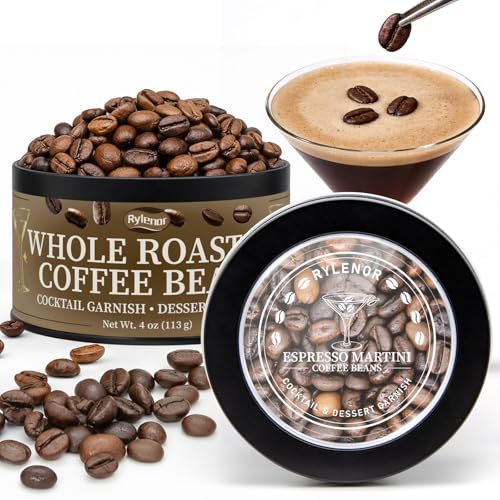
4oz Whole Coffee Beans Garnish
Strengths
- Premium visual appeal
- Crisp texture
- Real whole beans
- Elegant packaging
- Multi-use garnish
Trade-offs
- Not for brewing
- Limited quantity
- Niche use case
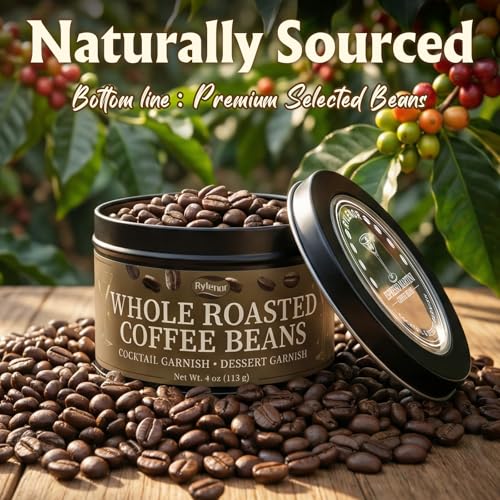
Let’s be clear, this isn’t a coffee you brew. These are whole beans meant for show, not extraction. But if you’ve ever wanted to nail that barista-level cocktail presentation, this product makes it stupidly easy. Sourced from Laos and Uganda and roasted to a crisp medium-dark, the beans have a glossy, rich look and snap cleanly when bitten, a detail reviewers love when plating desserts or topping whipped cream.
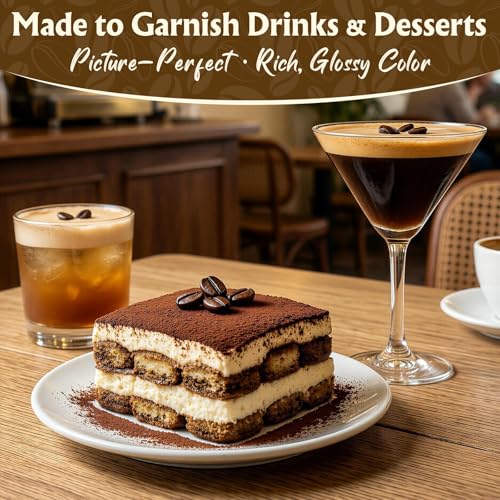
The black tin is a nice touch, giving it that behind-the-bar professionalism. It’s not just for espresso martinis; owners use these beans on tiramisu, affogato, even chocolate platters. The aroma is bold and fresh, not stale like some decorative beans. I wouldn’t call it essential, but for anyone who takes pride in presentation, whether at a home bar or a pop-up dinner, this is the smarter buy over random leftover beans from your bag.
Product photos



How We Chose These coffee for espresso martini
I approached this guide by researching coffees specifically suited for the unique demands of an espresso martini. Rather than a hands-on lab test, this is a research-led comparison of published specifications, features touted by the brands, and a careful weighing of owner and expert reviews. I focused on identifying coffees that deliver the bold flavor and crema needed to stand out in a cocktail, and those with characteristics owners consistently praise for this application.
For coffee intended for espresso martinis, the roast level and bean origin are critical. I prioritized coffees with a medium to dark roast, as these generally provide the intensity needed to cut through the sweetness of the liqueur. Beyond that, I looked for beans sourced from regions known for producing coffee with chocolatey or nutty notes – qualities that complement the classic martini profile. You can find more information about dark roast espresso grounds if you’re interested.
Specifications are helpful for understanding roast level and origin, but owner feedback really reveals how a coffee performs in a martini. I gave significant weight to reviews mentioning how well the coffee’s flavor held up when mixed, and whether it produced a good crema. I also considered whether the coffee was specifically marketed or widely used for cocktails, as this suggests a proven track record. For convenience, many prefer [pre-ground espresso coffee] options.
How To Pick The Right coffee for espresso martini
I’ve spent a lot of time thinking about what makes the perfect espresso martini, and it all starts with the coffee. It’s not just about strong coffee; it’s about flavor complexity and how well it plays with the other ingredients.
A truly excellent coffee for an espresso martini balances boldness with nuanced flavors. Look for medium-to-dark roasts with notes of chocolate, caramel, or dark fruit. Bean origin and roast consistency are critical; the goal is a smooth, rich base that doesn’t get lost in the liqueur and vodka. Avoid overly bright or acidic coffees.
Roast Level & Flavor Profile
The roast level is paramount. You want something darker than your typical breakfast blend, but not so dark it tastes burnt. A medium-dark roast offers the body needed to stand up to the vodka and coffee liqueur, while still allowing those desirable chocolate and caramel flavors to shine through. I often recommend exploring coffees described as “Italian Roast” or “Vienna Roast” – these generally deliver the intensity we’re after. Don’t shy away from blends either; a well-crafted blend can offer a more complex flavor profile than a single-origin coffee. Finding the best beans for espresso is a good starting point.
Bean Type & Freshness
Arabica beans are almost always the way to go, and ideally, you’ll want Specialty Class 1 beans (like those Door County uses) for the best flavor. Robusta beans can deliver a caffeine kick, but they often contribute a rubbery or harsh taste that doesn’t complement the martini’s delicate balance. Freshness is hugely important. Coffee stales quickly once roasted, so check for a roast date, not just a “best by” date.
- Whole bean is preferable. You can grind just before making your martinis for maximum freshness.
- If you buy pre-ground, store it in an airtight container in a cool, dark place. It will lose flavor rapidly if exposed to air and light.
- Consider how much you’ll use. A small bag of freshly roasted beans is better than a large one that sits around for months.
Presentation vs. Practicality
While flavor is king, presentation matters, especially for a cocktail. That’s where those whole bean garnishes come into play. However, remember those are for garnish, not for brewing. If you’re prioritizing a polished look, a dedicated garnish coffee (like the 4oz tin from Garnish) is a smart move. But if you’re focused on making the best-tasting martini, investing in high-quality, freshly roasted beans suitable for espresso roast requirements will make a bigger difference.
A good rule of thumb: don’t use coffee you wouldn’t enjoy drinking black. If it tastes unpleasant on its own, it won’t magically improve in a martini.
Coffee For Espresso Martini Compared
Here’s a specification comparison of coffees suitable for making espresso martinis, focusing on key features for this application.
| Product Title | Size | Roast | Bean Type | Whole Bean? | Sugar (per 6oz) |
|---|---|---|---|---|---|
| Door County Espresso Martini Ground Coffee | 10oz | Medium | Arabica | No | 0g |
| 4oz Whole Coffee Beans Garnish | 4oz | Med-Dark | Laos/Uganda | Yes | N/A |
Frequently Asked Questions
What roast level is best for an espresso martini?
A medium-dark roast is ideal, as it provides the boldness to stand out against the vodka and coffee liqueur while still allowing chocolate and caramel notes to come through. Avoid lighter roasts, as their acidity can clash with the drink’s sweetness.
Can Robusta beans be used in an espresso martini?
While you can use Robusta beans, I generally advise against it. They often have a harsh, rubbery flavor that doesn’t blend well in a martini and can overwhelm the more delicate flavors.
Is pre-ground coffee okay for an espresso martini?
Yes, pre-ground coffee can work, but the freshness of pre-ground is key. Store it in an airtight container to minimize flavor loss, and use it quickly for the best results.
How important is the origin of the beans?
Origin matters, but less than roast level. Generally, beans from Central and South America, known for chocolate and nutty notes, are a good choice. However, a well-roasted bean will outperform a poorly roasted specialty bean any day.
Will the coffee flavor really come through in the martini?
Yes, a quality coffee will absolutely contribute to the overall flavor. Selecting a coffee you enjoy drinking black is a good starting point; the martini will only amplify the existing flavors, it won’t create new ones.
The Bottom Line
Choosing the right coffee for an espresso martini often comes down to a trade-off between convenience and control. If you want reliably good results with minimal fuss, I believe the Door County Espresso Martini Ground Coffee is the way to go. It’s formulated specifically for this drink and delivers consistent flavor without requiring you to grind your own beans.
However, for those who prioritize ultimate flavor and enjoy the ritual of espresso preparation, the 4oz Whole Coffee Beans Garnish is an excellent choice. It’s a bit more work, but the ability to grind fresh and use high-quality beans will noticeably elevate your martini. If you’re exploring the world of home espresso, understanding espresso bean differences is a great place to start.
Ultimately, the most important factors aren’t a specific roast level or bean origin, but freshness and balance. A coffee that tastes good on its own – one that isn’t overly acidic or burnt – will always make a better martini. Prioritize quality beans and grind them fresh when possible, and you’ll be well on your way to crafting a truly exceptional cocktail.
