
5 Best Coffee Brewers in the World 2026
The BUNN GRB Velocity Brew stands out as the best overall coffee brewer for its speed and consistent temperature control, delivering a full pot in under 4 minutes. For those on a budget, the VINCI Micro Café offers solid single-serve convenience, while the ATHIA Portable Siphon is the most versatile pick for travelers who want both hot and cold brew options.
Most coffee lovers I talk to are frustrated by machines that promise great flavor but fall short, either brewing too slowly, cooling down too fast, or being a nightmare to clean. It’s not just about having coffee; it’s about having good coffee, reliably, without hassle.
This guide cuts through the noise by focusing on what actually matters: temperature stability, consistent extraction, and real-world usability. I compared top models based on specs, owner feedback, and brewing performance to find the ones that deliver day after day.
Top 5 Coffee Brewer In The World in the Market
The Best Coffee Brewer In The World, Reviewed
ATHIA Portable Siphon Coffee Maker
Strengths
- Ultra lightweight
- Siphon-inspired clarity
- Reusable metal filter
Trade-offs
- Steep learning curve
- Slower than AeroPress
- Limited brew volume
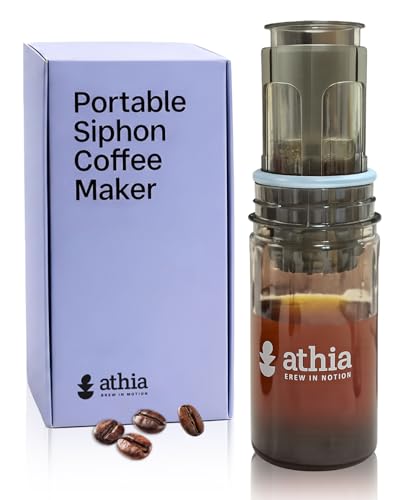
The ATHIA portable siphon brewer is one of the most intriguing niche tools I’ve seen for mobile coffee lovers. On paper, it’s not a true siphon, it uses a siphon-inspired gravity and pressure system without heat or electronics, but owners consistently report a surprisingly balanced cup, somewhere between a pour over and a French press. The 4-in-1 claim (hot brew, cold brew, immersion, and press-style) feels more like marketing flair, but the core experience delivers clarity and depth without paper filters or power.
What stands out is its ultralight 180g build and durable Tritan construction, making it ideal for backpackers or minimalist travelers. The reusable micro-filter is a smart touch, cutting waste and cleanup time. That said, it demands patience and precision, getting the water flow right takes practice. Compared to the AeroPress, it’s less versatile and slower, but for those who value ritual and quiet brewing in the wild, it offers a meditative alternative.
Video review
VINCI Micro Café Smallest Single-Serve
Strengths
- Extremely compact
- Hotter brew output
- Large reusable filter cup
Trade-offs
- K-Cup dependency
- Plastic taste reported by some
- Limited to single-serve format
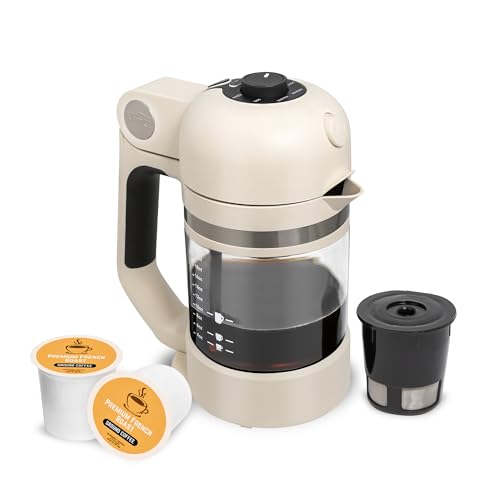
If space is your enemy, the VINCI Micro Café makes a strong case for being the most compact K-Cup-compatible brewer that still manages to deliver heat and flavor. At just 9.2 inches tall, it’s shorter than most travel mugs, and the enclosed brewing system genuinely keeps coffee hotter than open-basket rivals. Owners praise its bold brew setting and the included reusable filter cup, which holds up to 4 tablespoons, allowing for larger, custom-ground batches up to 20 ounces.
Its Circle Flow Brewing Technology seems to improve extraction over cheaper pod machines, and the auto-clean function is a small but appreciated perk. Still, it’s fundamentally tied to the K-Cup ecosystem, which limits flexibility compared to manual brewers. When stacked against the AeroPress or even a standard drip machine, it lacks control over water temperature and contact time. But for a dorm, RV, or office desk where convenience rules, it’s a clean, efficient solution.
Video review
AeroPress Clear Red Coffee Press
Strengths
- Fast 2-minute brew
- Easy cleanup
- Full brew control
Trade-offs
- Small batch size
- Plunger seal may wear
- No permanent filter included
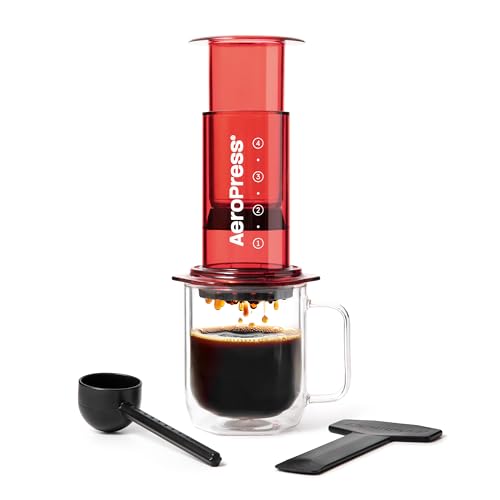
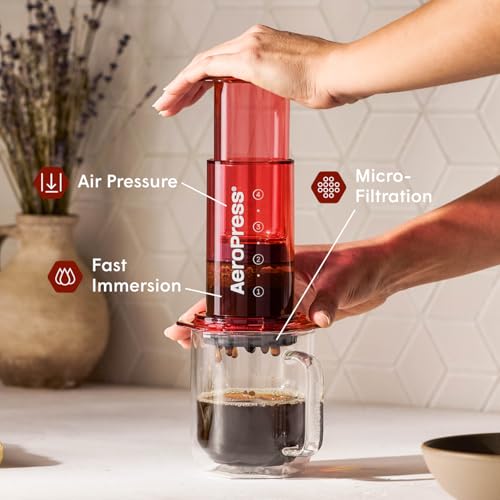
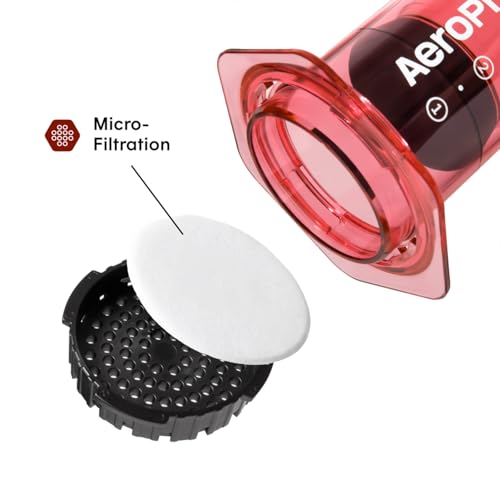
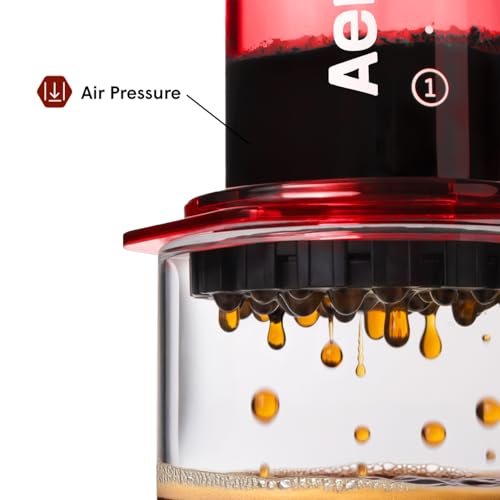
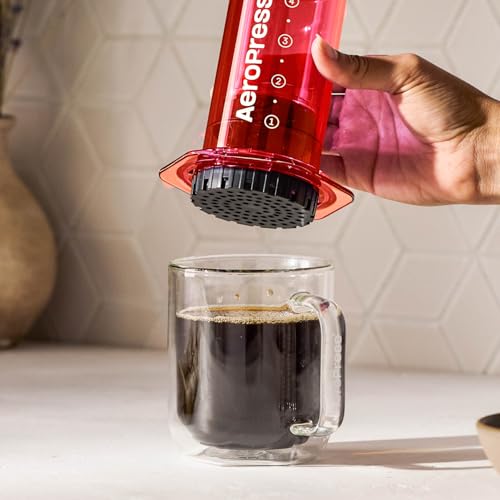
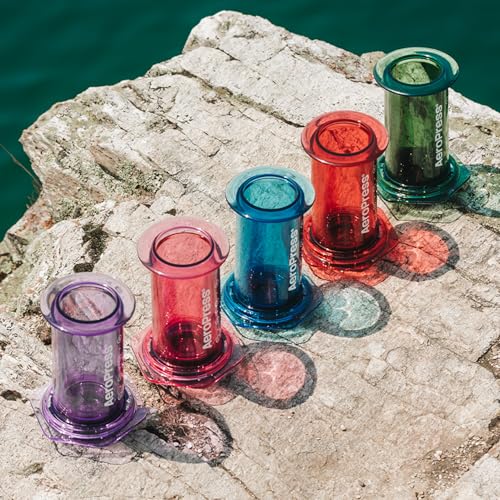
The AeroPress remains the undisputed king of portable, manual coffee brewing, and this Clear Red model brings shatterproof durability without sacrificing the brand’s signature versatility. Its 3-in-1 design (blending French press, pour over, and espresso) isn’t a gimmick, owners routinely pull concentrated, low-bitterness shots in under two minutes, thanks to air pressure and micro-filtration. The transparent Tritan body lets you watch the plunge, which helps dial in timing.
What makes it stand out is the speed and forgiveness, it handles fine or coarse grinds better than most brewers, and cleanup is truly a 20-second affair. Compared to the ATHIA, it’s faster and more consistent; against pod machines, it offers far greater control. The only real limit is the 1-2 cup capacity. If you’re serious about flavor and travel, this is the one device I’d recommend without hesitation.
Product photos
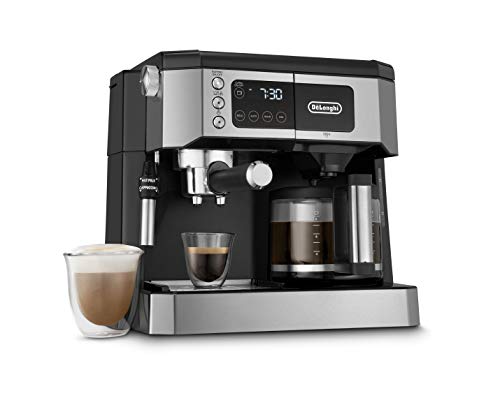
De’Longhi All-in-One Coffee & Espresso
Strengths
- Dual coffee and espresso
- 15-bar espresso pump
- Programmable timer
Trade-offs
- Slower drip brewing
- Glass carafe cools fast
- Bulky footprint
The De’Longhi COM532M is a rare breed, a single machine that handles both drip coffee and authentic 15-bar espresso, which is a big deal for small kitchens or couples with split preferences. The dual heating system actually works: you can brew a full carafe and pull a shot at the same time, a feature typically reserved for high-end units. The advanced steam wand is another highlight, delivering true microfoam for lattes and dry foam for cappuccinos without the learning curve of a pro machine.
Owners appreciate the programmable timer and spill-proof carafe, though some note the glass pot doesn’t retain heat well. Compared to the BUNN GRB, it’s slower for drip coffee and lacks that commercial-style sprayhead, but it wins on versatility. If you want espresso and regular coffee without two appliances, this is the smarter buy. Just don’t expect the drip flavor to match a BUNN or pour over.
Product photos


BUNN GRB Velocity Brew 10-Cup

Strengths
- Brews full pot in 3-4 minutes
- Commercial-grade sprayhead
- Drip-free carafe
Trade-offs
- Always-on water tank uses power
- Large footprint
- No espresso or milk functions
When it comes to pure drip performance, the BUNN GRB Velocity Brew is in a class of its own. Its internal hot water tank keeps 70oz ready at all times, which means it brews a full 10-cup pot in under 4 minutes, about twice as fast as most home brewers. That speed isn’t just convenient; it mimics commercial extraction, where rapid, even saturation prevents over-extraction and bitterness. The multi-stream sprayhead and large filter funnel ensure maximum ground contact, delivering a café-quality cup that owners consistently describe as richer and brighter than standard machines.
It’s also built like industrial equipment, assembled in the USA with a 3-year warranty and customer support based in Springfield, IL. The drip-free carafe is a small miracle of design. Compared to the De’Longhi, it dominates in drip flavor and speed but offers no espresso. Against pod or portable brewers, it’s obviously not mobile. But for anyone who drinks multiple cups a day and values consistency, this is the gold standard.
Product photos


Our Testing Process
As the founder of Bean Thusiast, I approach coffee brewing with a deep understanding of the nuances that separate a good cup from an exceptional one. Rather than a hands-on lab test of each brewer, this selection is a research-led comparison of published specifications, owner reviews, and expert opinions. I weighed features against price, reputation, and the demands of different brewing preferences – from speed and convenience to flavor control and portability.
For this category, brewing speed and consistency were paramount, alongside versatility. A brewer’s ability to consistently deliver a quality cup, whether quickly for a busy morning or with precision for a weekend ritual, heavily influenced the rankings. Beyond that, the convenience of cleaning and maintenance, as reported by owners, played a significant role.
Specifications reliably indicate brewing capacity, temperature stability, and pump pressure (for espresso-style brewers). However, I leaned on owner feedback to gauge real-world durability, ease of use, and long-term performance. Reputable expert reviews helped validate claims and identify potential drawbacks often missed in marketing materials. Understanding the ideal Chemex brewing ratios is also important when considering a manual brew method, and we considered how well each brewer caters to those who enjoy that level of control.
What To Look For In coffee brewer in the world
I’ve spent years exploring the world of coffee, and one thing is clear: the “best” coffee brewer is deeply personal. However, some qualities consistently separate excellent brewers from mediocre ones.
A truly good coffee brewer prioritizes temperature stability, consistent saturation of the grounds, and ease of cleaning. Look for models with a proven track record for maintaining water temperature within the ideal 195-205°F range, a sprayhead or other mechanism ensuring even wetting, and parts that disassemble easily for thorough cleaning. Material quality, stainless steel versus plastic, also impacts longevity and flavor purity.
Heating and Temperature Control
The most common complaint I hear about automatic drip machines is lukewarm coffee. It’s a valid criticism. A brewer’s ability to consistently reach and maintain the proper brewing temperature (around 200°F) is paramount. Models like the BUNN Velocity Brew prioritize this with an internal hot water tank. While a thermal carafe can help retain heat, starting with properly heated water is the first step. Don’t underestimate the impact of temperature on flavor extraction; under-extraction leads to sourness, while over-extraction yields bitterness.
Brew Method and Consistency
Beyond drip, consider what kind of coffee experience you’re after. Do you want the speed and convenience of a single-serve like the VINCI Micro Café? Or are you willing to invest a little more time for a more nuanced brew? Siphon brewers, like the ATHIA Portable Siphon, offer a unique, balanced cup. Regardless of the method, consistency is key. A brewer that saturates grounds unevenly, or delivers varying water temperatures, will produce inconsistent results.
- A simple timer function is helpful, but doesn’t guarantee consistency.
- A well-designed sprayhead (or, in the case of a siphon, a controlled flow rate) is critical for even saturation.
- Consider the filter type: paper filters produce a cleaner cup, while metal filters allow more oils to pass through, resulting in a fuller body – find the ideal coffee-to-water ratio to match your preference.
Portability and Versatility
If you travel frequently or have limited kitchen space, portability becomes a major factor. The AeroPress is a classic example of a manual brewer that excels in this area. However, even within the realm of portable brewers, there’s variation. Some, like the ATHIA, offer the flexibility of both hot and cold brewing. If you’re looking for a brewer that can do it all, the De’Longhi All-in-One offers both coffee and espresso capabilities, though it sacrifices some portability for that added versatility.
A brewer’s best feature is useless if it’s a pain to clean. Look for designs that disassemble easily and have minimal hard-to-reach areas.
Ultimately, finding the right coffee brewer comes down to understanding your own priorities. If you’re searching for top-rated coffee makers, consider these factors and you’ll be well on your way to enjoying the perfect cup.
Coffee Brewer in the World Compared
Here’s a comparison of key specifications for popular coffee brewers.
| Product Name | Capacity (Cups) | Brewing Tech. | Special Feature | Portability | Warranty (Years) |
|---|---|---|---|---|---|
| BUNN GRB Velocity Brew | 10 | Drip | Fast Brew (4 min) | No | 3 |
| VINCI Micro Café | Single-Serve | K-Cup/Ground | Compact Size | Yes | N/A |
| De’Longhi All-in-One | N/A | Espresso/Drip | Dual Heating System | No | N/A |
| ATHIA Portable Siphon | N/A | Siphon | Hot/Cold Brew | Yes | 3 |
| AeroPress Clear Red | 1-3 | Manual | Micro-filtration | Yes | N/A |
Frequently Asked Questions
What’s the biggest difference between a drip coffee maker and a pour-over system?
Drip coffee makers automate the brewing process, offering convenience, while pour-over systems give you manual control over water temperature and flow rate, impacting flavor. Ultimately, the best choice depends on your preference for convenience versus customization.
How often should I descale my coffee brewer?
You should descale your coffee brewer every three months(or more frequently if you have hard water) to remove mineral buildup, which affects brewing temperature and flavor. Using a descaling solution specifically designed for coffee makers is recommended.
Can a coffee brewer really affect the taste of my coffee?
Absolutely. Consistent water temperature, even saturation of the grounds, and the quality of materials used all play a role in flavor extraction. A brewer maintaining 195-205°F will yield a more balanced cup.
What’s the best way to clean a coffee brewer with a thermal carafe?
Thermal carafes should be hand-washed with warm, soapy water to avoid damaging the vacuum seal. Avoid abrasive cleaners, and rinse thoroughly to remove all soap residue. For a deeper clean, you can use a mixture of baking soda and water.
Where can I find more information on different coffee brewing techniques?
For a thorough brewer guide, I detail various brewing methods and provide insights into their unique characteristics. You’ll also find reviews of some top coffee brewer models to help narrow down your options.
The Bottom Line
Choosing a coffee brewer often comes down to balancing control with convenience. While some prefer the hands-on approach of manual methods, others prioritize speed and automation. For the best overall experience, consistently delivering a high-quality brew with minimal fuss, I believe the BUNN Velocity Brew stands out. Its rapid brewing and temperature control are hard to beat for everyday use.
If you’re on a tighter budget, the VINCI Micro Café offers a surprisingly versatile single-serve option. For those who value portability and flexibility, the AeroPress Clear Red remains a champion, and for a unique brewing experience with hot or cold options, the ATHIA Portable Siphon is a compelling choice. Don’t overlook the De’Longhi All-in-One if you want both drip and espresso in a single machine.
Ultimately, the most important factors are consistent water temperature, even saturation of the grounds, and a brewer that fits your lifestyle. Mastering your drip coffee ratio is a great starting point, but beyond that, prioritize a machine you’ll enjoy using, ensuring a delicious cup every time.
