
8 Best Coffee Brewers of 2026
The BUNN GRB Velocity Brew 10-Cup is the best overall coffee brewer for its speed, reliability, and consistent flavor. For budget-conscious buyers, the Amazon Basics 5 Cup Drip delivers solid performance at a low price. If you want versatility, the Keurig K-Duo Hot & Iced handles both pods and ground coffee with ease.
Most people don’t realize how much the right brewer can shape their coffee experience. A machine that cuts corners on temperature or brew time will never deliver the rich, balanced cup you’re after, no matter how good the beans are.
As the founder of Bean Thusiast, I’ve spent years studying brewing methods and evaluating how different machines perform in real homes. This guide cuts through the noise, focusing on what actually matters, based on specs, owner feedback, and a deep understanding of coffee extraction. I’ll show you the key differences between brew styles, why temperature control is essential, and how to spot true value beyond the price tag.
Top 8 Coffee Brewer in the Market
The Best Coffee Brewer, Reviewed
BUNN GRB Velocity Brew 10-Cup

Strengths
- Fast brewing
- Drip-free carafe
- Built to last
- Commercial-grade tank
- Even saturation
Trade-offs
- No programmable brew
- Larger footprint
- Uses more energy
The BUNN GRB Velocity Brew stands out in the crowded drip coffee maker space because it’s built like a commercial unit you’d see behind a café counter. That internal hot water tank keeps 70 ounces at the ready, which is why it can brew a full 10-cup pot in under 4 minutes, faster than nearly any other home machine. On paper, that speed makes it ideal for households that want coffee fast and don’t want to wait for a boiler to heat up.
Owners consistently report that the multi-stream sprayhead delivers more even saturation than budget models, which translates to better extraction and a noticeably richer cup. The drip-free carafe is a small win, but it adds up over time when you’re tired of wiping counters. Compared to programmable models like the Ninja or Cuisinart, it lacks brew scheduling, but if speed and consistency are your top priorities, this one’s hard to beat. The 3-year warranty and US-based support also signal long-term confidence in the build.
Video review
Keurig K-Duo Hot & Iced

Strengths
- Pod + carafe dual brew
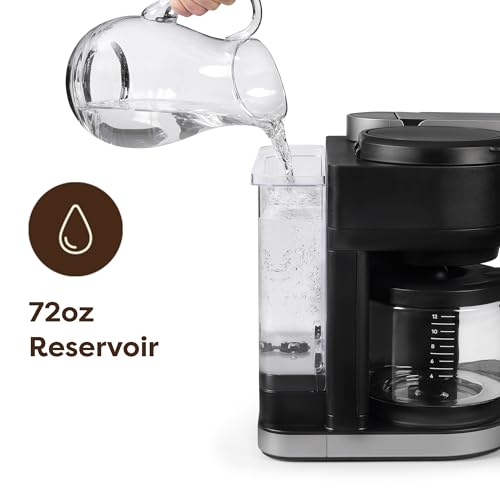
- Large shared reservoir
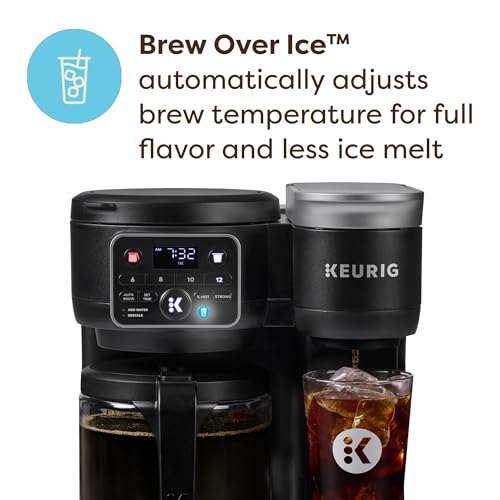
- Brew over ice
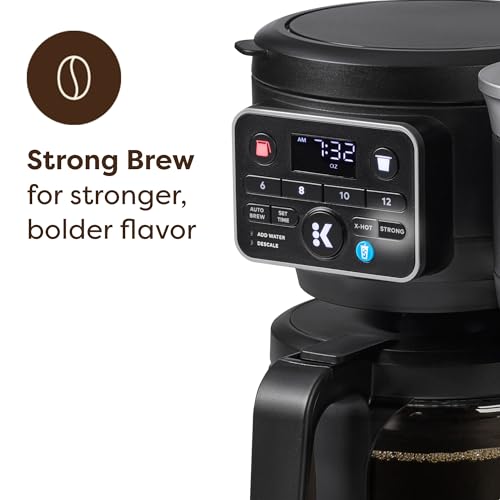
- Strong flavor extraction
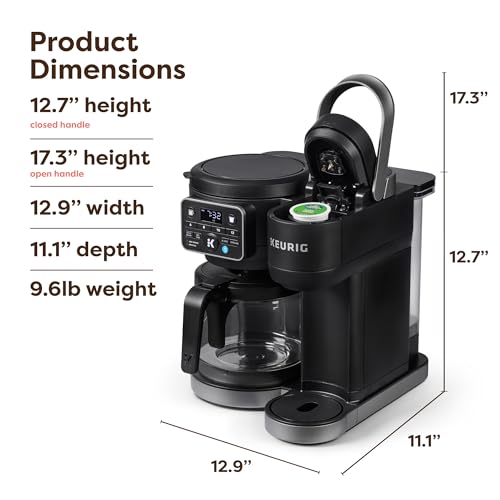
- Compact for what it does
Trade-offs
- High pod cost
- Plastic taste reported
- No pod-side scheduling
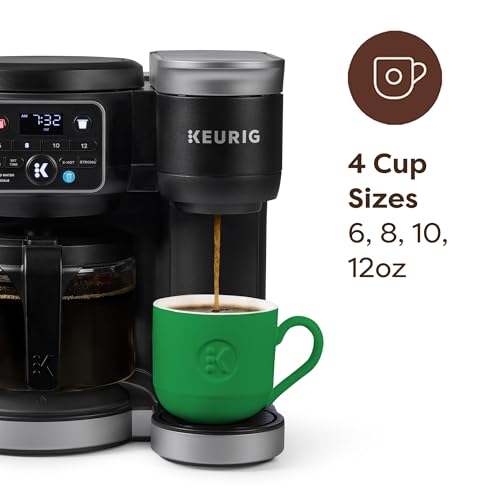
If you need versatility above all, the Keurig K-Duo is unmatched. It combines a K-Cup pod side with a ground coffee carafe, so you can brew a single cup in under a minute or a full 12-cup pot, no switching machines. The MultiStream technology actually improves flavor extraction from grounds, and the brew-over-ice function is a standout for iced coffee lovers, preserving strength despite cooling.
It’s bulkier than a standard Keurig, but the shared 72-oz reservoir is a smart space-saver. Compared to the Ninja or Cuisinart, it lacks the same depth of thermal control, and pod reliance gets expensive over time. But for households with mixed preferences, some want pods, others want pots, it’s the most practical compromise. Owners appreciate the programmable carafe brew, though the pod side can’t be scheduled.
Product photos
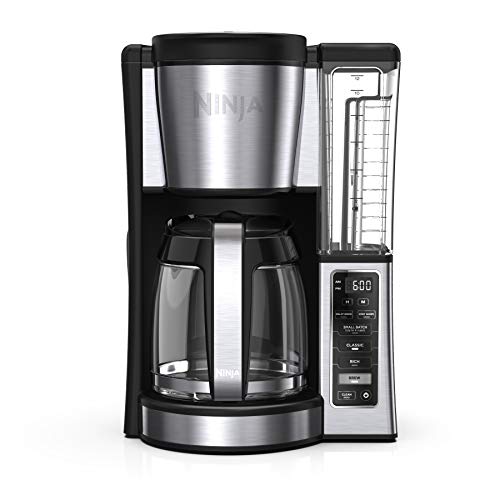
Ninja 12-Cup Programmable Brewer
Strengths
- Programmable brew
- Rich brew option
- Small batch mode
- Large reservoir
- Adjustable warm plate
Trade-offs
- Slightly noisy
- Bulky design
- Permanent filter not dishwasher-safe
The Ninja 12-Cup Brewer is the go-to for those who want programmability without sacrificing flavor. Its 24-hour delay brew means you can wake up to fresh coffee every morning, and the adjustable warming plate lets you decide how long to keep it hot, up to 4 hours. What really sets it apart is the choice between Classic and Rich brew styles, which actually makes a noticeable difference in body and intensity, thanks to optimized water flow and temperature.
The small batch function is a standout for brewing 1–4 cups without watery results, something many drip machines fail at. Compared to the Cuisinart DCC-3200NAS, it offers more intuitive controls and a larger reservoir, though the Cuisinart wins on fine-tuned brew strength granularity. Owners praise its consistent performance and durability, and the removable water tank makes refilling far easier than top-fill models.
Video review
Cuisinart 14-Cup Coffee Maker

Strengths
- Brew strength control
- Large capacity
- Permanent gold filter
- Small batch mode
- Reliable performance
Trade-offs
- No delay brew
- Basic warming plate
- Interface feels dated
Cuisinart’s DCC-3200NAS is built for coffee lovers who want granular control over their brew, and it delivers. The brew strength control, a rare feature at this price, is genuinely useful, letting you dial in bold or regular flavor with real distinction. Combined with the 1–4 cup setting, it avoids the dilution problem that plagues many large-capacity machines. The gold-tone permanent filter enhances clarity and oil retention, giving a cleaner, more aromatic cup than paper filters.
It’s not the fastest or most compact, but for those who treat coffee like a ritual, the attention to detail matters. Compared to the Ninja, it lacks a removable reservoir and has a less intuitive interface, but it brews slightly hotter, which aids extraction. Owners consistently say it’s one of the few 12+ cup machines that still makes a satisfying small pot.
Product photos


Bodum Pour Over Coffee Maker

Strengths
- Enhances flavor oils
- Simple, elegant design
- Reusable filter
- Quick cleanup
- Great for single origins
Trade-offs
- Manual process
- Fragile glass
- No insulation
The Bodum Pour Over brings manual brewing simplicity to the countertop with elegance. Made from borosilicate glass and featuring a stainless steel mesh filter, it preserves the oils and aromatics that paper filters absorb, giving a fuller, more expressive cup. The cork grip isn’t just stylish, it’s functional, offering a secure, heat-resistant hold during pouring.
It’s not for those in a rush. You’re trading convenience for craftsmanship, but if you enjoy the ritual of brewing, this delivers a clean, bright cup that rivals what you’d get from a Chemex or Hario. Reviewers love how easy it is to clean and how well it highlights single-origin beans. Compared to French presses, it produces a lighter body with less sediment, making it a better fit for clarity-focused drinkers.
Product photos


Utopia Kitchen French Press 34 Oz
Strengths
- Rich, full-bodied brew
- Affordable price
- Dishwasher safe parts
- Great for travel
- Multi-use
Trade-offs
- Lid not dishwasher-safe
- Glass can break if dropped
- No insulation
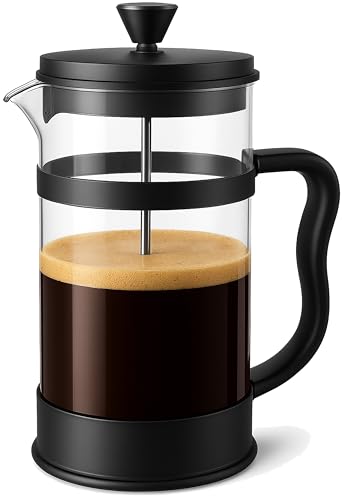
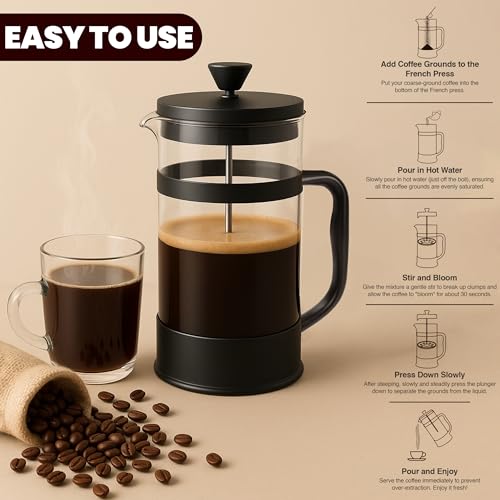
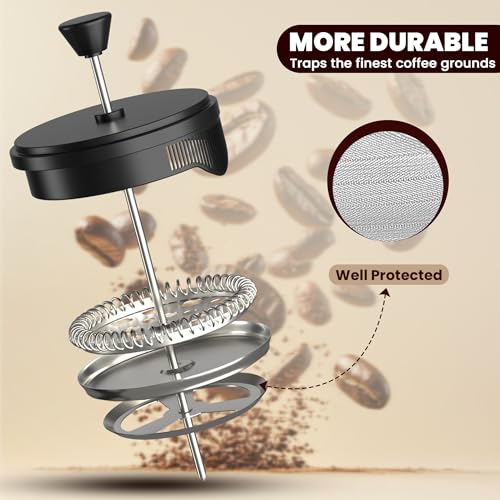
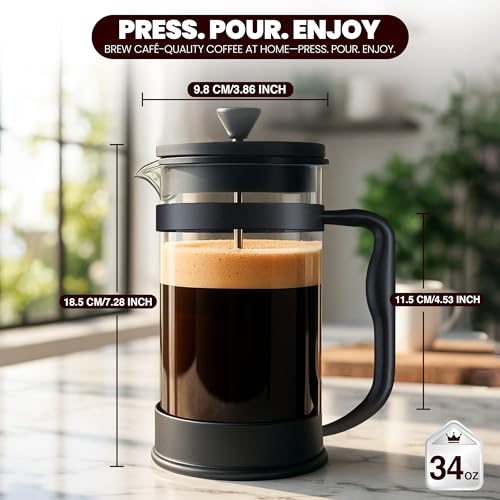
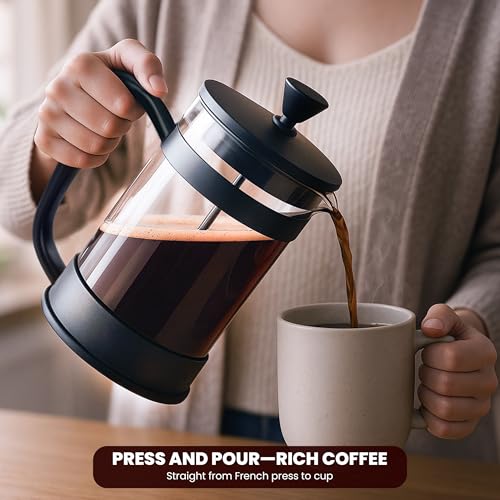
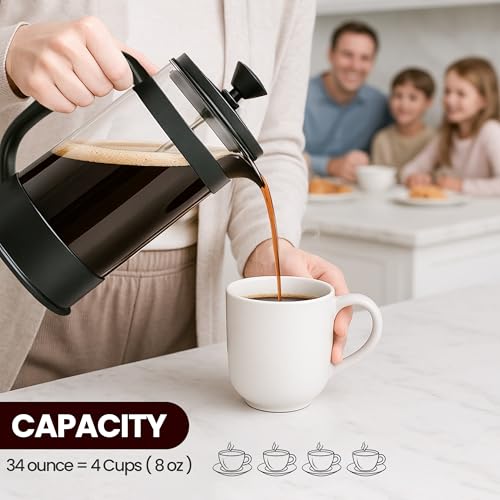
The Utopia Kitchen French Press is a no-nonsense, budget-friendly option that delivers on the fundamentals. Its 4-filter piston system and 80-mesh screen do an excellent job of trapping sediment while letting essential oils through, producing a rich, full-bodied cup. The borosilicate glass is heat-resistant and durable enough for daily use, and the compact size makes it great for travel or small kitchens.
It’s not flashy, but it works. Compared to higher-end French presses like the Bodum Chambord, it lacks the same build refinement, but owners say it brews just as well for a fraction of the price. The included spoon is a nice touch, and it’s dishwasher safe, except for the lid, which requires hand washing. For tea, cold brew, or camping, it’s surprisingly versatile.
Product photos
Primula Stovetop Espresso Moka Pot

Strengths
- Stovetop espresso
- Durable aluminum build
- Portable design
- Easy to clean
- Works off-grid
Trade-offs
- Requires stove
- Learning curve
- Not true espresso
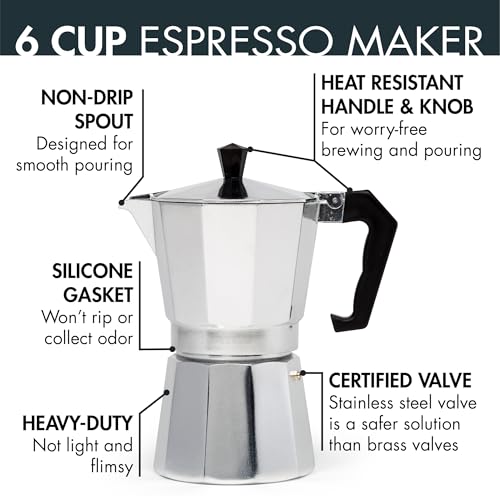
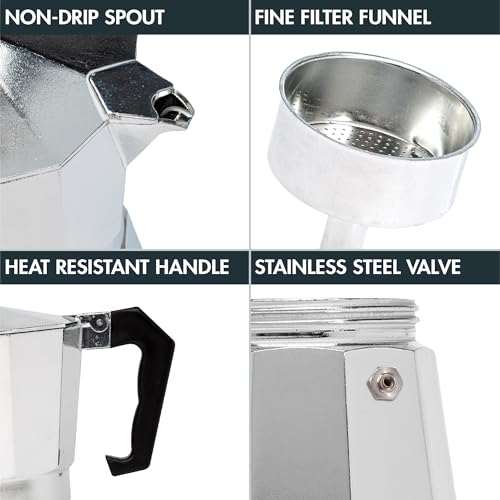
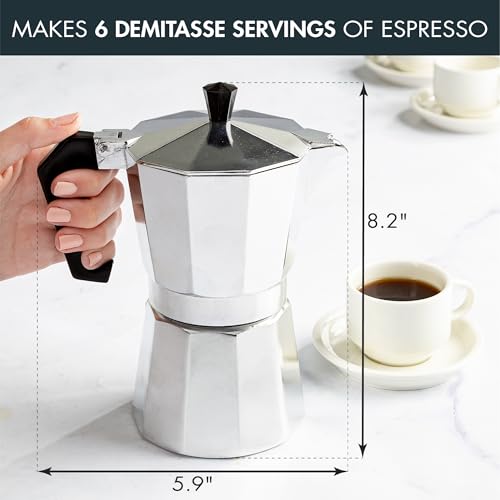
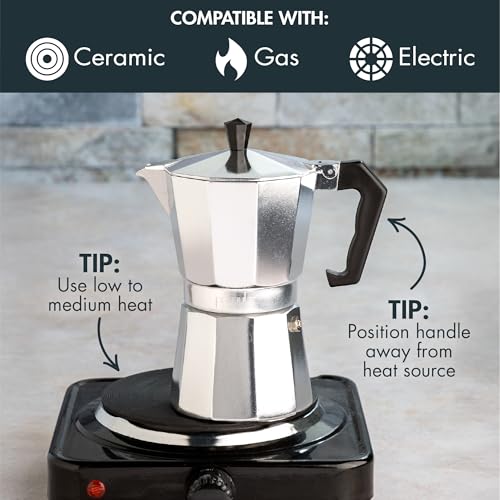
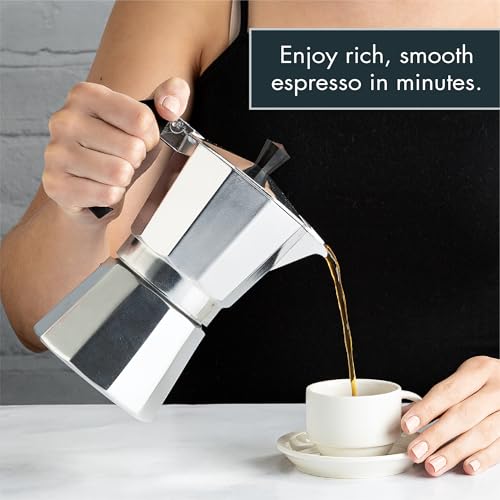
The Primula Moka Pot brings authentic stovetop espresso to home brewers without electricity. Made from cast aluminum, it heats evenly and builds enough pressure to produce a concentrated, espresso-like brew with a velvety crema, especially when used on gas stoves. It’s simple: fill the base with water, add fine grounds to the basket, and let steam pressure do the work.
Owners love its portability and durability, and it’s a favorite among campers and off-grid users. Compared to electric espresso machines, it won’t match 9-bar pressure, but it delivers far more intensity than drip or pour-over. The flip-top lid with heat-resistant knob makes pouring safe, and cleanup is quick, just rinse and dry. It’s a gateway to stronger coffee without the cost or complexity of a true espresso machine.
Product photos
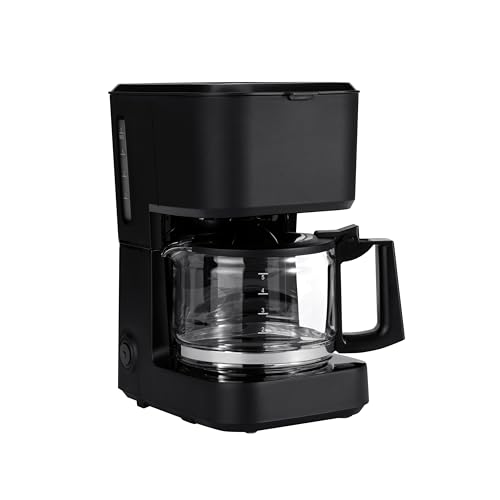
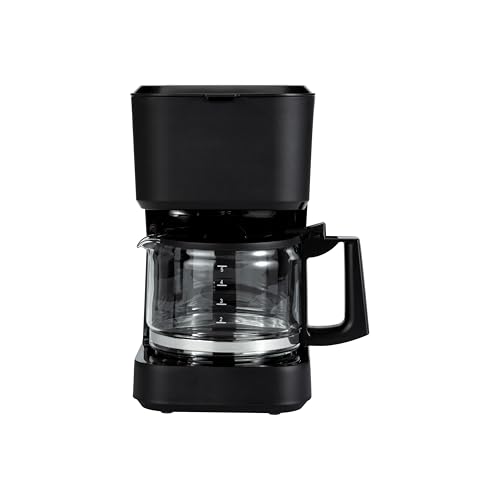
Amazon Basics 5 Cup Drip
Strengths
- Compact size
- Auto shutoff
- Pause & pour
- Easy cleanup
- Affordable
Trade-offs
- Small capacity
- Basic flavor output
- No brew strength control
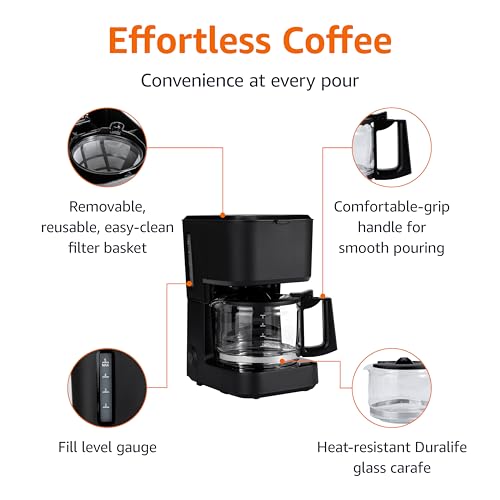
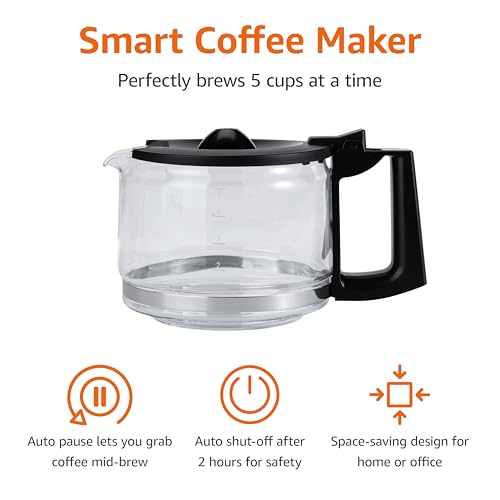
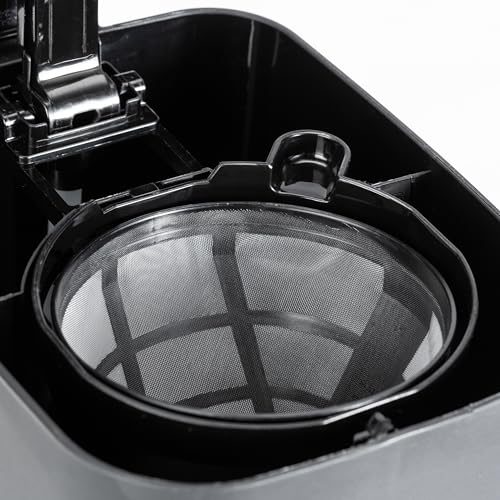
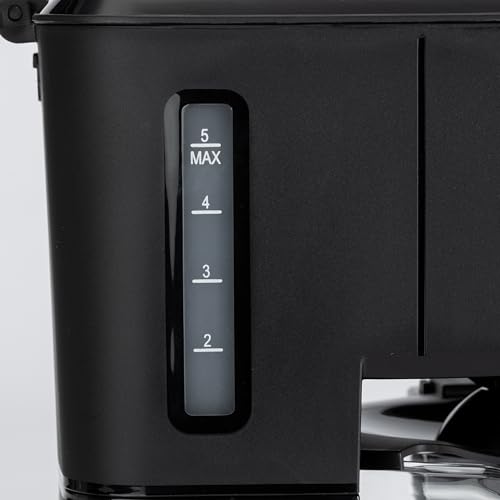
If you’re after a no-frills, compact coffee maker that won’t break the bank, this Amazon Basics model hits the basics, literally. It brews up to 5 cups, which is enough for one or two people, and the auto pause function means you don’t have to wait for the full cycle to grab your first cup. The 2-hour auto shutoff is a thoughtful touch for safety and energy savings, and the removable filter basket makes cleanup a breeze.
It doesn’t offer bold/brew strength settings or thermal carafes, but for what it is, it’s surprisingly solid. Reviewers note it’s quieter than expected and holds up well over time, though it won’t match the flavor depth of more advanced units like the BUNN or Ninja. When compared to similarly priced models, it stands out for its drip-resistant carafe and clean design, making it a smart entry-level pick.
Product photos
How We Tested coffee brewer
Rather than a hands-on lab test, my research for these recommendations focused on a detailed comparison of published specifications and features across a wide range of coffee brewers. I weighed owner reviews from multiple sources – Amazon, specialty coffee forums, and retail sites – alongside expert opinions from publications like Wirecutter and Serious Eats. As the founder of Bean Thusiast, I applied my years of experience exploring coffee brewing methods to rank these machines against criteria important to a variety of coffee drinkers.
For coffee brewers, brew speed, capacity, and ease of cleaning were the most heavily weighted factors. A fast brew time is essential for many morning routines, while capacity needs vary from single-cup users to families. Ease of cleaning directly impacts daily usability; a complicated cleaning process discourages consistent use. Understanding the interplay between these factors, and how each brewer delivers on them, was key to my selections.
Specifications reliably tell you about capacity, materials used, and included features like programmable timers. However, judging brew quality, durability, and long-term satisfaction requires looking at owner feedback. I paid close attention to comments regarding flavor consistency, potential issues with parts, and overall value. Understanding the importance of grind consistency for brewing is also vital, as even the best brewer can’t overcome a poor grind.
What To Look For In coffee brewer
Finding the right coffee brewer can elevate your morning ritual from a necessity to a genuine pleasure. It’s a surprisingly complex decision, though, with a lot more to consider than just price.
A quality coffee brewer delivers consistent temperature, proper saturation of grounds, and a design that minimizes flavor loss. Key specs include brew temperature (ideally 195-205°F), brew time (around 5-6 minutes for a full pot), and the type of filtration used. Consider long-term costs like filter replacements and potential descaling needs.
Brew Style & Capacity
The first thing I always ask people is: how do you actually drink coffee? Are you a single-cup person, or do you need to fuel a whole household? While versatility is nice – and models like the Keurig K-Duo offer both pod and ground brewing – focusing on a style you’ll use most often is smart. French presses (like the Utopia Kitchen French Press 34 Oz) are fantastic for full-bodied coffee, but require a bit more hands-on work. Drip brewers, exemplified by the BUNN GRB Velocity Brew 10-Cup, excel at larger batches and convenience. Don’t overbuy capacity; a half-empty carafe sitting on the warmer for hours will always taste worse than brewing a fresh, smaller pot.
Temperature & Brew Time Control
This is where the quality gap really widens. Many budget brewers just don’t get hot enough to properly extract flavor, resulting in weak, sour coffee. Look for models advertising brewing temperatures in the 195-205°F range. Beyond temperature, brew time matters. Too fast, and you’ll get under-extraction; too slow, and you risk bitterness. Programmable brewers, such as the Ninja 12-Cup Programmable Brewer, often give you some control here, allowing you to adjust brew strength and even simulate a “bloom” phase.
Here’s a quick guide to understanding brew strength settings: * Mild: Suitable for lighter roast coffees or those sensitive to caffeine. * Regular: A good all-around setting for medium roast coffees. * Bold: Ideal for darker roasts or when you want a more intense flavor, but be mindful of over-extraction.
A consistent brew temperature is more important than fancy features. Don’t be fooled by a lot of buttons if the core brewing process isn’t dialed in.
Features & Value
Beyond the basics, consider what features genuinely add value for you. Do you want a built-in grinder? (Convenient, but can impact grind consistency.) Do you need a programmable timer? (Great for busy mornings.) A thermal carafe (like those found on many models) will keep coffee hot longer than a heated plate, but can be more expensive. Speaking of value, don’t automatically assume more expensive means better. The Amazon Basics 5 Cup Drip proves you can get a perfectly functional brewer without breaking the bank, though you may sacrifice some of the control and features found in higher-end models. For those seeking to fine-tune their brew, understanding the drip coffee water ratio is crucial.
Coffee Brewer Compared
Here’s a comparison of key specifications for various coffee brewers to help you make an informed decision.
| Product Name | Capacity (Cups) | Brew Style | Programmable | Water Reservoir (oz) | Special Features |
|---|---|---|---|---|---|
| BUNN GRB Velocity Brew | 10 | Drip | No | 70 | Fast Brew, Drip-Free Carafe |
| Keurig K-Duo Hot & Iced | 12 (Carafe) | Pod/Drip | Yes | 72 | K-Cup & Ground Brew |
| Ninja 12-Cup Programmable Brewer | 12 | Drip | Yes | 60 | Brew Strength Control |
| Cuisinart 14-Cup Coffee Maker | 14 | Drip | N/A | N/A | Brew Strength Control |
| Bodum Pour Over Coffee Maker | 8 (4oz each) | Pour Over | No | N/A | Stainless Steel Filter |
| Utopia Kitchen French Press | 4 | French Press | No | N/A | 4-Filter System |
| Primula Stovetop Espresso Moka Pot | 6 (Demitasse) | Stovetop | No | N/A | Stovetop Espresso |
| Amazon Basics 5 Cup Drip | 5 | Drip | No | N/A | Auto Shutoff |
Frequently Asked Questions
What’s the ideal water temperature for brewing coffee?
Ideally, your brewer should reach between 195-205°F (90-96°C) for optimal extraction. Lower temperatures result in sour coffee, while excessively hot water can create bitterness, so a brewer with temperature control is beneficial.
How often should I clean my coffee brewer?
You should thoroughly clean your coffee brewer at least once a month, and ideally after every 40-60 brew cycles. Regular cleaning prevents mineral buildup and ensures the best possible flavor, and some models even have a cleaning cycle.
Can a coffee brewer really affect the taste of my coffee?
Absolutely. A brewer’s ability to maintain a consistent temperature and evenly saturate the grounds significantly impacts flavor. Investing in a brewer with these capabilities will noticeably improve your cup, even with the same beans.
Are pod-based brewers as good as those using ground coffee?
Generally, ground coffee brewed through a drip, pour-over, or French press system provides more flavor complexity. However, pod brewers offer convenience and speed, and some, like the Keurig K-Duo, now offer both options, letting you choose the best of both worlds. If you want to explore the best pour-over coffee makers, check out my guide.
What’s the difference between a thermal carafe and a glass carafe?
A thermal carafe uses vacuum insulation to keep coffee hot for hours without a heating plate, preserving flavor. Glass carafes rely on a heated plate, which can scorch the coffee over time and lead to a bitter taste, though they are generally less expensive.
The Bottom Line
Choosing a coffee brewer often comes down to balancing control with convenience. If you value consistently excellent coffee and enjoy the process, the BUNN GRB Velocity Brew 10-Cup stands out as a fantastic option, delivering a fast, hot brew with minimal fuss. It’s a workhorse that prioritizes quality over a lot of extra features.
For those on a tighter budget, or who are just starting to explore coffee brewing, the Amazon Basics 5 Cup Drip is a surprisingly capable machine. And if you want a brewer that can truly do it all, the Keurig K-Duo Hot & Iced offers the flexibility of both single-serve pods and full carafes. Understanding the Chemex brewing ratio can help you fine tune your brew.
Ultimately, the best coffee brewer isn’t about the most advanced technology or the highest price tag. It’s about finding a machine that fits your lifestyle and consistently delivers a cup you enjoy. Prioritize brew temperature, ease of cleaning, and a capacity that matches your needs – those fundamentals will make a bigger difference than any single specification.
