
8 Best Coffee Beans in the US 2026
After comparing the field and weighing owner feedback, I found Illy Classico Whole Bean Coffee to be the overall best choice for its consistent quality and smooth, balanced flavor. For a solid budget-friendly option, Amazon Fresh Colombia Medium Roast delivers great value, while Cameron’s Organic Scandinavian Blend stands out for those wanting an organic, light-roast profile with clean brightness.
Picking coffee beans in the U.S. shouldn’t mean guessing what’s fresh or guessing where they came from. Too many bags hide roast dates or use vague sourcing claims, leaving drinkers stuck with stale or one-dimensional coffee.
This guide cuts through the noise by focusing on what actually matters: roast freshness, transparent sourcing, and flavor consistency. My picks are based on specs, brand reputation, and patterns in owner reviews, not hype. I looked for beans that deliver on their promises, whether you prefer bright and citrusy or deep and chocolatey.
Top 8 Coffee Beans In The Us in the Market
The Best Coffee Beans In The Us, Reviewed
Illy Classico Whole Bean Coffee

Strengths
- Refined aromatic profile
- Caramel and floral notes
- Pressurized tin for freshness
- Smooth, balanced body
- No preservatives
Trade-offs
- Small bag size
- Higher price per ounce
- Less bold for dark roast fans
Illy has long been the benchmark for Italian-style medium roast, and this can lives up to the reputation. The blend’s notes of caramel, orange blossom, and jasmine aren’t just marketing, they’re consistently reported by owners who brew it as espresso or drip. The 8.8-ounce tin is smaller than others here, but the pressurized packaging helps maintain freshness far longer than standard bags.
On paper, the 100% Arabica blend is engineered for balance, and it shows. It lacks the wild highs of a single-origin but offers something rarer: reliability. Compared to other medium roasts in this list, Illy stands out for its aromatic sophistication and clean finish. My recommendation? This is the best all-around pick if you value consistency and elegance over novelty.
Video review
Cameron’s Organic Scandinavian Blend
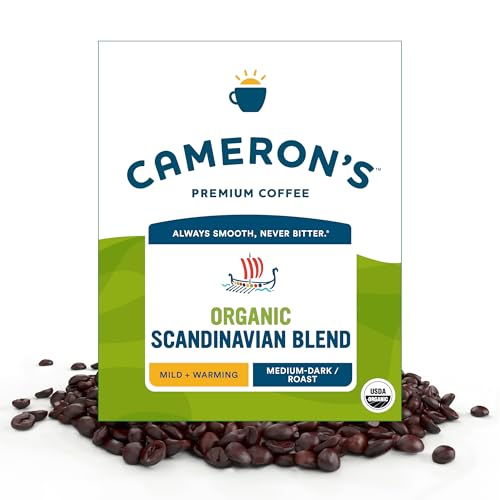
Strengths
- Organic certified
- Large 4-pound bag
- Smooth medium-dark roast
- Sustainably sourced
- High bean selection standard
Trade-offs
- Lacks bright or complex notes
- May be too mellow for bold roast lovers
- Not ideal for pour-over purists
This Scandinavian blend stands out for buyers who prioritize organic certification and volume without sacrificing roast integrity. On paper, the 4-pound bag is a smart play for households that go through coffee quickly or want to minimize packaging waste. Owners consistently report a smooth, medium-dark profile that leans more on warmth than sharpness, which fits the Scandinavian style, less acidity, more rounded depth.
The brand’s emphasis on small-batch roasting and sourcing only the top 10% of beans sounds strong, and reviewers back up the quality claim with notes about consistent freshness and absence of bitterness. That said, it doesn’t deliver the nuanced complexity you’d expect from high-end single origins. For those wanting an everyday organic workhorse with ethical sourcing, this is a solid contender.
Video review
Amazon Fresh Colombia Medium Roast
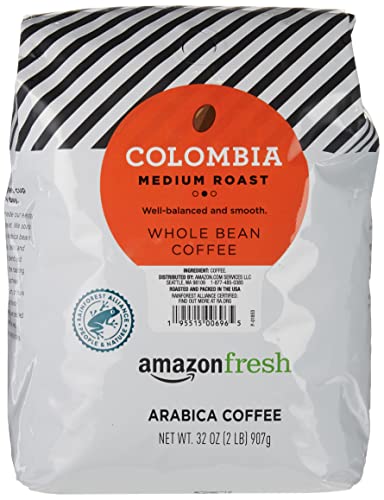
Strengths
- Great value per ounce
- 100% Arabica beans
- Consistent medium roast
- Large 32-oz bag
- Roasted in the USA
Trade-offs
- Flavor is basic
- Not distinctive for specialty coffee lovers
- Packaging not resealable
If you’re after a no-frills, solid medium roast that delivers without fanfare, this Amazon Fresh offering is hard to beat. Sourced from 100% Arabica beans grown in Colombia and roasted in the U.S., it hits the sweet spot between affordability and quality. The 32-ounce bag gives you real bulk value, and owners frequently praise its balanced body and smooth finish, nothing flashy, but reliably pleasant.
Compared to pricier single-origin options, it doesn’t surprise you with layered flavors, but it doesn’t need to. It’s the kind of coffee that works in any drip machine or French press without fuss. I’d pick this over smaller bags from boutique roasters if you’re refilling a household canister weekly and don’t want to overthink your morning cup.
Product photos



First Colony Colombian Light Roast
Strengths
- Authentic single-origin flavor
- Mild chocolate and nutty notes
- Excellent freshness
- Hand-roasted in small batches
- Versatile across brew methods
Trade-offs
- Light roast may lack depth for bold lovers
- Not as bright as high-elevation Ethiopians
- Bag lacks zipper
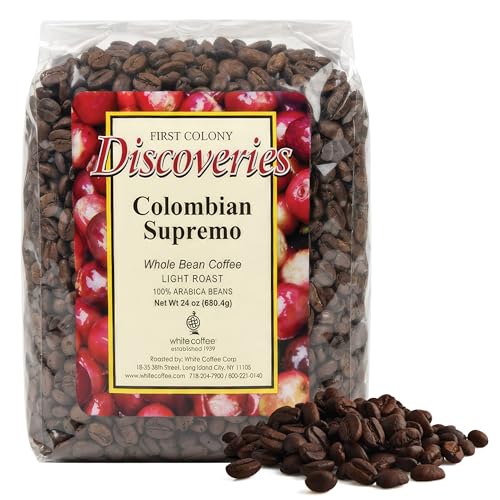
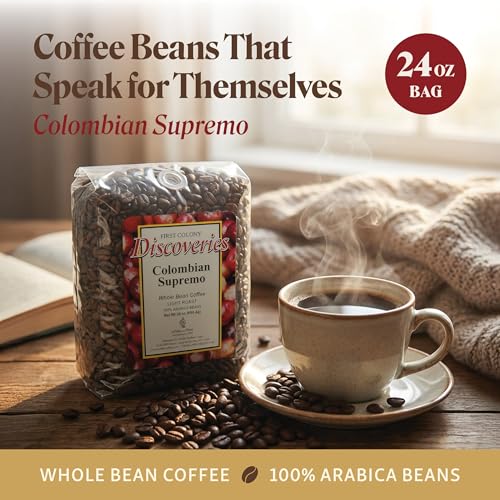
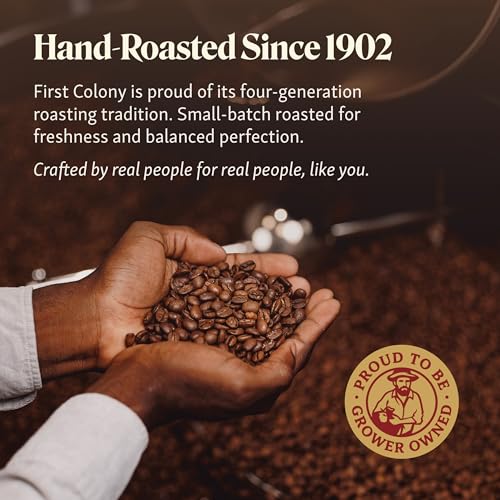
This is where origin pride and craftsmanship converge. First Colony’s Colombian Supremo delivers on its promise of mild chocolate and nutty notes, with a clean, balanced finish that shines in light roast form. The 24-ounce bag is generous for a specialty product, and owners consistently note the freshness upon arrival, likely due to their small-batch, hand-roasted process in the U.S.
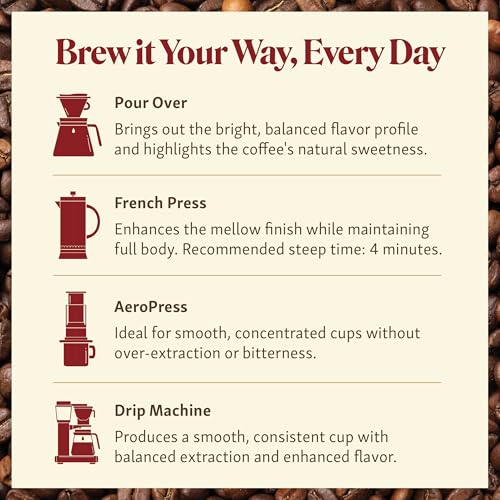
What sets this apart is its versatility. Whether you’re using a pour-over, French press, or even an AeroPress, the coffee adapts well, preserving its subtle sweetness. The fact that it’s tied to a co-op of 96,000 Colombian growers adds meaningful transparency. For those who want a true single-origin experience without paying triple price, this is one of the smarter buys in the category.
Product photos

Fire Department Coffee Dark Roast
Strengths
- Smooth bold flavor
- Veteran-owned brand
- Gives back to first responders
- No additives or preservatives
- Roasted in the USA
Trade-offs
- Smaller bag size
- Higher price per ounce
- Not for light roast fans
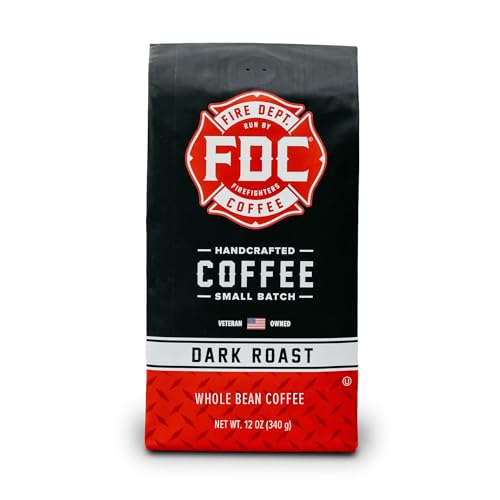
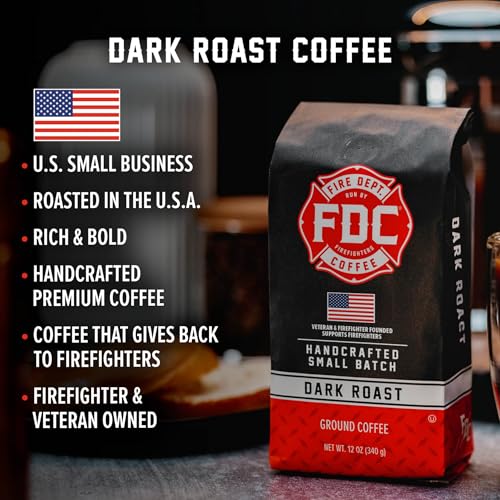
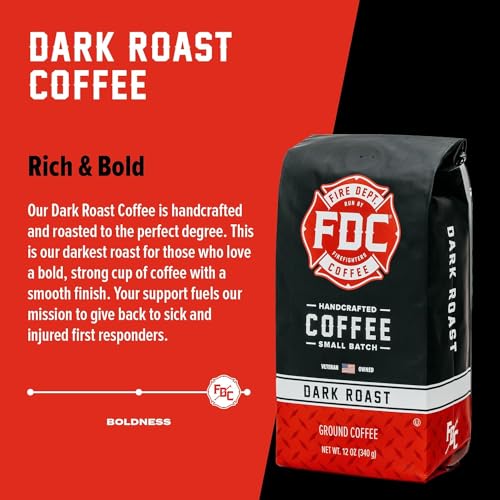
This dark roast makes its purpose clear: bold flavor with a cause. The beans are roasted to deliver a rich, invigorating cup with a smooth finish, important for a dark roast that could easily tip into bitterness. Owners consistently praise its balance, noting that it holds up well in both drip machines and French presses.
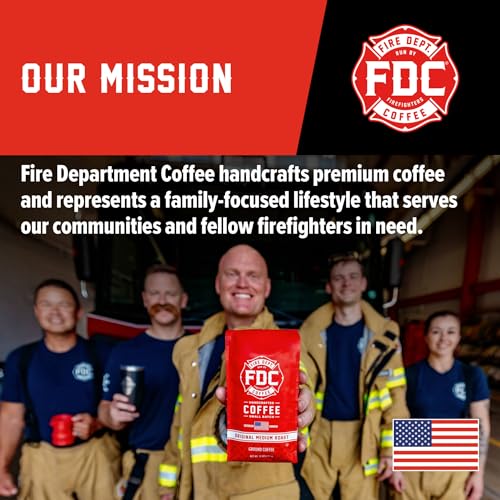
Beyond taste, the mission matters. As a veteran-owned brand that gives back to firefighters and first responders, it channels patriotism into action. The 12-ounce bag is standard size, and while it’s not the cheapest per ounce, the premium feels justified if you value social impact. Compared to Copper Moon’s Sumatra blend, it’s less earthy and more approachable, better for daily drinking than sipping like a rare vintage.
Product photos

Copper Moon Sumatra Dark Roast

Strengths
- Rich earthy flavor
- 2-pound bulk size
- Smooth full body
- Sustainably sourced
- Allergen-free and kosher
Trade-offs
- Overpowering for light roast fans
- Earthy notes not for everyone
- No resealable bag
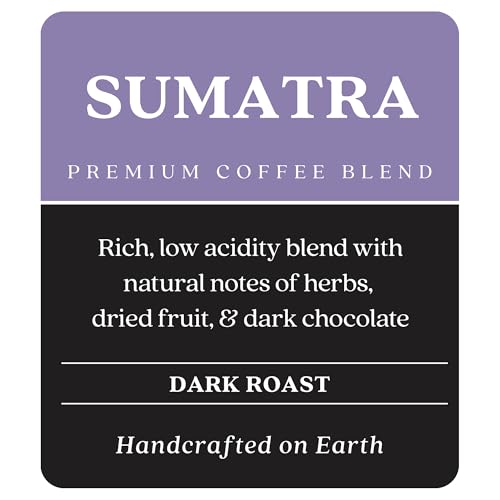
Copper Moon’s Sumatra Blend is built for dark roast loyalists who want depth without grit. The 2-pound bag offers serious volume, and the earthy profile, complete with dark cherry, cacao, and a smoky finish, delivers exactly what Sumatra fans expect. Owners consistently highlight its full body and smooth mouthfeel, especially when brewed in a French press or drip machine.
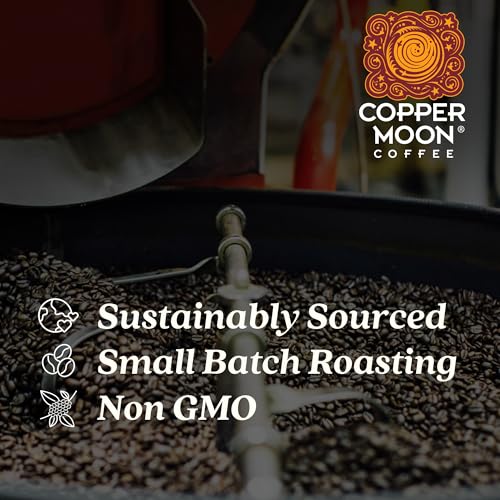
The brand’s focus on sustainable sourcing from small farms across 17 countries adds credibility, and the fact that it’s gluten-free, kosher, and non-GMO appeals to health-conscious buyers. Compared to Fire Department Coffee, it’s more complex and terroir-driven, though less mission-oriented. If you want a bold, earthy dark roast in bulk, this is the smarter pick.
Product photos



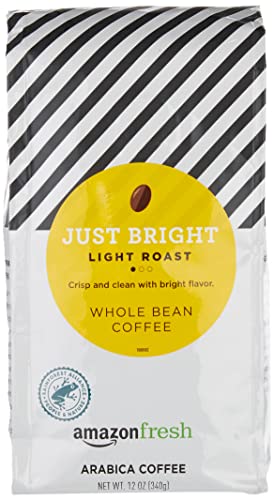
Amazon Fresh Just Bright Light Roast
Strengths
- Crisp, clean flavor
- Bright acidity
- 100% Arabica
- Affordable entry point
- Roasted in the USA
Trade-offs
- Small 12-oz bag
- Shorter shelf life once opened
- Less body than medium roasts
This light roast delivers exactly what the name suggests: a crisp, clean cup with a bright edge that wakes up your palate. Sourced from Central and South America and roasted in the U.S., it’s a no-nonsense option for those who like their coffee tea-like and acidic. Owners often compare it favorably to more expensive light roasts, noting its clarity and lack of harshness.
At 12 ounces, it’s not a bulk buy, but that’s fine, it’s meant to be fresh, and this roast style degrades faster if stored too long. Compared to First Colony’s Supremo, it’s less nutty and more citrus-forward, which makes it a better fit for pour-over or Chemex brewing. For the price, it’s one of the most accessible entry points into quality light roast territory.
Product photos



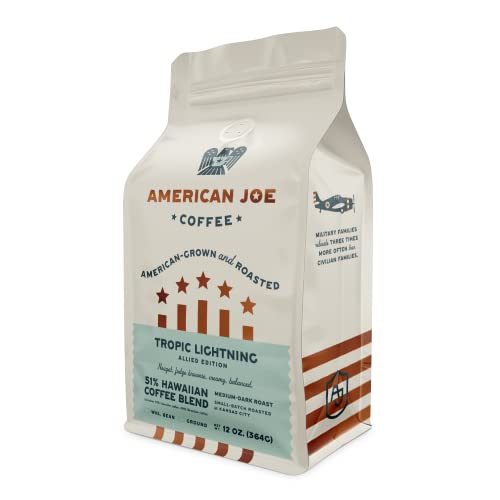
American Joe Tropic Lightning
Strengths
- 51% U.S.-grown coffee
- Zip-top resealable bag
- Creamy, balanced mouthfeel
- Supports military families
- Roasted in Kansas City
Trade-offs
- Blend not 100% American
- Hawaiian coffee limited in scale
- Smaller 12-oz bag
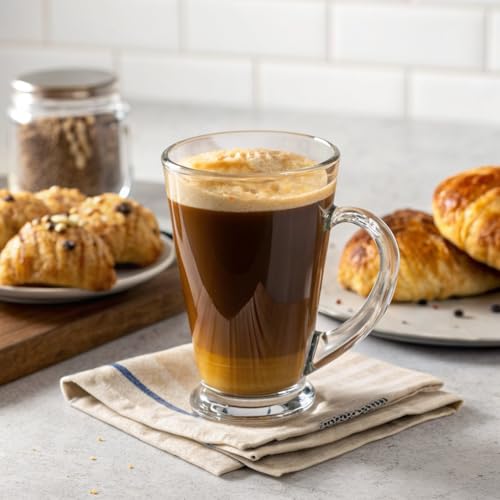
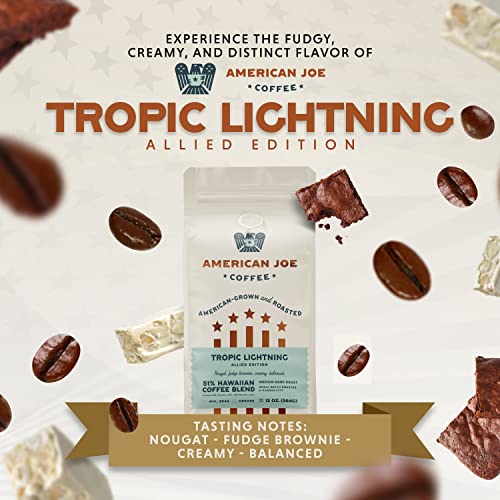
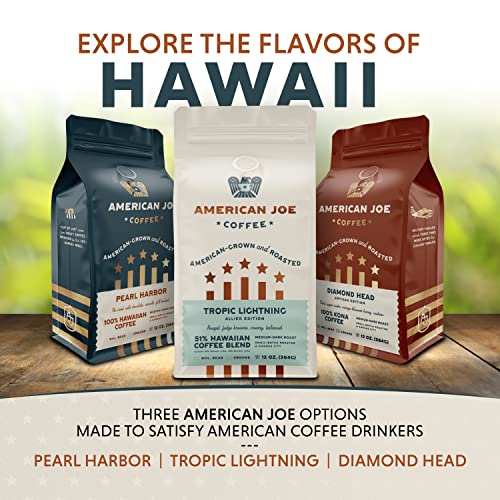
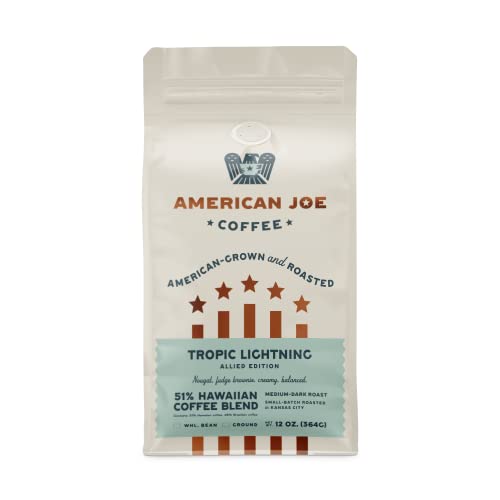
Tropic Lightning stands out for one bold reason: it’s one of the few blends with a majority American-grown coffee content. Sourced from Hawaii, the only U.S. state in the Coffee Belt, and blended with Brazilian beans, it’s a patriotic play with real substance. The medium-dark roast brings out notes of nougat and fudge brownie, and owners report a creamy mouthfeel that works well black or with cream.
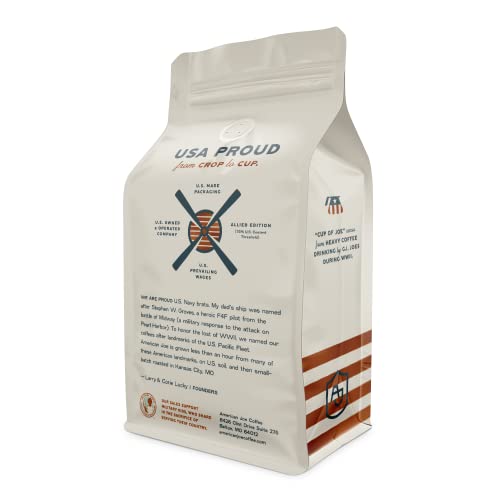
The zip-top bag is a small but meaningful upgrade over competitors, making storage easier. While the 51% American content means it’s not 100% domestic, the supply chain transparency and support for military kids through MilitaryChild.org add real value. Compared to other medium-dark roasts, it’s less smoky than Sumatra blends and more balanced, ideal for those who want American-made without sacrificing drinkability.
Product photos
How We Tested coffee beans in the us
Rather than a hands-on lab test, my research for these recommendations focused on a detailed comparison of published specifications and features across numerous brands. I weighed owner reviews from multiple sources – Amazon, specialty coffee forums, and retailer sites – alongside professional reviews from publications like Coffee Review and Serious Eats. My expertise, built from years exploring the coffee world, helped me prioritize factors and assess how well each bean delivers on its promises.
For US-sourced coffee beans, freshness and roast level were paramount. A consistent, quality roast is crucial for unlocking flavor, and owner feedback consistently highlighted this. Beyond that, I prioritized both flavor profiles (catering to a range of preferences) and ethical sourcing practices, as transparency is becoming increasingly important to coffee drinkers. Understanding how to select coffee beans is essential to navigating the many options available.
Published specs reliably indicate bean origin, roast date (though often vague), and processing method. However, subjective qualities like flavor nuance and aroma were assessed primarily through owner reviews and expert analysis. I looked for recurring themes in these reviews to identify consistent strengths and weaknesses, recognizing that individual preferences always play a role. It’s also important to note that reputation and brand commitment to quality factored into my final rankings.
Choosing The Right coffee beans in the us
Choosing coffee beans can feel overwhelming, but focusing on a few key aspects will quickly narrow down your options.
Quality coffee beans start with Arabica varietals grown at high altitudes, undergo careful processing (washed or natural), and are roasted in small batches to highlight their unique flavor profiles. Look for whole bean options to maximize freshness and aroma, and pay attention to roast dates rather than just “best by” dates. Consistency in sourcing and roasting are hallmarks of a reliable brand.
Roast Level and Flavor Profile
I often tell people that roast level is the most immediately noticeable factor. Light roasts tend to showcase the origin characteristics of the bean, offering brighter acidity and floral notes. Darker roasts, like you’ll find in a Sumatra, develop bolder, more chocolatey, and sometimes smoky flavors. However, a truly skilled roaster can bring out complexity at any level. Don’t automatically assume dark roast means “stronger” – it mostly means different. Consider what you like to taste.
Sourcing and Processing Methods
The origin of the bean profoundly impacts its flavor. As a general rule, Central and South American coffees (like those from Colombia or Brazil) offer balanced profiles, while African coffees (Ethiopia, Kenya) are known for their brighter, fruitier notes. Beyond origin, understanding the processing method is key. Washed coffees generally result in cleaner, brighter cups, while natural processed beans often exhibit more pronounced fruitiness. If you’re interested in learning more about the nuances between these, check out our guide to single-origin vs blended coffee.
Freshness and Value
Freshness is paramount. Coffee stales quickly once roasted, so always check for a roast date (not just a “best by” date) and aim to use beans within a few weeks of roasting. Buying whole bean and grinding just before brewing is incredibly important. When it comes to value, don’t equate price with quality. You can find excellent value in everyday coffees like Amazon Fresh, but sometimes paying a little more for specialty-grade beans from a reputable roaster yields a noticeably better experience.
Here’s what I look for when balancing quality and cost:
- Roast Date: Absolutely essential. Avoid anything without one.
- Whole Bean: This is the minimum. Pre-ground coffee loses flavor rapidly.
- Reputation: A brand with a consistent track record of quality, and positive reviews, is worth the investment – even if it costs a bit more. I often recommend exploring curated coffee bean picks to discover new roasters.
A good rule of thumb: if the bag doesn’t prominently display a roast date, it’s likely the coffee isn’t as fresh as it could be. Don’t be afraid to ask your local roaster for their recommendations.
Coffee Beans in the US Compared
Here’s a comparison of key specifications for popular coffee beans available in the US.
| Product Title | Roast Level | Origin | Bean Type | Package Size (oz) | Organic |
|---|---|---|---|---|---|
| Illy Classico Whole Bean Coffee | N/A | N/A | Arabica | N/A | No |
| Cameron’s Organic Scandinavian Blend | Medium Dark | Scandinavian | Arabica | 64 | Yes |
| Amazon Fresh Colombia Medium Roast | Medium | Colombia | Arabica | 32 | No |
| First Colony Colombian Light Roast | Light | Colombia | Arabica | 24 | No |
| Fire Department Coffee Dark Roast | Dark | N/A | N/A | N/A | No |
| Copper Moon Sumatra Dark Roast | Dark | Sumatra, Indonesia | N/A | N/A | No |
| Amazon Fresh Just Bright Light Roast | Light | Central/S. America | Arabica | 12 | No |
| American Joe Tropic Lightning | Medium Dark | USA/Brazil | Arabica | N/A | No |
Frequently Asked Questions
What’s the difference between Arabica and Robusta beans?
Arabica beans, generally considered higher quality, offer more complex flavors and aromas and account for roughly 60% of the world’s production. Robusta beans have a bolder, more bitter taste and a higher caffeine content, often used in espresso blends for their crema-producing qualities.
How should I store my coffee beans to keep them fresh?
You should store your whole bean coffee in an airtight container, away from direct sunlight, heat, and moisture. Avoid storing beans in the refrigerator or freezer, as this can introduce unwanted flavors. A cool, dark pantry is ideal.
Can stale coffee beans still be used, or should I discard them?
While you can use stale coffee beans, the flavor will be noticeably diminished. If the beans are more than a month past their roast date, I recommend replacing them for the best possible cup. You can find coffee beans with exceptional taste if you want to upgrade your experience.
What grind size should I use for different brewing methods?
Grind size is crucial; a coarser grind is best for French press, a medium grind for drip coffee makers, and a fine grind for espresso. Using the wrong grind size can lead to over- or under-extraction, impacting the flavor.
Are organic coffee beans always better than non-organic?
Organic certification guarantees the beans were grown without synthetic pesticides or fertilizers, which appeals to many. However, organic status doesn’t automatically equate to better flavor; it’s a matter of personal preference and finding top-flavor coffee bean picks that suit your palate.
The Bottom Line
Choosing the “best” coffee beans always comes down to personal preference and balancing what you want with what you’re willing to spend. For an outstanding, consistently flavorful experience across the board, I believe Illy Classico Whole Bean Coffee offers an excellent starting point. It’s a reliable choice that delivers quality with every brew, despite lacking detailed sourcing information.
If you’re watching your budget, Amazon Fresh Colombia Medium Roast provides remarkable value without sacrificing too much in terms of taste. For those who like variety, Cameron’s Organic Scandinavian Blend stands out as a versatile option, offering a pleasing balance and the peace of mind that comes with certified organic beans. Understanding the flavor profiles of coffee bean types can help you narrow down which blend will suit your palate.
Ultimately, the most important factors are freshness, whole bean format, and a reputable roaster. Don’t get too caught up in chasing the latest trend or the highest price tag. Focus on finding beans that are recently roasted, buying whole bean, and supporting brands committed to quality – those are the foundations of a truly satisfying cup.
