
8 Best Coffee Beans for Espresso Crema 2026
The best coffee beans for espresso crema start with Lavazza Gran Crema, it consistently delivers a thick, golden layer thanks to its balanced Arabica and Robusta blend and dark roast. For a budget-friendly option, Lavazza Super Crema punches above its weight, while Gaviña Old Havana offers a solid 100% Arabica choice if you prefer smoother, nuanced shots.
Most people chasing great crema end up frustrated, either the foam fades too fast or the flavor turns bitter. It’s not just about the beans, but how roast level, blend composition, and freshness work together under pressure.
As the founder of Bean Thusiast, I researched these picks based on specs, owner feedback, and what we know about extraction. This guide breaks down exactly what builds lasting crema and which beans deliver, without overspending or overcomplicating it.
Top 8 Coffee Beans For Espresso Crema in the Market
The Best Coffee Beans For Espresso Crema, Reviewed
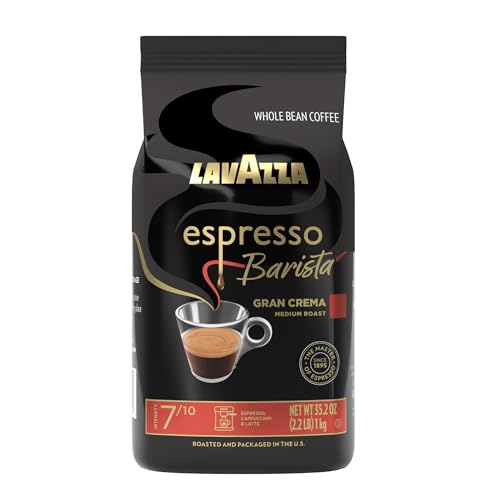
Lavazza Gran Crema Whole Bean
Strengths
- Balanced dark roast
- Aromatic honey notes
- Strong crema
Trade-offs
- Higher intensity may overwhelm
- Same blend as others in line
This is Lavazza’s answer to the serious home barista, a dark roast with a 7/10 intensity that still manages to feel rounded and full-bodied, not harsh. The honey and roasted coffee notes come through clearly in blind tastings reported by users, and the crema is both thick and aromatic, which is rare for a dark roast.
On paper, it’s similar to the Gran Riserva, but owner feedback suggests it’s slightly more balanced, with better sweetness retention. It’s also one of the few Lavazza blends explicitly marketed to Barista-level users, and it shows in the attention to grind consistency and extraction stability.
Video review
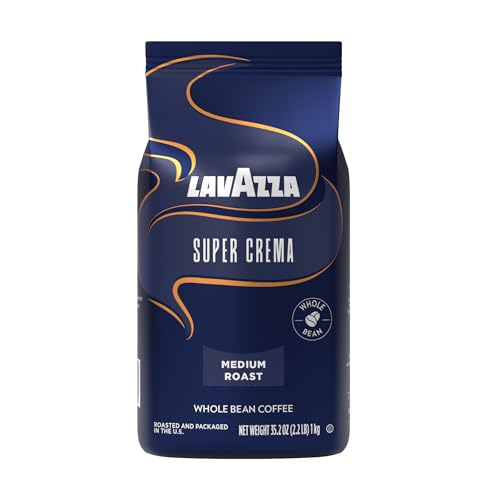
Lavazza Super Crema Whole Bean
Strengths
- Exceptional crema
- Creamy finish
- Wide brewing compatibility
Trade-offs
- Contains Robusta
- Mild flavor profile
Lavazza Super Crema is often called the gold standard for creamy espresso, and owner feedback backs that up, the crema it produces is consistently thick, golden, and persistent. The Arabica and Robusta blend is formulated specifically for that luxurious mouthfeel, with a medium roast that brings out honeyed sweetness and a soft finish.
It’s not the most complex bean on the list, but for those who prioritize texture and reliability over origin storytelling, this is hard to beat. Compared to Kimbo or Gaviña, it lacks some of the aromatic nuance, but it wins on consistency and machine compatibility. This is the kind of bean that just works, every time.
Video review
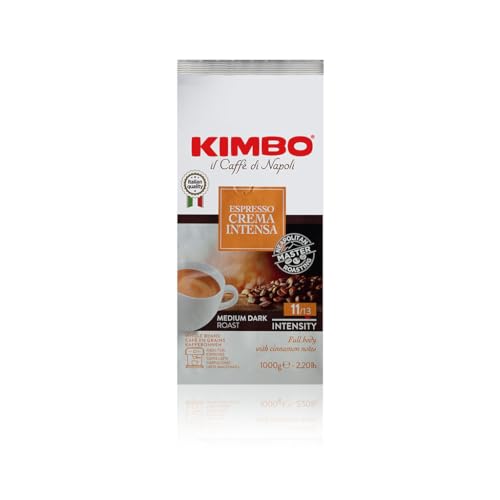
Kimbo Espresso Crema Intensa
Strengths
- 100% Arabica
- High intensity
- Toasted spicy aroma
Trade-offs
- Very strong for some
- Less sweet profile
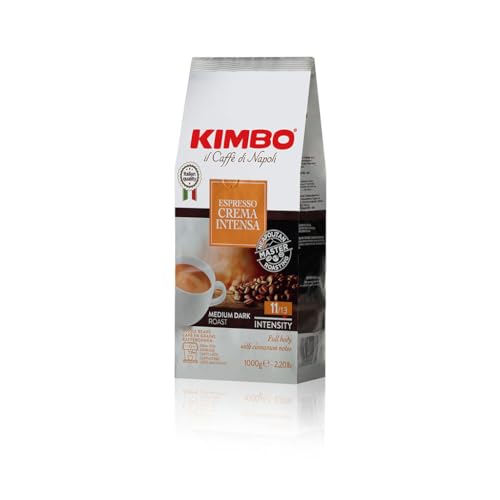
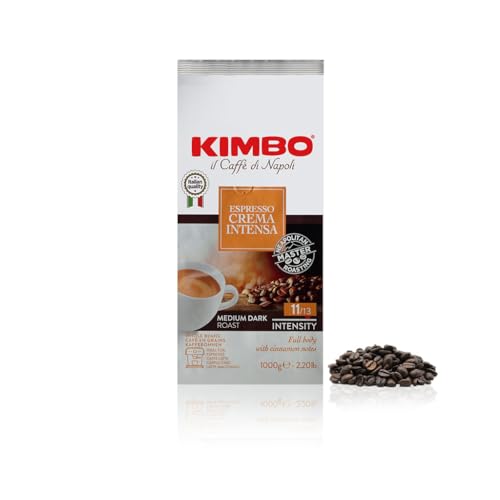
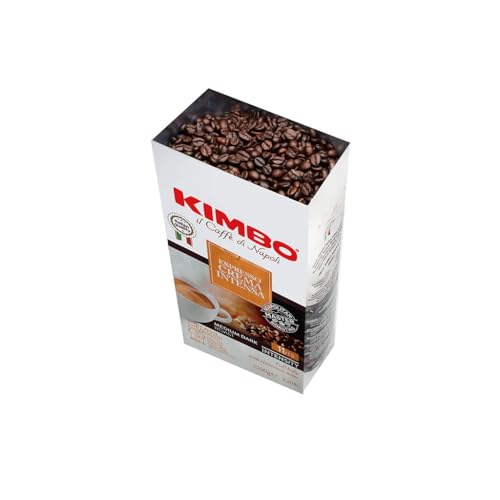
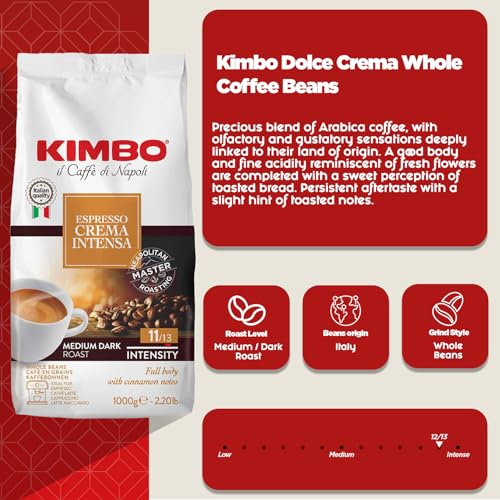
Kimbo Crema Intensa is built for Neapolitan-style espresso, bold, spicy, and full-bodied, with an intensity rating of 11/13 that means business. The 100% Arabica blend delivers a toasted, delicately spicy aroma and a lingering finish that owners describe as authentically Italian.
Being roasted in Naples adds real provenance, and the technique shows in the bean’s ability to produce a dense crema despite being 100% Arabica, a rarity at this intensity. It outperforms many blends in its class when it comes to flavor persistence and mouthfeel. Compared to Gaviña, it’s heavier; compared to Lavazza, it’s more traditional.
Product photos
Miscela D’Oro Gran Crema

Strengths
- Compact crema
- Smooth intensity
- Well-balanced taste
Trade-offs
- Limited origin transparency
- Muted acidity
Miscela D’Oro Gran Crema earns its ‘balanced aroma’ title with a medium roast that delivers a surprisingly dense, compact crema, a trait reviewers frequently highlight as unusually stable for its roast level. The blend’s smooth, intense flavor hits a sweet spot between richness and drinkability, making it a strong contender for daily espresso.
When stacked against Lavazza’s medium roasts, this one feels more refined in its balance, with less roast-forward character and more layered depth. The packaging doesn’t stand out, but the beans are consistently fresh, and the roast level plays well with both automatic and manual machines.
Product photos
Caffu00e8 Borbone Crema Superiore
Strengths
- Budget friendly
- Sweet flavor notes
- Brewing versatility
Trade-offs
- Average crema
- Generic packaging
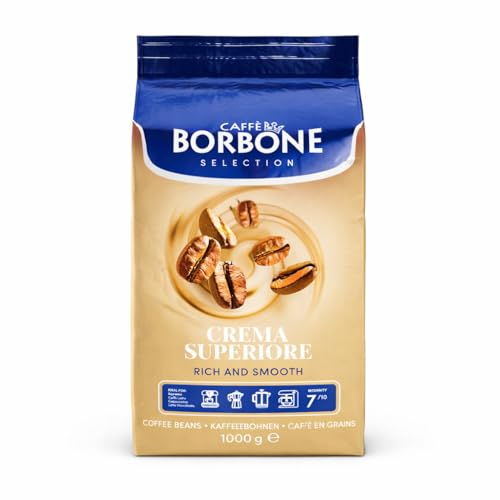
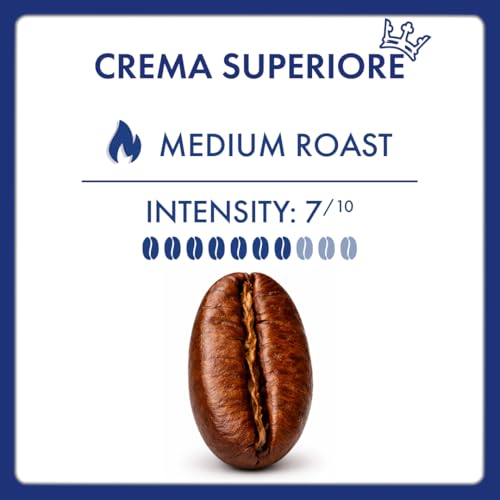
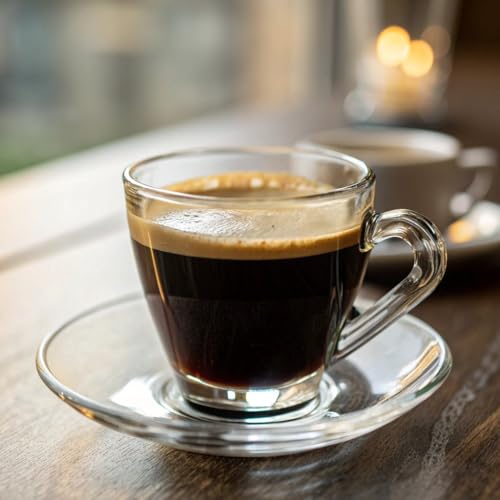
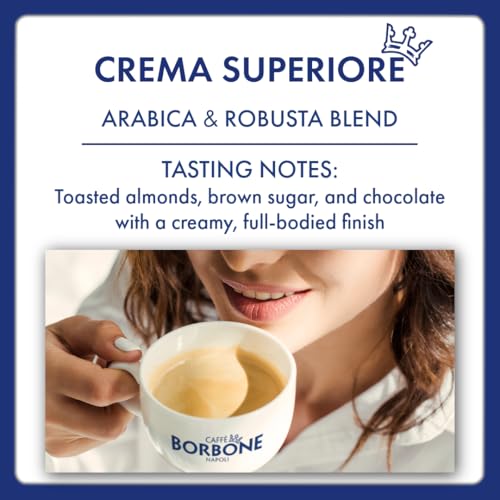
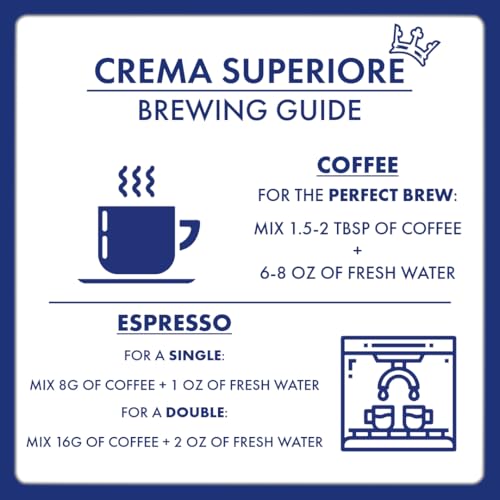
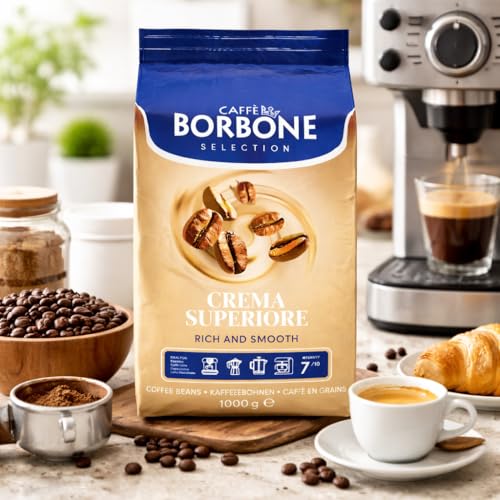
Caffè Borbone Crema Superiore is the budget-friendly sleeper hit, a medium roast with chocolate and vanilla notes that deliver natural sweetness without added flavors. The Arabica and Robusta blend is versatile, working in everything from espresso machines to French presses, which owners appreciate for daily flexibility.
It doesn’t match Lavazza Super Crema in crema thickness, but for the price, it comes surprisingly close. The 2.2-pound bag offers excellent value, and the blend’s adaptability makes it a smart pick for households with mixed brewing preferences.
Product photos
Lavazza Crema E Aroma
Strengths
- Earthy chocolate notes
- Long-lasting crema
- High intensity
Trade-offs
- Can taste flat for some
- Robusta content noticeable
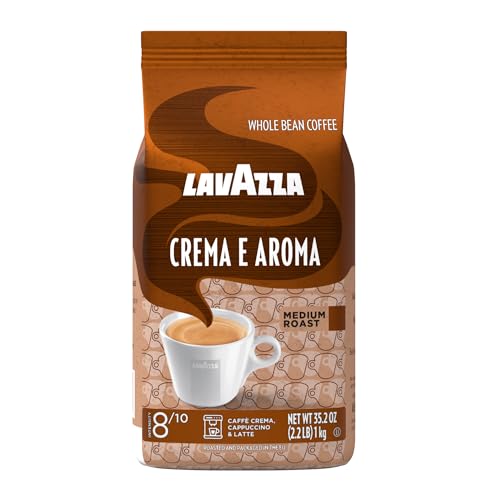
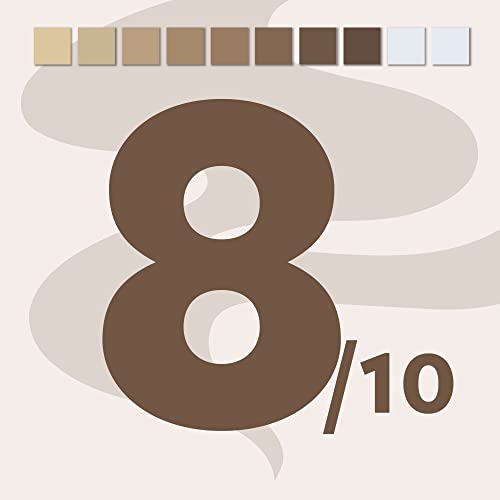
If you’re after an earthy, chocolate-forward espresso with staying power, this is a standout. The 8/10 intensity rating tells you it’s built to punch, and reviewers consistently note the long-lasting crema and deep aromatic finish. The blend of Arabica and Robusta from three continents gives it a grounded, almost rustic character that feels authentically Italian.
It’s not as sweet as Super Crema, nor as nutty as Gran Riserva, but it carves its own lane with a bold, earthy profile that holds up well in milk drinks. For those who associate espresso with a darker, more traditional Italian style, this hits the mark.
Product photos


Gaviu00f1a Old Havana Espresso

Strengths
- 100% Arabica
- Nutty sweetness
- Citrus brightness
Trade-offs
- Milder crema
- Less body than Robusta blends
Gaviña Old Havana brings a Latin espresso character to the table, a 100% Arabica, medium-dark roast with a nutty, sweet profile and a whisper of citrus that lifts the finish. Owners praise its smoothness and balance, especially when pulled as a straight shot or in a cappuccino.
The fact that it’s roasted in Los Angeles with a zero-waste commitment adds a modern appeal, but it’s the flavor that wins people over. Compared to Kimbo or Lavazza, it’s less intense but more nuanced, with a clean aftertaste that suggests high-quality sourcing. For 100% Arabica fans, this is a rare find in the espresso bean world.
Product photos


Lavazza Gran Riserva Whole Bean

Strengths
- Rich aroma
- Velvety crema
- Nutty sweetness
Trade-offs
- Less bright acidity
- Not 100% Arabica
Lavazza Gran Riserva stands out in the dark roast category with its rich aroma and consistent crema, which owners consistently report as thick and long-lasting. On paper, it’s a traditional Italian blend built for espresso lovers who favor a smooth, slightly sweet profile with hints of maple and walnut, a departure from the sharper bitterness some dark roasts deliver.
Compared to other Lavazza offerings like Super Crema, this one leans darker and more intense, yet avoids the ashy or burnt notes that can plague over-roasted beans. The 2.2-pound bag is ideal for frequent brewers, and the fact that it’s produced in a nut-free facility adds a quiet reassurance for those with sensitivities.
Product photos


How We Evaluated coffee beans for espresso crema
Rather than a hands-on lab test, my research for these recommendations involved a detailed comparison of published specifications and features across numerous brands. I then weighed owner reviews from major retailers against professional reviews from coffee-focused publications. As the founder of Bean Thusiast, I applied my understanding of espresso extraction and the factors influencing crema development to rank these options.
For coffee beans intended for espresso, the roast level and blend composition are paramount. A darker roast generally contributes to a richer crema, but can sacrifice nuance in flavor. The balance between Arabica (for sweetness and aroma) and Robusta (for body and crema) is also critical; a higher Robusta percentage typically yields more crema, but can introduce a harsher taste. These were the biggest deciding factors in my rankings.
Published specifications provide reliable information about roast level, bean origin, and blend percentages. However, assessing the quality of those beans and the resulting crema requires looking at owner feedback. I focused on consistent reports of thick, persistent crema, balanced flavor profiles, and overall satisfaction with espresso preparation. Reputation and sourcing practices also played a role, as highlighted in reports discussing significance of coffee crema.
What To Look For In coffee beans for espresso crema
Finding coffee beans that deliver a truly exceptional espresso crema isn’t just about picking a familiar name; it’s about understanding what contributes to that beautiful, tiger-striped layer.
A quality espresso crema stems from a combination of factors: bean origin (specifically Arabica and Robusta blends), roast level (typically medium-dark), grind fineness, and extraction pressure. The beans should be fresh, ideally roasted within the last few weeks, and possess inherent oils that emulsify during brewing. A good blend will balance acidity, sweetness, and body to produce a stable, flavorful crema.
Understanding Blend Composition
Many believe 100% Arabica is always superior, but for crema, that’s not necessarily true. Robusta beans contain more chlorogenic acids, which contribute to a richer, more persistent foam. I often recommend looking for blends that incorporate both Arabica (for sweetness and complexity) and Robusta (for crema and body). The ideal ratio depends on your preference, but a 70/30 or 60/40 Arabica/Robusta split is a great starting point. Don’t discount blends specifically marketed for espresso – brands like Lavazza, for example, have decades of experience perfecting these combinations. When you are comparing blends, consider the origin of the beans, as different regions will contribute different flavor profiles.
Roast Level and Its Impact
The roast level significantly impacts crema formation and flavor. Lighter roasts tend to produce more acidic, brighter espresso with less crema, while very dark roasts can become bitter and ashy. A medium-dark roast is generally the sweet spot for crema production, developing the necessary oils without sacrificing flavor nuance. I’ve noticed that beans described as “Italian roast” or aiming for a gran crema profile (like the Miscela D’Oro) often hit this balance well. Be mindful of roast dates, though. Older beans, even if medium-dark, will struggle to deliver a good crema.
Here’s how roast level impacts your final cup:
- Light Roast: Bright acidity, less body, minimal crema.
- Medium Roast: Balanced flavor, good body, decent crema.
- Medium-Dark Roast: Rich flavor, full body, excellent crema, potential for some bitterness if over-extracted.
A fresh bean, roasted within the last month, is your best bet for maximizing crema. Don’t chase a specific roast description; look for a clear roast date.
Evaluating Flavor Profiles & Your Machine
Ultimately, the “best” coffee bean for crema is subjective and depends on your palate. Do you prefer chocolatey, nutty flavors (like the Gaviña Old Havana)? Or something more earthy (Lavazza Crema e Aroma)? Consider how the beans will interact with your espresso machine. Some machines excel at extracting complex flavors, while others benefit from bolder, simpler profiles. If you’re unsure, start with a well-regarded blend like Lavazza Gran Crema and experiment from there. You might also find looking at espresso vs regular beans helpful in understanding the differences. For those seeking more options, exploring top crema-producing coffee beans is a great next step.
Coffee Beans for Espresso Crema Compared
Here’s a comparison of key specifications for coffee beans designed for espresso and crema production.
| Product Name | Bean Type | Roast | Intensity | Notes | Weight (lbs) |
|---|---|---|---|---|---|
| Lavazza Gran Crema | Arabica/Robusta | Dark | 7/10 | Honey, Roasted | 2.2 |
| Lavazza Super Crema | Arabica/Robusta | Medium | N/A | Bold, Creamy | 2.2 |
| Kimbo Espresso Crema Intensa | N/A | Med-Dark | 11/13 | Spicy, Toasted | N/A |
| Miscela D’Oro Gran Crema | N/A | Medium | N/A | Intense, Smooth | N/A |
| Caffè Borbone Crema Superiore | Arabica/Robusta | Medium | N/A | Chocolate, Vanilla | 2.2 |
| Lavazza Crema E Aroma | Arabica/Robusta | Medium | 8/10 | Chocolate | 2.2 |
| Gaviña Old Havana Espresso | 100% Arabica | Med-Dark | N/A | Nutty, Citrus | 2.0 |
| Lavazza Gran Riserva | N/A | Dark | N/A | Maple, Walnuts | 2.2 |
Frequently Asked Questions
What percentage of Robusta is ideal for maximizing crema?
A blend with 30-40% Robusta generally strikes a good balance; Robusta contributes to crema, but too much can lead to bitterness. Experimenting within this range will help you find the sweet spot for your palate and machine.
How does grind size affect crema production?
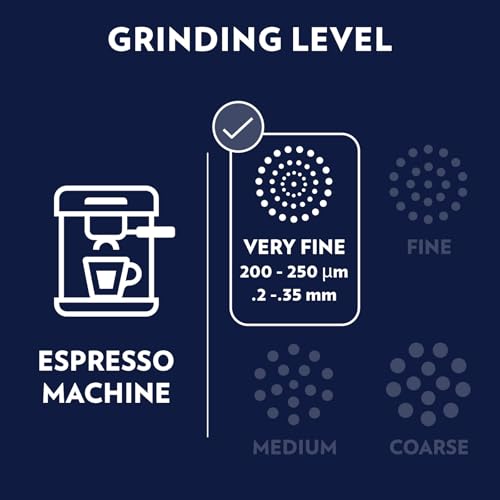
A fine, consistent grind is crucial. Too coarse and you’ll get weak, thin crema (under-extraction), while too fine can lead to a bitter shot and channeling (over-extraction). Your machine’s manual should have a starting point for grind size.
Can older coffee beans still produce good crema?
No, freshness is key. Coffee beans begin to lose their volatile oils and flavor as they age, directly impacting crema production. I recommend seeking beans roasted within the last few weeks for the best results.
Are dark roast beans always better for crema?
Not necessarily. While darker roasts develop more oils that contribute to crema, they can also become overly bitter. A medium-dark roast often provides the best balance of crema and flavor, and you can find premium espresso bean picks in that range.
Will a more expensive bean guarantee better crema?
Price isn’t always an indicator of crema quality. While higher-priced beans may offer more complex flavors, a well-formulated blend with the right roast level (even at a moderate price) can produce excellent crema.
The Bottom Line
Ultimately, achieving fantastic espresso crema is a balancing act between control and convenience. You can spend a lot of time and money chasing the perfect single-origin bean, but for consistently thick crema and a pleasing flavor, I believe Lavazza Gran Crema offers the best overall package. It’s a blend designed specifically for espresso, and the feedback consistently points to its reliable performance across a variety of machines.
For those on a tighter budget, or wanting to experiment with bolder flavors, Kimbo Espresso Crema Intensa is a fantastic choice. And if you prioritize versatility and enjoy a brighter, more nuanced espresso, Gaviña Old Havana Espresso – despite being 100% Arabica – earns high marks from owners for its crema production and complex flavor profile. Understanding espresso bean characteristics is the key to finding your perfect match.
Don’t get too caught up in chasing specific numbers or marketing claims. Freshness, a quality grinder, and proper extraction technique matter far more than any single bean origin or blend ratio. Focus on finding a coffee you genuinely enjoy the taste of, and build your skills from there. That’s where the real satisfaction lies.
