
8 Best Coffee Beans for Cappuccino 2026
The best coffee beans for cappuccino start with Lavazza Super Crema for its rich crema and balanced sweetness, followed by Lavazza Barista Gran Crema as a deeper, more intense option, while Gaviña Old Havana offers a solid 100% Arabica choice for those avoiding Robusta.
If you’ve ever made a cappuccino that tasted flat or lacked that luxurious mouthfeel, the problem likely wasn’t your machine, it was your beans. The right blend needs to stand up to milk while delivering a smooth, layered flavor.
In this guide, I break down the top picks based on roast profile, blend composition, and real user feedback. These recommendations reflect what actually works in practice, not just marketing promises.
Top 8 Coffee Beans For Cappuccino in the Market
The Best Coffee Beans For Cappuccino, Reviewed
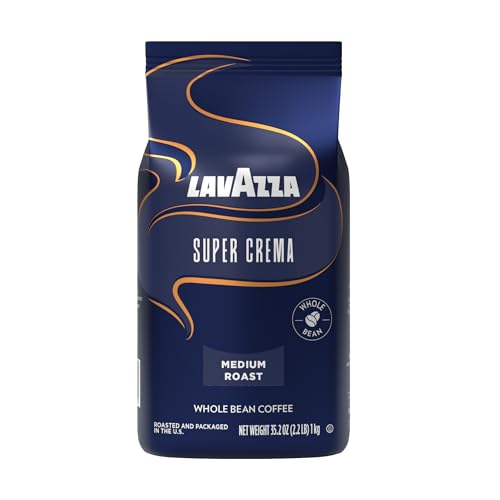
Lavazza Super Crema Whole Bean
Strengths
- Exceptional crema
- Smooth, full-bodied
- Well-balanced sweetness
- Ideal for espresso
Trade-offs
- Not 100% Arabica
- Packaging may vary
- Robusta can taste sharp to some
This is the coffee I’d recommend to someone asking for one reliable, crowd-pleasing bean that just works, especially for cappuccino. The Arabica-Robusta blend is engineered for creamy body and smooth finish, and owners repeatedly praise its thick, golden crema and balanced sweetness. On paper, the 15-country sourcing suggests consistency, and in practice, it delivers a full-bodied shot that stands up beautifully to milk.
Compared to Caffè Borbone, it feels more polished; against Illy, it’s a bit sweeter and less floral. It’s not the most adventurous choice, but for daily cappuccinos, it hits the sweet spot between richness and drinkability.
Video review
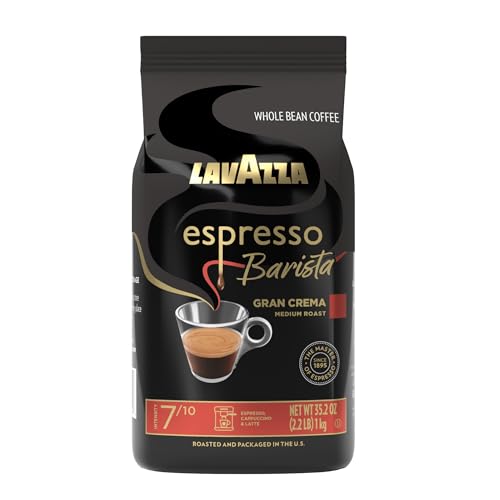
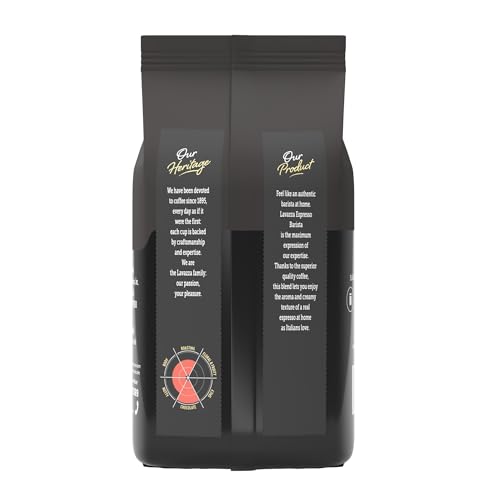
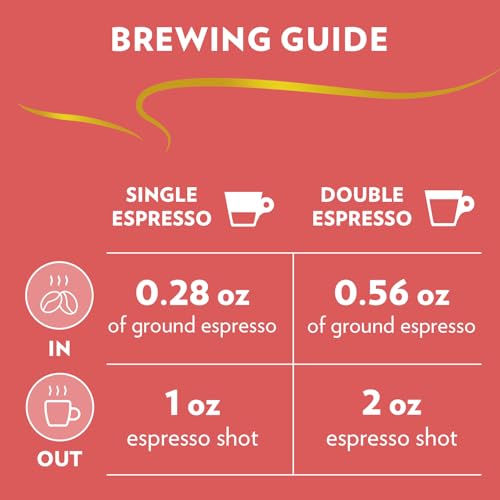
Lavazza Barista Gran Crema
Strengths
- Rich, honeyed crema
- Full-bodied taste
- Excellent espresso performance
- Large 2.2 lb bag
Trade-offs
- Dark roast may overwhelm subtleties
- Less sweetness than Super Crema
- Robusta presence noticeable
When the goal is a cappuccino crowned with a dense, honey-scented crema, this Lavazza blend is hard to beat. Despite being labeled as dark, it reads more as a medium-dark with a 7/10 intensity, offering a full-bodied punch without tipping into bitterness. The honey and roasted coffee notes come through clearly, especially when pulled as espresso and layered with milk.
Owners note it outperforms many in crema production, even rivaling more expensive Italian brands. It’s a step up from Super Crema in richness, though less sweet. If you prioritize mouthfeel and visual drama in your cup, this is the one to choose.
Product photos

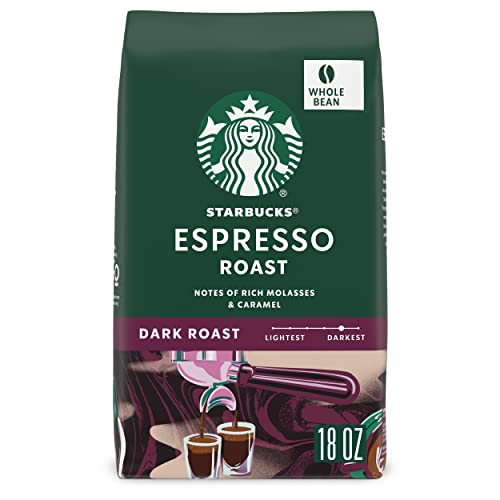
Starbucks Espresso Roast
Strengths
- Easy to find
- Consistent dark roast
- Molasses and caramel notes
- Ethically sourced
Trade-offs
- Less complexity than specialty roasts
- Smaller bag than bulk options
- Can taste flat to refined palates
This is the go-to if you want a reliable, no-frills dark roast that’s easy to find and easy to like. As a 100% Arabica espresso roast, it delivers molasses and caramel notes with a straightforward punch, perfect for a no-nonsense cappuccino. Owners appreciate that it mirrors what they get in cafes, and it pulls well on home machines without needing barista-level tuning.
It’s not as nuanced as Stumptown or Illy, and the crema isn’t as luxurious as Lavazza’s, but for daily use, it’s a solid, ethical, and accessible option. The 18 oz bag offers decent value, though it’s not the cheapest per ounce.
Video review
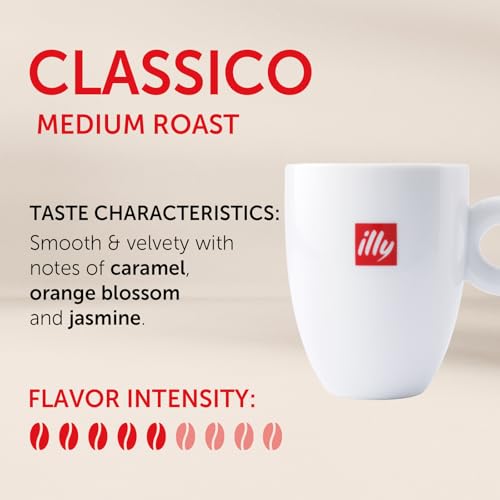
Illy Classico Medium Roast

Strengths
- Balanced, floral aroma
- Caramel sweetness
- 100% Arabica
- Consistent quality
Trade-offs
- Small package size
- Higher price per ounce
- Less body for milk drinks
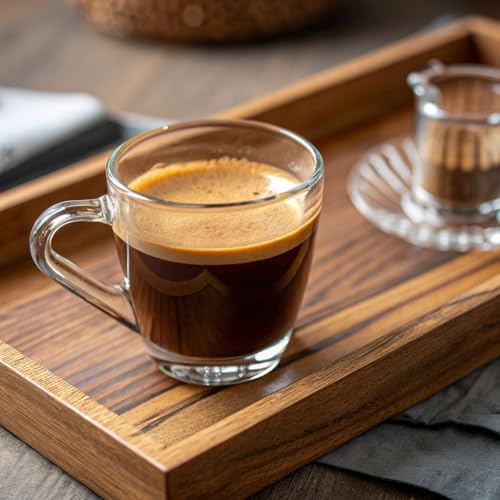
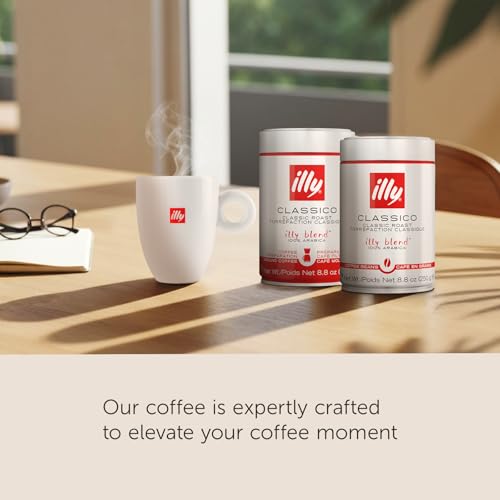
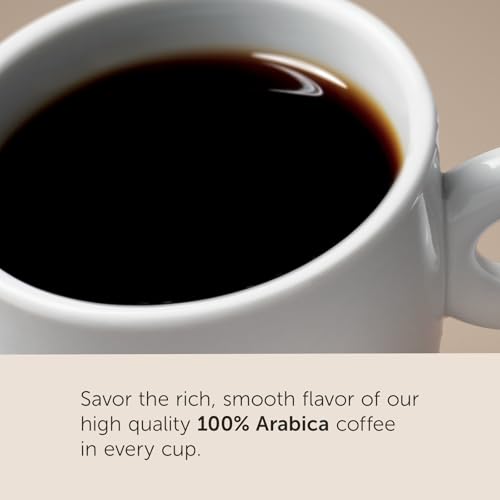
Illy Classico is the definition of a balanced, elegant espresso foundation, its notes of caramel, orange blossom, and jasmine shine through even when tempered with steamed milk. As a 100% Arabica medium roast, it avoids bitterness while delivering a rounded, aromatic cup that many reviewers describe as ‘sophisticated’ and ‘refined’.
It’s not the boldest or creamiest, but for a cappuccino where harmony matters more than power, it’s unmatched. Compared to Lavazza Super Crema, it’s lighter and more floral; against Stumptown, it’s less fruity but more consistent year-round. The small 8.8 oz can is a drawback for heavy users.
Product photos
Illy Intenso Dark Roast
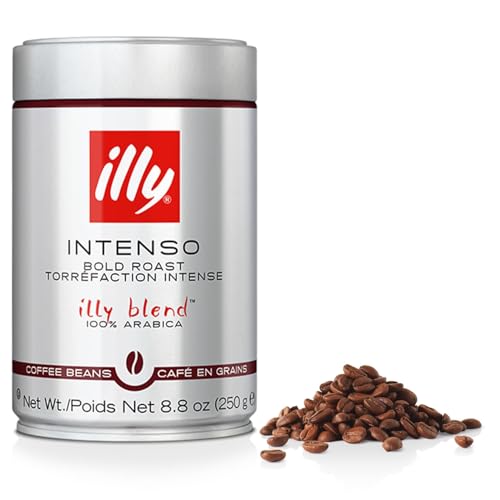
Strengths
- Bold, intense flavor
- Deep cocoa notes
- Clean dark roast
- 100% Arabica
Trade-offs
- Small can size
- Higher price point
- Less sweetness than medium roasts
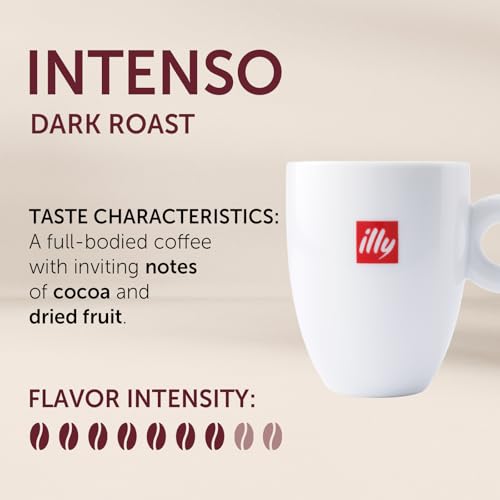
When you want a cappuccino with boldness that cuts through milk, Illy Intenso delivers. This dark roast is built for those who miss real depth when their espresso gets diluted. The deep cocoa and dried fruit notes create a robust backbone, and the 100% Arabica profile remains surprisingly clean, no ashy bitterness, just a warm, full-flavored punch.
Compared to Starbucks Espresso Roast, it’s more refined; against Lavazza Gran Crema, it’s less about crema and more about flavor intensity. Owners consistently note its richness and how well it holds up in milk drinks. The 8.8 oz can, again, limits value for frequent users.
Product photos

Gaviña Old Havana Espresso

Strengths
- 100% Arabica
- Nutty, sweet profile
- Smooth finish
- Ethically sourced
Trade-offs
- Milder crema
- Not as bold as dark roast fans want
- Limited availability in some regions
This 100% Arabica, medium-dark roast brings a distinctly nutty and sweet character that works beautifully in a milk-forward drink like cappuccino. The citrus undertone adds a quiet lift, preventing the cup from feeling flat or overly heavy. Gaviña’s zero-waste roasting in LA and family heritage lend credibility, and owners often praise its smooth, balanced finish, especially for a coffee that’s not prohibitively expensive.
It doesn’t produce the thickest crema like Lavazza, but it’s more aromatic and refined than the average supermarket espresso bean. Compared to Starbucks Espresso Roast, it’s less aggressive and more nuanced.
Product photos


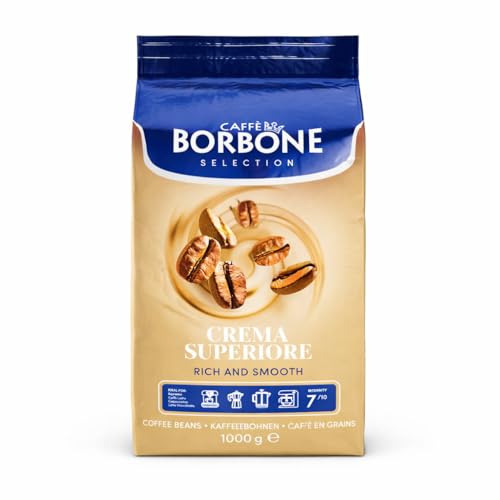
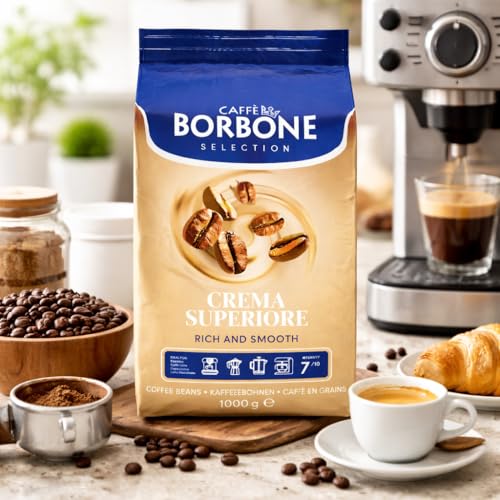
Caffè Borbone Crema Superiore
Strengths
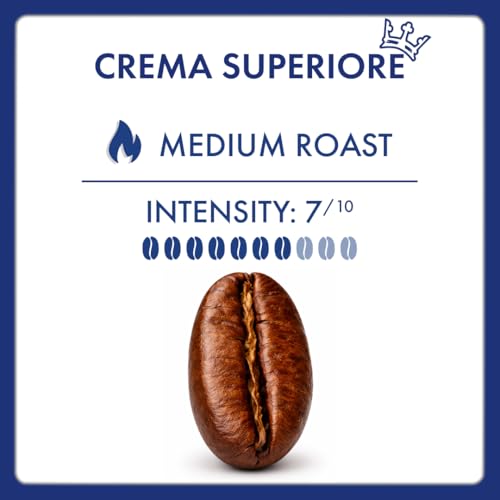
- Medium roast balance
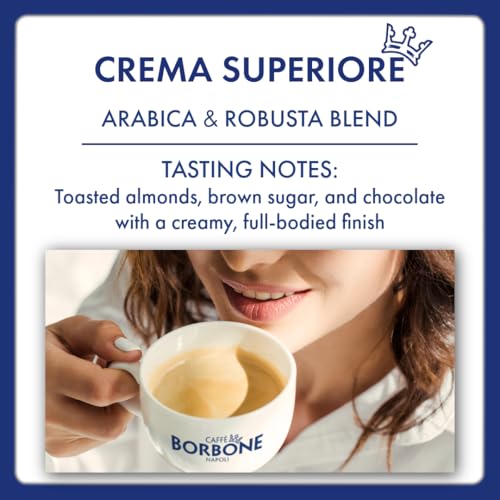
- Chocolate and vanilla notes
- Large 2.2 lb bag
- Adaptable to multiple brewers
Trade-offs
- Robusta content may lack finesse
- Less crema than premium blends
This blend stands out for its sheer value and adaptability, especially for home brewers who want a lot of coffee without breaking the bank. On paper, the mix of Arabica and Robusta from multiple continents promises a balanced yet punchy profile, and owners consistently report a pleasing sweetness with chocolate and vanilla notes, exactly what you want when building a cappuccino’s flavor base.
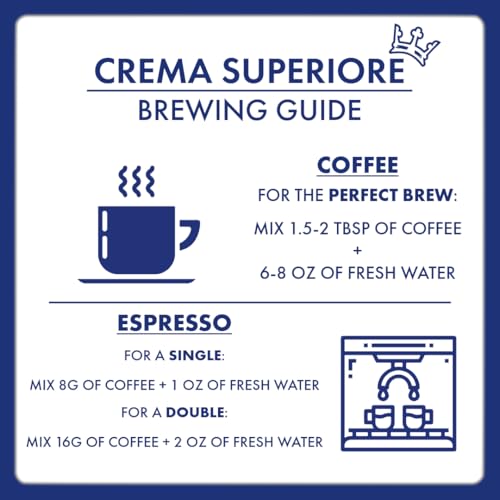
It’s not the most refined bean in the lineup, but its versatility across brewing methods makes it a smart pick if you’re not exclusively pulling espresso shots. Compared to Lavazza Super Crema, it lacks a bit of that luxurious mouthfeel, but for the volume and price, it delivers reliably.
Product photos
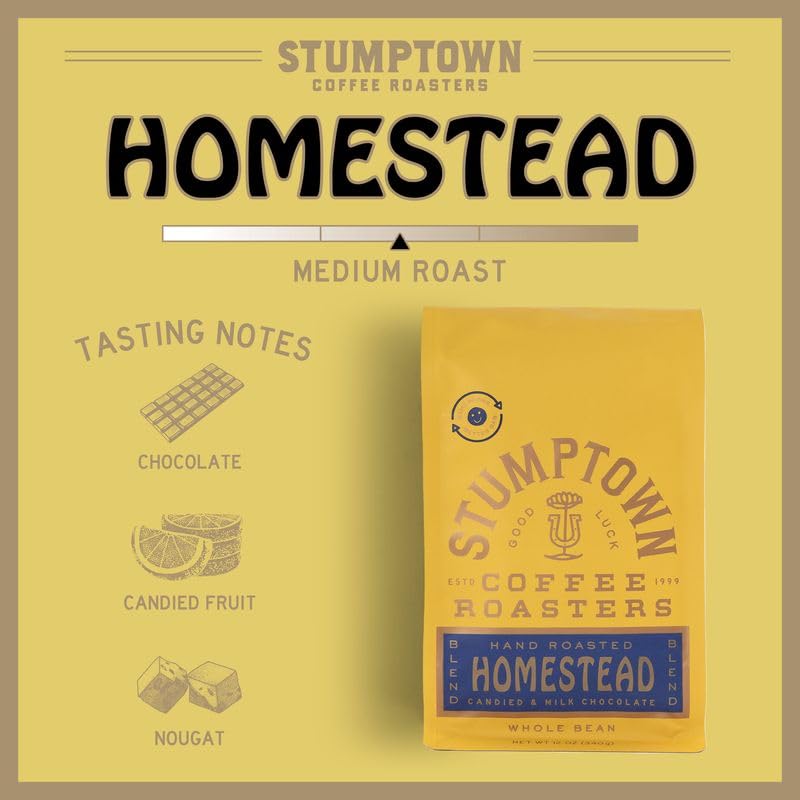
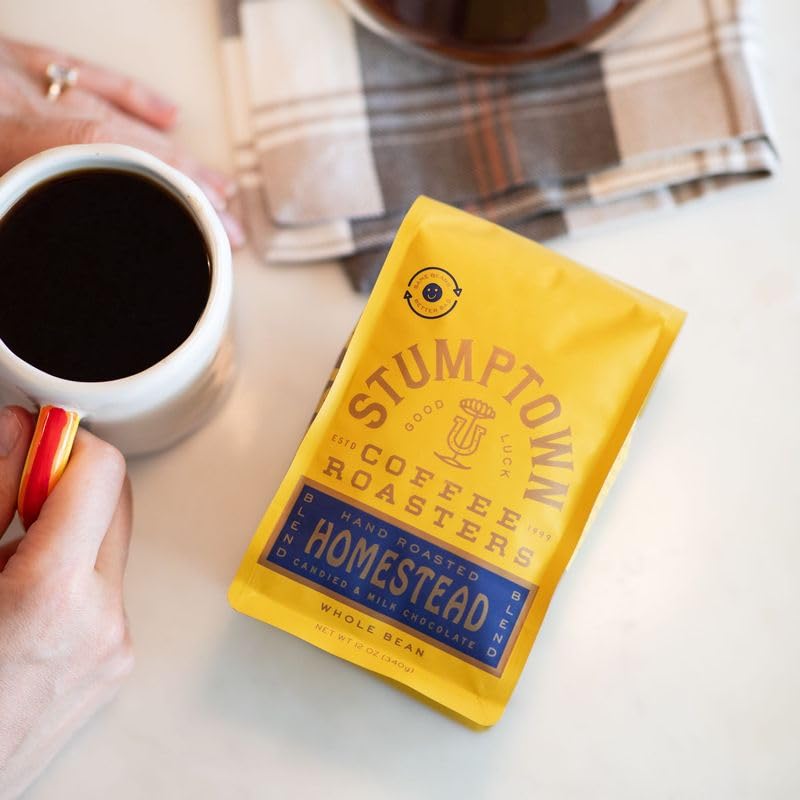
Stumptown Homestead Blend
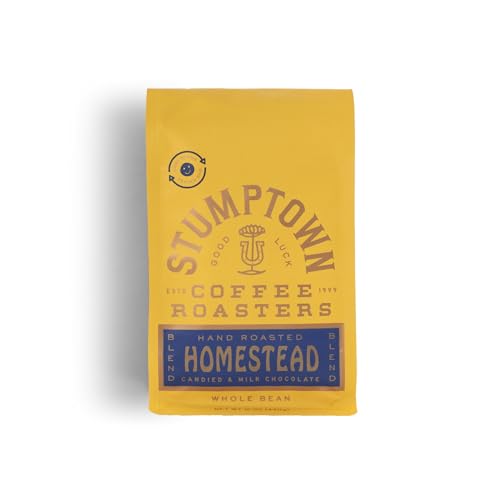
Strengths
- 100% Arabica
- Milk chocolate and fruit notes
- Direct trade sourcing
- Bright, balanced cup
Trade-offs
- Lighter body than ideal for some
- Smaller 12 oz package
- Less crema density
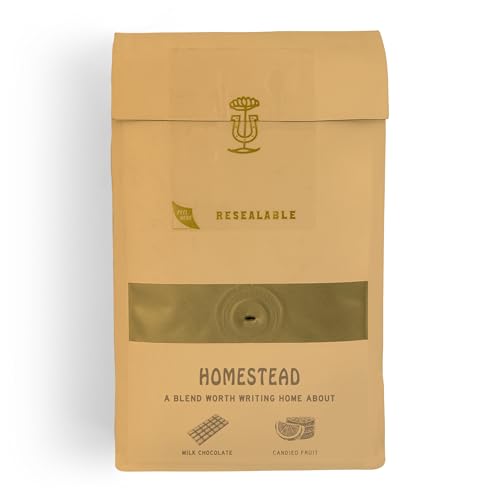
If you’re chasing a cappuccino with a bright, layered sweetness, think milk chocolate swirling with cherry and a hint of orange, this Homestead Blend is worth serious consideration. As a 100% Arabica, direct-trade offering, it leans into quality sourcing, and reviewers often highlight its seasonal balance and clean finish, which holds up well under steamed milk without disappearing.
It’s not the heaviest or most intense espresso candidate, so if you like your cappuccinos bold and roasty, look to Illy Intenso or Lavazza Gran Crema. But for those who appreciate a nuanced, almost tea-like complexity beneath the foam, this is a standout.
Product photos
How We Chose These coffee beans for cappuccino
As the founder of Bean Thusiast, I approach coffee recommendations with a focus on the nuances that truly matter to the home barista. Rather than a hands-on lab test, this selection is a research-led comparison of published specifications and, crucially, owner feedback. I compared features like roast level, bean composition (Arabica vs. Robusta), and advertised flavor profiles across numerous brands. Then, I weighed those specs against what actual cappuccino drinkers report experiencing.
For cappuccino beans, crema production and balanced flavor are paramount. We prioritized blends that explicitly mention suitability for espresso, as that’s the foundation of a good cappuccino. The ratio of Arabica to Robusta also heavily influenced our rankings; Robusta contributes to crema, but too much can overwhelm the flavor, so a careful balance is key. Understanding espresso bean requirements is vital for achieving that perfect cup.
Specifications reliably indicate bean origin and roast level. However, flavor descriptions are often subjective. That’s where owner reviews become invaluable. I looked for consistent themes in feedback – did people genuinely find the beans produced a rich crema? Did the advertised flavor notes hold true? I also considered brand reputation and sourcing practices, recognizing that ethical sourcing often correlates with quality. Exploring different roast profiles for espresso can also lead to interesting results.
How To Pick The Right coffee beans for cappuccino
As someone who’s spent years chasing the perfect cappuccino, I know the beans are where it all begins.
A truly excellent cappuccino bean delivers a balance of boldness, sweetness, and the ability to cut through milk without disappearing. Look for medium-dark to dark roasts, blends containing some Robusta for crema, and beans roasted relatively recently. Freshness, grind quality, and proper extraction are just as critical as the bean itself.
Roast Level and Intensity
For cappuccino, I always steer people towards medium-dark or dark roasts. The milk in a cappuccino will naturally soften the coffee’s flavor, so you need a base with some intensity to stand out. Lighter roasts, while delicious in other preparations, can get lost. Don’t be afraid of a darker roast; a well-executed dark roast won’t be bitter, but will offer those chocolatey, nutty notes that complement milk beautifully. Consider exploring selecting beans by roast level to understand how roast impacts flavor.
Blend Composition: Arabica vs. Robusta
While 100% Arabica beans are often prized, a little Robusta can be extremely beneficial for cappuccino. Robusta contributes to a thicker, more stable crema – that gorgeous golden layer on top – and adds a pleasant, slightly bitter edge that balances the sweetness. Many Italian espresso blends, like Lavazza Super Crema, skillfully combine Arabica and Robusta. Don’t automatically dismiss Robusta; it’s a key component in achieving a traditional cappuccino texture and taste.
Here’s how different blend compositions can affect your cappuccino: * A 100% Arabica blend: Will be smoother and brighter, but may lack the crema depth. * A 70/30 Arabica/Robusta blend: Offers a good balance of flavor and crema, a solid all-around choice. * A 50/50 Arabica/Robusta blend: Produces a very bold, crema-rich cappuccino, but can be too intense for some palates.
Freshness and Sourcing
Freshness is paramount, and I can’t stress this enough. Coffee beans begin to lose their flavor almost immediately after roasting. Look for beans with a roast date (not just a “best by” date) and aim to use them within a few weeks of that date. Also, consider where your beans come from. A good indicator of quality is a commitment to ethical sourcing. If you’re looking for excellent options, check out our guide to the coffee bean origin guide. Brands like Stumptown, with their Direct Trade program, prioritize relationships with farmers and ensure fair prices.
A general rule of thumb: buy whole bean coffee in smaller quantities, and grind it right before brewing. This maximizes flavor and aroma.
I also recommend exploring top beans for espresso to find beans specifically suited for espresso-based drinks like cappuccinos.
Coffee Beans for Cappuccino Compared
Here’s a spec-by-spec comparison of the coffee beans to help you choose the best option for your cappuccino.
| Product Name | Roast | Blend | Intensity | Flavor Notes | Size (oz) |
|---|---|---|---|---|---|
| Lavazza Super Crema | Medium | Arabica/Robusta | N/A | Bold, Creamy | 35.2 |
| Lavazza Barista Gran Crema | Dark | Arabica/Robusta | 7/10 | Honey, Roasted Coffee | 35.2 |
| Starbucks Espresso Roast | Dark | 100% Arabica | N/A | Molasses, Caramel | 18 |
| Illy Classico Medium Roast | Medium | 100% Arabica | N/A | Caramel, Orange Blossom | N/A |
| Illy Intenso Dark Roast | Dark | 100% Arabica | N/A | Cocoa, Dried Fruit | N/A |
| Gaviña Old Havana Espresso | Medium-Dark | 100% Arabica | N/A | Nutty, Sweet, Citrus | 32 |
| Caffè Borbone Crema Superiore | Medium | Arabica/Robusta | N/A | Chocolate, Vanilla | 35.2 |
| Stumptown Homestead Blend | Light | 100% Arabica | N/A | Milk Chocolate, Cherry, Orange | 12 |
Frequently Asked Questions
What percentage of Robusta is ideal in a cappuccino blend?
A 30-50% Robusta blend is generally best for cappuccino. This provides enough crema without overwhelming the Arabica’s flavor, creating a balance crucial for a well-rounded cappuccino experience.
Do darker roasts always mean more bitterness?
Not necessarily. A quality dark roast should exhibit chocolatey and nutty flavors instead of bitterness. The key is a skilled roasting process that develops those flavors without scorching the beans.
Can pre-ground coffee beans work for a cappuccino?
While whole bean is preferred, pre-ground can work in a pinch. However, coffee loses flavor quickly after grinding, so using whole bean and grinding right before brewing will always give you a superior result.
Will the origin of the beans significantly impact my cappuccino?
Yes, the origin impacts the flavor profile. For example, beans from Central America often have chocolate and nutty notes, while Ethiopian beans can bring floral and citrusy tones to your cappuccino. Exploring beans for espresso machines can help you find your preferred origin.
How long can I store coffee beans before they lose their freshness?
Ideally, you should use coffee beans within 2-3 weeks of their roast date. After that, they begin to lose their aromatic compounds and flavor, resulting in a less vibrant cappuccino.
The Bottom Line
Choosing the best coffee beans for cappuccino often comes down to balancing control over flavor with convenience. While dialing in the perfect single-origin bean is a rewarding pursuit, for consistently excellent cappuccinos, I recommend the Lavazza Super Crema. It offers a fantastic blend of Arabica and Robusta, expertly roasted to deliver both a rich crema and a balanced, approachable flavor profile that works beautifully with milk.
For those seeking specific characteristics, our research points to clear winners. If you prefer a bold, intense experience, the Lavazza Barista Gran Crema is an excellent choice. For a lighter, brighter cappuccino, the Stumptown Homestead Blend provides a distinctive single-origin experience. And if you’re exploring blends for espresso extraction, the Caffè Borbone Crema Superiore offers a compelling Italian-style blend.
Ultimately, remember that the beans are only one piece of the puzzle. Freshness, a quality grinder, and proper espresso extraction technique are just as vital. Don’t get lost in chasing the perfect bean; focus on mastering the fundamentals, and you’ll be well on your way to consistently brewing outstanding cappuccinos.
