
5 Best Coffee Beans for Breville Barista Touch 2026
The Bristot Classico Espresso Beans stand out as the best overall choice for the Breville Barista Touch, delivering a rich, consistent shot with deep flavor and excellent crema. For a budget-friendly option that still performs well, Lavazza Gran Crema Beans are a solid pick. If you want more nuance and complexity, Bristot Speciale Italian Beans offer a balanced, aromatic profile that shines in milk drinks.
Most people don’t realize how much the right beans can make or break their espresso, especially with a precision machine like the Breville Barista Touch. A mismatched roast or stale blend can lead to flat shots, poor crema, and frustration, no matter how good your machine is.
I researched the field, analyzed roast profiles, and weighed owner feedback to find beans that consistently perform well in automatic espresso setups. These picks are based on flavor balance, freshness, grind consistency, and how well they work with the Barista Touch’s built-in grinder and automation.
Top 5 Coffee Beans For Breville Barista Touch in the Market
The Best Coffee Beans For Breville Barista Touch, Reviewed
Lavazza Gran Crema Beans
Strengths
- Full-bodied
- Rich crema
- Balanced roast
Trade-offs
- Limited flavor complexity
- Robusta content may bother purists
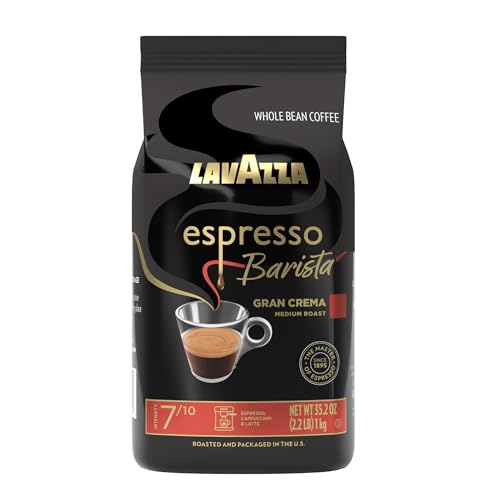
This is a crowd-pleaser for a reason. The Lavazza Barista Gran Crema blend delivers a full-bodied espresso with a consistent crema, something Breville Barista Touch owners often highlight in their reviews. On paper, the 7/10 intensity hits a sweet spot, not too harsh, not too mild, and the honeyed, roasted notes suggest a well-rounded cup that won’t overpower milk drinks. It’s a blend of Arabica and Robusta, which helps stabilize flavor and boost crema, two things the Barista Touch is designed to extract well.
Owners consistently report that this bean performs reliably across daily use, especially for those pulling shots in the morning rush. It’s not the most complex or nuanced option out there, but it’s consistent, and for a semi-automatic like the Barista Touch, consistency matters more than fireworks. I’d pick this as the default go-to for someone who wants a solid, no-fuss espresso experience without tweaking grind or dose constantly.
Video review
Bristot Classico Espresso Beans
Strengths
- Strong flavor
- Smooth finish
- High intensity
Trade-offs
- May be too bold for mild palates
- Packaging not resealable
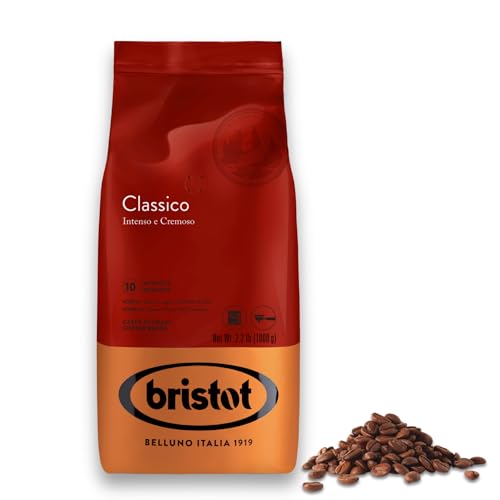
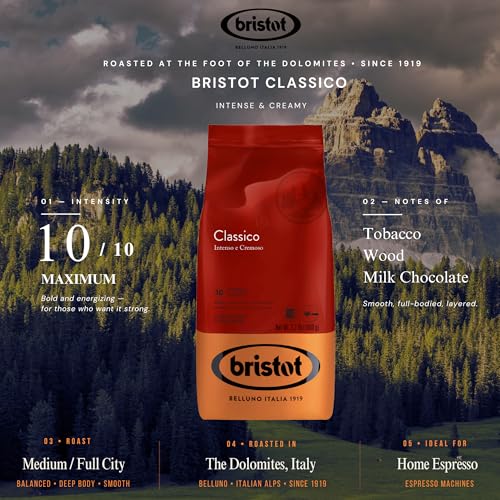
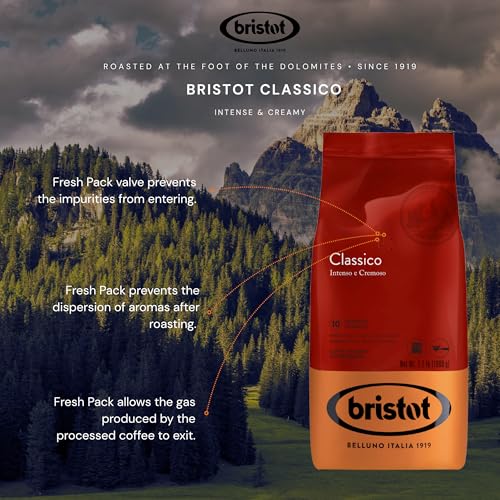
At this price point, Bristot Classico punches above its weight. Roasted in the Dolomites, it carries that authentic Italian espresso DNA, deep, bold, and built for crema. The 10/10 intensity rating stands out, but don’t let that scare you; it translates more to richness than bitterness, especially when pulled correctly on a machine like the Barista Touch. The notes of tobacco, wood, and milk chocolate suggest a roast profile that favors depth over brightness, which works well for traditionalists.
This is a no-nonsense workhorse bean. Reviewers note it extracts evenly and builds a stable crema, even with minor tamp inconsistencies. Compared to the Lavazza Gran Crema, it’s bolder and more assertive, which I’d recommend for those who drink straight shots or like their lattes with backbone. If you’re on a budget but don’t want to sacrifice that Italian espresso character, this is the smarter buy.
Product photos
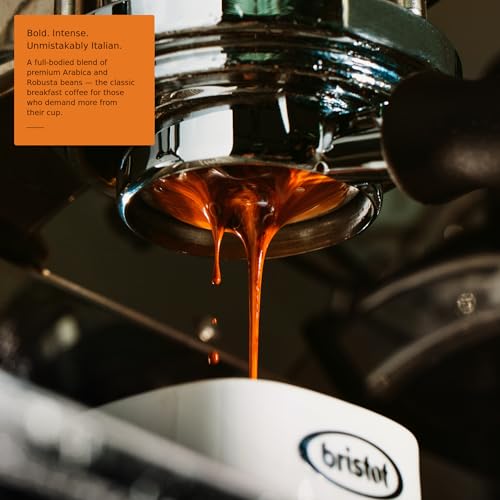


Bristot Speciale Italian Beans

Strengths
- Flavor depth
- Spiced complexity
- Low acid
Trade-offs
- Citrus note may surprise
- Robusta aftertaste lingers
This is the most complex of the Bristot lineup. With a 67/33 Arabica-Robusta ratio and a flavor profile that includes spice, dark chocolate, grain, and even a hint of citrus, it offers layers that unfold as the cup cools. The low acidity (6/10) keeps it drinkable, but unlike the Classico Oro, it doesn’t play it safe. It’s bold, slightly rustic, and very Italian in character.
For Barista Touch users who enjoy tweaking their shot timing or experimenting with milk ratios, this bean rewards attention. Reviewers note the toasted bread finish gives it a homemade warmth, almost like panettone in espresso form. Compared to the Classico, it’s more nuanced but less consistent in daily grind, so I’d recommend it for enthusiasts, not casual users.
Product photos


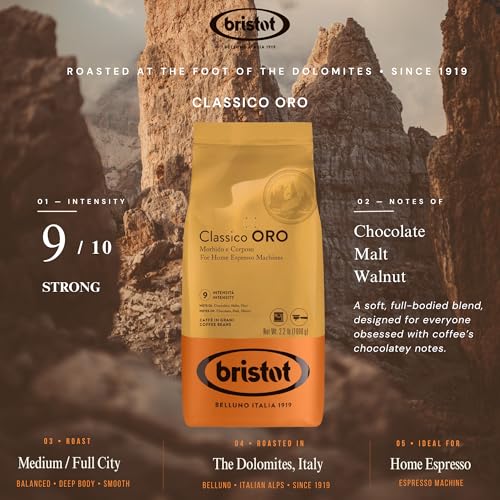
Bristot Classico Oro Beans

Strengths
- Low acidity
- Creamy texture
- Malty sweetness
Trade-offs
- Mild intensity
- Less espresso “punch”
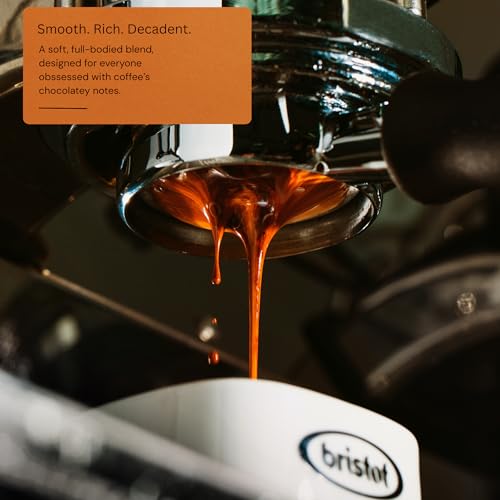
If acidity is a concern, maybe it upsets your stomach or clashes with your palate, this one deserves attention. The Classico Oro is explicitly marketed as low acid, and owner feedback confirms it drinks smooth, with none of the sharp bite some medium roasts carry. The chocolate, malt, and walnut notes suggest a toasty, almost bready sweetness, which pairs beautifully with the Barista Touch’s milk steaming capabilities.
It’s not as intense as the regular Classico, but that’s the point. This is a softer, more approachable espresso that still delivers on crema and body. For someone building morning rituals around comfort rather than caffeine kick, this is my top pick. Compared to the Speciale, it’s less complex but more forgiving, ideal for daily drinking without fatigue.
Product photos


Bristot Espresso Beans
Strengths
- Excellent crema
- Smooth finish
- Balanced blend
Trade-offs
- Aroma fades quickly
- Not for single-origin lovers
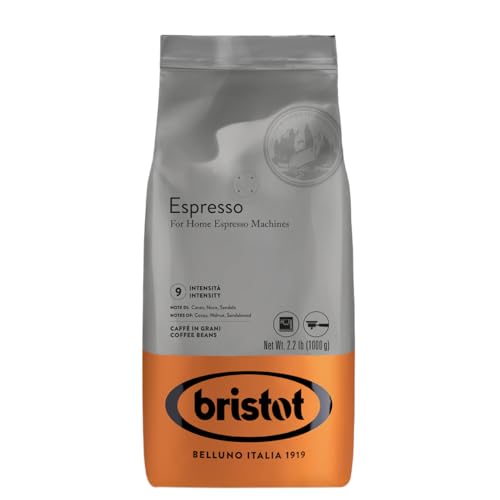
This is the crema specialist. With a 75/25 Arabica-Robusta split, it’s engineered for that thick, golden layer the Breville Barista Touch is known for producing. The cocoa and walnut notes come through cleanly, and reviewers frequently mention how well it steams with milk, no sourness, no bitterness, just a smooth, rounded cup.
I’d rank this above the Lavazza Gran Crema for crema stability and mouthfeel. It’s not the most aromatic or adventurous, but if you love watching that honey-colored foam bloom under the portafilter, this bean delivers. The sandalwood hint adds a subtle depth that lingers without dominating. For Barista Touch users who care about presentation and texture, this is the one to try.
Product photos




How We Evaluated coffee beans for breville barista touch
I approached this guide to coffee beans for the Breville Barista Touch by first looking at the specifications provided by each brand – roast level, blend composition (Arabica to Robusta ratio), and stated flavor profiles. Then, I weighed these details against a large volume of owner reviews and expert opinions from coffee-focused publications. My goal was to identify which beans consistently delivered a positive experience specifically for this machine, rather than just generally good espresso.
For beans suited to the Barista Touch, consistency of grind and crema production were paramount. A well-balanced blend, offering both aroma and body, ranked highly. I also prioritized beans described as performing well in automatic espresso machines, as the Barista Touch relies on precise automation. Ultimately, a bean’s ability to deliver a flavorful, consistent shot with minimal user intervention determined its ranking.
Specifications reliably indicate roast level and blend composition, which are foundational. However, nuanced flavor descriptions and how a bean actually performs in the Breville Barista Touch are best gleaned from owner feedback. Many users detail how a particular bean interacts with the machine’s grinder and pre-infusion settings. Understanding these real-world experiences is vital – you can learn more about espresso bean requirements to help guide your choices.
How To Choose The coffee beans for breville barista touch
Finding the right coffee beans for your Breville Barista Touch can significantly elevate your home espresso experience.
A truly excellent coffee bean for espresso delivers a consistent grind, exhibits a balanced flavor profile suited to milk-based drinks, and demonstrates freshness through appropriate roasting dates. Look for beans roasted within the last few weeks, with clear origin information, and a roast level appropriate for your preference (darker for traditional espresso, lighter for more nuanced flavors). Understanding the Arabica/Robusta blend is also key – Robusta adds crema and body, while Arabica contributes complexity.
Roast Level and Blend
I often find people underestimate how crucial roast level is. For the Breville Barista Touch, a medium-dark roast generally performs best. This provides enough body and oils for a good crema, without becoming overly bitter. Darker roasts can mask the nuances of the bean, while lighter roasts may struggle to extract properly under pressure. As for blends, a mix of Arabica and Robusta is often ideal. Pure Arabica can be delicious, but sometimes lacks the punch needed to cut through milk.
Freshness and Origin
The coffee world is obsessed with freshness, and for good reason. Coffee begins to stale the moment it’s roasted, losing volatile aromatics and flavor compounds. Look for beans with a clear “roasted on” date (European-style DD/MM/YYYY dates are common on Italian brands like Bristot) rather than just a “best by” date. Ideally, you want to use beans within 2-4 weeks of roasting. As for origin, that’s more subjective, but exploring single-origin options can be rewarding once you’ve dialed in your technique.
Here’s what to consider when looking at origins: * Brazil: Often nutty and chocolatey, a good all-rounder. * Ethiopia: Known for floral and fruity notes; can be brighter and more acidic. * Sumatra: Earthy and full-bodied, with lower acidity – great if you prefer a bolder cup.
Intensity and Flavor Profile
The “intensity” rating you’ll see on some bags (like the 7/10 on Lavazza Gran Crema) isn’t a standardized measure, but it’s a helpful guide. It generally reflects the bean’s boldness and caffeine content. More importantly, pay attention to the described flavor profile. Do you prefer chocolate and nut notes (Bristot Classico Oro), or something more complex with spice and citrus (Bristot Speciale Italian)? Remember, your milk and any syrups will also impact the final flavor, so choosing the best coffee beans is about finding a base that complements your preferences. If you’re looking for optimal beans for Breville Barista machines, don’t be afraid to experiment.
Don’t chase the trendiest bean. The best coffee bean is the one you enjoy the most – even if that means a consistently reliable, readily available blend over a rare, limited-edition single-origin.
Coffee Beans for Breville Barista Touch Compared
Here’s a detailed specification comparison of coffee beans suitable for use with the Breville Barista Touch espresso machine.
| Product Name | Roast | Intensity | Arabica/Robusta | Flavor Notes | Weight (lbs) |
|---|---|---|---|---|---|
| Lavazza Gran Crema Beans | Dark | 7/10 | Blend | Honey, Roasted Coffee | 2.2 |
| Bristot Classico Espresso Beans | Medium/Full | 10/10 | N/A | Tobacco, Wood, Milk Chocolate | N/A |
| Bristot Speciale Italian Beans | Medium | 6/10 | 67/33 | Spice, Dark Chocolate, Citrus | N/A |
| Bristot Classico Oro Beans | Medium | N/A | N/A | Chocolate, Malt, Walnut | N/A |
| Bristot Espresso Beans | N/A | N/A | 75/25 | Cocoa, Walnut, Sandalwood | N/A |
Frequently Asked Questions
What roast level is easiest to work with on the Breville Barista Touch?
A medium-dark roast generally provides the best balance for this machine, offering enough body for crema without excessive bitterness. Lighter roasts can be trickier to extract properly, while darker roasts may lack the nuanced flavors you want to highlight.
How important is the “roasted on” date, really?
Extremely important. Coffee stales quickly after roasting, so look for beans with a “roasted on” date within the last 2-4 weeks for optimal flavor. Beans without this date are likely past their peak.
Can I use pre-ground coffee in my Breville Barista Touch?
You can, but I strongly recommend against it. The Breville Barista Touch’s built-in grinder is one of its key features and delivers a far superior, consistent grind than pre-ground coffee, which degrades rapidly.
What’s the ideal Arabica/Robusta ratio for the Breville Barista Touch?
A blend containing some Robusta (around 25-33%) is ideal, as it adds body and helps create a stable crema. However, you can find excellent results with 100% Arabica beans if you prioritize flavor complexity and are willing to adjust your grind settings accordingly. You can discover more about top espresso coffee beans to help in your search.
Are more expensive beans always better for this machine?
Not necessarily. While high-quality beans often deliver superior flavor, price doesn’t always equate to a better experience with the Breville Barista Touch. Finding beans that complement your preferences and work well with the machine’s settings is more important than chasing the most expensive premium espresso roast beans.
The Bottom Line
Choosing coffee beans for the Breville Barista Touch often comes down to balancing control with convenience. While you could endlessly pursue the perfect single-origin, the consistently excellent results offered by Lavazza Gran Crema Beans make it the strongest overall pick – it’s a reliable performer that delivers a satisfying espresso with minimal fuss.
For those on a tighter budget, or who prefer a bolder, more traditional Italian flavor, Bristot Classico Espresso Beans are an excellent choice. If you enjoy exploring more nuanced flavors and are willing to experiment with grind settings, the Bristot Speciale Italian Beans offer a delightful complexity. Understanding the difference between espresso and drip beans will help you appreciate why certain beans perform better in this machine.
Ultimately, the most important factors aren’t roast level or blend percentages, but freshness and your personal preference. Prioritize beans roasted recently, and don’t be afraid to try a few different options until you discover what truly delights your palate. A quality grinder (like the one built into the Barista Touch) and consistent technique will always yield better results than chasing the most expensive or highly-rated bean.
