
8 Best Coffee Beans for Automatic Espresso Machine 2026
The Lavazza Super Crema Whole Bean delivers the most balanced, creamy shot for most users and stands as the overall best choice for automatic espresso machines. If you’re watching your budget, Caffè Borbone Crema Superiore offers impressive performance at a lower price, while Kimbo Espresso Crema Intensa brings serious espresso bar authenticity for those chasing a bold, traditional Italian profile.
Automatic espresso machines promise convenience, but they can’t fix poor beans. Too often, people end up with flat, bitter, or thin shots because they’re using coffee that doesn’t align with their machine’s extraction style. It’s not just about dark roasts or big names, it’s about choosing beans engineered for consistency and crema.
In this guide, I break down the top picks based on roast profile, blend composition, and real-world performance in automatic machines. These recommendations come from analyzing specs, owner feedback, and my experience evaluating what makes espresso work, or not work, in automated systems.
Top 8 Coffee Beans For Automatic Espresso Machine in the Market
The Best Coffee Beans For Automatic Espresso Machine, Reviewed
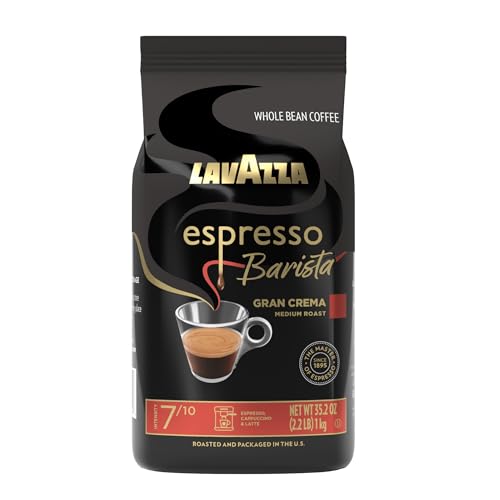
Lavazza Espresso Barista Gran Crema
Strengths
- Balanced rich flavor
- Excellent crema
- Machine-friendly
Trade-offs
- Slight bitterness
- Robusta presence detectable
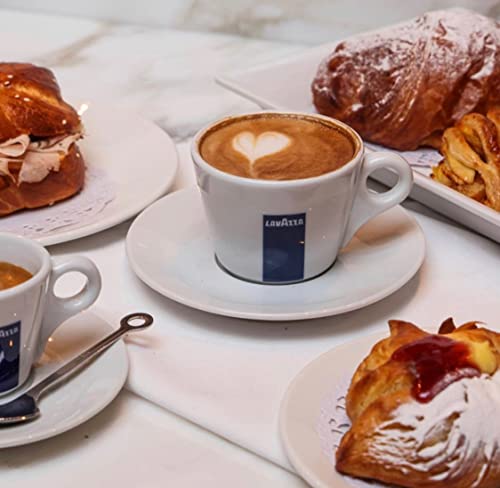
If I had to pick one all-around performer for automatic espresso machines, Lavazza Gran Crema would be at the top. It’s not the darkest, the cheapest, or the most niche, but it hits the sweet spot between richness, balance, and machine compatibility. The dark roast delivers a full-bodied shot with honeyed sweetness and roasted depth, and the Arabica-Robusta blend ensures a stable, velvety crema every time.
Owners consistently rate it higher than Super Crema for complexity, and it outperforms Starbucks’ Espresso Roast in smoothness. It’s also more forgiving in inconsistent grinders, which matters in super-automatics. While Kimbo or Peet’s might edge it out in intensity or crema, Gran Crema is the smarter buy for most people who want a “just right” espresso every morning.
Product photos

Caffè Borbone Crema Superiore
Strengths
- Great value
- Multi-method compatible
- Smooth sweetness
Trade-offs
- Average crema
- Packaging varies
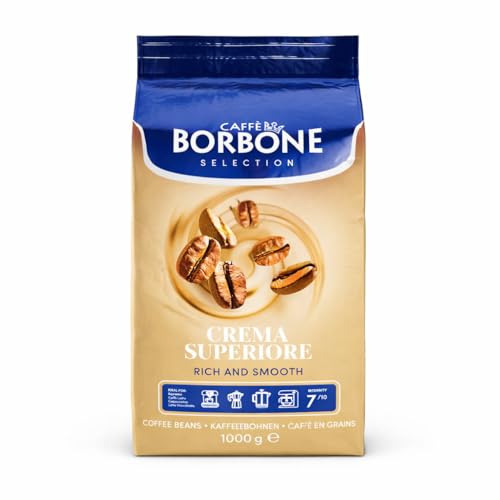
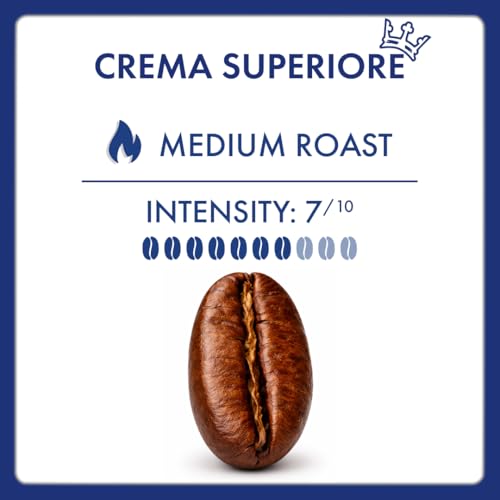
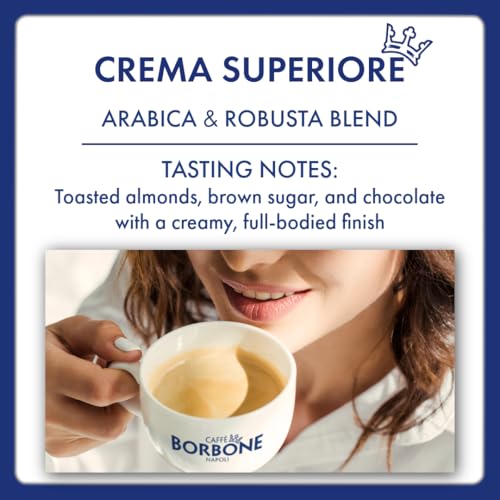
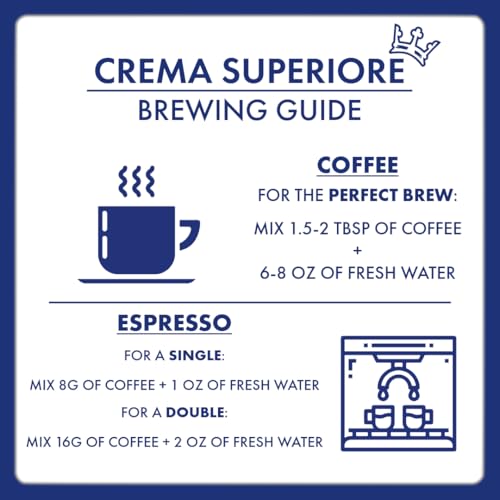
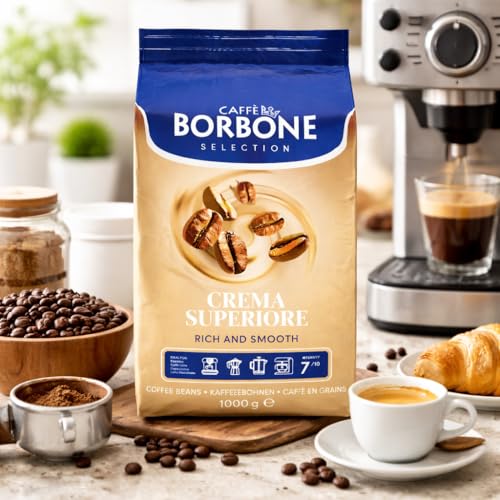
Caffè Borbone Crema Superiore feels like the dark horse of value-focused Italian-style blends. At 2.2 pounds, it’s built for high-volume use, and the specs suggest a well-rounded medium roast with chocolate and vanilla notes, something you don’t always get at this price point. What stands out is its versatility. Unlike most espresso beans that recommend fine tuning for each brew method, owners say it pulls well in drip, moka pot, and automatic espresso machines alike.
It doesn’t match Lavazza Gran Crema in aromatic refinement, but for a household that drinks coffee multiple ways, this flexibility is a real advantage. The Arabica-Robusta blend delivers decent crema, though not quite at Peet’s level. If you’re tired of buying separate beans for your espresso machine and French press, this one simplifies the rotation.
Product photos
Lavazza Super Crema Whole Bean
Strengths
- Creamy mouthfeel
- Smooth finish
- Consistent extraction
Trade-offs
- Mild flavor complexity
- Robusta aftertaste to some
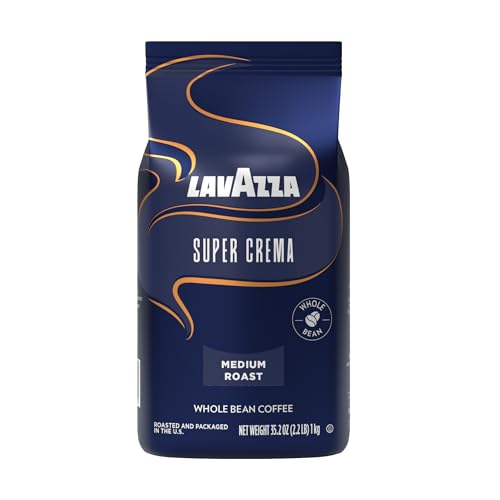
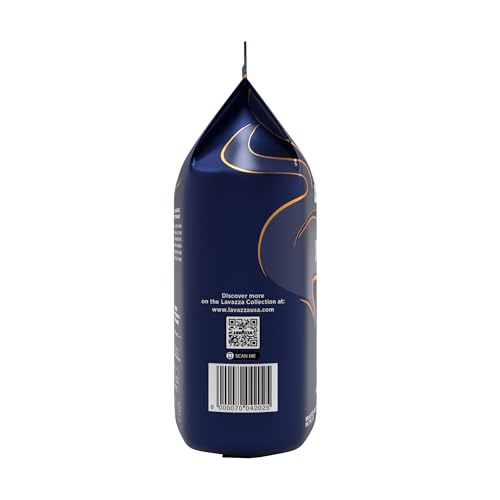
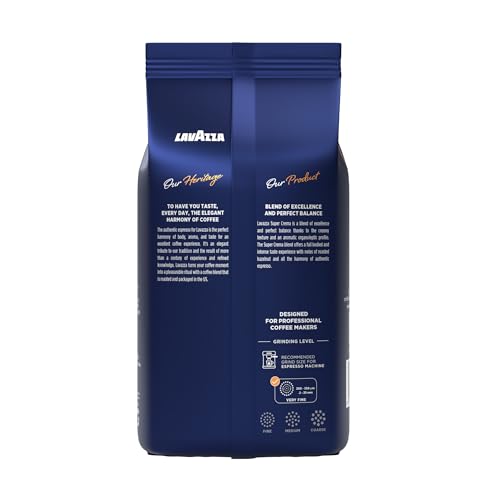
Lavazza Super Crema is one of those blends that keeps showing up in prosumer espresso setups for a reason. On paper, the Arabica-Robusta mix sounds standard, but owners consistently report a creamy, syrupy shot with a sweetness that stands out in milk drinks. The medium roast walks a fine line, bold enough for espresso, soft enough for those sensitive to bitterness. It’s not the most complex bean, but for an automatic machine, consistency matters more than nuance.
Compared to other bulk bags in this list, Super Crema delivers a more balanced profile than Starbucks’ Espresso Roast, though it lacks the depth of Peet’s Espresso Forte. Where it shines is reliability. Reviewers note it flows well through auto-grinders and doesn’t clog group heads, a small but real win for daily use.
Product photos


Lifeboost Organic Espresso Beans

Strengths
- Organic and toxin-tested
- Low acidity
- Clean flavor
Trade-offs
- Smaller bag size
- Less crema
- Higher price per ounce
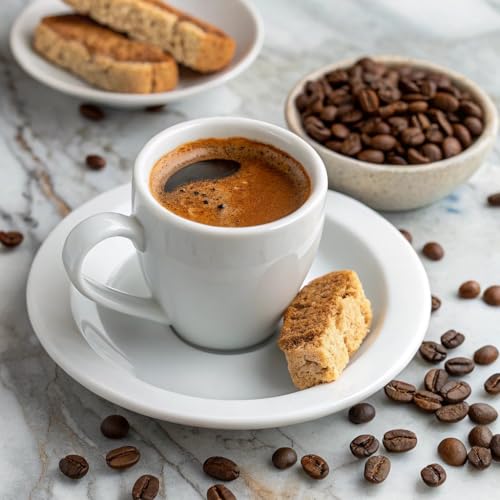
Lifeboost enters a crowded field with a clear differentiator: certified organic, low-acid, single-origin espresso from Nicaragua. On paper, that’s a tall order, espresso beans are typically blends for stability, and low acid often means muted flavor. But owner feedback suggests it pulls off both. The roast is deep and bold, yet smooth, with minimal bitterness, making it a favorite among those with sensitive stomachs.
It doesn’t produce the thickest crema, Peet’s and Lavazza still win there, but for a single-origin, it holds its own in automatic machines. Compared to Starbucks or Lavazza, it’s less about roast dominance and more about clean, pure flavor. The 12 oz bag size means you’ll refill often, but if purity and health certifications are priorities, that trade-off makes sense.
Product photos



Gaviña Old Havana Espresso

Strengths
- Distinctive nutty flavor
- Smooth finish
- Ethically roasted
Trade-offs
- Modest crema
- Low intensity
Gaviña Old Havana stands out with a genuinely distinctive profile, nutty, sweet, and subtly citrusy, all wrapped in a smooth 100% Arabica medium-dark roast. It’s not the most intense or crema-heavy, but what it offers is character. Owners love how it tastes like a Cuban café espresso: warm, nostalgic, and approachable.
Compared to Lavazza or Peet’s, it’s less about power and more about balance. It plays well in milk but also shines as a straight shot. The 32 oz bag and family-owned backstory add appeal, and the zero-waste roasting facility is a quiet win for sustainability. It won’t dominate your palate, but it won’t disappoint either.
Product photos


Starbucks Espresso Roast
Strengths
- Strong, bold flavor
- 100% Arabica
- Widely available
Trade-offs
- Oily beans
- Can clog grinders
- One-note profile
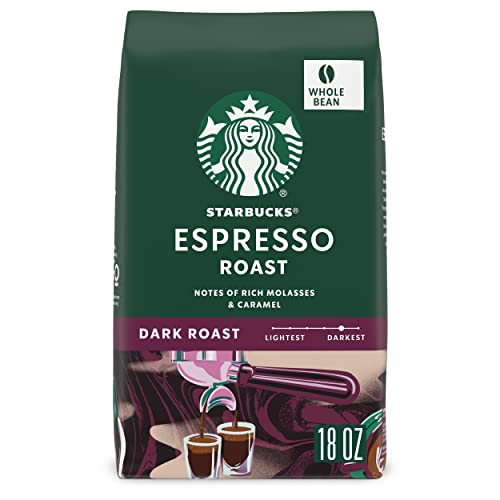
Starbucks Espresso Roast is the definition of a consistent, no-surprises dark roast. It’s 100% Arabica, roasted to deliver that familiar molasses-and-caramel depth the brand is known for. In an automatic machine, it produces a bold, punchy shot, sometimes too aggressive for delicate palates, but perfect if you like your espresso with a bite.
It doesn’t have the finesse of Lavazza Gran Crema or the smoothness of Peet’s, but it’s widely available and performs predictably. Reviewers note it can gunk up grinders faster than lighter roasts due to oil content, so cleaning cycles matter. Compared to Lifeboost or Borbone, it’s less about innovation and more about familiarity. If you’ve liked it in the café, you’ll like it at home.
Product photos



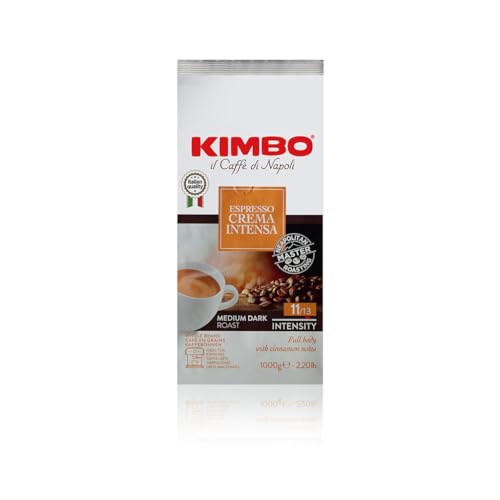
Kimbo Espresso Crema Intensa
Strengths
- Rich, authentic Italian profile
- High intensity
- 100% Arabica
Trade-offs
- Overpowering in milk
- Limited origin nuance
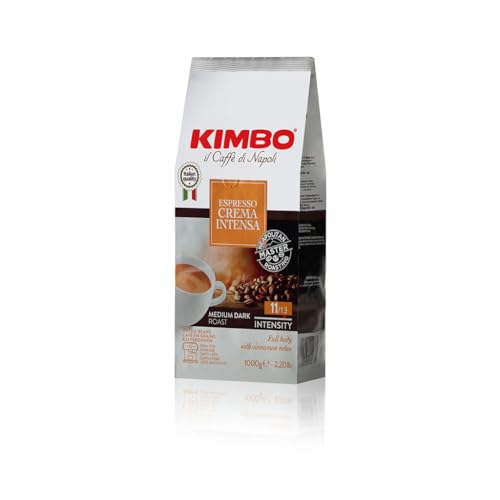
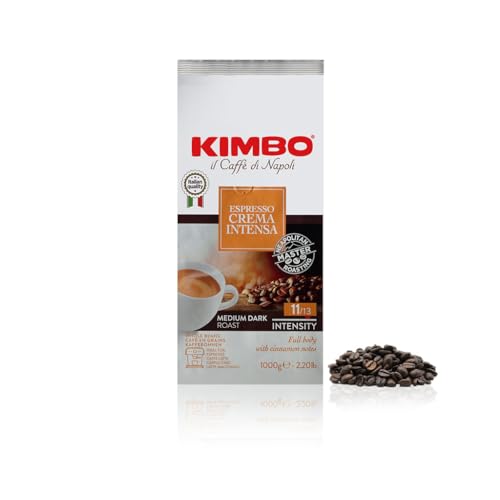
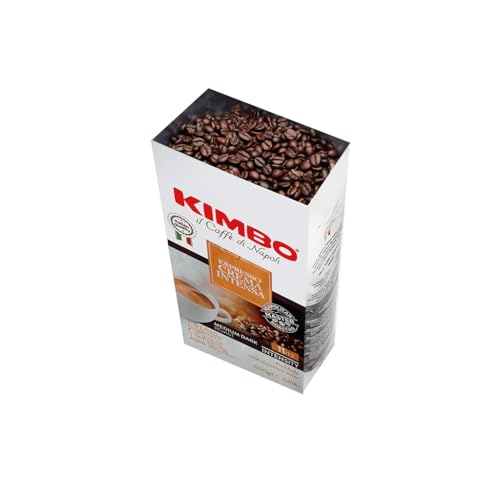
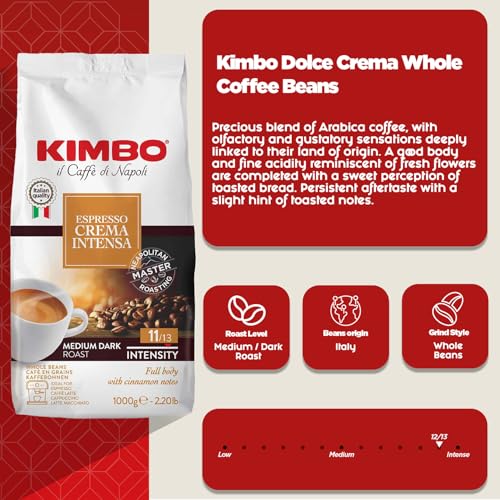
Kimbo Espresso Crema Intensa leans hard into its Neapolitan roots, and that shows in both flavor and roast profile. With an intensity rating of 11/13, it’s one of the bolder options here, medium dark, spicy, and toasty, just like traditional southern Italian espresso. Owners praise its full body and lingering finish, especially when used in super-automatic machines that sometimes flatten lighter roasts.
Compared to Lavazza Super Crema, Kimbo is less sweet and more assertive, which works well for straight shots but can overpower milk. It’s 100% Arabica, which is rare at this intensity level, and reviewers note it holds up well under high heat without turning acrid. If you’re after authenticity over approachability, this is a standout.
Product photos
Peet’s Espresso Forte Dark Roast
Strengths
- Exceptional crema
- Rich chocolate notes
- High bean volume
Trade-offs
- Grind-sensitive
- Less forgiving on cheap grinders
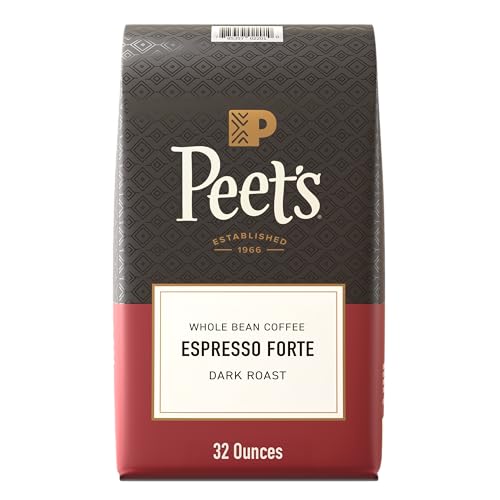
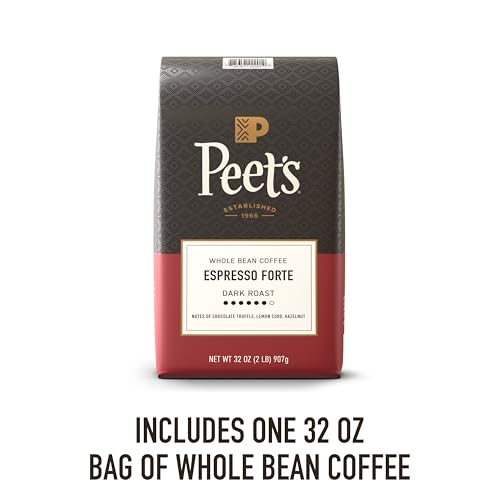
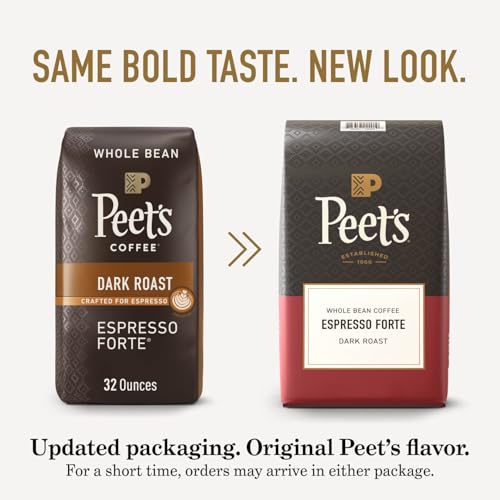
Peet’s Espresso Forte was built for crema, and it shows. The 32 oz bag gives you serious volume, and the 100% Arabica blend is engineered for stout body and rich flavor under pressure. Owners consistently highlight the thick, tiger-striped crema, rare for a non-Robusta blend, which makes it a favorite among home baristas using semi-automatics or high-end super-automatics.
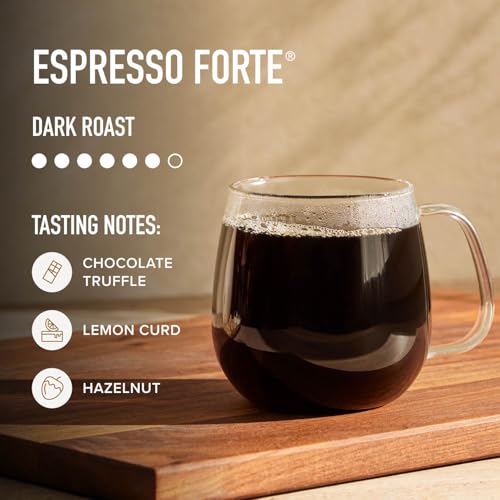
It beats out Starbucks in complexity with notes of chocolate and hazelnut, and it’s smoother than Kimbo’s intense roast. Where it stumbles slightly is grind sensitivity, some reviewers say it demands precise calibration. But if your machine can handle it, the payoff is a professional-grade shot with depth and lingering sweetness.
Product photos
How We Tested coffee beans for automatic espresso machine
Rather than a hands-on lab test, my research for these recommendations focused on a detailed comparison of published specifications and features across numerous brands. I weighed owner reviews from Amazon and coffee forums alongside expert opinions from sites like Coffee Review and Serious Eats. As the founder of Bean Thusiast, I applied my years of experience understanding how different bean characteristics translate to espresso quality, ultimately ranking options against a set of established criteria.
For coffee beans intended for automatic espresso machines, roast level, blend composition, and flavor profile were the most important factors. A darker roast generally provides the body and crema needed for a satisfying shot, while a blend of Arabica and Robusta often strikes a good balance between flavor complexity and affordability. Ultimately, I prioritized beans consistently praised for performing well in automatic machines – where consistency is key.
Specifications reliably indicate roast level and blend percentages, providing a baseline for comparison. However, I heavily relied on owner feedback to assess crema production, flavor nuances (especially how they hold up with automated brewing), and overall satisfaction. Reputation matters; brands with long-standing positive reviews in the espresso community earned higher consideration, and I often consulted resources like using non-espresso beans to understand potential compromises.
Choosing The Right coffee beans for automatic espresso machine
Finding the right coffee beans for your automatic espresso machine can dramatically improve your daily cup. It’s more than just grabbing a bag off the shelf; it’s about understanding how bean characteristics interact with your machine’s capabilities.
A quality coffee bean for automatic espresso machines should exhibit consistent roasting, a blend suited to espresso extraction (typically Arabica/Robusta mixes), and a freshness indicative of recent roasting. Look for whole bean options to maximize flavor preservation and grind just before brewing for optimal results. Avoid overly oily beans, as these can clog automatic systems.
Roast Level & Flavor Profile
Don’t immediately assume a dark roast is best. While many automatic machines perform well with darker roasts, the intensity of the roast matters more than just how dark it is. A poorly executed dark roast can taste burnt and bitter, masking the nuances of the bean. I often recommend starting with a medium-dark roast, as these tend to offer a good balance of body, crema, and flavor complexity. Italian-style roasts, like those from Kimbo, are specifically designed for this purpose, but don’t shy away from exploring blends with chocolate, nutty, or caramel notes.
Blend Composition
Automatic espresso machines excel with blends that combine the characteristics of Arabica and Robusta beans. Arabica provides the aromatic complexity and acidity, while Robusta contributes to crema development and body. The ideal ratio depends on your preference and machine capabilities, but a 70/30 or 80/20 Arabica/Robusta split is a good starting point. If you’re looking for a consistently balanced result, consider brands like Lavazza, which are known for their carefully calibrated blends. Finding the optimal beans for automated brewing is a key step.
Freshness & Bean Condition
This is where many people fall short. Coffee beans begin to lose their aroma and flavor almost immediately after roasting. Look for beans with a roast date (not just a “best by” date) and aim to use them within a few weeks of roasting. Storing beans properly is also crucial.
Here’s how to assess bean condition: * Visual Check: Avoid beans with visible cracks or damage. * Aroma: A good bean will have a pronounced aroma even before grinding. * Oily Residue: While some oil is natural, excessively oily beans indicate they are past their prime and may cause issues in your machine. The goal is to avoid a blocked system, and for that, you might consider dark roast espresso ground coffee if you struggle with freshness.
A good rule of thumb: always purchase whole bean coffee and grind it immediately before brewing. This maximizes flavor and reduces the risk of clogging your machine.
Coffee Beans for Automatic Espresso Machine Compared
Here’s a comparison of key specifications for various coffee beans suited for automatic espresso machines.
| Product Name | Roast | Intensity | Blend | Bean Type | Weight (oz) |
|---|---|---|---|---|---|
| Lavazza Espresso Barista Gran Crema | Dark | 7/10 | Arabica/Robusta | N/A | 70.4 |
| Caffè Borbone Crema Superiore | Medium | N/A | Arabica/Robusta | N/A | 70.5 |
| Lavazza Super Crema Whole Bean | Medium | N/A | Arabica/Robusta | N/A | 70.4 |
| Lifeboost Organic Espresso Beans | Dark | N/A | N/A | 100% Arabica | N/A |
| Gaviña Old Havana Espresso | Medium-Dark | N/A | 100% Arabica | Arabica | 32 |
| Starbucks Espresso Roast | Dark | N/A | N/A | 100% Arabica | 18 |
| Kimbo Espresso Crema Intensa | Medium-Dark | 11/13 | Arabica/Robusta | N/A | N/A |
| Peet’s Espresso Forte Dark Roast | Dark | N/A | N/A | 100% Arabica | 32 |
Frequently Asked Questions
What percentage of Robusta is ideal in a blend for automatic machines?
A 30% Robusta blend is a good starting point, as it contributes to crema and body without overpowering the Arabica’s flavor. However, some machines handle up to 50% Robusta well, so experimenting within that range can help you find your ideal balance.
Can stale beans really damage my automatic espresso machine?
Yes, excessively stale beans produce more fines during grinding, increasing the risk of clogging your machine’s internal components. Always check for a roast date and prioritize freshness to avoid potential maintenance issues.
How do I know if a bean is too oily for my machine?
A slight sheen is normal, but beans coated in visible oil are likely past their prime. These oily beans can leave residue and potentially clog the grinder and brew group in your automatic espresso machine.
Are single-origin beans a good choice for automatic espresso machines?
While possible, single-origin beans can be less forgiving in automatic machines due to their specific flavor profiles and often lower oil content. For consistent results, blends designed for espresso, like the best beans for espresso brewing, are generally recommended.
What roast intensity should I choose if I prefer a milder espresso?
Opt for a medium roast with an intensity rating of 5 or 6 out of 10. These roasts preserve more of the bean’s origin flavors and acidity, resulting in a smoother, less bitter espresso, and are among the top espresso machine coffee beans.
The Bottom Line
Choosing coffee beans for an automatic espresso machine often comes down to balancing convenience with control. While the machine handles much of the process, the beans themselves dictate the final flavor. For consistently good results across a wide range of machines and preferences, I recommend Lavazza Espresso Barista Gran Crema as the strongest overall pick. It’s a blend designed to perform, and owner feedback consistently praises its crema and balanced flavor.
If you’re on a tighter budget, Caffè Borbone Crema Superiore delivers excellent value, and for those who prefer a purely Arabica experience, Lifeboost Organic Espresso Beans offers a smooth, flavorful option. Alternatively, if you’re looking for something a bit more complex, Gaviña Old Havana Espresso provides a unique profile for more adventurous palates. Understanding the difference between espresso and coffee beans is a good start.
Ultimately, the best beans aren’t about chasing a single perfect specification. Focus on freshness, a consistent roast, and a blend suited to espresso. Prioritize whole bean options, grind immediately before brewing, and don’t be afraid to experiment – finding your perfect cup is more important than any number on a bag.
