
Using Regular Coffee Beans for Espresso: A Complete How-To
Yes, you can use regular coffee beans for espresso. The term “espresso” defines a brewing method, not a bean type. Any coffee bean can be used, but pulling a balanced shot requires matching three things: an extremely fine grind (250-350 microns), sufficient pressure (9 bars), and a fresh, whole-bean source. The label “espresso roast” is a roaster’s flavor target, not a brewing prerequisite.
The universal mistake is fixating on the bag’s label. People buy beans marked “espresso” and assume their machine will magically produce a perfect shot, or they avoid a fantastic light roast because it isn’t branded for espresso. The machine doesn’t read the label. It only responds to grind size, dose, and pressure.
This guide cuts through the marketing. We’ll cover the mechanics of why grind size is non-negotiable, how to adjust your process for any bean, and when you might actually want to seek out a dedicated espresso blend.
Key Takeaways
- The “espresso” label on beans is a roaster’s recommendation for a flavor profile that typically stands up to milk, not a technical requirement for your machine.
- Grind size is everything. You must achieve a particle size of 250-350 microns to create the necessary resistance for a proper 9-bar extraction.
- Whole beans are mandatory. Pre-ground coffee oxidizes too quickly and lacks the consistent fine grind needed, guaranteeing a weak, stale shot.
- Light roast beans will produce brighter, more acidic espresso; dark roasts yield heavier, more bitter notes. Neither is “wrong,” but each demands different grind adjustments.
- Your success hinges on a quality burr grinder far more than on the specific beans you choose.
The Real Difference Isn’t the Bean, It’s the Brew
Forget the bean aisle confusion. Espresso is a process. The Specialty Coffee Association defines it technically: a 25-35ml beverage extracted from 7-9 grams of coffee under 9 bars of pressure, ideally in 20-30 seconds. The pressure is the key actor. It forces hot water through a compacted puck of coffee, extracting oils and solubles quickly and intensely.
Espresso is defined by its brewing parameters, high pressure and a short extraction time, not by a specific type of coffee bean. Any coffee bean can be subjected to this process.
The label “espresso roast” is a roaster’s intent. They craft that blend or single-origin to taste particularly good, balanced, chocolatey, less acidic, when put through that high-pressure gauntlet. It’s a flavor target, not a functional key. A bean labeled for pour-over will still physically work in your portafilter. It might taste wildly different, maybe tea-like and floral, but the machine will still pull a shot.
TL;DR: Your espresso machine brews with pressure, not with labels. Any bean can be used, but the output flavor depends entirely on the bean’s roast and origin.
The Grind Size Non-Negotiable
This is where attempts fail. The required grind for espresso is powder-fine, between 250 and 350 microns. For perspective, table salt is about 350 microns. This fineness creates the puck resistance that allows pressure to build to 9 bars. Use a grind meant for drip coffee (700-1000 microns) and the water blasts through in 5 seconds, producing a sour, weak mess.
You cannot achieve this consistently with a blade grinder. It chops beans randomly, creating a mix of boulders and dust. The water finds the path of least resistance through the boulders, leading to uneven, under-extracted espresso. A burr coffee grinder is the single most important purchase for espresso. The parallel grinding plates produce uniform particles, which is the foundation of an even extraction.
| Grind Setting | Particle Size (Microns) | Use Case | What Happens in Espresso |
|---|---|---|---|
| Extra Fine | 250-350 | Espresso | Creates proper resistance for 9-bar pressure. Shot extracts in 25-35 seconds. |
| Fine | 350-500 | Moka Pot | Water flows too fast. Shot runs in 15-20 seconds, tastes sour and weak. |
| Medium | 500-800 | Pour-Over | No resistance. Shot gushes in <10 seconds, tastes like hot, bitter water. |
| Coarse | 800-1000 | French Press | Machine may not build pressure at all. Output is pale and flavorless. |
Common mistake: Using pre-ground “espresso” coffee, the grind is almost always too coarse for home machines, and it goes stale within hours of opening. You’ll get a flat, lifeless shot no matter how expensive the beans were.
The tactile test? Pinch a bit of your grind. It should clump together slightly, then break apart when you tap it. If it feels like flour and sticks to your fingers, it’s too fine and will choke the machine. If it feels gritty and won’t clump, it’s too coarse.
How Your Bean’s Roast Changes the Game
Now that grind is locked in, the bean’s roast level dictates the flavor script. A dark roast is more porous and brittle, making it easier to extract. A light roast is denser, requiring more precision to pull out its sugars.
- Dark Roasts (Espresso Roast, Italian Roast): These beans are oilier and have a pronounced bitter-chocolate profile. They are forgiving. The brittle structure extracts easily, so you can use a slightly coarser grind. They pair predictably with milk. This is why most commercial espresso blend profiles use a base of darker roasts.
- Medium Roasts: The sweet spot for many. They offer a balance of acidity and body, with more origin character than a dark roast. They require a precise grind but reward you with complexity.
- Light Roasts / Blonde Roasts: Here’s the frontier. Light roast beans are dense and packed with acidic, fruity notes. To extract them properly under pressure, you often need a finer grind and a higher dose. The result is an espresso that can be stunningly bright and tea-like, or intensely sour if mishandled. It’s an advanced move.
I pulled a fantastic Ethiopian Yirgacheffe (a classic light roast) as espresso for a month. The first ten shots were mouth-puckeringly sour. I had to grind finer than I ever had for a dark roast and increase my dose from 18g to 19.5g. When it clicked, the shot tasted like blueberry and lemon zest. It was terrible with milk but incredible alone.
TL;DR: Dark roast = easier, bitter, milk-friendly. Light roast = challenging, acidic, complex. Your grind setting must compensate for the bean’s density.
How to Adjust Your Process for Non-Espresso Beans
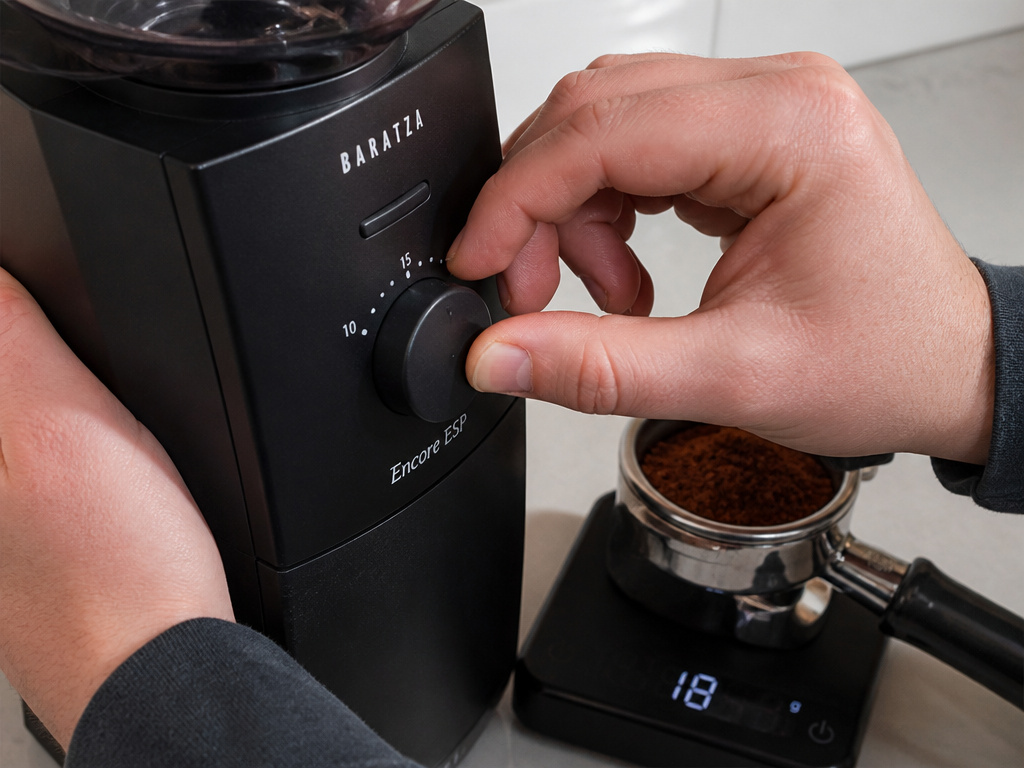
Let’s get practical. You have a bag of great single-origin coffees from Colombia or a blend labeled for filter brewing. Here’s the step-by-step adjustment.
- Start with a Clean Slate. Purge your grinder of old beans. Dark roast oils can linger and taint a light roast.
- Find Your Baseline Grind. Set your grinder to a known espresso-appropriate setting. For a Baratza Encore ESP, this might be around setting 15.
- Dose and Tamp. Weigh 18 grams of beans, grind, distribute the grounds evenly in the portafilter, and tamp level with consistent pressure (about 30 lbs).
- Pull the Shot and Time It. Start your machine. Your goal is 36 grams of liquid espresso in 25-35 seconds.
- Shot runs too fast (<25 seconds)? Your grind is too coarse. Adjust your burr coffee grinder 1-2 settings finer.
- Shot runs too slow (>35 seconds, drips)? Your grind is too fine. Adjust 1-2 settings coarser.
- Taste and Diagnose.
- Sour, sharp, salty? This is under-extraction. The water didn’t interact with the coffee long enough. Grind finer or increase your dose by 0.5 grams.
- Bitter, hollow, ashy? This is over-extraction. The water over-stayed its welcome. Grind coarser or decrease your dose by 0.5 grams.
This process of “dialing in” is mandatory, especially with unfamiliar beans. Write down your successful settings for that bag. The next bag, even from the same roaster, might need a different adjustment.
When “Espresso Beans” Are Actually the Right Call
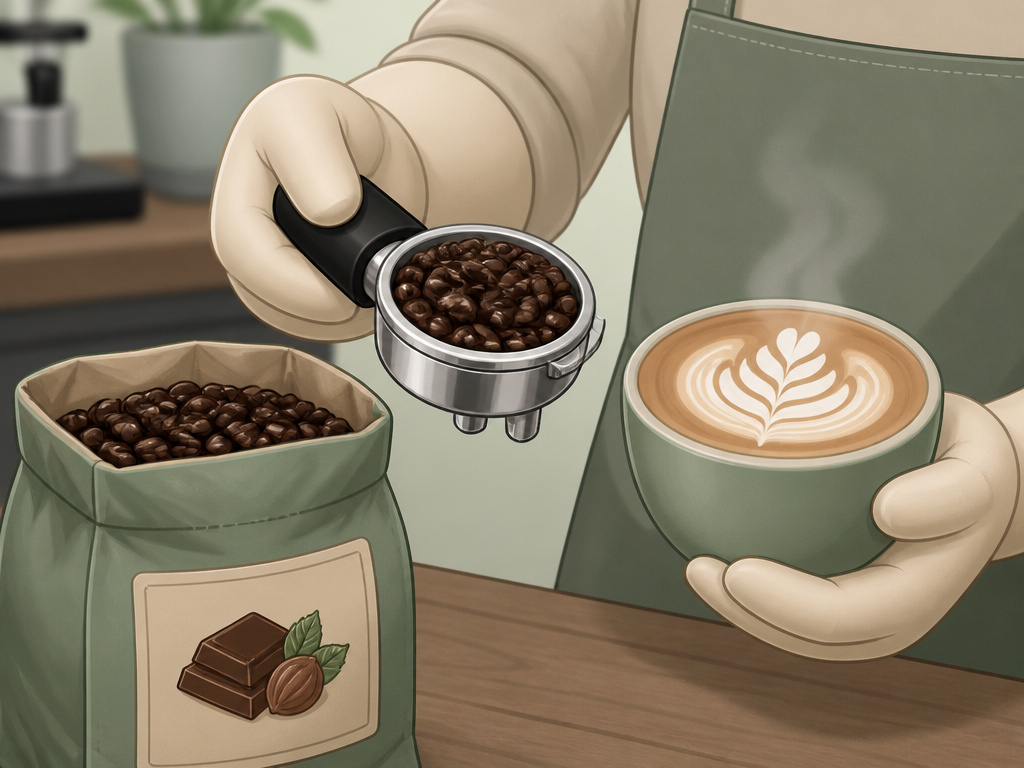
After all this, are dedicated espresso beans pointless? No. They serve a specific, valuable purpose.
If your primary goal is a consistent, hassle-free shot that works perfectly in milk-based drinks like lattes, a well-designed espresso blend is a shortcut. Roasters create these coffee bean blends to be balanced and forgiving under pressure, often emphasizing chocolate, caramel, and nutty notes that don’t get lost in milk. They are engineered for the method.
For a beginner, starting with a reputable espresso blend removes one major variable. You can focus on mastering your grind and tamp without also wrestling with a wild, acidic single-origin. It’s the training wheels that let you learn the mechanics of the bike.
Equipment Edges and Exceptions
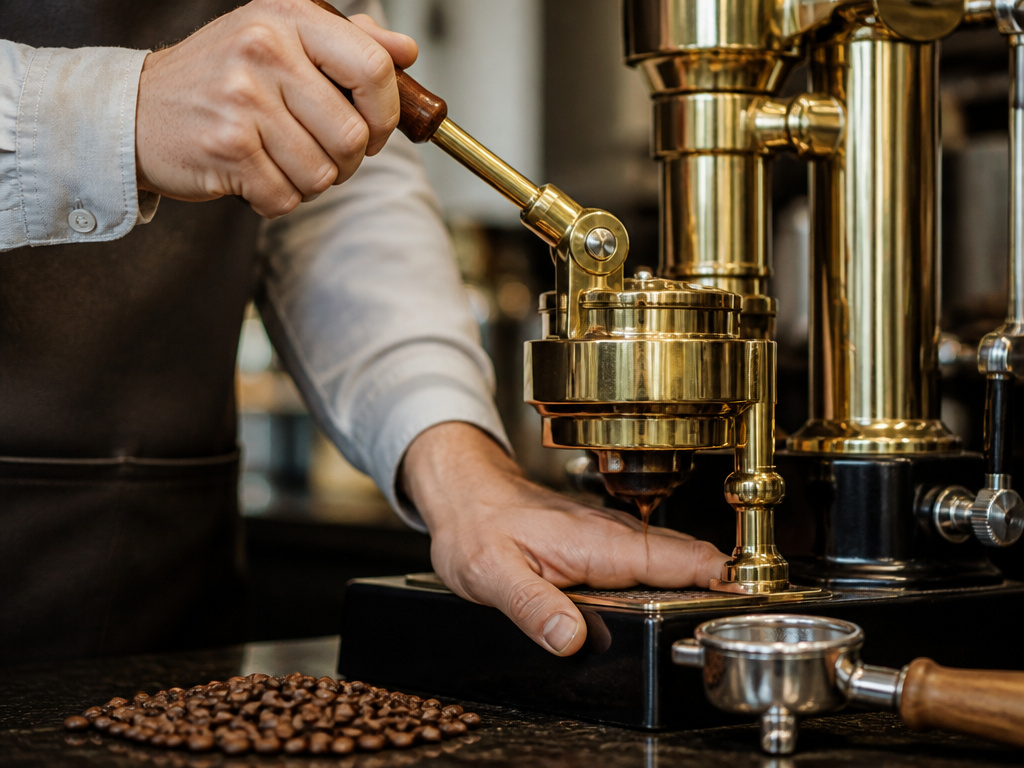
The 9-bar pump machine (like a Breville BES870) is the standard, but other machines change the rules slightly.
- Lever Espresso Machines: These manual machines allow you to control pressure on the fly. An experienced user can “save” a shot that’s grinding too fine by applying less force, or push harder on a coarse grind. This flexibility can forgive minor bean or grind inconsistencies that would doom a pump machine.
- Flow-Profiling Machines (e.g., Slayer Espresso): These high-end devices let you pre-program pressure curves. A long, low-pressure pre-infusion can fully saturate a puck of light roast beans before ramping to 9 bars, making those dense beans more extractable and less sour.
For 99% of home baristas with a standard pump machine, however, the rules are rigid. The machine applies fixed pressure. Your only control is the grind you feed it.
Frequently Asked Questions
Does using regular coffee damage my espresso machine?
No. The machine doesn’t know the difference. The only risk is using an excessively fine grind, which can over-pressurize and strain the pump, or using oily dark roast beans, which can gunk up a grinder over time. Clean your grinder regularly.
Why does my espresso taste bitter with regular beans?
Bitterness is a sign of over-extraction. Your grind is likely too fine, causing the water to dwell too long and pull out harsh compounds. Try a slightly coarser grind setting or reduce your dose by half a gram.
Can I use pre-ground coffee for espresso?
You can, but you shouldn’t expect good results. Pre-ground coffee lacks the freshness and, more critically, the specific, ultra-fine grind consistency required. It will almost always extract too fast, producing a weak, underwhelming shot. The convenience isn’t worth the ruined coffee.
Do I need a different grind for light roast vs. dark roast espresso?
Yes. Light roast beans are denser and harder to extract. You will typically need a finer grind setting for a light roast compared to a dark roast to achieve the same 25-35 second extraction time. Start fine and adjust coarser if the shot chokes.
How does bean freshness impact espresso?
Freshness is critical. Coffee beans release CO2 for about 2-3 weeks after roasting. This gas helps create the creamy “crema” on top of an espresso shot. Stale beans (older than a month) produce little to no crema and taste flat. Always buy whole beans and use them within a month of their roast date.
The Bottom Line
The gatekeeping around “espresso beans” is mostly marketing. Your machine is a pressure brewer, not a bean critic. Any fresh, whole coffee bean can become espresso. Your success is 90% dictated by your grinder’s ability to produce a consistent, powder-fine grind and your willingness to adjust that grind for each new bag.
Embrace the experimentation. Try that bright Arabica coffee bean from Ethiopia or that chocolatey Colombian. Use the dialing-in process as your guide. The perfect shot is less about finding the magic bean and more about mastering the mechanics of your own equipment. That’s where the real craft begins.
