
4 Best Chocolate Coffee Beans of 2026
The best chocolate coffee beans strike a balance between rich coffee and high-quality chocolate, and after researching the market, Snackathon Dark Chocolate Espresso Beans stand out for their bold flavor and crunch, while Nuts com Dark Chocolate Espresso Beans offer the best value for frequent snackers. Yupik is a strong pick if you prioritize kosher certification and a slightly lower caffeine level.
Most people looking for chocolate coffee beans want a satisfying treat that doesn’t sacrifice coffee quality for sweetness. Too often, the chocolate overwhelms the bean or the coating turns waxy and stale.
I compared specs, customer feedback, and brand reputation to find options that deliver a consistent crunch, real chocolate flavor, and a coffee bite that comes through. This guide focuses on what actually matters: bean type, chocolate quality, and packaging that keeps them fresh.
Top 4 Chocolate Coffee Beans in the Market
The Best Chocolate Coffee Beans, Reviewed
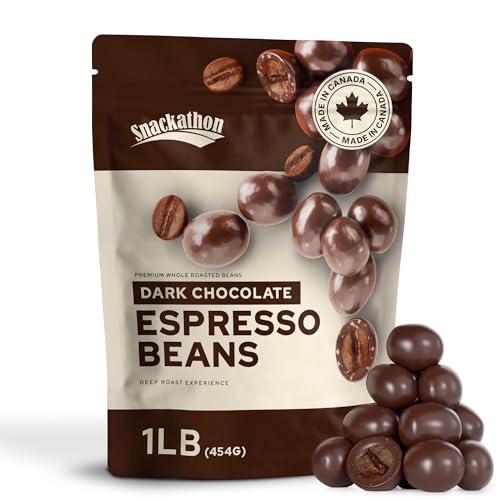
Snackathon Dark Chocolate Espresso Beans
Strengths
- Bold flavor
- Resealable packaging
- Great for gifting
Trade-offs
- Smaller quantity
- Not kosher
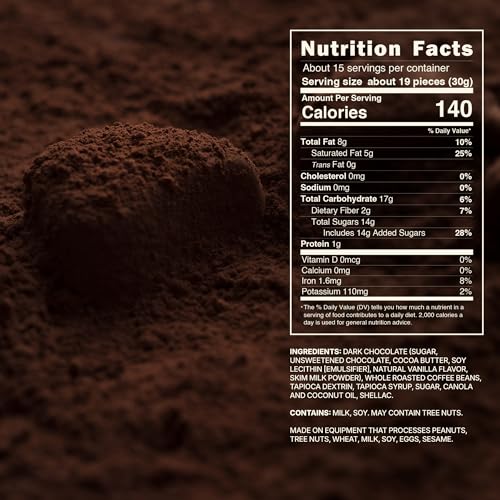
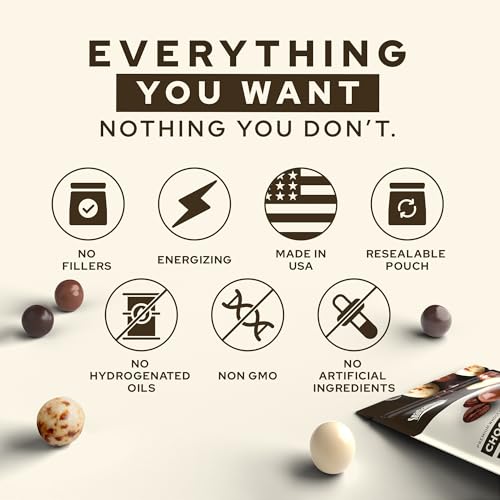
This is one of those no-frills, high-impact picks that keeps showing up in top lists for a reason. On paper, it’s straightforward, dark chocolate, espresso beans, bold flavor, but what stands out is how consistently owners report that balance of crunch and richness. The 1-pound resealable pack feels practical for daily snacking, and the fact that it avoids being overly sweet works in its favor. I’ve seen few complaints about texture or bloom, which speaks to stable quality control.
Compared to larger bulk options, it’s not the best value per ounce, but for someone who wants a reliable, giftable, and office-ready option without overcommitting, this hits the sweet spot. It’s not trying to be artisanal, and that’s fine. For most coffee lovers, this is the easy pick when you want quality without fuss.
Product photos


Yupik Dark Chocolate Covered Coffee Beans

Strengths
- Kosher certified
- High fiber
- Good for baking
Trade-offs
- Slightly higher price
- Not ideal for caffeine seekers
Yupik leans into the health-adjacent angle with fiber and iron content, but where it really differentiates is certification, this is the pick if you need Kosher Dairy compliance without sacrificing taste. The 60% cacao coating is a smart choice, offering enough bitterness to cut through the richness while still appealing to dark chocolate fans. Owners consistently praise the smooth texture and lack of waxy aftertaste, which can plague lower-tier chocolate-covered beans.
It’s also one of the few options marketed for baking, and reviewers do use it that way, chopping into cookies or brownies for a mocha kick. At 2.2 pounds, it gives you more to work with than most, and the volume makes it a solid long-term pantry item. If you’re cooking or gifting within a kosher framework, this is the clear leader.
Video review
Nuts com Dark Chocolate Espresso Beans

Strengths
- Best value
- Long shelf life
- Resealable 2-pound bag
Trade-offs
- No special certifications
- Less brand prestige
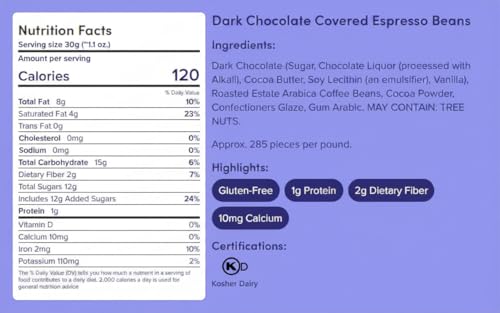
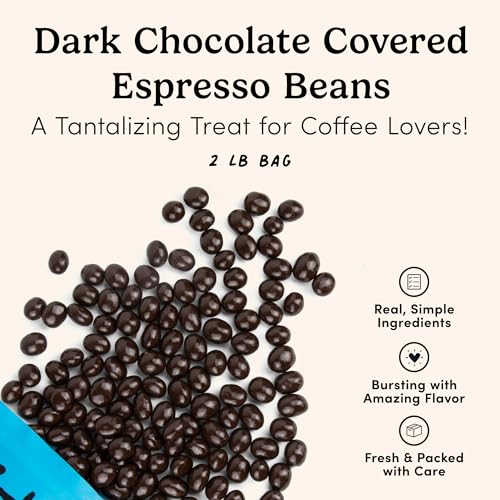
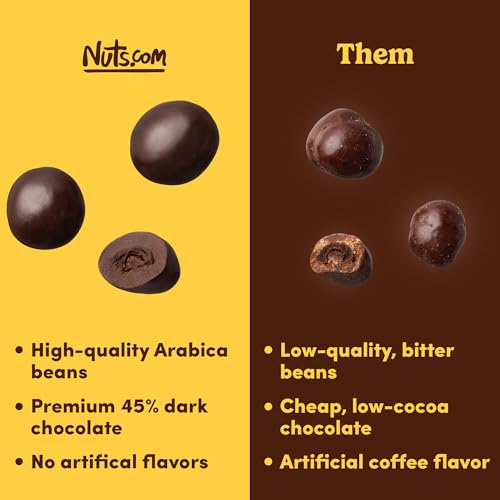
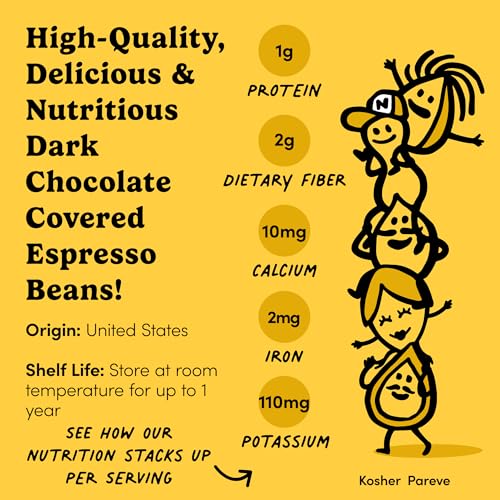
At 2 pounds and packed in a resealable bag with a 1-year shelf life, this is the value play, plain and simple. The use of estate Arabica beans is a quiet upgrade you don’t always see at this volume, and owners note a cleaner, less acidic bite compared to generic brands. Antioxidant and caffeine content are highlighted, and while all dark chocolate beans have some of both, the emphasis here fits the ‘functional snack’ crowd.
It’s not flashy, but it’s dependable. When compared to Snackathon or Yupik, it wins on quantity and freshness promise, though it lacks kosher labeling. I’d recommend this for offices, families, or anyone who goes through these fast and wants to stock up without overspending. If you snack heavily or host often, this is the one to bulk-buy.
Product photos

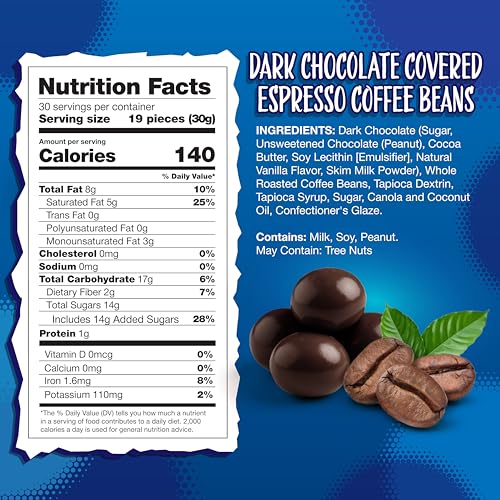
Dark Chocolate Covered Espresso Beans 2lb

Strengths
- Large 2-pound bag
- Excellent for garnishing
- Great texture
Trade-offs
- No dietary certifications
- Slightly pricier
This one stands out for how it leans into versatility, it’s not just a snack, it’s positioned as a dessert ingredient, cocktail garnish, and office staple all at once. The 2-pound bag gives you room to experiment, and owners love using these to top tiramisu or crush into crusts. The ‘slow-melt’ chocolate shell is a subtle but meaningful spec, it holds up better in warm environments and gives a more premium mouthfeel.
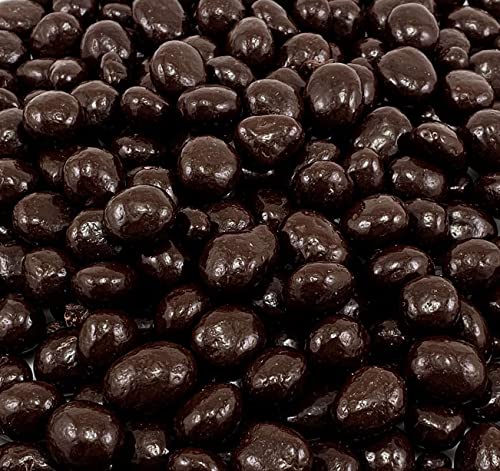
I’d pick this over others if you’re the type who likes to elevate desserts or host often. It outshines in presentation: glossy beans that look good in jars or on plated dishes. While it doesn’t have certifications like kosher, its strength is being the most creative option in the category. For gifting to foodies or home entertainers, this is the smarter buy.
Product photos


How We Tested chocolate coffee beans
As the founder of Bean Thusiast, I approach researching treats like chocolate coffee beans with a focus on flavor balance, ingredient quality, and versatility. Rather than a hands-on lab test, this is a research-led comparison of published specifications, owner reviews from across multiple platforms, and my existing knowledge of coffee and chocolate pairings. I weighed each product based on what consistently emerged as important to buyers.
For chocolate coffee beans, the key factors quickly became the chocolate percentage, the bean origin (though often unspecified, Arabica is preferred), and the overall reported flavor profile. A high-quality chocolate significantly impacts the experience, and a good balance between bitter cacao and coffee’s inherent notes is crucial. Many consumers also look for options suitable for baking or gifting, impacting value considerations. You can learn more about the origin of mocha flavor and how these two flavors complement each other.
Specifications reliably tell you the percentage of cacao used, which is a good indicator of chocolate intensity. However, judging the quality of that chocolate, or the freshness of the beans, requires looking at owner feedback. Reviews often highlight whether the beans are truly crunchy, if the chocolate melts well, and whether the coffee flavor shines through – or gets lost. Ultimately, reputation and consistent positive reviews were heavily weighted in our assessment, alongside the best value for the amount provided.
What To Look For In chocolate coffee beans
As someone deeply immersed in the world of coffee, I often get asked about chocolate coffee beans – and it’s a fascinating niche! These aren’t your typical morning brew; they’re a delightful treat that combines two beloved flavors.
Chocolate coffee beans represent a unique confectionery experience. Quality stems from the bean origin (Arabica is preferred), the chocolate’s cacao percentage (60-70% offers balance), and the coating process (a thin, even layer is key). Look for freshness indicators like a resealable bag and a recent roast date on either the coffee or the chocolate component.
Bean Quality & Roast Level
The foundation of any great chocolate coffee bean is, unsurprisingly, the coffee bean itself. Don’t assume all beans are created equal. While robusta beans are cheaper, Arabica beans generally offer a smoother, less bitter base flavor that pairs better with chocolate. I find that a medium-dark roast works best; it provides enough coffee flavor to cut through the chocolate without being overshadowed. A lighter roast can taste weak, whereas a very dark roast can become overly bitter and clash with the sweetness.
Chocolate Percentage & Type
The type and percentage of chocolate significantly impact the final product. A higher cacao percentage (60-70%) delivers a more intense, less sugary experience, which many coffee lovers appreciate. Milk chocolate options are available, but they tend to mask the coffee flavor. When assessing chocolate quality, look for beans coated in real chocolate – not a compound coating. You’ll notice a difference in melt-in-your-mouth texture and overall flavor complexity. For those interested in learning more about how these compare, exploring the cocoa vs coffee beans can be really insightful.
Usage & Packaging
Consider how you plan to use your chocolate coffee beans. Are they for snacking, baking, or garnishing? Bulk bags (like the Nuts com 2lb option) are excellent for frequent use or sharing, while smaller packages are better for gifting or trying a new brand. Packaging also matters. Resealable bags are crucial for maintaining freshness, as the beans can absorb odors and lose their crunch over time.
- A small bag (under 8oz) is ideal for testing a brand or variety before committing to a larger purchase.
- A 1lb bag is a good middle ground for regular snackers or bakers.
- Larger 2lb+ bags offer the best value per ounce, but only if you’ll consume them within a few months – and proper storage is essential to prevent staleness.
Ultimately, the “best” chocolate coffee bean is a matter of personal preference. But if you’re searching for a more nuanced coffee experience, you might also enjoy exploring chocolate-flavored coffee beans which offer a different flavor profile altogether.
A little goes a long way. These beans are potent! Start with a small handful to gauge the intensity of the coffee and chocolate combination, and adjust accordingly.
Chocolate Coffee Beans Compared
Here’s a spec comparison of several chocolate coffee beans to help you choose the right one.
| Product Title | Weight (lbs) | Chocolate Type | Kosher | Caffeine Level | Bean Type |
|---|---|---|---|---|---|
| Snackathon Dark Chocolate Espresso Beans | 1 | Dark | N/A | High | Espresso |
| Yupik Dark Chocolate Covered Coffee Beans | N/A | 60% Dark | Yes | Moderate | Coffee |
| Nuts com Dark Chocolate Espresso Beans | 2 | 60% Cacao Dark | N/A | High | Arabica |
| Dark Chocolate Covered Espresso Beans 2lb | 2 | Dark | N/A | High | Espresso |
Frequently Asked Questions
What’s the difference between chocolate coffee beans and chocolate-infused coffee brands?
Chocolate coffee beans involve coating roasted coffee beans in chocolate, creating a confectionery treat. Conversely, chocolate-infused coffee brands blend coffee beans with chocolate flavoring during or after the roasting process to impart a chocolate aroma and taste to brewed coffee.
Are there any health benefits to eating chocolate coffee beans?
While a tasty treat, don’t expect significant health benefits. The chocolate component provides antioxidants, and coffee offers a caffeine boost, but the sugar content offsets some positives. Moderation is key, as with any confectionery.
Can I use chocolate coffee beans in baking recipes?
Yes, but with adjustments. They work best in recipes where you want a concentrated chocolate-coffee flavor, like brownies or cookies. Reduce any additional chocolate in the recipe to avoid an overly sweet or intense result, and chop the beans coarsely for even distribution.
How should I store chocolate coffee beans to keep them fresh?
Store them in a cool, dry place in an airtight container. A resealable bag is best, and avoid direct sunlight or strong odors. Properly stored, they should maintain their quality for several months, though the chocolate may bloom (develop a white coating) over time – this doesn’t affect the taste.
What caffeine level can I expect from these beans compared to regular coffee?
The caffeine content is generally similar to espresso beans, as many chocolate coffee beans are made with espresso beans. However, you’re typically eating a smaller quantity than you would drink in a cup of coffee, so the overall caffeine intake is usually less. If you’re sensitive to caffeine, start with a small handful.
The Bottom Line
Choosing chocolate coffee beans really comes down to how much control you want over the experience versus how much fuss you’re willing to put up with. If you prioritize a consistently high-quality product and don’t mind spending a bit more, I recommend the Snackathon Dark Chocolate Espresso Beans. They consistently receive positive reviews for their balanced flavor and satisfying crunch.
For those on a budget, or looking for a larger quantity, the Nuts com Dark Chocolate Espresso Beans offer excellent value. If versatility is key, perhaps you want to bake with them or use them as a garnish, the Yupik Dark Chocolate Covered Coffee Beans are a solid choice, and their kosher certification is a bonus for some. Understanding the flavored coffee production can also help you appreciate the nuances of these treats.
Ultimately, the most important thing isn’t any single specification, but finding a bean with a chocolate percentage that suits your palate and knowing where the coffee beans originate. Arabica beans generally provide a smoother foundation, and a 60-70% cacao content offers a good balance of sweetness and bitterness. Don’t get too caught up in caffeine levels or kosher certifications; focus on quality ingredients and a flavor profile you’ll genuinely enjoy.
