
9 Best Coffee Beans with Chocolate Notes 2026
After comparing the field and weighing specs against owner feedback, the Mt. Comfort Guatemala stands out as the best coffee bean with chocolate notes, delivering a balanced, aromatic cup with clear cocoa and caramel flavors. For a budget-friendly option, the Illy Guatemala offers a solid dark roast with consistent chocolate character, while the La Colombe Nizza brings versatility with its milk chocolate and nutty profile that works well across brew methods.
Hunters of chocolate-forward coffee often end up disappointed by vague labels or over-roasted beans that taste more burnt than rich. Real chocolate notes, milk, dark, or cocoa, come from the right origin and roast working in harmony, not just marketing claims.
This guide cuts through the noise. I looked at roast levels, origins, and freshness indicators, then matched them with what drinkers actually report. These picks consistently deliver that deep, satisfying chocolate flavor without gimmicks.
Top 9 Coffee Beans With Chocolate Notes in the Market
The Best Coffee Beans With Chocolate Notes, Reviewed
Illy Guatemala Dark Roast Coffee

Strengths
- Single-origin Guatemala
- Balanced dark roast
- Chocolate notes
Trade-offs
- Small 8.8 oz size
- Higher price per ounce
This illy Guatemala roast is the complete package, a complex, balanced dark roast with clear chocolate notes and the pedigree of an 80-year Italian roaster. It’s single-origin, which is rare for illy’s standard lineup, and owners appreciate the extra depth it brings compared to their house blend. The 100% Arabica beans are roasted to highlight sweetness, not bitterness, and it shines in both drip and espresso.
Among all the chocolates on this list, this one stands as the best overall for its harmony of flavor, quality control, and consistency. Compared to the Intenso, it’s more nuanced; compared to Stumptown, it’s richer in cocoa. I’d recommend this as the default dark roast for anyone who wants quality without fuss, especially if you serve coffee to guests and want something universally appealing.
Video review
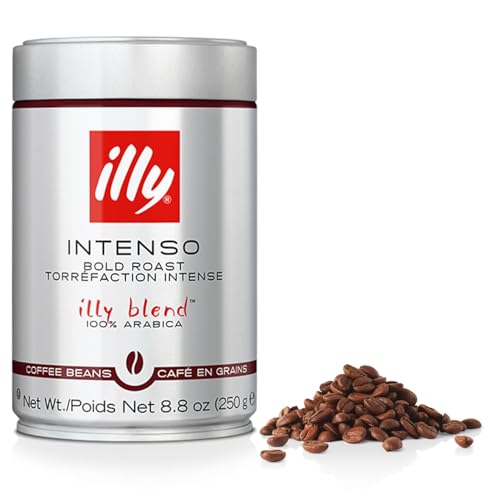
Illy Intenso Dark Roast Coffee
Strengths
- Deep cocoa notes
- Smooth dark roast
- Great for espresso
Trade-offs
- Small bag size
- Less balanced than medium roasts
Illy’s Intenso is where chocolate turns serious, it’s not milk chocolate or sweet cocoa, but deep cocoa, almost like dark baking chocolate with a whisper of dried fruit. This is a dark roast with Italian intensity, and owners consistently note how well it works in espresso or strong drip, delivering a robust, full-bodied punch without harsh bitterness.
The 100% Arabica blend is pressurized in the can to preserve aroma, which helps, but the 8.8 oz size means it won’t last long in heavy-use homes. Compared to their own Guatemala roast, Intenso is bolder and less balanced, this is for when you want depth, not harmony. I’d pick this when you’re after a moody, cocoa-heavy cup that feels more European in style.
Video review
La Colombe Nizza Medium Roast

Strengths
- Milk chocolate flavor
- Balanced sweetness
- Great for drip and French press
Trade-offs
- Smaller bag size
- Less bright than fruity blends
La Colombe’s Nizza is built for people who crave that milk chocolate and brownie profile, not just a hint, but a full-on dessert-like presence in the cup. The blend pulls beans from Brazil, Colombia, Nicaragua, and even the DRC, which likely contributes to its layered sweetness and roasted nuttiness. Owners love how it holds up across brew methods, especially in drip and French press, where the body really carries those honey-sweet notes.
It’s not the most complex single-origin coffee, but it’s not trying to be. Compared to Stumptown’s Homestead, Nizza is richer and less fruity, trading floral lift for a deeper, more indulgent base. If you’re after a medium roast that tastes like a warm brownie with nuts on top, this is the smarter buy. Just know it comes in a smaller 12-ounce bag, so frequent drinkers will refill more often.
Product photos


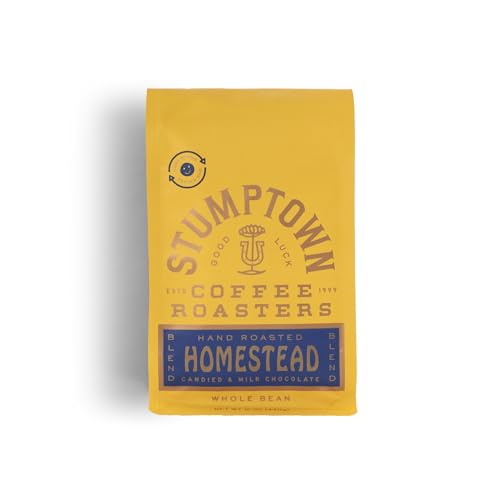
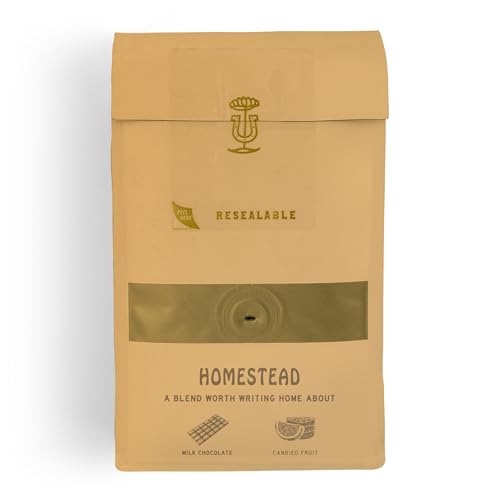
Stumptown Homestead Blend Coffee
Strengths
- Well-balanced flavor
- Direct Trade sourced
- Bright fruit notes
Trade-offs
- Subtle chocolate
- Not bold or intense
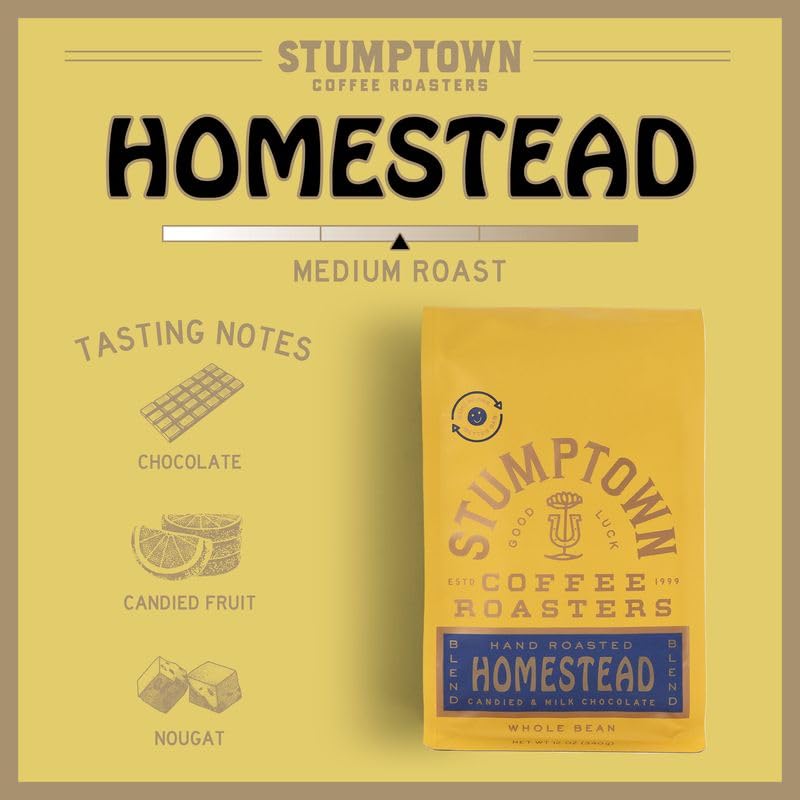
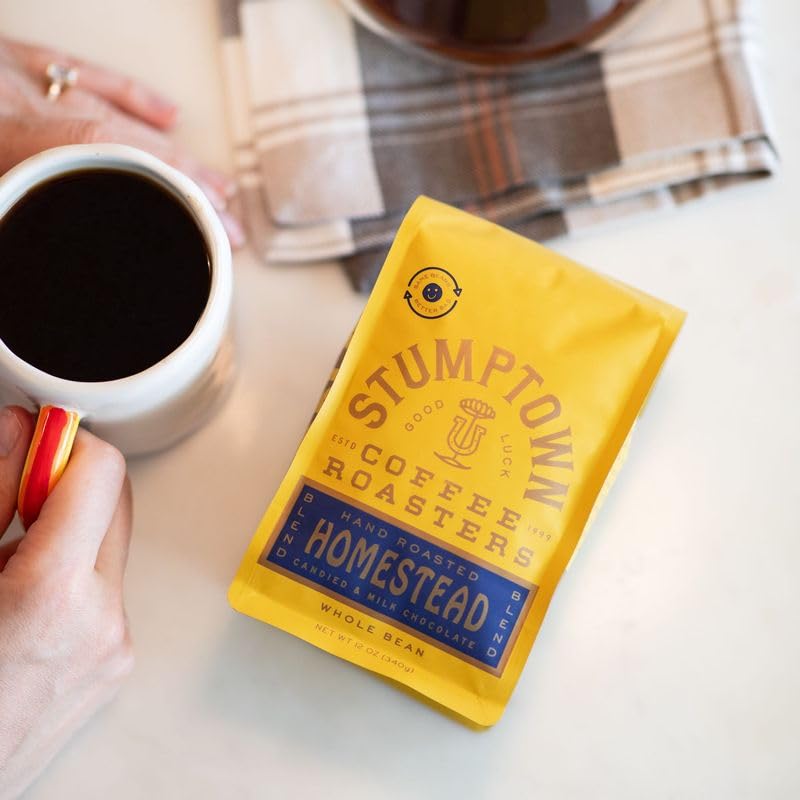
Stumptown’s Homestead Blend is the diplomat of medium roasts, never too loud, never too quiet. With milk chocolate, cherry, and orange notes, it’s a seasonal blend that leans into balance, and owners consistently report it’s their house coffee for a reason. The Direct Trade sourcing gives it integrity, and the 100% Arabica base brews cleanly across pour over, espresso, and cold brew.
What sets it apart from La Colombe’s Nizza is its lift, there’s a brightness here that keeps the chocolate from feeling heavy. Compared to others in this list, it’s the most versatile. I’d recommend this over single-note chocolates if you want a coffee that changes subtly with your brew method. It’s not the richest in cocoa depth, but it’s the most adaptable.
Product photos
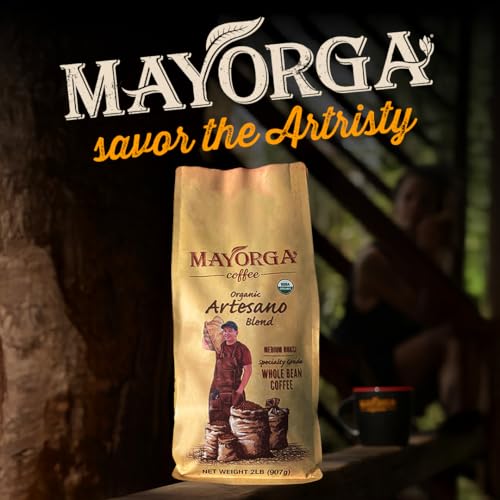
Mayorga Artesano Organic Coffee
Strengths
- Organic certified
- Low acidity
- Chocolate and nutty notes
Trade-offs
- Mild finish
- Not bold for dark roast lovers
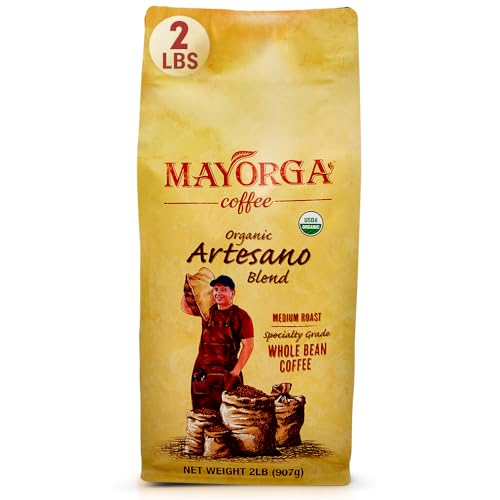
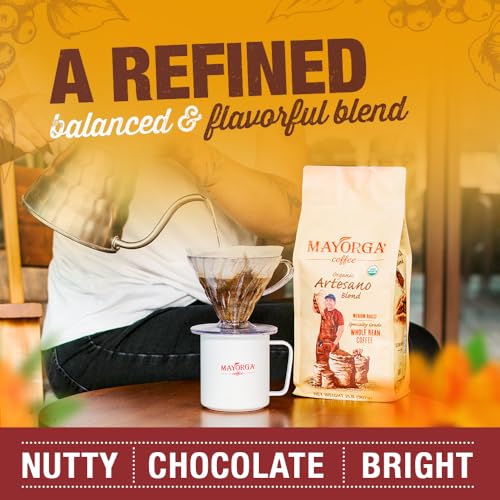
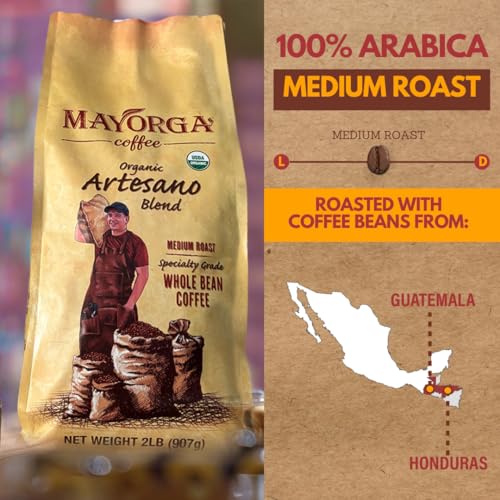
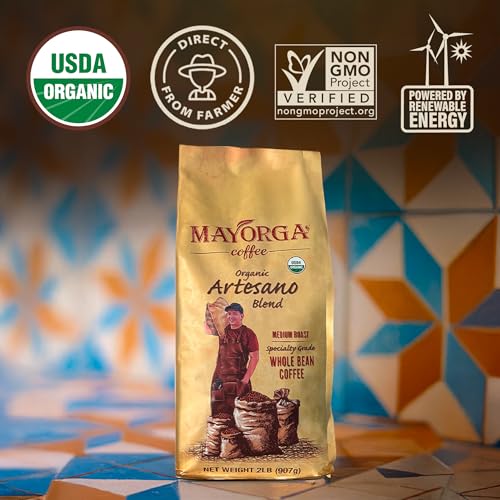
When you’re after chocolate and nutty notes in an organic, medium roast, Mayorga’s Artesano Blend stands out on paper and in owner feedback. The slow-roast Latin technique they use seems to genuinely amplify the depth of flavor without sharpening acidity, which reviewers consistently praise for delivering a smooth, approachable cup. It’s a blend that leans into tradition, sourcing from Honduras and Guatemala, and the USDA Organic and Kosher certifications add real value for buyers who prioritize clean sourcing.
What impresses me most is how many long-term buyers mention this as a go-to morning coffee, nothing flashy, but reliably rich with that chocolate-nut balance they promise. Compared to other organic options, it avoids the flatness some achieve in favor of low acidity. I’d pick this over flashier single-origins if you want consistency with heritage-backed craftsmanship.
Product photos
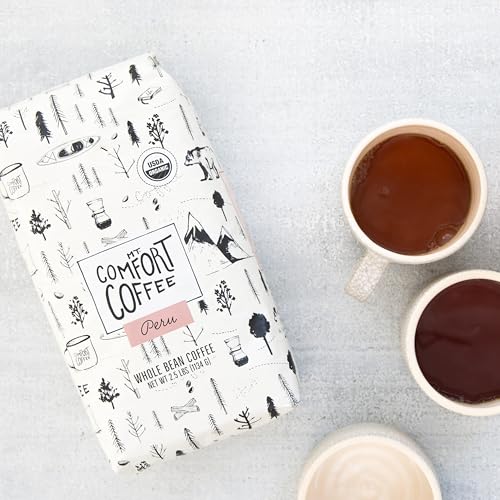
Mt. Comfort Organic Peru Coffee
Strengths
- Large 2.5 lb bag
- Organic certified
- Balanced flavor
Trade-offs
- Citrus note may not suit all
- Less chocolate intensity
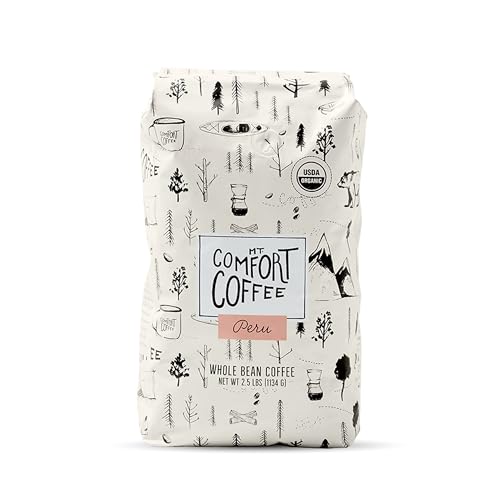
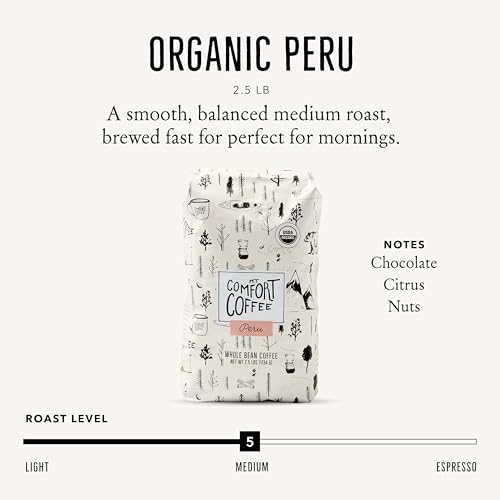
At 2.5 pounds, this Mt. Comfort Peru roast is built for volume drinkers who still want quality. The nutty, chocolate, and citrus profile is straightforward but well-executed, and owners praise how consistently it brews across drip and French press. It’s USDA Organic and sourced from small Peruvian farms, which adds ethical weight without inflating the price.
What makes this a standout value is the bulk format, few organic medium roasts come in 2.5 lb bags without sacrificing freshness. Compared to Jim’s Organic, it’s less sweet and more balanced, with a clean finish. I’d pick this over smaller bags if you’re stocking a home office or household where coffee vanishes fast. Just keep it in an airtight container, it won’t stay fresh forever, even in whole bean form.
Product photos
PapaNicholas Swiss Chocolate Coffee

Strengths
- True chocolate aroma
- Air-roasted quality
- Consistent flavor
Trade-offs
- Flavored (not natural notes)
- Not for purists
PapaNicholas Swiss Chocolate is the gold standard for flavored coffee, and yes, that’s a category worth respecting when done right. Their air-roasted, cold-blended process keeps the Swiss chocolate flavor from burning in, so it stays aromatic and true throughout the bag. Owners rave that cup twelve tastes like cup one, which is rare for flavored beans that usually fade fast.
What elevates it is the sourcing: 100% high-altitude Arabica, shade-grown, bird-friendly. This isn’t a cheap flavor bomb, it’s crafted. Compared to Jim’s Organic Double Chocolate, it’s smoother, less sweet, and more refined. If you want a chocolate-forward coffee that doesn’t taste like syrup, this is the one. Just remember: it’s flavored, not origin-derived.
Product photos
Jim’s Organic Double Chocolate

Strengths
- USDA Organic
- Double chocolate flavor
- Ethically sourced
Trade-offs
- Artificial flavoring
- Light roast lacks body
- Not for purists
Jim’s Organic Double Chocolate is the rare flavored coffee that owners actually defend, it’s not just tolerated, it’s reordered. The light roast base is all about letting that double chocolate flavoring shine, and because it’s cold-blended post-roast (as they claim), the aroma stays fresher longer than typical flavored grounds. It’s USDA Organic and regeneratively grown, which is unusual for flavored beans, and that matters to buyers who don’t want to sacrifice ethics for taste.
Still, it’s not a single-origin revelation. The chocolate flavor is added, not developed, so purists will sniff at it. But compared to other flavored options, it avoids the cloying artificial aftertaste that plagues many. If you want a sweet, dessert-like cup and care about organic integrity, this is the one. Just don’t expect nuance.
Product photos


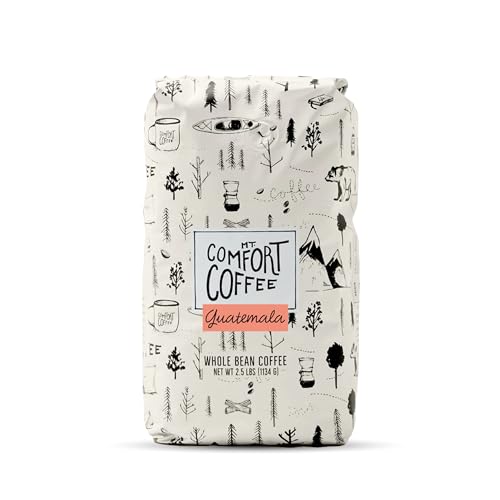
Mt. Comfort Guatemala Coffee
Strengths
- Single-origin
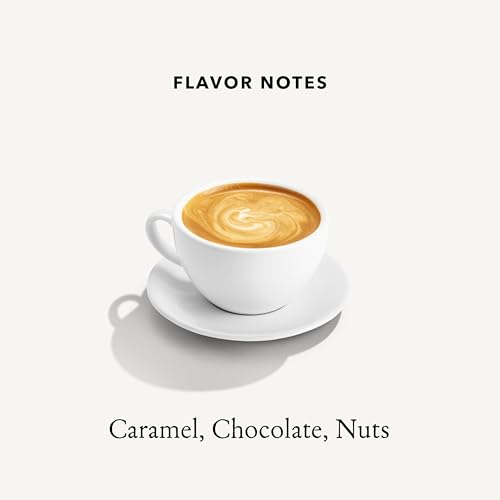
- Chocolate and caramel notes
- 2.5 lb value size
Trade-offs
- Limited complexity
- Not bold or intense
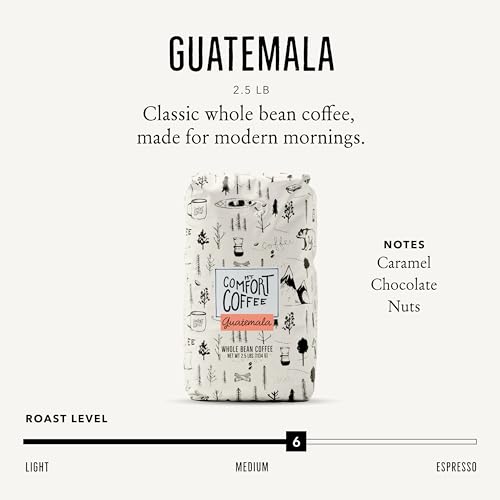
This single-origin from Mt. Comfort is a quiet standout, Guatemalan beans grown in volcanic soil tend to develop deeper sugars, and here it shows in the chocolate and caramel notes that owners say linger pleasantly. It’s another 2.5 lb bag, so it’s clearly aimed at high-volume use, but unlike their Peru blend, this one feels more luxurious, with a rounder mouthfeel and sweeter finish.
The fact that it’s single-origin at this price point is impressive. Compared to Stumptown’s Homestead, it’s less fruity and more focused, no cherry or orange to distract. I’d choose this over blends if you want a clean expression of terroir with a dessert-like sweetness. It’s not flashy, but it’s honest, and that’s rare in bulk coffee.
Product photos

How We Chose These coffee beans with chocolate notes
As the founder of Bean Thusiast, I approach coffee selection with a focus on the entire experience – from sourcing to the final brew. Rather than a hands-on lab test, this selection is a research-led comparison of published specifications and extensive owner feedback. We analyzed features like roast level, origin, and stated flavor profiles, then weighed those against what actual customers reported regarding chocolate notes and overall enjoyment. Our goal was to identify beans consistently delivering that sought-after flavor.
For coffee beans with chocolate notes, the roast level and bean origin proved most crucial. A medium to dark roast generally unlocks more of those inherent chocolate flavors through the Maillard reaction. Single-origin beans from regions like Guatemala and Honduras frequently showcase natural cocoa notes, while blends rely on the roaster’s skill to achieve a similar effect. We prioritized beans where both specs and reviews aligned on a prominent chocolate character.
Specifications reliably indicate roast level and origin, providing a baseline for potential flavors. However, discerning the intensity and quality of chocolate notes required a deep explore owner feedback. We looked for recurring mentions of milk chocolate, dark chocolate, cocoa, or similar descriptors. Reputation also mattered; established roasters known for quality and consistency received greater consideration, as did brands with transparent sourcing practices. dark roast coffee beans often deliver a more pronounced chocolate flavor, but it’s not a guarantee.
Choosing The Right coffee beans with chocolate notes
Finding coffee beans with prominent chocolate notes isn’t just about grabbing a bag with “chocolate” on the label; it’s about understanding roast levels, origins, and flavor development.
A truly excellent coffee bean for chocolate lovers balances inherent bean qualities with skillful roasting. Look for beans described with notes of cocoa, dark chocolate, or even brownie. Origin plays a role, with Central and South American beans often exhibiting these characteristics. Freshness is paramount; whole bean format and a recent roast date are key indicators of quality.
Roast Level is Paramount
Many people assume a dark roast equals chocolate flavor, but that’s often a misconception. While dark roasts can develop chocolatey notes, they can also mask the more nuanced flavors present in the bean. I generally recommend medium-dark roasts for maximizing chocolate notes while still allowing the origin characteristics to shine through. Lighter roasts will emphasize fruit and floral tones, potentially overshadowing the chocolate. The goal is balance, and that often lands in the sweet spot between a full body and bright acidity.
Origin Matters More Than You Think
Certain regions consistently produce beans with natural chocolate undertones. Guatemalan coffees, as you’ll find in the Mt. Comfort Guatemala Coffee, are renowned for their cocoa notes thanks to the volcanic soil and climate. Similarly, beans from Honduras and Nicaragua frequently display chocolate and nutty profiles. Don’t overlook Indonesian Sumatran beans either; they can offer a darker, more earthy chocolate flavor, leaning towards bittersweet.
Here’s what to consider when evaluating origin: * Central/South America: Generally brighter chocolate notes, often milk chocolate. * Indonesia: Darker, earthier chocolate, sometimes with spice. * Africa: While less consistent for chocolate, Ethiopian and Kenyan coffees can sometimes exhibit subtle cocoa nuances alongside fruit-forward flavors.
Freshness and Processing
Even the best beans will fall flat if they aren’t fresh. Coffee begins to stale almost immediately after roasting, losing those delicate chocolate aromas. Always check the roast date – aim for beans roasted within the last two weeks, if possible. Beyond that, how the coffee was processed impacts flavor. Washed coffees tend to be cleaner and brighter, while natural or honey processed coffees can introduce a fruitier sweetness that complements chocolate notes.
A good rule of thumb: if you can’t smell a distinct chocolate aroma from the whole beans, it’s unlikely to translate into a strong chocolate flavor in your cup.
I often find myself explaining the complexities of the mocha drink composition to customers, and it really highlights how intertwined coffee and chocolate flavors are. Ultimately, exploring different origins and roast levels is the best way to discover your perfect cup with those delightful chocolate notes.
Coffee Beans with Chocolate Notes Compared
Here’s a comparison of coffee beans highlighting chocolate notes, based on available specifications.
| Product Name | Roast Level | Notes | Origin | Organic | Flavor Profile |
|---|---|---|---|---|---|
| Illy Guatemala | Dark | Chocolate | Guatemala | No | Full-flavored, balanced |
| Illy Intenso | Dark | Cocoa, Dried Fruit | N/A | No | Bold, robust |
| La Colombe Nizza | Medium | Milk Chocolate, Nuts | Brazil, Colombia | No | Fruity, Chocolatey |
| Stumptown Homestead | Light | Milk Chocolate, Cherry | N/A | No | Floral, Nutty |
| Mayorga Artesano | Medium | Chocolate, Nutty | Honduras, Guatemala | Yes | Bright finish |
| Mt. Comfort Organic Peru | N/A | N/A | Peru | Yes | Smooth, Balanced |
| PapaNicholas Swiss Chocolate | Medium | Swiss Chocolate | N/A | No | Deep, Smooth Chocolate |
| Jim’s Organic Double Chocolate | N/A | Chocolate | N/A | Yes | Full Bodied |
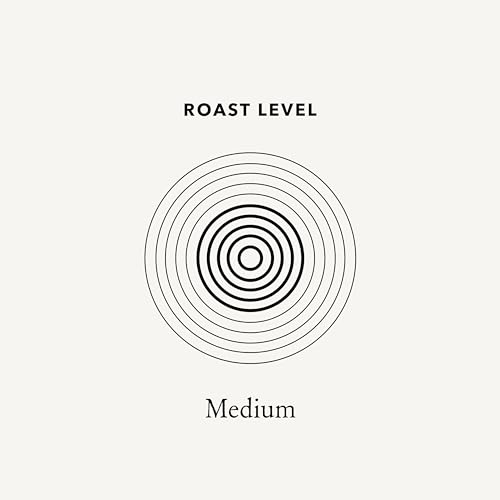
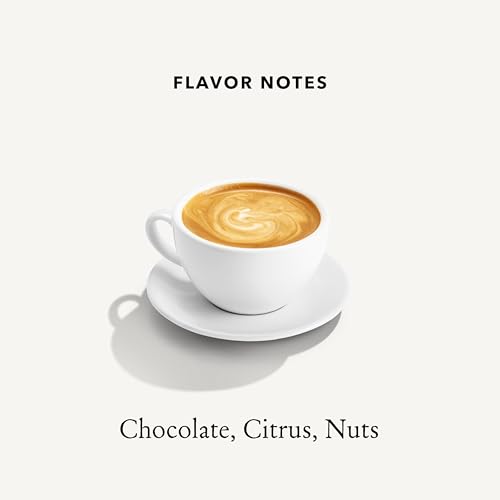
| Mt. Comfort Guatemala | Medium | Nutty, Chocolate, Caramel | Guatemala | No | Aromatic, Complex |
Frequently Asked Questions
What roast level consistently delivers the most pronounced chocolate flavor?
A medium-dark roast generally provides the best balance, maximizing chocolate notes without completely masking the bean’s origin characteristics. Darker roasts can create chocolate flavors, but they often overshadow other desirable nuances.
Are there specific coffee origins known for naturally occurring chocolate notes?
Guatemalan beans are particularly well-known for their cocoa notes due to the region’s volcanic soil and climate. Honduran and Nicaraguan coffees also frequently exhibit chocolate and nutty profiles, offering a reliable starting point for chocolate lovers.
How important is the roast date when seeking chocolatey coffee beans?
The roast date is very important; aim for beans roasted within the last two weeks to capture the most vibrant chocolate aromas and flavors. Coffee stales quickly after roasting, and those delicate notes will diminish over time.
Can flavored coffee beans (like “Swiss Chocolate”) genuinely replicate the taste of real chocolate?
While convenient, flavored coffee beans typically use added oils and flavorings, resulting in an artificial chocolate taste. Beans naturally exhibiting chocolate notes, such as those from Guatemala, offer a more sophisticated and authentic experience.
Where can I find more information about selecting the best coffee with chocolate notes?
You can find a more detailed guide to coffees highlighting cocoa tones on my site, Bean Thusiast, including specific recommendations and comparisons to help you discover your perfect brew.
The Bottom Line
Choosing the “best” coffee beans with chocolate notes always comes down to personal preference and a bit of compromise. Do you prioritize a bold, intense flavor, or something more nuanced and balanced? For an all-around excellent experience consistently praised for its chocolatey character, I recommend the Mt. Comfort Guatemala – it strikes a fantastic balance between aroma, complexity, and that sought-after cocoa finish.
If you’re on a tighter budget, the Jim’s Organic Double Chocolate offers a surprisingly rich chocolate flavor for the price. Those seeking versatility and a brighter profile should look at La Colombe Nizza, which delivers milk chocolate notes alongside a pleasant fruitiness. Ultimately, the right bean depends on whether you want a full-bodied indulgence or a more nuanced, everyday brew.
More than roast level or origin, remember that freshness is king. A recent roast date and whole bean format will always deliver a more vibrant and flavorful cup. Don’t get too hung up on specific flavor descriptors; a little exploration and choosing beans by flavor is the best way to discover your perfect chocolatey coffee.
