
7 Best Automatic Coffee Machines of 2026
The De’Longhi Magnifica Evo Next is the overall best automatic coffee machine for its consistent brews and intuitive design, the Ninja Luxe Café Premier stands out for versatility with its 25 grind settings and dual froth system, and the Philips 3200 Series is our top budget pick that still delivers reliable performance.
If your mornings start with a desperate need for good coffee but you don’t have the time or patience for finicky machines, you’re not alone. Most automatic coffee machines promise convenience but fall short on flavor, consistency, or ease of cleaning.
I looked at specs, owner feedback, and real-world performance to find the ones that actually deliver a satisfying cup without constant hassle. These picks balance grind quality, milk texturing, and long-term usability, so you get great coffee without becoming a part-time barista.
Top 7 Automatic Coffee Machine in the Market
The Best Automatic Coffee Machine, Reviewed
Philips 5500 Series
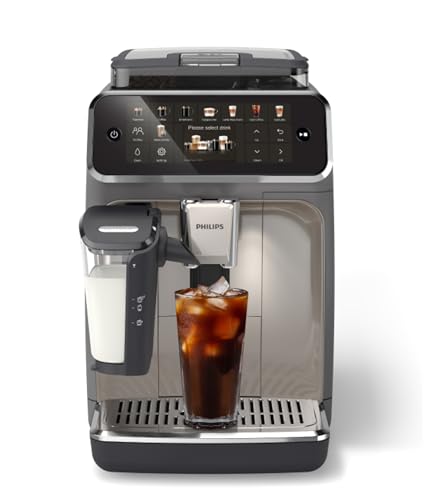
Strengths
- 20 drink presets
- SilentBrew certified
- LatteGo easy clean
- QuickStart ready
- 15-bar pressure
Trade-offs
- Higher price than entry models
- No cold foam option
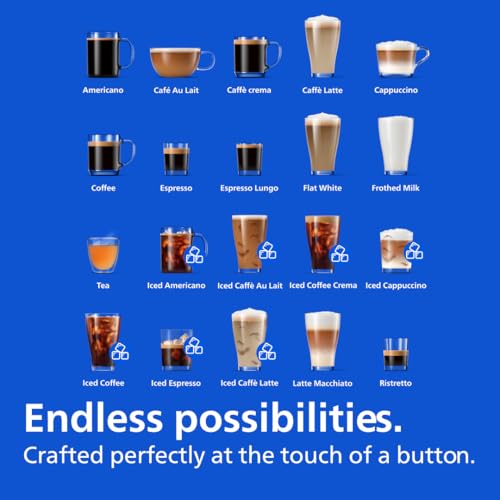
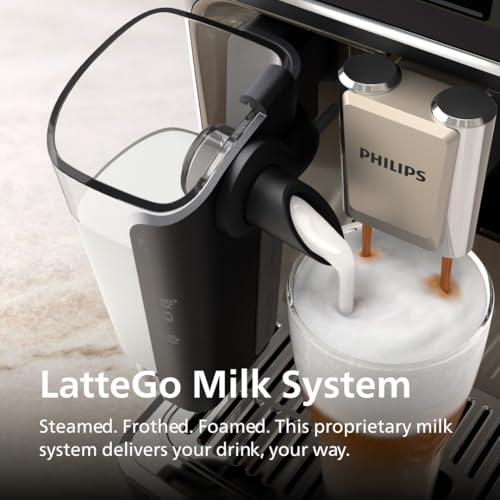
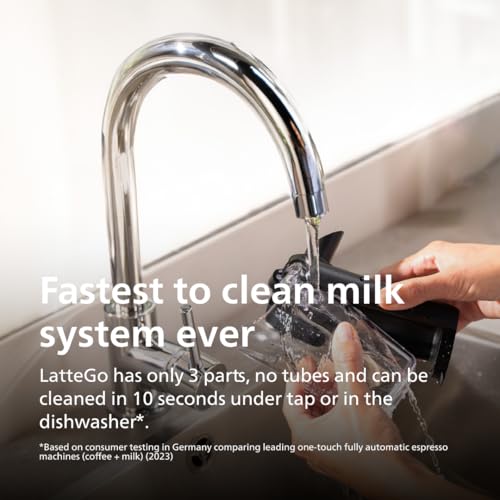
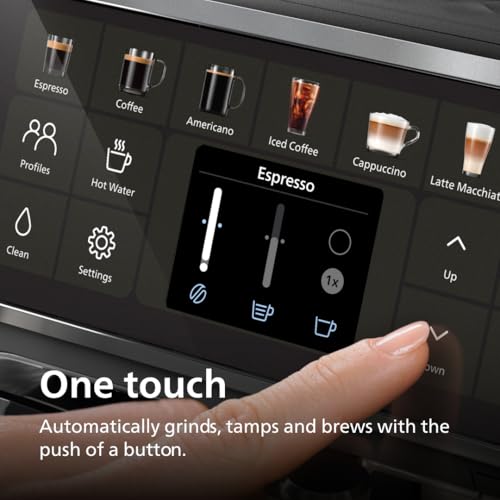
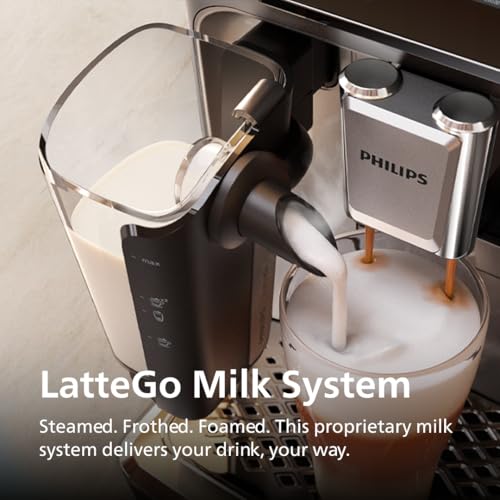
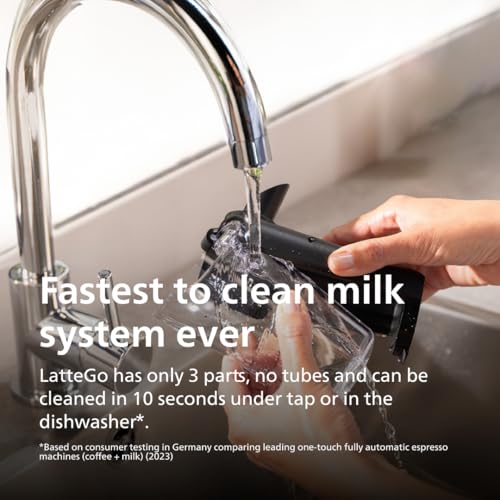
The Philips 5500 Series stands out in a crowded field because it balances automation with customization in a way that feels intuitive, not overwhelming. With 20 presets, including iced coffee and hot water, it’s built for households where coffee tastes vary wildly from person to person, or even day to day. The LatteGo milk system is a standout, praised by owners for being genuinely simple to clean, thanks to its three-part design and lack of internal tubing. If you hate milk residue lurking in hidden corners, this one’s engineered with your sanity in mind.
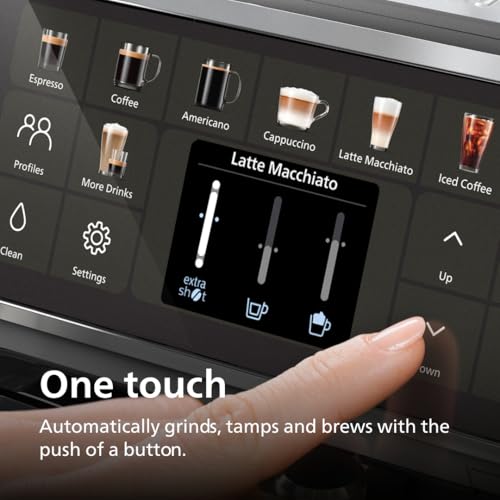
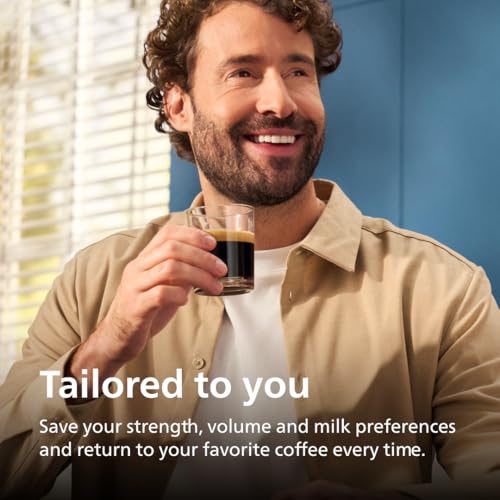
Performance-wise, the 15-bar pressure and SilentBrew tech deliver a quiet, consistent extraction, and the color display makes tweaking strength or volume straightforward. Compared to the 4400 model, the 5500 adds two extra user profiles and a slightly more refined interface, which justifies the bump in price for households with multiple coffee drinkers. It’s not the most customizable machine on paper, but for most users, it hits the sweet spot between café-quality output and daily convenience.
Product photos
Philips 3200 Series
Strengths
- AquaClean filter
- Low maintenance
- Simple milk system
- Affordable entry
- Ceramic grinder
Trade-offs
- Limited drink presets
- Basic customization
- Smaller bean hopper
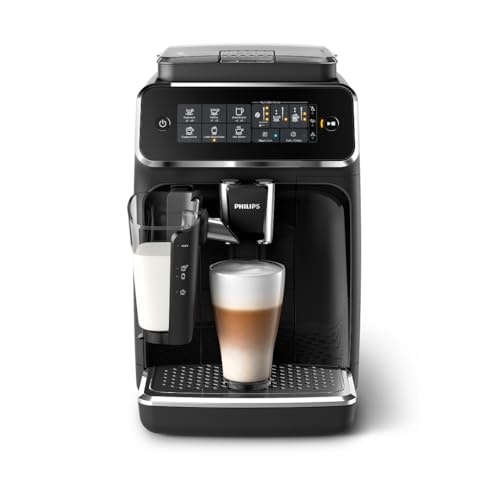
If you’re dipping your toes into super-automatics without wanting to drain your wallet, the Philips 3200 Series is the most sensible entry point. It offers core essentials, fresh grinding, one-touch brewing, and a simple milk system, without flashy extras. The AquaClean filter is a standout for maintenance, eliminating the need to descale for up to 5,000 cups. That’s a real time and hassle saver, especially for users who tend to skip routine maintenance.
Owners consistently report that the coffee quality is solid for the price, though it lacks the richness of higher-end models. Compared to the 4400 or 5500 Series, it only offers 5 drink options and a smaller feature set, but for someone who drinks mostly lattes or espressos and wants reliability over bells and whistles, this machine gets the job done. It won’t impress a coffee snob, but it’s a smart buy for the practicalist.
Video review
De’Longhi Magnifica Evo Next

Strengths
- 13 one-touch recipes
- LatteCrema system
- 3 user profiles
- Conical burr grinder
- Dishwasher-safe parts
Trade-offs
- No iced coffee preset
- Slightly slower heat-up
On paper, the De’Longhi Magnifica Evo Next has everything you’d want in a daily driver: a 13-setting conical burr grinder, 13 one-touch recipes, and the LatteCrema milk system that handles both dairy and plant-based milks with consistency. The 2.4-inch color display is a joy to navigate, and the ability to save three user profiles means your morning cappuccino can be brewed exactly how you like it, no fiddling. Reviewers note the milk frothing is among the creamiest in class, rivaling machines that cost hundreds more.
What pushes this ahead of the Philips 5500 for me? It’s the balance of customization, reliability, and clean design. While the Philips leans on presets, the Magnifica Evo Next lets you fine-tune intensity, size, and milk texture more intuitively. It’s also backed by De’Longhi’s reputation for durability. For most buyers, this is the easy pick if you want a do-it-all machine without overcomplicating things.
Video review
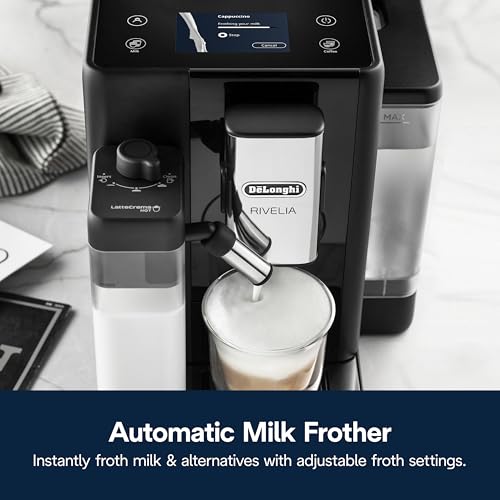
De’Longhi Rivelia

Strengths
- Dual bean hoppers
- 18 drink presets
- Guided bean setup
- LatteCrema Hot System
- Bean Switch System
Trade-offs
- Cold foam not included
- Higher price
- Larger footprint
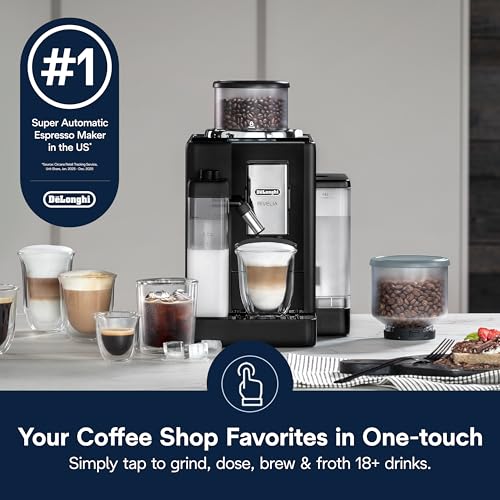
The Rivelia isn’t just another super-automatic, it’s built for people who switch beans like others change shirts. The dual bean hoppers are its killer feature, letting you go from decaf to dark roast without emptying and refilling a single hopper. That’s rare at this price point and a genuine time-saver for households with differing tastes. The guided setup for grind, dose, and temperature per bean type removes guesswork, which even experienced users appreciate.
With 18 presets, including cortado and flat white, it’s one of the most versatile machines here. The LatteCrema Hot System delivers excellent foam, and the option to add cold foam via an accessory (sold separately) adds flexibility. Compared to the Magnifica Evo, it trades a bit of simplicity for specialization in bean switching. If you rotate roasts often, this is the machine worth stretching your budget for.
Product photos


Philips 4400 Series
Strengths
- LatteGo easy clean
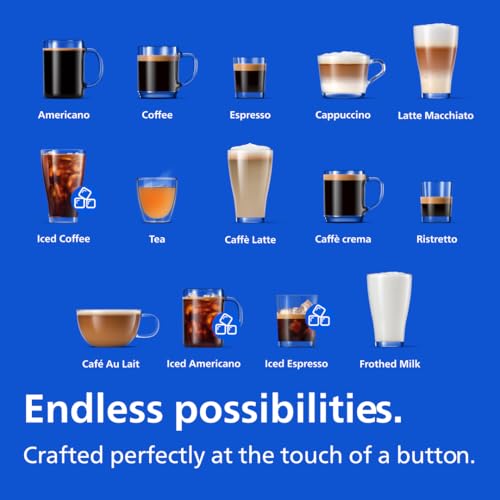
- 12 drink presets
- SilentBrew tech
- QuickStart ready
- 15-bar pressure
Trade-offs
- Only 2 user profiles
- No milk texture control
- Less customization than rivals
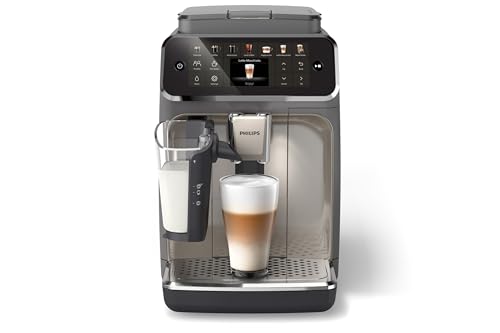
The 4400 Series is where Philips starts to deliver real value in the mid-range. It shares the LatteGo milk system and SilentBrew tech with the pricier 5500, meaning you still get fast, quiet brewing and a milk frother that’s a breeze to clean. The 12 presets cover all the basics, espresso, latte, iced coffee, and the color display makes navigation simple. It’s a strong step up from the 3200, especially if you want more drink variety and user profiles (two, versus none).
But compared to the De’Longhi Magnifica Evo Next, it falls short in grinder customization and drink depth. The lack of intensity or milk texture adjustment makes it feel a bit more rigid. Still, for someone upgrading from drip coffee or a pod machine, the 4400 offers a smooth transition into fresh-bean espresso with minimal learning curve. I’d pick it over the 3200 for the added presets and faster startup.
Product photos
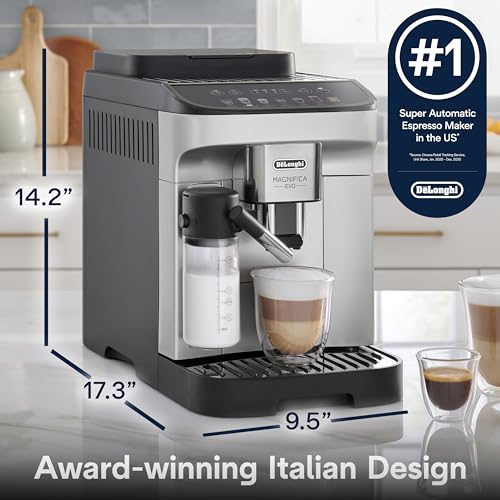
De’Longhi Magnifica Evo
Strengths
- Over Ice preset
- Fridge-safe milk carafe
- LatteCrema system
- Conical burr grinder
- Easy cleanup
Trade-offs
- Fewer drink options
- No dual profiles
- Basic interface
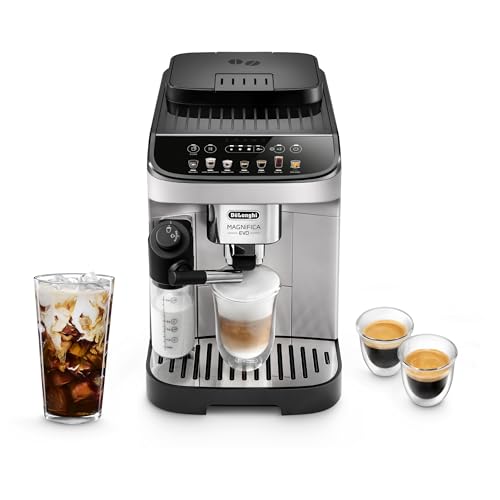
If iced coffee is your go-to morning (or afternoon) drink, this De’Longhi model is the only one here that treats it like a first-class beverage. The Over Ice recipe automatically adjusts dose and brew strength to prevent dilution, delivering a bold, balanced iced coffee without requiring user tinkering. That’s a small but meaningful detail that owners genuinely appreciate.
Beyond that, it’s a solid, no-frills machine with 7 one-touch drinks, a 13-setting conical burr grinder, and the same LatteCrema system found in pricier models. The milk carafe can be stored in the fridge, which keeps milk fresh and ready for cold drinks. It doesn’t have the preset count of the Rivelia or the customization of the Evo Next, but for someone who drinks more iced coffee than hot lattes, this is the smarter buy.
Product photos


Ninja Luxe Café Premier

Strengths
- 3-in-1 brewing
- Weight-based dosing
- Dual Froth System
- Assisted tamper
- Cold brew option
Trade-offs
- Large footprint
- Complex interface
- Noisy during brew
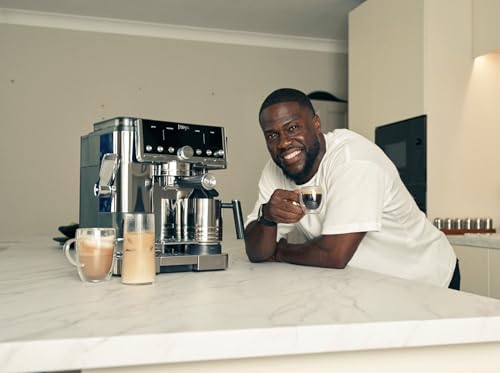
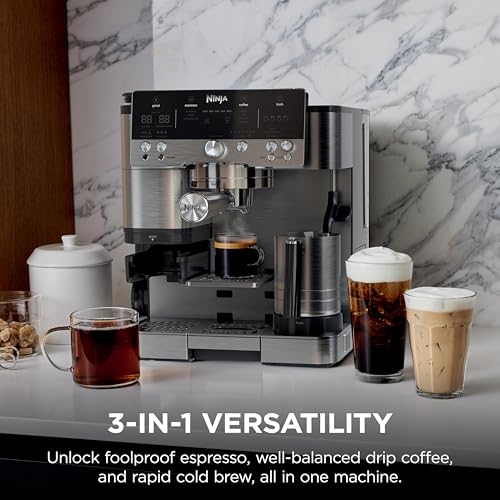
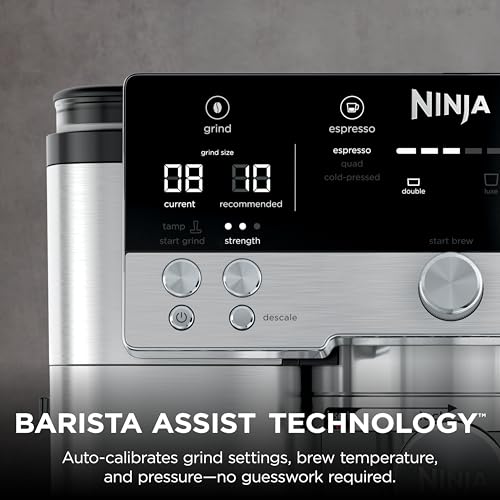
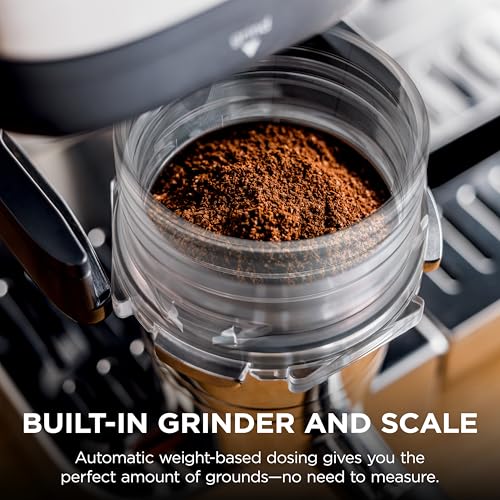
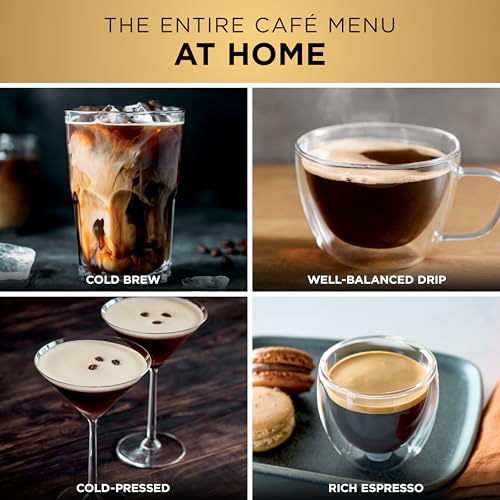
The Ninja Luxe Café Premier doesn’t just brew espresso, it redefines what a single machine can do. With three brewing modes, espresso, drip, and cold brew, it’s the only machine here that truly replaces multiple appliances. The weight-based dosing and Barista Assist tech are serious upgrades over time-based grinding, ensuring each drink gets the right amount of grounds. That’s a feature usually seen in prosumer gear, not super-automatics.
The Dual Froth System handles both hot and cold microfoam with preset programs, and the assisted tamper guarantees even puck prep, two things that elevate shot quality. Compared to De’Longhi or Philips models, it’s bulkier and more complex, but for someone who drinks drip coffee in the morning, espresso after lunch, and cold brew in the afternoon, this is the ultimate all-in-one. It’s not the most elegant, but it’s the most versatile.
Product photos
How We Chose These automatic coffee machine
As someone who’s spent years exploring the world of coffee, from sourcing beans to perfecting brewing methods, I approached this guide with a focus on delivering real value. Rather than a hands-on lab test of each machine, this is a research-led comparison of published specifications, features, and – crucially – owner and expert reviews. I analyzed numerous models, weighing their capabilities against each other to identify those that truly stand out.
For automatic coffee machines, consistency and versatility were the biggest factors in my assessment. A machine’s ability to reliably deliver a quality brew, day after day, is paramount. Equally important is the range of drinks it can produce; the best machines cater to diverse preferences, from espresso to lattes and everything in between. I also prioritized ease of use and cleaning, as these contribute significantly to long-term satisfaction.
Specifications reliably indicate a machine’s potential – grind settings, pump pressure, and bean hopper capacity are all important. However, owner feedback proved critical for understanding real-world performance. I paid close attention to reports about durability, consistency of milk frothing, and the accuracy of automated features. If you’re looking to expand your espresso knowledge beyond automated machines, you might find this Breville machine setup guide helpful. Reputation among coffee enthusiasts and reviews from trusted sources further informed my rankings.
How To Choose The automatic coffee machine
Finding the right automatic coffee machine can feel overwhelming, but a few key considerations will steer you toward a fantastic brewing experience.
A quality automatic coffee machine consistently delivers delicious coffee with minimal effort. Look for models with robust conical burr grinders, adjustable settings for grind size and brew strength, and a reliable milk frothing system (if desired). Consistent temperature control and easy cleaning are also crucial for long-term satisfaction.
Grind Quality & Consistency
The grinder is the heart of any bean-to-cup machine, and this is where many models differentiate themselves. Don’t settle for blade grinders; a conical burr grinder is essential for a uniform grind, which unlocks the full flavor potential of your beans. The number of grind settings is also important – more settings allow for finer adjustments to suit different bean types and roast levels. A wider range (like the 25 settings on the Ninja Luxe Café Premier) offers more control, but even 13 settings (found on several De’Longhi models) can be sufficient for most home baristas.
Milk Frothing & Customization
If you enjoy milk-based drinks, the milk frothing system is a critical factor. Automatic systems, like De’Longhi’s LatteCrema or Philips’ LatteGo, offer convenience and consistency. The LatteGo is particularly praised for its easy cleaning – a huge benefit. However, even with automatic systems, look for adjustability. Can you control the froth texture and temperature? The ability to customize drink strength, volume, and even save user profiles (as offered by De’Longhi machines) elevates the experience and ensures everyone in the household gets their perfect cup. For those looking for a broader range of options, exploring super-automatic espresso machines with integrated grinders can reveal even more advanced customization features.
Value, Features & Ease of Use
Ultimately, the best machine balances features with price and usability. The Philips 3200 Series, for example, offers a solid entry point into the world of automatic coffee, providing a good set of features without breaking the bank. Consider what you actually need. Do you need 20 preset drink options (Philips 5500 Series) or will 7 suffice (De’Longhi Magnifica Evo)?
Here’s a quick guide to help prioritize:
- Simple Brews: If you primarily drink espresso or black coffee, a basic model with adjustable grind and brew strength is sufficient.
- Milk Drink Lover: Prioritize a machine with a high-quality, easy-to-clean automatic milk frothing system.
- Variety Seeker: Look for a model with a wide range of presets and customization options, like the Ninja Luxe Café Premier, offering multiple brewing styles.
Don’t overspend on features you won’t use. A simpler machine, maintained properly, will almost always deliver better coffee than a complex one that sits neglected.
Finally, remember that even the most advanced machine requires some level of maintenance. Understanding the Nespresso maintenance steps (though these aren’t Nespresso machines, the principles apply) – descaling, cleaning, and filter replacement – is key to ensuring your machine continues to produce excellent coffee for years to come.
Automatic Coffee Machine Compared
Here’s a comparison of key specifications for several automatic coffee machines.
| Product Name | Recipes (One-Touch) | Grind Settings | Milk Frothing System | Bean Hopper(s) | Display Type | Cleaning |
|---|---|---|---|---|---|---|
| De’Longhi Magnifica Evo Next | 13 | 13 | LatteCrema Hot | Single | 2.4” TFT Color | Dishwasher Safe |
| Ninja Luxe Café Premier | 6+ | 25 | Dual Froth | Single | N/A | Dishwasher Safe |
| De’Longhi Rivelia | 18 | 13 | LatteCrema Hot | Two (8.8oz) | N/A | Auto-Clean |
| Philips 5500 Series | 20 | N/A | LatteGo | Single | Color | Dishwasher Safe |
| Philips 4400 Series | 12 | N/A | LatteGo | Single | Color | Dishwasher Safe |
| Philips 3200 Series | 5 | N/A | 2-Part | Single | Touch Display | 15 Sec Rinse |
| De’Longhi Magnifica Evo | 7 | 13 | LatteCrema | Single | N/A | Dishwasher Safe |
Frequently Asked Questions
What’s the typical lifespan of an automatic coffee machine?
With regular cleaning and descaling, you can generally expect 3-5 years from an automatic coffee machine. Higher-end models with more robust components may last longer, potentially up to 10 years, but consistent maintenance is key.
Are automatic coffee machines difficult to clean?
Cleaning varies by model, but most have dishwasher-safe parts like the brew group and drip tray. The Philips LatteGo system is particularly easy to clean because of its simple, two-part design, while De’Longhi’s LatteCrema systems have auto-clean functions.
Can automatic machines produce true espresso?
Yes, most automatic coffee machines can produce espresso, but quality depends on the pump pressure (aim for at least 9 bars) and the grinder’s ability to create a fine, consistent grind. For truly café-quality espresso, a dedicated espresso machine is still preferable, but these machines get close.
Do I need to use filtered water in my automatic coffee machine?
Absolutely. Using filtered water prevents mineral buildup which can damage the machine and affect the taste of your coffee. Descaling solutions address buildup, but prevention is always better, and filtered water significantly improves brewing quality.
Where can I find more information about top fully automatic coffee machines?
If you’re interested in a deeper explore the market, you can find a detailed review of top fully automatic coffee machines on my site, where I compare features and performance across a wider range of models.
The Bottom Line
Choosing an automatic coffee machine often comes down to balancing convenience with control. You can spend more for a machine packed with features and customization options, or focus on simplicity and reliability. For a fantastic all-around experience that delivers consistently excellent coffee with minimal fuss, I recommend the Ninja Luxe Café Premier. Its wide range of grind settings and brew styles make it a standout choice.
If you’re on a tighter budget, the Philips 3200 Series provides a great entry point into the world of automatic coffee. For those who prioritize milk-based drinks and easy cleanup, the Philips 5500 Series, with its LatteGo system, is a clear winner. And if you’re already invested in a more complex system, learning about Jura machine daily use can help you get the most from your investment.
Ultimately, the most important factors aren’t the number of presets or the fanciest display. Consistent grind quality, reliable temperature control, and regular cleaning are the keys to a truly satisfying cup. Focus on those fundamentals, and you’ll be well on your way to enjoying exceptional coffee at home, every single day.
