
4 Best Automatic Coffee Brewers of 2026
The Ninja 12-Cup Programmable Coffee Brewer is our top pick for most people, delivering consistent, full-flavored coffee with useful brew strength options. If you want a more affordable, flexible system, the Keurig K-Duo Hot & Iced Brewer stands out for combining single-serve and carafe brewing in one machine.
For years at Bean Thusiast, I’ve seen how a flawed brewer can ruin even the best beans. Too many machines cut corners on temperature control or water flow, leaving you with flat or bitter coffee no matter what you do.
This guide cuts through the noise. I compared specs, read owner feedback, and evaluated brewing performance to find models that actually deliver great coffee day after day. You’ll learn what truly matters, like temperature stability, extraction quality, and long-term reliability, and how to match a brewer to your real habits.
Top 4 Automatic Coffee Brewer in the Market
The Best Automatic Coffee Brewer, Reviewed
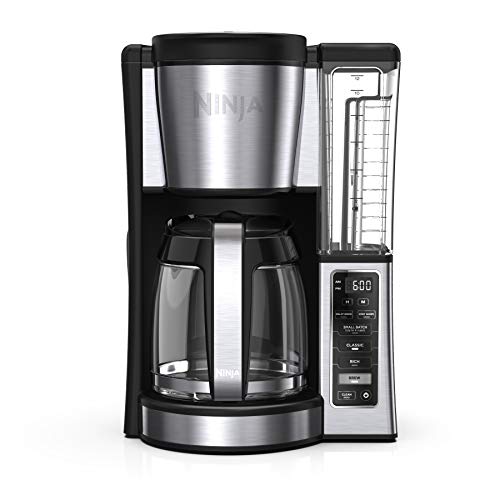
Ninja 12-Cup Programmable Coffee Brewer
Strengths
- Rich and Classic brew modes
- Small batch optimization
- Removable water reservoir
- Mid-brew pause
- Adjustable warming plate
Trade-offs
- No pod compatibility
- Glass carafe can drip
- Larger footprint
If you want balanced performance without gimmicks, the Ninja hits a sweet spot. Its Hotter Brewing Technology delivers water at optimal temps, and reviewers consistently say it extracts richer flavor than most drip machines in this range. The two brew styles – Classic and Rich – actually make a noticeable difference, giving you control over intensity without needing a separate French press or pour-over.
I appreciate the small batch function, which avoids the weak coffee trap so many drip machines fall into when brewing less than half a pot. The 60-oz reservoir is manageable, and the removable design makes refills less of a chore. Compared to the Keurig K-Duo, it lacks pod versatility, but it brews better-tasting drip coffee and avoids the plastic taste some report with pod systems.
Product photos


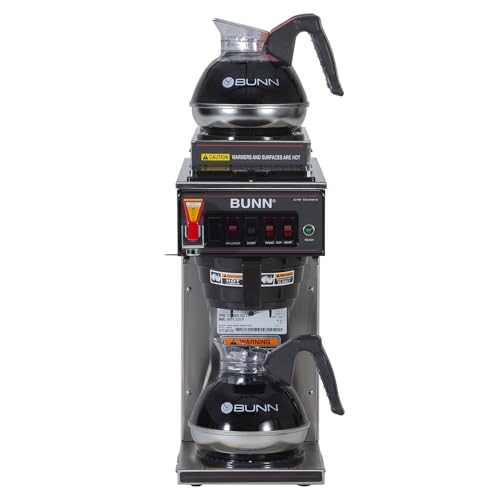
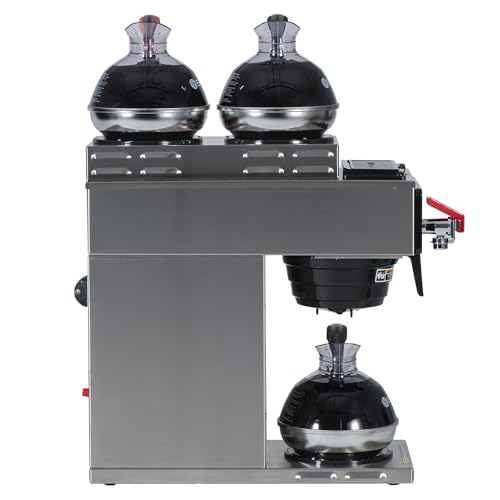
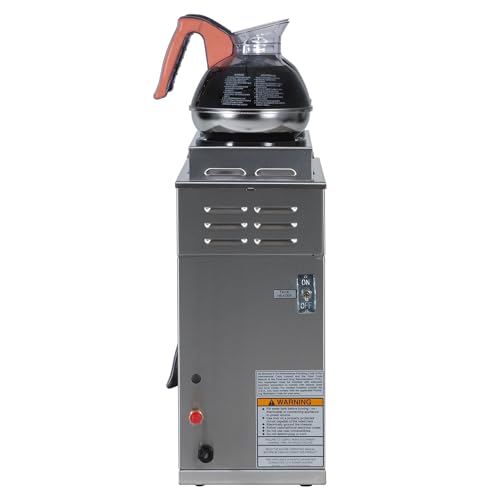
Bunn CWTF-3 Automatic Commercial Brewer

Strengths
- Stainless steel build
- Plumbed-in water
- Triple warming plates
- Hot water faucet
- SplashGard funnel
Trade-offs
- Decanters not included
- Requires installation
- Overbuilt for home use
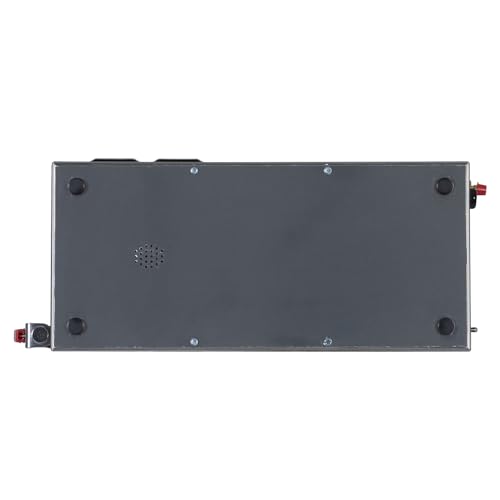
This is not your kitchen counter machine – it’s a commercial workhorse built for volume and speed. On paper, the all-stainless-steel construction and USA assembly speak to serious durability, and owners consistently report it powers through 50-cup days without breaking a sweat. The plumbed-in design means constant water supply, which is ideal for offices or cafés, and the backup pour-over option adds useful redundancy if the line fails.
The triple warmer setup is where it really separates from home models – keeping multiple decanters hot (sold separately, annoyingly) makes it a fit for high-traffic environments. But that also means it demands space, plumbing access, and a serious commitment to output. This isn’t overkill for most homes, but in the right setting, it’s rock-solid.
Product photos

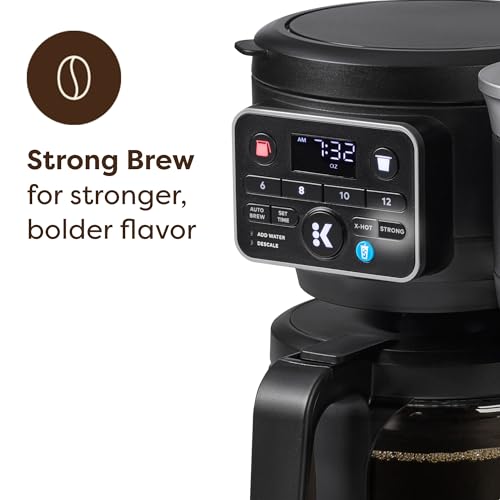
Keurig K-Duo Hot & Iced Brewer

Strengths
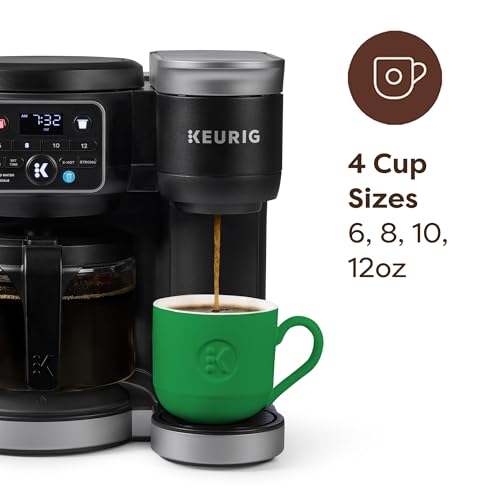
- Dual pod and carafe brewing
- Large shared reservoir
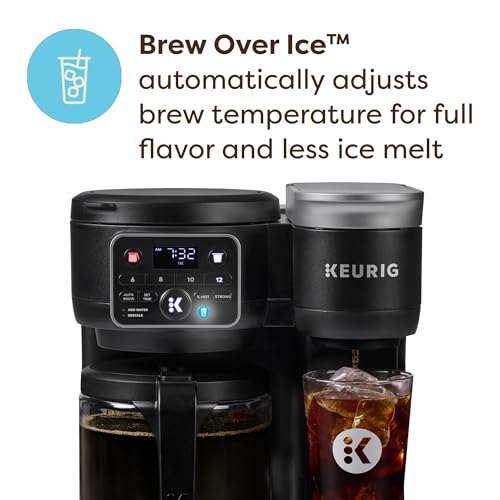
- Brew-over-ice option
- Programmable auto brew
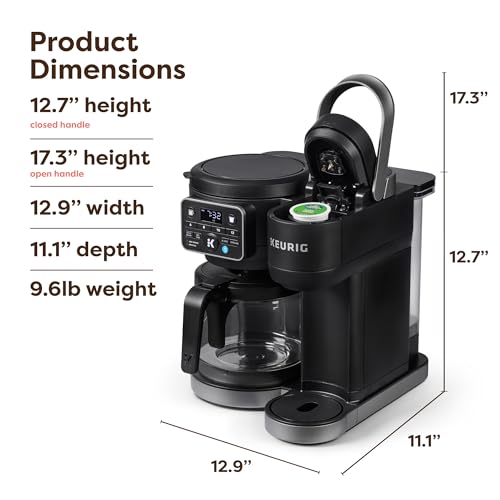
- Compact dual design
Trade-offs
- Carafe flavor lacks depth
- Pods generate waste
- Mid-tier extraction
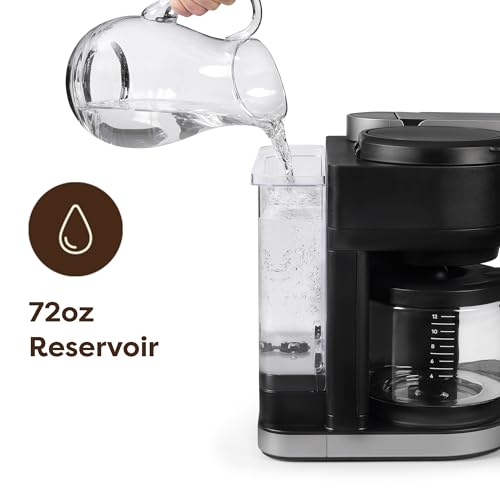
The K-Duo tries to be two machines in one – and mostly pulls it off. You get a pod side with MultiStream tech that actually does extract better flavor than older Keurig models, and a 12-cup carafe side that brews full pots with solid saturation. The shared 72-oz reservoir is smart, reducing refill frequency, and the auto-brew scheduling works reliably, based on owner feedback.
But that duality comes with compromises. The carafe brews are decent, not exceptional – they lack the depth you get from the Ninja or a proper pour-over. And while the ‘brew over ice’ function adjusts temperature, some users report it still waters down the flavor. Still, for someone who wants morning pods and weekend carafes without two machines, this is a space-saving win. I’d pick it over the Ninja only if pod convenience is essential.
Product photos
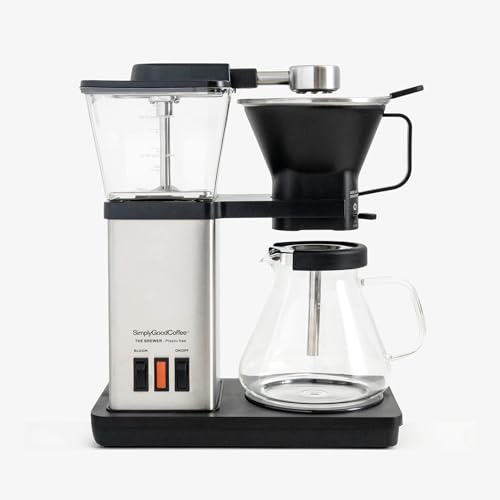
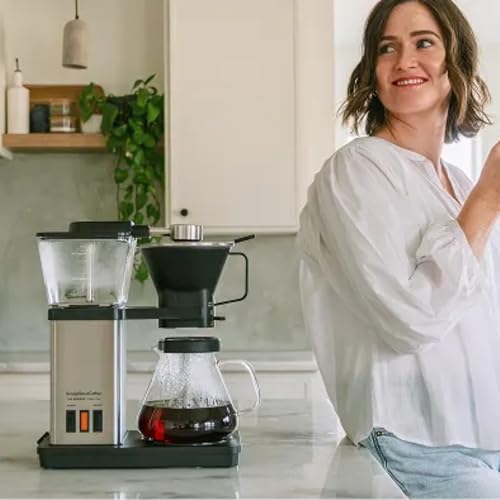
SimplyGoodCoffee THE BREWER – Plastic-Free
Strengths
- No plastic in water path
- Gold Cup temperature range
- Bloom function
- Compact design
- Dishwasher-safe parts
Trade-offs
- No delay brew
- Smaller capacity
- Limited brew strength options
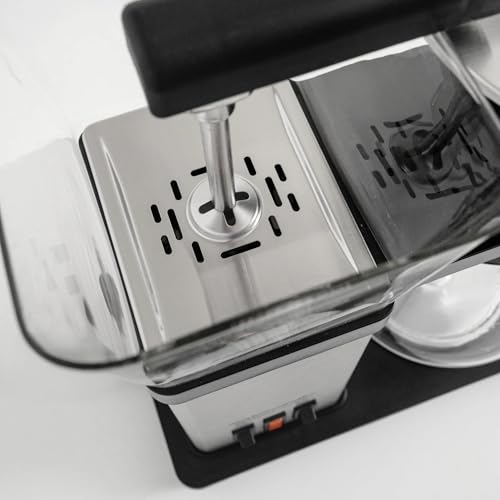
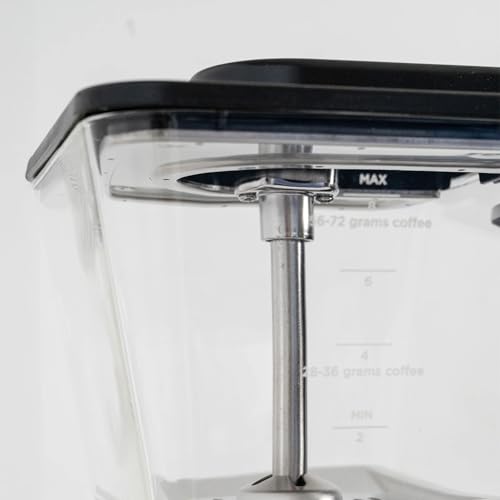
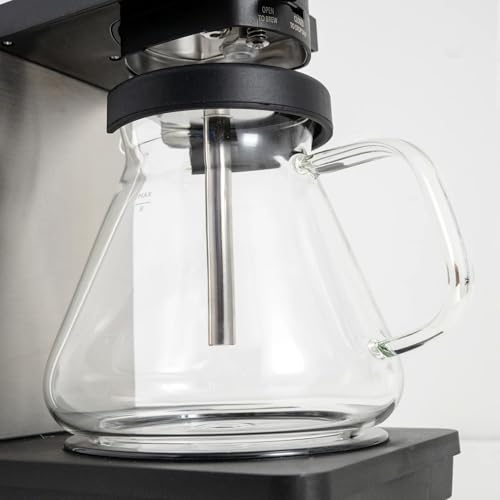
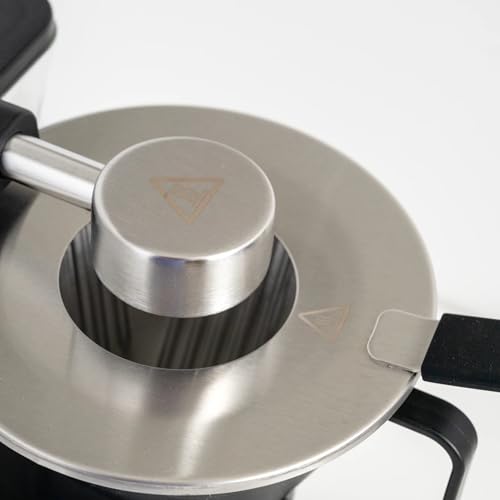
This machine stands out by refusing to compromise on materials – no plastic touches the water, and that matters for taste. Owners report noticeably cleaner, more authentic flavor, likely because there’s no residual plastic aftertaste to dull the notes in light or medium roasts. The 195°F to 205°F heating range hits the Gold Cup standard, and the optional bloom phase mimics manual pour-over technique, which is rare at this level.
It’s an 8-cup machine, so it’s smaller than the Ninja or Keurig, but that’s fine for couples or solo drinkers. The one-button simplicity is appealing, though it lacks programmability – you’ll need to start it manually each day. Compared to the Ninja, it brews slower and offers fewer features, but for purists who care about materials and clean extraction, it’s a quiet standout. My recommendation? If plastic-free brewing is a priority, this is the only real option.
Product photos
How We Chose These automatic coffee brewer
As the founder of Bean Thusiast, I approach coffee brewing with a focus on consistency and flavor. Rather than a hands-on lab test of each brewer, my assessment here is research-led, comparing published specifications and features alongside extensive owner and expert reviews. I’ve weighed this information against my understanding of what truly matters in a good automatic coffee brewer to arrive at these recommendations.
For automatic coffee brewers, brew temperature stability and consistency were paramount. Equally important was the ability to deliver a full-flavored extraction – avoiding under or over-extraction that leads to weak or bitter coffee. Programmability and ease of use also played significant roles, as a brewer should simplify, not complicate, your morning routine. Understanding the optimal coffee maker ratios is key in maximizing these features.
Specifications reliably indicate brewing temperature ranges, carafe capacity, and programmable features. However, I placed greater weight on owner feedback regarding long-term reliability, ease of cleaning, and the actual taste of the brewed coffee. Reputable expert reviews helped validate claims about brewing technology and overall build quality. Ultimately, a brewer’s reputation for consistently delivering a satisfying cup is what determined its ranking.
Choosing The Right automatic coffee brewer
As someone who’s spent years chasing the perfect cup, I know that finding the right automatic coffee brewer can feel overwhelming. There are so many options!
A quality automatic coffee brewer prioritizes consistent water temperature (195-205°F is ideal), even saturation of the coffee grounds, and a brewing cycle that minimizes bitterness. Look for models with programmable features for convenience and those built with durable materials for longevity. Water flow rate and pre-infusion capabilities also contribute to optimal extraction.
Brew Style & Capacity
First, think about how you drink coffee. Do you need a full carafe for a family, or just a cup to get going? The capacity needs to match your typical usage. Don’t automatically assume a 12-cup model is best if you’re usually brewing for one or two. Many brewers, like the Keurig K-Duo Hot & Iced Brewer, try to do everything, offering both single-cup and carafe options. This versatility is great, but often means compromises in either area.
Temperature & Extraction
Consistent brewing temperature is critical, and it’s where many cheaper machines fall short. You want a brewer that reliably heats water to between 195°F and 205°F. Lower temperatures result in under-extraction (sour coffee), while higher temperatures can cause bitterness. Related to temperature is the quality of the water distribution. Even saturation ensures all the grounds are properly extracted. If you are serious about flavor, don’t neglect the importance of a consistent coffee grind quality – a burr grinder is a worthwhile investment.
Here’s what to consider when evaluating extraction features: * Pre-infusion: A brief initial wetting of the grounds (often adjustable) to allow degassing. * Bloom setting: This is similar to pre-infusion, but often more pronounced and user-adjustable. * Spray head design: A wider spray head generally provides more even saturation than a single-point drip.
A good rule of thumb: if your coffee consistently tastes weak or bitter, the problem isn’t necessarily the beans – it’s likely your brewer’s temperature control or saturation.
Material & Build Quality
Don’t underestimate the importance of build quality. While plastic brewers are common, models like the SimplyGoodCoffee THE BREWER – Plastic-Free show that durable, plastic-free options are available. Stainless steel construction generally indicates a longer lifespan, particularly for internal components. I often recommend looking at commercial brewers, like the Bunn CWTF-3 Automatic Commercial Brewer, as a benchmark for durability, even if you don’t need commercial-level capacity. These are built to withstand constant use, and while they may come with a higher price tag, they can offer years of reliable performance. For many, finding the best automatic coffee machine reviews is a great first step to narrowing down options.
Automatic Coffee Brewer Compared
Here’s a comparison of key specifications for popular automatic coffee brewers.
| Product Name | Capacity (Cups) | Brew Styles | Water Reservoir (oz) | Programmable | Plastic Free |
|---|---|---|---|---|---|
| Ninja 12-Cup Programmable Coffee Brewer | 12 | Classic/Rich | 60 | Yes | No |
| Bunn CWTF-3 Automatic Commercial Brewer | N/A | N/A | N/A | N/A | N/A |
| Keurig K-Duo Hot & Iced Brewer | 12 (Carafe) | K-Cup/Ground | 72 | Yes | No |
| SimplyGoodCoffee THE BREWER | 8 | Single | N/A | No | Yes |
Frequently Asked Questions
What water temperature should an automatic coffee brewer reach for optimal extraction?
Ideally, your brewer should heat water to between 195°F and 205°F. Temperatures outside this range can lead to under-extracted (sour) or over-extracted (bitter) coffee, impacting the final flavor.
Are plastic-free automatic coffee brewers readily available?
Yes, though they are less common. The SimplyGoodCoffee THE BREWER is a notable example, prioritizing durable materials over plastic construction for those concerned about chemical leaching or environmental impact.
How important is a programmable timer on an automatic coffee brewer?
A programmable timer adds significant convenience, allowing you to wake up to freshly brewed coffee. Beyond that, some models offer multiple programmable settings for brew strength or delayed starts.
What’s the difference between a commercial coffee brewer and those designed for home use?
Commercial brewers, like the Bunn CWTF-3, are built for high-volume, continuous use with more robust components. While pricier, they typically offer greater longevity and faster brew times compared to standard home models, making them a worthwhile investment for serious coffee drinkers.
Where can I find more detailed information on various automatic coffee brewer options?
You can explore a wider range of models and detailed reviews of the best automatic drip coffee makers on my site, Bean Thusiast, to help you narrow down the perfect brewer for your needs.
The Bottom Line
Choosing an automatic coffee brewer often comes down to balancing convenience with control. While many models offer programmable features and ease of use, the Ninja 12-Cup Programmable Coffee Brewer strikes a fantastic balance – delivering reliably good coffee with a range of settings, and a large capacity without sacrificing brew quality. It’s a solid all-around performer that will satisfy most coffee drinkers.
For those on a tighter budget, the Keurig K-Duo Hot & Iced Brewer offers a lot of versatility, handling both carafe and single-serve brewing. If you prioritize sustainability and are willing to trade some automation for a plastic-free design, the SimplyGoodCoffee THE BREWER – Plastic-Free is an excellent choice focused on flavor and environmental responsibility.
Ultimately, remember that even the best brewer can’t compensate for poor coffee beans or improper grind size. Focusing on fresh, high-quality beans and using a burr grinder to achieve consistent drip brewing ratios will have a far greater impact on your daily cup than any specific feature set. Prioritize those fundamentals, and you’ll be well on your way to consistently delicious coffee.
