
Can You Eat Coffee Grounds? The Risks and Realities
You can eat coffee grounds, but it’s a bad idea. They contain concentrated caffeine and insoluble fiber that can cause nausea, cramping, and diarrhea within an hour. A tablespoon of grounds packs roughly 80mg of caffeine, double a standard cup of coffee, and their gritty texture and high acidity make them hard to digest.
Most people wonder about eating grounds when they’re desperate for caffeine or curious about waste. The impulse makes sense. You see the leftover grit and think, “That’s still coffee.” It is. It’s also a concentrated, unfiltered version of everything in the bean.
This guide walks through the specific risks, the actual caffeine math, and what happens inside your gut. It also covers the smarter, safer ways to use spent grounds that don’t involve swallowing them.
Key Takeaways
- A tablespoon of spent grounds contains about 80mg of caffeine, nearly twice the amount in a standard 8oz brewed cup.
- The insoluble fiber and concentrated chlorogenic acids in grounds trigger a laxative effect and stomach cramping, often within 60 minutes.
- The FDA’s “generally recognized as safe” (GRAS) status applies to coffee as a beverage, not to spent grounds as a direct food ingredient.
- Eating whole roasted beans is even riskier; a single bean contains ~6mg of caffeine, and 16 beans equal a cup of coffee, making overconsumption easy.
- If you must consume grounds, powder them finely and bind them with a fat like coconut oil to mitigate the grit and slow caffeine release.
The Caffeine and Digestive Reality
Headline health sites say grounds are “unpalatable” or “can cause digestive upset.” That’s vague. The real issue is two concrete numbers: caffeine concentration and fiber content.
Common mistake: Eating grounds for a caffeine boost, the dose is unpredictable and the fiber backlash hits within an hour, turning a quick fix into a long bathroom visit.
Brewed coffee extracts about 90% of the available caffeine. What’s left in the spent grounds is the residual 10%, plus everything else that didn’t dissolve. That “everything else” is the problem. It includes concentrated chlorogenic acids and nearly all of the bean’s insoluble fiber. When you drink coffee, the liquid bypasses most of the fiber. When you eat the grounds, you ingest it directly.
A 2005 study in Food and Chemical Toxicology looked specifically at genotoxicity of coffee grounds and found no significant risk from that angle. The study’s conclusion is useful for one narrow question. It doesn’t address the digestive consequences of eating a tablespoon of gritty, acidic plant material.
The fiber acts like a scouring pad in your intestines. It’s not soluble fiber that gently bulks. It’s insoluble, jagged particulate. Your gut tries to move it along quickly. That movement, combined with the concentrated acids, triggers cramping and diarrhea. The timeline isn’t “maybe later.” It’s often within 60 minutes.
TL;DR: Eating grounds delivers a double hit of concentrated caffeine and abrasive fiber. The caffeine spike is uneven, and the fiber guarantees digestive backlash within an hour.
How Much Caffeine Is Actually in There?
If you’re eating grounds to skip brewing, you’re playing a dosage guessing game. One tablespoon of spent medium-roast grounds holds roughly 80mg of caffeine. An 8oz cup of brewed coffee from the same grounds contains about 40–60mg. You’re getting nearly double the caffeine per volume, but without the controlled dilution of water.
| Form | Approximate Caffeine Content | Key Risk |
|---|---|---|
| Spent grounds (1 tbsp) | 80mg | Unpredictable absorption, cramping |
| Brewed coffee (8oz cup) | 40–60mg | Controlled, filtered delivery |
| Whole roasted bean (1 bean) | 6mg | Easy to overconsume, intense laxative effect |
The numbers shift with roast level. Dark roasts lose more caffeine during the longer roasting process, so their spent grounds might be closer to 60mg per tablespoon. Light roasts retain more, pushing the residual caffeine higher. You cannot know your dose without lab testing your specific beans. That’s the first problem.
The second problem is absorption rate. Drinking coffee lets caffeine enter your system through the stomach lining fairly evenly. Eating grounds means the caffeine is trapped inside fibrous particles. It releases in chunks as those particles break down. You might get a sudden spike 30 minutes in, followed by another wave an hour later. That uneven delivery can cause jitters, anxiety, or a headache even if the total milligrams seem moderate.
I once tried adding a teaspoon of finely ground spent Sumatra grounds to a morning smoothie for an “extra kick.” The result was a two-hour caffeine rollercoaster, initial lethargy, then a sharp anxiety peak, followed by a crash that ruined the afternoon. The smoothie’s fat content probably slowed the release, but the jagged fiber still triggered mild cramping by lunch.
The YouTube transcript on eating coffee grounds for caffeine mentions that dark roast beans tend to be higher in caffeine. That’s a common misconception. Dark roast beans actually have slightly less caffeine by weight because the longer roast burns off more of it. The video’s broader point stands: eating grounds for caffeine is a gamble.
TL;DR: One tablespoon of spent grounds packs roughly 80mg of caffeine, nearly double a cup of coffee. The release is uneven and the dose is a guess.
What Happens When You Eat Whole Beans?
Some people skip the grounds and go straight to the bean. The YouTube transcript on snacking on whole coffee beans puts it bluntly: “you might end up pooing your pants first.” The science behind that warning is worth unpacking.
A single roasted coffee bean contains about 6mg of caffeine. To match the caffeine in a standard cup of coffee, you’d need to eat about 16 beans. That sounds like a lot, but it’s easy to overdo if you’re munching mindlessly. The real danger isn’t just the caffeine.
Whole beans deliver everything the bean contains, unfiltered. The oils, acids, and compounds that brewing water tempers hit your digestive system raw. Those oils are especially potent laxatives. The transcript notes the beans have “significantly stronger laxative effects than your cup of coffee” because you’re getting the full concentration.
The acids are another issue. Beans contain higher concentrations of chlorogenic and citric acids than brewed coffee. For someone with a sensitive stomach or acid reflux, eating even five beans can trigger a reaction. The beans are also harder to digest mechanically. Your stomach has to break down the dense, roasted structure, which takes time and can cause bloating.
Common mistake: Treating whole beans like nuts, the caffeine and laxative oils are concentrated, and eating more than 10 beans at once almost guarantees digestive distress within two hours.
If you’re determined to try beans, keep count. Use them as a flavor accent, not a snack. Crush two or three beans into a tablespoon of almond butter or blend them into a thick smoothie with almond milk in coffee as a base. The fat and liquid help buffer the acids and slow the caffeine release.
TL;DR: Whole beans pack concentrated caffeine and laxative oils. Eating more than 10 beans at once risks stomach upset and a strong laxative effect within two hours.
The Official Safety Landscape
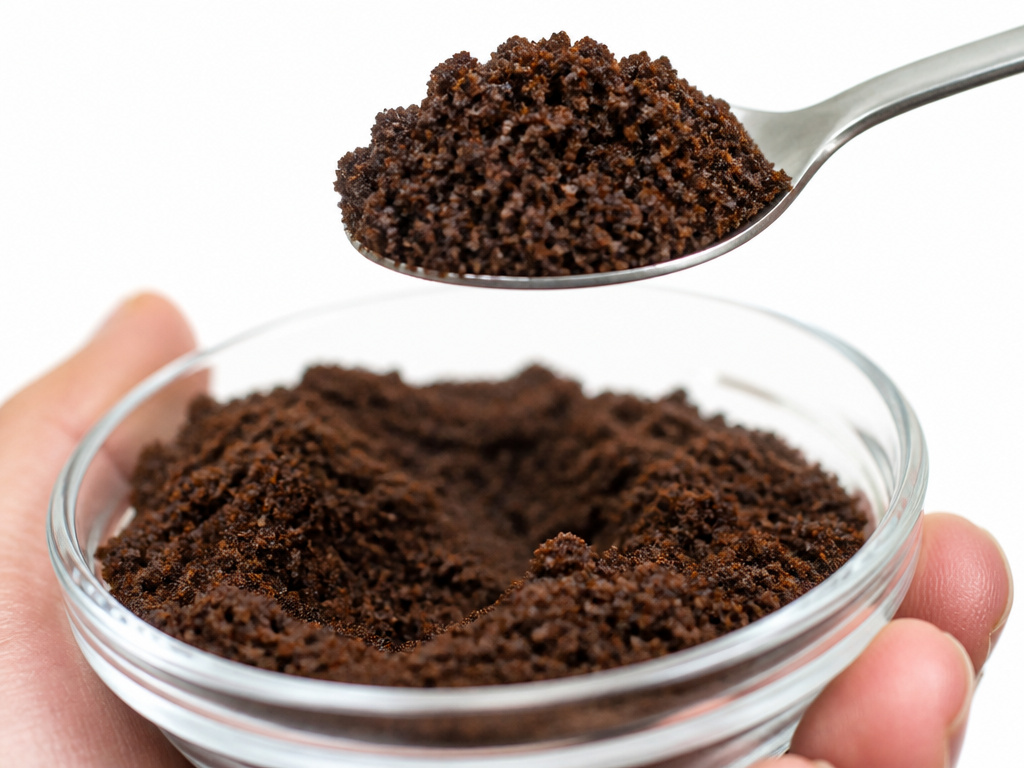
Is eating coffee grounds “safe” in a regulatory sense? The U.S. Food and Drug Administration (FDA) has a guidance for industry on GRAS determination for substances used in food. Coffee as a beverage is generally recognized as safe (GRAS). Spent coffee grounds as a direct food ingredient are not on that list.
The distinction matters. GRAS status applies to the intended use. Drinking brewed coffee is the intended use. Eating the leftover solids is not. No major regulatory body has evaluated spent grounds as a standalone food item. That doesn’t mean they’re toxic. It means there’s no official safety framework for dosing, preparation, or long-term consumption.
Research into alternative uses is growing. A PMC article on spent coffee grounds uses explores potential applications in the food industry, like extraction of antioxidants or use as a fiber supplement in baked goods. Another NIH research on coffee ground safety examines the functional food potential of spent grounds. These studies focus on processed, refined extracts, not on eating the grounds raw.
The takeaway is simple. You are operating outside any established safety guideline. Your body’s reaction is the only guideline you have. That’s a risky position for something that can cause measurable gastrointestinal distress.
TL;DR: Coffee as a beverage is GRAS; spent grounds as a food ingredient are not. You’re relying on personal tolerance, not regulatory safety.
Smarter Uses for Spent Grounds (That Don’t Involve Eating Them)
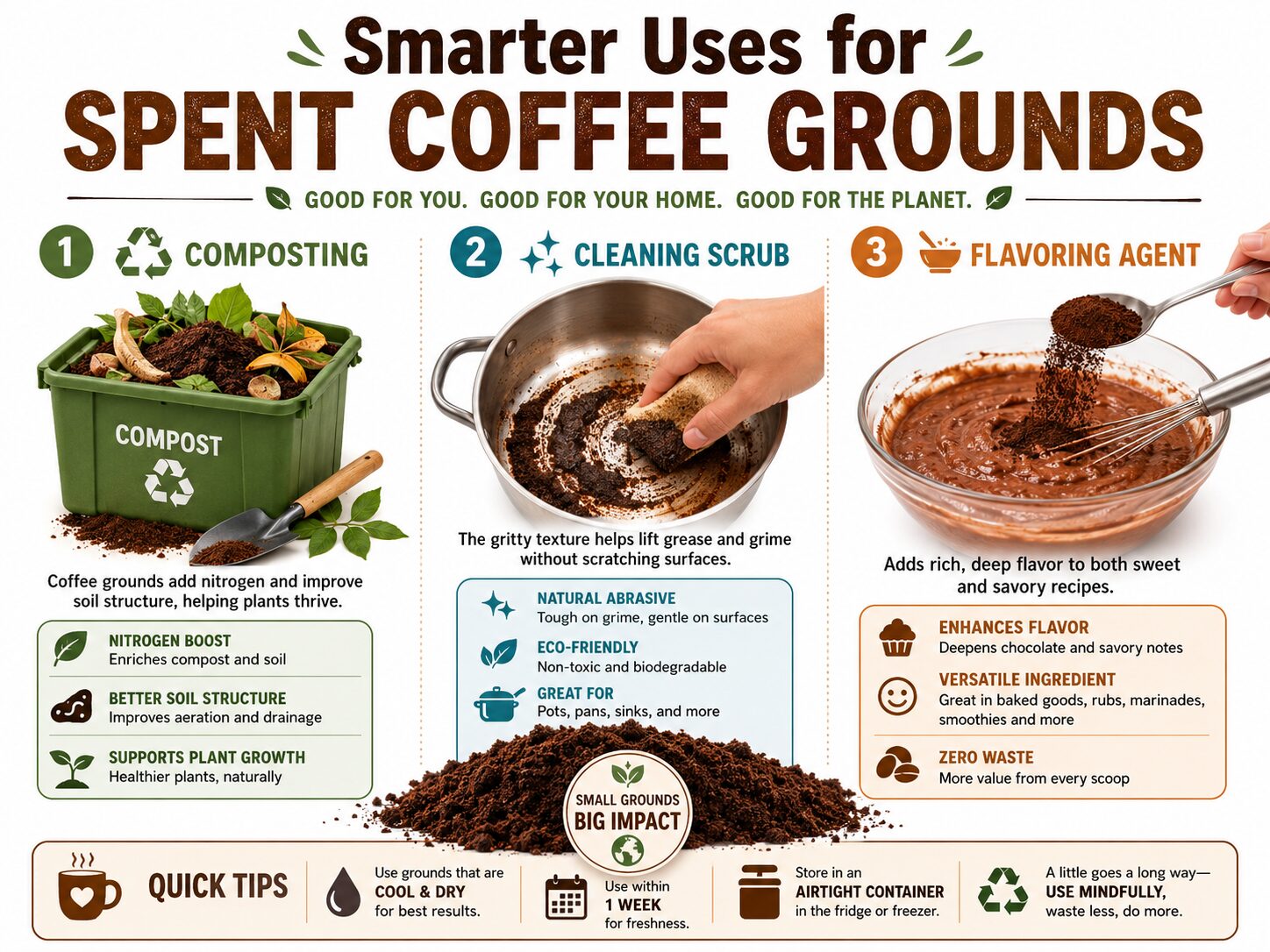
If you’re looking at a pile of spent grounds and thinking about consumption, stop. There are better, safer ways to use them that actually work.
1. Composting and Gardening
Coffee grounds are slightly acidic and rich in nitrogen. They’re excellent for composting, especially when balanced with brown materials like dried leaves. In the garden, they can deter slugs and snails. Mix them into soil around acid-loving plants like blueberries or azaleas. Do not use them as a thick mulch; they can compact and form a barrier that blocks water.
2. Skin and Cleaning Applications
The gritty texture makes grounds a decent abrasive for scrubbing pots or cleaning greasy surfaces. They also work as a temporary odor absorber in the fridge. For skin, some people use them as a short-term exfoliant in a paste with coconut oil. I’ve tried this. The grit is effective, but it stains towels and sinks. Rinse thoroughly.
3. Cooking as a Flavoring Agent (Processed)
This is the closest you can get to “eating” grounds without the direct risks. The key is processing.
– Dry the grounds completely.
– Grind them into a fine powder using a blender or coffee grinder.
– Use the powder as a flavoring in recipes where it’s bound by fats and other ingredients.
A teaspoon of powdered grounds in a batch of brownies or mixed into a coconut oil in coffee fat-based smoothie adds a coffee note without the fiber overload. The fat binds the particles and slows release. Even then, limit the amount. Start with half a teaspoon and see how your stomach reacts.
| Use Case | Preparation Required | Why It Works |
|---|---|---|
| Composting | Mix with brown compost material | Adds nitrogen, acidity; improves soil structure |
| Garden pest deterrent | Sprinkle around plant bases | Acidity and texture repel slugs and snails |
| Cleaning abrasive | Use damp grounds as a paste | Grit scrubs without harsh chemicals; stains surfaces |
| Cooking flavoring | Dry, powder, bind with fat | Fat mitigates grit and slows caffeine absorption; adds flavor without distress |
If you’re determined to incorporate grounds into food, consider pairing them with other common additives. A pinch of salt can counteract bitterness, while brown sugar in coffee or cinnamon in coffee grounds can mask the raw flavor. These are still culinary experiments, not daily practices.
TL;DR: Compost them, use them as a scrub, or powder and bind them with fat for cooking. Direct consumption is the worst option.
The Calorie and Additive Context
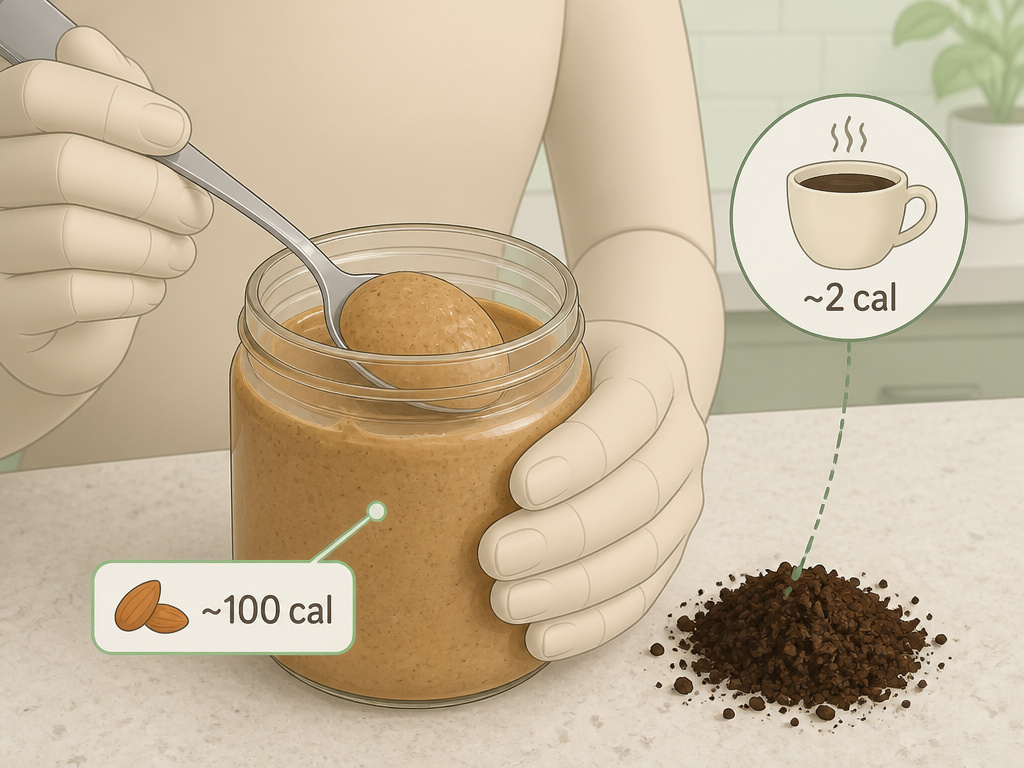
If you’re eating grounds for caffeine, you’re probably not thinking about calories. But if you’re mixing them into foods, the calorie count of other additives matters. Adding MCT oil in coffee or a dairy alternative adds its own caloric load.
Coffee grounds themselves have minimal calories, maybe 2–3 per tablespoon. The concern isn’t the grounds’ calories. It’s the calories in the carriers you use to make them palatable. A tablespoon of coconut oil is about 120 calories. A tablespoon of almond butter is around 100 calories. If you’re adding grounds to a smoothie with almond milk in coffee and MCT oil in coffee, you’re building a high-calorie drink for a marginal caffeine benefit.
Compare that to a plain cup of black coffee. It has virtually no calories and delivers a predictable caffeine dose. The math doesn’t favor eating grounds, even when disguised.
For those tracking intake, understanding the calories in coffee additives is crucial. Adding grounds to a calorie-dense vehicle defeats the purpose of a quick, efficient caffeine boost.
TL;DR: Grounds themselves are low-calorie, but the fats and sweeteners you need to make them edible add significant calories. A plain cup of coffee is more efficient.
When to Absolutely Avoid Coffee Grounds
Some health conditions make eating coffee grounds a genuinely bad idea. If you have a history of gastrointestinal issues like IBS, gastritis, or acid reflux, the concentrated acids and fiber in grounds will aggravate them. The coffee and digestion link is already strong for brewed coffee. Grounds amplify that effect.
People with caffeine sensitivity or anxiety disorders should also steer clear. The uneven caffeine release from grounds can trigger jitters or panic episodes more unpredictably than brewed coffee. If you’re managing a condition like hypertension, the caffeine spike could affect blood pressure. While moderate coffee consumption is often fine for heart health, the concentrated form in grounds poses a different risk profile. Anyone concerned about coffee and cardiovascular health should avoid this consumption method entirely.
I won’t recommend powdered grounds in food for anyone with a diagnosed GI condition. The particle size is still large enough to irritate, even when bound with fat. Two friends with IBS tried my “coffee brownie” recipe, both reported cramping within 90 minutes, despite the fat buffer.
Pregnancy is another clear avoid zone. Caffeine intake needs to be controlled and predictable. Eating grounds introduces an unknown variable. Stick to brewed coffee in measured amounts.
TL;DR: Avoid grounds if you have GI issues, caffeine sensitivity, anxiety, hypertension, or are pregnant. The risks outweigh any hypothetical benefit.
Frequently Asked Questions
Can eating coffee grounds kill you?
No, eating coffee grounds is not lethal. The risks are digestive distress, caffeine overdose symptoms (jitters, anxiety, headache), and possible stomach inflammation from the concentrated acids. It’s unpleasant, not deadly.
How many coffee grounds equal a cup of coffee?
In caffeine content, about one tablespoon of spent grounds equals roughly two cups of brewed coffee. In terms of digestive effect, there’s no equivalence, the grounds will cause cramping and diarrhea that brewed coffee does not.
Do coffee grounds have any nutritional value?
They contain residual caffeine, some antioxidants, and a large amount of insoluble fiber. The fiber is not beneficial in this form; it acts as an abrasive in your digestive tract. The antioxidants are better extracted through brewing or proper food processing, as shown in research on coffee grounds in foods.
Can you bake with coffee grounds?
Yes, but you must process them first. Dry the grounds completely, grind them into a fine powder, and mix them into a recipe with binding fats (like coconut oil or butter). Use a small amount, no more than a teaspoon per batch. Otherwise, the grit and fiber will affect texture and digestion.
Why do coffee grounds cause diarrhea?
The insoluble fiber in grounds physically irritates the intestinal lining, speeding up motility. The concentrated chlorogenic acids also stimulate gut activity. Together, they trigger a laxative effect often within an hour of consumption.
Before You Go
Eating coffee grounds is a shortcut with a guaranteed penalty. The caffeine hit is uneven and the digestive backlash is swift. A tablespoon of grounds packs nearly double the caffeine of a cup of coffee, plus all the abrasive fiber and acids that brewing normally filters out.
If you’re determined to use them, process them into a fine powder and bind them with a fat like coconut oil. Use that mixture as a flavoring in a single serving of baked goods or a smoothie. Do not consume them raw.
The smarter path is to compost them, use them as a garden additive, or as a cleaning abrasive. Those applications work. Eating them does not. Your gut will thank you for choosing the compost bin over your mouth.
