
Can You Drink Coffee While Pregnant? The 200mg Limit & Risks
Yes, you can drink coffee while pregnant, but the safe limit is a strict 200 milligrams of total caffeine per day from all sources, not just coffee. This limit comes from the American College of Obstetricians and Gynecologists (ACOG) and the European Food Safety Authority (EFSA). A 2020 NIH study found an increased risk of fetal growth restriction even at 100mg daily, so staying under 200mg is critical.
Most people think the limit is about coffee cups. It’s not. A “cup” isn’t a standard measure, a 12oz Starbucks coffee has 225mg, blowing the budget in one serving. The real work is tracking everything: tea, soda, chocolate, even some medications. This guide walks you through the numbers, the hidden sources, and the alternatives that don’t just swap caffeine for sugar.
Key Takeaways
- The 200mg daily caffeine limit from ACOG and EFSA is stricter than the WHO’s 300mg guideline. Newer research suggests risk may start at 100mg.
- “One cup” is meaningless. A 12oz brewed coffee can contain 225mg. Use the Center for Science in the Public Interest caffeine chart to track actual milligrams.
- Caffeine metabolism varies wildly between individuals. If you’re a slow metabolizer, even 200mg could pose a higher risk.
- Sugar and artificial additives in caffeinated drinks are a separate hazard. The American Heart Association recommends limiting free sugars to 6 teaspoons per day during pregnancy.
- Herbal teas like raspberry leaf (second trimester onward), peppermint, ginger, and dandelion root offer flavor without caffeine or excessive sugar.
The 200mg vs. 300mg Confusion
You’ll find two numbers: 200 and 300. The American College of Obstetricians and Gynecologists (ACOG) and the European Food Safety Authority (EFSA) set the bar at 200mg. The World Health Organization (WHO) says 300mg. That 100mg gap isn’t a margin of error, it’s a difference in how the evidence is weighed.
The 200mg limit is based on a review of studies linking higher caffeine intake to increased risks of miscarriage and low birth weight. The EFSA concluded that intake above this level could raise safety concerns for fetal development.
The WHO’s 300mg guideline is older and more conservative. But a 2020 study published in BMJ Open and hosted on the NIH’s PubMed Central changed the conversation. It found that maternal caffeine intake of 100mg or more per day was associated with a 28% higher odds of fetal growth restriction compared to intake below 100mg. The threshold for observable risk might be lower than the official limit.
TL;DR: Stick to 200mg. The 300mg guideline is outdated, and newer research suggests caution even at half that limit.
How Much Caffeine Is Actually Safe?
200 milligrams. That’s the answer. But milligrams aren’t cups. A “cup of coffee” could be 8oz of home-brewed coffee at 95mg, or a 12oz Starbucks at 225mg, or a 20oz gas-station mug at 300mg. The word “cup” guarantees nothing.
Here’s where people get it wrong. They count cups and assume they’re under the limit. They’re not.
| Beverage | Serving Size | Approximate Caffeine (mg) |
|---|---|---|
| Brewed Coffee (home) | 8 oz (240ml) | 95–165 |
| Starbucks Pike Place Roast | 12 oz (355ml) | 225 |
| Black Tea | 8 oz (240ml) | 47 |
| Green Tea | 8 oz (240ml) | 28 |
| Coke | 12 oz (355ml) | 34 |
| Diet Coke | 12 oz (355ml) | 46 |
| Monster Energy Drink | 16 oz (473ml) | 160 |
| Bang Energy Drink | 16 oz (473ml) | 300 |
One Starbucks coffee hits the limit. One Bang energy drink exceeds it by 100mg. If you have a morning coffee and a midday soda, you’re already at risk without touching a second cup.
Common mistake: Assuming “one cup” equals the limit, a 12oz Starbucks coffee contains 225mg of caffeine, which exceeds the 200mg daily guideline in a single serving.
Your first task is to ditch the cup measure and track milligrams. The Center for Science in the Public Interest maintains a detailed caffeine chart. Use it. Write down what you drink for three days. The total will surprise you.
Tracking Your Intake Isn’t One Cup
You need a system. Not a guess.
Start with your primary source. If it’s coffee, note the brand and the exact serving size. A Keurig K-Cup brews about 8oz and contains between 75–150mg depending on the roast. A Nespresso VertuoLine capsule ranges from 60–200mg. Weigh your beans if you brew manually, a 15g dose of light roast yields more caffeine than 15g of dark roast.
Then audit the side sources. That midday Coke? 34mg. The chocolate bar after dinner? 10mg. The headache medication? Check the label, some contain 65mg per dose. The caffeine content in tea is lower, but if you drink three cups of black tea, you’ve added 141mg.
I tracked my intake for a week when my wife was pregnant. The morning coffee was 160mg. The afternoon chocolate habit was another 30mg. The iced tea at dinner was 45mg. The total was 235mg before we even counted the occasional soda. We cut the chocolate and switched the iced tea to herbal. The number dropped to 185mg.
The math is simple but it’s not intuitive. Your brain wants to count cups. Your notebook needs milligrams.
TL;DR: Measure everything. A single Starbucks coffee can bust your daily budget. Hidden sources like chocolate and medication add up fast.
Where the 200mg Limit Comes From
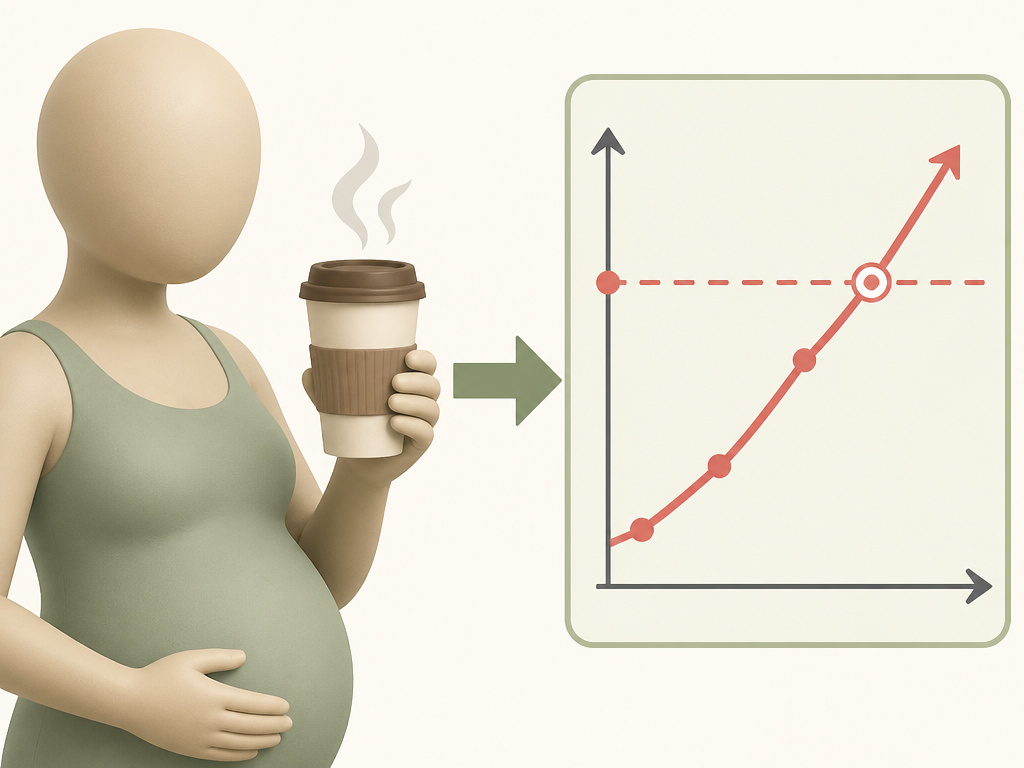
The 200mg limit isn’t arbitrary. It’s the consensus point where multiple large-scale studies showed a detectable increase in risk. The ACOG and EFSA reviews looked at outcomes like miscarriage, low birth weight, and preterm birth.
The EFSA’s 2015 opinion is particularly detailed. It notes that inter-individual variability in caffeine metabolism is considerable. Some people process caffeine quickly. Others are slow metabolizers due to genetics. For slow metabolizers, the same 200mg intake lingers in the system longer, potentially posing a higher risk.
This is why personalized advice from your healthcare provider matters. The blanket 200mg limit is a population-level safeguard. Your own biology might warrant a lower target.
The American Pregnancy Association summarizes the evidence clearly, linking caffeine to restricted fetal growth and potential withdrawal symptoms in newborns after birth. Their guide reinforces the 200mg ceiling.
If you’re a slow metabolizer, even a modest intake could be problematic. The only way to know is through discussion with your doctor, not a generic internet article.
The Sugar and Chemical Side Hustle
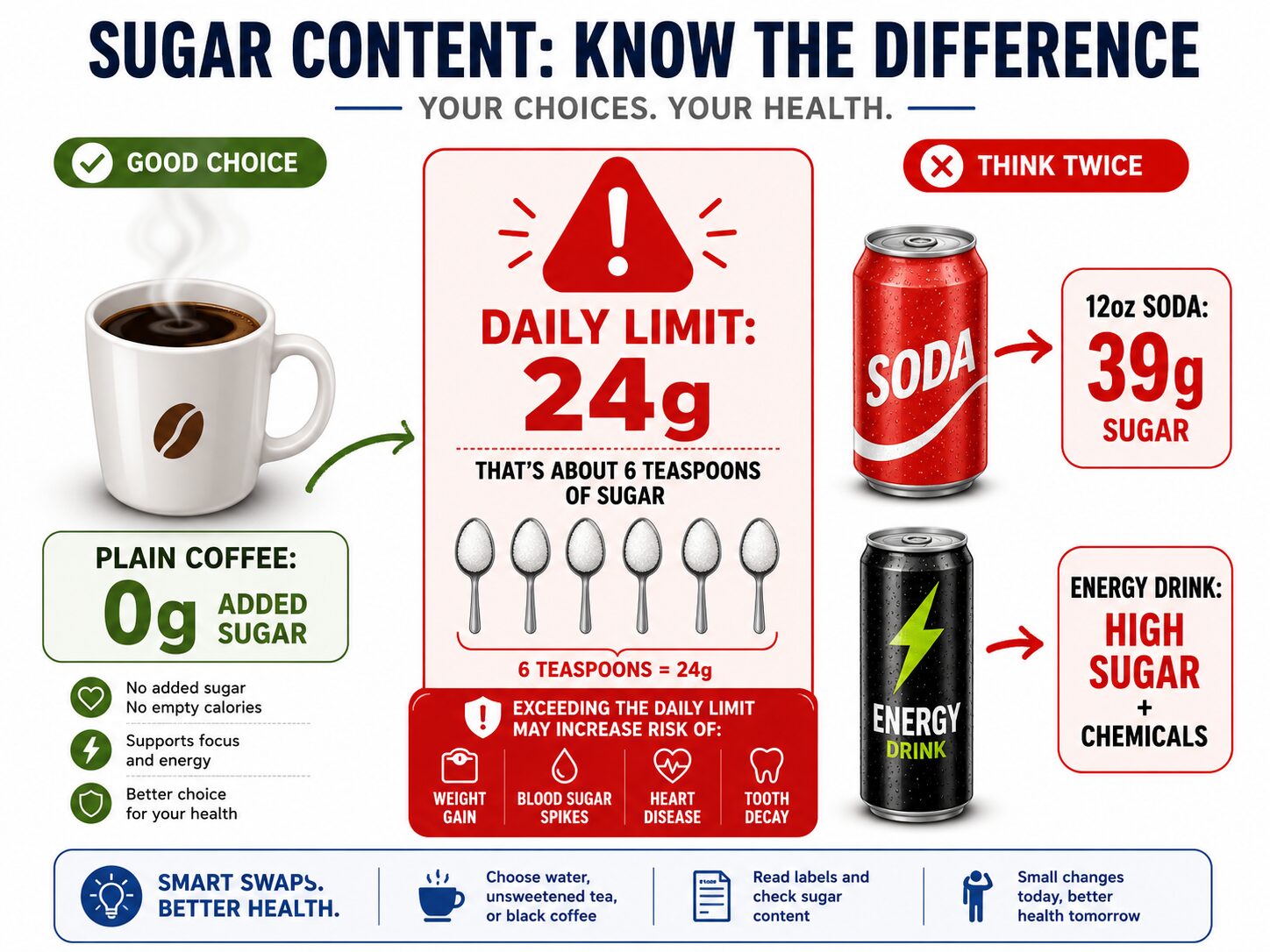
Caffeine isn’t the only problem in your mug. The sugar and additives in many caffeinated drinks create a separate set of risks.
The American Heart Association recommends pregnant women limit free sugars to 6 teaspoons (about 24 grams) per day. Free sugars are those added to foods and drinks, not naturally occurring ones. A 12oz can of Coke has about 39 grams of sugar, that’s over 9 teaspoons, blowing the daily limit in one drink.
Energy drinks are worse. They pack caffeine, sugar, and artificial dyes or chemicals like taurine and guarana. These compounds aren’t well-studied in pregnancy. The health risks of caffeine from energy drinks are compounded by the other ingredients.
Common mistake: Swapping coffee for soda or sweetened tea, you might lower your caffeine, but you’ll spike your sugar intake, which contributes to excessive weight gain, pre-eclampsia risk, and can affect childhood metabolism.
Your goal is to reduce caffeine and sugar. That means plain coffee or tea, or switching to truly low-sugar alternatives.
What About Tea?
Tea is a common swap. It has less caffeine, but you need to know the numbers.
Black tea averages 47mg per 8oz cup. Green tea is about 28mg. Herbal teas (like peppermint, ginger, chamomile) have zero caffeine. But “herbal” doesn’t mean “safe for pregnancy”, some herbs are contraindicated.
Raspberry leaf tea is popular for uterine toning but should be avoided in the first trimester. From the second trimester onward, one cup daily is considered safe, moving to two cups in the third trimester as you approach labor.
Peppermint, ginger, and chamomile are generally safe across all trimesters and can help with nausea, acid reflux, and sleep. Dandelion root tea tastes vaguely like coffee and contains no caffeine. Mix two tablespoons with hot water, a splash of coconut milk, and a drop of honey or stevia.
The health benefits of tea beyond caffeine include antioxidants and calming effects, but always check with your provider about specific herbal blends.
Realistic Alternatives That Actually Work
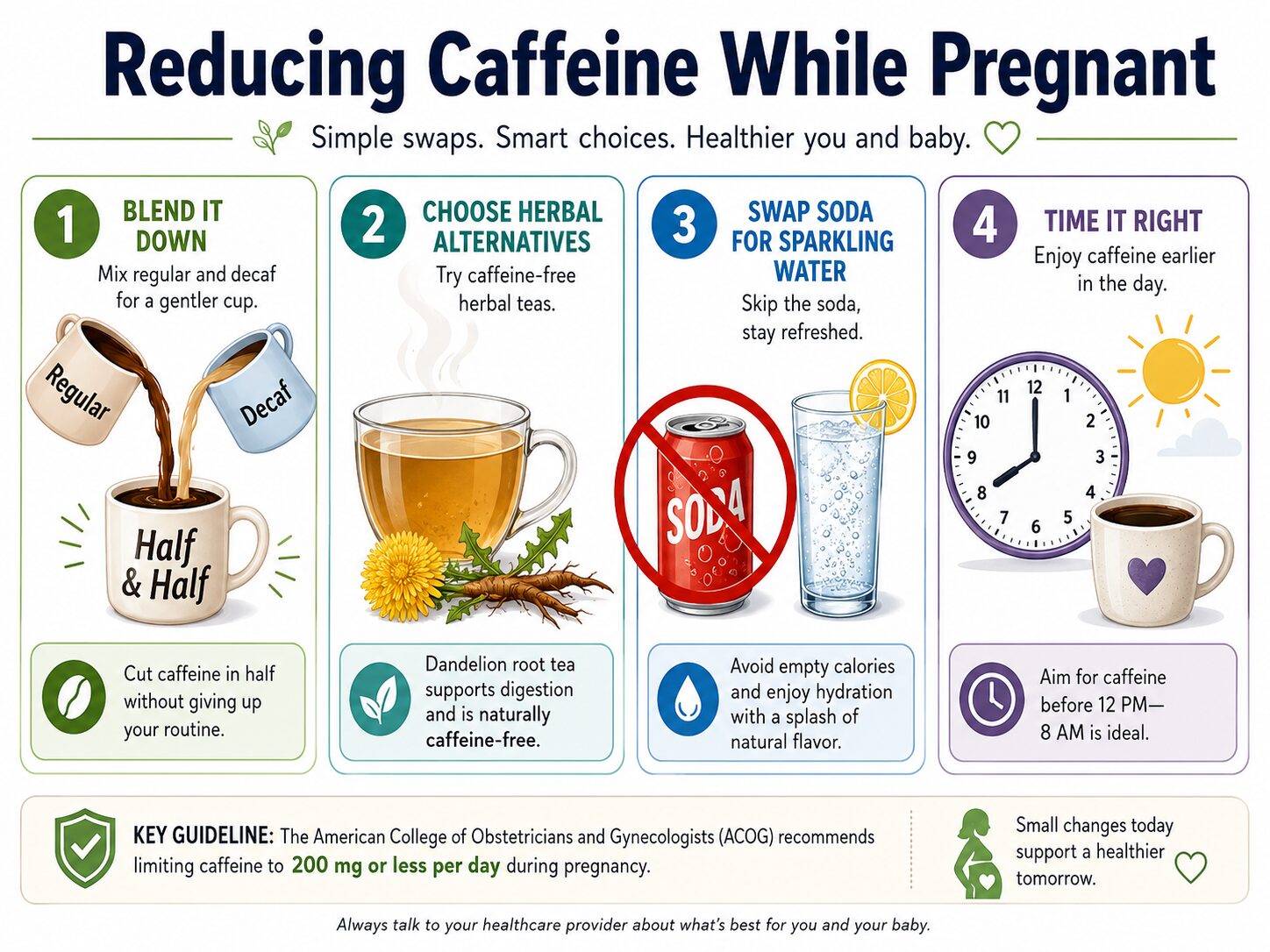
Cutting caffeine cold turkey is miserable. Gradual reduction with smart swaps works.
First, identify your highest source. If it’s coffee, try mixing half regular and half decaf for a week. Then move to three-quarters decaf. The acidity in coffee can also be a concern; lower-acid coffees or cold brew might help if stomach issues arise.
Second, replace the ritual. If you crave a hot drink in the morning, switch to a caffeine-free herbal tea. Dandelion root blend mimics coffee’s bitterness without the stimulant.
Third, watch the sneaky substitutes. Don’t replace coffee with three cans of soda. The sugar load will outweigh any caffeine benefit. If you need a fizzy drink, choose a sparkling water with a splash of fruit juice.
Fourth, consider the timing. If you must have caffeine, consume it early in the day so it clears your system before sleep. Poor sleep affects pregnancy outcomes too.
I’ve seen clients try to switch to green tea but end up drinking four cups a day, that’s 112mg, plus they’re missing the coffee flavor. The swap fails because they didn’t address the habit. Reduce the source, then replace the habit with a satisfying alternative.
When To Talk To Your Doctor
This isn’t just a dietary choice. It’s a medical one.
Bring your caffeine tally to your appointment. Show them the math, your coffee, your tea, your chocolate, your soda. Ask about the NIH study on fetal growth restriction and whether your intake level is concerning.
Discuss your personal metabolism. If you’re a slow metabolizer (you feel caffeine’s effects for many hours), your provider might recommend a lower limit.
Review any medications you’re taking that contain caffeine. Some pain relievers and cold medicines include it.
If you’re struggling with withdrawal headaches, ask for safe management strategies. Sometimes a very gradual reduction over two weeks is better than an abrupt stop.
Your doctor has the final say. The 200mg guideline is a starting point, not a prescription.
Frequently Asked Questions
Is one cup of coffee a day safe during pregnancy?
It depends on the cup. A standard 8oz home-brewed coffee contains about 95–165mg of caffeine. If that’s your only source, you’re likely under the 200mg limit. But a 12oz Starbucks coffee has 225mg, which exceeds it. Measure your actual serving size and caffeine content, not the number of cups.
Can I drink decaf coffee while pregnant?
Yes. Decaffeinated coffee contains trace amounts of caffeine, typically 2–5mg per 8oz cup. It’s a safe alternative for maintaining the coffee ritual without the stimulant. Check the brand, as some decaf processes leave more residual caffeine than others.
What about caffeine in chocolate?
Chocolate contains caffeine. Dark chocolate has more than milk chocolate. A 1oz square of dark chocolate (about 28g) can have 20–30mg of caffeine. It’s a hidden source that adds to your daily total, especially if you have a dessert habit.
Are energy drinks worse than coffee during pregnancy?
Yes. Energy drinks like Monster or Bang contain high levels of caffeine (160–300mg per can), plus large amounts of sugar, artificial dyes, and other stimulants like taurine. The healthier caffeine choices are plain coffee or tea, where you control the additives.
How does caffeine affect breastfeeding?
Caffeine passes into breast milk, but typically at low concentrations. The caffeine limits for nursing mothers are similar to pregnancy, around 200mg per day. Timing matters; drinking coffee right before a feed may result in higher concentrations in the milk.
Before You Go
The 200mg daily caffeine limit is real, and it’s measured in milligrams, not cups. Track everything, coffee, tea, soda, chocolate, medication. Use the Center for Science in the Public Interest caffeine chart as your guide.
Newer research suggests risk may begin at 100mg daily, so aiming lower than the official limit is prudent. Your metabolism matters; slow processors need extra caution.
Don’t trade caffeine for sugar. The American Heart Association’s 6-teaspoon free sugar limit is another hard line. Herbal teas like raspberry leaf (after the first trimester), peppermint, ginger, and dandelion root offer flavor without the risks.
Take your tally to your healthcare provider. This is a medical decision, not just a dietary one. Their advice, combined with your own tracking, is the only path that makes sense.
{
“@context”: “https://schema.org”,
“@type”: “FAQPage”,
“mainEntity”: [
{
“@type”: “Question”,
“name”: “Is one cup of coffee a day safe during pregnancy?”,
“acceptedAnswer”: {
“@type”: “Answer”,
“text”: “It depends on the cup. A standard 8oz home-brewed coffee contains about 95–165mg of caffeine. If that’s your only source, you’re likely under the 200mg limit. But a 12oz Starbucks coffee has 225mg, which exceeds it. Measure your actual serving size and caffeine content, not the number of cups.”
}
},
{
“@type”: “Question”,
“name”: “Can I drink decaf coffee while pregnant?”,
“acceptedAnswer”: {
“@type”: “Answer”,
“text”: “Yes. Decaffeinated coffee contains trace amounts of caffeine, typically 2–5mg per 8oz cup. It’s a safe alternative for maintaining the coffee ritual without the stimulant. Check the brand, as some decaf processes leave more residual caffeine than others.”
}
},
{
“@type”: “Question”,
“name”: “What about caffeine in chocolate?”,
“acceptedAnswer”: {
“@type”: “Answer”,
“text”: “Chocolate contains caffeine. Dark chocolate has more than milk chocolate. A 1oz square of dark chocolate (about 28g) can have 20–30mg of caffeine. It’s a hidden source that adds to your daily total, especially if you have a dessert habit.”
}
},
{
“@type”: “Question”,
“name”: “Are energy drinks worse than coffee during pregnancy?”,
“acceptedAnswer”: {
“@type”: “Answer”,
“text”: “Yes. Energy drinks like Monster or Bang contain high levels of caffeine (160–300mg per can), plus large amounts of sugar, artificial dyes, and other stimulants like taurine. The healthier caffeine choices are plain coffee or tea, where you control the additives.”
}
},
{
“@type”: “Question”,
“name”: “How does caffeine affect breastfeeding?”,
“acceptedAnswer”: {
“@type”: “Answer”,
“text”: “Caffeine passes into breast milk, but typically at low concentrations. The caffeine limits for nursing mothers are similar to pregnancy, around 200mg per day. Timing matters; drinking coffee right before a feed may result in higher concentrations in the milk.”
}
}
]
}
