
Can You Be Allergic to Coffee? Symptoms, Causes, and Testing
Yes, you can be allergic to coffee. A true coffee allergy is an IgE-mediated immune reaction to specific proteins in the coffee bean, not the caffeine. Symptoms like hives, swelling, or difficulty breathing can appear within 30 minutes of consumption. It’s rare, but documented cases exist and require confirmation through skin prick or specific IgE testing by an allergist.
Most people who feel bad after coffee are dealing with caffeine sensitivity, the jitters, anxiety, or stomach cramps. That distinction is crucial. Sensitivity is common and manageable. A true allergy is a medical condition that demands a formal diagnosis and a strict avoidance plan.
This guide walks through the documented symptoms, the specific proteins that trigger them, how doctors test for it, and what to do if you suspect your reaction is more than just a strong cup.
Key Takeaways
- A true coffee allergy targets bean proteins like Cof a 2 and Cof a 3, not caffeine. Decaf can still trigger a reaction.
- Symptoms are immune-system driven: hives (urticaria), swelling (angioedema), wheezing, or anaphylaxis within 30–60 minutes.
- Diagnosis requires an allergist using a skin prick test or specific IgE blood test with coffee bean extract.
- There is potential cross-reactivity with cockroaches and shellfish due to similar tropomyosin proteins, a concern with pre-ground beans.
- Management is absolute avoidance. Don’t experiment with “a little bit” if you’ve had a severe reaction.
The Symptoms That Aren’t Just Jitters
Caffeine sensitivity feels like your nervous system is on overdrive. Your hands shake. Your heart races. You get anxious or nauseous. It’s unpleasant, but it’s not your immune system attacking a foreign substance.
A coffee allergy is your immune system attacking. The reaction is to proteins in the bean itself. The 2020 systematic review by Al-Hakami et al. in Allergy, Asthma & Clinical Immunology pulled data from 19 documented cases between 1982 and 2019. The symptoms recorded were classic IgE-mediated responses.
Common mistake: Assuming stomach upset or a racing heart means you’re allergic, those are almost always signs of caffeine sensitivity or intolerance. An allergic reaction involves skin, respiratory, or systemic symptoms, and it follows a predictable timeline.
The timeline matters. In the 2018 case report by Kim et al., the 47-year-old patient developed generalized hives, facial swelling, and difficulty breathing about 30 minutes after drinking coffee. That’s a key marker. Immune reactions have a onset window. Sensitivity symptoms can be immediate or build over hours.
If your reaction is purely digestive, like coffee and diarrhea or general stomach upset, you’re likely dealing with a caffeine’s effect on digestion. True allergy symptoms look different.
Here’s how to tell them apart.
| Symptom | Coffee Allergy (IgE-Mediated) | Caffeine Sensitivity / Intolerance |
|---|---|---|
| Skin | Hives (urticaria), itching, swelling (angioedema) | None |
| Respiratory | Wheezing, shortness of breath, throat tightness | None |
| Cardiac | None (unless part of anaphylaxis) | Rapid heartbeat, palpitations, coffee and heart palpitations |
| Digestive | Rare, but can include nausea/vomiting during systemic reaction | Stomach cramps, acid reflux, loose stools |
| Neurological | None | Anxiety, jitters, headaches, insomnia |
| Timeline | Within 30–60 minutes of exposure | Can be immediate or develop over several hours |
TL;DR: Hives, swelling, or breathing trouble within half an hour of drinking coffee points to allergy. Jitters, a racing heart, or stomach issues point to sensitivity.
The Specific Proteins That Trigger It
Caffeine is a stimulant, not an allergen. When research points to a true allergy, it’s targeting proteins within the coffee bean. Two specific proteins have been identified as culprits.
A 2015 study published in PLOS One identified two metallothioneins, Cof a 2 and Cof a 3, as novel inhalative coffee allergens. The PLOS One study on coffee allergens found these proteins could trigger reactions in people exposed to coffee dust, like workers in processing plants. The same proteins are present in the bean you brew.
That’s why decaffeinated coffee isn’t a safe harbor if you’re allergic. The allergen is the protein, not the caffeine. Removing the caffeine doesn’t remove Cof a 2 or Cof a 3. If your immune system recognizes those proteins, decaf will still trigger a response.
The other complication is cross-reactivity. Some proteins in coffee beans are structurally similar to proteins in other substances. The Kim et al. case report notes potential cross-reactivity with other plant-derived proteins. A more concrete, and unsettling, link exists with cockroaches and shellfish.
I won’t recommend experimenting with pre-ground coffee if you have a shellfish allergy. The tropomyosin protein in shellfish is similar to proteins in insects. During processing, ground coffee can contain trace insect parts, including cockroaches, that aren’t filtered out. If you’re allergic to shellfish, you might react to those insect proteins in your coffee.
This isn’t a myth. Regulatory bodies like the FDA set permissible limits for insect parts in food products because complete removal is impossible. For someone with a shellfish allergy, that trace contamination could be enough. Whole bean coffee you grind yourself likely carries less risk, but it’s not zero.
If your cardiovascular effects of coffee are limited to palpitations, that’s a caffeine and heart palpitations issue. If you get hives after drinking coffee and you also have a shellfish allergy, the connection might be the protein, not the caffeine.
How Doctors Diagnose a Coffee Allergy
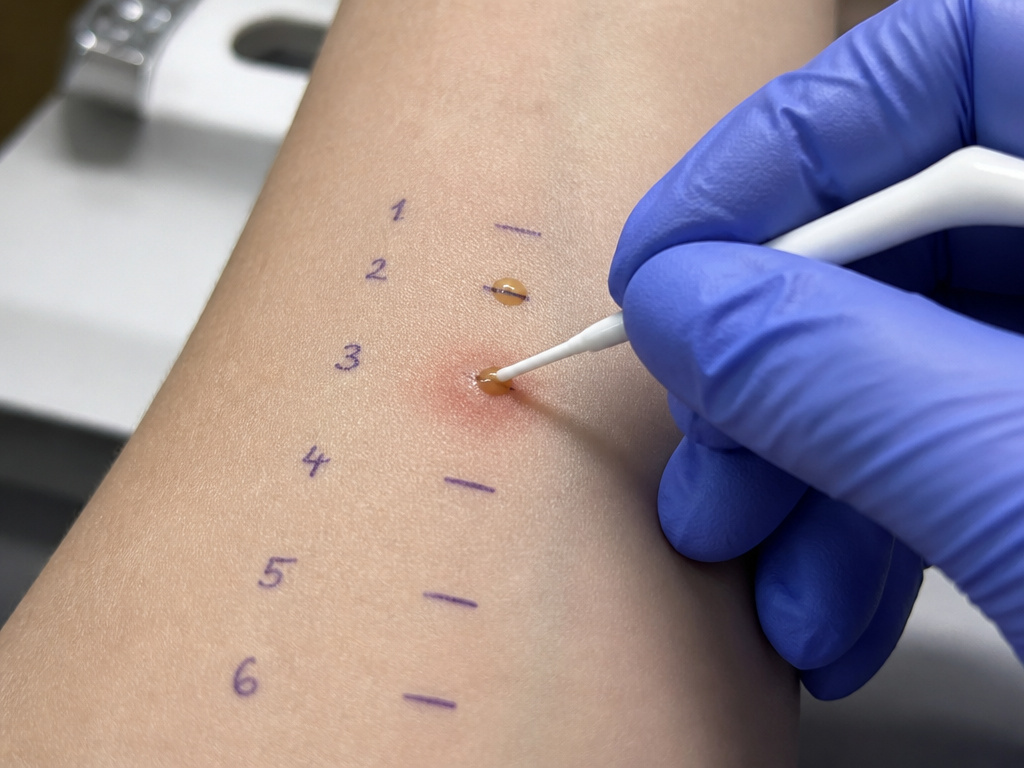
You cannot diagnose this yourself. Online quizzes or guessing based on symptoms are worthless and dangerous. Confirmation requires a visit to an allergist, a doctor specializing in immune reactions.
The allergist has two main tools: the skin prick test and the specific IgE blood test.
Skin prick test: The doctor places a small amount of coffee bean extract on your skin, usually on your back or forearm, then pricks the skin underneath. If you’re allergic, a raised, red, itchy bump (a wheal) develops at the site within 15-20 minutes. The size of the wheal indicates the severity of the reaction.
Specific IgE blood test: This measures the level of IgE antibodies your body has produced against coffee proteins in your blood. It’s less immediate than the skin test but useful if you have severe skin conditions or can’t stop taking antihistamines for the test.
The Kim et al. case used both tests. The patient’s skin prick test produced a significant wheal, and her specific IgE levels for coffee bean extract were elevated. That combination confirmed the diagnosis.
Before you start: Do not attempt a “home test” by drinking small amounts of coffee to gauge your reaction. If you have a true IgE-mediated allergy, even a tiny dose can provoke a severe response, including anaphylaxis. This is a medical diagnostic procedure, not a curiosity.
The process isn’t one appointment. It often involves a detailed history, the test, and a follow-up to discuss results and a management plan. They might also test for cross-reactive allergens like shellfish or cockroach to give you a complete picture.
TL;DR: Diagnosis is a medical procedure performed by an allergist using a skin prick test or specific IgE blood test. Self-testing by drinking coffee is risky and ineffective.
What If You’re Allergic? Life After Diagnosis
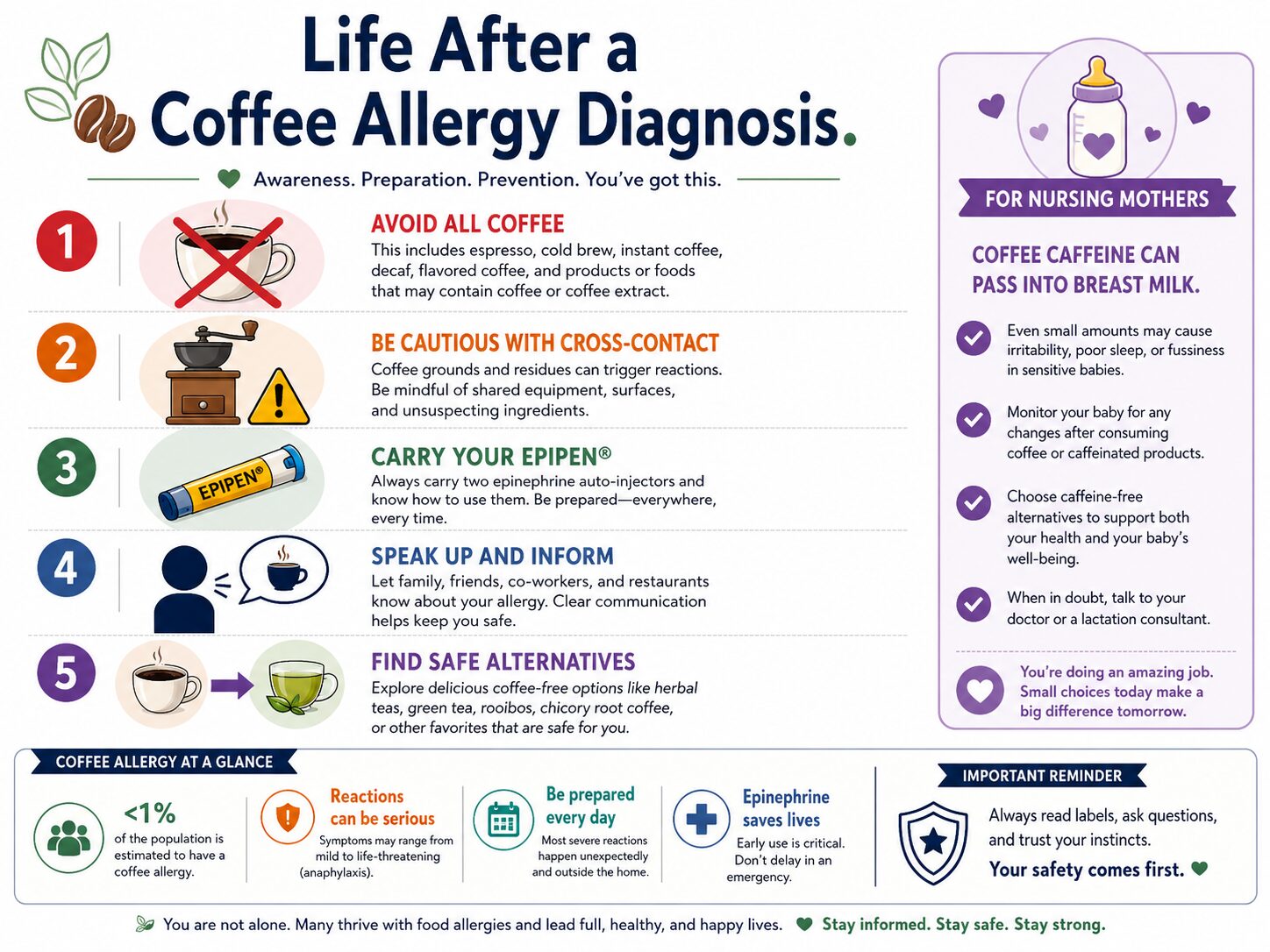
A confirmed coffee allergy means you stop drinking coffee. That’s the non-negotiable first step. But management goes beyond just skipping your morning cup.
- Avoid all coffee products. This includes brewed coffee, espresso, instant coffee, decaf coffee, and coffee-flavored foods or desserts. Read labels on packaged goods.
- Consider cross-reactive exposures. If your allergy is linked to tropomyosin, be vigilant about pre-ground coffee and environments where coffee dust is present. Grinding whole beans at home may reduce risk, but discuss this with your allergist.
- Carry emergency medication. If your history includes severe reactions like swelling of the throat or difficulty breathing, your doctor will likely prescribe an epinephrine auto-injector (like an EpiPen) and instruct you to carry it.
- Communicate the allergy. Tell restaurant staff, friends, and coworkers. Coffee can be an ingredient in sauces, marinades, or even some chocolate products.
- Find alternatives. This is where exploring other beverages becomes key. Look into black tea caffeine content or green tea as an alternative. The caffeine in tea vs coffee is lower, and the proteins are different.
For nursing mothers, a coffee allergy adds another layer. If you are a breastfeeding mom drinking coffee, the allergen proteins could potentially transfer to breast milk. The allergen transfer in breast milk is a documented pathway for other food allergies. You must discuss this with your allergist and pediatrician.
Your social life changes. Coffee shops are off-limits unless you’re certain they serve a safe alternative like tea. The smell of brewing coffee might even cause a mild reaction if your allergy is severe.
I’ve had to explain to more than one confused friend that my skipping coffee isn’t a preference, it’s a medical necessity. It’s easier now. The first time, at a cafe, I just said I had a stomach issue. After the diagnosis, I say “coffee allergy” and the conversation usually ends there.
Caffeine Sensitivity vs. Allergy: Choosing Your Path

For most people who feel unwell after coffee, the problem is caffeine sensitivity. The management path is totally different.
Caffeine sensitivity is about dose and timing. You can often manage it by:
– Switching to a lower-caffeine option like black tea vs black coffee
– Drinking less coffee
– Avoiding coffee later in the day
– Trying a low-acid coffee option if stomach acid is the issue
It’s a trial-and-error process. You might find that half-caff coffee works, or that you tolerate cold brew better than hot coffee. The benefits of tea vs coffee might lead you to switch beverages entirely.
A coffee allergy is not trial-and-error. It’s avoidance. The stakes are higher. Introducing even a small amount of the allergen to “test” your tolerance can trigger a serious reaction. This is why a doctor’s diagnosis is critical, it tells you which path you’re on.
| Condition | Root Cause | Management | Can You Have Decaf? |
|---|---|---|---|
| Coffee Allergy | Immune reaction to bean proteins (Cof a 2, Cof a 3) | Strict avoidance of all coffee products; possible emergency medication | No |
| Caffeine Sensitivity | Physiological reaction to caffeine molecule | Dose reduction, timing adjustment, alternative beverages | Yes |
| Coffee Intolerance | Non-immune digestive issue (e.g., acidity) | Acid management, brewing method change, managing coffee acidity | Maybe |
If your symptoms are cardiac, like a racing heart, you’re likely dealing with a caffeine as a potential trigger for palpitations, not an allergy. That’s a heart-related caffeine sensitivity. Track your consumption and see a cardiologist if it’s severe.
TL;DR: Sensitivity means adjusting dose and method. Allergy means complete, permanent avoidance. Don’t guess which one you have.
Frequently Asked Questions
Can you be allergic to the caffeine in coffee?
True IgE-mediated allergy to the caffeine molecule itself is extraordinarily rare. Most documented “caffeine allergies” are severe sensitivities or intolerances. The immune reaction is typically to proteins in the coffee bean, not the caffeine.
What are the most common coffee allergy symptoms?
The most common symptoms are skin-related: hives (urticaria) and swelling (angioedema), particularly around the lips and face. Respiratory symptoms like wheezing or throat tightness are also reported, and in severe cases, anaphylaxis can occur.
How long after drinking coffee do allergy symptoms appear?
Symptoms of a true IgE-mediated coffee allergy typically begin within 30 to 60 minutes after consumption. This rapid onset is a hallmark of an immune response, unlike the slower or variable onset of caffeine sensitivity symptoms.
If I’m allergic to coffee, can I drink decaf?
No. The allergens are proteins within the coffee bean, such as Cof a 2 and Cof a 3. Decaffeination removes caffeine but does not remove these proteins. If you have a coffee bean protein allergy, decaf will still trigger a reaction.
Is there a connection between coffee allergy and shellfish allergy?
There is a potential link due to cross-reactivity. Both shellfish and insects like cockroaches contain similar tropomyosin proteins. Since trace insect parts can be present in processed coffee, particularly pre-ground coffee, individuals with a shellfish allergy might react to those insect proteins in their coffee.
The Bottom Line
A coffee allergy is a real, documented medical condition, but it’s rare. The majority of unpleasant reactions to coffee are due to caffeine sensitivity or intolerance. The difference is life-changing. Sensitivity means you can adjust your habits. Allergy means you must avoid the bean entirely.
Getting the right answer requires a doctor’s test, a skin prick or specific IgE blood test. Don’t rely on online advice or self-diagnosis. If you experience hives, swelling, or breathing difficulties after drinking coffee, stop consuming it and see an allergist. They can pinpoint the cause and give you a clear, safe path forward.
For everyone else, if coffee makes you jittery or upset your stomach, look at your caffeine intake, try different brewing methods, or explore alternative beverages. Your problem is probably manageable, not medical.
