
Can Mormons Drink Iced Coffee? Official Rules Explained (58 chars)
No. Adherents to the teachings of The Church of Jesus Christ of Latter-day Saints (Latter-day Saints or Mormons) are instructed not to drink coffee, and this prohibition includes iced coffee. The rule stems from a religious health code called the Word of Wisdom, which names coffee and tea specifically. The temperature of the beverage is irrelevant to the doctrine.
The confusion starts with the wording. The original 19th-century text warns against “hot drinks,” and plenty of people, members and outsiders alike, have taken that phrase literally. They assume a chilled version of the drink sidesteps the rule. That assumption is wrong, and it misses the point of how religious doctrine is interpreted and applied by the faith’s leadership.
This guide walks through the official sources, the historical clarification that settled the temperature debate a century ago, and the practical realities of what members choose to drink instead. You’ll see why the answer is definitive, where the wiggle room actually is, and why the conversation about soda is entirely separate.
Key Takeaways
- The official stance from The Church of Jesus Christ of Latter-day Saints is clear: coffee is prohibited, full stop. The 2019 update to the Church’s online resources removed any ambiguity.
- The term “hot drinks” from the 1833 revelation was authoritatively defined as “tea and coffee” in 1918. The temperature of the beverage has never been the deciding factor.
- The prohibition is on the substance of coffee, not its caffeine. Decaffeinated coffee is also not permitted for practicing members.
- Caffeinated soda is not prohibited by the Word of Wisdom, leading to its widespread consumption in Mormon culture as a coffee substitute.
- Coffee-flavored foods (like ice cream) exist in a gray area, but the official guidance encourages members to avoid anything that would violate the spirit of the commitment.
The Official Answer: What the Church Says
You do not need to parse 19th-century language. The modern Church provides a direct answer. The Church of Jesus Christ FAQ on coffee states plainly: “The only beverages the Church has ever specifically identified as being proscribed by the Word of Wisdom are alcohol, tobacco, coffee, and tea.”
That sentence, from the Church’s own official resource, does not include asterisks for temperature. It does not say “hot coffee.” It says coffee.
Common mistake: Assuming “iced coffee” is okay because it’s cold, the prohibition is on the substance of coffee, not its serving temperature. This misinterpretation directly contradicts a century of clarified teaching.
The rule is part of the Word of Wisdom, a health code found in Section 89 of the Doctrine and Covenants, a volume of scripture. Members covenant to follow this law, and adherence is a requirement for entering temples, which are central to Latter-day Saint worship. This isn’t a casual dietary suggestion. It’s a standard of worthiness.
TL;DR: The Church’s official position names coffee as a prohibited substance. Iced coffee is coffee.
Where the Confusion Comes From: “Hot Drinks”
The original text of the Word of Wisdom, received in 1833, says “hot drinks are not for the body or belly.” For a modern reader, that sounds like a warning against temperature. The logical leap to “cold coffee is fine” seems reasonable if you stop there.
Church leadership didn’t stop there. In 1918, President Joseph F. Smith clarified that “hot drinks” meant “tea and coffee.” That interpretation was reiterated and became settled doctrine. The “hot” was a descriptor of the common form of the beverages at the time, not the operative condition of the rule.
Think of it like the phrase “hot topics.” The topics aren’t physically warm; they’re currently debated. The Word of Wisdom uses “hot drinks” to identify the specific substances, coffee and tea, that were typically consumed hot. The 2019 update to the Church’s online resources was the final nail in the coffin for the temperature argument, making the substance-based prohibition explicit and searchable for anyone with questions.
| Term from Doctrine & Covenants 89 | Official Clarification (1918) | Modern Application (Post-2019) |
|---|---|---|
| “hot drinks” | Tea and coffee | All coffee and tea, regardless of temperature or caffeine content |
| “strong drinks” | Alcoholic beverages | All alcoholic drinks |
| “tobacco” | Unchanged | All tobacco products |
The table shows the evolution from 19th-century phrasing to 21st-century application. The column on the right is what a bishop or member will reference today.
What About Decaf and Coffee Flavoring?
If the rule were about caffeine, decaf would be the obvious loophole. It’s not a loophole because the rule isn’t about caffeine. The prohibition is on the coffee bean itself. Decaffeinated coffee is still coffee. A member ordering a decaf latte at a coffee shop is still purchasing and consuming the prohibited substance.
This trips up a lot of well-meaning friends and coworkers. They think they’re being accommodating by offering decaf. The principle remains the same.
Coffee-flavored items land in a personal discernment zone. The Church’s official Latter-day Saint dietary guidance focuses on the beverages themselves. Chocolate-covered coffee beans, coffee ice cream, or tiramisu are not explicitly named.
I’ve had tiramisu at a church potluck. Nobody batted an eye. But I’ve also known members who avoid coffee-flavored jelly beans because it feels too close to the line. The handbook advises members to avoid anything that could be addictive or harmful, or that would lead them to violate the spirit of the law. For most, an occasional coffee-flavored dessert isn’t a issue. Drinking a frappuccino made with coffee is.
The line is drawn at ingestion of the substance. Flavoring derived from coffee beans, especially in trace amounts in a dessert, is generally left to individual conscience. The Mormon Scholar caffeine analysis delves into these nuanced interpretations, noting that the focus has always been on the drinkable form of the substance.
The Soda Paradox: Why Caffeine Isn’t the Issue
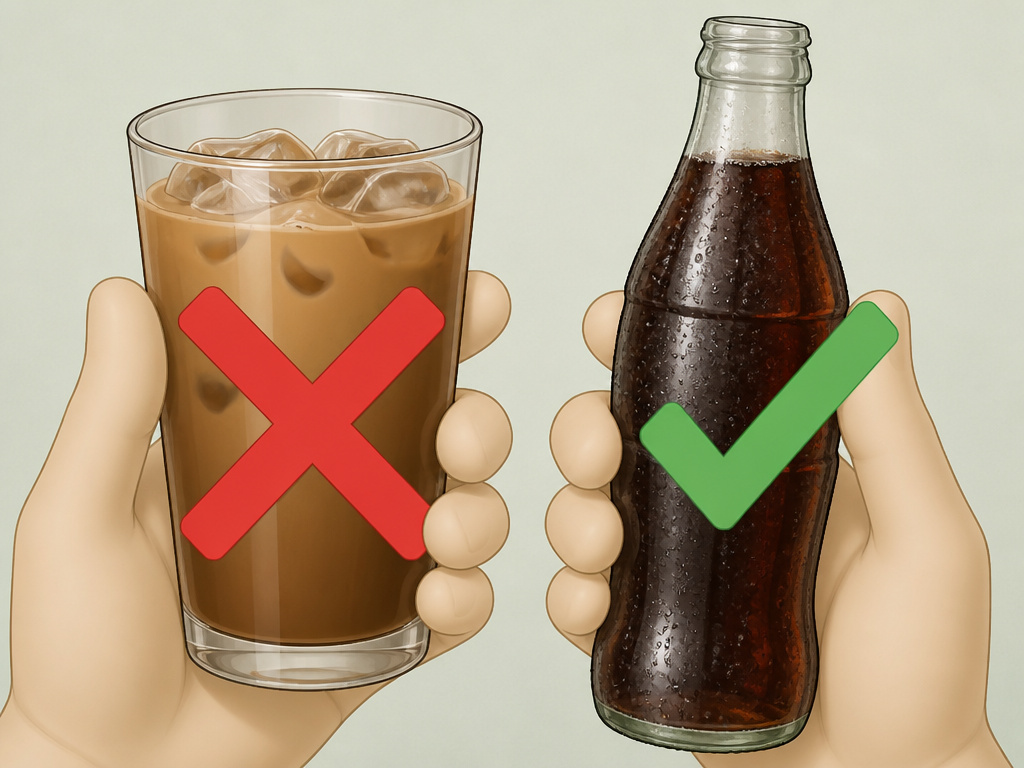
This is the part that makes the rule seem arbitrary to outsiders. If coffee is banned, and coffee has caffeine, why is caffeinated soda not banned? The answer is simple: the Word of Wisdom does not mention caffeine.
The prohibition is specific. It names alcohol, tobacco, coffee, and tea. It does not name caffeine, soda, or energy drinks. Therefore, the consumption of drinks like Coca-Cola or Diet Coke is not a violation of the commandment. This has led to a unique cultural fixture, especially in Utah and Idaho.
Common mistake: Conflating the coffee/tea ban with a general caffeine ban, the Church has never equated the two. This misunderstanding persists even among members, but the official sources are clear.
The practical result is that soda shops thrive in Mormon communities. They serve as social hubs akin to coffee shops, offering highly sweetened, often caffeinated beverages as the standard social drink. The caffeine in Coca-Cola is about 34 mg per 12 oz can, while a standard cup of coffee can have 95 mg or more. For members who avoid caffeine entirely, and many do, the decision is personal, based on the broader principle to avoid addictive substances, not a Church mandate.
| Beverage | Word of Wisdom Status | Typical Caffeine (per 8oz) | Cultural Context |
|---|---|---|---|
| Coffee (hot or iced) | Prohibited | 95 mg | Not consumed by practicing members. |
| Black Tea | Prohibited | 47 mg | Not consumed by practicing members. |
| Herbal Tea | Permitted | 0 mg | Common alternative. |
| Caffeinated Soda | Permitted | ~22-46 mg | Extremely common, especially in Mormon-heavy regions. |
| Hot Chocolate | Permitted | 5-10 mg | Common, especially in winter. |
The table highlights the disconnect. The rule targets specific plants (coffee bean, tea leaf), not a chemical stimulant. This is why comparing the caffeine in iced tea to the caffeine in soda is irrelevant to the religious law. One is prohibited, the other is not.
Living the Rule: Cultural and Practical Realities

For a practicing member, navigating this rule is straightforward: don’t drink coffee or tea. The social complexities arise at business meetings, family gatherings with non-members, or while traveling.
- At a restaurant: You order water, soda, juice, or hot chocolate. If someone presses, a simple “I don’t drink coffee” suffices. Elaborating often leads to the caffeine debate.
- At a coffee shop: You order a steamer, hot chocolate, Italian soda, or a pastry. Many shops have “Mormon-friendly” sections on their menu.
- The “why” question: You can explain it’s a religious health code. Most people accept that. Getting into the semantics of “hot drinks” usually confuses more than it clarifies.
The rule’s enforcement is communal and personal. Adherence is required for a temple recommend, the card that allows entry into Latter-day Saint temples. A member who drinks coffee would not be able to obtain or renew that recommend. This isn’t about policing; it’s about a personal commitment that is then verified by local leadership.
The BYU Daily Universe product removal report from 2019 is a perfect case study. When the BYU Creamery, owned by the Church’s university, was found to be selling bottled drinks containing coffee and green tea, they were immediately pulled from shelves. The institution’s action reinforced the standard: the substance is prohibited, regardless of the form it takes.
Frequently Asked Questions
Do Mormons drink iced tea?
No. The same rule that applies to coffee applies to tea made from the tea plant (Camellia sinensis). This includes black, green, and white tea, whether hot or iced. Herbal teas (tisanes) made from other plants, like peppermint or chamomile, are permitted.
Can Mormons have caffeine?
Yes. The Word of Wisdom does not prohibit caffeine. The consumption of caffeinated soda, for example, is a personal choice. Some members avoid it, citing the counsel to avoid addictive substances, but it is not a commandment. The confusion stems from coffee and tea containing caffeine, but the prohibition is on the plants, not the compound.
What about chai tea or matcha?
If it contains actual tea leaves, it is not permitted. Many “chai” drinks are made from a concentrate containing black tea. Matcha is powdered green tea. Both fall under the prohibition. Herbal chai blends that use rooibos or other non-tea bases are acceptable.
Why is hot chocolate okay but coffee isn’t?
Hot chocolate is made from cocoa, which is not mentioned in the Word of Wisdom. The “hot drinks” clarification specifically identified only tea and coffee. This is the core of the rule’s specificity, it names substances, not temperatures or broad categories of stimulants.
Can a Mormon go into a coffee shop?
Yes. Coffee shops are common places to socialize, work, or study. Members frequently go to them to order non-coffee beverages, pastries, or to meet friends. The rule is about consumption, not proximity.
The Bottom Line
The question “can Mormons drink iced coffee” has a definitive answer: no. The rule is about the substance of coffee, not its temperature or caffeine content. This is settled doctrine, clarified for over a century and explicitly stated in the Church’s modern resources.
The apparent contradiction with caffeinated soda only highlights the rule’s specificity. It’s not a general health guideline about stimulants; it’s a religious covenant concerning specific substances. For members, it’s a matter of obedience and identity. For everyone else, it’s a simple boundary to respect, when you’re offering a drink to a Latter-day Saint friend, skip the coffee and tea, and maybe just offer a caffeinated soda instead. They’ll know what to do.
{
“@context”: “https://schema.org”,
“@type”: “HowTo”,
“name”: “How to Understand the Mormon Iced Coffee Rule”,
“totalTime”: “PT10M”,
“step”: [
{
“@type”: “HowToStep”,
“name”: “Read the official source”,
“text”: “Review the Church of Jesus Christ of Latter-day Saints’ Gospel Topics entry on the Word of Wisdom, which explicitly names coffee and tea as prohibited.”
},
{
“@type”: “HowToStep”,
“name”: “Clarify the ‘hot drinks’ term”,
“text”: “Understand that ‘hot drinks’ was clarified in 1918 to mean coffee and tea specifically, regardless of temperature.”
},
{
“@type”: “HowToStep”,
“name”: “Distinguish substance from caffeine”,
“text”: “Recognize the prohibition is on the substance of coffee itself, not its caffeine content, which is why decaf is also not permitted.”
},
{
“@type”: “HowToStep”,
“name”: “Identify acceptable alternatives”,
“text”: “Choose from beverages like herbal tea, hot chocolate, or caffeinated soda, which are not named in the Word of Wisdom and are left to personal judgment.”
}
]
}
{
“@context”: “https://schema.org”,
“@type”: “FAQPage”,
“mainEntity”: [
{
“@type”: “Question”,
“name”: “Do Mormons drink iced tea?”,
“acceptedAnswer”: {
“@type”: “Answer”,
“text”: “No. The same rule that applies to coffee applies to tea made from the tea plant (Camellia sinensis). This includes black, green, and white tea, whether hot or iced. Herbal teas (tisanes) made from other plants, like peppermint or chamomile, are permitted.”
}
},
{
“@type”: “Question”,
“name”: “Can Mormons have caffeine?”,
“acceptedAnswer”: {
“@type”: “Answer”,
“text”: “Yes. The Word of Wisdom does not prohibit caffeine. The consumption of caffeinated soda, for example, is a personal choice. Some members avoid it, citing the counsel to avoid addictive substances, but it is not a commandment. The confusion stems from coffee and tea containing caffeine, but the prohibition is on the plants, not the compound.”
}
},
{
“@type”: “Question”,
“name”: “What about chai tea or matcha?”,
“acceptedAnswer”: {
“@type”: “Answer”,
“text”: “If it contains actual tea leaves, it is not permitted. Many \”chai\” drinks are made from a concentrate containing black tea. Matcha is powdered green tea. Both fall under the prohibition. Herbal chai blends that use rooibos or other non-tea bases are acceptable.”
}
},
{
“@type”: “Question”,
“name”: “Why is hot chocolate okay but coffee isn’t?”,
“acceptedAnswer”: {
“@type”: “Answer”,
“text”: “Hot chocolate is made from cocoa, which is not mentioned in the Word of Wisdom. The \”hot drinks\” clarification specifically identified only tea and coffee. This is the core of the rule’s specificity, it names substances, not temperatures or broad categories of stimulants.”
}
},
{
“@type”: “Question”,
“name”: “Can a Mormon go into a coffee shop?”,
“acceptedAnswer”: {
“@type”: “Answer”,
“text”: “Yes. Coffee shops are common places to socialize, work, or study. Members frequently go to them to order non-coffee beverages, pastries, or to meet friends. The rule is about consumption, not proximity.”
}
}
]
}
