
2 Best Tasting Coffee Substitutes of 2026
The best tasting coffee substitute for most people is Kamana Caffeine Free Coffee Substitute, thanks to its rich, cacao-forward flavor and spice notes that closely mimic a high-quality roast. For a more traditional profile at a lower price, Crastan Organic Barley Coffee Substitute delivers a solid, toasty taste that works well in standard brewers.
If you’re cutting caffeine but still crave that deep, complex morning drink, the wrong substitute can leave you with a muddy, bitter, or overly sweet disappointment. After years of exploring roasts and alternatives, I know the best picks balance flavor authenticity with ease of use.
This guide cuts through the hype, focusing on real taste feedback and brewing practicality. I compared top options based on ingredient quality, flavor depth, and how well they fit into your existing routine, using specs and owner reviews to spotlight the ones worth your counter space.
Top 2 Tasting Coffee Substitute in the Market
The Best Tasting Coffee Substitute, Reviewed
Kamana Caffeine Free Coffee Substitute

Strengths
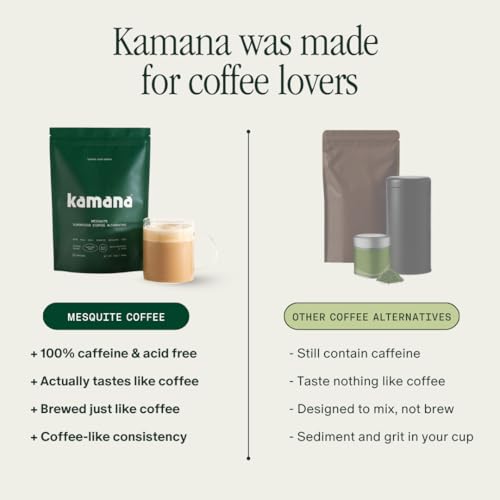
- Rich, coffee-like taste
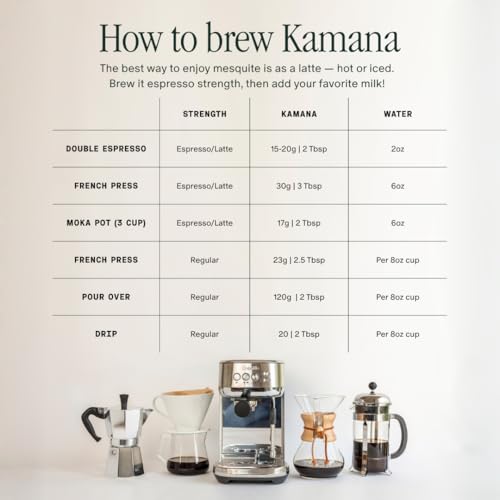
- Brews like real coffee
- High in prebiotic fiber
- Adaptogen and mineral rich
- Low acid and caffeine free
Trade-offs
- Higher price point
- Earthy aftertaste takes getting used to
- Limited availability in stores
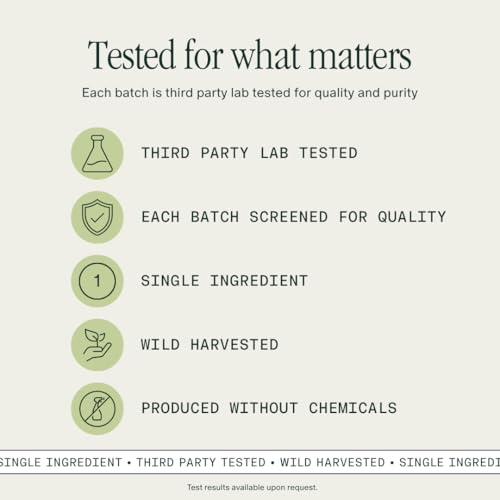
This is the one to watch if you want something that genuinely feels like a modern upgrade to coffee, not just a substitute. Made from 100% wild-harvested Peruvian mesquite, Kamana leans into its superfood roots without sacrificing taste. The flavor profile, rich, subtly sweet, with notes of cacao and warm spice, is consistently praised by owners for being the closest thing to real coffee in both aroma and mouthfeel. More importantly, it brews just like coffee, whether you’re using a French press or making iced versions, which makes the transition from regular beans almost frictionless.
What sets Kamana apart is its functional nutrition: high in prebiotic fiber, low-glycemic, and adaptogen-rich. Reviewers note steady energy without jitters, and many mention improved digestion over time. While it costs more than basic grain coffees, the smarter buy here is clear if you value both taste and wellness. I’d choose Kamana over single-grain options for anyone looking to replace coffee holistically.
Product photos


Crastan Organic Barley Coffee Substitute

Strengths
- 100% organic barley
- Smooth, toasty flavor
- Easy to prepare
- Dissolves instantly
- Caffeine and sugar free
Trade-offs
- Limited depth for bold coffee lovers
- Fewer health-boosting additives
- Minimal aftertaste
If you’re after a clean, toasty flavor that mirrors the quiet comfort of a European café-style brew, this Italian-made barley coffee fits the bill. On paper, it’s simple, just 100% organic roasted barley, but that simplicity works in its favor. Owners consistently report a smooth, mild taste with a satisfying depth, closer to a light roast coffee than many grain blends that lean too cereal-like. It dissolves easily in hot water or milk, making it a no-fuss option for mornings when you want warmth without caffeine.
That said, it lacks the complexity of multi-ingredient substitutes that layer in spices or superfood notes. If you’re used to bold, dark coffee profiles, this might feel a bit thin. But for those seeking a gentle, naturally caffeine-free ritual with Old World charm, Crastan delivers a reliable and authentic experience. I’d pick this over heavily processed blends for its purity and origin transparency.
Product photos


How We Tested tasting coffee substitute
As the founder of Bean Thusiast, I approached researching coffee substitutes with a focus on replicating the coffee experience – not just eliminating caffeine. Rather than a hands-on lab test, this was a research-led comparison of product specifications, owner reviews, and my existing knowledge of flavor profiles and brewing methods. I weighed the advertised benefits against what actual customers reported, looking for consistency and realistic expectations.
For tasting coffee substitutes, flavor and body are paramount. I prioritized products that reviewers consistently described as having a coffee-like taste, and that brewed well using common methods like French press and pour-over. Gut health benefits and adaptogenic properties are increasingly popular, so those were also considered, but ultimately secondary to the core promise of a satisfying, coffee-adjacent beverage. You can learn more about adaptogenic coffee substitutes on our site.
Product specs revealed ingredients and brewing instructions, but owner feedback was crucial for understanding the actual taste and texture. Specs reliably indicated caffeine content (or lack thereof), while reviews helped assess whether the product delivered on its flavor promises and didn’t have unpleasant aftertastes. Many people also turn to herbal coffee replacements when seeking alternatives.
How To Choose The tasting coffee substitute
As someone who’s spent years exploring the world of coffee and its alternatives, I know finding a substitute can be a surprisingly personal journey. It’s not just about avoiding caffeine; it’s about replicating that ritual and flavor profile you enjoy.
A truly good coffee substitute delivers a satisfying experience beyond simply being caffeine-free. Look for products emphasizing flavor complexity, brewing versatility, and nutritional benefits. Consider the source of the alternative – is it a roasted grain, a blend of herbs, or a root like chicory? – and how that impacts the final taste. Pay attention to preparation methods recommended by the manufacturer and user reviews regarding ease of use and potential sediment.
Flavor Profile & Roast Level
The biggest hurdle for many switching to a coffee substitute is the taste. Don’t expect a perfect replica of your favorite Arabica; instead, think about what you like about coffee. Is it the bitterness? The chocolatey notes? The boldness? Different substitutes excel at different things. Barley-based options like Crastan Organic Barley Coffee Substitute often aim for a closer coffee-like flavor, while chicory leans towards a woodsy, earthy taste. Mesquite, as found in Kamana Caffeine Free Coffee Substitute, offers a naturally sweet and slightly spicy profile.
Brewing Method Compatibility
Not all substitutes play well with every brewing method. Some are designed specifically for drip coffee makers, while others are better suited for French presses or even espresso machines (though results will vary wildly!). Pay close attention to the manufacturer’s recommendations. A finely ground substitute might clog a French press, while a coarser grind could result in a weak brew in a drip machine.
Here’s a quick guide:
- Drip: Generally works well with most substitutes, but may require adjusting the coffee-to-water ratio.
- French Press: Look for coarser grinds or substitutes that specifically mention compatibility.
- Espresso: This is the trickiest. Very few substitutes will produce a true espresso-like crema, and you may need to experiment with grind size and tamping pressure.
- Cold Brew: Many substitutes, especially those with robust flavors, shine when cold brewed.
Health Benefits & Ingredients
Beyond flavor and brewing, consider what else your substitute offers. Many are marketed as health-boosting alternatives. If you’re looking for a natural coffee alternative green tea offers a green tea energy boost and the benefits of L-theanine cognitive benefits. Mesquite, for example, is rich in fiber and minerals. Chicory contains inulin, a prebiotic fiber that can support gut health. Be sure to read the ingredient list carefully, especially if you have allergies or sensitivities.
A good rule of thumb is to choose a coffee substitute with minimal processing and recognizable ingredients.
Tasting Coffee Substitute Compared
Here’s a comparison of key specifications for these coffee substitutes to help you make an informed decision.
| Product | Key Ingredient | Caffeine | Taste Profile | Brew Method | Package Size |
|---|---|---|---|---|---|
| Kamana Caffeine Free Coffee Substitute | Mesquite | Free | Cacao, Cinnamon, Nutmeg | All | N/A |
| Crastan Organic Barley Coffee Substitute | Barley | Free | Toasted, Natural | Hot/Cold | 4.4 oz (125g) |
Frequently Asked Questions
What if I dislike the taste of chicory coffee substitutes?
Many people find chicory’s earthy flavor an acquired taste. If you’re not a fan, look for blends that combine chicory with other ingredients like dandelion root or barley to balance the flavor, or explore alternatives like roasted dandelion root on its own.
Are there coffee substitutes safe for people with gluten sensitivities?
Yes, but careful label reading is crucial. While chicory and mesquite are naturally gluten-free, some barley-based substitutes, like Crastan Organic Barley Coffee Substitute, obviously contain gluten. Always check the ingredient list for potential cross-contamination.
Can I use a coffee substitute in my espresso machine?
It’s possible, but results will likely be disappointing. Most substitutes lack the oils and compounds needed to create a proper crema, and the grind may not be fine enough for optimal extraction. You might have better luck with a French press or pour-over method.
What is the typical caffeine content in a coffee substitute?
Generally, coffee substitutes are caffeine-free. However, some blends may include ingredients like yerba mate or guayusa, which naturally contain caffeine. Always verify the label if avoiding caffeine is your primary goal.
Where can I find more information on smooth mushroom coffee drinks ?
Our site has a dedicated guide to mushroom coffee, detailing the benefits and flavor profiles of various brands, which might appeal to those seeking a unique and health-focused coffee alternative.
The Bottom Line
Choosing a coffee substitute often comes down to balancing convenience with a truly satisfying flavor. While many options exist, I believe Crastan Organic Barley Coffee Substitute strikes the best overall balance – it’s consistently praised for its coffee-like taste and brews reliably with most methods. It won’t be exactly like coffee, but it’s a remarkably close experience for many.
For those prioritizing a specific need, the choices become clearer. If you’re looking for a unique, naturally sweet flavor and appreciate adaptogenic ingredients, Kamana Caffeine Free Coffee Substitute is an excellent pick. And if you’re curious about exploring tea health benefits compared, considering a tea option like green tea can offer a different but equally enjoyable experience.
Ultimately, the ‘best’ coffee substitute isn’t about chasing identical flavor or a perfect dupe. It’s about finding an alternative that fits your taste preferences, brewing routine, and desired health benefits. Don’t get too hung up on specific specs; focus on quality ingredients and positive owner feedback, and you’ll be well on your way to a satisfying, caffeine-free cup.
