
When Can You Drink Coffee After a Tooth Extraction? Guide
Wait a full 24 hours after a tooth extraction before drinking coffee. The heat can dissolve the blood clot, and the caffeine can increase bleeding. After 24 hours, you may drink coffee that has cooled to lukewarm or room temperature, sipping slowly from the cup, never through a straw.
Most people get this wrong because they focus on the caffeine. The real threat in that first day is the temperature. A hot liquid passing over a fresh socket doesn’t just hurt, it physically melts the fragile clot that’s trying to form.
This guide covers the mechanics of why you must wait, the exact timeline for reintroducing coffee, and how to spot the warning signs that you’ve moved too fast.
Key Takeaways
- The 24-hour wait is non-negotiable. The University of Michigan School of Dentistry and the American Association of Oral and Maxillofacial Surgeons explicitly state to avoid hot liquids for the first day.
- Heat is a more immediate danger than caffeine. A clot dissolves at around 40°C (104°F), a temperature most coffee is served at.
- Using a straw creates suction that can pull the clot right out of the socket, leading to a painful condition called dry socket (alveolar osteitis).
- If you experience a sudden, deep, throbbing pain 2-5 days after your extraction, you may have dry socket and need to see your dentist.
- Alternatives like cold brew or lukewarm tea exist, but they still require the 24-hour buffer and the no-straw rule.
The 24-Hour Rule: Why Heat and Caffeine Are the Real Problem
The socket left behind after a tooth is pulled isn’t just a hole. It’s a wound. Your body’s first job is to stop the bleeding by forming a stable blood clot. That clot is the foundation for all new tissue growth. Disrupt it, and the healing process resets from zero.
The post-operative instructions from UCSF Health are clear: “Avoid hot foods and drinks for the first 24 hours.” This isn’t a suggestion for comfort. It’s a physical requirement.
Heat above 40°C (104°F) begins to dissolve fibrin, the protein mesh that holds a blood clot together. A cup of black coffee typically pours at 85–90°C (185–194°F). Even after a minute of cooling, it’s still well above the clot’s disintegration point.
Caffeine is the secondary issue. It’s a vasoconstrictor in some tissues and a vasodilator in others, but its net effect after an extraction is often increased heart rate and blood pressure. This can promote oozing or restart minor bleeding at the site. For someone managing their caffeine intake post-surgery, this is a tangible risk.
TL;DR: Coffee is a double threat: heat dissolves the clot, and caffeine can increase bleeding. The 24-hour rule exists because the clot needs a full day to stabilize.
What Exactly Is Dry Socket (And How Coffee Causes It)
Dry socket, or alveolar osteitis, isn’t just a little extra pain. It’s when the blood clot either fails to form or gets dislodged, leaving the underlying bone and nerve exposed to air, food, and fluid.
The pain is distinct. It’s a deep, throbbing ache that radiates up the jaw and to the ear. It often starts 2-5 days after the extraction, well after the local anesthetic has worn off. Normal post-op soreness should be improving by day three; dry socket pain gets worse.
Coffee contributes in two direct ways. First, the physical force of sipping, especially through a straw, creates suction in the mouth. That negative pressure can literally pull the clot out. Second, the heat softens and liquefies the clot before it has a chance to organize. Once the clot is gone, the NIH dry socket management review notes that the empty socket becomes inflamed and extremely painful, requiring a dentist to clean it out and pack it with a medicated dressing.
The financial and time cost is real. A dry socket means an unplanned dental visit, additional procedures, and often a course of stronger pain medication. It extends your recovery by at least a week.
Common mistake: Drinking lukewarm coffee through a straw on day two, the suction is enough to dislodge a partially formed clot, and you’ll feel a sharp “pop” followed by a metallic taste in your mouth within the hour.
Your Hour-by-Hour Guide to the First Day
The clock starts the moment you leave the dentist’s office. Here’s what happens and what you should do.
Hours 0-2: The gauze pack is in place, and the local anesthetic is still active. Your only beverage should be cool water, sipped gently from a cup. No swishing. Spitting is forbidden, it creates the same suction as a straw. Let any excess water dribble out.
Hours 2-8: The bleeding should have substantially slowed or stopped. You can remove the gauze. Stick to cool, non-carbonated liquids. Broth, apple juice, and water are safe. The temptation for coffee is strongest here, especially if you’re used to a morning ritual. This is the most critical window to resist.
Hours 8-24: The clot is forming but is still jelly-like and unstable. Introduce soft, cool foods like yogurt or applesauce if you’re hungry. Continue with cool liquids only. By the 24-hour mark, the clot has matured enough to withstand gentle, lukewarm fluids.
| Time Post-Extraction | Safe Beverages | Absolute Bans | Why This Matters |
|---|---|---|---|
| 0-2 Hours | Cool water | Everything else | Allows gauze to apply pressure; avoids disturbing clot formation. |
| 2-8 Hours | Water, cool broth, apple juice | Hot liquids, coffee, soda, alcohol | Clot is still liquid and can be washed away by vigorous fluid movement. |
| 8-24 Hours | Cool liquids, lukewarm broth | Anything hot, caffeine, straws | Clot is stabilizing but remains vulnerable to heat and suction. |
| 24+ Hours | Lukewarm coffee, cool tea | Straws, very hot drinks | Clot is organized; gentle, warm fluids are now low-risk. |
What About Cold or Iced Coffee?
The temperature danger drops significantly with cold brew or iced coffee. The mechanical danger does not.
A straw is the primary risk with any cold drink. The suction force is strong enough to dislodge a clot that’s several days old. Always drink cold coffee from the rim of the cup or a glass. The secondary risk is sugar. Many iced coffees are loaded with it, and sugar sitting in an open wound is an infection risk.
If you must have something coffee-like within the first week, an unsweetened, milky cold brew sipped carefully from a glass is your safest bet. Wait the full 24 hours first. The acidity in coffee is another factor, cold brew is typically less acidic, which is gentler on the tender socket.
TL;DR: Cold coffee is safer regarding heat, but the no-straw rule is absolute. Skip sweeteners to avoid feeding bacteria in the wound.
The Safest Way to Reintroduce Coffee (After 24 Hours)

Day two begins the cautious reintroduction phase. Follow these steps in order.
- Confirm there’s no active bleeding. If you see pink or red in your saliva, wait another 12 hours. Coffee will aggravate it.
- Brew your coffee as normal, then let it cool on the counter for 8-10 minutes. You’re aiming for genuinely lukewarm, body temperature or slightly below. Test it on your wrist; it should feel neutral, not warm.
- Take small, careful sips from the cup. Do not swish the coffee around your mouth. Let it pass gently over the tongue and down the throat, avoiding the extraction site as much as possible.
- Rinse immediately with salt water. Mix 1/2 teaspoon of salt into a cup of warm water. Gently tilt your head to let the water flow over the socket, then let it dribble out into the sink. This removes coffee particles and sugar.
- Monitor for the next 2-3 hours. Any sharp pain, renewed bleeding, or a foul taste means you’ve irritated the site. Stop coffee and stick to water for the rest of the day.
I learned the rinsing step the hard way. I waited 26 hours, drank a lukewarm Americano slowly, and felt fine. The next morning, the socket was sore and inflamed. My dentist asked if I’d rinsed after drinking. I hadn’t. The coffee grounds had settled into the socket and created a mild infection. Now I rinse every time.
Adding milk or cream can help. Dairy can slightly buffer acidity and lower the temperature a bit faster. If you use a coffee creamer, choose a plain one without added sugars or flavors. For sweetening, a tiny amount of plain sugar is better than honey or syrup, which are stickier. Explore coffee sweeteners that dissolve completely.
Signs You’ve Had Coffee Too Soon (And What to Do)
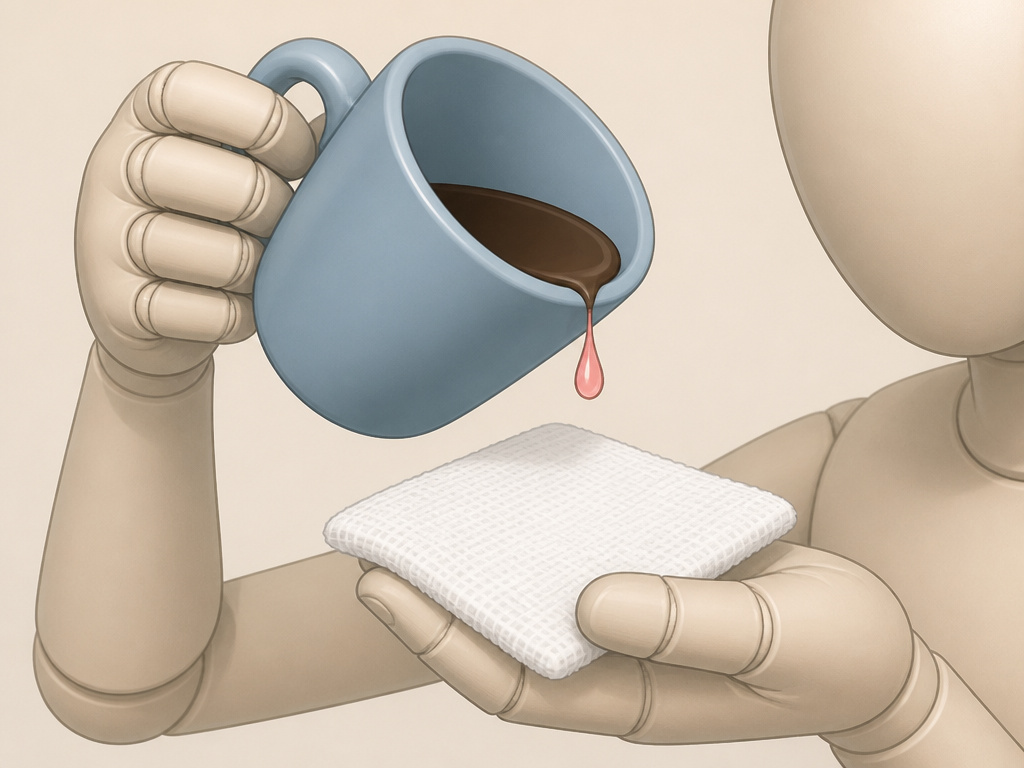
You’ll know within a few hours if you’ve jumped the gun.
The first sign is often a return of bleeding. It might start as a pink tinge in your saliva and progress to more obvious red. The second sign is a sudden increase in pain after a period of improvement. This isn’t the dull, background ache of healing. It’s a sharper, more localized throb.
If you experience either, stop all coffee immediately. Bite down gently on a fresh piece of moist gauze for 30-45 minutes to encourage a new clot to form. Stick to cool water and soft foods for the next 12 hours. If the bleeding doesn’t stop or the pain becomes severe, call your dentist. You may need a fresh gauze pack or a medicated dressing.
The Harvard Health dry socket guide lists throbbing pain, an empty-looking socket, and bad breath as the classic triad of symptoms. Don’t wait for all three.
Better Beverage Alternatives While You Wait

The 24-48 hour window is a good time to explore other drinks. Your goal is hydration and gentle nutrition without risk.
Herbal Tea: Caffeine-free herbal teas like chamomile or ginger, cooled to lukewarm, are soothing and anti-inflammatory. Avoid peppermint tea initially, as it can be a mild vasodilator.
Bone Broth: Provides electrolytes and protein without needing to chew. Cool it to room temperature.
Water: Always the best choice. Sip it constantly to stay hydrated, which is crucial for healing.
Diluted Juice: Apple or pear juice diluted with water offers calories and vitamins without the acidity of citrus.
If you absolutely need a caffeine fix, a very small amount of cooled green tea is a less aggressive option. The caffeine content comparison shows green tea has about half the caffeine of black tea and a quarter of black coffee. It’s still a stimulant, so proceed with caution. For a truly gentle option, consider the health benefits of coffee and its alternatives during this recovery period.
Frequently Asked Questions
Can I drink decaf coffee after a tooth extraction?
Yes, but only after 24 hours and only if it’s cooled to lukewarm. The primary risk in the first day is heat, not caffeine. Decaf coffee is served just as hot as regular coffee, so the same cooling rule applies.
How long after a tooth extraction can I use a straw?
Avoid straws for at least one full week. The suction force is strong enough to dislodge a healing clot even after several days. Drink everything from the rim of the cup until your dentist confirms the socket is closed.
What happens if I accidentally drink hot coffee?
Stop immediately. Rinse your mouth very gently with cool water, do not swish. Bite down on a moist gauze pad for 30 minutes to encourage re-clotting. Monitor for increased pain or bleeding over the next several hours. If pain spikes, contact your dentist.
Can I drink iced coffee after tooth extraction?
You can drink iced coffee after 24 hours, but you must not use a straw. Drink it directly from the glass. Also, avoid sugary syrups or sweeteners, as sugar in the open socket can promote infection.
Does milk in my coffee make it safer?
Milk can slightly buffer the acidity and help the coffee cool faster, but it does not neutralize the heat risk within the first 24 hours. The temperature is the main concern. After 24 hours, adding milk is fine if it helps you enjoy a cooler cup.
Before You Go
The rule is simple but strict: no coffee for the first 24 hours after an extraction. Heat is the enemy of your blood clot, and caffeine can complicate healing. After that first day, proceed with extreme caution, let your coffee cool to lukewarm, sip it from the cup, and rinse with salt water afterward. Your future self will thank you for the patience. A few days of modified habits is far better than the deep, radiating pain of a dry socket and a trip back to the dentist’s chair.
