7 Best Automatic Bean to Cup Coffee Machines 2026
The Zulay Magia Ultra LUX stands out as the best overall automatic bean to cup coffee machine, delivering strong performance and rich customization. For those watching their budget, the Philips 3300 Series offers reliable brewing with the convenience of an AquaClean filter, while the De’Longhi Rivelia excels in versatility with dual bean hoppers and advanced personalization options.
If you’re tired of inconsistent coffee or the hassle of manual brewing, an automatic bean to cup machine promises fresh, hands-off results every morning. But with so many models claiming perfection, it’s easy to end up with a machine that’s finicky, noisy, or a maintenance nightmare.
I’ve researched the field extensively, analyzing specs and owner feedback to find machines that actually deliver on their promises. These picks reflect real-world performance, focusing on grind quality, milk handling, ease of cleaning, and long-term reliability, so you can make a confident choice based on how you actually live and drink coffee.
Top 7 Automatic Bean To Cup Coffee Machine in the Market
The Best Automatic Bean To Cup Coffee Machine, Reviewed
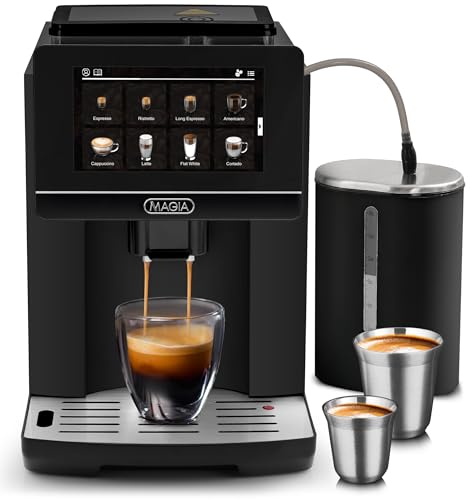
Zulay Magia Ultra LUX Super Automatic
Strengths
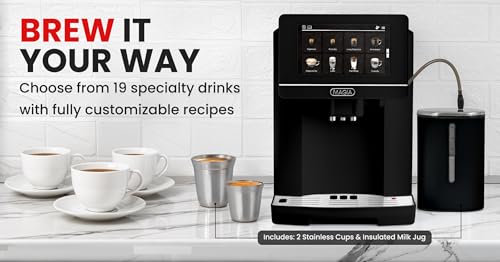
- 19 one-touch drinks
- Double brewing function
- 7-inch touchscreen
Trade-offs
- Large footprint
- Higher price point
- Milk jug requires ice pack
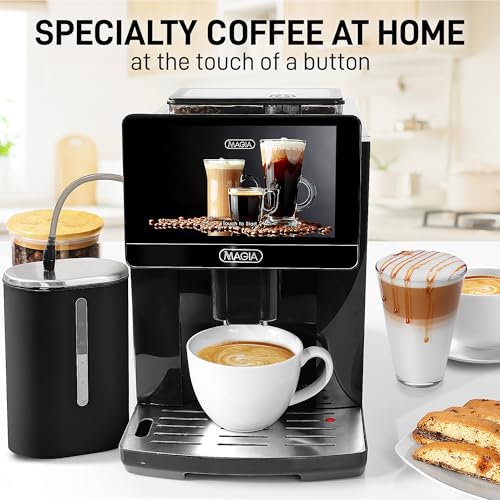
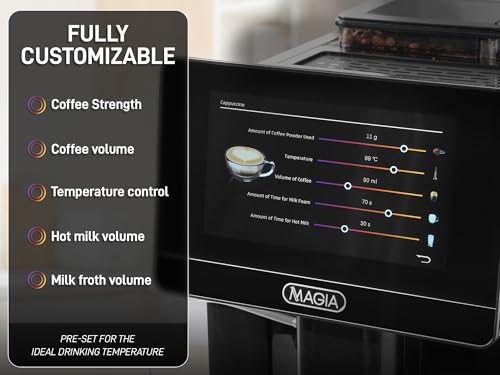
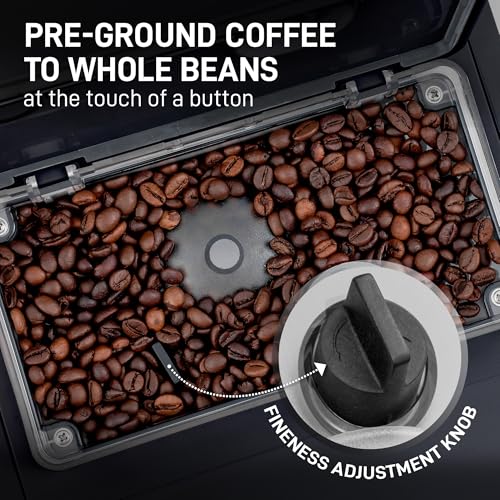
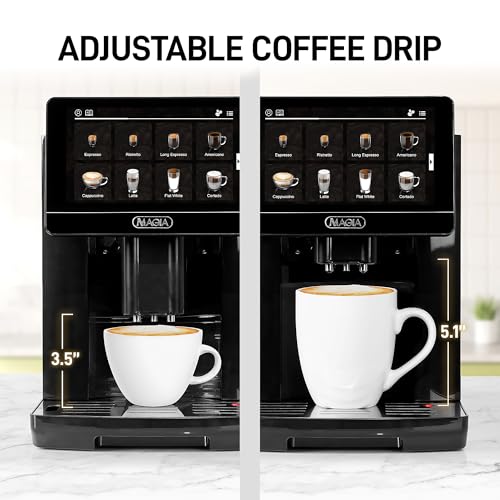
The Zulay Magia Ultra LUX doesn’t just aim high, it clears the bar. With 19 one-touch drinks, a 7-inch touchscreen, and 10 user profiles, it’s built for households with diverse tastes. The automatic milk system with a gel-cooled jug is a thoughtful touch: milk stays fresh for hours, which matters if you’re not refrigerating it between uses.
Reviewers highlight the consistency of the double brewing function, making two coffees at once without sacrificing quality is rare at this level. The self-cleaning programs and ECO mode add convenience, and Zulay’s U.S.-based support is a nice trust signal. While the design is bold, it’s the blend of automation, personalization, and reliability that makes it the best overall pick.
Product photos
Bosch TPU40109 Fully Automatic Coffee Machine

Strengths
- Barista-quality milk froth
- Double cup function
- Dishwasher-safe parts
Trade-offs
- Bulky footprint
- Slower heat-up than rivals
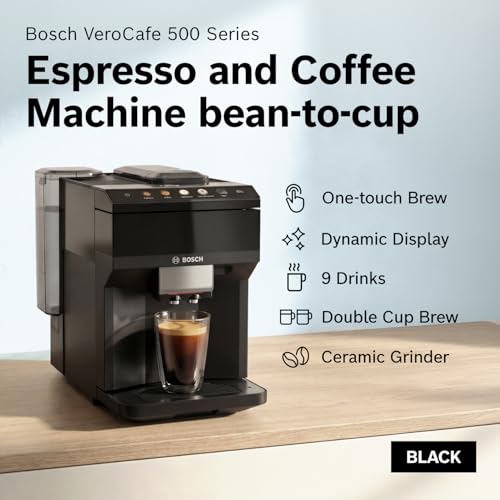
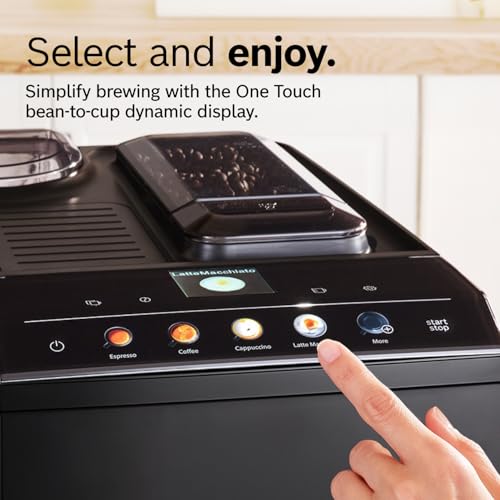
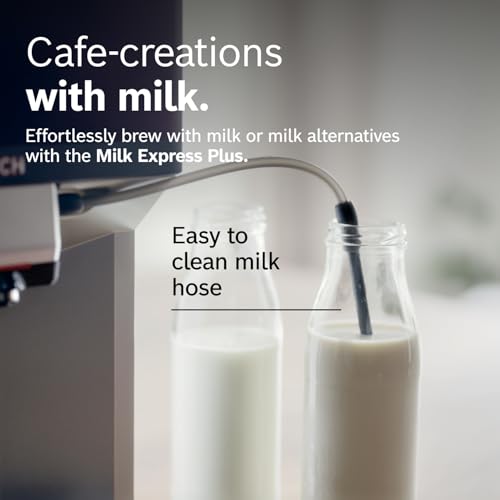
When milk alternatives are your go-to, the Bosch TPU40109 stands out in a crowded field. Owners consistently report that its Integrated Milk System handles oat, soy, and almond milk with surprising consistency, fewer clogs, less residue, and better texture than most machines at this level. That’s a big win for anyone avoiding dairy but still craving that creamy latte feel.
The ability to brew two drinks at once via the Double Cup Function is a smart touch for couples or morning rush scenarios. On paper, the 2-in-1 design, whole bean grinding plus a ground coffee chute, adds real flexibility, especially for decaf drinkers or guests. While it’s not the most compact model, the cleaning process is genuinely user-friendly: AutoMilk Clean runs post-milk drink, and the removable brewing unit simplifies maintenance.
Product photos


Philips 3300 Series Fully Automatic
Strengths
- LatteGo milk system
- AquaClean filter
- 40% quieter operation
Trade-offs
- Grinder slightly noisy
- No double brewing
- Limited bean hopper size
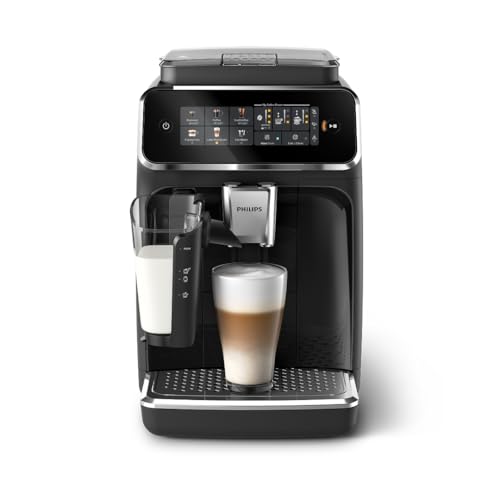
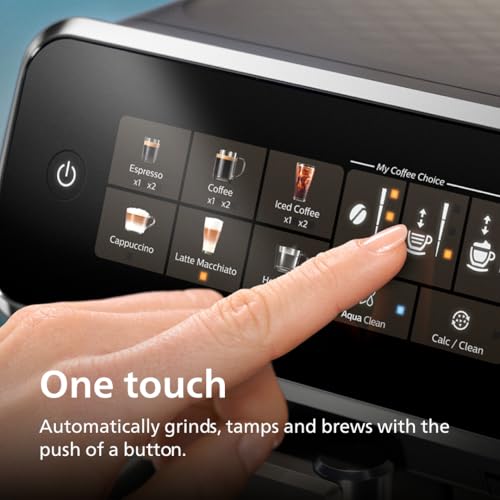
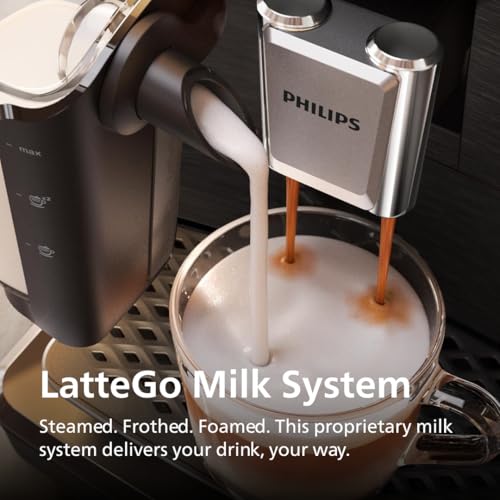
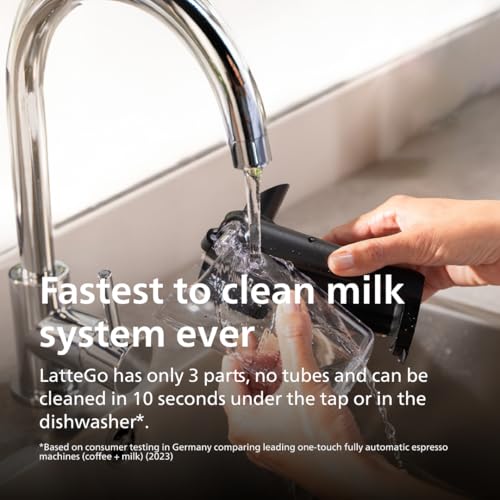
The Philips 3300 Series hits a sweet spot between price and performance that’s tough to ignore. The LatteGo milk system is a standout, 3 parts, no tubes, and rinses in 10 seconds. That’s not marketing fluff; owners confirm it’s the fastest milk system to clean, which matters if you’re making multiple drinks daily.
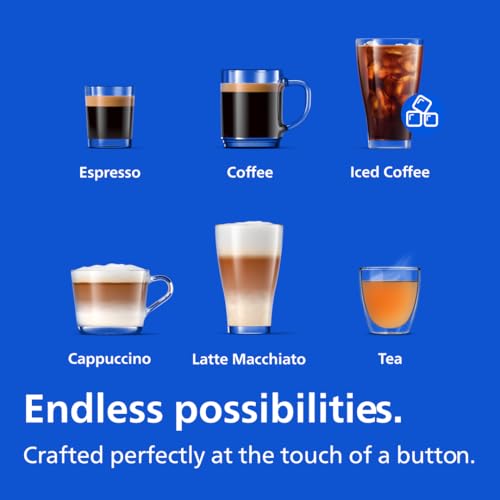
With 6 presets and a full-color display, customization is intuitive. The AquaClean filter is another win: no descaling for up to 5,000 cups is a huge time-saver. And while it’s not the quietest machine on paper, the SilentBrew tech does reduce noise noticeably. For most buyers, this is the easy pick, it’s reliable, low-maintenance, and delivers café-quality results without the café price tag.
Product photos

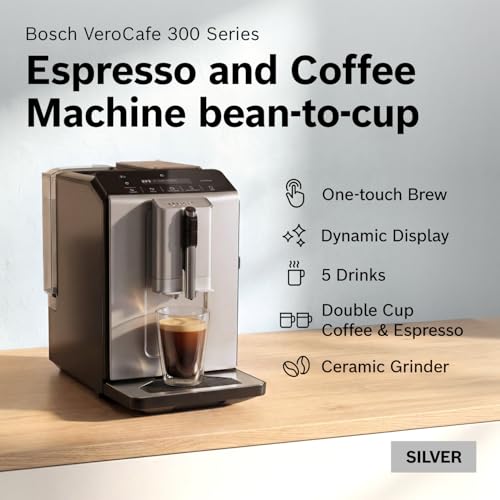
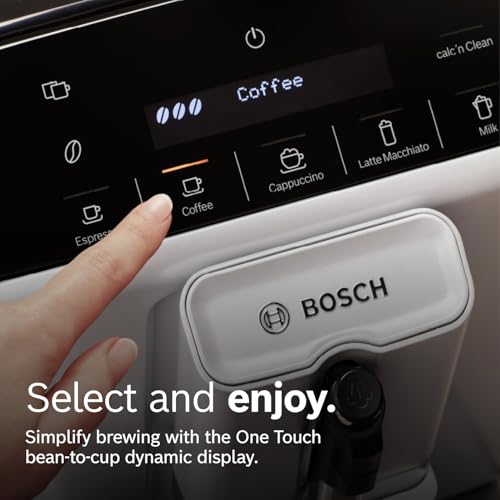
Bosch TIU20307 Fully Automatic Coffee Machine
Strengths
- Compact footprint
- Ceramic grinder
- Front-access brew unit
Trade-offs
- No double-cup function
- Milk froth inconsistent
- Smaller bean hopper
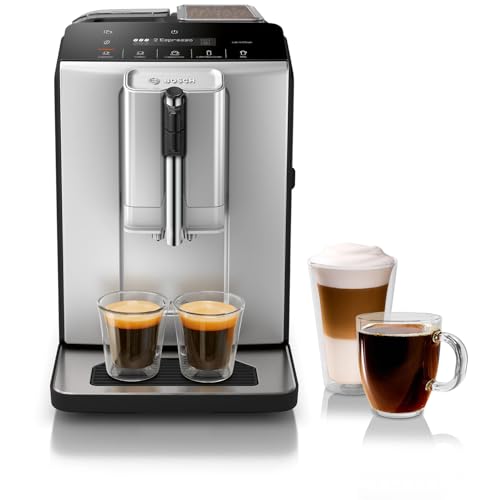
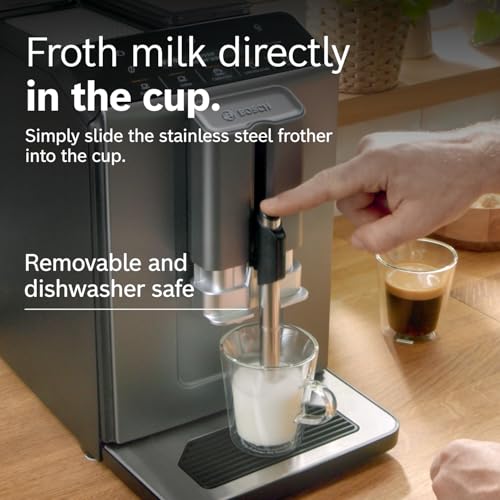
Compact doesn’t mean compromised here. The Bosch TIU20307 is built for smaller spaces but keeps the essentials intact: a durable ceramic grinder, one-touch brewing, and a front-access removable brew unit that makes cleaning a breeze. For couples or solo drinkers with limited counter space, this is a smart balance of size and function.
The adjustable milk frother delivers decent foam, though it doesn’t match the consistency of Philips’ LatteGo system. Still, the even grind from the ceramic burrs helps extract balanced, aromatic shots, owners report less bitterness over time compared to cheaper blade grinders. It lacks the double-cup feature of its bigger sibling, but for a minimalist setup, it’s efficient and reliable.
Product photos


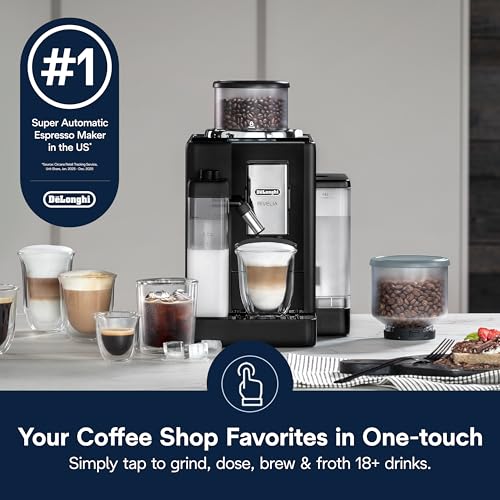
De’Longhi Rivelia Automatic Espresso Machine

Strengths
- Two bean hoppers
- 18 preset drinks
- Step-by-step guidance
Trade-offs
- Cold foam sold separately
- Larger footprint
- Milk jug not insulated
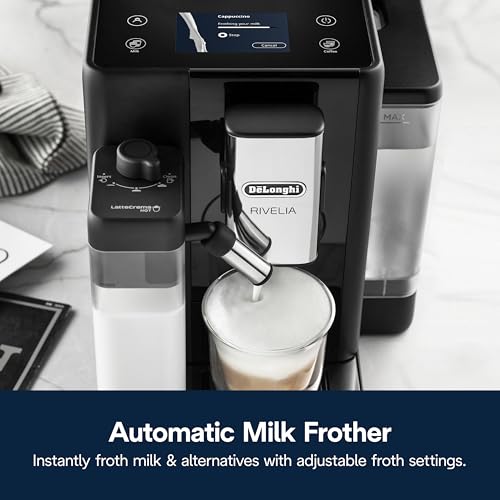
If you love tweaking your coffee to the last detail, the De’Longhi Rivelia is built for you. The 18 preset drinks cover nearly every modern café order, and the real magic is in the customization: intensity, volume, and extra shot options let you fine-tune every cup. But the real differentiator? The Bean Switch System with two removable hoppers.
Owners love being able to swap between a dark roast and decaf without cross-contamination. The guided setup helps you lock in grind, dose, and temperature for each bean type, something higher-end machines offer, but rarely at this price. The LatteCrema system handles milk well, though cold foam requires a separate accessory. It’s not the smallest or quietest, but for enthusiasts who want control, it’s unmatched.
Product photos



Electactic Fully Automatic Coffee Machine
Strengths
- Strong 20-bar pump
- Adjustable grind settings
- Intuitive one-touch operation
Trade-offs
- Milk frother less consistent
- Plastic build feels light
- Frother cleanup cumbersome
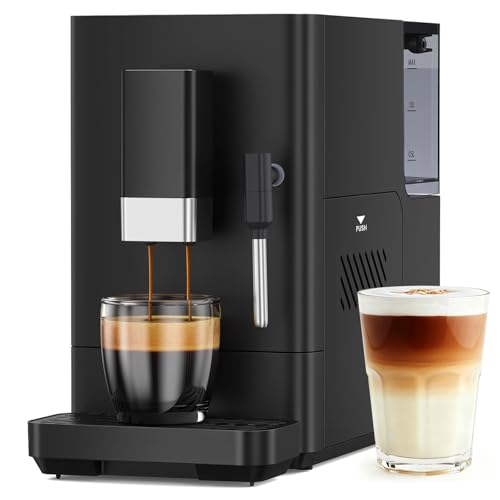
If you’re budget-conscious but don’t want to sacrifice core super-automatic features, the Electactic machine delivers more than expected. It packs a 20-bar pump, conical burr grinder, and milk frother into a compact frame, which is impressive at this price point. Reviewers note the flavor is rich and well-extracted, thanks to the precise temperature control and inclined filter, details usually reserved for pricier units.
The smart alerts for low beans, water, or cleaning needs make it beginner-friendly. Customization is solid: you can adjust strength and volume, and the one-touch purge helps keep grounds fresh. Still, the milk system isn’t as refined as Bosch or Philips, the froth is decent but not silky, and cleanup takes more effort than with top-tier models.
Product photos

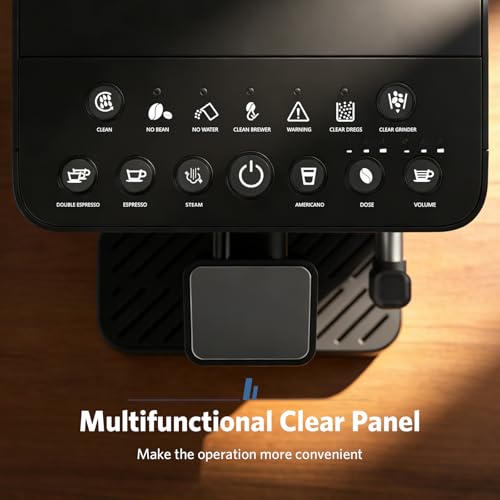
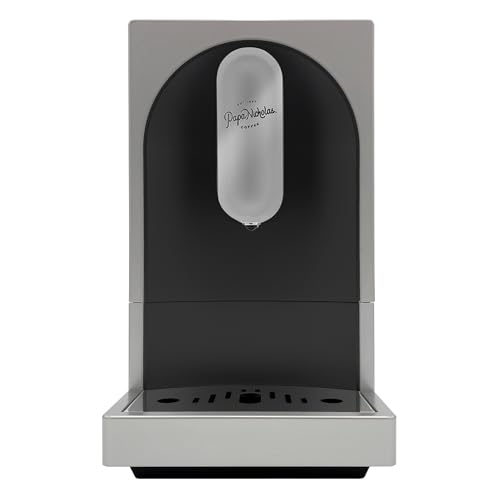
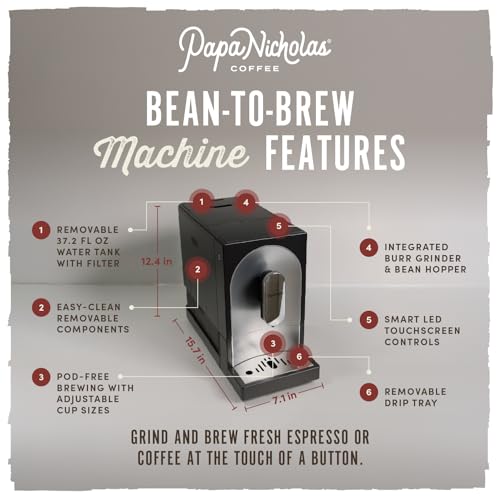
PapaNicholas Bean-to-Cup Espresso Machine
Strengths
- Removable brew unit
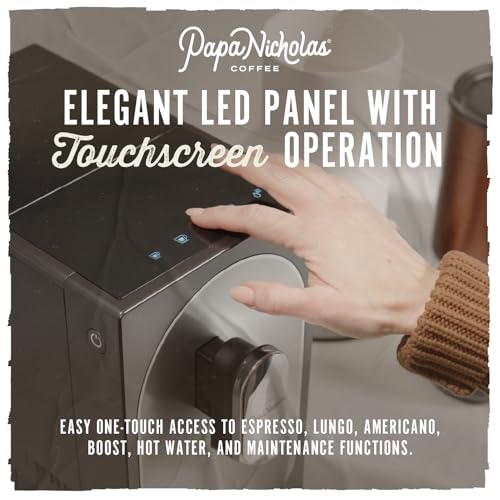
- Boost for intensity
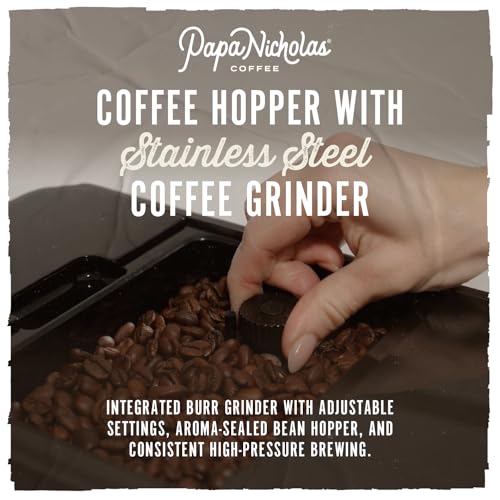
- Aroma protection seal
Trade-offs
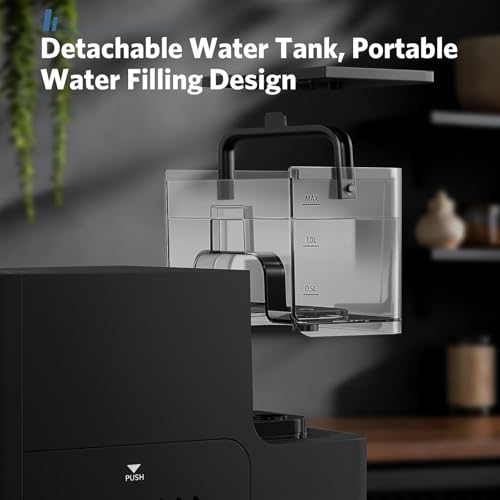
- Smaller water tank
- Basic milk frothing
- No double-cup option
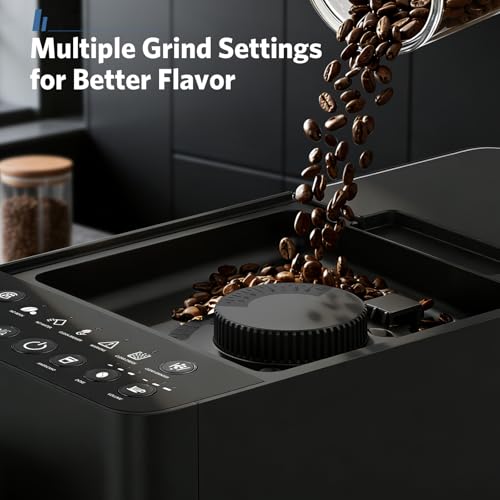
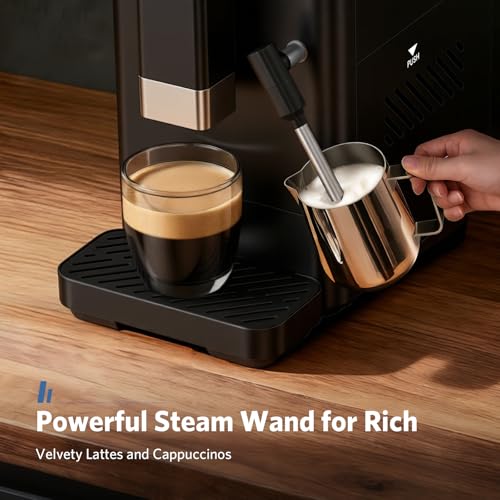
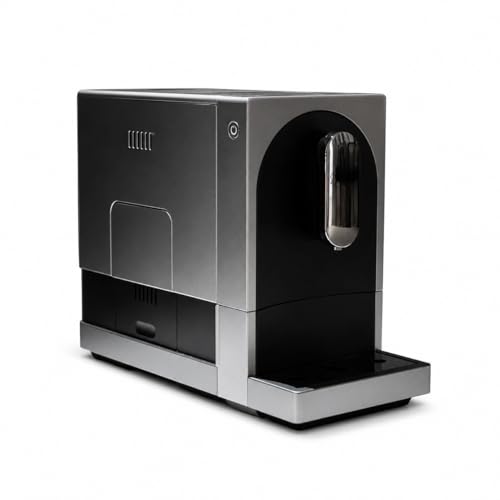
Maintenance is where most budget machines cut corners, but not the PapaNicholas. The removable brew unit is a standout: owners praise how quickly it pulls out for rinsing, a feature usually found in much more expensive models. That alone makes it a standout for anyone tired of calling technicians or dismantling complex internals.
It’s not the flashiest machine, but the core performance holds up. The stainless steel burr grinder locks in aroma, and the Boost button adds a nice kick for stronger shots without tipping into bitterness. The 37.2 oz water tank is modest, so frequent refills are likely in multi-user homes. Still, for the price, the combination of durability and serviceability is hard to beat.
Product photos
How We Evaluated automatic bean to cup coffee machine
As founder of Bean Thusiast, I’ve spent years exploring the world of coffee, from sourcing beans to perfecting brewing methods. Rather than a hands-on lab test of each machine, this selection is a research-led comparison of published specifications and owner feedback. We looked at dozens of models, carefully weighing features, reported reliability, and user satisfaction to arrive at these recommendations. Our goal was to identify machines that consistently deliver a quality experience across a range of budgets and needs.
For automatic bean-to-cup machines, consistency and milk handling are paramount. We prioritized machines with adjustable burr grinders – crucial for dialing in the perfect extraction – and those with well-regarded automatic milk frothing systems. User profiles were also a key factor, as they allow for personalization within a household. These features directly impact the daily usability and enjoyment of the machine, more so than niche features or aesthetic design.
Specifications reliably reveal the technical capabilities – pump pressure, grinder type, water tank size – but owner reviews are where the real story emerges. We paid close attention to reports of long-term reliability, ease of cleaning, and the quality of the resulting coffee. Understanding how a machine performs over time is vital, and that’s where real-world experience, shared online, becomes invaluable. If you’re looking to get the most out of a more complex machine, understanding Breville coffee machine operation can be a great place to start.
Choosing The Right automatic bean to cup coffee machine
Finding the right automatic bean to cup machine can dramatically improve your daily coffee ritual. It’s a category where convenience meets quality, but knowing what to prioritize is crucial.
A quality automatic bean to cup machine consistently delivers freshly ground and brewed coffee with minimal user intervention. Key considerations include the grinder’s quality (burr grinders are preferable), the machine’s ability to maintain consistent brewing temperatures, the ease of cleaning and maintenance, and the level of customization offered for drink preferences. Look for machines with adjustable settings to fine-tune your brew.
Grinder Quality & Consistency
The grinder is arguably the most important component. Forget blade grinders; you absolutely need a burr grinder within the machine. Burr grinders crush beans between two revolving abrasive surfaces, resulting in a uniform grind size, which is essential for even extraction. Cheaper machines sometimes skimp here, leading to inconsistent flavor. Consider the adjustability of the grinder as well. More settings allow you to dial in the perfect grind for different bean types and desired brew strengths. If you’re serious about flavor, a conical burr grinder is generally favored for its quiet operation and minimal heat generation.
Milk Frothing System & Customization
Automatic milk frothing systems vary significantly. Some use a dedicated carafe that automatically froths and dispenses milk, like the Bosch models, while others integrate the frother directly into the brew head. The integrated systems, like those found in some Philips machines, can be easier to clean. However, those using a separate carafe often offer more consistent results and can handle milk alternatives better. I’ve seen plenty of feedback suggesting that those interested in a wider variety of milk options might prefer a machine capable of handling oat, soy, or almond milk effectively. If you’re a latte art enthusiast, look for a machine with a manual frothing wand, though this adds to the learning curve.
Ease of Maintenance & Cleaning
Let’s be realistic: all these machines require cleaning. The frequency and complexity vary. Thankfully, many modern machines have automated cleaning cycles, which are a huge time-saver. But even with these cycles, you’ll need to regularly remove and rinse the brew group – this is where some machines really shine. The PapaNicholas, for example, highlights a removable brew unit as a major selling point. Here’s a quick rule of thumb:
A machine requiring tools to access the brew unit for cleaning will likely be a headache in the long run.
Here’s what to consider regarding cleaning: * A self-cleaning cycle is essential. * Removable brew unit: Makes deep cleaning much easier. * Dishwasher-safe parts: Reduces cleaning time and effort, particularly for drip trays and milk containers.
Ultimately, choosing the right machine depends on your priorities. If you want a machine that’s easy to clean and maintain, I recommend exploring models with automated cleaning programs and readily accessible components. If you’re looking for the top bean to cup machines, exploring various features will help you find the perfect fit. For detailed instructions, you can often find the De’Longhi official user manual online, or download De’Longhi coffee machine PDF guides for specific models. Many people find that exploring premium bean to cup models and reading recommended bean to cup brewers reviews can also help narrow down your options.
Automatic Bean to Cup Coffee Machine Compared
This table provides a side-by-side comparison of key specifications for several automatic bean to cup coffee machines.
| Product Name | Drinks (Preset) | Milk System | Grinder Type | Water Tank (oz) | Special Features |
|---|---|---|---|---|---|
| Zulay Magia Ultra LUX | 19 | Automatic w/ Jug | Burr | N/A | User Profiles, Self-Cleaning |
| Bosch TPU40109 | 9 | Integrated Hose | Burr | N/A | Milk Alternatives, Dual Cup |
| Philips 3300 Series | 6 | LatteGo | Burr | N/A | AquaClean Filter |
| Bosch TIU20307 | N/A | Adjustable Frother | Ceramic | N/A | Ceramic Grinder, Compact |
| De’Longhi Rivelia | 18 | Automatic | Burr (13 Setting) | N/A | Dual Bean Hoppers, Customization |
| Electactic Fully Automatic | Espresso, etc. | Integrated | Conical Burr | N/A | Adjustable Grinder, Alerts |
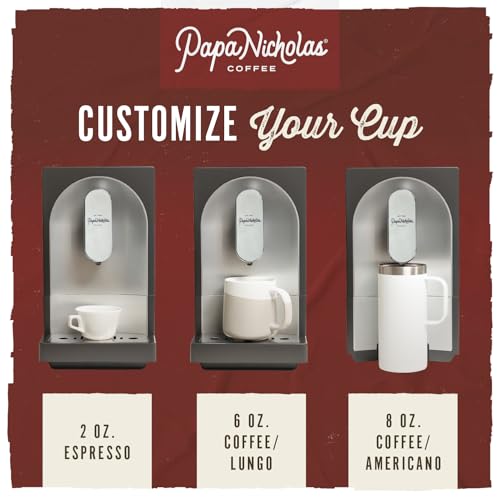
| PapaNicholas Bean-to-Cup | 3 (+ Boost) | N/A | Stainless Steel | 37.2 | Removable Brew Unit |
Frequently Asked Questions
What’s the typical lifespan of an automatic bean to cup machine?
Generally, you can expect 3-7 years of reliable use, though this varies significantly by model and maintenance. Higher-end machines with robust build quality and regular cleaning tend to last longer, while cheaper models may experience issues sooner.
Can these machines handle oily or dark roast beans?
Yes, but it can be more challenging. Oily beans can clog the grinder and brew group, requiring more frequent cleaning. Machines with adjustable burr grinders and stronger motors are better equipped to handle these bean types.
Are automatic bean to cup machines expensive to operate?
They use more electricity than manual methods, but the cost is typically around $0.20-$0.50 per cup. The biggest ongoing expense is the coffee beans themselves, and regular descaling is also needed, which adds to the cost. If you’re looking for more affordable bean to cup models, consider simpler machines with fewer features.
How often do I need to clean an automatic bean to cup machine?
Daily rinsing of the brew group and drip tray is essential. A full cleaning cycle, using a descaling solution, should be performed every 1-3 months, depending on water hardness and usage. Many machines have automated programs to guide you through this process.
Do these machines work with different types of milk?
Most modern machines can handle various milk types, including dairy and plant-based options like oat, almond, and soy milk. However, some systems perform better with certain milks than others. Machines with adjustable frothers or dedicated milk carafes generally offer more flexibility.
The Bottom Line
Buying an automatic bean-to-cup machine often comes down to balancing convenience with control. While many models offer a wealth of features, the Zulay Magia Ultra LUX consistently rises to the top as the best overall choice, delivering a strong feature set and positive owner feedback at a reasonable price point. It strikes a good balance between automation and the ability to customize your brew.
For those on a tighter budget, the Bosch TPU40109 is an excellent starting point. If you’re primarily interested in milk-based drinks and value ease of use, the Philips 3300 Series with its LatteGo system is a standout. And for those prioritizing ease of cleaning and long-term maintenance, the PapaNicholas Bean-to-Cup machine, with its removable brew unit, is a smart investment.
Ultimately, specifications are less crucial than the fundamentals: fresh, quality beans, consistent grind size, and a machine you’ll actually clean regularly. Learning more about De’Longhi machine brewing process can help you get the most out of any automatic machine, but even the most advanced features won’t compensate for stale beans or a neglected cleaning schedule.
