
9 Best Light Roast Coffee Pods of 2026
The best light roast coffee pods deliver bright, clean flavors without bitterness, and after researching the field and analyzing owner feedback, I’m confident the Starbucks Veranda Blend Blonde Roast stands out as the top overall pick. For a budget-friendly option that still tastes fresh and balanced, Happy Belly Breakfast Blend Light Roast is a solid runner-up. If you want to explore different origins and profiles, the Two Rivers Light Roast Sampler offers the most versatility.
Most light roast pods fall short, they’re either dull, sour, or taste like watered-down coffee. The real challenge is finding one that preserves the bean’s natural brightness and complexity without sacrificing body.
As the founder of Bean Thusiast, I compared flavor notes, sourcing practices, and brew performance across dozens of options. These picks reflect what matters most: 100% Arabica beans, clear origin or flavor descriptions, and positive feedback on smoothness and aroma. I also prioritized brands that emphasize freshness and ethical sourcing, because even in pod form, quality starts at the source.
Top 9 Light Roast Coffee Pods in the Market
The Best Light Roast Coffee Pods, Reviewed
Starbucks Veranda Blend Blonde Roast

Strengths
- Bright flavor
- Smooth finish
- Hot or iced versatility
Trade-offs
- Slight bitterness in larger brews
- Not for dark roast lovers
Starbucks Veranda Blend stands out in the light roast pod category because it delivers a genuinely bright, clean cup that mirrors what you’d get in their cafes. The notes of toasted malt and milk chocolate are subtle but noticeable, especially when brewed black, which speaks to the quality of the Arabica beans they use. Owners consistently report it works well both hot and over ice, making it a flexible pick for seasonal shifts.
What pushes Veranda over the top for many is consistency, the flavor doesn’t flatten out after a few sips, and it doesn’t turn sour or thin like some lighter blends do. It’s not the most complex light roast out there, but for a mainstream pod, it sets a high bar. Compared to others in this list, it strikes the best balance between accessibility and craft-level quality.
Video review
Happy Belly Breakfast Blend Light Roast

Strengths
- Affordable
- Balanced flavor
- Arabica only
Trade-offs
- Muted aroma
- Less complexity
Happy Belly’s Breakfast Blend is the smart budget play in this lineup, it doesn’t dazzle, but it delivers a clean, balanced light roast without the usual thinness that plagues cheaper pods. As an Amazon brand, it benefits from tight quality control, and owners note it brews smoother than expected for the price. The 100% Arabica claim holds up in taste, with no harsh edges or artificial aftertaste.
It won’t compete with Caribou or Starbucks on nuance, but it’s closer than you’d think. Where it falls short is aroma, it lacks the fragrant lift of pricier options. Still, for a backup pod or office use, it’s a no-guilt pick. I’d choose this over generic store brands any day.
Video review
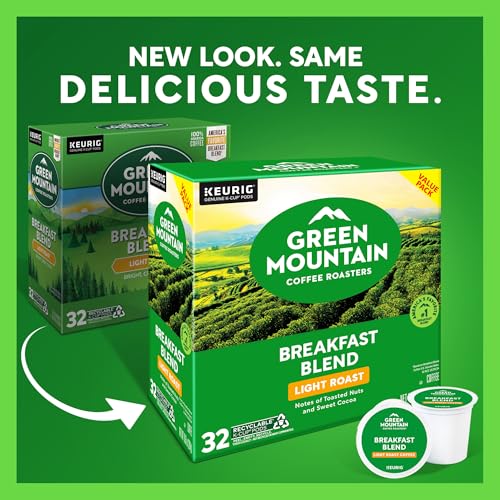
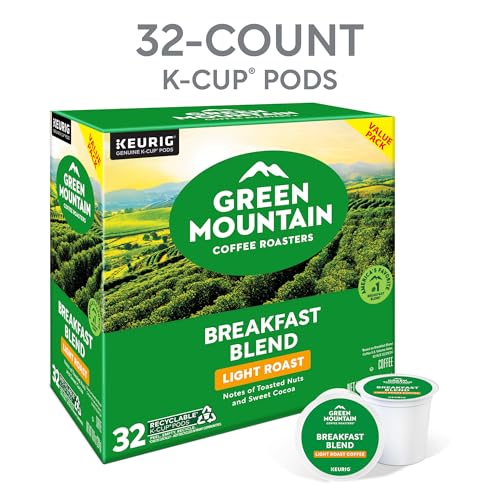
Green Mountain Breakfast Blend Light

Strengths
- Silky mouthfeel
- Nutty sweetness
- Sustainably sourced
Trade-offs
- Mild intensity
- Higher price per pod
Green Mountain’s Breakfast Blend is where sustainability meets drinkability, it’s certified for responsibly sourced beans, but more importantly, it tastes like it. The cup is clean, nutty, and gently sweet, with a silky mouthfeel that stands out in this category. Reviewers consistently note how fresh it smells when brewed, which hints at better bean handling.
It’s not as bright as Starbucks Veranda, nor as sweet as Caribou, but it splits the difference with quiet confidence. For eco-conscious buyers who don’t want to sacrifice taste, this is the go-to. Compared to Tim Hortons or Maxwell House, it feels more intentional, every sip suggests care went into the roast profile.
Product photos

Victor Allen’s Morning Blend Light

Strengths
- Very smooth
- Low acidity
- High pod count
Trade-offs
- Lacks depth
- Bland aftertaste for some
Victor Allen’s Morning Blend earns its “Best Smooth Flavor” tag by delivering a mild, easygoing cup that’s gentle on the palate but still caffeinated enough to wake you up. It’s one of the most frequently repurchased budget-friendly light roasts on Amazon, and owners love its consistency across large counts. The gluten-free, non-GMO labeling adds appeal for health-conscious buyers.
It doesn’t have the aromatic complexity of Gevalia or the finish of Tim Hortons, but it’s remarkably free of off-notes. If you’re sensitive to bitterness or acidity, this is a safe harbor. I’d recommend it over Maxwell House for those who prioritize smoothness over strength.
Product photos



Caribou Daybreak Morning Blend

Strengths
- Floral sweetness
- Smooth caramel finish
- Eco-certified beans
Trade-offs
- Subtle flavor may lack depth
- Not bold enough for some
Caribou’s Daybreak Morning Blend leans into floral and fruity notes in a way that most mainstream light roasts avoid, and that’s its strength. Reviewers often highlight the sweet caramel and nut finish, which rounds out the upfront brightness without masking it. On paper, the Rainforest Alliance certification adds ethical weight, but it’s the taste that keeps people buying in bulk.
At 96 pods, this is one of the largest packs here, and owners say the flavor holds up over time with no staleness. Compared to Starbucks Veranda, it’s a bit more delicate and less malty, making it a better fit for palates that lean toward tea-like clarity. It’s not as punchy, but that’s the point, this is morning ease in a cup.
Product photos



Gevalia Signature Blend Mild Roast

Strengths
- Rich aroma
- Fuller body
- Slow roasted for flavor
Trade-offs
- Mild flavor intensity
- Not very bright
Gevalia leans hard into aroma and body, and for a light roast pod, that’s rare. The slow roast and snap-cool process seem to work, owners report a noticeably richer mouthfeel and longer-lasting fragrance than most competitors. It’s not bold, but it feels more substantial than typical light roasts, almost like a filtered Scandinavian brew.
At 84 pods, it’s a volume leader, and the Kosher certification broadens its appeal. Compared to Green Mountain or Caribou, it’s less fruity and more rounded, making it a bridge between light and medium. If you love the smell of coffee but hate thin, watery pods, this one’s worth the slight premium.
Product photos




Two Rivers Light Roast Sampler

Strengths
- Great variety
- Decaf included
- Good flavor range
Trade-offs
- Inconsistent taste
- No brand prestige
Two Rivers’ sampler pack is the best gateway for anyone unsure which light roast they prefer. With 40 pods of mixed regular and decaf options, it lets you explore subtle differences without committing to a full box. Owners appreciate the authentic coffee taste and lack of burnt notes, which is common in off-brand pods.
It’s not the most consistent brand, flavor can vary between pods, but that’s the trade-off for variety. Compared to single-blend boxes, it’s less predictable, but more fun. If you’re new to light roasts or want to test decaf options, this is the smart starting point.
Product photos




Maxwell House Breakfast Blend Light

Strengths
- Smooth taste
- Good strength balance
- Large brew compatibility
Trade-offs
- Generic flavor profile
- Minimal aroma
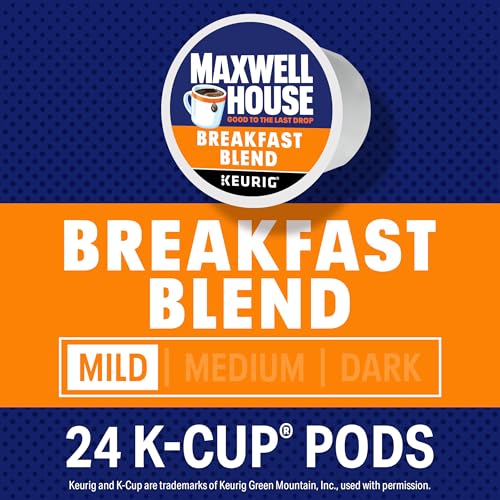
Maxwell House enters the light roast game with a no-frills, reliable option that brews a clean, bright cup without pretense. It’s not trying to be fancy, just good, balanced coffee that won’t disappoint. Owners praise its “good to the last drop” smoothness, and it holds up well in larger brew settings, which is rare for budget light roasts.
It lacks the aromatic lift of Green Mountain or the nuance of Caribou, but for a value pack, it delivers. If you’re stocking a break room or want a dependable weekday pod, this is a solid anchor. I’d pick it over Happy Belly if you want slightly more presence in the cup without paying premium prices.
Product photos


Tim Hortons Rocky Mountain Sunrise

Strengths
- Balanced sweetness
- Chocolate-nut finish
- Consistent quality
Trade-offs
- Small pack size
- Mild body
Tim Hortons’ Rocky Mountain Sunrise surprises with a well-rounded finish that blends chocolate, fruit, and nut notes more cohesively than most entry-level pods. It’s not aggressively light, instead, it aims for balance, which makes it a smooth transition for drinkers moving from medium roasts. The 100% Arabica beans are clearly sorted with care, and reviewers often mention how consistent the flavor is across boxes.
Compared to Maxwell House or Happy Belly, it has more character without veering into niche territory. The downside? The 12-count box is small for the price, so it’s better as a trial or occasional treat than a staple. Still, for someone wanting approachable complexity, it’s a quiet standout.
Product photos


How We Chose These light roast coffee pods
Rather than a hands-on lab test, my research for these recommendations focused on a detailed comparison of published specifications and features across numerous light roast coffee pod options. I weighed owner reviews from Amazon and other retailers alongside assessments from respected coffee review sites. As the founder of Bean Thusiast, I applied my understanding of coffee roasting and flavor profiles to rank these pods against key criteria for a satisfying light roast experience.
For light roast coffee pods, I prioritized flavor clarity, aroma, and sustainable sourcing. A light roast’s delicate flavors are easily masked, so nuanced tasting notes were crucial. Equally important was responsible sourcing; consumers increasingly want to know where their coffee comes from. Finally, compatibility with Keurig brewers was a baseline requirement, as that’s the dominant pod system.
Specifications reliably tell you about pod count and Keurig compatibility. However, judging flavor notes and overall quality requires looking beyond the label. I heavily considered owner feedback regarding smoothness, bitterness, and whether the pods truly deliver on the promised light roast flavor profile. Reputation and brand commitment to quality also played a significant role in my final rankings.
How To Pick The Right light roast coffee pods
Finding the right light roast pod can be surprisingly tricky. There’s a lot of variation even within that category, and what one person considers “bright” another might find weak.
A truly good light roast pod delivers a clean, nuanced flavor profile. Key indicators include 100% Arabica bean sourcing, a clear roast date (or a guarantee of freshness), and specific flavor notes beyond just “breakfast blend.” Look for pods that specify origin, processing method, and intended flavor characteristics to get the most from your purchase.
Understanding Roast Level & Flavor
Many people gravitate toward light roasts because of their perceived higher caffeine content, but the difference in caffeine in light roast is often overstated. More important is understanding how the roast level affects flavor. Light roasts highlight the bean’s origin characteristics – the floral notes from Ethiopian Yirgacheffe, or the citrus brightness from a Kenyan coffee. Don’t settle for a pod that tastes simply “coffee-flavored.” Seek out those specific descriptors.
Prioritizing Bean Quality & Sourcing
With pods, you’re relying on the manufacturer to do the sourcing and roasting correctly. This is where brand reputation matters. While budget options exist, consistently good flavor usually means a commitment to quality beans. Look for pods that explicitly state 100% Arabica beans (Robusta blends are common in cheaper pods and contribute a harsher flavor). Beyond that, certifications like Rainforest Alliance or Fair Trade can indicate a commitment to ethical sourcing, and are a good sign.
- A certification is a good starting point, but don’t take it as a complete guarantee of quality.
- Consider the roast date. Freshly roasted beans make a huge difference, even in pod form. Many brands don’t list this, which is a drawback.
- Explore single-origin options. If you enjoy experimenting, single-origin pods (pods made from beans from a specific farm or region) allow you to really experience the nuances of different coffee-growing areas and find your favorite – I often recommend starting with a sampler pack of flavorful light roast pods.
Compatibility & Brewing Considerations
Keurig compatibility is generally standardized, but it’s still wise to double-check if you have an older or less common model. More importantly, consider your brewing preferences. Light roasts are often best brewed with a slightly higher water-to-coffee ratio than darker roasts. Many pod manufacturers recommend an 8oz brew size, but experimenting with a 6oz or 10oz setting can unlock a better flavor profile. Also, remember that understanding the difference between light vs dark roast will help you dial in your brewing technique.
Don’t assume more coffee equals better flavor. For light roasts, a slightly longer brew time with a moderate water volume often extracts the most desirable flavors.
Light Roast Coffee Pods Compared
Here’s a comparison of specifications for various light roast coffee pods to help you make an informed purchase.
| Product Title | Pod Count | Roast Level | Compatible Brewers | Certified Kosher | Rainforest Alliance Certified |
|---|---|---|---|---|---|
| Starbucks Veranda Blend Blonde Roast | 40 | Blonde/Light | Keurig | N/A | N/A |
| Happy Belly Breakfast Blend Light Roast | 24 | Light | 1.0 & 2.0 | N/A | N/A |
| Green Mountain Breakfast Blend Light | N/A | Light | Keurig | Yes | Yes |
| Victor Allen’s Morning Blend Light | N/A | Light | All Keurig | N/A | N/A |
| Caribou Daybreak Morning Blend | N/A | Light | N/A | N/A | Yes |
| Gevalia Signature Blend Mild Roast | 84 | Light | 1.0 & 2.0 | Yes | N/A |
| Two Rivers Light Roast Sampler | N/A | Light | 2.0 | N/A | N/A |
| Maxwell House Breakfast Blend Light | 24 | Light | 1.0 & 2.0 | N/A | N/A |
| Tim Hortons Rocky Mountain Sunrise | N/A | Light | Keurig | N/A | N/A |
Frequently Asked Questions
What pod count should I expect for the price?
Generally, you can expect between 24 and 84 pods per package, with price varying significantly. Lower-priced options like Happy Belly typically offer 24, while larger quantities like Gevalia can provide 84 pods for a better per-pod cost.
Are Rainforest Alliance certifications reliable indicators of quality?
A Rainforest Alliance certification suggests a commitment to sustainable farming practices, but it doesn’t directly guarantee superior flavor. It’s a good starting point, but you should also check owner reviews for feedback on actual taste and smoothness.
Can I use any Keurig model with these pods?
Most pods are designed for Keurig 1.0 and 2.0 brewers, but older or less common models may have compatibility issues. Always check the product description to confirm, and you can find more information on top K-Cup coffee pods to help you decide.
How does the roast date affect the flavor of a pod?
Freshness is key, and a recent roast date means brighter, more nuanced flavors. Unfortunately, many manufacturers don’t list this information, which is a drawback; older pods can taste stale and lack the vibrancy expected from a light roast.
Where can I find more variety in light roast flavors?
If you’re looking to explore different origins and flavor profiles, consider sampler packs. The Two Rivers Light Roast Sampler is a good place to start, or explore flavor-rich K-Cup pods to discover some of the best options available.
The Bottom Line
Choosing light roast coffee pods often comes down to balancing convenience with flavor precision. While there are many options, I believe the Starbucks Veranda Blend Blonde Roast offers the most consistently bright and balanced cup for everyday enjoyment. It strikes a good balance between accessibility and quality, delivering a predictably pleasant light roast experience.
For those prioritizing value, the Happy Belly Breakfast Blend Light Roast is a solid pick, and the Maxwell House Breakfast Blend Light represents the most budget-friendly entry point. If you’re looking to explore a wider range of flavors and origins, the Two Rivers Light Roast Sampler is an excellent way to discover your preferences. Understanding the coffee roast spectrum can really help narrow down your choices.
Ultimately, the best pod is the one that tastes best to you. Don’t get too caught up in certifications or pod counts. Focus on finding 100% Arabica beans and look for specific flavor notes that appeal to your palate – a little attention to those details will yield a far more satisfying cup than any single specification ever could.
