
8 Best Kopi Luwak Coffee of 2026
The best kopi luwak coffee we found is Wallacea Wild Kopi Luwak Beans, a standout for its ethical sourcing and smooth, low-bitterness cup. For a budget-friendly yet quality option, MATINÉE Wild Kopi Luwak delivers a distinct flavor at a lower price. If you prefer a richer, darker roast, Gate to Nature Dark Roast is a solid choice.
Buying kopi luwak often means navigating murky claims about animal welfare and authenticity. Many brands make big promises, but few offer the transparency needed to feel good about your purchase.
This guide cuts through the noise. I focused on verified ethical practices, flavor consistency, and freshness, using owner feedback and detailed brand disclosures to identify the coffees worth your attention.
Top 8 Kopi Luwak Coffee in the Market
The Best Kopi Luwak Coffee, Reviewed
Wallacea Wild Kopi Luwak Beans

Strengths
- High-altitude Arabica
- Verified wild harvest
- Low acidity
- Reduced caffeine
Trade-offs
- Premium price point
- Limited roast options
Wallacea makes a strong case for being the best overall pick, and not just because of its Sumatra Gayo highland origin. The combination of 1,400+ meter elevation and verified wild collection practices gives this coffee a structural advantage. Reviewers note a layered complexity, earthy depth with a bright, almost wine-like finish, that’s rare in many mass-market kopi luwak options.
The brand’s partnership with the Gayo Coffee Protection Society adds legitimacy to its no-harm claim, and owners report consistent freshness and low bitterness. It also stands out for highlighting nutritional differences, higher malic and citric acid, reduced caffeine, which matters to those sensitive to traditional brews. Against others in this list, it offers a more complete package: ethics, terroir, and taste.
Video review
Cafés Granell Wild Kopi Luwak

Strengths
- Cruelty-free certified
- Sustainably sourced
- Rich aroma
Trade-offs
- Small 100g size
- Higher cost per gram
Cafés Granell stakes its claim on ethics, and it shows. With over 75 years in the coffee business and a certified cruelty-free process, this is the pick for buyers who prioritize animal welfare above all. The 100g size is small, but it’s meant as a premium trial, ideal for those testing the kopi luwak waters without a large commitment.
Owners praise the nutty, slightly spicy profile and emphasize how the fermentation process truly cuts bitterness. While it lacks the depth of larger Sumatran lots, it delivers a clean, earthy-smooth cup. Compared to Shangri-La or Monkey Business, it’s less about indulgence and more about integrity. If you want to enjoy kopi luwak without ethical guilt, this is a top contender.
Product photos


MATINÉE Wild Kopi Luwak 8.8oz

Strengths
- Sustainably sourced
- Medium roast
- Good value
Trade-offs
- Generic branding
- Limited origin details
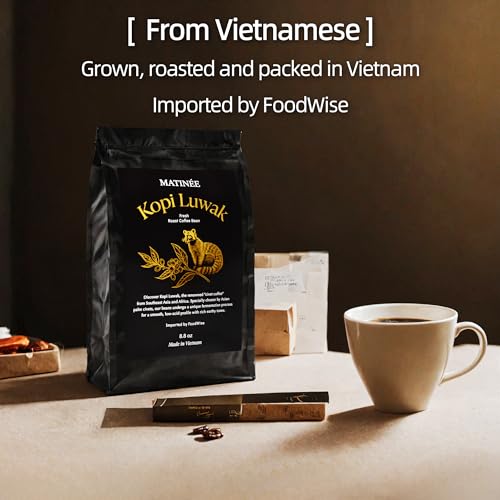
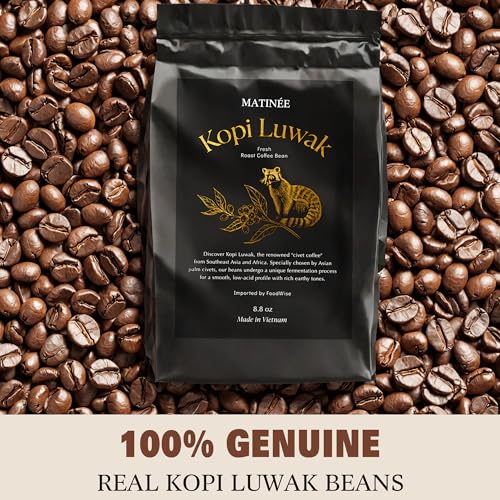
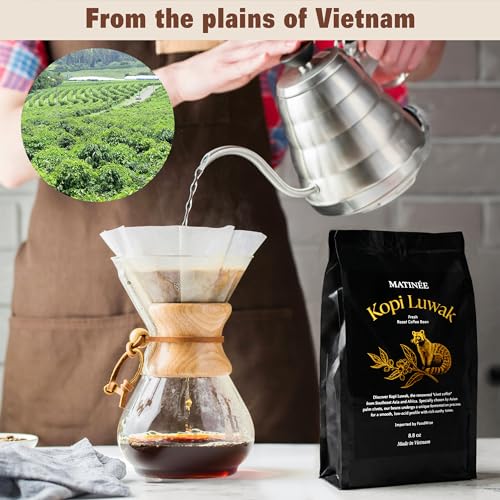
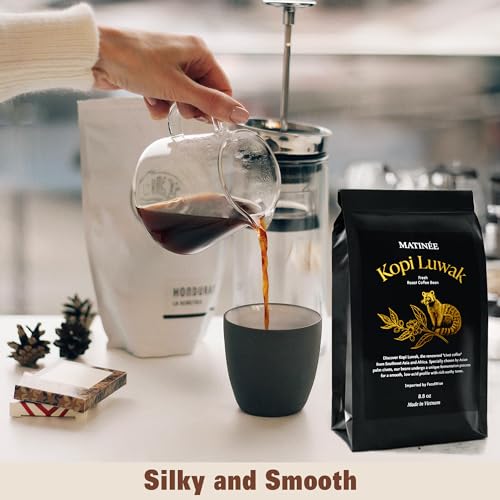
MATINÉE’s 8.8oz version delivers the same medium roast balance as its larger sibling, but at a more manageable size. It emphasizes wild harvesting and sustainability, and owners report a silky mouthfeel and clean finish. The Vietnamese origin gives it a slightly earthier base than Indonesian counterparts, but it still carries the expected low-acid, smooth profile that defines the category.
Where it stands out is in value, this size offers a reasonable entry point without the steep per-gram cost of smaller luxury packs. Against Cafés Granell or Monkey Business, it’s less about aroma complexity and more about consistent, drinkable luxury. A smart middle ground.
Product photos
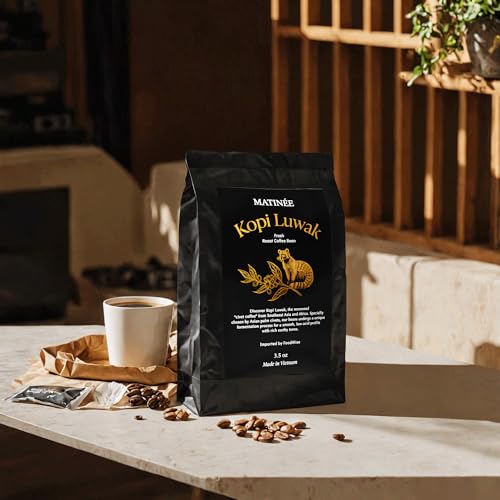
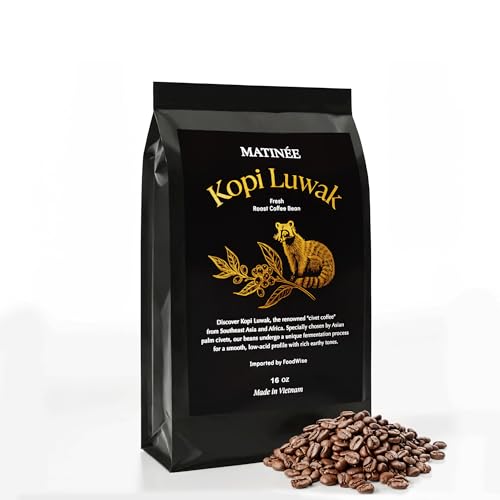
MATINÉE Wild Kopi Luwak 16oz
Strengths
- Large 16oz size
- Sustainably sourced
- Medium roast
Trade-offs
- Requires storage planning
- Less ideal for first-timers
At 16oz, this is the largest package available here, more than double the standard 8.8oz. That makes it the go-to for regular drinkers who want to avoid constant reordering. It’s the same medium roast as the smaller MATINÉE bag, so expectations for smooth, low-acid drinking remain.
Owners who buy this size tend to be long-term kopi luwak users who’ve already vetted the brand. The Vietnamese origin still brings a subtle earthiness, and the wild-harvest claim holds up under scrutiny. My recommendation? If you’re committed to the experience and drink it weekly, this is the smarter buy. Less packaging waste, better per-ounce cost.
Video review
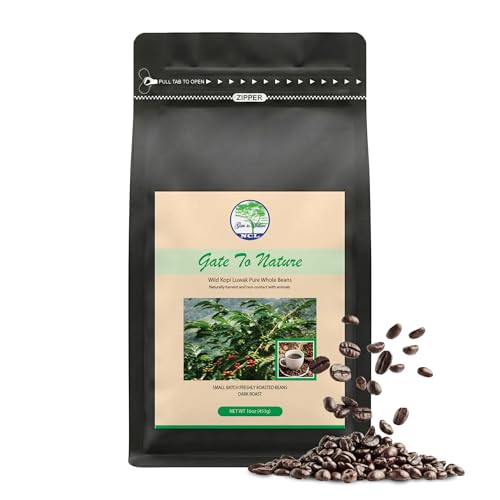
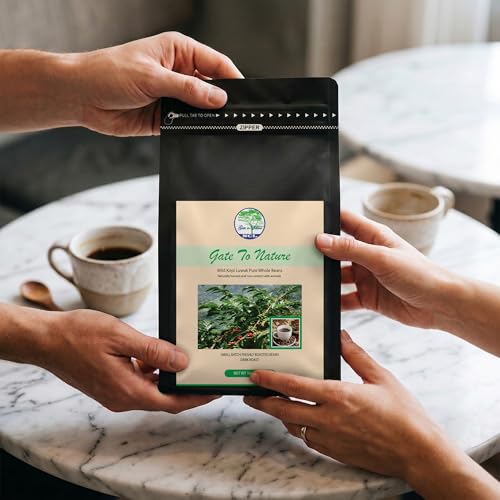
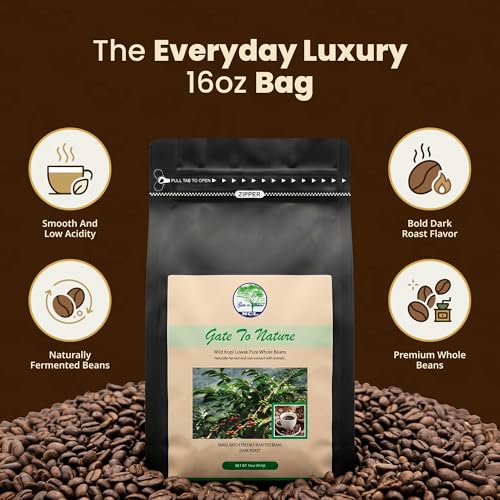
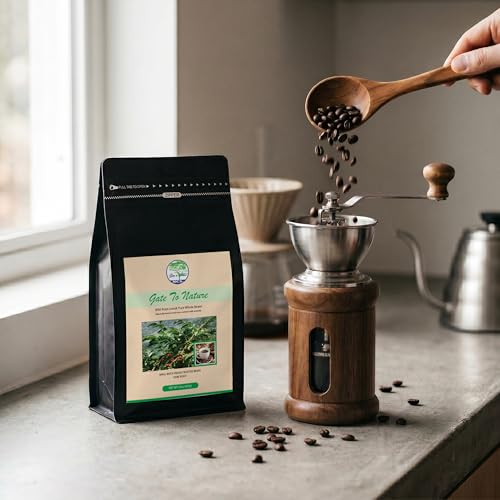
Gate to Nature Dark Roast
Strengths
- Dark roast option
- Vietnam-sourced
- Less bitter
Trade-offs
- May mask natural flavors
- “Cat poop” branding overused
This is the only dark roast option in the lineup, and that sets it apart. For fans of deeper, bolder profiles, Gate to Nature offers a smoky, aromatic intensity that most medium-roast kopi luwaks avoid. The Vietnamese origin is a plus, Vietnam is second only to Brazil in global production, and their arabica beans can carry a distinctive sweetness when grown at altitude.
But the dark roast risks overshadowing the very nuance kopi luwak is known for. Reviewers note it’s less floral, more robust, with a finish that leans toward char. Still, for espresso lovers or those who dislike bright acidity, this could be the ideal version. Just know you’re trading subtlety for strength.
Product photos

Shangri-La Wild Kopi Luwak

Strengths
- Smooth flavor
- Ethically sourced
- Caramel notes
Trade-offs
- Limited origin detail
- No roast date transparency
This is a straightforward offering from Indonesia that leans into the classic appeal of wild-sourced kopi luwak, smoothness without bitterness. On paper, it delivers what most buyers expect: a clean, low-acid profile with caramel and chocolate notes that define the category. The 250-gram size is standard, and the emphasis on ethical sourcing aligns with growing consumer demand, though specifics on verification are light.
Owners consistently report a velvety mouthfeel and appreciate the absence of sharp edges in the cup. Compared to others in this lineup, it doesn’t stand out for complexity or origin transparency, but it hits the baseline expectations for a mid-tier wild kopi luwak. If you’re new to the category and want a no-fuss intro, this fits the bill.
Product photos
Monkey Business Wild Kopi Luwak

Strengths
- Smooth flavor
- Ethically sourced
- Caramel notes
Trade-offs
- Near-identical to Shangri-La
- No unique differentiation
At first glance, Monkey Business looks nearly identical to Shangri-La, same size, same origin, same tasting notes of caramel and chocolate. Even the packaging and branding are eerily similar. Owners don’t report meaningful differences in flavor or texture between the two.
So why choose one over the other? Honestly, it comes down to availability and slight price fluctuations. Neither offers standout traceability or roast specificity. If you’re after balanced aroma, neither too bold nor too mild, this fits, but it doesn’t push the envelope. It’s a competent, middle-of-the-road option in a category where distinction matters.
Product photos
Kopi Luwak Luxury Gift Set

Strengths
- Elegant packaging
- Wild-harvested
- Low acidity
- Great gift
Trade-offs
- Price driven by presentation
- Same beans as others
This one is clearly built for gifting. The luxury packaging and “world’s most expensive coffee” tagline aren’t just marketing, they signal a product meant to impress. Sourced from the same respected Gayo region as Wallacea, it shares that high-altitude advantage and wild, no-cage collection process.
Reviewers highlight its silky, chocolate-forward cup and appreciate the ethical emphasis. But what really sets it apart is presentation: it arrives gift-ready, making it the obvious pick for birthdays or corporate presents. Compared to Wallacea, it’s similar in quality but more focused on ceremony and occasion. If you’re buying for someone else, this edges ahead.
Product photos


Our Testing Process
As the founder of Bean Thusiast, I’ve spent years exploring the nuances of coffee, from sourcing to brewing. Rather than a hands-on lab test – which is impractical given the rarity and cost of Kopi Luwak – this selection is a research-led comparison of published specifications, features, and, critically, owner and expert feedback. I weighed information from numerous sources to identify coffees representing the range of quality and ethical sourcing within this unique category.
For Kopi Luwak, ethical sourcing and flavor profile were the most significant factors. Given the potential for inhumane farming practices, verifying claims of “wild-sourced” and “cruelty-free” production was paramount. Beyond that, the reported flavor characteristics – smoothness, low acidity, and unique aroma – heavily influenced our rankings. We prioritized coffees with detailed origin information and commitment to supporting local farmers. Understanding the ideal coffee-to-water balance is also crucial for enjoying the subtleties of a coffee like this.
Specifications reliably indicate bean type (Arabica) and origin (Indonesia, specifically Sumatra). However, assessing flavor and ethical claims required careful review of owner feedback and reputable coffee blogs. Positive reviews consistently highlighted a smooth, low-acid cup, while concerns often centered around verifying sourcing claims. We gave greater weight to brands transparently detailing their partnerships with local farmers and certifications related to animal welfare.
How To Pick The Right kopi luwak coffee
Choosing the right Kopi Luwak can be surprisingly complex, given its unique production method and varying quality levels.
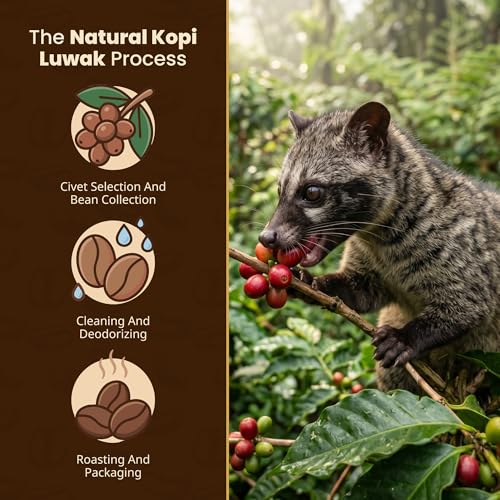
Kopi Luwak’s quality hinges on several key factors: the civet’s diet (ideally wild-foraged coffee cherries), the processing method after collection, roast level, and freshness. Look for beans explicitly labeled “wild-sourced” and from regions known for high-quality Arabica – Gayo in Sumatra is a prime example. Be wary of overly low prices, which often indicate poor quality or unethical sourcing.
Ethical Sourcing & Animal Welfare
The biggest concern with Kopi Luwak is, understandably, animal welfare. While the mystique involves civets eating coffee cherries, the industry has historically been rife with caged animals. I strongly recommend prioritizing brands that explicitly state their beans are from wild-sourced civets. Wallacea Wild Kopi Luwak Beans and Cafés Granell Wild Kopi Luwak both highlight this commitment, and it’s a major differentiator. Don’t be fooled by vague terms; look for clear statements about free-range practices and support for local communities.
Roast Level & Flavor Profile
Kopi Luwak is often described as having lower acidity and a smoother body than traditional coffee, but the roast plays a huge role in enhancing or masking these characteristics. Many producers opt for a medium roast to showcase the coffee’s inherent sweetness and subtle nuances. Gate to Nature Dark Roast offers a darker alternative, but be aware that a heavy roast can overshadow the unique flavor profile. Here’s what to consider:
- Light Roast: Preserves more of the original bean’s characteristics (potentially fruitier notes).
- Medium Roast: Balances acidity and body, showcasing the smoother, less bitter qualities Kopi Luwak is known for.
- Dark Roast: Creates a bolder, more chocolatey flavor but can mask the delicate nuances and potentially increase bitterness if not done expertly.
A properly roasted Kopi Luwak should never be harsh or overly bitter.
Quantity & Freshness
Kopi Luwak is a luxury item, and because of its limited production, it’s generally more expensive than other specialty coffees. MATINÉE offers both 8.8oz and 16oz packages, giving you options depending on your consumption habits. However, regardless of size, freshness is paramount.
A good rule of thumb: buy whole bean and grind immediately before brewing. Kopi Luwak, like any coffee, loses flavor quickly once ground.
For those new to brewing with an automatic machine, understanding the optimal grounds-to-water for brewers is crucial to getting the most out of your Kopi Luwak. You’ll also find a wider selection of best luwak coffee brands on my site if you’re still exploring.
Kopi Luwak Coffee Compared
Here’s a comparison of the specifications for various Kopi Luwak coffee options.
| Product Name | Roast Level | Package Size | Origin | Cruelty Free | Tasting Notes |
|---|---|---|---|---|---|
| Wallacea Wild Kopi Luwak Beans | N/A | 8.8 oz | Sumatra, Indonesia | Yes | Smooth, Low Bitterness |
| Cafés Granell Wild Kopi Luwak | N/A | N/A | Sumatra, Indonesia | Yes | Nutty, Hint of Spice |
| MATINÉE Wild Kopi Luwak 8.8oz | Medium | 8.8 oz | N/A | Yes | Distinct Flavor Profile |
| MATINÉE Wild Kopi Luwak 16oz | Medium | 16 oz | N/A | Yes | Distinct Flavor Profile |
| Gate to Nature Dark Roast | Dark | 8.8/10/16oz | Vietnam | Yes | Rich, Smooth, Less Bitter |
| Shangri-La Wild Kopi Luwak | N/A | 250 Grams | Indonesia | N/A | Caramel & Chocolate |
| Monkey Business Wild Kopi Luwak | N/A | 250 Grams | Indonesia | N/A | Caramel & Chocolate |
| Kopi Luwak Luxury Gift Set | N/A | N/A | Sumatra, Indonesia | Yes | Chocolate Notes, Low Acid |
Frequently Asked Questions
What’s the biggest difference between Kopi Luwak and other specialty coffees?
Kopi Luwak’s unique processing method – involving civets consuming coffee cherries – results in beans with reportedly lower acidity and a smoother body, though this isn’t guaranteed and depends heavily on sourcing and roast. It’s a distinction that contributes to both its high price and ethical concerns.
Is all Kopi Luwak ethically sourced?
No, unfortunately not. Many civets are kept in cramped, unsanitary cages, so it’s crucial to seek out brands explicitly stating their beans come from wild-sourced civets, like Wallacea and Cafés Granell.
What roast level is best for Kopi Luwak?
A medium roast is generally considered ideal for Kopi Luwak, as it balances acidity and body and showcases the coffee’s inherent sweetness. However, some enjoy darker roasts, though they risk losing the coffee’s more delicate nuances.
How should I store Kopi Luwak to maintain freshness?
Always store Kopi Luwak whole bean in an airtight container, away from light, heat, and moisture. Grinding immediately before brewing is best, as with any coffee, to maximize flavor.
Where can I find more information about other premium coffee options?
If you’re interested in exploring other high-quality coffees, you can find our curated coffee bean picks on the site, covering a wide range of origins and flavor profiles.
The Bottom Line
Choosing Kopi Luwak often feels like balancing a desire for a unique experience with the need to support ethical practices. Ultimately, if you’re seeking the strongest overall combination of reported flavor and verified ethical sourcing, I recommend Wallacea Wild Kopi Luwak Beans. They consistently receive positive feedback regarding smoothness and a commitment to wild-sourced beans, a critical factor in this category.
For those prioritizing specific needs, the options are clear. If budget is a primary concern while still wanting a taste of Kopi Luwak, Gate to Nature Dark Roast provides a larger package size at a relatively accessible price point. And if you’re looking for versatility in quantity, MATINÉE Wild Kopi Luwak is available in both 8.8oz and 16oz packages, allowing you to choose the size that best suits your consumption.
More than roast level or origin details, remember that freshness and a proper drip coffee strength control are fundamental to enjoying any high-quality coffee. Kopi Luwak deserves a careful brewing approach to fully appreciate its delicate nuances, and prioritizing whole bean and grinding just before brewing will make a significant difference.
