
5 Best French Coffee Brands of 2026
After comparing the field and weighing roast depth, origin, and owner feedback, I’m confident the best overall French coffee is Peet’s Organic French Roast for its rich, smoky depth and clean finish. For a budget-friendly, widely available option with that classic bold punch, Starbucks French Roast stands out. If you want to explore the New Orleans tradition, French Market Dark Roast with chicory offers a uniquely earthy twist.
Most people think “French coffee” just means dark and strong, but the real challenge is finding one that’s bold without being burnt, complex without being harsh. Too many brands miss the mark, leaning into bitterness instead of balance.
This guide cuts through the noise. I looked at roast profiles, bean quality, and what actual drinkers report, focusing on what matters: flavor, freshness, and authenticity. These picks reflect years of studying coffee styles and what makes a true French roast stand apart.
Top 5 French Coffee in the Market
The Best French Coffee, Reviewed
Starbucks French Roast Ground Coffee

Strengths
- Large 28 oz bag
- Consistent bold flavor
- Hot or iced versatility
Trade-offs
- Can taste flat over time
- Mass-market profile
Starbucks doesn’t reinvent the wheel here, but they do deliver the most consistent, widely accessible version of French roast on this list. The 28-ounce bag is a standout, built for heavy users, and the flavor profile is exactly what you’d expect: bold, smoky, with dark caramel notes and a dry finish. Owners confirm it brews well hot or iced, making it unusually versatile for such a dark roast.
What impresses is how well it maintains café-level quality at home. Compared to Peet’s, it’s slightly sweeter and less austere; against Gevalia, it’s far more assertive. This is the one I’d suggest as a default pick for most households, especially if you’re making large batches or serving guests. It’s not niche, and that’s the point.
Video review
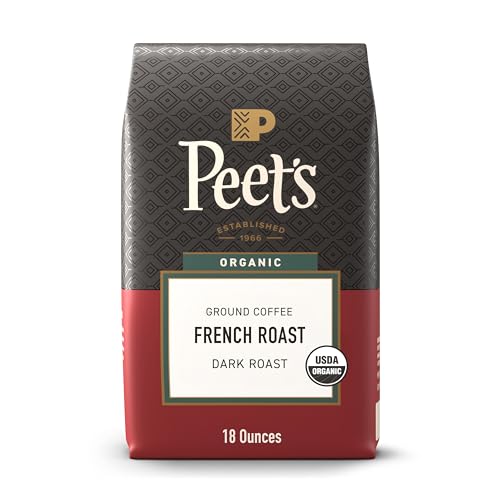
Peet’s Organic French Roast Coffee
Strengths
- Organic certified
- Rich, smoky depth
- Generous bag size
Trade-offs
- Slightly dry finish
- Ground form limits freshness
Peet’s has built a reputation on serious roasting, and this organic French Roast carries that torch. It’s a no-nonsense dark roast with pronounced notes of smoke, dark chocolate, and a dry finish that lingers. The 18-ounce bag is a bonus, offering more value than most in this list, and the USDA Organic certification adds real appeal for conscientious buyers.
What sets it apart is the emphasis on both ethics and intensity. Owners note it brews strong in drip machines but really shines in French press or pour over, where its complexity opens up. Compared to Starbucks’ version, it’s less polished but more artisanal, my pick if you want depth with integrity. It’s not the smoothest, but it’s deeply satisfying.
Video review
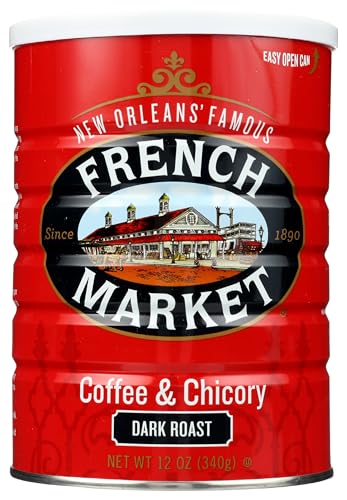
French Market Dark Roast Coffee
Strengths
- Rich traditional flavor
- Ideal for milk-based drinks
- Distinctive chicory punch
Trade-offs
- Slightly bitter edge
- Not for neutral profiles
If you want the full New Orleans experience, this dark roast is the more authentic choice. The blend leans harder into the chicory element, giving it that deep, almost roasted-vegetal backbone that defines traditional Creole-style coffee. On paper, it’s the same high-quality Arabica base, but the roast profile amplifies bitterness just enough to ground the sweetness, owners say it’s especially good with milk.
Compared to the medium-dark version, this one has more gravitas. It’s less about smoothness and more about tradition. I’d recommend this over the lighter roast if you’re after that nostalgic, café-au-lait-ready depth. It’s not the most complex coffee here, but it’s the most distinctive.
Product photos



French Market Medium-Dark Roast Coffee

Strengths
- Smooth finish
- Low acidity
- Chicory sweetness
Trade-offs
- Not for purists
- Mild strength
This blend stands out for how it softens the punch of dark roast with a touch of caramelized sweetness from French chicory. On paper, the 100% Arabica base paired with imported chicory suggests a smoother, less acidic cup, something many reviewers confirm, noting it delivers a rich but gentle profile that’s easy to drink all day. It’s not the boldest option here, but it’s clearly built for balance.
The New Orleans heritage angle isn’t just marketing fluff, owners consistently report that it captures that soulful, slightly earthy vibe you’d expect from a café in the French Quarter. Compared to the brand’s darker roast sibling, this one feels more approachable, especially for those who want depth without bitterness. I’d pick this if you like your coffee flavorful but not aggressive.
Product photos



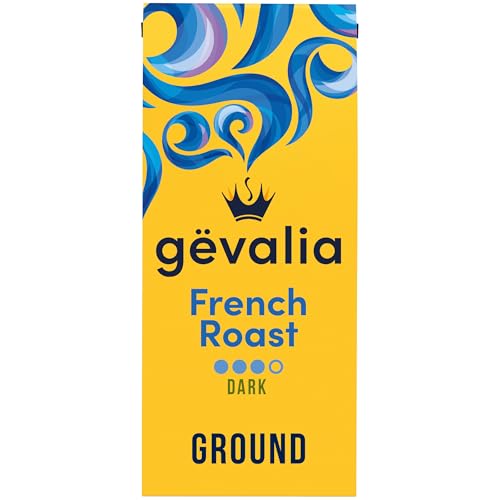
Gevalia French Roast Ground Coffee
Strengths
- Smooth and balanced
- Resealable packaging
- Kosher certified
Trade-offs
- Mild flavor impact
- Smaller bag size
Gevalia leans into consistency and smoothness, and this French Roast delivers a reliable, low-shock cup with smoky hints and a touch of dried fruit, unusual for the style. The slow roast and snap-cool process seem to work, as owners frequently mention how the flavor stays clean and the aroma lasts. It’s not the most exciting option, but it’s hard to fault for daily drinking.
Compared to Starbucks or Peet’s, it’s quieter in the cup, less intensity, fewer edges. That makes it a solid middle ground for households with mixed roast preferences. The resealable bag helps, though the 12-ounce size feels modest. I’d recommend this for those who want a gentle introduction to dark roasts without getting overwhelmed.
Product photos


Our Testing Process
As the founder of Bean Thusiast, I approached researching French coffee with a focus on what truly defines the style – that bold, smoky character. Rather than a hands-on lab test, this was a research-led comparison of published specifications, features, and – crucially – a deep explore owner and expert reviews. I weighed these against my own understanding of what makes a quality French coffee, looking for consistency in descriptions and reported experiences.
For French coffee, I prioritized roast level and flavor notes, and the origin of the beans. A true French roast needs to be dark, developing those characteristic smoky and sometimes bittersweet flavors. Beyond that, the presence of chicory, a New Orleans tradition, became a key differentiator. I also considered the freshness information provided and packaging features that help maintain aroma.
Specifications give a good baseline for roast level and bean type (100% Arabica is generally preferred). However, the nuance – the actual flavor profile of French roast – is best gleaned from customer feedback. Owners consistently describe the depth of flavor and whether the coffee delivers on the promised boldness. Reputable coffee review sites helped confirm these impressions and identify coffees with consistently positive reputations, like those discussed in our guide to French roast coffee beans.
What To Look For In french coffee
As someone who’s spent years chasing the perfect cup, I know that “French coffee” isn’t a single thing – it’s a style, and a surprisingly broad one at that. It’s about dark roasts, often with unique characteristics, and understanding those nuances is key to finding your ideal brew.
A truly excellent French coffee starts with high-quality Arabica beans, deeply roasted to develop a bold, smoky flavor profile. Look for coffees with notes of dark chocolate, caramel, or even hints of fruit; consistency in the roast is paramount, avoiding both underdevelopment and burnt flavors. Freshness, indicated by a recent roast date, is the final critical element.
Roast Level and Flavor
The most defining characteristic of French coffee is its dark roast. However, there’s a spectrum within that. Some roasters push it to the brink, resulting in intensely smoky, almost burnt flavors, while others aim for a sweet spot of dark chocolate and caramel. I find that paying attention to the roast description is more helpful than just relying on the “French Roast” label. Look for terms like “dark caramel” or “chocolate truffle” – these suggest a more balanced approach. Don’t be afraid to explore the French roast versus dark roast to understand the subtle differences in roast levels.
Bean Origin and Blend
While the roast level dominates the flavor, the origin of the bean still matters. Single-origin French coffees can showcase unique terroir characteristics, even through the dark roast. For example, a Sumatran bean might lend earthy notes, while a Brazilian bean could contribute nutty sweetness. Blends, however, are more common. A well-crafted blend can offer complexity and balance, and many of the top French roast picks use this approach. Ultimately, I recommend experimenting with both single origins and blends to see what appeals to your palate.
Here’s what I look for when considering blends: * Arabica Content: 100% Arabica is generally preferred for a smoother, less bitter cup. * Regional Variety: A blend from multiple regions (e.g., South America & Indonesia) often provides a more complex flavor profile. * Roaster Transparency: A good roaster will clearly state the origin of the beans in the blend and why they were chosen, offering insight into the intended flavor profile.
Chicory and Other Additions
Traditionally, French coffee, especially in New Orleans, often includes chicory. This root adds a unique, slightly woody and earthy flavor, and it reduces acidity. If you’re new to French coffee, starting with a chicory blend like those from French Market can be a good entry point. However, chicory isn’t for everyone. If you prefer a pure coffee experience, stick with 100% Arabica options. If you’re seeking a particularly bold French roast beans, don’t dismiss chicory out of hand.
A little experimentation goes a long way. Don’t be afraid to try different roasters, origins, and blends until you find a French coffee that truly speaks to you.
Ultimately, finding the best French coffee is a personal journey. I encourage you to explore the vast world of dark roasts and discover your own perfect cup. And remember, a little research into the flavor differences in dark roasts can make all the difference.
French Coffee Compared
Here’s a comparison of key specifications for the featured French roast coffees.
| Product Name | Roast Level | Organic | Chicory | Bag Size (oz) | Bean Type |
|---|---|---|---|---|---|
| Starbucks French Roast | Dark | No | No | 28 | Arabica |
| Peet’s Organic French Roast | Dark | Yes | No | 18 | Arabica |
| French Market Dark Roast | Dark | No | Yes | N/A | Arabica |
| French Market Medium-Dark Roast | Med-Dark | No | Yes | N/A | Arabica |
| Gevalia French Roast | Dark | No | No | 12 | Arabica |
Frequently Asked Questions
What grind size is best for French coffee?
A coarse grind is best for French coffee, as it minimizes sediment and prevents over-extraction which can lead to bitterness. This is particularly important given the dark roast often used, which is already prone to bolder flavors.
Is French coffee naturally decaffeinated?
No, French coffee is a roast style and doesn’t inherently mean it’s decaffeinated. However, you can find decaffeinated options roasted to a French profile from many brands; look for specific labeling on the packaging.
Can French coffee be used for cold brew?
Yes, French coffee makes an excellent cold brew. The dark roast translates well to a concentrated cold brew, providing a bold, smooth flavor, and the lower acidity is often appreciated in cold brew preparations.
What’s the difference between French roast and Italian roast?
Both are very dark roasts, but Italian roast is generally darker than French roast. This results in a more pronounced smoky and potentially slightly burnt flavor in Italian roast, while French roast often retains more of the bean’s origin characteristics. For those seeking smooth bold dark roast profiles, French roast is often preferred.
Will French coffee taste bitter?
French coffee can taste bitter if not brewed properly or if the beans are of poor quality. However, a well-roasted and properly brewed French coffee should be bold and smoky, with a pleasant sweetness alongside any inherent bitterness, and many consider it among the top dark roast brands.
The Bottom Line
Choosing a French coffee often comes down to balancing control over flavor intensity with convenience. While many options deliver a solid dark roast, I believe Peet’s Organic French Roast strikes the best overall balance of quality, consistent flavor, and ethical sourcing. It’s a reliable pick for those wanting a classic, well-executed French roast experience.
For those on a tighter budget, Gevalia French Roast provides a surprisingly robust flavor profile at an accessible price point. If you’re specifically seeking the traditional New Orleans experience, French Market Dark Roast – with its chicory – is the clear winner, offering an authentic taste of the city’s coffee culture. And if you want to understand what is French roast coffee, exploring the nuances of flavor will help you make the best choice.
Ultimately, the “best” French coffee isn’t about a single bean or roast level. It’s about finding a coffee that aligns with your preferences and brewing method. Prioritize freshness, a quality roast, and a flavor profile that appeals to you – those fundamentals matter far more than any specific origin or certification.
