
8 Best Decaf Coffee Pods for Keurig 2026
The best decaf coffee pod for Keurig brewers is the Peet’s Decaf House Blend, hands down. It delivers rich, smooth flavor thanks to its water-processed decaf method and bold dark roast. For a budget-friendly option, the McCafé Premium Roast Decaf offers solid taste and recyclable pods, while the Keurig Decaf Variety Pack gives you room to experiment across brands and profiles.
If you’ve ever been stuck with a flat, papery-tasting decaf K-Cup, you know how disappointing it can be. Decaf shouldn’t mean sacrificing flavor or quality, and after years of digging into bean sourcing and brewing science, I’ve learned what separates the good from the forgettable. This guide cuts through the noise, focusing on real flavor, decaf method transparency, and pod design, all based on a deep look at specs and what actual users report.
Top 8 Decaf Coffee Pods For Keurig in the Market
The Best Decaf Coffee Pods For Keurig, Reviewed
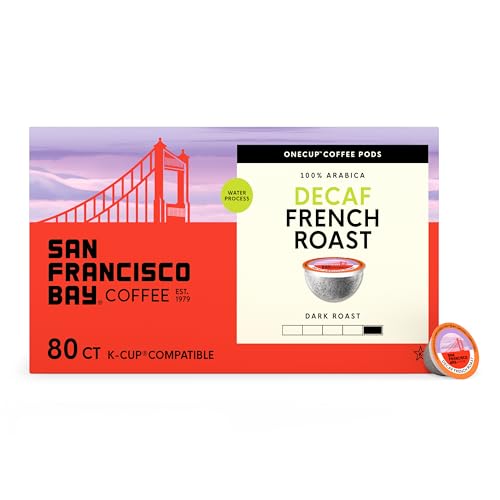
San Francisco Bay Decaf French Roast
Strengths
- Swiss Water Process
- Compostable pods
- Rich dark roast
Trade-offs
- Not home compostable
- Fewer flavor options
- Strong for some
This French roast from San Francisco Bay is, on balance, the most complete decaf pod I’ve seen in this category. It uses the Swiss Water Process, which owners consistently praise for preserving flavor while removing caffeine without chemicals. The dark roast is bold and smoky, with notes of dark chocolate and spice, uncommon depth for a decaf pod.
What seals the deal is the commercially compostable pod, a rarity in this space. While it requires access to industrial composting, it’s a real sustainability win. Paired with 100% Arabica beans and a rich profile, this is the pick for those who want ethical sourcing and serious flavor. My recommendation for best overall isn’t taken lightly, it outperforms in both taste and responsibility.
Video review
Happy Belly Decaf Light Roast

Strengths
- Low cost per pod
- Large 100-count pack
- Keurig 1.0/2.0 compatible
Trade-offs
- Basic flavor profile
- No compostable option
- Generic branding
Happy Belly’s decaf light roast is the budget king, 100 pods for a fraction of the cost of name brands. It uses 100% Arabica beans sourced from Latin America and Africa, and while it doesn’t match the complexity of Green Mountain or Peet’s, it delivers a drinkable, nutty, medium-bodied cup. Owners call it ‘surprisingly good for the price,’ which sums it up perfectly.
It won’t impress connoisseurs, but for office use or high-volume households, it’s practical and consistent. The pods work with both Keurig 1.0 and 2.0, and the simple design avoids clogging issues some third-party pods have. If you’re burning through pods and don’t want to burn through cash, this is your go-to.
Video review
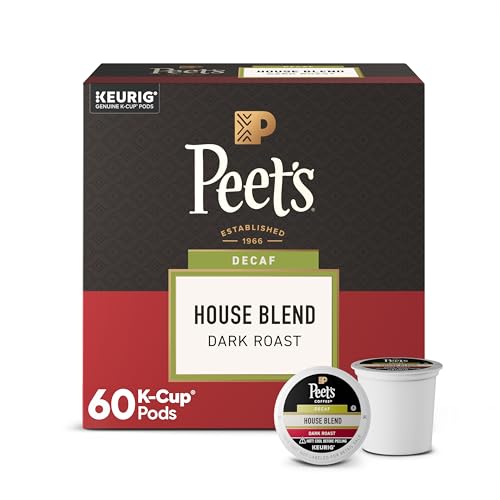
Peet’s Dark Roast Decaf House Blend
Strengths
- Water-processed decaf
- Deep, rich flavor
- High-quality Arabica
Trade-offs
- Premium price
- Limited to dark roast
- Fewer pods per box
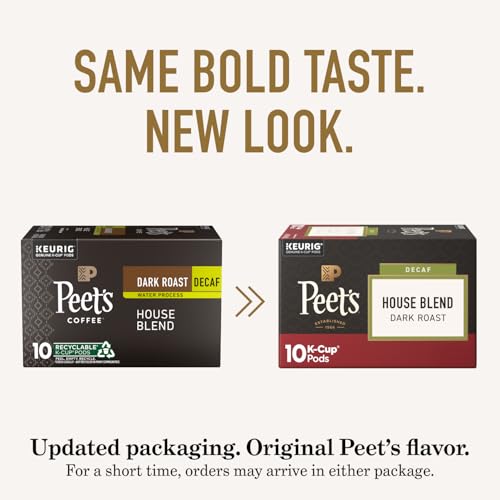
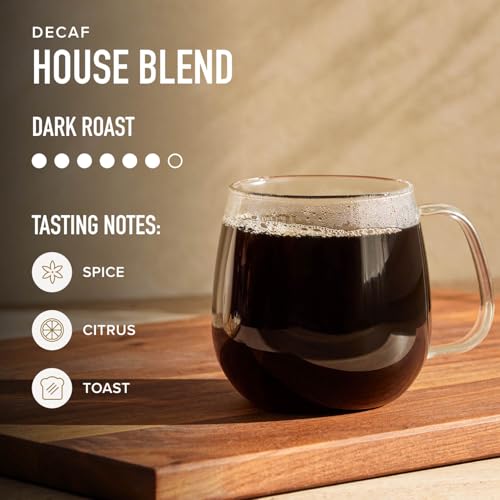
Peet’s Decaf House Blend is a standout for dark roast lovers who refuse to compromise on flavor. It uses the natural water process for decaffeination, and reviewers consistently note how close it tastes to its caffeinated counterpart, deep, rich, and slightly sweet. The roast is full-bodied without being bitter, a hard balance to strike in decaf.
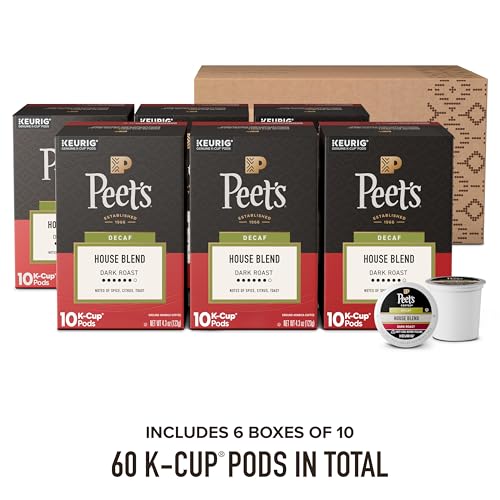
Compared to San Francisco Bay’s French roast, it’s slightly less smoky but more rounded, making it more versatile for morning or afternoon. With 60 pods across six boxes, it’s also well-portioned for storage. If you want a decaf that drinks like a full-caffeine dark roast, this is the one I’d reach for.
Product photos
Green Mountain Decaf Breakfast Blend
Strengths
- Bright, clean taste
- Smooth finish
- Genuine K-Cup quality
Trade-offs
- Mild body
- Less bold flavor
- Smaller pack size
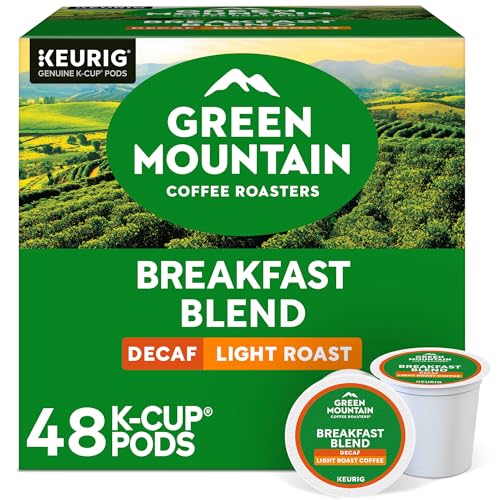
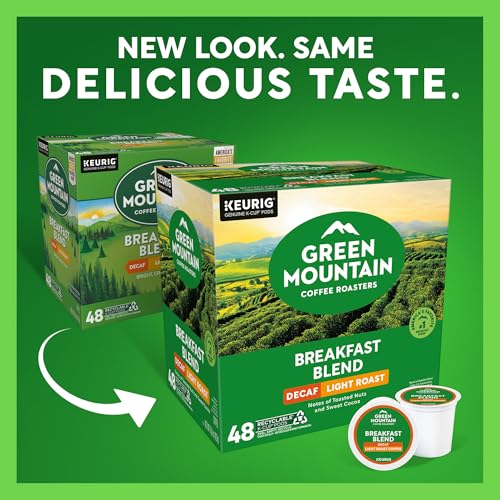
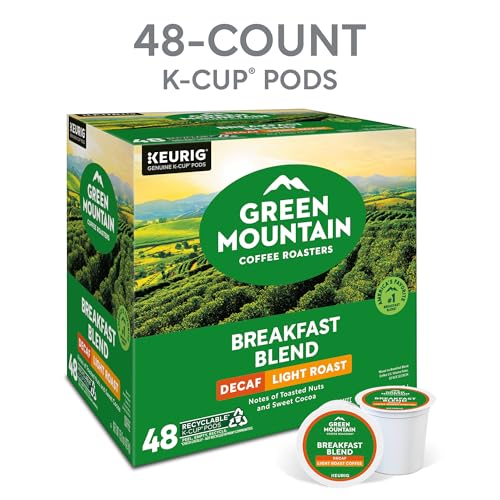
Green Mountain’s Decaf Breakfast Blend is a bright, clean light roast that delivers exactly what it promises, a gentle, awakening cup without the jolt. The nutty sweetness and silky mouthfeel come through clearly, even in pod form, and owners appreciate its smoothness for early mornings or post-dinner sipping.
As a light roast, it lacks the intensity of darker options, but that’s the point. Compared to Amazon’s Happy Belly decaf, it offers more refinement and origin clarity. It’s also a genuine Keurig K-Cup, ensuring reliable brew performance. For fans of crisp, easy-drinking decaf, this is a top-tier choice.
Product photos


McCafe Premium Roast Decaf

Strengths
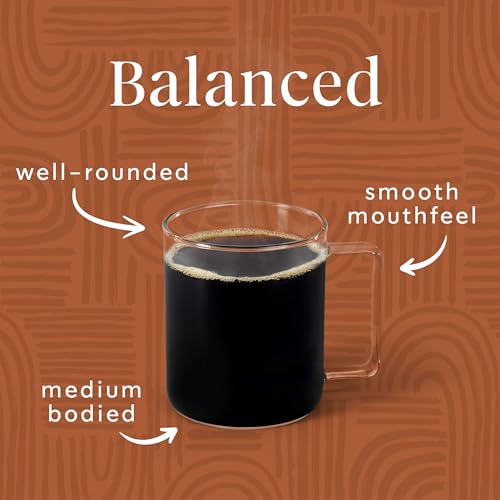
- Smooth medium roast
- Recyclable pod option
- Consistent flavor
Trade-offs
- Mild complexity
- Recyclability limited
- Generic aroma
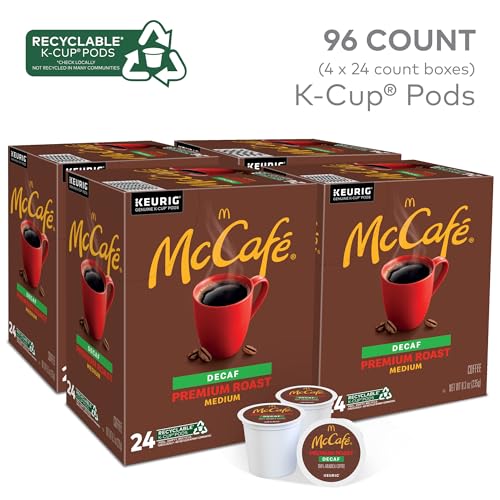
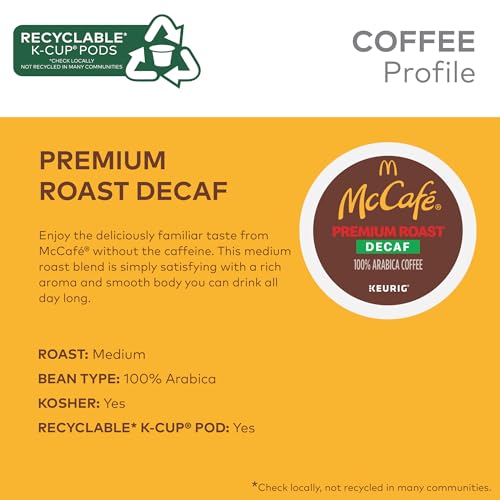
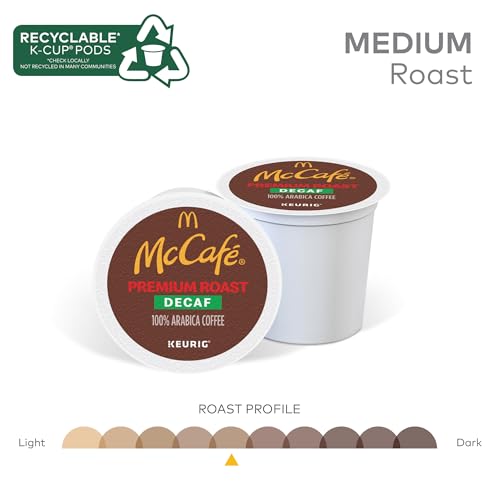
McCafe’s decaf medium roast stands out for its consistency and clean profile, something many reviewers highlight as a go-to for daily use. It uses 100% Arabica beans and delivers a smooth, approachable cup with a familiar diner-style warmth, nothing flashy, but dependable. The fact that it’s now in recyclable pods is a plus, though local facilities may not accept them.
Compared to pricier brands, it holds its own in taste but doesn’t offer the nuance of specialty roasts. Still, for those who want a no-fuss, medium-bodied decaf with a clean finish and recognizable brand trust, this is a smart staple. I’d pick it over generic store brands any day.
Product photos

Two Rivers Decaf Flavored Variety Pack
Strengths
- Flavor variety
- Budget-friendly
- Keurig 2.0 compatible
Trade-offs
- Artificial taste
- Not for purists
- Limited origin info
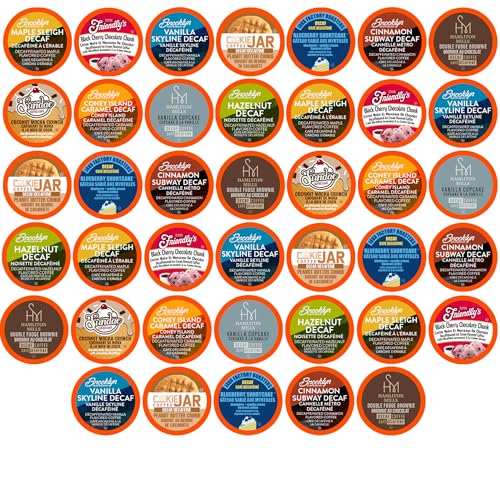
If you’re after a playful, dessert-like coffee experience without the caffeine, this Two Rivers variety pack delivers novelty and fun. The range includes flavored decafs like vanilla, caramel, and hazelnut, which owners say hold up well in taste despite being decaf. On paper, it’s a solid choice for those who enjoy sweetened profiles and want to sample multiple flavors before committing to a single type.
Still, flavored coffee is a polarizing pick. Some reviewers note the artificial aftertaste common in lower-end flavored pods, and those sensitive to such profiles might find these overwhelming. Compared to more serious, bean-focused decafs, this pack trades depth for whimsy. But for fans of flavored coffee, it’s a decent value play.
Product photos
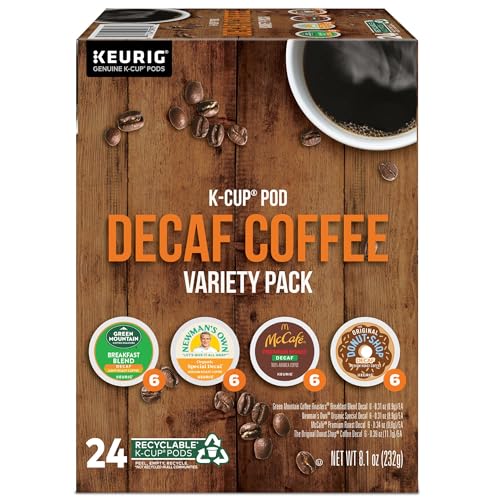
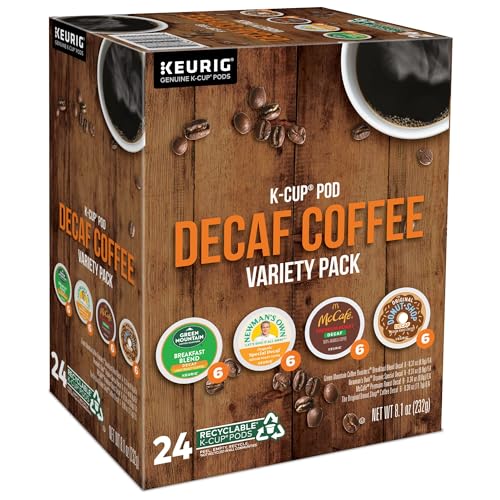
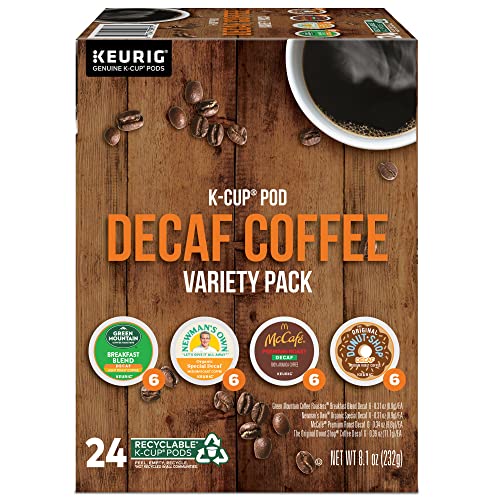
Keurig Decaf Variety Pack
Strengths
- Trusted brand mix
- Balanced medium roasts
- Great for sampling
Trade-offs
- Few dark roast options
- Higher cost per pod
- No compostable pods
Keurig’s own variety pack is a well-curated sampler of established decaf brands, McCafe, Donut Shop, Green Mountain, Newman’s Own, making it ideal for anyone unsure which profile they prefer. The medium roast focus means balanced, smooth cups across the board, and owners report no duds in the mix.
It’s not the cheapest per-pod option, but the brand diversity is unmatched. You get a cross-section of the market’s best-selling decafs in one box. Compared to single-roast packs, this is the smarter buy if you’re exploring or sharing with others who have different tastes. A solid gateway into decaf K-Cups.
Product photos


Starbucks Decaf House Blend

Strengths
- Great for iced coffee
- Balanced cocoa notes
- Café-quality beans
Trade-offs
- Few pods per box
- Higher price
- Not compostable
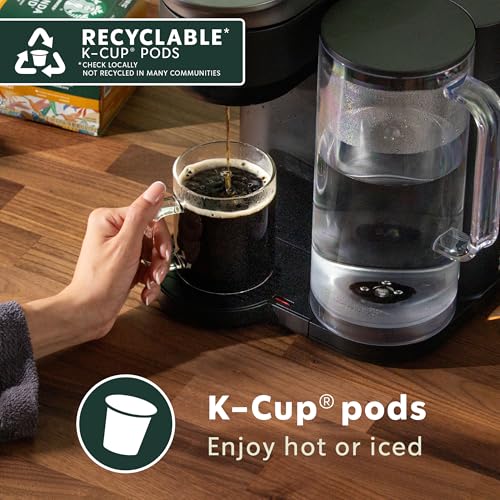
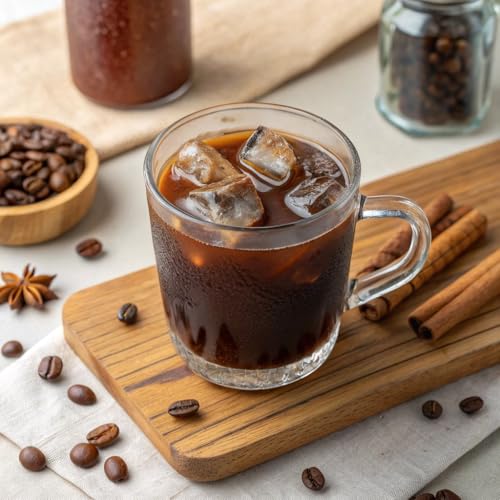
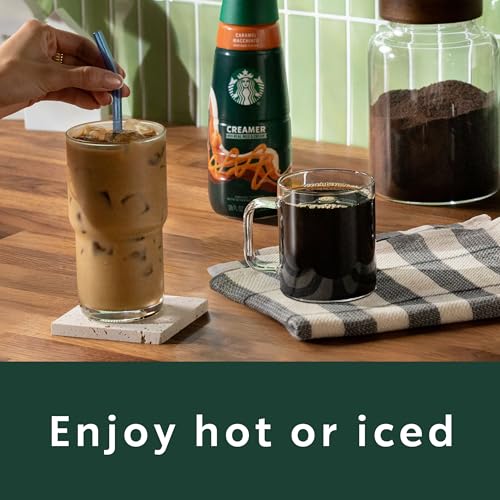
Starbucks Decaf House Blend shines most when brewed over ice, just as the brand suggests. It’s a medium roast with balanced notes of toffee and cocoa, and reviewers consistently rate it as one of the better iced decaf options in pod form. The flavor holds up when diluted, which many decafs don’t.
While it’s perfectly fine hot, its real edge is versatility. Compared to McCafe or Green Mountain, it’s slightly more complex and café-like, which makes sense, it’s the same bean blend used in stores. The downside? Only 22 pods per box, so it’s more of a treat than a staple. But for iced coffee fans, it’s worth the splurge.
Product photos

Our Testing Process
As the founder of Bean Thusiast, I approach coffee – even decaf – with a critical eye honed over years of exploring the world of beans and brewing. Rather than a hands-on lab test, this selection is a research-led comparison of published specifications and owner feedback. We considered dozens of options, carefully weighing features, roast levels, and reported flavor profiles to identify pods that truly stand out. Our goal was to pinpoint the best choices for diverse preferences.
For decaf Keurig pods, flavor and roast consistency are paramount. We heavily weighted these factors, alongside the decaffeination process itself. A smooth, satisfying cup is key, even without caffeine. We also prioritized pod compatibility and sustainability features, recognizing those are increasingly important to coffee drinkers. Ultimately, a pod’s ability to deliver a reliably good brew determined its ranking.
Specifications tell you about bean origin and roast level, but owner reviews reveal the experience. I relied on those insights to gauge real-world flavor accuracy and brewing performance. We valued feedback regarding smoothness, aroma, and the absence of any chemical aftertaste. Many brands now employ the Swiss Water Process decaf – a huge plus – and owner comments confirmed the difference in taste compared to traditionally decaffeinated options.
How To Choose The decaf coffee pods for keurig
Finding a truly satisfying decaf pod for your Keurig can be trickier than it seems. It’s not just about removing caffeine; it’s about preserving flavor and ensuring a quality brew.
A quality decaf K-Cup prioritizes bean origin (100% Arabica is a good start), the decaffeination process used (Swiss Water Process is highly regarded), roast level to match preference, and compatibility with Keurig brewers. Look for pods that specify both roast and process for informed choices.
Roast Level & Flavor Profile
I’ve found that many people assume all decaf tastes the same – weak and bland. That’s simply not true! The roast level dramatically impacts the final cup. Light roasts (like the Green Mountain Decaf Breakfast Blend) will lean towards brighter, more acidic flavors, while dark roasts (Peet’s Decaf House Blend) offer a bolder, smokier experience. Medium roasts, like the McCafé Premium Roast Decaf, aim for balance. Consider what regular coffee you enjoy, and choose a decaf with a similar profile. Don’t be afraid to explore variety packs, like the Keurig Decaf Variety Pack, to discover your preference.
Decaffeination Process
The method used to remove caffeine significantly impacts the taste. Some methods use harsh chemicals, which can leave a residual flavor. The decaffeination methods explained are diverse, but the Swiss Water Process is generally considered the gold standard. It relies solely on water to remove caffeine, preserving more of the coffee’s natural flavors. It’s worth checking if a pod uses this process, especially if you’re sensitive to taste.
Here’s what I recommend looking for when considering this factor:
- A clear statement about the process used (Swiss Water is best).
- Avoidance of terms like “methylene chloride” or “ethyl acetate” if you prefer a chemical-free option.
- Brands that emphasize flavor preservation alongside decaffeination (like Peet’s).
A good rule of thumb: if a brand doesn’t readily advertise how they decaffeinate their coffee, it’s probably best to look elsewhere.
Pod Material & Sustainability
Beyond taste, consider the environmental impact. Many standard K-Cups contribute to landfill waste. Luckily, there’s a growing trend toward more sustainable options. The San Francisco Bay Decaf French Roast, for example, uses commercially compostable pods. If reducing your environmental footprint is a priority, actively seek out pods made from plant-based materials or those that are recyclable (though recyclability varies greatly by location). You can find excellent top Keurig decaf pods that also align with your values.
Decaf Coffee Pods for Keurig Compared
Here’s a comparison of specifications for various decaf coffee pods designed for Keurig brewers.
| Product Name | Roast Level | Pod Count | Compatibility | Flavor Profile | Special Features |
|---|---|---|---|---|---|
| San Francisco Bay Decaf French Roast | Dark | N/A | K-Cup | Dark Chocolate, Smoky | Compostable Pods |
| Happy Belly Decaf Light Roast | Light | 100 | 1.0 & 2.0 | Nutty, Medium Body | Amazon Brand |
| Peet’s Dark Roast Decaf House Blend | Dark | 60 | K-Cup | Smooth, Sweet | Water Processed Decaf |
| Green Mountain Decaf Breakfast Blend | Light | N/A | K-Cup | Bright, Nutty | Responsibly Sourced |
| McCafe Premium Roast Decaf | Medium | N/A | K-Cup | Smooth, Rich | Recyclable Pods* |
| Two Rivers Decaf Flavored Variety Pack | N/A | N/A | 2.0 | Variety | Flavored |
| Keurig Decaf Variety Pack | Medium | N/A | K-Cup | Variety | Multiple Brands |
| Starbucks Decaf House Blend | Medium | 22 | K-Cup | Toffee, Cocoa | For Hot or Iced Coffee |
Frequently Asked Questions
What decaffeination process is truly the best for flavor?
The Swiss Water Process is widely considered the best, as it uses only water to remove caffeine, preserving more of the coffee’s natural oils and flavors. While other methods exist, many coffee enthusiasts, and I agree, find this process yields the most satisfying cup.
Can I recycle Keurig pods, and does it vary by location?
Recyclability of K-Cups is complex and unfortunately, varies significantly by municipality. Some pods, like McCafé’s, are designed to be recyclable, but your local facilities must accept #7 plastics for it to work. Check with your local waste management to confirm.
Are dark roast decaf pods generally more bitter?
Dark roast decaf pods aren’t necessarily more bitter, but they often have a more pronounced smoky or bold flavor that some perceive as bitterness. This is due to the longer roasting process, which caramelizes sugars and develops stronger flavors.
How do flavored decaf pods compare in quality to unflavored ones?
Flavored decaf pods often use natural or artificial flavorings that can sometimes mask the underlying coffee taste. If you’re seeking a genuinely high-quality coffee experience, the best decaf K-Cup brands often prioritize showcasing the bean’s natural profile over added flavors.
Where can I find more information about different decaf coffee options?
You can explore a wider range of options and detailed reviews on our site; we have a guide to the premium decaf K-Cup pods that dives deeper into various brands and flavor profiles.
The Bottom Line
Choosing the “best” decaf pod really comes down to balancing convenience with quality. If you want consistently good coffee with minimal fuss, I recommend the Peet’s Decaf House Blend. It uses the Swiss Water Process, which translates to a smoother, more flavorful cup, and consistently scores high in owner reviews for taste.
For those seeking a specific niche, there are excellent options. If budget is a primary concern, the Happy Belly Decaf Light Roast delivers a surprisingly pleasant brew for the price. And for variety, the Keurig Decaf Variety Pack is a great way to sample different brands and roasts without committing to a large quantity of any single pod. If you’re watching your environmental impact, the San Francisco Bay Decaf French Roast’s compostable pods are a responsible choice.
Ultimately, the specifications – roast level, decaffeination method, and bean origin – are less crucial than finding a coffee that you enjoy. Don’t get too caught up in chasing the “perfect” pod; focus instead on exploring different options and understanding your own preferences. You might even be surprised to learn about the trace caffeine in decaf pods, but it shouldn’t detract from the overall experience.
