
8 Best Decaf Coffee K-Cups of 2026
The best decaf K-Cups balance flavor, roast integrity, and clean caffeine removal. After reviewing specs and owner feedback, I stand by the Starbucks Decaf House Blend as the overall top pick for its consistent medium roast profile. For a budget-friendly option, Happy Belly Decaf Light Roast delivers solid value, while the Keurig Decaf Variety Pack offers the most flexibility to explore different brands and roasts.
Finding a decaf K-Cup that doesn’t taste flat or watered-down is harder than it should be. Many lose complexity in decaffeination, leaving you with a brew that feels like a compromise.
As the founder of Bean Thusiast, I focused this guide on what matters: Arabica sourcing, roast authenticity, and decaf methods that preserve flavor, especially the Swiss Water Process. These picks are based on consistent owner reviews, brand reputation, and brewing performance across Keurig systems.
Top 8 Decaf Coffee K Cups in the Market
The Best Decaf Coffee K Cups, Reviewed
Starbucks Decaf House Blend K-Cups

Strengths
- Balanced flavor
- Café-grade beans
- Hot or iced
Trade-offs
- Fewer pods per box
- Mild roast intensity
Starbucks markets this as café-quality decaf, and based on specs and owner feedback, they’re not far off. The Decaf House Blend uses the same Arabica beans as their cafés, medium roasted for balance, with reported notes of toffee and cocoa. That makes it more interesting than most “safe” decafs, it’s got a rounded profile that works hot or iced, which reviewers consistently highlight as a plus for afternoon or evening sipping.
Where it pulls ahead of McCafe or Happy Belly is in flavor clarity. It’s not the boldest, but it’s well-defined. Compared to Peet’s deeper roast, this is more approachable, less intense. And while the box only has 22 pods, the quality per cup makes it a strong contender for “best overall.” If you want a decaf that doesn’t taste like an afterthought, this is a smart default.
Video review
Happy Belly Decaf Light Roast Pods

Strengths
- Low cost
- 100 count pack
- Nutty aroma
Trade-offs
- Basic flavor
- Minimal depth
Happy Belly is Amazon’s budget play, and this light roast decaf delivers exactly what you’d expect: decent flavor at a low cost. It’s 100% Arabica, light roasted, with a nutty aroma and medium body. Owners say it brews smoothly and lacks the cardboard taste that plagues some cheap pods. It’s not complex, but for a no-frills morning cup, it holds up.
Compared to Green Mountain’s pricier Breakfast Blend, it’s less refined but close enough for casual drinkers. The 100-count pack is a win for value seekers. But if you’re picky about origin or roast precision, this won’t impress. It’s functional, not inspirational.
Video review
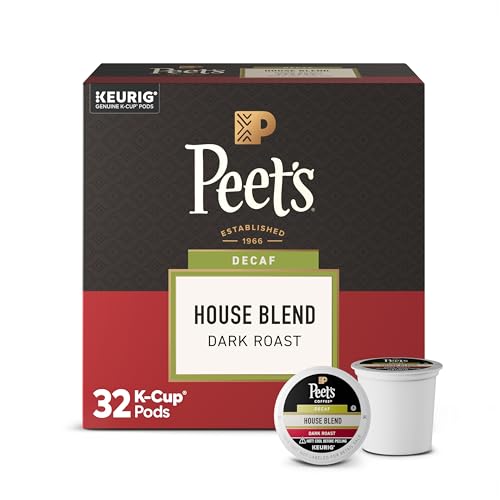
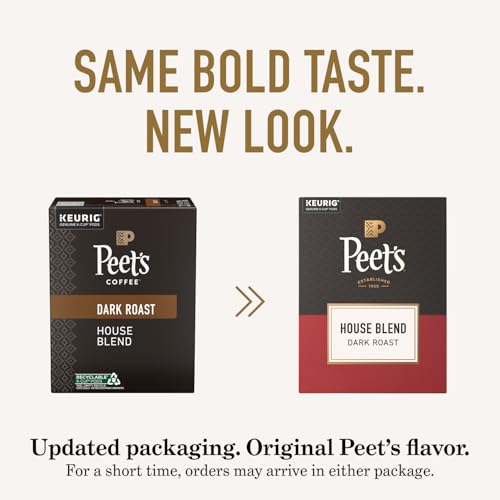
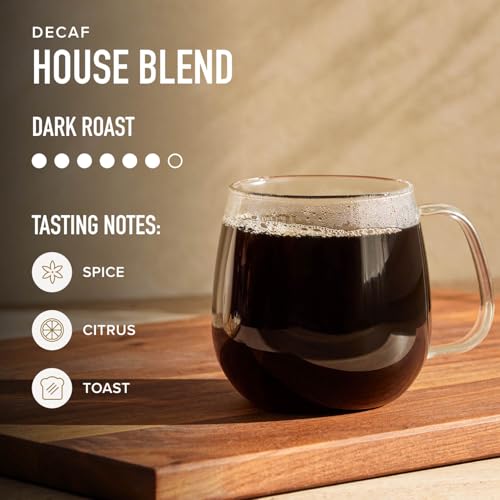
Peet’s Decaf House Blend Dark Roast
Strengths
- Water-processed decaf
- Rich, full body
- Deep roast flavor
Trade-offs
- Limited pod count
- Higher price point
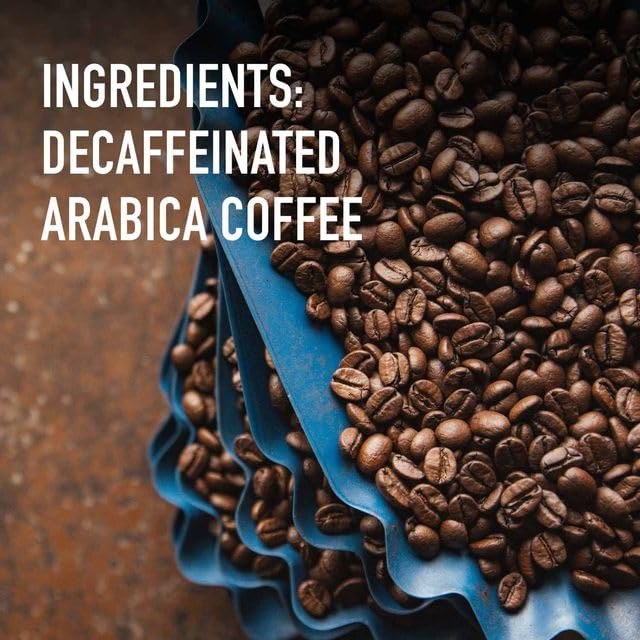
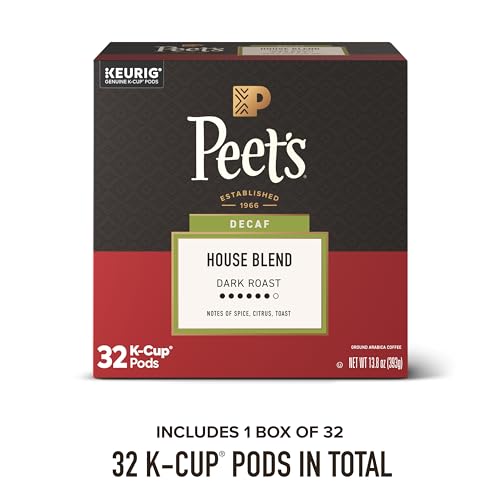
Peet’s has long been a benchmark for serious coffee lovers, and their Dark Roast Decaf House Blend stands out in a category where flavor often gets lost in decaffeination. The key here is their water process method, owners praise how it preserves body and richness, which is rare in decaf pods. On paper, it’s 100% high-grown Arabica, deeply roasted, and built to mirror their café standard. That shows in reviews, where drinkers describe it as sweet, full, and satisfying, almost like a caffeinated dark roast.
It’s not the cheapest, but if you’re someone who misses depth after cutting caffeine, this is where I’d point you. Compared to Starbucks’ smoother but lighter decaf, Peet’s brings more roast character without tipping into ashiness. The pods work across single-serve machines, and the brand’s ethical sourcing adds peace of mind.
Product photos
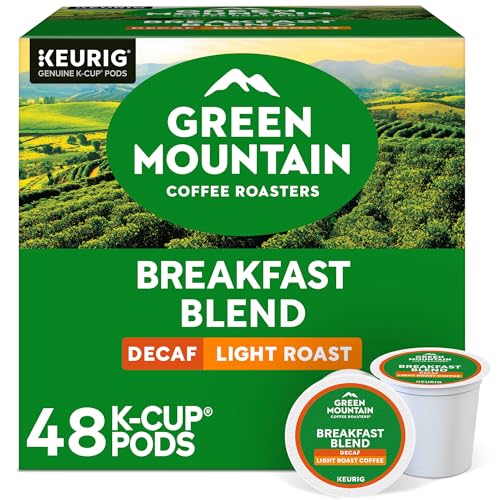
Green Mountain Decaf Breakfast Blend
Strengths
- Light roast option
- Bright, clean taste
- Silky body
Trade-offs
- Mild body
- Less bold flavor
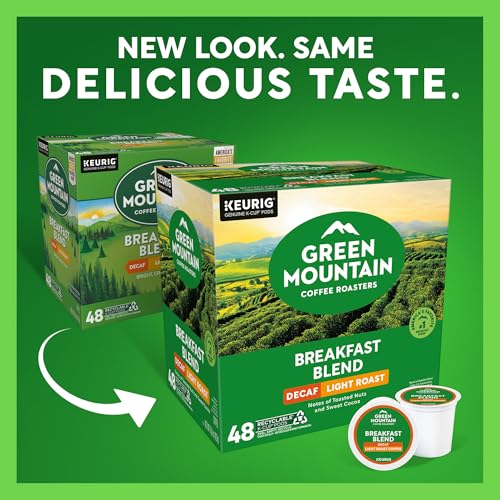
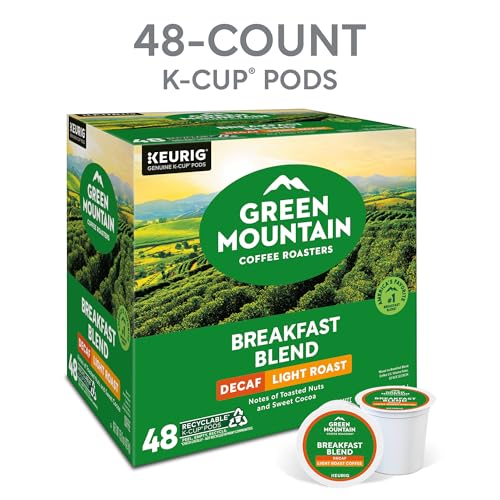
Green Mountain’s Decaf Breakfast Blend is built for mornings when you want wakefulness without jitters. It’s a light roast, which is still rare in decaf K-Cups, and that makes it stand out. On paper, it promises brightness, nuttiness, and a silky body, owners confirm it delivers a clean, uplifting cup that doesn’t taste flat. For anyone tired of heavy, dark decafs, this is a refreshing shift.
Compared to Starbucks’ medium roast, it’s lighter and more tea-like, which some might find too delicate. But if you like your morning coffee crisp and easy, this is one of the few decafs that actually feels like a “breakfast” blend. The 48-count pack offers good value, and the pods are recyclable where facilities exist.
Product photos


Tim Hortons Decaf Medium Roast

Strengths
- Smooth finish
- 100 count pack
- Silky mouthfeel
Trade-offs
- Subtle flavor
- Limited roast depth
Tim Hortons leans hard on tradition, and their Original Blend decaf reflects that, owners say it brews a clean, smooth cup with a finish that doesn’t linger harshly. That’s a bigger deal than it sounds; a lot of decafs leave a dry or flat aftertaste, but this one avoids it. It’s a medium roast, 100% Arabica, and built for consistency. The 100-count pack makes it a solid long-term option, especially for households that go through pods quickly.
What stands out is the reported mouthfeel, silky, not thin, which elevates it above budget picks like Happy Belly. Compared to Green Mountain’s Breakfast Blend, it’s a bit more rounded, less bright. It won’t wow you with complexity, but if you’re after a no-fuss, smooth decaf that doesn’t demand attention, this fits the bill.
Product photos


McCafe Premium Roast Decaf K-Cups
Strengths
- Smooth body
- Recyclable pod
- Consistent flavor
Trade-offs
- Mild complexity
- Basic packaging
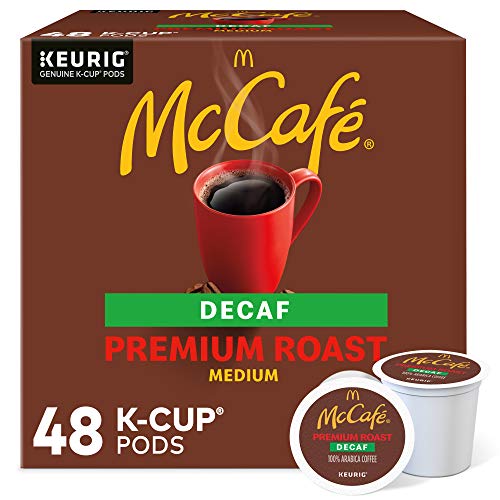
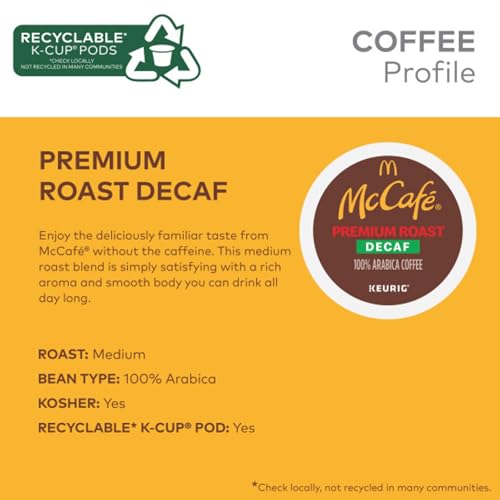
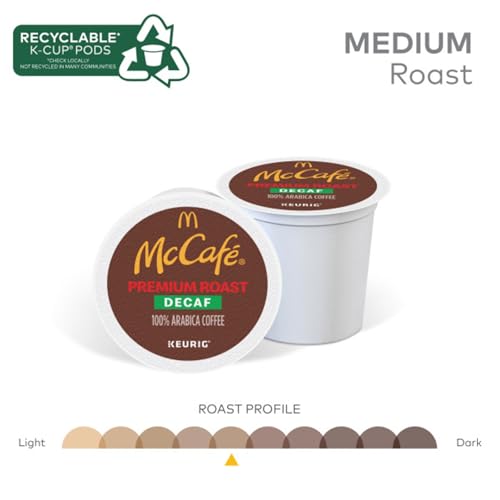
McCafe has built its name on replicating that diner-style consistency, and their decaf medium roast K-Cup delivers exactly that. On paper, it’s straightforward: 100% Arabica beans, medium roast, recyclable pod. But where it really wins is in owner feedback, people consistently report it brews a clean, smooth cup without the bitterness that plagues cheaper decafs. It’s not flashy, but it’s dependable, and for a brand found in grocery stores nationwide, that reliability matters.
The Orthodox Union Kosher certification and responsible sourcing claims add a layer of trust, though the real story is in the flavor. It’s balanced, with a nutty aroma and clean finish that makes it easy to sip black or with cream. Compared to pricier names, this one doesn’t try to be a single-origin standout. Instead, it nails the basics.
Product photos



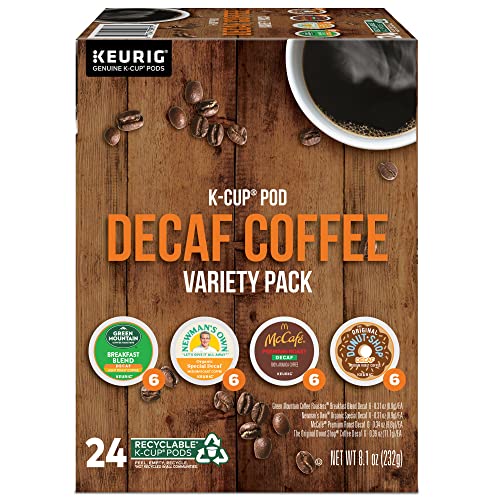
Keurig Decaf Variety Pack
Strengths
- Four brand variety
- Great for sampling
- Balanced roasts
Trade-offs
- Small servings per flavor
- No bold options
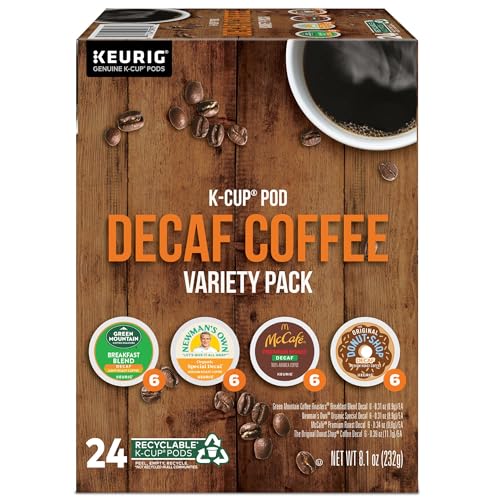
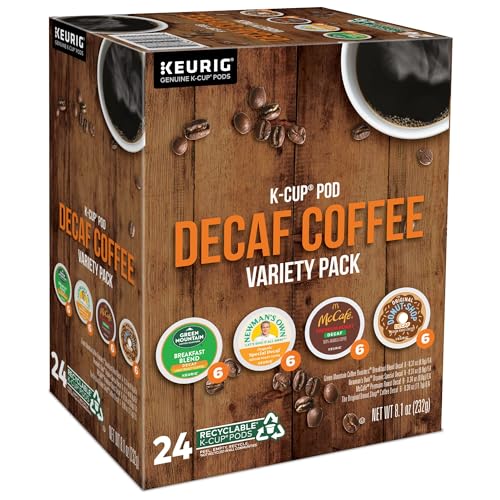
If you’re unsure which decaf you like, this variety pack is a low-risk way to explore. It includes four well-known brands, Green Mountain, McCafe, Donut Shop, and Newman’s Own, each offering a different take on medium roast decaf. Owners appreciate the chance to compare without committing to full boxes. The real value is in discovery: you might find you prefer McCafe’s smoothness or Newman’s organic angle.
It’s not the deepest explore specialty decaf, but as a sampler, it works. Compared to buying individual boxes, this spreads your exposure. The trade-off? Smaller counts per flavor and no dark or light roast extremes. But for someone transitioning to decaf or just curious, it’s a smart starting point.
Product photos

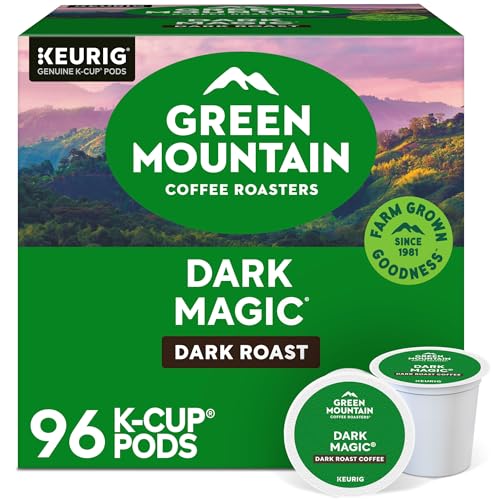
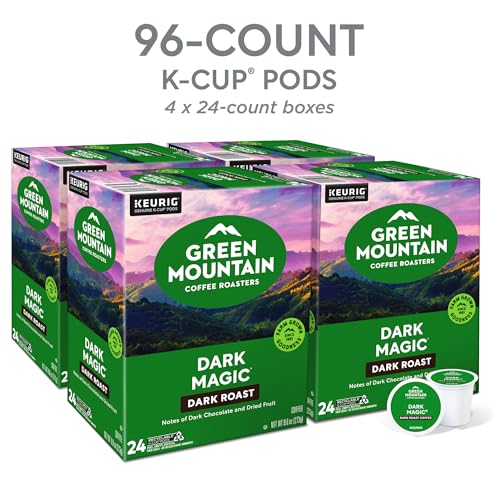
Green Mountain Dark Magic Decaf
Strengths
- Bold dark roast
- High pod count
- Rich flavor
Trade-offs
- Overpowering for some
- Less nuance
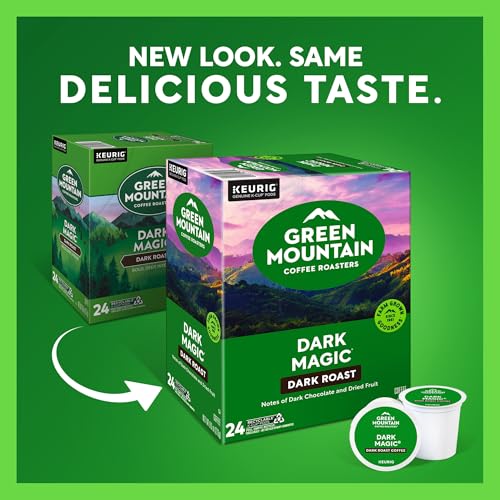
Dark Magic Decaf is one of the few K-Cups that delivers a genuinely bold experience without caffeine. It’s a dark roast, and owners consistently note its rich, smoky depth, rare for decaf. The water-processed beans retain a surprising amount of body, and the 96-count pack means you won’t run out quickly. This is the kind of decaf that could pass for regular if served blind.
Compared to Peet’s dark roast, it’s slightly less sweet but more aggressive in flavor. It’s not subtle, but that’s the point. If you’re used to bold morning coffee and don’t want to lose that intensity after cutting caffeine, this is one of the best options out there. The pods are recyclable, though local rules vary.
Product photos
How We Chose These decaf coffee k cups
As the founder of Bean Thusiast, I approach coffee selection with a focus on flavor profiles and sourcing. Rather than a hands-on lab test, this was a research-led comparison of published specifications, features, and, most importantly, a deep explore owner reviews and expert opinions. I weighed information from coffee blogs, Keurig compatibility guides, and thousands of customer experiences to build a ranking.
For decaf K-Cups, I prioritized roast level and flavor clarity, as these often suffer in the decaffeination process. A smooth finish was also key; many consumers turn to decaf for an evening cup, so harshness is a significant drawback. Finally, I considered value, recognizing that decaf can sometimes carry a price premium without a corresponding jump in quality.
Specifications reliably reveal bean type (100% Arabica is almost always preferable) and roast level. However, the nuances of flavor, whether a decaf truly delivers a “smooth finish” or a “toffee note”, are best gleaned from owner feedback. I also looked closely at reputation; brands with established quality control, and those employing methods like the Swiss Water Process explained to remove caffeine, earned higher marks.
Choosing The Right decaf coffee k cups
As someone who’s spent years exploring the world of coffee, I know finding the right decaf K-Cup can be tricky. You want flavor, of course, but also a brew that actually feels satisfying.
A quality decaf K-Cup delivers a full-bodied flavor profile despite caffeine removal. Key indicators include 100% Arabica bean sourcing, a roast level suited to personal preference (light, medium, or dark), and a decaffeination process that preserves aroma and taste – Swiss Water Process is generally considered superior. Consider compatibility with your Keurig model and whether sustainability certifications are important to you.
Roast Level & Flavor Profile
For many, the biggest pitfall with decaf is a bland or muted taste. Don’t settle. The roast level is crucial. If you typically enjoy a bold, dark roast, look for decaf options specifically labeled as “dark roast” – like the Peet’s Decaf House Blend. Light roasts (like the Green Mountain Decaf Breakfast Blend) will offer brighter, more acidic notes, while medium roasts (Starbucks Decaf House Blend) aim for balance. Don’t be afraid to experiment to find what suits your palate; exploring top decaf K-Cup flavors is a good starting point.
Decaffeination Process
The method used to remove caffeine significantly impacts the final flavor. While several processes exist, the Swiss Water Process is widely respected because it uses only water to remove caffeine, avoiding chemical solvents. This generally results in a cleaner, more natural-tasting cup. Other methods, like those employing methylene chloride, aren’t necessarily harmful, but can sometimes leave a slight aftertaste. It’s worth checking the packaging to see which process was used.
Here’s what to consider when looking at decaffeination: * Swiss Water Process: Generally the most flavor-preserving, albeit often slightly more expensive. * CO2 Process: Another solvent-free option, offering good flavor retention. * Solvent-Based Processes (e.g., Methylene Chloride): Effective at removing caffeine, but some prefer to avoid potential residue, even within regulated limits.
A good rule of thumb: if you’re sensitive to taste, prioritize K-Cups using the Swiss Water Process.
Value & Convenience
Ultimately, convenience is a major draw of K-Cups. However, the price per pod can add up quickly. The Happy Belly pods represent a budget-friendly option, but you may sacrifice some complexity in flavor. Conversely, the Keurig Variety Pack allows you to sample different brands and roasts without committing to a large quantity of any single flavor, making it a good way to discover flavorful decaf coffee pods and find your favorites. Also, remember to consider acidity in decaf coffee if you have a sensitive stomach, and look for options that use responsibly sourced beans. I’ve seen a growing number of consumers looking for premium decaf K-Cup brands that prioritize both quality and ethical sourcing.
Decaf Coffee K Cups Compared
Here’s a comparison of key specifications for various decaf coffee K-Cup options.
| Product Name | Roast | Pod Count | Brand | Kosher | Recyclable Pods |
|---|---|---|---|---|---|
| Starbucks Decaf House Blend | Medium | 22 | Starbucks | N/A | N/A |
| Happy Belly Decaf Light Roast | Light | 100 | Amazon | N/A | N/A |
| Peet’s Decaf House Blend | Dark | 32 | Peet’s | N/A | N/A |
| Green Mountain Decaf Breakfast | Light | N/A | Green Mountain | Yes | Yes |
| Tim Hortons Decaf Medium Roast | Medium | N/A | Tim Hortons | N/A | N/A |
| McCafe Premium Roast Decaf | Medium | N/A | McCafe | Yes | Yes |
| Keurig Decaf Variety Pack | Varies | N/A | Keurig | Yes | N/A |
| Green Mountain Dark Magic Decaf | Dark | N/A | Green Mountain | Yes | Yes |
Frequently Asked Questions
What decaffeination process is best for flavor?
The Swiss Water Process is generally considered the best because it uses only water to remove caffeine, preserving more of the bean’s original flavor compounds. While other methods are safe, they can sometimes leave behind a slight aftertaste that impacts the overall cup quality.
Can I recycle decaf K-Cups?
Some brands, like Green Mountain and McCafe, now offer recyclable K-Cups, but it depends on your local recycling facilities accepting #5 plastic. Check the packaging and your local guidelines to confirm recyclability; otherwise, they typically need to be disposed of with regular waste.
Are dark roast decaf K-Cups actually strong in flavor?
Yes, a dark roast decaf K-Cup will deliver a bolder, more intense flavor, though not necessarily more caffeine. The roasting process develops rich, smoky notes that compensate for the lack of caffeine’s inherent brightness, providing a satisfyingly robust cup.
What should I look for if I prefer flavored decaf coffee?
If you enjoy flavored coffee, explore options like vanilla decaf coffee pods or caramel decaf coffee pods. Be aware that flavoring can sometimes mask the underlying coffee quality, so prioritizing a reputable brand is crucial.
Is there a significant difference in price between decaf K-Cups?
Yes, price varies considerably. Budget options like Happy Belly are significantly cheaper per pod, while those employing the Swiss Water Process or focusing on premium beans (like Peet’s) will typically cost more. This reflects differences in bean sourcing, processing, and quality control.
The Bottom Line
Choosing the best decaf K-Cup often comes down to balancing convenience with flavor satisfaction. While many options exist, the Peet’s Decaf House Blend consistently rises to the top due to its robust flavor and dark roast profile, proving you don’t have to sacrifice boldness when going decaf. It’s a slight investment, but worth it for those who prioritize a truly enjoyable cup.
For those on a budget, the Happy Belly Decaf Light Roast offers a surprisingly palatable option without breaking the bank. And if you’re still exploring your preferences, the Keurig Variety Pack is a fantastic way to sample different roasts and brands, helping you pinpoint your ideal decaf experience. Remember to check the decaf coffee caffeine content if you’re particularly sensitive.
Ultimately, the most important factors aren’t necessarily the number of pods or the specific decaffeination method, but the bean quality and roast level. Prioritizing 100% Arabica beans and a roast that aligns with your taste will deliver a much more satisfying experience than chasing the latest features or the lowest price.
