
9 Best Coffee Gear of 2026
The AeroPress Original Coffee Press stands out as the best overall coffee gear for its versatility and consistent results, especially when paired with the Mini Manual Coffee Grinder for precise, portable grinding. For those focused on precision, the Greater Goods Coffee Scale delivers unmatched accuracy at a sensible price.
Most coffee lovers want better brews without getting lost in unnecessary complexity. The real challenge isn’t finding gear, it’s sorting through the noise to find tools that actually improve your cup.
As the founder of Bean Thusiast, I’ve spent years studying brewing methods and equipment, and this guide reflects what matters most: grind quality, build durability, and real-world usability. We evaluated each product based on specs, owner feedback, and how well it performs its intended role in crafting a great cup.
Top 9 Coffee Gear in the Market
The Best Coffee Gear, Reviewed
AeroPress Original Coffee Press

Strengths
- Fast brewing
- Easy cleanup
- Highly portable
Trade-offs
- Filters need replenishing
- Plastic feel to body
Even years after its debut, the AeroPress remains the most versatile manual brewer on the market. It’s not just a French press or pour-over alternative, it’s a hybrid that lets you brew rich, clean coffee in under two minutes, with almost zero bitterness. The air pressure and micro-filtration system remove grit and oils that cause harshness, which owners consistently praise for producing a smoother cup than most methods. You can even make espresso-style concentrate for lattes, which few portable brewers can claim.
Its durability and compact size make it a favorite for travel, and cleanup is absurdly fast, just pop out the puck and rinse. Compared to the Chemex or V60, it’s less ritualistic but far more practical. For beginners and veterans alike, this is the one brewer I’d recommend as a starting point. It’s not the best at one thing, but it’s excellent at many.
Video review
Mini Manual Coffee Grinder

Strengths
- 40 grind settings
- Ceramic burrs
- Compact and light
Trade-offs
- Small capacity
- Plastic feel on knob
For travelers or office workers who refuse to compromise on grind quality, this little conical burr grinder is a revelation. At just over 13 ounces and with 40 external grind settings, it offers precision that most compact grinders lack. The ceramic burrs are key, they produce a consistent grind with minimal heat, preserving delicate flavor notes, which reviewers say shows in the cup. Whether you’re aiming for espresso or French press, the range is broad enough to dial in.
It’s not for brewing for a crowd, 30g capacity means you’re limited to a couple of servings max, but that’s expected at this size. Compared to the Hario Skerton Pro, it’s more consistent and easier to adjust mid-grind. The external ring eliminates the mess of internal adjustments. I’d recommend this over blade grinders any day for anyone serious about flavor on the move.
Video review
Greater Goods Coffee Scale

Strengths
- 0.1g precision
- Built-in timer
- Spill-resistant cover
Trade-offs
- Battery life could be better
- Display fades at angles
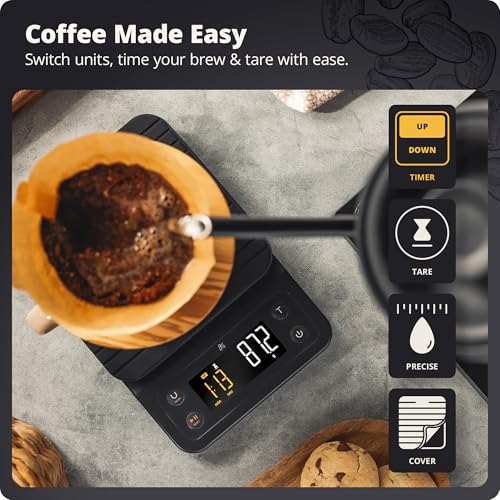
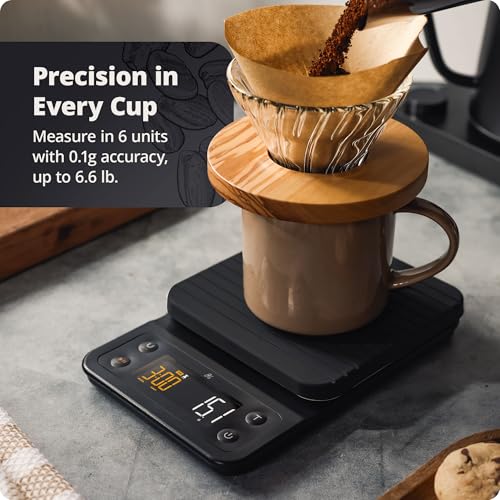
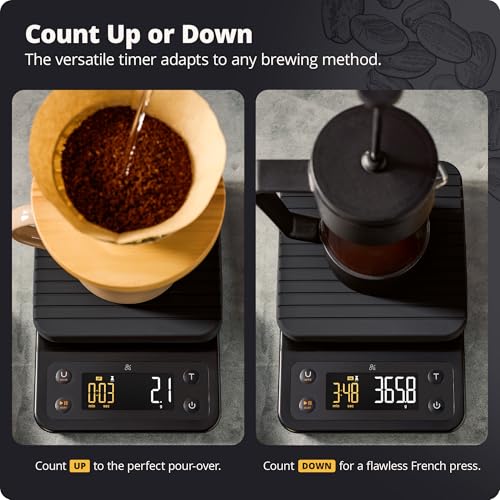
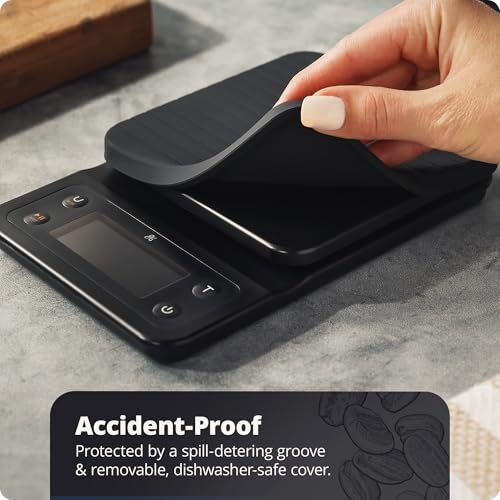
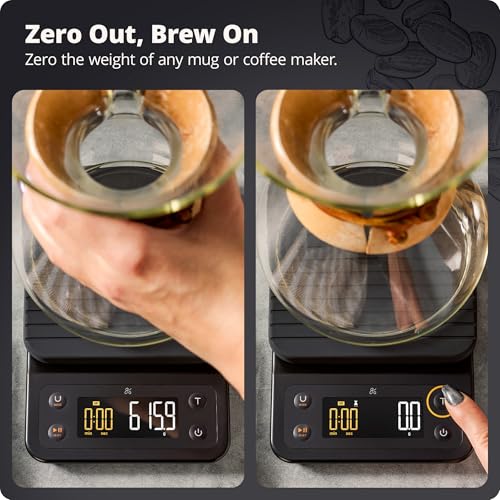
This scale is everything a serious brewer needs: accurate, responsive, and built for real use. The 0.1g precision is critical for espresso and pour-over, and the fast refresh rate means you’re not guessing during pours. The integrated timer is seamless, start pouring, and it tracks extraction in real time, which reviewers say makes dialing in recipes far easier. The silicone cover is a standout: heat-resistant, easy to clean, and it stays put during use.
Compared to bare-bones scales, this one eliminates the need for a separate timer and offers real durability. The tare function is instant, and multiple units (g, oz, ml) add flexibility. It’s not flashy, but it’s reliable. For anyone moving beyond scoop-and-hope brewing, this is the upgrade that makes the biggest difference.
Product photos
Bodum 34oz Pour Over Maker

Strengths
- Reusable filter
- Elegant design
- Heat-resistant glass
Trade-offs
- No lid for storage
- Fines in final cup
This is a classic, no-frills pour-over carafe that’s perfect for beginners or those who want a simple, elegant setup without extra gadgets. The borosilicate glass handles heat well and the cork grip is both stylish and functional, protecting your hand from hot surfaces. The stainless steel mesh filter is a standout, it lasts forever, cuts down on waste, and lets more oils through than paper, giving your coffee a fuller body. On paper, it’s designed for 8 four-ounce servings, but in practice, that’s more like 2–3 standard mugs.
Some owners report the glass feels a bit thin, and dropping it on tile could be disastrous. Compared to the Chemex, it’s less refined in filtration and doesn’t remove fines as cleanly, but it’s faster and cheaper. If you’re after ease and sustainability over competition-level clarity, this is a solid pick.
Product photos


Amrules 12oz Milk Frothing Pitcher
Strengths
- Precise scale marks
- Smooth pouring spout
- Dishwasher safe
Trade-offs
- Latte pen is gimmicky
- Handle can heat up
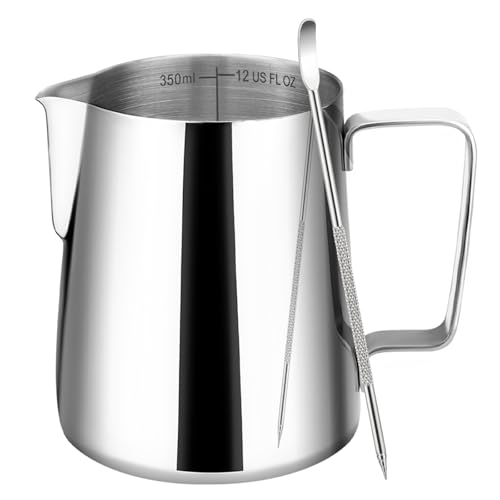
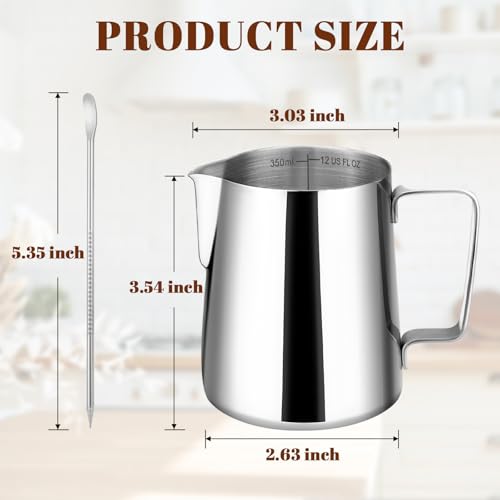
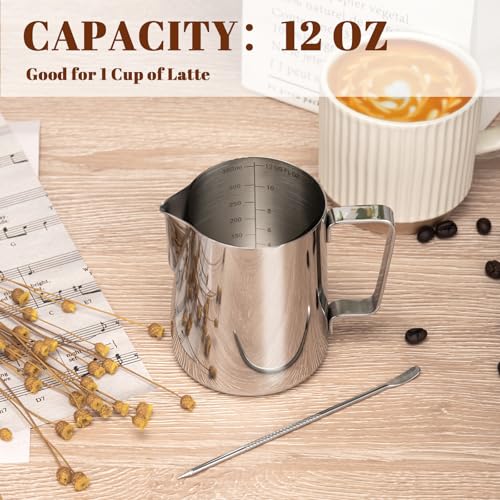
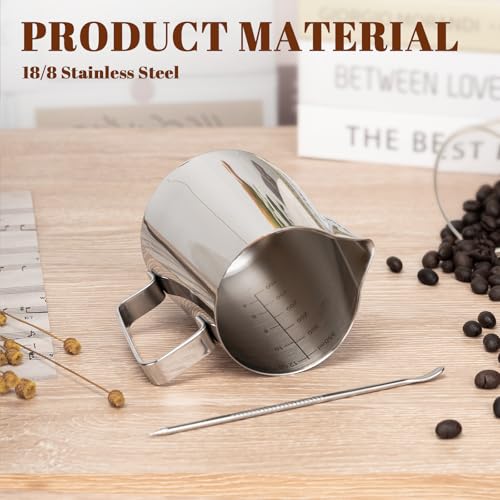
This 12oz pitcher punches above its weight for both beginners and seasoned home baristas. The 304 stainless steel construction feels solid, and the dual finish, mirror outside, matte inside, makes it easy to clean while looking sharp. The laser-etched scale is accurate and doesn’t trap residue, which reviewers appreciate after repeated dishwasher runs. The tapered spout is where it really shines: it gives real control for latte art, letting you pour steady streams or fine lines without splashing.
The included latte pen is a nice bonus, though not essential, it helps sketch patterns but isn’t a tool pros rely on. Compared to larger 20oz pitchers, this size is ideal for single or double shots, and the ergonomic handle reduces wrist strain. It won’t replace a full barista kit, but for home use, it’s one of the better values out there.
Product photos


MIGAKU HOME Dosing Cup Set
Strengths
- Reduces static cling
- Beautiful walnut design
- Durable spray bottle
Trade-offs
- Spray needs refilling
- Cup not dishwasher safe
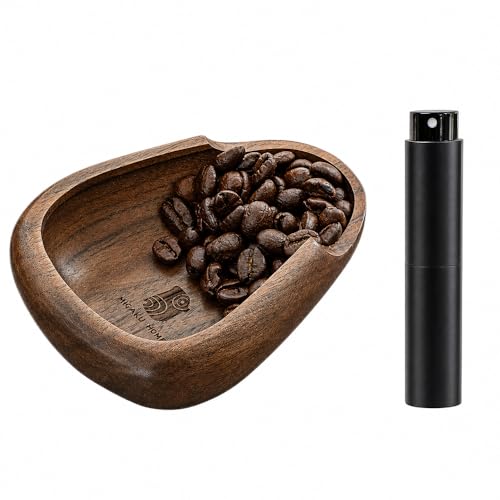
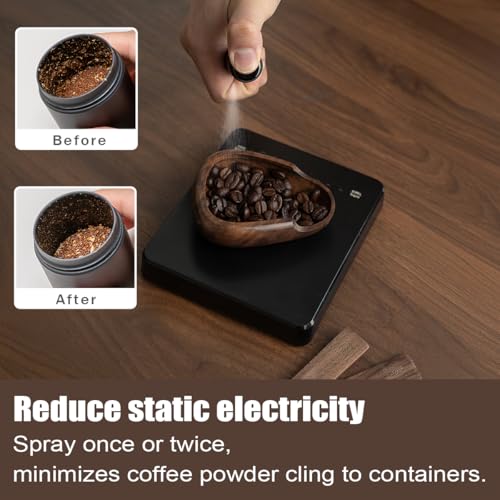
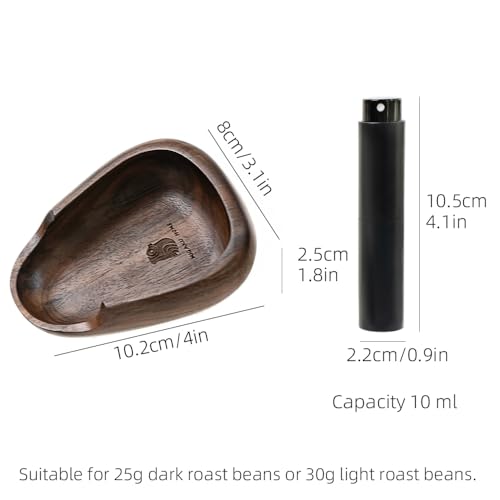
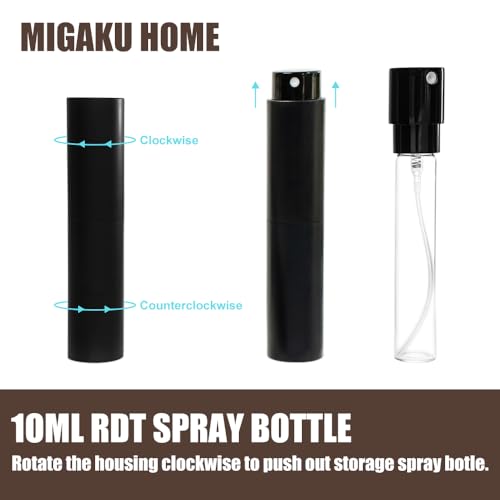
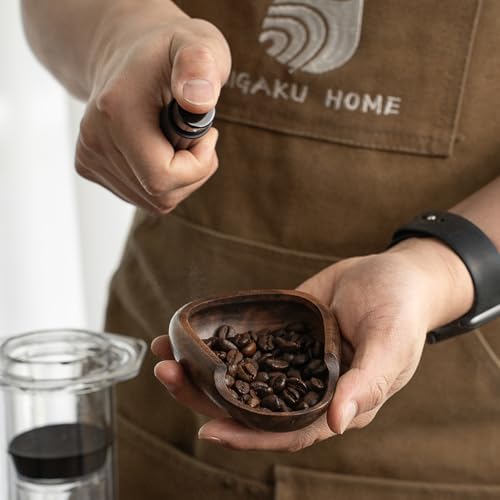
This kit brings a touch of craftsmanship to the espresso ritual. The walnut dosing cup isn’t just pretty, it’s functional, with a shape that guides beans neatly into the grinder and a capacity calibrated for standard single and double shots. The included static-reducing spray is where it gets interesting: a quick mist before grinding cuts down on clumping and flyaway grounds, which owners say leads to more even distribution and better extraction.
The aluminum and glass spray bottle feels premium, and the anti-static formula is simple but effective. Compared to using a bare dosing cup, this set adds a level of refinement that enthusiasts appreciate. It won’t change your coffee dramatically on its own, but paired with good technique, it smooths out small inconsistencies. A thoughtful gift for someone leveling up their setup.
Product photos

Attsky Collapsible Pour Over Dripper
Strengths
- Ultra-portable
- Heat resistant
- Dishwasher safe
Trade-offs
- Requires paper filters
- Flimsy on uneven surfaces
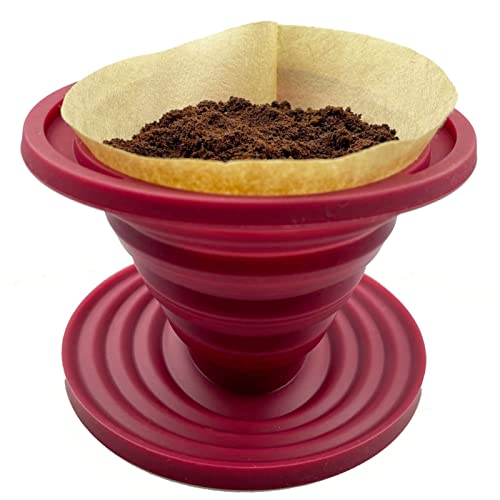
If you’re packing light for a hike or weekend camping trip, this silicone dripper makes too much sense to ignore. Its foldable design collapses down to less than an inch, saving valuable space in your bag, something rigid ceramic or glass brewers can’t offer. Made from food-grade silicone and rated to handle near-boiling water, it’s clearly built for outdoor use. Reviewers note it holds its shape well when placed on a mug, though it does require a paper filter (not included) to function properly.
It won’t replicate the precision of a gooseneck kettle setup at home, but it gets the job done when you’re off-grid. Compared to the Aeropress, it’s less versatile but lighter and simpler. I’d pair this with a compact hand grinder and a thermos for a full minimalist kit. It’s not for daily home use, but as a travel companion, it’s hard to beat.
Product photos


WDT Espresso Distribution Tool

Strengths
- Precision needle spacing
- Removable needles
- Sturdy stand included
Trade-offs
- Overkill for casual users
- No carrying case
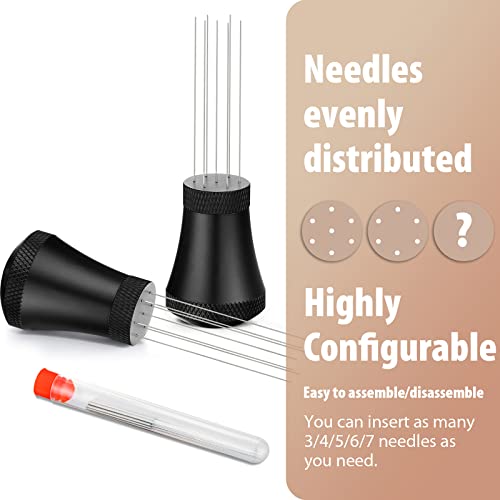
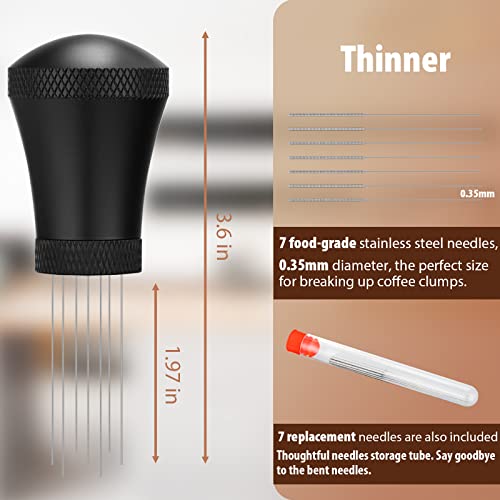
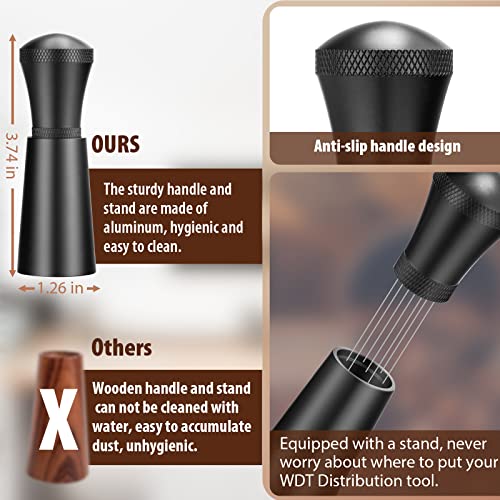
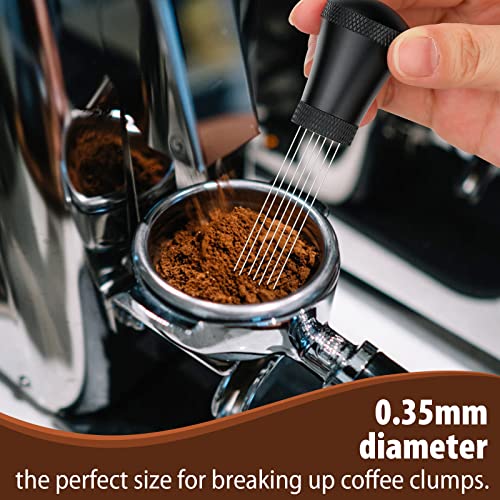
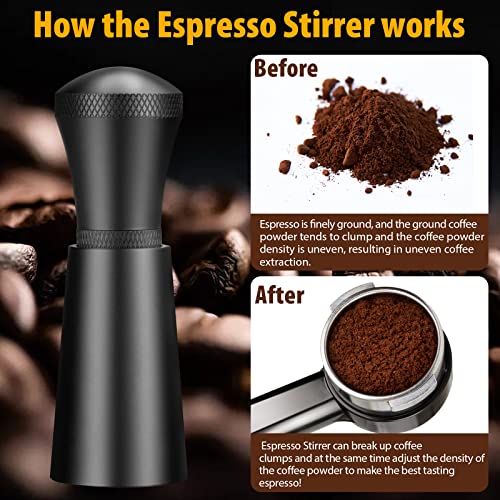
For anyone pulling espresso shots at home, this WDT tool is a small investment with outsized returns. The 0.35mm stainless steel needles are thin enough to evenly break up clumps without damaging the puck, and the ability to customize needle count (3 to 7) gives flexibility depending on portafilter size. Owners report noticeably more even extraction and fewer channeling issues after using it. The aluminum handle has a solid, non-slip grip, and the included stand keeps the needles off the counter, hygienic and convenient.
Compared to DIY tools like toothpicks or screwdrivers, this is clearly in another league. It won’t replace proper tamping or dialing in your grinder, but it’s a critical step in refining your espresso process. The included extra needles and storage tube show thoughtful design. If you’re serious about home espresso, this is essential.
Product photos
Veken Airtight Coffee Canister
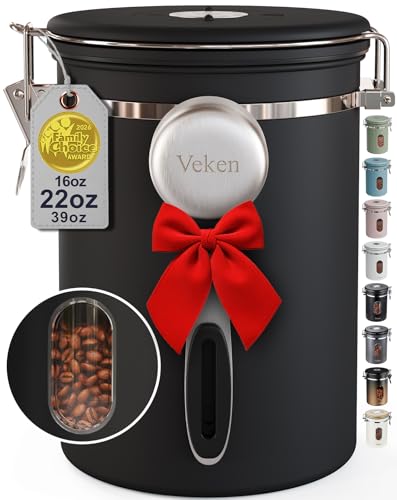
Strengths
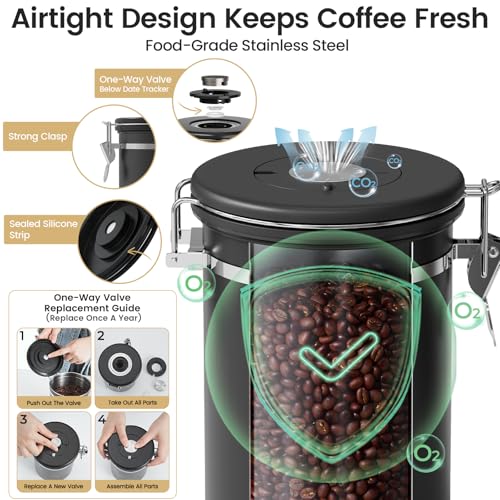
- Airtight seal
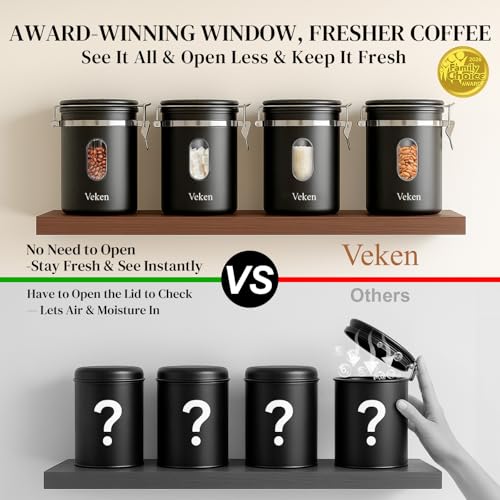
- Window visibility
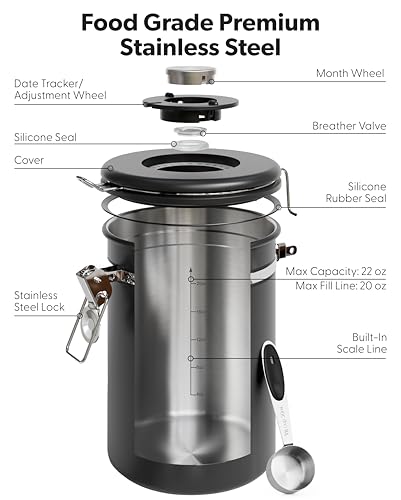
- Date tracker lid
Trade-offs
- No vacuum seal
- Scoop attachment is flimsy
This canister hits the sweet spot for coffee storage if you want something affordable and functional without stepping into premium pricing. The 304 stainless steel build is a strong point, offering real resistance to dents and corrosion, and the silicone seal paired with a one-way CO2 valve suggests it can do a credible job protecting beans from oxygen and moisture. Owners consistently report their coffee tasting noticeably fresher after a week compared to storage in generic jars.
The window and date tracker are thoughtful touches, being able to see bean levels avoids unnecessary opening, and setting a roast date helps track freshness. The included scoop is convenient, though not game-changing. Compared to pricier options like the Airscape, it doesn’t have the same vacuum seal, but for most home users, this delivers solid performance at a lower cost.
Product photos


How We Evaluated coffee gear
I approached this guide to coffee gear by focusing on a research-led comparison of published specifications, features, and – crucially – owner and expert reviews. Rather than a hands-on lab test of every item, we compiled data from multiple sources to assess each product’s strengths and weaknesses. We then ranked them according to how well they met established criteria for their intended purpose within the coffee brewing process.
For this category, the most heavily weighted factors were grind quality (where applicable), build materials, and reported ease of cleaning. A consistent grind is paramount for even extraction, so we looked closely at burr type and adjustability. Durable materials ensure longevity, and easy cleaning encourages regular maintenance, directly impacting the taste of your coffee. Understanding the nuances of a burr vs blade grinder was also key to evaluating grinder options.
Specifications reliably indicate capacity, materials, and dimensions. However, we heavily relied on owner feedback to gauge real-world performance, things like the durability of a scale’s platform or how well a frothing pitcher pours. Expert reviews helped validate claims about features like grind consistency and temperature stability. Reputation also factored in; established brands with a history of quality generally scored higher, all else being equal.
Choosing The Right coffee gear
Choosing the right coffee gear can feel overwhelming. There’s a lot of shiny equipment out there, but truly elevating your coffee experience isn’t always about the most expensive options.
A good setup balances precision, usability, and quality materials. Consider the core function of each piece – consistent grind size for a grinder, accurate temperature control for a brewer – and prioritize build quality to ensure longevity. Don’t overlook ease of cleaning; a beautiful setup is useless if it’s a pain to maintain.
Grind Quality is Paramount
I’ve said it before, and I’ll say it again: your grinder is the single most important piece of equipment. Even the best pour-over setup (and I’ve explored many a ceramic vs metal dripper) won’t save you if your grind is inconsistent. Blade grinders are simply not an option for serious coffee drinkers; they chop rather than grind, creating a mix of boulders and dust. Look for burr grinders, and specifically, conical burrs which generate less heat. Ceramic burrs are excellent, but stainless steel is more durable and often more affordable.
Consistency and Control Matter
Once you’ve addressed the grind, think about control over the other brewing variables. A scale with 0.1g resolution, like the Greater Goods Coffee Scale, isn’t just about showing off; it lets you dial in your recipes with precision. This is especially true for espresso, where even small variations in dose can drastically affect the shot.
Here’s what I look for in a good brewing setup:
- Simple tare function: Essential for zeroing out your vessel.
- Integrated timer: Keeps everything streamlined during the brew.
- Multiple unit options: Grams are great, but sometimes ounces are more convenient.
The ability to consistently reproduce a delicious cup relies on being able to accurately measure and time each step.
Balancing Value and Usability
It’s easy to get lost in chasing the “best” of everything, but sometimes the most practical choice is the one you’ll actually use. A complex espresso machine might be impressive, but if you’re primarily a pour-over drinker, it’s wasted money. Consider your lifestyle and brewing habits. If you travel frequently, a compact and portable grinder, like the Mini Manual Coffee Grinder, or an easily packed pour-over dripper, like the Attsky Collapsible Pour Over Dripper, become invaluable.
A good rule of thumb: prioritize quality over quantity. One well-made, versatile piece of gear is often better than several cheap, single-purpose tools.
I often recommend people start with a solid foundation and then expand as their palate and skills develop. Don’t be afraid to explore recommended coffee grinders and find what works best for you.
Coffee Gear Compared
Here’s a comparison of key specifications for various coffee gear products.
| Product Name | Best For | Capacity | Material | Features | Price |
|---|---|---|---|---|---|
| AeroPress Original Coffee Press | Best Overall | 1-2 Cups | Polypropylene | 3-in-1 Brew Methods | N/A |
| Mini Manual Coffee Grinder | Best Portable Grinder | 30g | Ceramic/Stainless | 40 Grind Settings | N/A |
| Greater Goods Coffee Scale | Best Precision Scale | N/A | Stainless Steel | 0.1g Precision | N/A |
| Bodum 34oz Pour Over Maker | Best Pour Over Brewer | 34oz (8 cups) | Glass/Stainless | Stainless Steel Filter | N/A |
| Amrules 12oz Milk Frothing Pitcher | Best Milk Frothing Pitcher | 12oz | Stainless Steel | Scale Markings | N/A |
| MIGAKU HOME Dosing Cup Set | Best Coffee Dosing Kit | 25-30g | Walnut/Aluminum | Static Reduction Spray | N/A |
| Attsky Collapsible Pour Over Dripper | Best for Camping | 1-2 Cups | Silicone | Foldable/Portable | N/A |
| WDT Espresso Distribution Tool | Best Espresso Tool | N/A | Stainless Steel | 7/14 Needle Design | N/A |
| Veken Airtight Coffee Canister | Best Coffee Storage | N/A | Stainless Steel | Date Tracker/CO2 Valve | N/A |
Frequently Asked Questions
What temperature should the water be for brewing?
Ideally, your water temperature should be between 195-205°F (90-96°C). This range allows for optimal extraction without scorching the grounds, and many electric kettles now have temperature control features to help you achieve this.
How often should I clean my coffee grinder?
You should aim to clean your coffee grinder every month, or more frequently if you use it daily. Residue buildup impacts grind quality and flavor, and a thorough cleaning preserves the burrs and ensures consistent performance.
Are manual grinders as good as electric ones?
Manual grinders can absolutely produce a high-quality grind, often rivaling electric burr grinders, but they require more effort. They are a good option for travel or for those who enjoy a slower, more deliberate brewing process.
What’s the best way to store coffee beans?
Store your coffee beans in an airtight container, away from light, moisture, and heat. A stainless steel canister with a one-way valve is ideal, as it allows CO2 to escape without letting oxygen in, preserving freshness.
What’s the difference between a French press and a pour-over?
A French press brews coffee by full immersion, resulting in a heavier body and more sediment. A pour-over method, on the other hand, filters the coffee as it brews, creating a cleaner cup of coffee; you can find more information on best home coffee makers.
The Bottom Line
Ultimately, building a great coffee setup involves balancing control with convenience. You can spend thousands on equipment, but the AeroPress Original Coffee Press remains my top pick for delivering exceptional coffee with minimal fuss. It’s a remarkably versatile brewer capable of producing a wide range of styles, and its simplicity is a huge advantage.
For those seeking specific solutions, we’ve identified several standouts. If portability is key, the Mini Manual Coffee Grinder is your best bet. For precision, the Greater Goods Coffee Scale is indispensable. And if you’re a Chemex enthusiast, understanding the Chemex water ratio will unlock its full potential.
Don’t get bogged down in chasing the latest gadgets or highest specs. A consistent grind, accurate measurements, and quality materials are far more important than any single feature. Focus on mastering the fundamentals – fresh beans, proper water temperature, and a clean setup – and you’ll be well on your way to consistently delicious coffee.
