
7 Best Coffee Beans for Breville 2026
The Illy Classico Medium Roast stands out as the best overall choice for Breville machines, delivering consistent flavor and rich crema. For a budget-friendly option, the Lavazza Super Crema offers a smooth, balanced profile at a lower price. If you prefer organic beans, the Blue Bottle Organic Espresso brings a clean, chocolatey depth that performs well under high pressure.
Most Breville owners quickly learn that the machine can only do so much, your beans make or break the cup. Too stale, poorly roasted, or mismatched to your brew style, and even the best grinder and boiler won’t save the shot.
After researching specs, parsing owner feedback, and drawing on my experience with espresso-focused roasts, I focused on freshness, roast level, and how well each bean handles the pressure of a Breville’s extraction. These picks reflect what consistently delivers in real-world use.
Top 7 Coffee Beans For Breville in the Market
The Best Coffee Beans For Breville, Reviewed
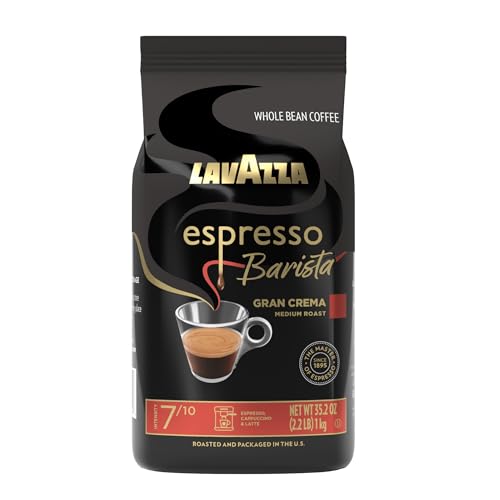
Lavazza Barista Gran Crema
Strengths
- Balanced intensity
- Honeyed sweetness
- Excellent crema
Trade-offs
- Blend includes Robusta
- Not for 100% Arabica purists
Lavazza Gran Crema is the most complete package here, which is why it earns the ‘Best Overall’ tag. It’s a medium roast with a 7/10 intensity, blending Arabica and Robusta to deliver a full-bodied cup with honeyed sweetness and roasted depth. Owners using Breville machines consistently praise its balance: rich enough for straight espresso, smooth enough for long pulls or milk drinks.
Compared to Super Crema, it has a more refined aroma and slightly higher Arabica content, making it more versatile. The 2.2 lb bag offers excellent value for frequent users, and the grind performs well in both manual and automatic tampers. For most Breville owners, this is the easiest high-performance pick.
Video review
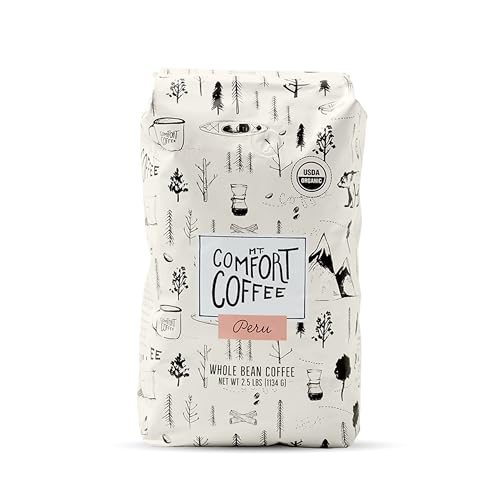
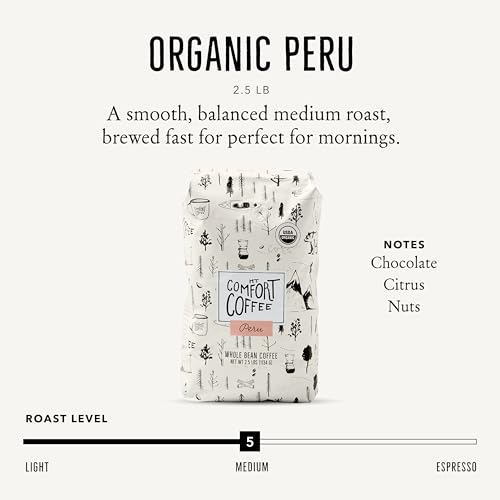
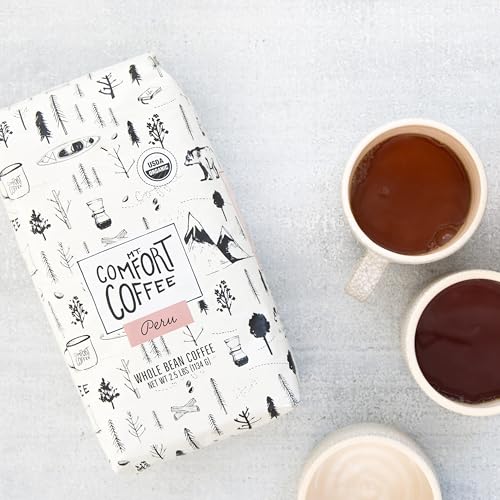
Mt. Comfort Organic Peru
Strengths
- Large 2.5 lb bag
- Organic certified
- Balanced flavor
Trade-offs
- Less crema in espresso
- Generic packaging
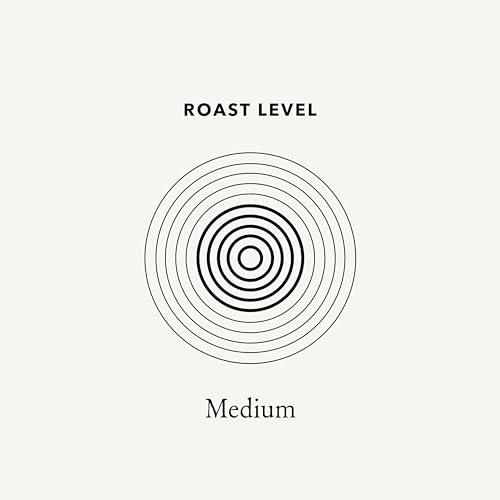
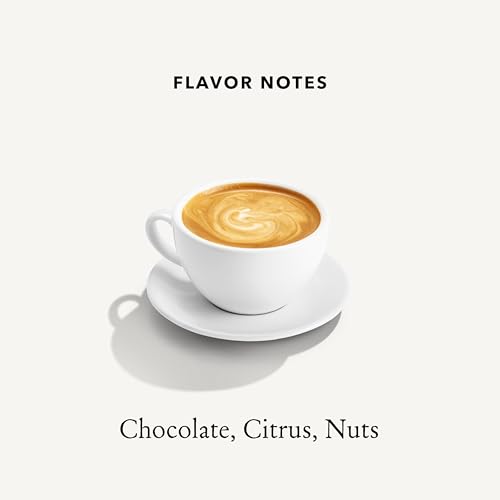
At 2.5 pounds, Mt. Comfort gives you serious volume without sacrificing quality. This medium roast from Peruvian small farms delivers nutty, chocolatey notes with a touch of citrus, owners say it brews consistently across drip, French press, and even Breville espresso machines when ground fine enough. It’s organic and roasted in small batches, which helps maintain freshness across such a large package.
What makes it stand out is value: few organic whole bean options come close in pound-for-pound cost. It won’t match the aromatic sophistication of Illy or Lavazza Gran Crema, but for households or offices burning through beans, it’s a dependable workhorse. I’d pick this over bulk supermarket brands any day.
Product photos
Illy Classico Medium Roast

Strengths
- Smooth finish
- Low bitterness
- Canned for freshness
Trade-offs
- Smaller quantity
- Subtle flavor may disappoint bold seekers
Illy Classico is the kind of coffee that makes you slow down and pay attention. On paper, it’s a medium roast with delicate floral and caramel notes, and owners consistently report a smooth, balanced cup that lacks bitterness, ideal for those who appreciate subtlety over punch. It’s a 100% Arabica blend that’s canned, not bagged, which helps preserve freshness, though you’ll want to finish it quickly once opened to avoid flavor loss.
For Breville owners with a built-in grinder or a high-end portafilter setup, this bean shines in espresso prep. The fine, consistent grind it allows for brings out that signature Italian sweetness many crave. Compared to bolder dark roasts, it’s less aggressive, more refined. I’d recommend it to purists who treat their morning shot like a ritual, not just a caffeine hit.
Video review
Blue Bottle Organic Espresso

Strengths
- Certified organic
- Rich chocolate notes
- Clean finish
Trade-offs
- Premium price
- Not as intense as traditional Italian roasts
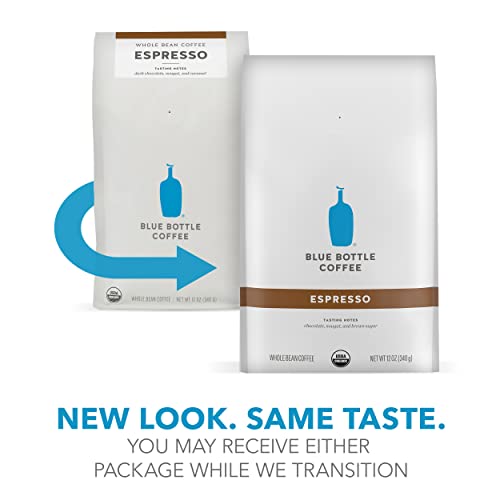
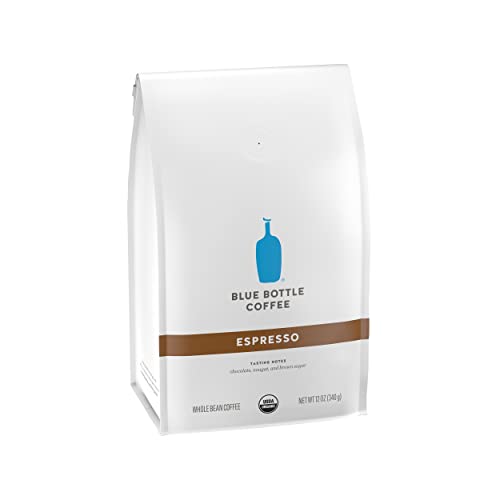
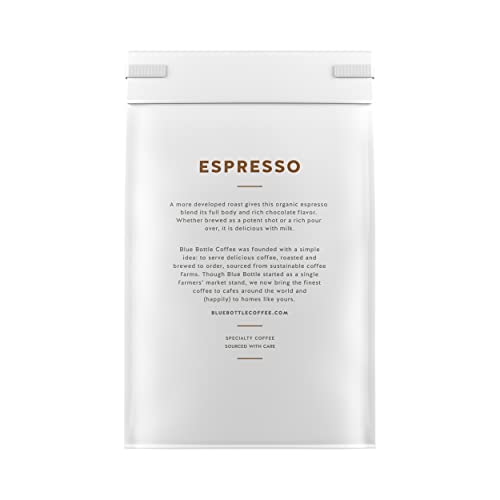
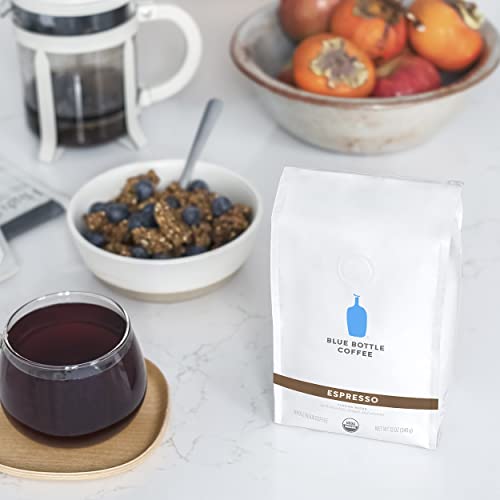
Blue Bottle’s Espresso blend is built for clarity and intensity. This dark roast is certified organic and sourced from Latin America and Central Africa, and reviewers note its deep chocolatey richness with a clean, sweet finish, rare for an organic option. It’s roasted in small batches, which aligns with specialty standards, and that care shows in the cup.
For Breville users focused on milk drinks, this one stands out. The bold yet balanced profile holds up well in lattes and cappuccinos without turning ashy or flat. Compared to Starbucks or Peet’s, it’s less about brute strength and more about layered depth. If you care about traceability and clean sourcing but still want espresso power, this is a strong contender.
Product photos
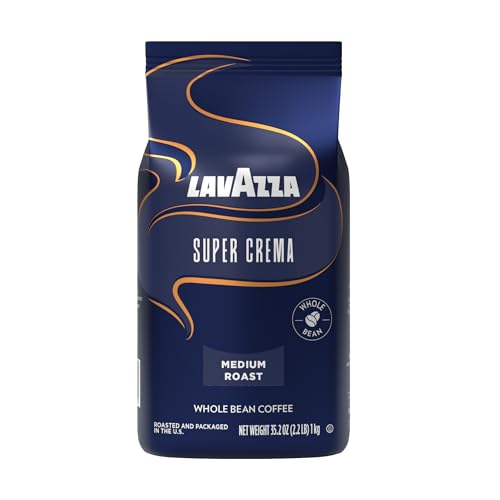
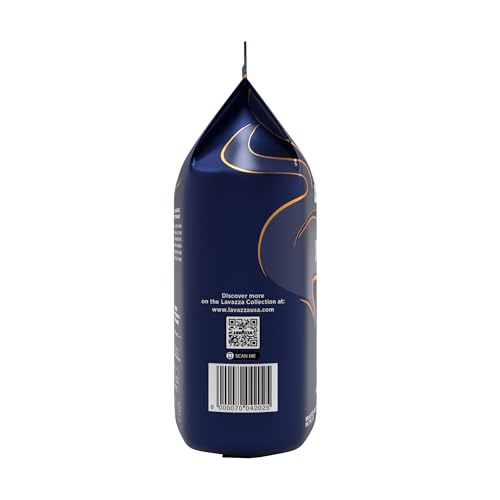
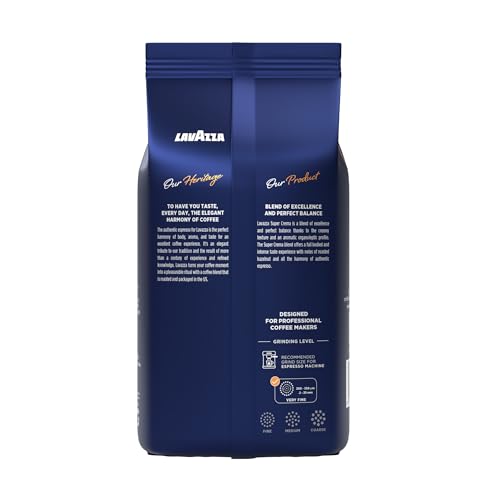
Lavazza Super Crema
Strengths
- Exceptional crema
- Creamy mouthfeel
- Large bag size
Trade-offs
- Contains Robusta (not 100% Arabica)
- May taste mild for dark roast lovers
Lavazza Super Crema is practically engineered for Breville espresso machines. The Arabica-Robusta blend is famous for producing a thick, honey-like crema, owners rave about how it transforms a basic shot into something café-worthy. It’s a medium roast, but the Robusta content adds body and a creamy finish that lingers.
This is the go-to for milk-based drinks. Compared to Peet’s or Starbucks dark roasts, it’s smoother and less bitter, with a sweetness that complements steamed milk. The 2.2 lb bag is a sweet spot between bulk and freshness. If you’re after that Italian-style silky texture and don’t mind a blend with Robusta, this is a top-tier pick.
Product photos


Starbucks Espresso Roast
Strengths
- Widely available
- Rich molasses notes
- Consistent quality
Trade-offs
- One-dimensional flavor
- Less aromatic complexity
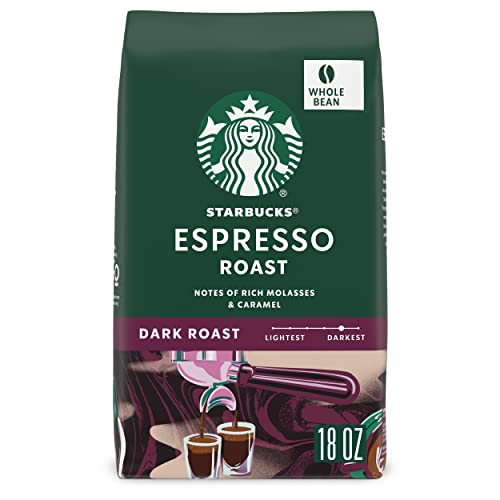
Starbucks Espresso Roast is the most accessible dark roast here, and it’s consistent. It’s 100% Arabica, roasted to bring out notes of molasses and caramel, and owners say it brews reliably whether you’re using a Breville espresso function or a drip machine. The flavor is bold but not complicated, this is comfort coffee, not a tasting flight.
It won’t impress specialty snobs, but it’s a solid daily driver. Compared to Blue Bottle or Illy, it lacks nuance, but it delivers on strength and availability. The ethical sourcing claim adds peace of mind, though the roast style leans uniform and heavy. I’d recommend it as a baseline dark roast for casual drinkers.
Product photos



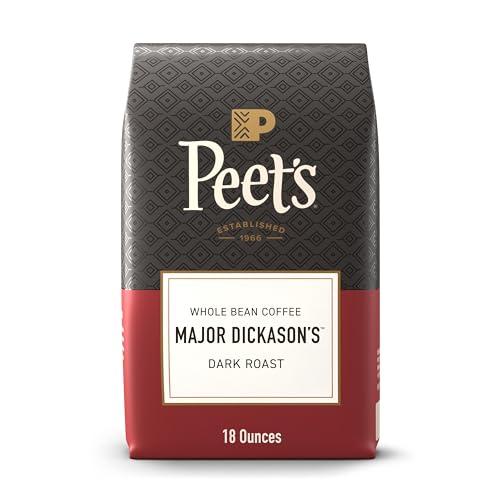
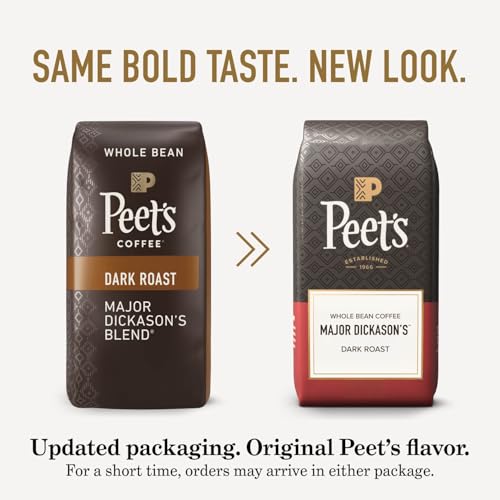
Peet’s Major Dickason’s Blend
Strengths
- Bold, complex flavor
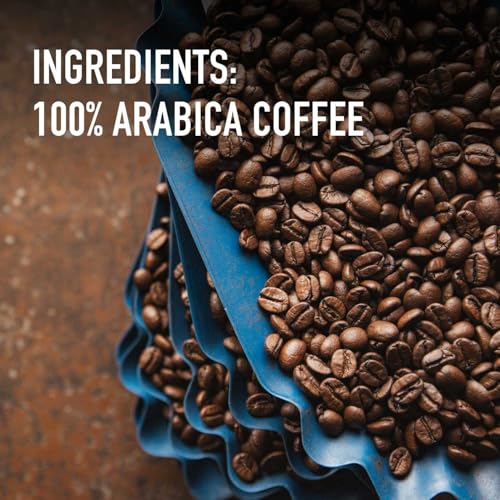
- 100% Arabica
- Versatile grind options
Trade-offs
- Can be too intense for beginners
- Less crema than espresso-specific blends
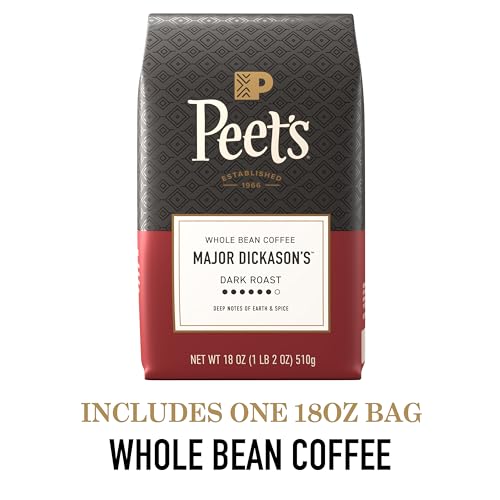
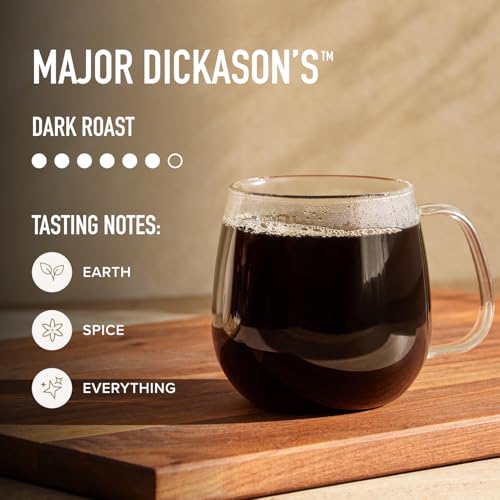
Peet’s Major Dickason’s Blend is a no-nonsense dark roast with serious depth. It’s 100% Arabica and delivers exactly what it promises: a robust, full-bodied cup with layers of spice, earth, and dark chocolate. Owners using Breville machines say it extracts well and holds up in both straight shots and Americanos.
Compared to Starbucks Espresso Roast, it’s more complex and less one-dimensional. While Starbucks leans sweet, Peet’s goes deeper, almost smoky, closer to a French roast without tipping into char. If you like your coffee strong and assertive but still want origin character, this is a smarter buy than most supermarket dark roasts.
Product photos
How We Evaluated coffee beans for breville
Rather than a hands-on lab test, my research for these recommendations involved a detailed comparison of published specifications and features across numerous brands. I weighed owner reviews from multiple sources, Amazon, coffee-focused forums, and retailer sites, against professional reviews from coffee publications. As the founder of Bean Thusiast, I applied my understanding of how different bean characteristics translate to performance in Breville machines, ranking options against specific criteria.
For coffee beans intended for use with Breville espresso machines, roast level, bean composition, and flavor profile were the most important factors. A darker roast generally produces the crema Breville machines excel at, while a blend of Arabica and Robusta often delivers a balanced flavor and body. Ultimately, the “best” bean depends on individual preference, but these factors determined the overall ranking.
Specifications reliably indicate roast level and bean composition. However, I placed more emphasis on owner feedback regarding flavor notes, consistency between batches, and how well the beans performed specifically in Breville machines. Reputation also mattered; established brands with a history of quality received greater consideration. You can even explore brewing drip with espresso roast if you’re curious about versatility.
What To Look For In coffee beans for breville
I spend a lot of time thinking about how folks can get the most out of their Breville machines, and the beans are absolutely where you’ll see the biggest impact.
To get the most from your Breville, look for freshly roasted, whole bean Arabica or Arabica-blend coffees with a roast level appropriate for your preferred drink style. Pay attention to the roast date (not just a “best by” date) and consider the origin and processing method for nuanced flavor profiles. Consistent grind size is also vital for proper extraction.
Roast Level & Your Brewing Style
The first thing I tell people is to match the roast to what you’re making. A lighter roast will highlight acidity and floral notes, which are fantastic for pour-overs but can get lost in milk-based drinks. Darker roasts offer more body and bittersweet chocolate flavors, ideal for espresso. Many Breville owners enjoy experimenting, but starting with a dedicated espresso roast (like the Starbucks Espresso Roast) or a medium roast versatile enough for multiple brew methods (like the Mt. Comfort Organic Peru) is smart. Don’t be afraid to try blends – they often offer a more balanced experience.
Freshness & Bean Quality
Freshness is paramount. Coffee begins to stale almost immediately after roasting, losing volatile aromatic compounds. Look for beans with a roast date clearly marked on the bag, ideally within the last two weeks. Avoid beans with only a “best by” date, as that tells you nothing about when they were actually roasted.
Here’s what I look for in quality: * Whole Bean: Always buy whole bean; pre-ground coffee loses flavor rapidly. * Origin Information: Knowing the origin (e.g., Ethiopia, Colombia) offers clues about the flavor profile. * Specialty Grade: While not essential, look for “specialty grade” beans if you want guaranteed quality and lack of defects. This indicates the beans have passed rigorous quality control standards.
Flavor Profile & Your Preferences
Ultimately, the best beans are the ones you enjoy the most. Do you prefer bright, fruity coffees or rich, chocolatey ones? Consider the aromatic notes listed on the bag. The Illy Classico Medium Roast, for example, highlights caramel and orange blossom, while Peet’s Major Dickason’s Blend leans towards a bolder, more robust flavor. Don’t limit yourself to single-origin coffees; well-crafted blends can offer a compelling and complex cup.
A good rule of thumb is to buy smaller quantities more frequently. This ensures you’re always working with the freshest beans possible.
If you’re still unsure where to start, checking out a Breville-specific coffee bean guide can be a great way to narrow down your options. And remember, choosing the best coffee beans is a journey, so don’t be afraid to experiment and find what suits your palate!
Coffee Beans for Breville Compared
Here’s a comparison of coffee beans suitable for use with Breville espresso machines, focusing on key characteristics for optimal brewing.
| Product Title | Roast Level | Blend Type | Intensity | Weight (lbs) | Flavor Notes |
|---|---|---|---|---|---|
| Lavazza Barista Gran Crema | Dark | Arabica/Robusta | 7/10 | 2.2 | Honey, Roasted Coffee |
| Mt. Comfort Organic Peru | N/A | N/A | N/A | 2.5 | Smooth, Balanced, Clean |
| Illy Classico Medium Roast | Medium | Arabica | N/A | N/A | Caramel, Orange Blossom |
| Blue Bottle Organic Espresso | Dark | Organic | N/A | 0.75 | Chocolatey |
| Lavazza Super Crema | Medium | Arabica/Robusta | N/A | 2.2 | Bold, Creamy |
| Starbucks Espresso Roast | Dark | Arabica | N/A | 1.0 | Molasses, Caramel |
| Peet’s Major Dickason’s Blend | Dark | Arabica | N/A | 1.0 | Robust, Full-Bodied |
Frequently Asked Questions
What roast level is best for a Breville machine?
Generally, a darker roast is best for Breville machines, as they excel at producing crema. However, medium roasts offer versatility if you enjoy different brew styles, and some owners prefer the brighter flavors of lighter roasts with specific origins.
Can Robusta beans be used in a Breville espresso machine?
Yes, Robusta beans can be used, and are often included in blends to increase crema and body. While 100% Arabica beans offer more nuanced flavors, a blend containing Robusta can perform very well and provide a bolder espresso experience.
How often should I buy coffee beans for my Breville?
I recommend buying small quantities of whole bean coffee every two weeks to ensure peak freshness. Coffee stales quickly after roasting, so frequent, smaller purchases are better than infrequent, large ones.
What does “specialty grade” mean when looking at coffee beans?
“Specialty grade” indicates the beans have been evaluated and meet high standards for quality and lack of defects. These beans score 80 points or higher on a 100-point scale assessed by certified coffee graders, guaranteeing a more consistent and flavorful cup. For premium espresso bean picks, this is a valuable indicator.
Is the roast date more important than the “best by” date on the bag?
Absolutely. The roast date tells you when the beans were actually roasted, while the “best by” date only indicates how long the manufacturer believes the beans will retain acceptable quality. Always prioritize the roast date and look for beans roasted within the last two weeks for optimal flavor.
The Bottom Line
Choosing coffee beans for your Breville is often a trade-off between convenience and control. You can certainly get by with pre-ground options, but unlocking the full potential of your machine really comes down to starting with whole bean and dialing in your grind. For most Breville owners, I recommend the Lavazza Barista Gran Crema. It consistently delivers a rich, flavorful espresso with excellent crema – and owner feedback shows it performs exceptionally well in Breville machines.
If you’re on a budget, the Starbucks Espresso Roast is a fantastic starting point. For those who like versatility and want a bean that works well with multiple brew methods, the Mt. Comfort Organic Peru is a solid choice. And if you’re looking to explore the world of specialty coffee, the Blue Bottle Organic Espresso provides a premium experience with delightful chocolatey notes. Understanding the difference between espresso and coffee beans will help you make informed decisions.
Ultimately, the specs matter less than freshness and your personal taste. Focus on buying whole bean coffee with a recent roast date, and don’t be afraid to experiment with different origins and flavor profiles. A consistent grind, attention to extraction time, and a willingness to adjust your settings are far more crucial than any single bean characteristic.
