
5 Best Coffee Beans for Espresso (2026 Guide)
The best coffee to make espresso is Illy Caffe Medium Roast, a consistent performer with rich, balanced notes that pull excellent shots. For a budget-friendly option, Café El Morro Dark Roast delivers solid flavor without breaking the bank, while Nescafe Gold Espresso Blonde offers surprising depth for an instant choice.
Choosing the right coffee for espresso can make or break your morning ritual. Too often, people blame their machine or technique when the real culprit is low-quality or poorly suited beans.
As the founder of Bean Thusiast, I’ve spent years studying what makes espresso shine, crema, balance, and depth, and this guide reflects that expertise. These picks are based on roast profile, origin, freshness, and real user feedback, not hype.
Top 5 Coffee To Make Espresso in the Market
The Best Coffee To Make Espresso, Reviewed
Illy Caffe Medium Roast Espresso

Strengths
- Balanced flavor
- Excellent crema
- Premium Arabica blend
Trade-offs
- Medium roast not for everyone
- Ground format limits freshness
Illy has been a benchmark in Italian espresso for decades, and this medium roast ground blend remains a top contender for good reason. Made from 100% Arabica beans, sourced from the top 1% globally, it delivers a balanced, aromatic profile with notes of caramel, jasmine, and orange blossom. Owners consistently report that it pulls well in espresso machines, builds a rich crema, and finishes clean without bitterness.
Compared to darker, more aggressive roasts, Illy offers elegance over intensity. It’s not the cheapest, but the consistency and refinement justify it as the best overall pick. I’d choose this over most supermarket cans for home espresso because it respects the bean and the craft.
Video review
Lifeboost Organic Espresso Ground

Strengths
- Low acid
- Third-party tested
- Organic and shade-grown
Trade-offs
- Pricier than average
- Limited roast depth
If low acidity and clean sourcing are essential, Lifeboost makes a strong case. This single-origin, USDA certified organic coffee from Nicaragua is third-party tested for mycotoxins, pesticides, and heavy metals, a rare level of transparency that resonates with health-focused buyers. Owners praise its smooth, bold body with low bitterness, and the shade-grown, bird-friendly farming adds ethical weight.
The roast is dark enough for espresso use, though some reviewers note it leans more chocolatey than smoky. Compared to mainstream organic options, it’s more consistent in both taste and purity. I’d pick this over other ‘clean label’ coffees because the testing data is public and the flavor holds up under pressure, literally, in an espresso machine.
Video review
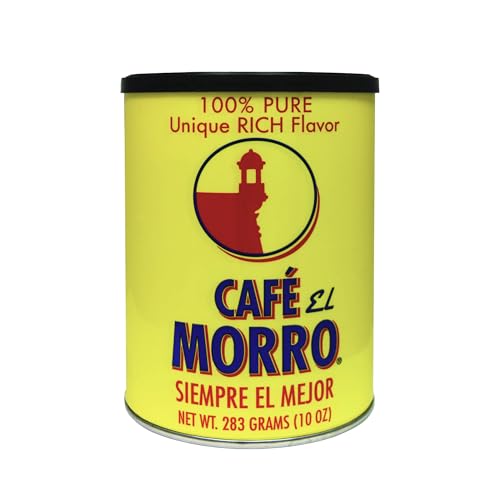
Café El Morro Dark Roast
Strengths
- Bold dark roast
- Good value
- Works in moka pot
Trade-offs
- Basic flavor profile
- Not for light roast fans
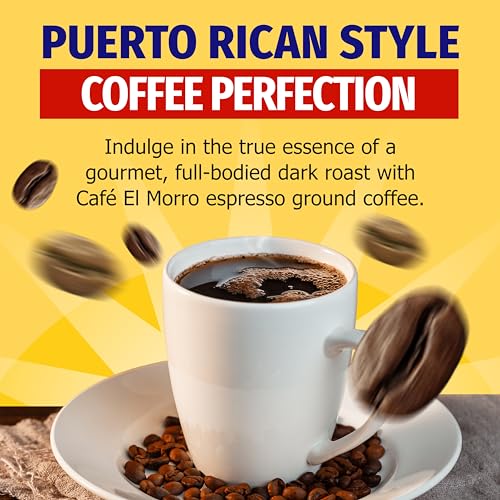
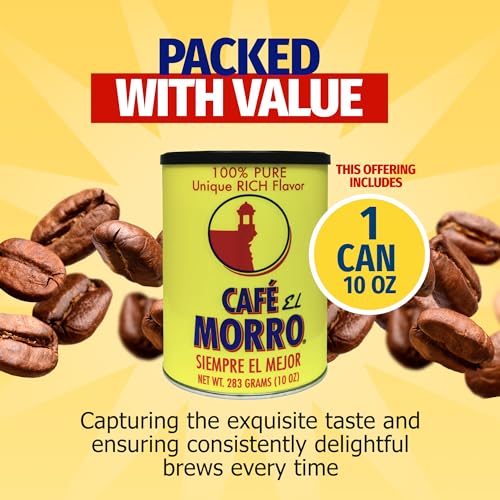
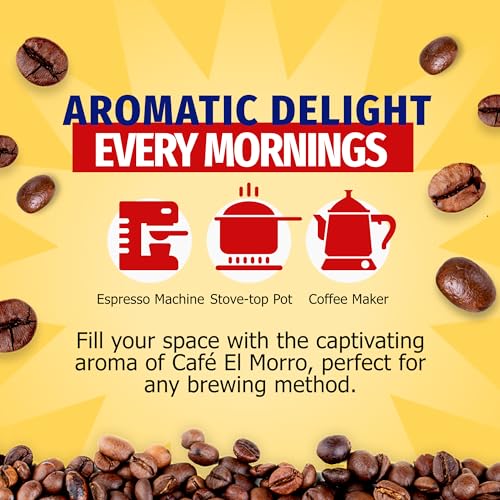
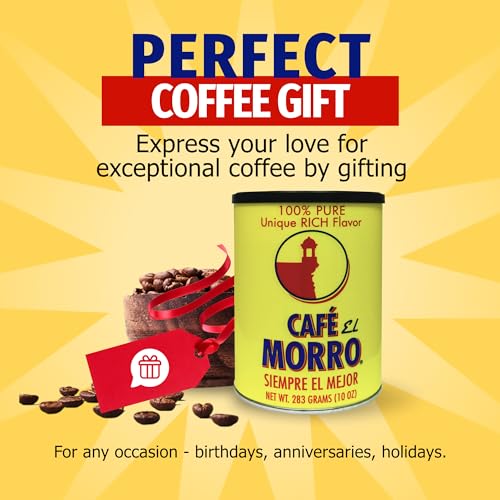
This 10 oz can of dark roast ground coffee stands out in the budget segment not by flashy claims, but by sticking to the basics: a bold, full-bodied profile with moderate acidity and a smooth finish. Reviewers note it works well in drip, French press, and especially in a moka pot, where its dark roast character shines closest to real espresso. The flavor is consistent, roasty, slightly sweet, with a clean aftertaste, without the harshness some cheap dark roasts deliver.
Compared to premium tins, it lacks complexity, but for daily drinkers who want a strong, dependable cup without overspending, this is a smart bulk buy. I’d recommend it over pricier unknowns when you’re stocking up and don’t want to compromise on roast integrity.
Product photos

Nescafe Gold Espresso Blonde
Strengths
- Smooth flavor
- Café-style crema
- No machine needed
Trade-offs
- Not real espresso
- Limited depth
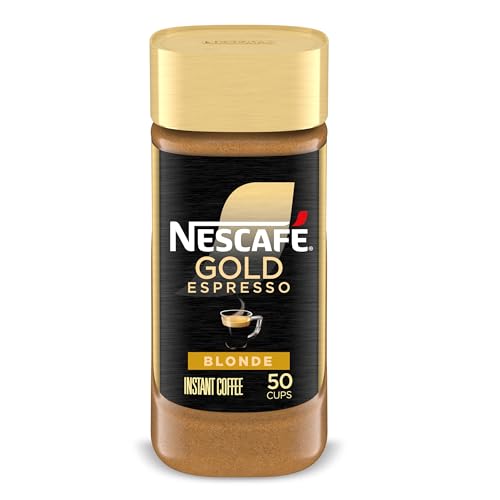
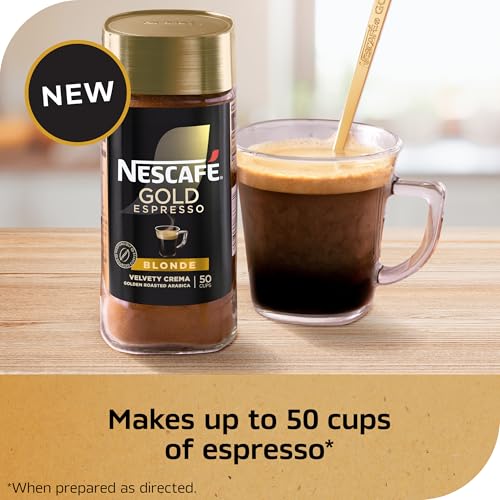
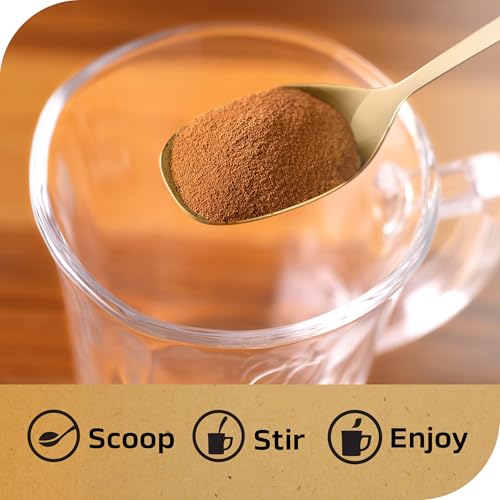
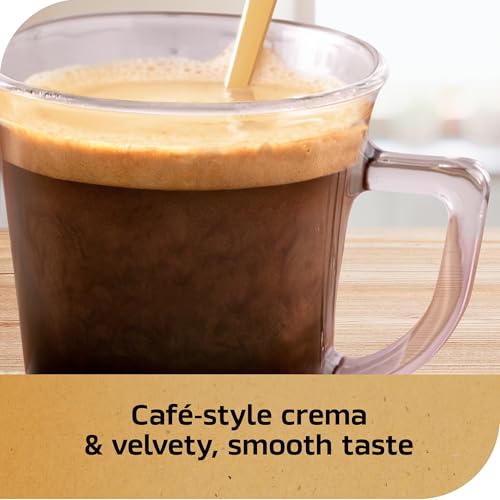
Instant coffee that pulls off an espresso-style crema? On paper, it sounds like a stretch, but owners consistently report that Nescafe Gold Espresso Blonde delivers a credible approximation, especially for the time-crunched. The golden-roasted Arabica beans are said to lend a smoother, less bitter profile than typical instant, and the ‘crema’ effect, while not real espresso crema, adds a textural touch that elevates it above basic instant.
For travelers, office workers, or anyone without access to a machine, this is a solid workaround. It won’t fool a purist, but it’s reliable, makes up to 50 servings, and requires nothing more than hot water. I’d pick this over standard instant any day if you’re chasing a quick espresso-style hit without the gear.
Product photos

SToK Espresso Coffee Shots

Strengths
- Ready to use
- Smooth cold brew taste
- Eco-certified beans
Trade-offs
- Plastic waste
- Less intense than real espresso
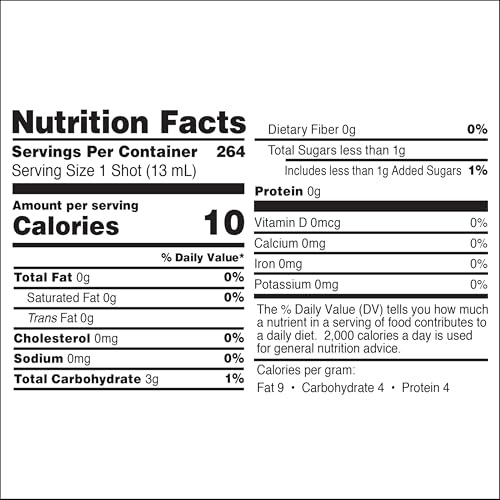
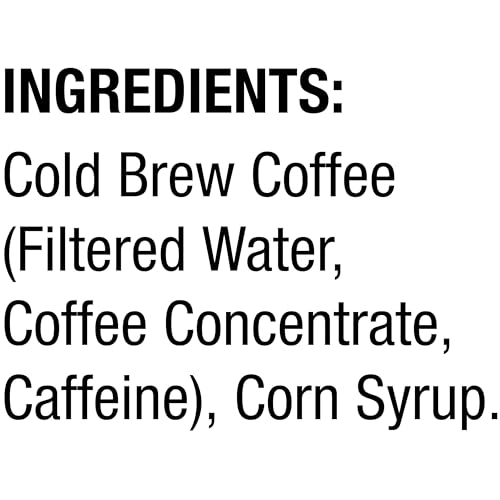
These tiny 0.44 fl oz shots are the ultimate shortcut for cold brew lovers, lattes, or Americanos when you’re out of time or beans. Brewed low and slow using cold brew methods, they deliver a smooth, non-bitter kick with flavor notes of chocolate, nuts, and caramel. Each pack contains 264 shots, yes, 264, so you’re covered for months, even with daily use.
Reviewers love the convenience and consistency, though some note the flavor lacks the richness of freshly pulled shots. Compared to other ready-to-use options, SToK stands out for Rainforest Alliance certification and traceability. I’d recommend these over DIY cold brew for busy households or offices where freshness and ease matter more than ritual.
Product photos

How We Chose These coffee to make espresso
As the founder of Bean Thusiast, I approached researching coffee for espresso with a focus on what truly matters to the home barista. Rather than a hands-on lab test of each option, this is a research-led comparison of published specifications and features, combined with a careful weighing of owner reviews and expert opinions from across the coffee community. I applied my years of experience exploring coffee origins and brewing methods to rank these options based on what delivers the most satisfying espresso experience.
For coffee specifically intended for espresso, the roast level and bean origin are paramount. A darker roast typically provides the intensity needed to cut through milk and deliver that classic espresso bite, while the bean’s inherent flavors contribute to the overall complexity. We also heavily considered the freshness claims and sourcing transparency, as these factors directly impact the final cup’s quality and aroma. Understanding espresso bean suitability is key to getting the most out of your machine.
Specifications reliably indicate grind size recommendations and roast dates (when provided). However, judging nuances like flavor profiles and consistency required a deep explore owner feedback. I paid close attention to recurring themes in reviews – mentions of bitterness, acidity, crema quality, and overall satisfaction. Reputable coffee blogs and review sites were also consulted to validate these findings and assess each coffee’s standing within the broader espresso landscape.
How To Choose The coffee to make espresso
As someone who’s spent years chasing the perfect shot, I know how crucial the right coffee is to the entire espresso experience. It’s easy to get lost in machines and techniques, but all that effort is wasted with subpar beans.
A truly excellent espresso coffee should exhibit a balanced flavor profile – not just bitterness. Look for beans with detailed tasting notes, a recent roast date (within a month is ideal), and clear origin information. Consistent grind size and a well-developed roast are also vital for achieving proper extraction and crema. Consider the roast level; darker isn’t always better, and can easily mask the inherent flavors of the bean.
Roast Level and Origin
The roast level significantly impacts the final flavor. While many associate espresso with dark roasts, that’s not a strict requirement. I’ve found that medium-dark roasts often deliver the most complexity, allowing the origin flavors to shine through alongside the roast characteristics. Single-origin coffees can be fantastic for espresso, especially those from regions known for chocolatey or nutty profiles like Brazil or Guatemala. However, blends are often formulated specifically to perform well under the pressure of an espresso machine, offering a consistent and reliable result. Don’t shy away from experimenting, but start with coffees described as “espresso blends” if you’re new to this.
Freshness and Bean Type
Freshness is paramount. Coffee begins to stale almost immediately after roasting, losing its volatile aromatic compounds. Always check for a roast date, not just a “best by” date. Ideally, you want to use beans within 2-4 weeks of roasting. Whole bean coffee will always be superior to pre-ground, as the grinding process accelerates oxidation. If you must buy pre-ground, store it in an airtight container in a cool, dark place. Arabica beans are generally preferred for espresso due to their nuanced flavors and lower acidity, but robusta beans can add a pleasant crema and a caffeine kick – some blends intentionally incorporate a small percentage of robusta for this reason.
- If you’re primarily concerned with convenience, instant espresso (like the Nescafe Gold Espresso Blonde) can be a decent option, though it won’t rival the complexity of a freshly brewed shot.
- For those seeking organic options, the Lifeboost Organic Espresso Ground is a good starting point, but be prepared to pay a premium.
- Budget-conscious buyers should explore options like the Café El Morro Dark Roast, which provides a solid, albeit less refined, espresso experience.
Understanding the Espresso vs Coffee Beans Difference
It’s easy to assume all coffee beans are created equal, but that’s simply not true. There’s a significant espresso vs coffee beans distinction. Espresso beans are generally roasted slightly differently than those intended for drip or French press. They’re often darker to develop the oils necessary for crema, but as I mentioned earlier, that’s not a hard and fast rule. The grind size is also dramatically different; espresso requires a very fine, consistent grind to create the necessary resistance for proper extraction. Understanding this espresso roast vs regular roast difference will help you avoid disappointment.
A good rule of thumb: if you’re paying less than $15 per 12oz bag, you’re likely sacrificing quality. While there are exceptions, truly exceptional espresso coffee typically commands a higher price.
Coffee to Make Espresso Compared
Here’s a comparison of key specifications for different coffee products designed for making espresso.
| Product Name | Roast Level | Form | Organic | Caffeine Level | Serving Size |
|---|---|---|---|---|---|
| Illy Caffe Medium Roast | Medium | Ground | No | N/A | N/A |
| Lifeboost Organic Espresso | Dark | Ground | Yes | N/A | N/A |
| Café El Morro Dark Roast | Dark | Ground | No | N/A | 10 oz |
| Nescafe Gold Espresso | Blonde | Instant | No | N/A | 3.5 oz |
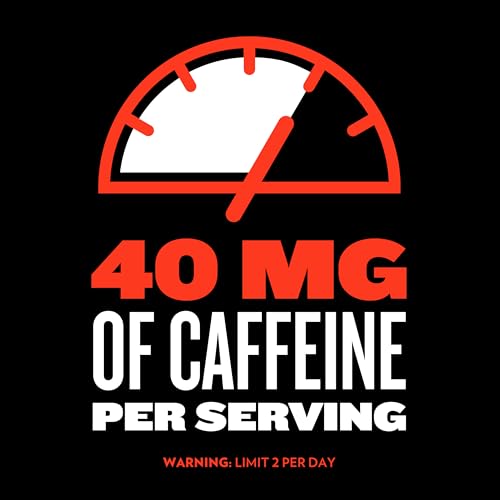
| SToK Espresso Coffee Shots | Dark | Liquid Shot | No | 40mg/shot | 13 mL/shot |
Frequently Asked Questions
What grind size should I use with these coffees?
Generally, you’ll want a very fine grind for espresso – finer than for drip coffee. However, the ideal setting depends on your specific grinder and machine; start with a fine setting and adjust until you achieve a consistent extraction time of around 25-30 seconds.
Do darker roasts always make better espresso?
While darker roasts are traditional, they aren’t automatically superior. I’ve found medium-dark roasts can offer a better balance of intensity and nuanced flavors, preventing the roast from overpowering the bean’s natural characteristics.
Can I use pre-ground coffee for espresso?
You can, but whole bean is always preferred. Pre-ground coffee loses flavor and aroma much faster due to increased surface area exposure to air. If using pre-ground, store it in an airtight container.
How long will an opened bag of these coffee beans stay fresh?
Once opened, coffee beans are best used within two weeks for optimal flavor. Exposure to air, light, and moisture degrades the quality over time, even when stored properly in an airtight container.
Where can I find more information about choosing the best beans?
For more in-depth guidance, check out our article on recommended espresso coffee beans which goes into even more detail about origins, blends, and roast levels.
The Bottom Line
Choosing the right coffee for espresso often comes down to balancing your desire for control with how much fuss you’re willing to tolerate. While the pursuit of the perfect shot can lead you down a rabbit hole of single-origin beans and precise grind settings, the Illy Caffe Medium Roast consistently delivers a balanced, reliable espresso experience that requires less tinkering. It’s a great all-rounder for most home setups.
For those on a tighter budget, or simply wanting a dependable daily driver, the Café El Morro Dark Roast provides excellent value. If you prioritize organic sourcing and are willing to spend a bit more, the Lifeboost Organic Espresso Ground is a solid choice. And for ultimate convenience, even though you’ll sacrifice some nuance, the Nescafe Gold Espresso Blonde offers a surprisingly acceptable solution when time is short – though it won’t compare to freshly ground beans. Remember, even using regular beans for espresso is better than no espresso at all.
Ultimately, the specifications – roast level, origin, even whether it’s organic – matter far less than freshness and consistency. A recently roasted, well-stored bag of coffee, ground just before brewing, will always outperform a stale, pre-ground option, regardless of the price tag or marketing hype. Focus on those fundamentals, and you’ll be well on your way to consistently delicious espresso.
