
5 Best Cocoa Powders for Coffee 2026
The best cocoa powder for coffee is My Secrets Holy Cocoa Powder, it delivers a deep, smooth chocolate richness that blends perfectly into hot brew. For a budget-friendly pick, Viva Naturals Organic Cacao Powder offers solid flavor and mixability without the premium price. If you want maximum versatility and ethical sourcing, Navitas Organics Cacao Powder stands out with its raw, fair-trade beans and consistent performance.
Most people just grab whatever cocoa powder is on sale, only to end up with clumpy, bitter, or underwhelming results in their coffee. The truth is, not all cocoa powders are made to mix well with hot liquid or complement coffee’s natural notes.
After researching the market and analyzing owner feedback, I focused on flavor, blendability, and sourcing to find the ones that actually work. These picks are based on specs, real-world use, and what truly matters when stirring chocolate into your morning cup.
Top 5 Cocoa Powder For Coffee in the Market
The Best Cocoa Powder For Coffee, Reviewed
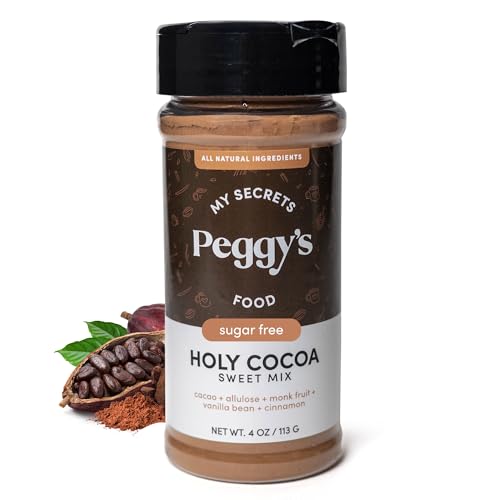
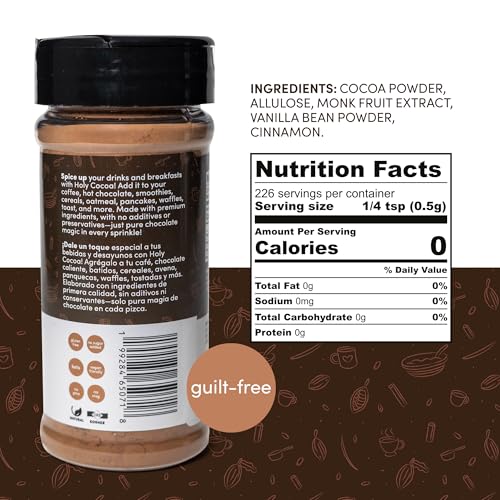
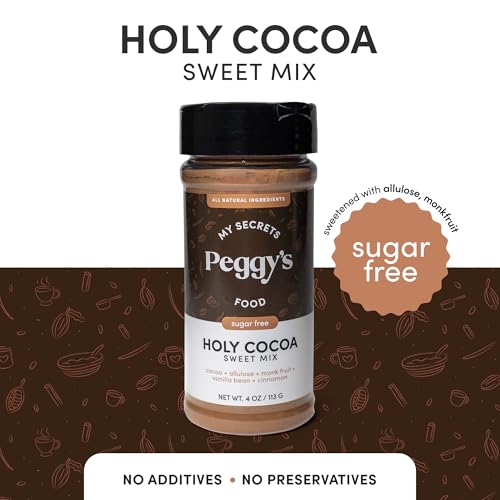
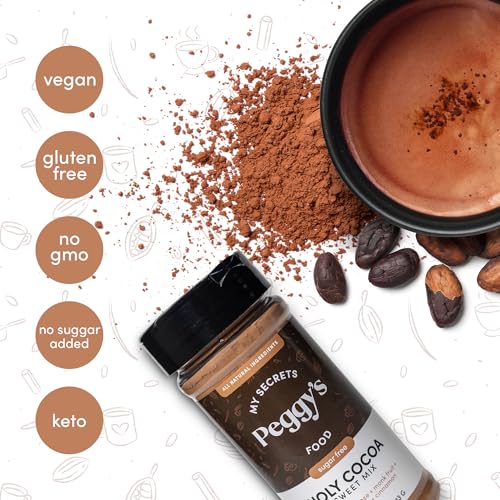
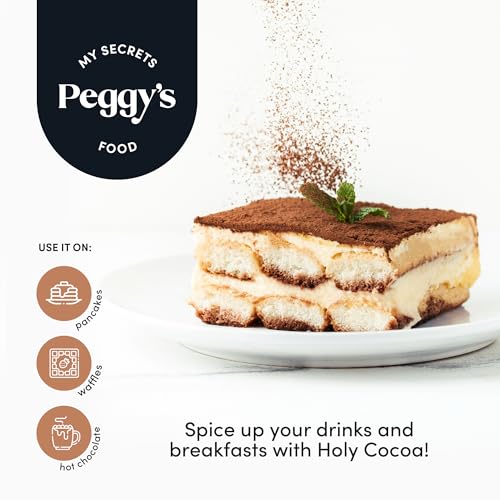
My Secrets Holy Cocoa Powder
Strengths
- Rich dark flavor
- No additives
- Vegan and keto
Trade-offs
- Small 4 oz size
- Not alkalized (may be too acidic for some)
This 4 oz pouch punches above its weight for purists who want intense flavor without additives. On paper, it’s a straightforward play: 100% natural, unsweetened, non-alkalized cacao, which means it retains more of the bean’s native acidity and bright cocoa notes. Reviewers consistently praise its rich, dark profile when stirred into coffee, it doesn’t dissolve completely but adds a rustic depth that many say feels closer to real chocolate than processed cocoa.
Still, the small size makes it better as a specialty add-in than a workhorse for bakers. Compared to larger bags, it’s less practical for daily smoothie drinkers or heavy bakers, but for someone who wants a premium, clean-label boost in their morning brew, it delivers. I’d pick this over Dutch-processed options if you want a sharper, more vibrant cocoa hit.
Product photos
Viva Naturals Organic Cacao Powder

Strengths
- Fine, smooth texture
- 1 lb size
- Blends well in coffee
Trade-offs
- No Fairtrade or Regenerative certification
- Minimal flavor nuance
This Viva Naturals offering is built for coffee integration, and it shows. The fine, non-alkalized powder dissolves better than most raw cacaos, and owners consistently report it blending smoothly into lattes and cold brews without clumping. The 1 lb size means it lasts, and the USDA organic, Non-GMO Verified label adds trust.
Flavor-wise, it’s bold but not harsh, a balanced middle ground between Navitas’ sharpness and Dutch-processed smoothness. It lacks the ethical certifications of Navitas, but for someone who wants a no-fuss, high-quality cacao purely for coffee enhancement, this is my top pick. I’d choose it over others when the goal is daily use without bitterness fatigue.
Video review
Navitas Organics Cacao Powder

Strengths
- Regenerative Organic Certified
- Fairtrade sourced
- 1:1 substitution
Trade-offs
- Slightly astringent taste
- Higher price point
Navitas sets a high bar for ethical sourcing, this is the first Regenerative Organic Certified cacao powder on the market, and that matters. Owners regularly highlight the brand’s transparency, tracing beans back to smallholder farms with Fairtrade practices. The cacao itself is non-alkalized, raw, and delivers a deep, slightly fruity bitterness that works well in smoothies and dark chocolate recipes.
It substitutes 1:1 for regular cocoa, but the flavor is more aggressive than Dutch-processed versions, not always a bad thing. If you’re drawn to clean energy, sustainability, and a product that supports farmer co-ops and reforestation, this is a strong pick. I’d recommend it over conventional cocoa for health-focused buyers who also care about supply chain impact.
Video review
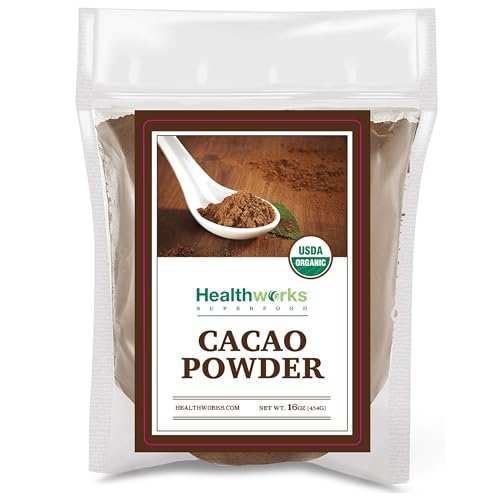
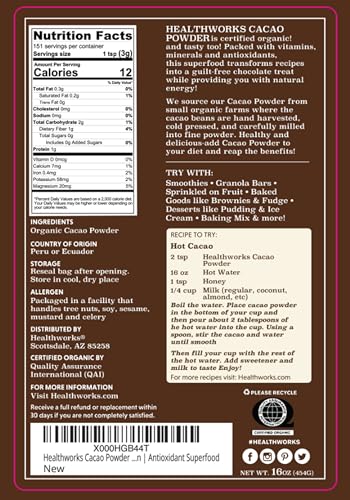
Healthworks Organic Cacao Powder
Strengths
- High in antioxidants
- 16 oz value size
- Rich in minerals
Trade-offs
- Grainy when not blended
- Earthy aftertaste
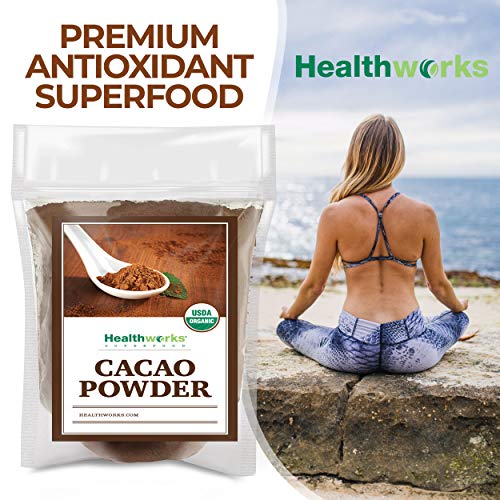
At 16 oz, this is one of the few options here that balances size with serious health claims, and owners back many of them. The Peruvian-sourced cacao is raw, organic, and packed with magnesium, iron, and antioxidants, with some reviewers noting a mild energy lift from the theobromine, especially when mixed into morning coffee. The flavor is earthy and sharp, not sweet, so it won’t replace chocolate syrup, but that’s the point.
It’s versatile, yes, but the texture can be a bit coarse in drinks unless blended well. Compared to Navitas or Viva Naturals, it’s less about certification prestige and more about nutrient density. If you’re after a daily antioxidant boost and don’t mind a more rustic mouthfeel, this is a solid, value-packed option.
Product photos


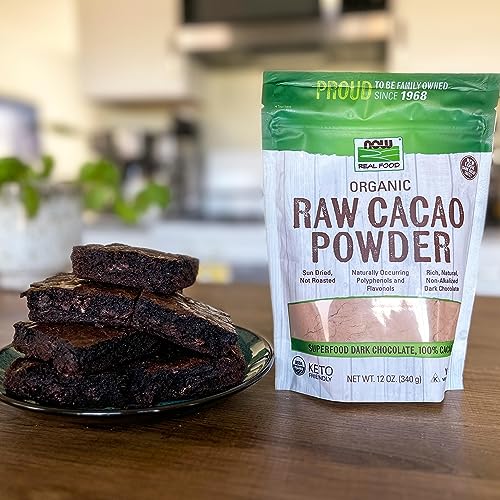
NOW Foods Raw Cacao Powder
Strengths
- Sun-dried, not roasted
- High in polyphenols
- USDA Organic
Trade-offs
- Bitter, intense flavor
- Packaging may vary
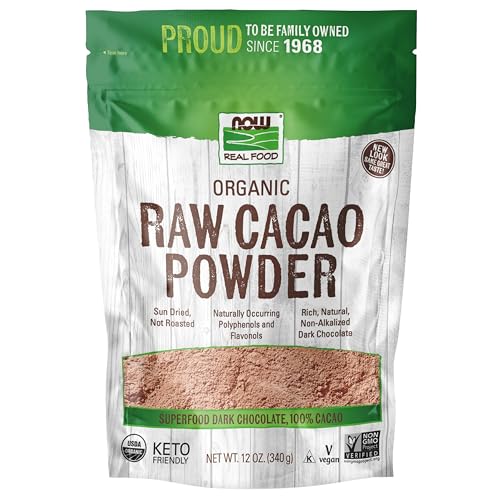
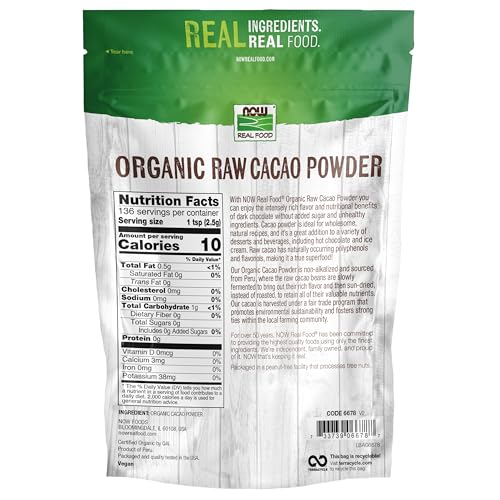
NOW Foods goes full raw, sun-dried, not roasted, which preserves polyphenols and flavonols better than roasted versions. On paper, that makes it a standout for maximum antioxidant retention, and reviewers often note the intense, almost smoky richness it brings to smoothies and hot chocolate. It’s also one of the few with a clear focus on nutrient preservation over flavor neutrality.
But that intensity comes at a cost: some find it too bitter for daily coffee use unless heavily sweetened. Compared to Healthworks or Viva Naturals, it’s less about convenience and more about purity of process. If you’re after the most ‘raw’ form of cacao with a focus on health compounds, this is the one I’d reach for, but not if you want a crowd-pleasing chocolate taste.
Product photos



How We Chose These cocoa powder for coffee
As the founder of Bean Thusiast, I approach coffee additions – like cocoa powder – with a focus on how they truly enhance the coffee experience. Rather than a hands-on lab test, this was a research-led comparison of published specifications and owner feedback across numerous brands. I weighed product features, ingredient sourcing, and customer reports to determine which powders deliver the most satisfying results in a cup of coffee. My goal was to identify the best options for different needs, from rich flavor to ethical sourcing.
For cocoa powder specifically, I prioritized flavor intensity and blendability above all else. A powder that clumps or delivers a weak chocolate note simply won’t do. I also heavily considered sourcing and processing methods; raw cacao offers a different profile than Dutch-processed, and understanding those differences is key. Ultimately, a powder’s ability to complement, not overpower, the coffee’s characteristics decided its ranking. You can learn more about the cocoa and coffee bean differences on our site.
Specifications reliably show ingredient lists (organic certification, added sugars) and processing details (raw vs. alkalized). However, judging flavor nuance and how well a powder integrates into coffee requires digging into owner reviews. I paid close attention to comments about bitterness, muddiness, and overall chocolate intensity. Brand reputation and sourcing transparency – particularly regarding fair trade and sustainable practices – were also heavily weighted based on consistent positive feedback.
Choosing The Right cocoa powder for coffee
I spend a lot of time thinking about cocoa powder, specifically as it relates to coffee. It’s a surprisingly nuanced ingredient, and finding the right one can truly elevate your morning cup.
A quality cocoa powder for coffee should exhibit a rich, dark chocolate aroma and flavor, blend smoothly without grittiness, and ideally be unsweetened to allow for customized sweetness. Look for certifications like USDA Organic and Fair Trade, and consider whether raw cacao or traditional cocoa powder better suits your preferences. Particle size and sourcing transparency are also key indicators of a premium product.
Flavor Profile & Processing
The most significant difference you’ll encounter is between “cacao” and “cocoa.” Cacao powder is made from unroasted beans, retaining more of their natural antioxidants and providing a slightly more bitter, complex flavor. Cocoa powder, on the other hand, is made from roasted beans, which mellows the flavor and creates a more familiar chocolate taste. I generally recommend starting with a natural, non-alkalized cocoa powder for coffee, as it preserves more of the bean’s inherent qualities. Dutch-processed cocoa has a smoother flavor but can lack the depth that coffee drinkers often crave.
Sourcing & Ethical Considerations
I’ve noticed a growing interest in ethically sourced ingredients, and for good reason. Look for powders that are Fair Trade certified, like Navitas Organics Cacao Powder, or those with Regenerative Organic Certification. These certifications make sure farmers are paid fairly and that sustainable farming practices are employed. Beyond certifications, some brands, like Healthworks, highlight their direct relationships with small farms in Peru. If you’re interested in learning more about alternative sweeteners, you might also enjoy reading about honey as coffee sweetener.
Versatility & Particle Size
Consider how else you plan to use the cocoa powder. If you’re primarily adding it to coffee, a finely milled powder is essential to avoid clumping. Viva Naturals Organic Cacao Powder is specifically praised for its smooth blending ability. However, if you’re also planning on baking, a slightly coarser grind might be preferable. Here’s a quick guide to help you prioritize:
- Coffee only: Finely milled, unsweetened cacao or cocoa.
- Coffee & occasional baking: A versatile, all-purpose powder.
- Frequent baking & coffee: A slightly coarser grind for better texture in baked goods, but still fine enough for coffee.
A little goes a long way. Start with 1/4 teaspoon of cocoa powder per cup of coffee and adjust to taste. Don’t be afraid to experiment with different amounts to find your perfect balance.
Ultimately, exploring different options is key. You might even find that a blend of different powders – perhaps a robust cacao for depth and a smoother cocoa for balance – creates your ideal cup. If you’re looking to explore other options for flavoring your coffee, I suggest checking out our guide to the best chocolate powder for coffee and even flavored cocoa for coffee.
Cocoa Powder for Coffee Compared
Here’s a comparison of key specifications for different cocoa powders suitable for use in coffee.
| Product Name | Organic | Raw | Keto Friendly | Vegan | Gluten Free |
|---|---|---|---|---|---|
| My Secrets Holy Cocoa Powder | Yes | No | Yes | Yes | Yes |
| Viva Naturals Organic Cacao Powder | Yes | No | Yes | Yes | Yes |
| Navitas Organics Cacao Powder | Yes | Yes | Yes | Yes | Yes |
| Healthworks Organic Cacao Powder | Yes | No | Yes | Yes | Yes |
| NOW Foods Raw Cacao Powder | Yes | Yes | Yes | Yes | Yes |
Frequently Asked Questions
What cocoa powder blends best into cold brew?
Finely milled cocoa powders, like Viva Naturals Organic Cacao Powder, dissolve most easily in cold liquids. Because cold brew lacks heat to aid dissolving, a finer grind prevents a gritty texture, ensuring a smooth final drink.
Can I use Dutch-processed cocoa powder in my coffee?
Yes, you can, but be aware Dutch-processed cocoa has a milder, less acidic flavor. While it blends well, many coffee drinkers prefer the more intense, slightly bitter notes offered by natural cocoa powders to complement the coffee’s flavor.
Is raw cacao powder significantly different from regular cocoa powder?
Raw cacao powder offers a more potent, slightly bitter chocolate flavor due to being unroasted. It also retains more antioxidants, but the flavor profile is noticeably different and takes some getting used to if you’re accustomed to traditional cocoa.
Will adding cocoa powder affect the caffeine content of my coffee?
No, adding cocoa powder doesn’t directly change the caffeine level in your coffee. Cocoa contains a small amount of theobromine, a stimulant, but it’s a much milder effect than caffeine and won’t noticeably alter your coffee’s energizing qualities.
Where can I find cocoa powders with sustainable sourcing?
Look for certifications like Fair Trade or Regenerative Organic, which ensure fair treatment of farmers and environmentally friendly practices. Navitas Organics Cacao Powder and Healthworks Organic Cacao Powder both prioritize sourcing transparency and ethical partnerships, and offer a great starting point for finding a best white chocolate powder too.
The Bottom Line
Choosing the best cocoa powder for coffee often comes down to balancing control over flavor with convenience. While a wider range of options exists, I firmly believe My Secrets Holy Cocoa Powder offers the best overall experience. It consistently receives high marks for its rich flavor, smooth texture, and versatility – a great starting point for anyone looking to elevate their coffee.
For those on a budget, or specifically seeking a raw cacao experience, Navitas Organics Cacao Powder is an excellent choice. If you prioritize a powder that blends effortlessly into coffee, Viva Naturals Organic Cacao Powder is consistently praised for its fine milling. These options demonstrate that you don’t have to compromise significantly on quality to find something that fits your specific needs and budget.
Ultimately, the “best” cocoa powder is the one you enjoy most. Don’t get too caught up in certifications or particle size; focus on finding a powder with a flavor profile that complements your coffee, and remember that understanding the cocoa caffeine content can help you tailor your brew to your preferred energy level. A quality ingredient is important, but a happy palate is paramount.
