
6 Best Chocolate Powders for Coffee 2026
The Ghirardelli Majestic Premium Cocoa stands out as the best overall chocolate powder for coffee, delivering rich flavor and smooth blending. For a budget-friendly option, the Hollander Sweet Ground Dutched Chocolate Powder offers solid performance, while the Organic Cacao Powder Unsweetened is ideal if you want versatility across drinks and baking.
Most people just want a chocolate powder that mixes easily and tastes good in their coffee, without turning it into a sugary mess. Too many options either overpower the coffee or dissolve poorly, leaving grit at the bottom of your mug.
I researched the field by comparing specs and reading owner feedback to find powders that balance flavor, mixability, and quality. These picks suit different needs, whether you’re making a morning mocha or experimenting with chocolate and coffee pairings at home.
Top 6 Chocolate Powder For Coffee in the Market
The Best Chocolate Powder For Coffee, Reviewed
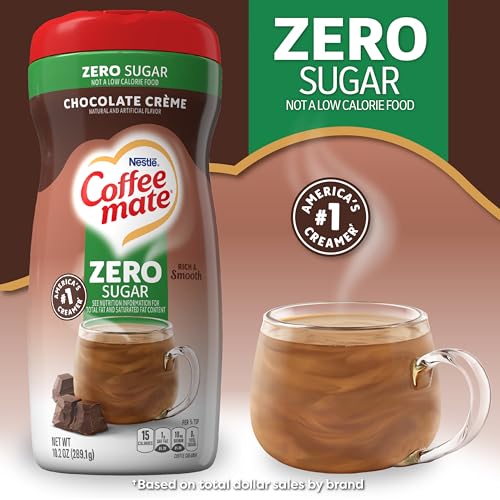
Coffee-mate Sugar Free Chocolate Powder
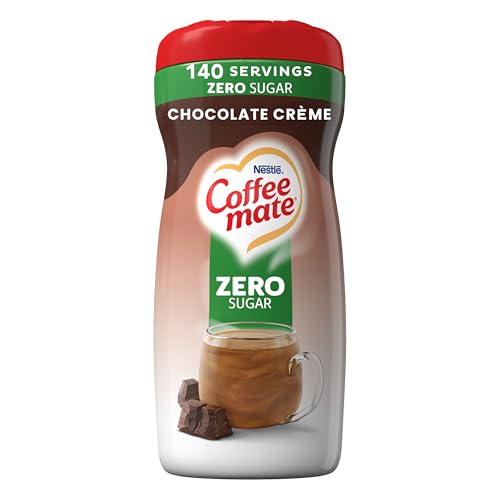
Strengths
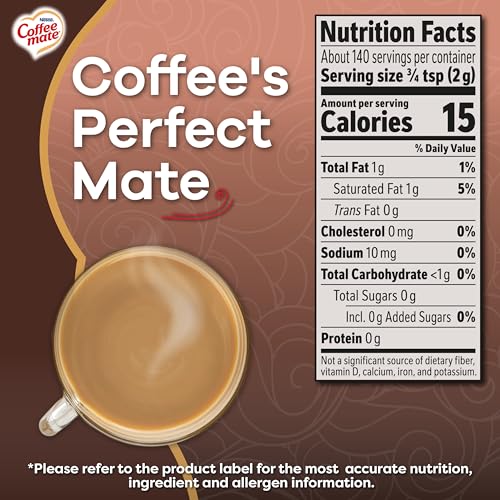
- Zero sugar per serving
- Non dairy
- Lactose free
- Gluten free
- Easy to use
Trade-offs
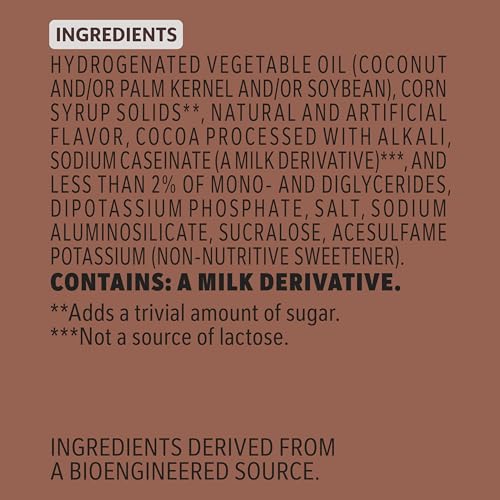
- Artificial flavor notes
- Not real cocoa
- Less rich than premium options
If you’re looking to sweeten your morning cup without the sugar crash, this Coffee-mate option stands out on paper as a convenient add-in. It’s clearly built for coffee drinkers who want that creamy chocolate hit with zero sugar per serving, and owners consistently report it blends smoothly without needing special stirring. The flavor leans sweet and artificial to some, but that’s the trade-off for sugar-free convenience in this category.
Still, it’s not real chocolate, it’s flavored creamer powder, and that shows in both ingredient list and mouthfeel. Compared to higher-fat cocoa powders or clean-label options, it lacks depth and richness. But for someone who wants a one-scoop, no-fuss mocha-style coffee at home or work, especially if managing sugar intake, this gets the job done without refrigeration or messy liquids.
Product photos
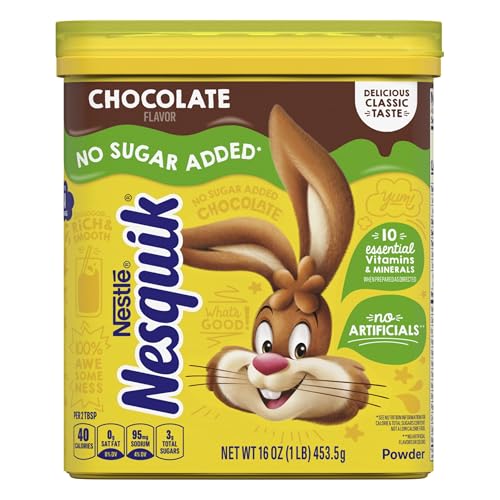
Nesquik Chocolate Powder No Sugar Added
Strengths
- No artificial flavors or colors
- No high fructose corn syrup
- Fortified with 10 vitamins
- Dissolves in hot or cold milk
- Budget-friendly
Trade-offs
- Mild, artificial-tasting flavor
- Contains sugar alcohols
- Less chocolate intensity
For a budget-friendly, widely available option with no added sugar, this Nesquik variant surprises with its drinkability and vitamin fortification. It’s clearly aimed at families or those watching sugar intake but still wanting a nostalgic chocolate milk or coffee mix. Owners say it dissolves well in both hot and cold milk, and the absence of artificial flavors or colors is a legit plus in this price range.
But let’s be honest, it’s still a mass-market product. The chocolate flavor is mild and leans sweet even without added sugar, likely due to flavor enhancers. Compared to real cocoa powders or specialty chocolate blends, it lacks depth and authenticity. Still, for someone making an occasional chocolate coffee or giving kids a fortified drink, it’s a practical, accessible choice.
Video review
Ghirardelli Dark Chocolate & Cocoa Powder

Strengths
- Balanced sweetness
- Deep chocolate color
- Good for high-volume use
- Works in drinks and desserts
- Smooth mixability
Trade-offs
- Contains sugar
- Not for low-carb diets
- Less cocoa fat than premium options
Despite the name, this isn’t a sugar-free product, but it’s positioned as a less sweet, dual-purpose option for both drinks and desserts. On paper, it’s designed for commercial or high-volume use, given the 3lb packaging, and reviewers using it in small cafés or busy households appreciate its consistent texture and deep chocolate color. The flavor is described as indulgent but not overly sweet, which works well in mochas where you don’t want the chocolate to overpower the coffee.
Compared to the Majestic line, this one feels more like a balanced workhorse than a luxury item. It’s not as rich in cocoa butter, but it’s formulated for mixability and performance in milk-based drinks. If you’re running a home café or make chocolate beverages daily, this is a practical upgrade from basic cocoa powders, though it won’t satisfy keto or low-sugar needs.
Video review
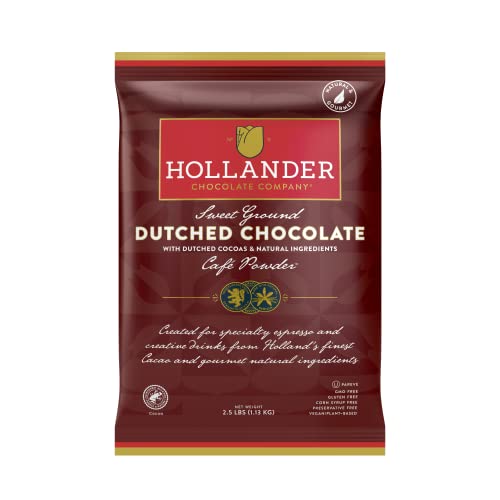
Hollander Sweet Ground Dutched Chocolate Powder
Strengths
- Rainforest Alliance Certified
- Clean label
- Dutch-processed for smoothness
- Vanilla-enhanced flavor
- Large 2.5lb size
Trade-offs
- Higher price point
- Not sugar free
- May be overkill for casual users
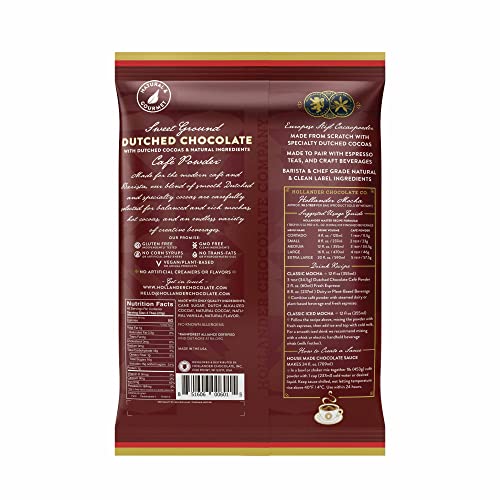
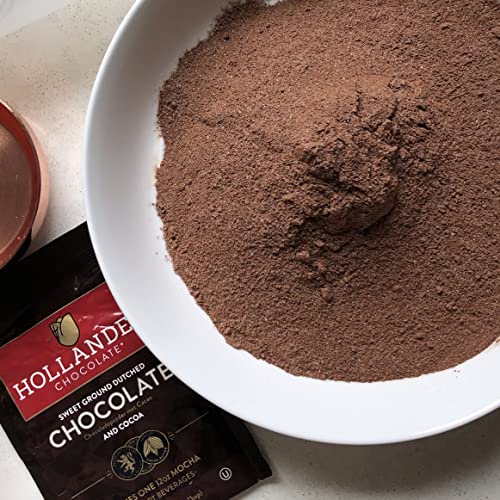
This is the kind of product that speaks to people who care about where their chocolate comes from, and how it tastes beyond just sweetness. The Dutch-processed cacao delivers a smooth, mellow chocolate note that’s rich without being cloying, and owners using it in cafes and at home praise its consistency and clean flavor. Being Rainforest Alliance Certified adds real value if sustainability matters to you, and the 2.5lb bag makes it a solid pick for frequent users.
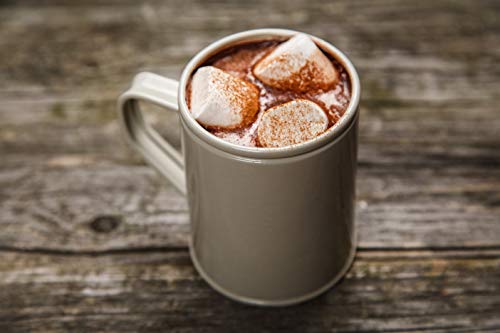
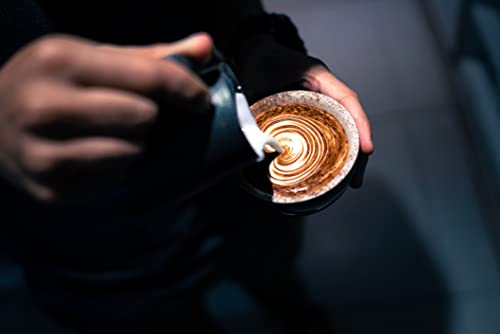
It’s not marketed as a creamer, and that’s fine, it’s not trying to be one. Instead, it’s a specialty ingredient for mochas, hot chocolates, or craft coffee drinks where quality matters. Compared to supermarket cocoa powders, it has a more refined texture and deeper aroma, likely due to the premium sourcing and vanilla inclusion. For home baristas or chocolate lovers who treat their coffee like a craft beverage, this hits differently.
Product photos
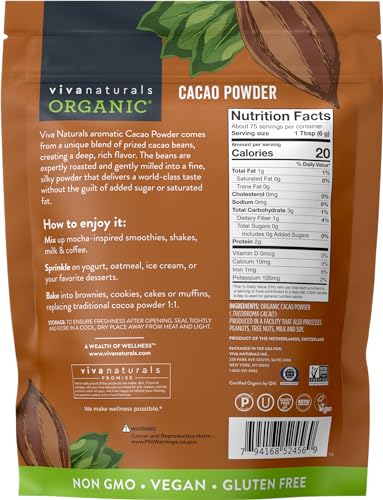
Organic Cacao Powder Unsweetened 1 lb

Strengths
- Organic and non-GMO
- Raw, non-alkalized
- Keto and paleo friendly
- Single ingredient
- No additives
Trade-offs
- Bitter, intense flavor
- Not sweetened
- Requires added fat for smoothness
This is the go-to for health-focused users who want chocolate without compromise. Made from raw, non-alkalized organic cacao, it retains more antioxidants and has a sharper, more bitter edge than Dutch-processed cocoa. Reviewers on keto, paleo, or plant-based diets consistently praise its purity, just one ingredient, no fillers, and certified organic. It mixes well in smoothies, oatmeal, or hot drinks if you don’t mind a rustic, earthy chocolate note.
Compared to sweeter or processed options, this one is unapologetically intense. It won’t give you a creamy mocha on its own, you’ll need to pair it with milk and sweetener, but that’s the point. For those prioritizing clean nutrition over convenience, this is a staple. It’s also one of the few truly vegan, keto-friendly options that doesn’t cut corners on certification.
Product photos



Ghirardelli Majestic Premium Cocoa Powder

Strengths
- High cocoa butter content
- Rich, bold flavor
- Premium nib roast process
- Excellent for beverages and baking
- 100% cocoa
Trade-offs
- No added sweetness
- More expensive
- Can be too intense for some
When flavor depth and richness are your top priorities, this Ghirardelli cocoa powder delivers. With a 20–22% cocoa butter content, it’s one of the fattiest cocoa powders on the market, and that shows in the mouthfeel. Reviewers note it creates an almost velvety texture in hot cocoa or mochas, far beyond what standard cocoa powders achieve. The nib alkalization process gives it a bold, complex chocolate character that doesn’t disappear into your coffee.
It’s not a creamer, sugar-free, or budget-friendly, it’s chocolate in its most honest form. Compared to lower-fat or dutched-only options, this one brings a luxurious weight and intensity. If you’re making a mocha and want it to taste like it came from a high-end café, this is the ingredient that makes that possible. Just don’t expect sweetness, it’s 100% cocoa, so you’ll need to add your own sweetener.
Product photos


How We Picked These chocolate powder for coffee
As the founder of Bean Thusiast, I approach coffee additions with the same scrutiny I apply to the beans themselves. Rather than a hands-on lab test of each powder, my research focused on comparing published specifications – like cocoa percentage, sugar content, and added vitamins – alongside a careful weighing of owner reviews and expert opinions from coffee and baking sites. I then ranked these powders against criteria important to a satisfying coffee experience.
For chocolate powders intended for coffee, I prioritized cocoa content and the overall flavor profile. A higher cocoa percentage generally delivers a more intense chocolate experience, while the presence (or absence) of sugar dramatically alters the final beverage. Beyond that, I looked at how easily each powder dissolved and whether it offered versatility for both hot and cold drinks, as well as baking applications. Understanding the mocha drink composition also informed my assessment.
Specifications reliably indicate sugar content, cocoa butter percentages, and added ingredients. However, truly understanding the taste and how well a powder integrates with coffee requires digging into owner feedback. I paid close attention to comments about bitterness, sweetness, and any lingering aftertaste. Reputation matters too; established brands like Ghirardelli often have a consistent quality that’s reflected in reviews, while newer brands require more scrutiny.
How To Pick The Right chocolate powder for coffee
As someone who’s spent years exploring the nuances of coffee and chocolate pairings, I know a great powder can truly elevate your cup. It’s about more than just sweetness; it’s about depth of flavor and finding the right balance for your preferences.
A quality chocolate powder for coffee should offer a robust chocolate flavor without overpowering the coffee’s natural notes. Consider the cocoa percentage, processing method (Dutch-process vs. natural), and sugar content. Look for powders with minimal additives and a finely ground texture for easy mixing. The best options will also complement a variety of coffee roasts and brewing methods.
Understanding Cocoa Processing
The way cocoa beans are processed dramatically impacts the final flavor. You’ll mostly encounter natural and Dutch-process powders. Natural cocoa powder is made from beans that are fermented, dried, and ground – it’s more acidic and has a brighter, fruitier flavor. Dutch-process cocoa (also called alkalized) undergoes an additional treatment to neutralize acidity, resulting in a smoother, mellower, and darker-colored powder. If you’re planning a [Dutch-process cocoa for coffee] (https://beanthusiast.com/best-cocoa-powder-for-coffee/) setup, remember that it doesn’t react well with baking soda-based leaveners, so it’s best suited for beverages where that isn’t a concern.
Balancing Sweetness and Cocoa Content
Many chocolate powders cater to a sweet tooth, but if you prefer a less sugary experience, pay close attention to the ingredient list. Sugar-free options are available, but be aware that they may contain artificial sweeteners. I’ve found that even with sugar-free powders, the quality of the cocoa itself still matters immensely. Consider these points when evaluating sweetness:
- A small amount of sugar can actually enhance the chocolate flavor.
- Higher cocoa content (70% or greater) generally means less sugar and a more intense chocolate taste.
- Look for powders that use natural sweeteners like stevia or monk fruit if you’re avoiding refined sugar, but understand these can introduce their own distinct flavors.
Considering Your Coffee and Usage
Think about how you’ll be using the powder. Are you making simple hot chocolate and coffee combinations, or are you aiming for more complex creations like mochas? A high-fat powder like the Ghirardelli Majestic is fantastic for adding richness to both, while a cleaner-tasting powder, like Hollander Sweet Ground Dutched Chocolate Powder, might be better if you want the coffee flavor to shine through. Don’t underestimate the impact of a well-made mocha; exploring a chocolate and coffee comparison can open up a whole world of flavor.
A little goes a long way. Start with a teaspoon of chocolate powder per cup of coffee and adjust to your taste. You can always add more, but you can’t take it away!
Chocolate Powder for Coffee Compared
Here’s a comparison of specs for various chocolate powders designed for use with coffee.
| Product Name | Size (oz) | Sugar Added | Vitamins/Minerals | Cocoa Butter (%) | Organic |
|---|---|---|---|---|---|
| Coffee-mate Sugar Free Chocolate | 10.2 | No | N/A | N/A | No |
| Nesquik Chocolate Powder No Sugar Added | N/A | No | 10 | N/A | No |
| Ghirardelli Dark Chocolate & Cocoa | N/A | N/A | N/A | N/A | No |
| Hollander Sweet Ground Dutched | 40 | No | N/A | N/A | No |
| Organic Cacao Powder Unsweetened | 16 | No | N/A | N/A | Yes |
| Ghirardelli Majestic Premium Cocoa | 32 | N/A | N/A | 20-22 | No |
Frequently Asked Questions
What’s the difference between Dutch-process and natural cocoa powder for coffee?
Dutch-process cocoa is treated to neutralize acidity, resulting in a smoother, milder flavor and darker color, while natural cocoa is more acidic with a brighter, fruitier taste. For coffee, Dutch-process generally blends more harmoniously, especially if you don’t want a tangy edge.
Can I use unsweetened cocoa powder if I want a mocha?
Yes, you can absolutely use unsweetened cocoa powder to make a mocha, but you’ll definitely want to add a sweetener. Unsweetened powders provide intense chocolate flavor without the added sugar found in pre-sweetened mixes, letting you control the sweetness level.
Is it possible to find organic chocolate powder for coffee?
Yes, organic chocolate powders are available, though they often come at a slightly higher price point. Look for certifications on the packaging to verify the organic status, and be aware that organic doesn’t necessarily mean sugar-free.
What’s the best way to prevent clumping when adding chocolate powder to cold coffee?
A finely ground powder and a bit of pre-mixing are key to preventing clumps. Start by creating a slurry with a small amount of hot water before adding it to your cold coffee, or use a blender or frother to thoroughly incorporate the powder.
Are there alternatives to powdered chocolate for flavoring coffee?
Yes, there are several alternatives, including chocolate syrup for coffee and melted chocolate. Syrups dissolve more easily, while melted chocolate adds a richer texture, but both require a bit more effort than simply stirring in a powder.
The Bottom Line
Choosing the best chocolate powder for coffee often comes down to how much control you want over the final flavor versus how much fuss you’re willing to tolerate. For an exceptional, deeply chocolatey experience with minimal effort, I recommend the Ghirardelli Majestic Premium Cocoa. It’s a bit richer and more indulgent than some, but its cocoa butter content delivers a luxurious mouthfeel that elevates any coffee.
However, if you’re watching sugar intake or prefer a more subtle chocolate flavor, the Hollander Sweet Ground Dutched Chocolate Powder is an excellent choice. And for those prioritizing organic ingredients, the Organic Cacao Powder Unsweetened offers a pure, unadulterated cocoa experience – though you may want to add your own sweetener. Understanding the cocoa bean processing is key to picking the right flavor.
Ultimately, the “best” powder isn’t about a single specification like cocoa percentage or added vitamins. It’s about finding a balance that complements your coffee and satisfies your personal taste. Focus on quality ingredients, a flavor profile you enjoy, and a texture that mixes well – those fundamentals will always matter more than any trendy feature.
