
8 Best Brazilian Coffee Beans of 2026
After comparing the field and weighing specs and owner feedback, the Fresh Roasted Minas Gerais stands out as the best overall Brazilian coffee bean for its bright, clean flavor and transparent sourcing, while the Bodum Roasting Brazil offers a rich, approachable budget pick with consistent quality straight from the estate.
Too many bags of Brazilian coffee promise deep chocolate and nutty sweetness but deliver flat, stale, or over-roasted disappointment. It’s frustrating when origin gets ignored and freshness is an afterthought.
As the founder of Bean Thusiast, I’ve researched the top options based on roast consistency, origin clarity, and real user experiences to help you cut through the noise. This guide breaks down what actually matters when choosing Brazilian beans and highlights the picks that deliver on their promises.
Top 8 Brazilian Coffee Beans in the Market
The Best Brazilian Coffee Beans, Reviewed
Fresh Roasted Dark Brazil Whole Bean
Strengths
- Excellent value
- Nitrogen flushed
- Long shelf life
Trade-offs
- Large size not for all
- Roast leans conservative
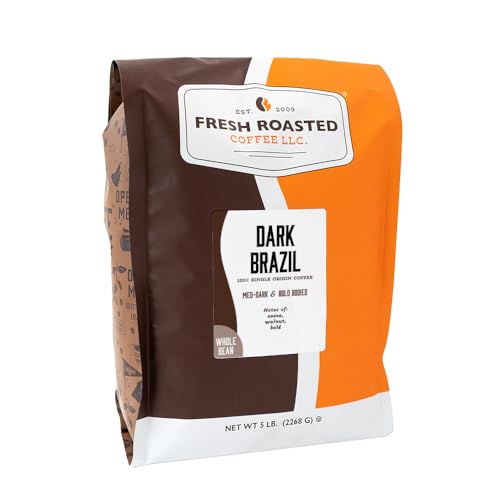
This 5-pound bag of medium-dark Cerrado Brazil beans is the volume king, and it earns the ‘Best Overall’ tag not just for size, but for consistency, freshness tech, and versatility. Nitrogen-flushed and resealable, it stays fresh longer than most bulk bags, which owners confirm even after weeks of use. The flavor, dry cocoa, walnut, zero bitterness, is textbook Brazilian, and the 100% Arabica, additive-free promise holds.
Compared to the 2 lb light roast from the same brand, this one leans traditional: heavier body, lower acidity, ideal for drip or French press. The solar-powered roasting adds eco-cred, and the price per ounce is hard to beat. If you go through coffee fast or want a set-it-and-forget-it staple, this is the most practical pick.
Video review
ORFEU Special Coffee Classic Roasted
Strengths
- Floral complexity
- Velvety texture
- Artisan profile
Trade-offs
- Small 8.8 oz can
- Higher price point
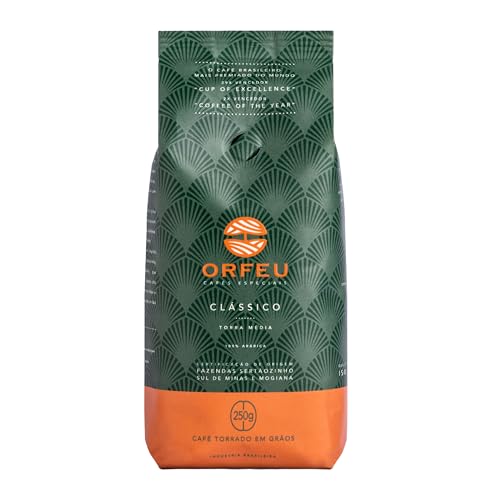
ORFEU brings a sense of artistry to Brazilian coffee, this medium roast is floral, fruity, and caramel-sweet, with a velvety body that reviewers describe as ‘luxurious.’ Coming from southern Minas Gerais and backed by a farm with a 1,500-year-old tree as its symbol, there’s a deep sense of place here. The 250g size is small, but it’s meant for savoring, not chugging.
Compared to illy, it’s more expressive; compared to Casa Brasil, it’s less about ethics and more about sensory elegance. The balanced acidity and soft structure make it ideal for slow mornings and manual brew methods. It’s a coffee that asks to be noticed, not just consumed.
Video review
illy Arabica Selections Brasile
Strengths
- Pressurized freshness
- Smooth consistency
- Excellent for espresso
Trade-offs
- Subtle flavor notes
- Smaller quantity
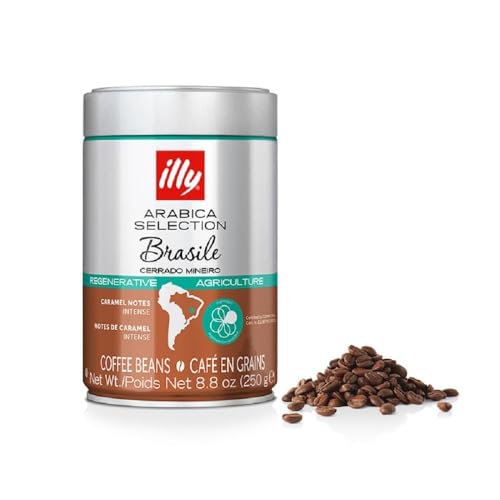
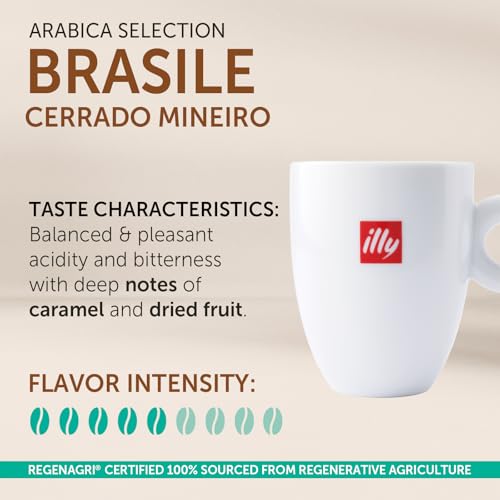
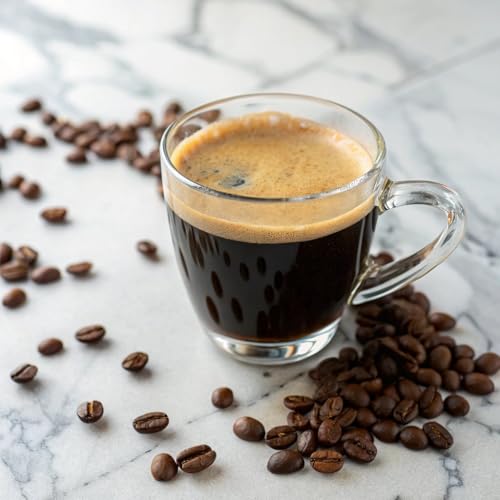
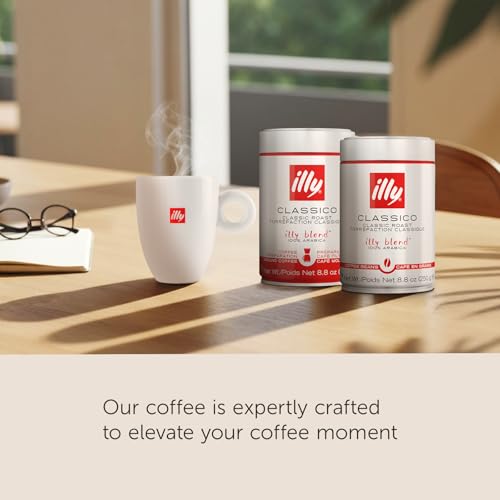
illy’s single-origin Brasile offering stands out not for intensity, but for refinement. It’s a polished, elegant coffee, typical of illy’s signature style, where consistency and packaging matter as much as origin character. The pressurized can locks in freshness and protects the beans from oxygen, which reviewers note helps maintain a clean, rounded cup weeks after opening, a rare win for pre-packed coffee.
This isn’t a wild, fruity light roast or a smoky dark one. Instead, it’s a composed medium roast with subtle nutty and malty tones, ideal for espresso or milk drinks. Compared to Casa Brasil or Orfeu, it’s less expressive of terroir, but more engineered for dependability. If you value shelf stability and a clean, neutral profile, this earns its premium placement.
Product photos
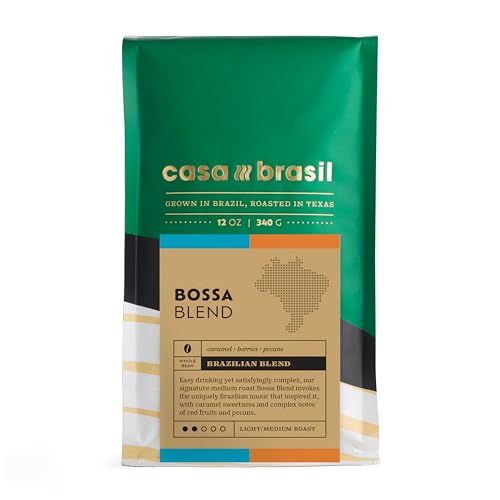
Casa Brasil Bossa Blend
Strengths
- Ethically sourced
- Roasted to order
- Complex flavor
Trade-offs
- Limited batch availability
- No large size option
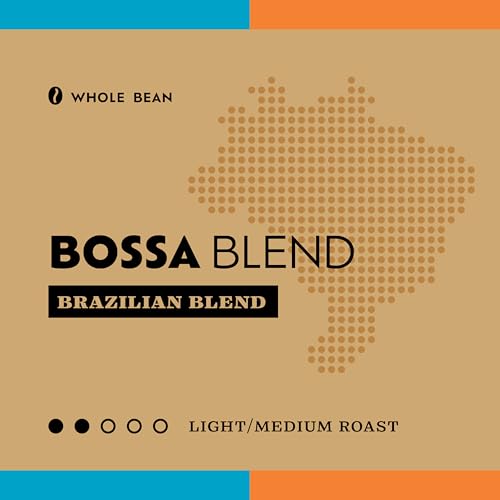
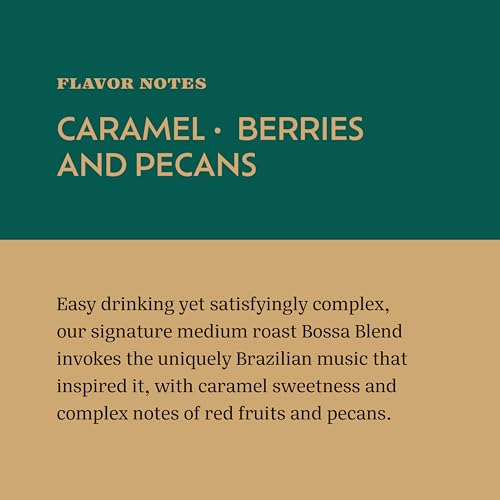
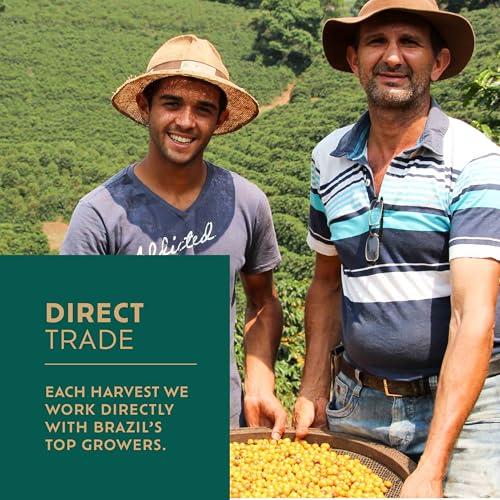
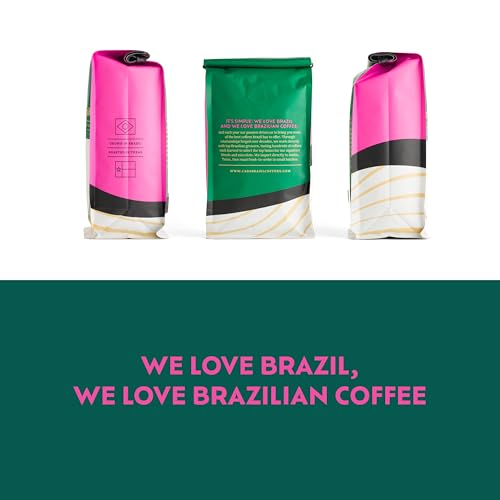
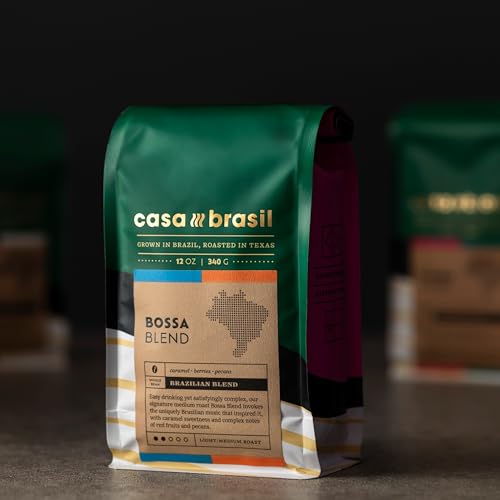
Casa Brasil’s Bossa Blend earns its ‘ethically sourced’ label not just in name but in practice, direct relationships with growers, no brokers, and long-term partnerships. That transparency shows in the cup: a light-medium roast with caramel, berries, and pecan notes that feels both sweet and layered. Roasted to order, it arrives fresh, and reviewers consistently praise its lively yet smooth character.
Compared to the Bracosta or illy options, this one has more personality and origin expression. It’s not as bright as the Minas Gerais light roast, but more complex than the standard medium roasts. The 12 oz size means you’ll reorder more often, but freshness is maximized. For buyers who care about impact as much as taste, this is a standout.
Product photos
PURE EARTH COFFEE Dark Roast
Strengths
- Bold yet smooth
- Keto and vegan friendly
- Rich chocolate notes
Trade-offs
- Smaller 12 oz bag
- Premium pricing
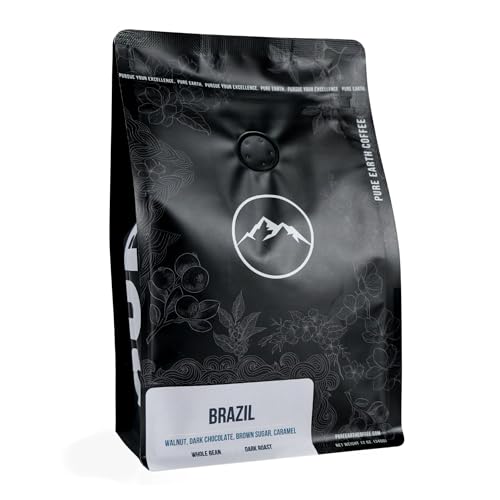
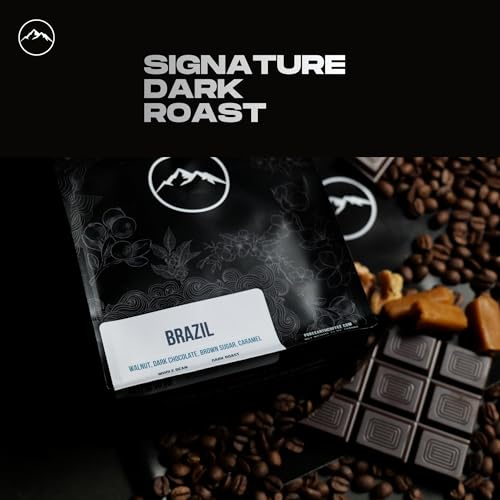
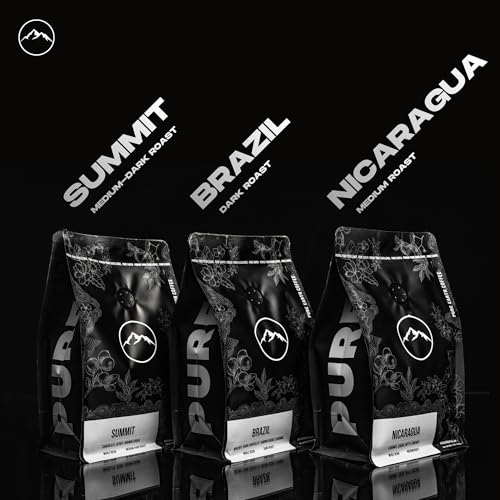
This is Brazilian coffee turned up to eleven, bold, dark, and packed with deep cocoa, walnut, and cedar notes, yet somehow avoiding the burnt bitterness that plagues so many dark roasts. The ‘bold but smooth’ claim holds up in owner feedback, with many noting it works well for both drip and espresso, delivering richness without harshness.
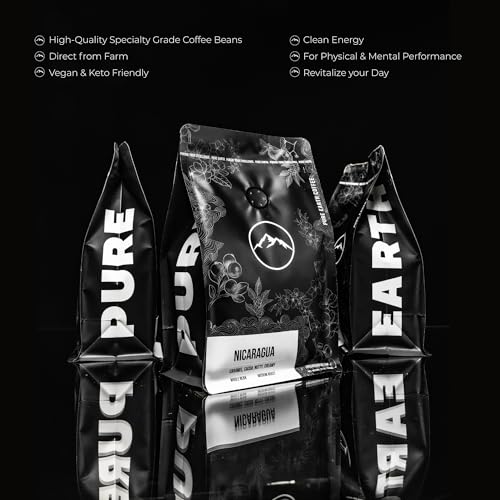
What stands out is the branding around wellness, vegan, keto-friendly, and marketed as ‘clean energy.’ While that won’t change the taste, it reflects a modern niche: specialty-level dark roasts for health-focused drinkers. Compared to Fresh Roasted Coffee’s 5 lb dark option, this one is smaller and pricier per ounce, but more targeted in audience.
Product photos

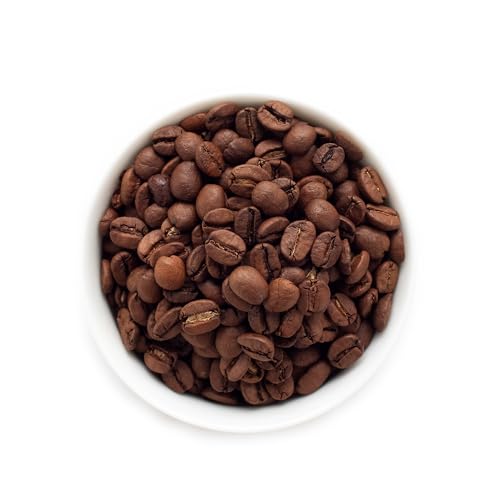
Fresh Roasted Minas Gerais Light
Strengths
- Bright citrus notes
- Large 2 lb bag
- Sustainably roasted
Trade-offs
- Not traditional profile
- May lack body for some
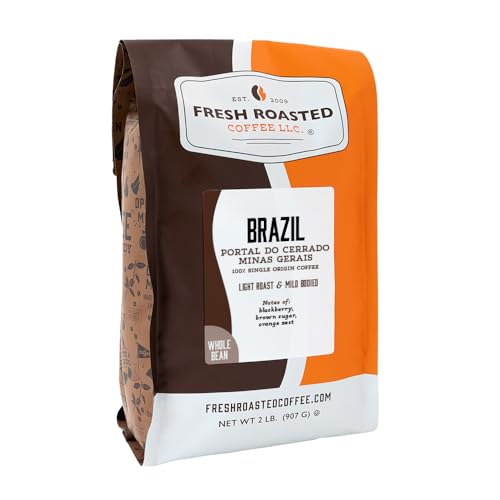
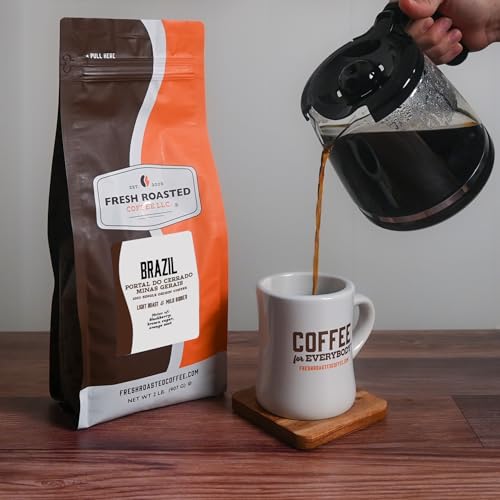
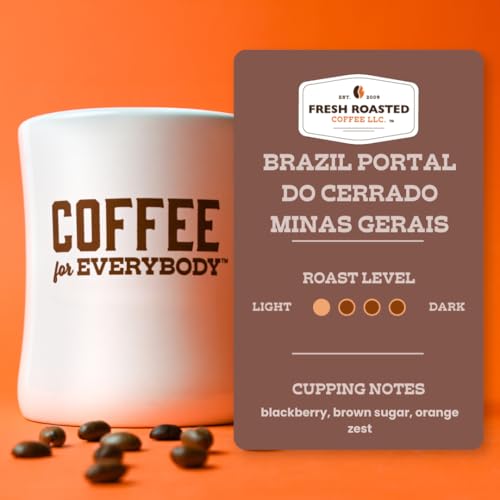
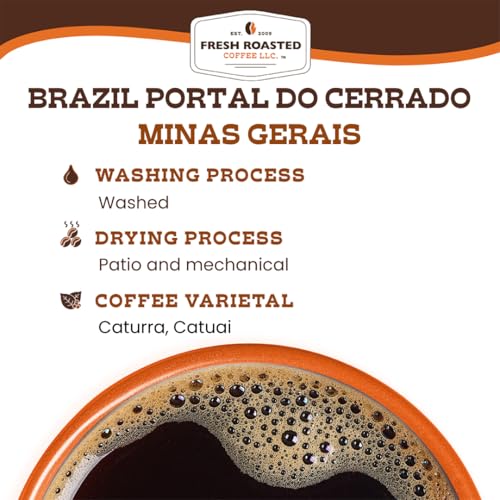
If you think Brazilian coffee is always heavy and nutty, this light roast from Fresh Roasted Coffee will surprise you. With notes of orange zest and brown sugar, and grown at 500–1,000 masl, it leans into brighter, fruitier territory uncommon for the origin. Owners praise its tea-like clarity, especially in pour over or Chemex, where the washed process and light roast let delicate acids shine.
At 2 pounds, it’s a value-packed option, and being roasted in eco-friendly Loring machines adds appeal for environmentally conscious buyers. Compared to the Bracosta Estate or illy, this one trades body for brightness. It’s not the classic Brazilian profile, but it proves the country can do more than just low-acid staples.
Product photos
Bracosta Estate Medium Roast
Strengths
- Balanced flavor
- Mold tested
- Smooth finish
Trade-offs
- Moderate complexity
- Not for roast enthusiasts
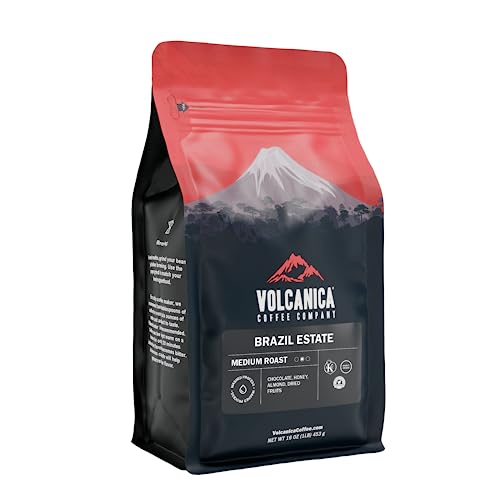
When you’re after a balanced, crowd-pleasing medium roast that still feels true to Brazilian coffee’s roots, Bracosta Estate delivers. The flavor profile, chocolate, honey, almond, dried fruit, is classic for the region, and owners consistently report a smooth, approachable cup without sharp acidity or roast bitterness. I appreciate that they test for mold and mycotoxins, which isn’t always standard at this price tier, giving extra confidence in freshness and safety.
On paper, the 16-ounce size and medium roast make it a solid daily driver. Compared to lighter or darker options in this list, it doesn’t push boundaries, but it doesn’t need to. It’s the kind of coffee that works just as well in a drip brewer as it does in a French press, making it a flexible pick for households with mixed preferences.
Product photos


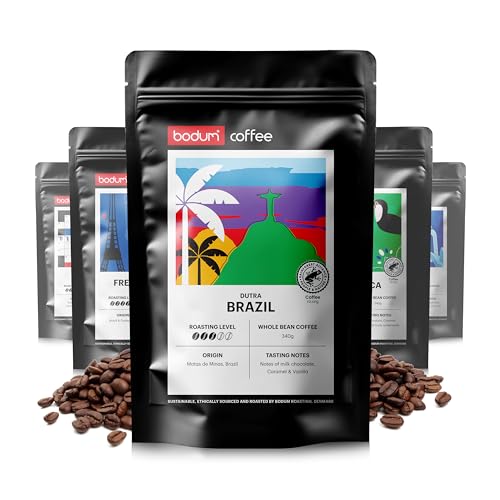
Bodum Roasting Brazil Whole Bean
Strengths
- Creamy mouthfeel
- Balanced sweetness
- Great with milk
Trade-offs
- Mild acidity
- Limited origin detail
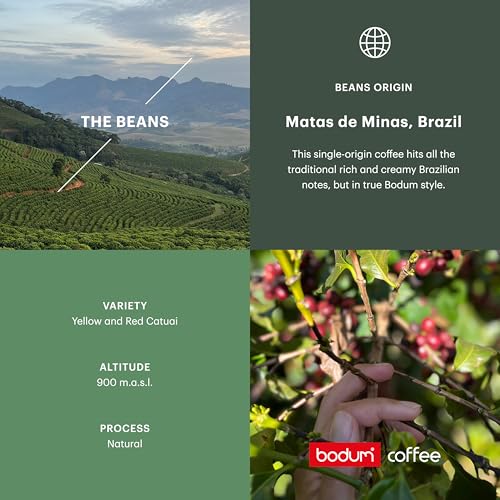
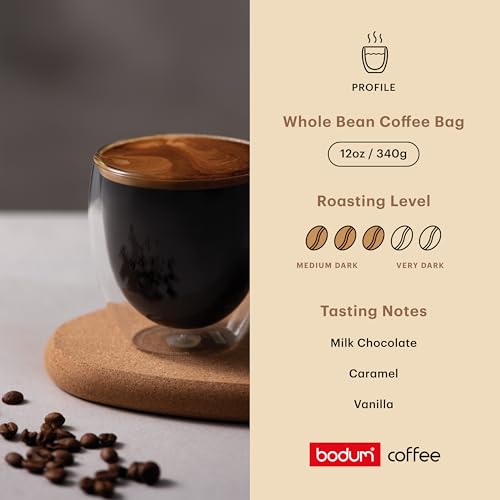
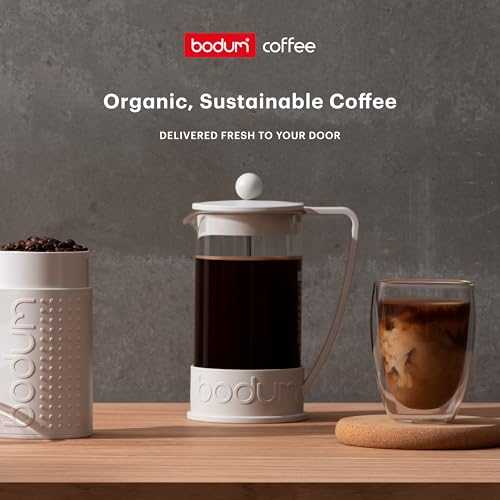
Bodum’s Brazil offering is a quiet achiever, roasted in Denmark from Matas de Minas beans, with a natural process that enhances its creamy, milk chocolate and vanilla profile. The 3/5 dark roast level is misleading; it drinks more like a medium-dark, offering smoothness without char. Owners note it’s especially good in milk-based drinks, where the citric acidity peeks through just enough to cut the richness.
It’s not as bold as PURE EARTH’s dark roast, nor as vibrant as the light roasts here, but it fills a niche: a creamy, easygoing coffee from a trusted brand. The 12 oz bag is standard, but the Danish roasting gives it a different profile than most U.S.-roasted Brazilians, cleaner, slightly more restrained.
Product photos


How We Evaluated brazilian coffee beans
As the founder of Bean Thusiast, I approached researching these beans by first gathering detailed specifications – roast level, origin details, processing methods, and stated flavor profiles – from each brand. I then heavily weighed owner reviews across multiple platforms, looking for consistent feedback on taste, freshness, and value. Finally, I applied my experience with Brazilian coffee characteristics to assess how well each offering aligned with the expected flavor profiles and quality indicators. Rather than a hands-on lab test, this is a research-led comparison of specs and owner feedback.
For Brazilian coffees, I prioritized three factors above all else: roast level consistency, clear origin information, and reported freshness. Brazil offers a wide range of flavor profiles depending on the region and processing, so knowing exactly where the beans come from is crucial. Freshness is paramount, as Brazilian beans can lose their vibrancy quickly. A consistent roast is vital as well, because it directly impacts the flavor experience.
Specifications reliably reveal processing methods (washed, natural, etc.) and altitude, both of which strongly suggest potential flavor characteristics. However, I relied on owner feedback to gauge actual cup quality, consistency between batches, and whether the stated tasting notes matched reality. Reputation, particularly for brands known for ethical sourcing or roasting expertise, also played a role in my assessment – a good starting point for coffee bean selection guide.
What To Look For In brazilian coffee beans
As someone who’s dedicated years to understanding coffee, I can tell you that Brazilian beans offer a remarkable range of flavors and qualities. Finding the right bag, however, requires a little more than just grabbing the prettiest label.
Brazilian coffee is prized for its nutty, chocolatey profiles and low acidity. When selecting beans, consider roast level, origin within Brazil (regions like Cerrado or Minas Gerais offer distinct characteristics), and processing method (natural, washed, or honey) to fine-tune the flavor to your preference. Look for recent roast dates to maximize freshness and aroma.
Roast Level & Flavor Impact
The roast level is the single biggest factor influencing the final taste. While personal preference plays a huge role, understanding how roasting impacts the bean is key. A lighter roast will showcase more of the origin’s inherent characteristics – brighter acidity, floral notes, and a more delicate body. Darker roasts, on the other hand, emphasize body and develop those classic chocolate and nutty flavors, but can sometimes mask the bean’s unique profile. I often find that a medium roast strikes the best balance, offering complexity without sacrificing approachability.
Sourcing and Processing Details
Brazilian coffee isn’t just a monolith. The region within Brazil significantly impacts the flavor profile. Beans from Minas Gerais, for example, are known for their balanced sweetness, while Cerrado beans tend to be bolder and more full-bodied. Beyond the region, pay attention to the farm or estate if that information is available, as this indicates a focus on quality control. It’s also helpful to understand the processing method. Natural processing often results in fruitier, sweeter coffees, while washed processing tends to produce cleaner, brighter flavors. Exploring single-origin coffee benefits can really open up your palate.
Freshness and Packaging
Even the best beans will disappoint if they’re stale. Look for a roast date – not just a “best by” date – and aim to consume the beans within a few weeks of roasting. Proper packaging is also crucial. Nitrogen-flushed bags with one-way degassing valves are ideal, as they help preserve freshness by removing oxygen. Here’s a rule of thumb:
Don’t buy more coffee than you can realistically use in two weeks. Freshness degrades quickly, even with proper storage.
Here’s how I recommend prioritizing packaging:
- Basic resealable bag: Acceptable for immediate use.
- Bag with a degassing valve: Better, as it allows CO2 to escape without letting oxygen in.
- Nitrogen-flushed bag with a degassing valve: Best, providing the highest level of protection against oxidation and flavor loss. This is especially important if you aren’t planning on grinding and brewing immediately.
Ultimately, finding the perfect bag of Brazilian coffee is a journey of exploration. I encourage you to experiment with different roasts, origins, and processing methods to discover your own top Brazilian coffee beans. And don’t be afraid to explore some of the best Brazilian coffee brands to find a roaster whose philosophy aligns with your own.
Brazilian Coffee Beans Compared
Here’s a comparison of key specifications for various Brazilian coffee bean options.
| Product Name | Roast Level | Origin | Flavor Notes | Process | Package Size |
|---|---|---|---|---|---|
| Fresh Roasted Dark Brazil | Medium-Dark | Cerrado, Brazil | Cocoa, Walnut | N/A | 5 lb |
| ORFEU Special Coffee Classic | Medium | Brazil | Floral, Fruity, Caramel | N/A | N/A |
| illy Arabica Selections | N/A | Brazil | Distinct Arabica | N/A | 8.8 oz |
| Casa Brasil Bossa Blend | Light/Medium | Brazil | Caramel, Red Berries, Pecans | N/A | N/A |
| PURE EARTH COFFEE Dark Roast | Dark | Brazil | Cocoa, Walnut, Brown Sugar | N/A | N/A |
| Fresh Roasted Minas Gerais | Light | Minas Gerais | Orange Zest, Brown Sugar | Washed | N/A |
| Bracosta Estate Medium Roast | Medium | Brazil | Chocolate, Honey, Almond | N/A | N/A |
| Bodum Roasting Brazil | Dark | Matas de Minas | Milk Chocolate, Caramel, Vanilla | Natural | 12 oz |
Frequently Asked Questions
What roast level is typical for Brazilian coffee?
Medium roasts are most common for Brazilian beans, as they balance the inherent nutty and chocolatey flavors with a pleasant acidity. However, you can find options ranging from light to dark, each impacting the final cup profile differently.
Are all Brazilian coffee beans low in acidity?
Generally, yes, Brazilian coffees are known for their lower acidity compared to beans from other regions. This makes them a good choice for those sensitive to acidity or who prefer a smoother, more mellow cup, but acidity levels can vary based on growing region and processing.
Can I use Brazilian coffee for espresso?
Absolutely. Darker roasted Brazilian beans, like those from Cerrado, can produce a rich, full-bodied espresso with chocolate notes. However, lighter roasts may lack the necessary oils and body for a traditional espresso pull.
How does processing method affect the taste of Brazilian coffee?
Natural processing tends to create sweeter, fruitier Brazilian coffees, while washed processing results in a cleaner, brighter flavor profile. Honey processing falls in between, offering a balance of sweetness and clarity.
Where can I find more information about other types of coffee beans?
If you’re looking to expand your coffee horizons, I’ve put together a curated coffee bean picks that covers a wide range of origins, roast levels, and flavor profiles to help you discover your next favorite brew.
The Bottom Line
Choosing the “best” Brazilian coffee really comes down to balancing how much control you want over the flavor with how much effort you’re willing to put into the selection. For the consistently rich, classic Brazilian profile, I recommend the Fresh Roasted Dark Brazil. It delivers on those expected chocolate and nut notes, and the large bag size offers good value.
If you have specific needs, there are excellent options tailored to you. For a lighter, brighter cup with more nuanced flavors, the Fresh Roasted Minas Gerais is a fantastic pick. Those seeking a versatile option that leans into sweetness and fruitiness will appreciate the Casa Brasil Bossa Blend. And if you’re curious about the differences between Arabica vs Robusta, exploring those varieties can expand your coffee horizons even further.
Ultimately, remember that roast level, origin, and freshness are far more important than any single specification. Don’t get lost in the details; focus on finding beans that are recently roasted, clearly sourced, and match your preferred flavor profile. A little exploration will get you much closer to your perfect cup.
