
8 Best Brazilian Coffees of 2026
The best Brazilian coffee overall is Bracosta Estate for its clean, rich flavor and rigorous quality testing, while Don Pablo Brazil Cerrado stands out as a solid budget-friendly pick that still delivers a smooth, satisfying cup.
If you’re like me and value a coffee that’s smooth, balanced, and true to its origin, Brazilian beans should be on your radar. They’re often overlooked for flashier single origins, but they deliver consistent, nutty, chocolate-forward profiles that work well any time of day.
In this guide, I’ll walk you through the top choices based on roast clarity, origin transparency, and real-world feedback from drinkers. These picks were selected by comparing specs, sourcing details, and how well each coffee represents the best of what Brazilian growing regions have to offer.
Top 8 Brazilian Coffee in the Market
The Best Brazilian Coffee, Reviewed
Bracosta Estate Ground Coffee
Strengths
- Medium roast balance
- Mold-tested assurance
- Chocolate and honey notes
Trade-offs
- Pre-ground limits freshness
- No vacuum or pressurized seal
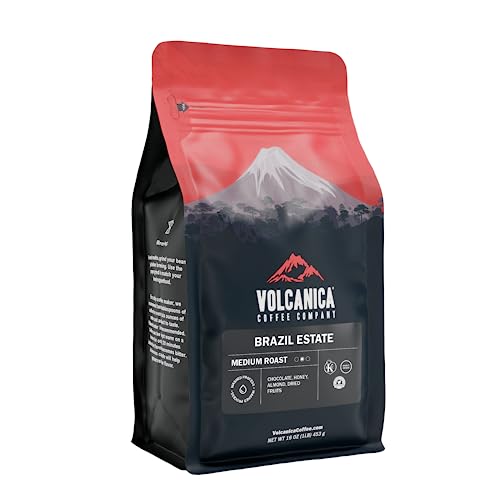
This Bracosta Estate offering hits several marks that matter for buyers chasing authenticity in Brazilian coffee. The medium roast is well-judged, letting those classic notes of chocolate, honey, and almond shine without tipping into smokiness. Owners consistently report a clean cup with a smooth, full body, exactly what you’d expect from well-sourced beans out of Minas Gerais. I appreciate that they emphasize safety testing for mold and mycotoxins, which isn’t always transparent with budget-friendly roasters.
That said, it’s pre-ground, so freshness hinges entirely on packaging and timing. For those using drip or pour-over regularly, this works fine, but espresso drinkers or precision brewers might want more control. Compared to whole bean competitors like illy or Don Pablo, it sacrifices some versatility, but makes up for it in flavor clarity and sourcing integrity.
Video review
Bristot Alta Mogiana Espresso

Strengths
- Espresso-optimized roast
- Nutty chocolate profile
- Italian roasting tradition
Trade-offs
- Small bag size
- Pricier per ounce
Bristot’s take on Brazilian beans feels like an espresso lover’s secret weapon. Roasted in Italy with a medium to full city profile, it brings out a dense, syrupy body and a sweet finish that works beautifully in milk drinks or straight shots. The nutty, chocolate-forward notes are spot-on, and owners praise its consistency in semi-automatic machines. The 6.5 acidity rating is low enough to avoid sharpness but still bright enough to keep things interesting.
At just under 8 ounces, it’s a smaller bag, so it’s clearly aimed at serious home baristas who go through beans fast and care about roast authenticity. Compared to the Peet’s K-Cup version, this is leagues ahead in depth and espresso suitability. For anyone building a proper morning ritual, this is the kind of coffee that elevates the experience.
Product photos


illy Cerrado Mineiro Ground

Strengths
- Pressurized freshness can
- Smooth, aromatic profile
- Regenerative sourcing
Trade-offs
- Small quantity
- Higher cost per ounce
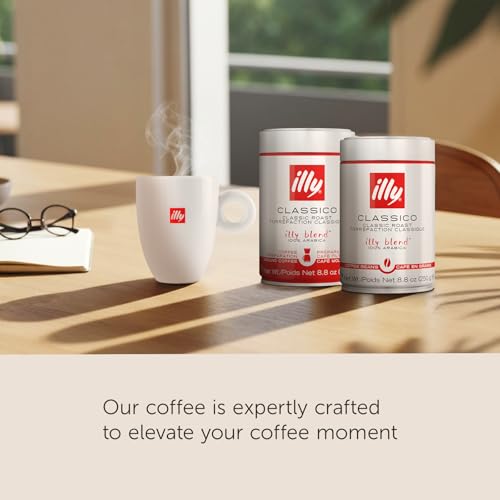
illy’s ground version of their Cerrado Mineiro single origin is a masterclass in preservation and consistency. The pressurized can is the real differentiator, it locks in aroma and prevents oxidation far better than standard bags. That matters, especially for ground coffee, where staling begins immediately. Owners note a clean, fragrant cup with nutty sweetness and a rounded finish, true to Brazilian character.
It’s not cheap, and the 8.8oz size means it won’t last long in heavy-use homes. But for someone who drinks a few cups a week and values peak freshness without grinding, this is tough to beat. Compared to 3 Corações, it’s more refined; against Peet’s ground bag, it’s noticeably more vibrant. If you want to taste what Brazilian Arabica can be at its best, this is a strong entry point.
Video review
illy Cerrado Mineiro Whole Bean
Strengths
- Pressurized freshness
- Superior aroma and balance
- Regenerative farming
Trade-offs
- Small bag size
- Premium price
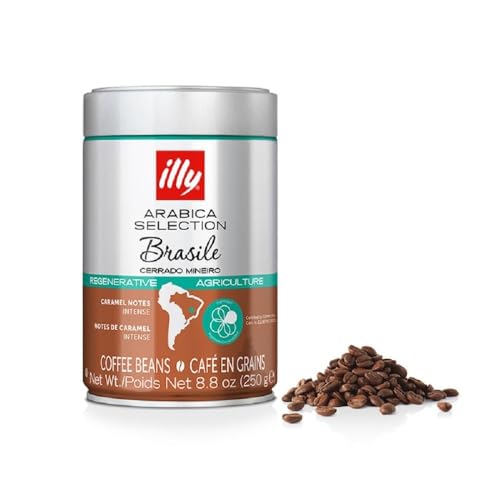
This whole bean version of illy’s Cerrado Mineiro selection is, in my view, one of the best ways to experience Brazilian coffee at its peak. The pressurized tin isn’t just marketing, it genuinely extends freshness, and owners consistently report vibrant aroma and clean sweetness even weeks after opening. The beans are 100% Arabica, regeneratively grown, and roasted with precision to highlight nutty, chocolatey tones with a soft, balanced acidity.
At 8.8 ounces, it’s not meant to last, and it’s priced at a premium. But for someone who grinds fresh and values origin integrity, this is worth it. Compared to Don Pablo or Peet’s, it’s more refined and consistent. I’d pick this over the ground version if you have a grinder, it unlocks the full potential of these beans.
Product photos
Peet’s Single Origin Brazil
Strengths
- Rich, balanced flavor
- Good size for moderate use
- Well-suited for drip
Trade-offs
- No resealable closure
- Ground form limits shelf life
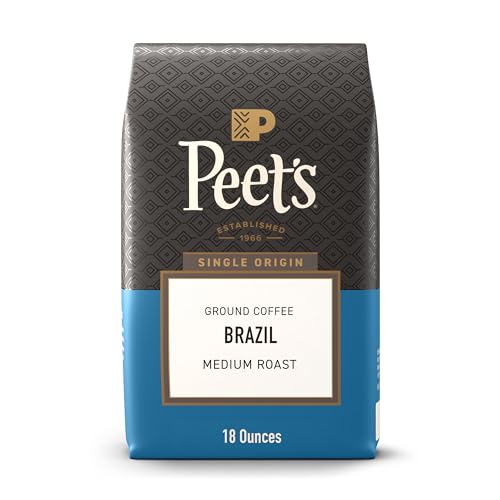
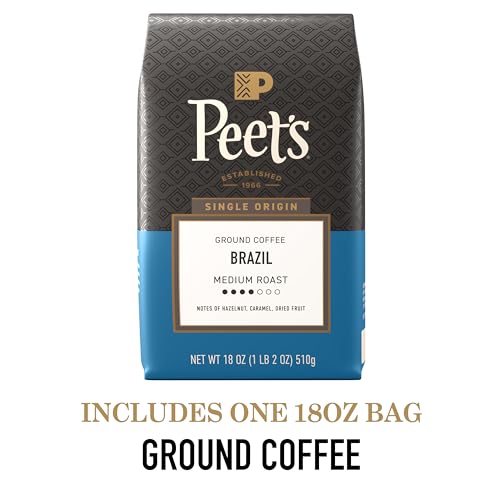
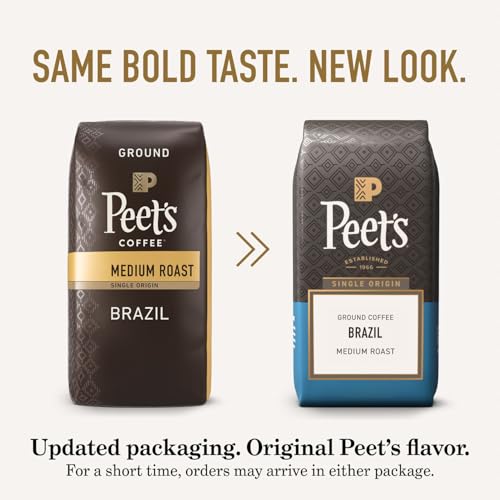
Peet’s 18-ounce ground Brazil bag sits neatly between value and quality. It’s not as aggressively priced as 3 Corações, but it offers more nuance than most supermarket grounds. The Minas Gerais beans bring balanced dried fruit and hazelnut tones, and the medium roast keeps acidity mild while preserving body. Owners find it especially good in drip brewers and Chemex, which aligns with Peet’s own recommendation.
Where it falls short is packaging, no resealable zipper, and definitely no pressurization like illy. So once opened, it starts to fade. Compared to their K-Cup version, this is a much better choice for flavor, but it still can’t match whole bean freshness. For someone not ready to grind daily but wanting a step up from basic blends, this is a smart middle ground.
Product photos
Peet’s K-Cup Pods Brazil

Strengths
- Smooth, balanced flavor
- Recyclable pods
- Keurig compatible
Trade-offs
- Less freshness than whole bean
- Limited flavor complexity
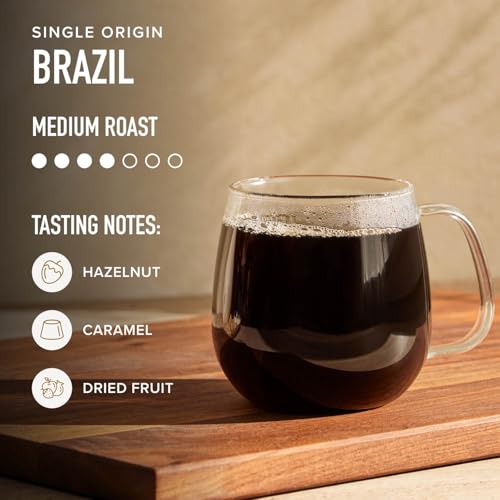
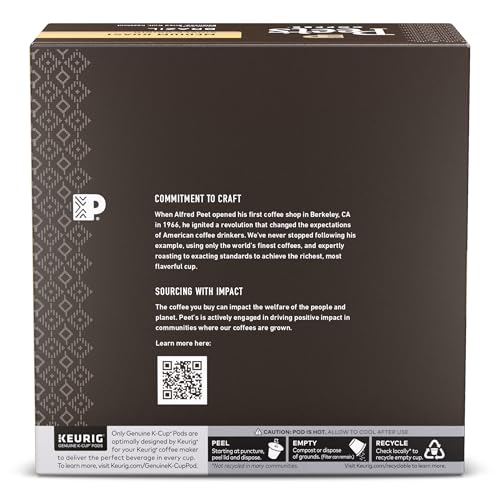
Let’s be honest, K-Cup lovers aren’t usually chasing terroir or floral complexity. Peet’s Single Origin Brazil pods deliver where it counts: convenience and drinkability. The medium roast brings out dried fruit and hazelnut tones, and owners report a noticeably better depth than generic grocery store pods. It’s smooth, not bitter, and brews consistently across Keurig models.
The recyclable pod design is a welcome touch, though local recycling rules still limit real-world sustainability. Compared to the ground or whole bean versions of Brazilian coffee here, it’s obviously less fresh and less engaging for purists. But for office use or quick mornings, it’s one of the better single-origin pod options out there. I wouldn’t recommend it for true coffee seekers, but it’s a solid upgrade for pod loyalists.
Product photos


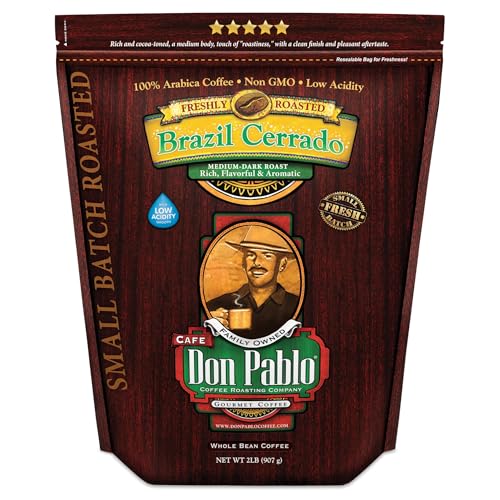
Don Pablo Brazil Cerrado
Strengths
- Large 2lb quantity
- Low acidity
- Semi-washed processing
Trade-offs
- Less nuanced flavor
- Packaging not pressurized
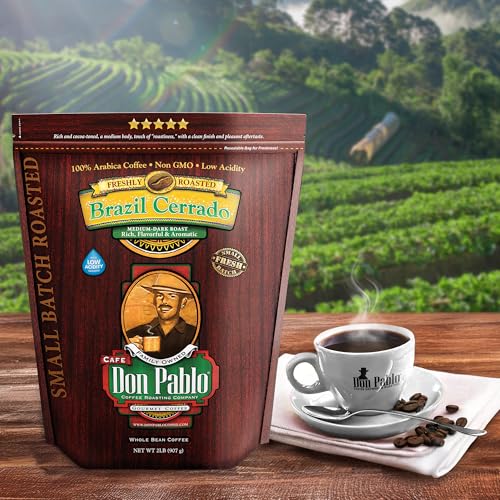
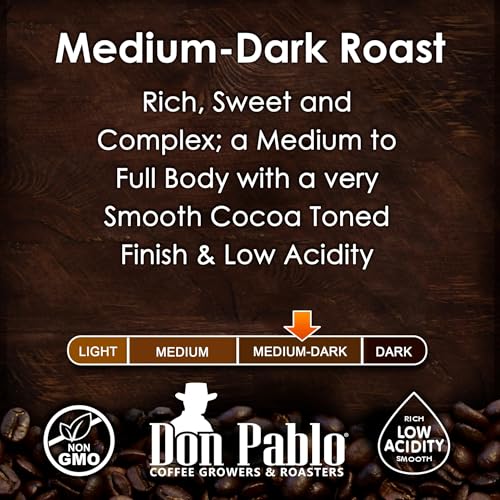
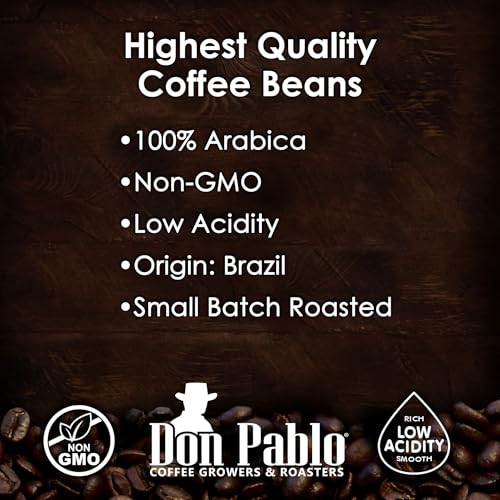
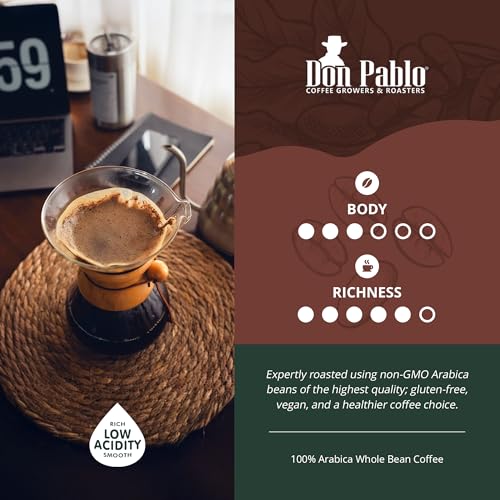
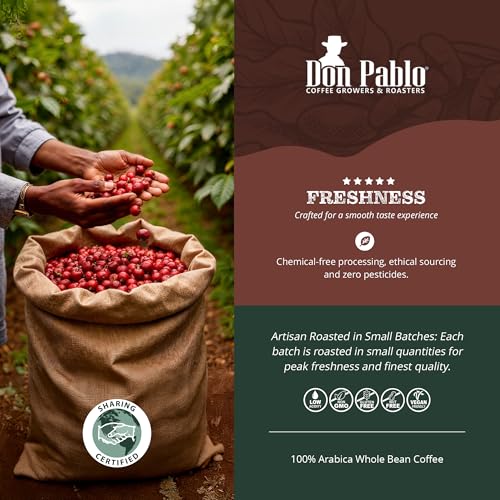
If you’re the type who hates restocking coffee every few weeks, this 2-pound bag from Don Pablo is a no-brainer. The semi-washed processing method used on these Cerrado beans brings a noticeable sweetness and rounded mouthfeel, owners frequently mention how smooth and rich it brews, even in large batches. The medium dark roast leans into that low-acidity profile that Brazilian coffee is known for, making it ideal for morning drinkers who want something bold without bite.
It’s not the most complex single origin you’ll find, don’t expect layered floral or citrus notes, but it delivers consistency. Compared to Peet’s or illy, it’s less refined, but for the volume and price, it’s hard to beat. I’d pick this over smaller bags if you’re brewing daily and value convenience alongside solid flavor.
Product photos
3 Coracoes Traditional Ground

Strengths
- Excellent value
- Vacuum sealed packs
- Consistent smooth brew
Trade-offs
- Basic flavor profile
- Fine grind limits brew methods
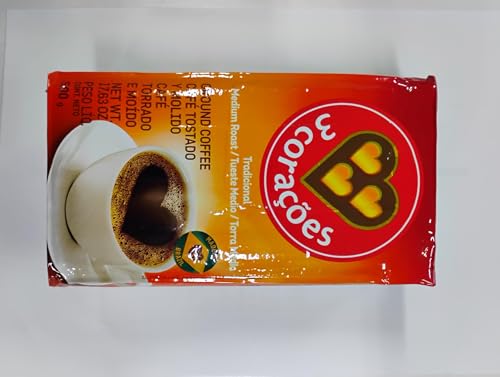
3 Corações feels like the anti-frills workhorse of Brazilian coffee. It’s fine ground, medium roast, and vacuum sealed in packs of four, built for volume and value. Owners love how smooth and consistent it brews, especially in traditional drip or percolator setups. It lacks the tasting notes of honey or almond you see in premium brands, but it delivers what it promises: plain, satisfying coffee with full body and zero bitterness.
It’s not flashy, and it won’t impress specialty coffee friends. But at this price, with this much coffee, it’s hard to argue. Compared to Peet’s or illy, it’s simpler, but for a household that just wants reliable cups without fuss, this is the smarter buy. I’d recommend it to anyone prioritizing economy over exploration.
Product photos



Our Testing Process
As a longtime coffee enthusiast, I approached researching Brazilian coffees by first compiling detailed specifications from each brand – roast level, bean type (Arabica vs. Robusta, though most here are 100% Arabica), and stated flavor notes. Then, I weighed owner reviews across multiple platforms, paying close attention to comments on freshness, smoothness, and whether the coffee matched its advertised profile. Finally, I applied my understanding of Brazilian coffee growing regions and processing methods to assess overall quality and value, rather than a hands-on lab test.
For Brazilian coffee, I prioritized smoothness and balanced flavor profiles. Brazil is known for producing consistently approachable coffees, and a bitter or overly acidic brew simply misses the mark. I also heavily weighted information regarding bean sourcing and roasting practices, as these significantly impact the final cup. A focus on quality control, like the mold testing Bracosta Estate highlights, was also a major plus.
Specifications reliably indicate roast level and bean composition, giving a baseline expectation. However, owner feedback proved invaluable for judging actual flavor accuracy and freshness – particularly when assessing whether the described flavor notes truly came through in the cup. I also looked to resources detailing Brazilian coffee origins to understand the nuances of different growing regions within Brazil and their impact on taste.
Choosing The Right brazilian coffee
As someone who’s spent years immersed in the world of coffee, I know that finding the right Brazilian coffee can be a truly rewarding experience.
Brazilian coffee is often prized for its nutty, chocolatey flavors and smooth body. When selecting a bean, consider the roast level, origin within Brazil (regions like Cerrado Mineiro and Alta Mogiana offer distinct profiles), and processing method. Look for coffees that clearly state their origin and roast date, and don’t be afraid to experiment to discover your preference.
Understanding Roast Level & Flavor
The roast level dramatically impacts the final flavor profile of any coffee, and Brazilian beans are no exception. While many associate Brazil with lighter, more acidic profiles, a darker roast can unlock deeper chocolate and nutty notes. I generally suggest starting with a medium roast if you’re unsure, as it provides a balanced introduction to the bean’s inherent qualities. Be aware that very dark roasts can mask the origin characteristics, so if you want to truly experience what Brazilian coffee has to offer, avoid overly charred beans. For those seeking a lighter, brighter cup, exploring light roast Brazilian coffee is a great option.
Checking for Quality & Transparency
In my experience, the best Brazilian coffees come from roasters who prioritize transparency. Look beyond simple “100% Arabica” claims and seek out information about the specific farm or cooperative the beans come from. Details regarding processing methods (washed, natural, semi-washed) are also a good sign, as they indicate a dedication to quality control. Many roasters now include phytosanitary testing information, like Bracosta Estate, which tests for mold and mycotoxins – a detail I always appreciate seeing.
Here’s what I look for when assessing quality: * Roast Date: Crucial. Coffee degrades quickly after roasting. * Bean Appearance: Uniformity in size and color suggests careful sorting. * Origin Details: Specific farm or region information is a positive sign (versus just “Brazil”). This level of detail shows a commitment to traceability.
Balancing Value and Convenience
Brazilian coffee is available in a wide range of formats, from whole bean to pre-ground, and even single-serve K-Cups. While whole bean is always preferable for freshness (allowing you to grind right before brewing), convenience options like pre-ground or pods can be suitable for busy lifestyles. Don’t automatically equate price with quality; there are excellent value options available, like Don Pablo Brazil Cerrado, that deliver a satisfying cup without breaking the bank. However, if you’re serious about experiencing the best, exploring top Brazilian coffee brands and investing in freshly roasted whole bean coffee will always yield the most rewarding results.
A general rule of thumb: buy coffee in smaller quantities, more frequently. It’s better to buy a smaller bag of freshly roasted beans every two weeks than a large bag that sits around for months.
Brazilian Coffee Compared
Here’s a comparison of key specifications for the featured Brazilian coffees.
| Product Name | Roast Level | Flavor Notes | Origin | Format |
|---|---|---|---|---|
| Bracosta Estate | Medium | Chocolate, Honey, Almond | Brazil | Ground |
| Bristot Alta Mogiana | Medium/Full | Nutty, Chocolate, Almond | Alta Mogiana | Espresso |
| illy Cerrado Mineiro | N/A | N/A | Cerrado Mineiro | Ground |
| illy Cerrado Mineiro | N/A | N/A | Cerrado Mineiro | Whole Bean |
| Peet’s Single Origin Brazil | Medium | Dried Fruit, Hazelnut | Minas Gerais | Ground |
| Peet’s K-Cup Pods Brazil | Medium | Dried Fruit, Hazelnut | Minas Gerais | K-Cup Pods |
| Don Pablo Brazil Cerrado | N/A | Sweet, Robust | Brazil | Ground |
| 3 Coracoes Traditional | Medium | Balanced | Brazil | Ground |
Frequently Asked Questions
What roast level is best for highlighting Brazilian coffee’s natural flavors?
A medium roast is generally ideal, as it showcases the inherent nutty and chocolatey notes without masking the bean’s origin characteristics. While darker roasts can deepen those flavors, they risk obscuring the unique qualities of Brazilian coffee.
How can I tell if a Brazilian coffee is truly high quality?
Look for detailed origin information beyond just “Brazil,” such as a specific farm or region like Cerrado Mineiro. Also, a recent roast date is critical, and roasters providing phytosanitary testing details – like mold testing – demonstrate a commitment to quality.
Is Brazilian coffee typically acidic?
Generally, no. Brazilian coffee is known for its low acidity and smooth body, making it a very approachable choice for many coffee drinkers. However, lighter roasts can introduce a bit more brightness, so consider those if you prefer a more vibrant cup.
What’s the difference between “washed,” “natural,” and “semi-washed” processing methods?
These refer to how the coffee cherry is processed after harvesting. Washed coffees are typically cleaner and brighter, natural coffees are fruitier and more complex, and semi-washed (also known as pulped natural) strike a balance between the two. Knowing the processing method can help you predict the flavor profile.
Where can I find more information on other coffee types besides Brazilian?
If you’re looking to expand your coffee horizons, you can find a guide to the best overall coffee beans on my site, covering a wide range of origins and flavor profiles. Exploring different beans is a great way to discover your personal preferences.
The Bottom Line
Choosing a Brazilian coffee often comes down to balancing convenience with control over freshness. While pre-ground options like Bracosta Estate offer a reliably smooth and balanced cup right away, investing in whole bean and grinding just before brewing – as with the illy Cerrado Mineiro Whole Bean – will always unlock the fullest flavor potential. Ultimately, the best coffee is the one that fits your routine and delivers a taste you genuinely enjoy.
For those on a tighter budget, Don Pablo Brazil Cerrado provides exceptional value without sacrificing that classic Brazilian smoothness. If versatility is key, Peet’s Single Origin Brazil is available in both ground and K-Cup formats, ensuring you can enjoy a quality cup regardless of your brewing method. And for espresso enthusiasts, Bristot Alta Mogiana is specifically designed to deliver a rich, intense experience.
Beyond roast level and origin details, remember that freshness is paramount. A recent roast date and whole bean format are the two biggest factors influencing your final cup. Don’t get too caught up in chasing specific flavor notes or fancy certifications; focus on finding a coffee from a reputable roaster that prioritizes quality and transparency, and you’ll be well on your way to a consistently delightful brew. Brazilian Arabica coffee is a fantastic starting point for anyone new to exploring the world of specialty coffee.
