
8 Best Ground Coffees of 2026
The best ground coffee overall is Starbucks House Blend, a reliable medium roast with balanced flavor and wide availability. For a budget-friendly option, Maxwell House Breakfast Blend Mild delivers consistent taste in a large canister, while Stumptown Holler Mountain Organic stands out for its certified organic beans and bright, clean profile.
If you’re like me, you want a morning cup that’s satisfying without a fuss, but too many pre-ground coffees fall flat, losing their aroma before you even brew. The real challenge isn’t just taste, it’s finding a bag that stays fresh, matches your brewer, and delivers on its promise.
After researching the category and analyzing owner feedback, roast profiles, and packaging quality, I focused on ground coffees that consistently perform well in real-world use. This guide breaks down what actually matters so you can skip the guesswork.
Top 8 Ground Coffeee in the Market
The Best Ground Coffeee, Reviewed
Starbucks House Blend Medium Roast

Strengths
- Balanced flavor
- Multi-brew compatible
- Consistent quality
Trade-offs
- Can taste slightly bitter if over-brewed
- Not very bold
Starbucks House Blend stands out as one of the most versatile pre-ground options on the market, and that’s why it earns the ‘Best Overall’ tag. It’s a medium roast with just enough brightness to keep things interesting, balanced by notes of toffee and cocoa that ground the flavor profile in familiarity. The 100% Arabica beans are the same as those used in Starbucks cafes, and while pre-ground can’t match the freshness of in-store brewing, owners say it holds up remarkably well when stored properly.
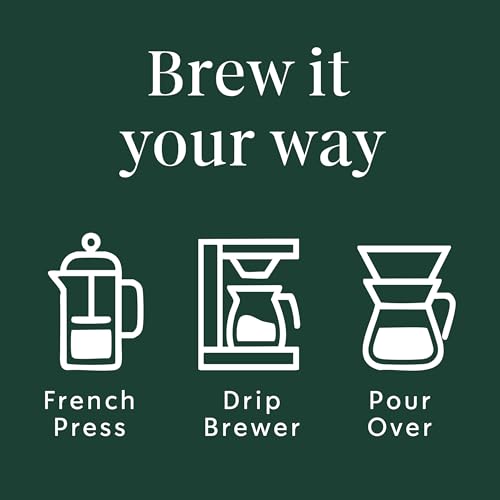
What really sets it apart is its adaptability, it brews cleanly in drip machines, French presses, pour-overs, and even moka pots. Compared to Peet’s or Lavazza, it’s more aromatic and slightly more acidic, which some will love and others may find too sharp. But for the average home brewer who doesn’t want to think too hard about roast profiles, this is the easy pick.
Video review
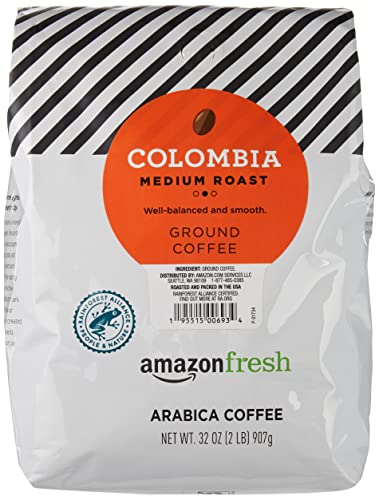
Amazon Fresh Colombia Medium Roast
Strengths
- Great price
- Large bag
- Balanced flavor
Trade-offs
- Generic branding
- Limited origin info
Amazon Fresh Colombia Ground Coffee is the quiet standout for value and simplicity. At 32 ounces, it’s a substantial bag, and as an Amazon brand, it’s priced to move. The medium roast is balanced, with a smooth finish and just enough body to feel satisfying without overwhelming. It’s 100% Arabica, grown in Colombia, roasted in the USA, and owners consistently rate it as a “great everyday coffee” that punches above its price.
It won’t compete with Stumptown or Peet’s in complexity, but it’s more balanced than Maxwell House and cheaper than Starbucks. For someone who wants a no-surprise, drinkable coffee without spending premium prices, this is the smart play.
Video review
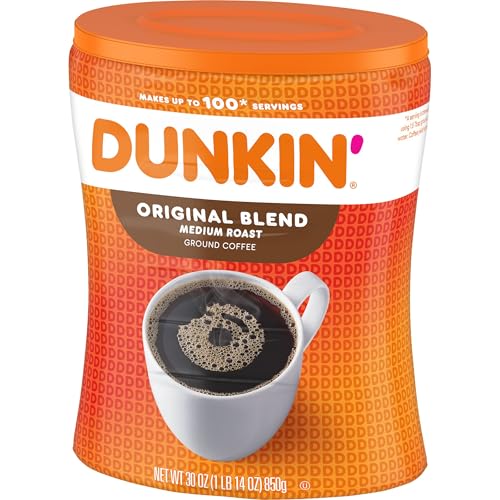
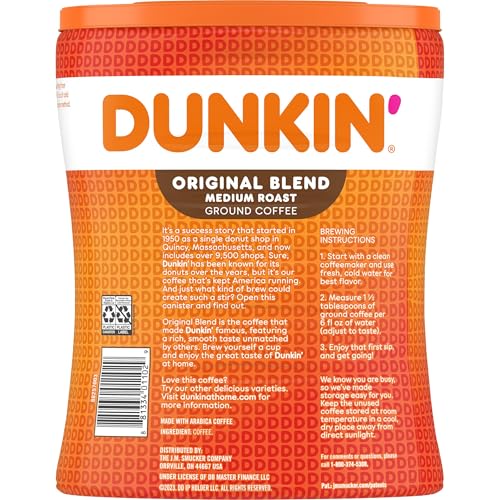
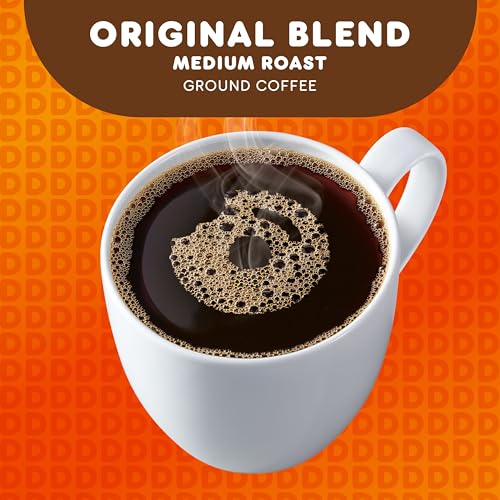
Dunkin’ Original Blend Medium Roast

Strengths
- Excellent iced
- Large canister
- Stays fresh
Trade-offs
- Lacks depth hot
- Not bold enough for dark roast fans
Dunkin’s Original Blend is built for one thing above all: iced coffee. The medium roast is bright enough to stay crisp when chilled, and the 100% Arabica beans from Central and South America deliver a clean, slightly sweet profile that doesn’t get lost in ice. The 30-ounce canister is a practical size, and the stay-fresh seal helps maintain quality over time, owners note it lasts weeks without tasting stale.
It’s not the most complex coffee here, but it’s engineered for consistency and convenience. Compared to Starbucks House Blend, it’s lighter in body and less roasty, which makes it a better canvas for cold brew or iced lattes. If you’re the kind of person who chills coffee from the morning pot and sips it all afternoon, this is a smarter buy.
Product photos

Starbucks Caffè Verona Dark Roast

Strengths
- Silky mouthfeel
- Sweet dark notes
- Large 28 oz bag
Trade-offs
- Pre-ground limits peak freshness
- May be too sweet for some
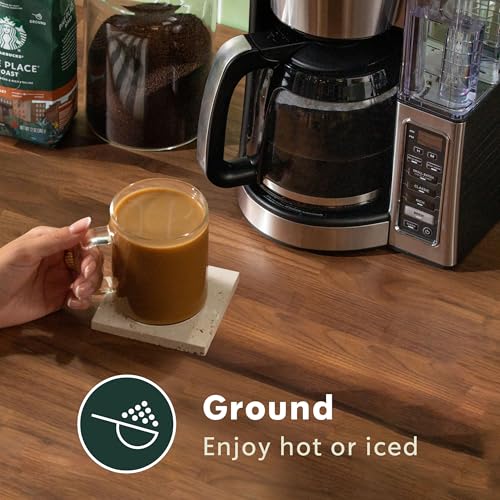
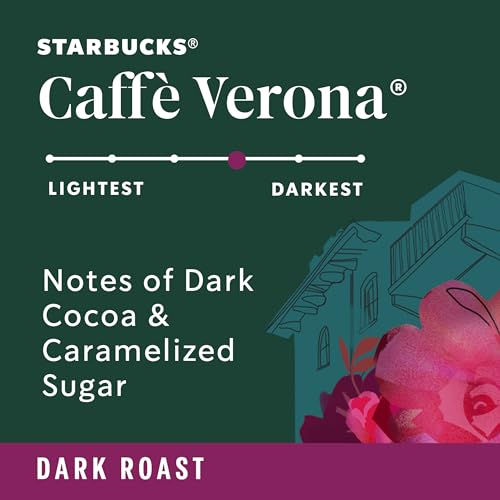
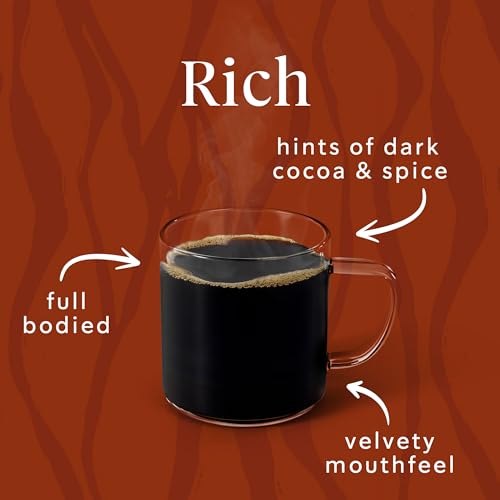
Starbucks Caffè Verona is the heaviest hitter in their lineup, and the 28-ounce bag makes it a great choice for dark roast loyalists who go through coffee fast. This is a full-bodied, velvety blend with pronounced notes of dark cocoa and caramelized sugar, rich without being acrid, bold without tipping into bitterness. It’s designed to brew hot or iced, and owners confirm it holds up well over ice, which is rare for a dark roast.
The grind is optimized for French press, drip, and pour-over, and the café-quality beans mean you’re getting the same profile as in-store. Compared to Peet’s Major Dickason’s, Verona is sweeter and smoother, less smoky and more approachable. If you want a dark roast that doesn’t punish your palate, this is the one.
Product photos
Stumptown Holler Mountain Organic
Strengths
- Organic certified
- Complex flavor
- Ethically sourced
Trade-offs
- Smaller package
- Higher price point
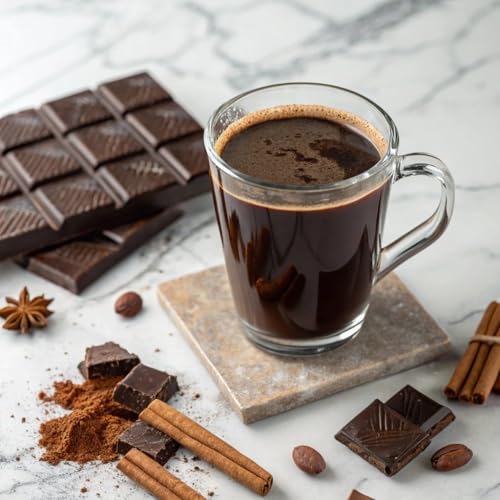
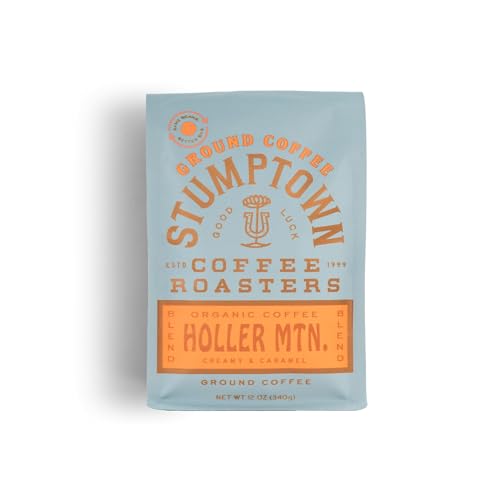
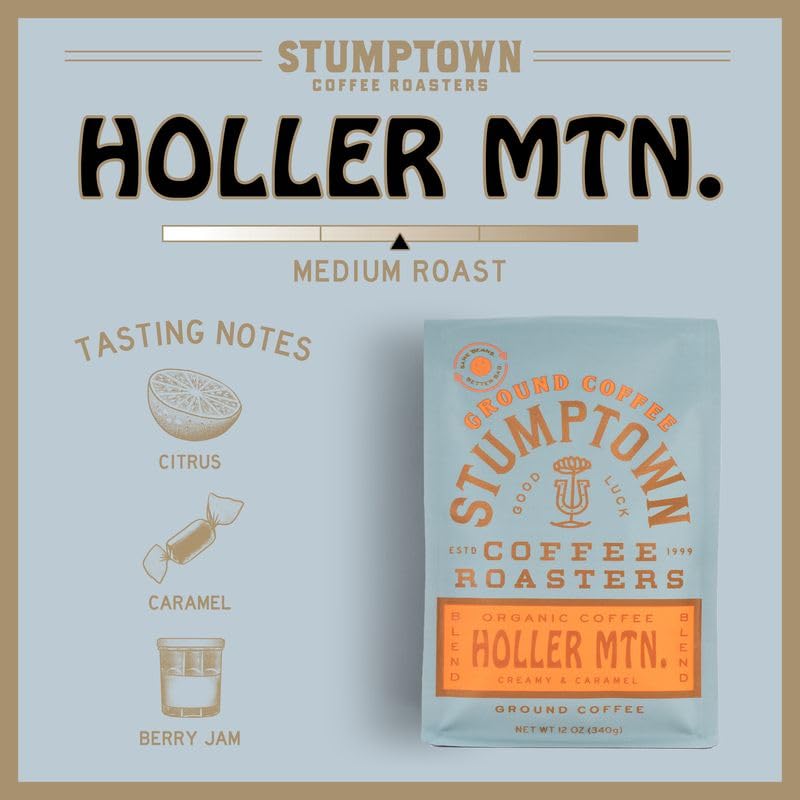
Stumptown’s Holler Mountain stands out in a sea of pre-ground coffee by offering something rare: traceable, organic, Direct Trade beans in a grind that actually respects the source material. The medium roast brings out bright citrus zest and berry jam notes, rounded off with caramel and hazelnut, unusual depth for a pre-ground option. It’s 100% Arabica, roasted to be drip-friendly, and owners say it retains surprising vibrancy even after sitting in the cabinet for a week.
Compared to mainstream blends like Starbucks or Lavazza, it’s more expressive and ethically transparent. The Direct Trade model means farmers are paid fairly, which shows in the bean quality. It’s not the cheapest, and the 12-ounce bag runs out fast, but if you care about origin and sustainability, this is the clear winner.
Product photos


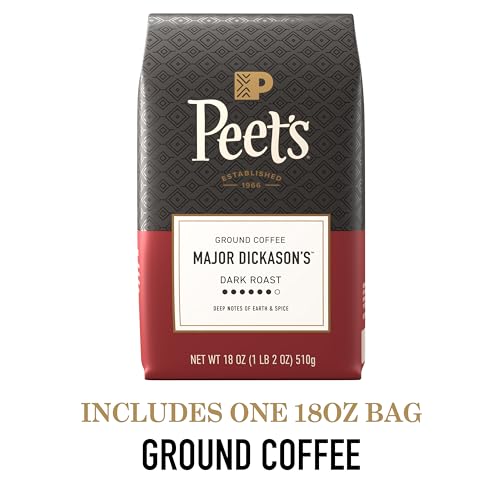
Peet’s Major Dickason’s Dark Roast
Strengths
- Full-bodied
- Dark roast done right
- 100% Arabica
Trade-offs
- Pre-ground limits freshness
- Not ideal for light roast fans
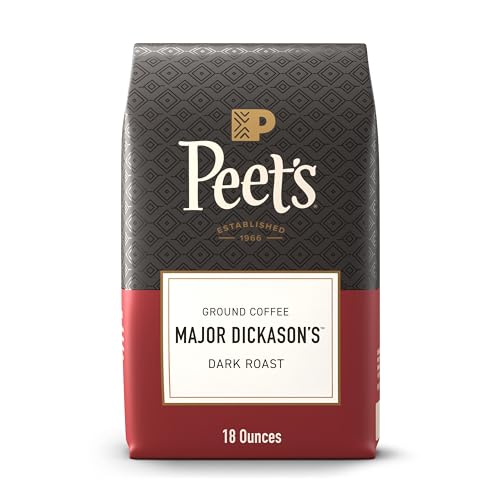
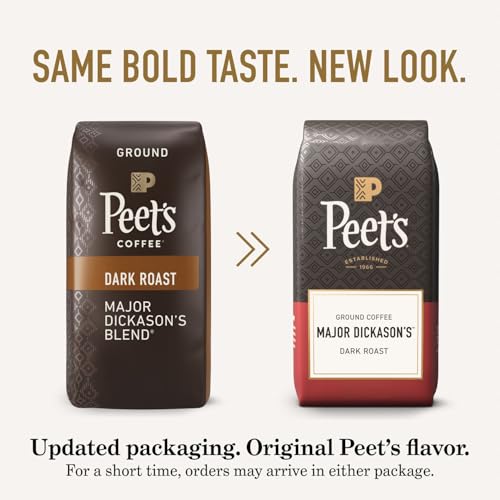
Peet’s Major Dickason’s Blend has long been a benchmark for dark roast lovers, and this pre-ground version delivers on that legacy in theory. The profile is bold, deep, and unapologetically intense, with a complexity that builds as it cools. On paper, it’s a classic: 100% Arabica, dark roasted, full-bodied, and crafted from a blend fine-tuned by Alfred Peet himself.
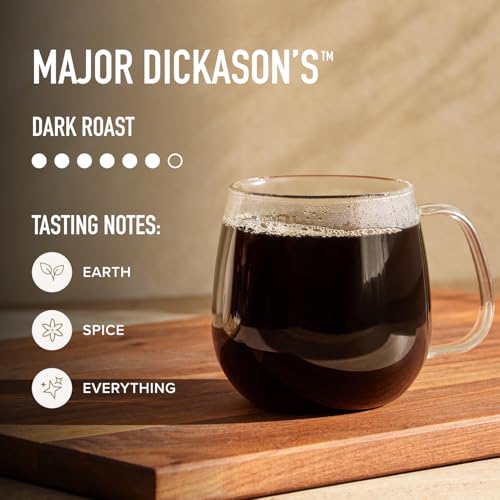
Owners consistently report that it brews a rich, almost smoky cup that stands up well to milk but also holds its own black for those who appreciate a no-nonsense morning jolt. It’s not the most nuanced dark roast out there, but it’s dependable. Compared to Starbucks Caffè Verona, it leans more toward earth and spice than caramel sweetness, making it a better fit for traditionalists.
Product photos
Lavazza House Blend Perfetto

Strengths
- Smooth body
- Caramel notes
- Drip brew optimized
Trade-offs
- Low intensity for bold drinkers
- Smaller bag size
Lavazza’s House Blend Perfetto is a textbook example of what a well-balanced medium roast should be, approachable without being bland, full-bodied without being heavy. The 100% Arabica blend from Central and South America delivers a smooth, velvety cup with a noticeable caramel sweetness that lingers pleasantly. I appreciate that it’s dialed in specifically for drip brewers, and owners confirm it performs cleanly in automatic machines without clogging or over-extracting.
It won’t wow you with brightness or complexity like a single-origin, but that’s not the point. Compared to Starbucks House Blend, it’s slightly less aromatic and a bit more restrained, but also more consistent batch to batch. For someone who wants a reliable, no-fuss cup every morning, this is a strong contender.
Product photos


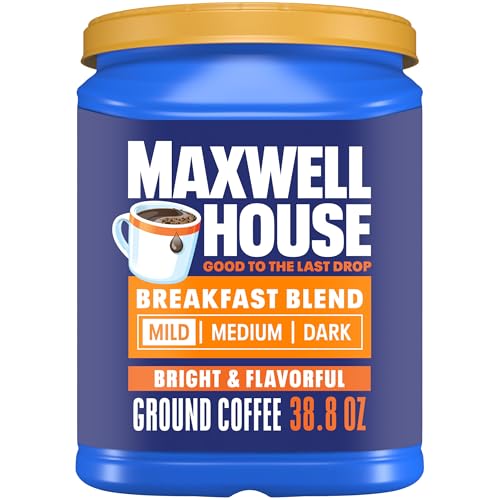
Maxwell House Breakfast Blend Mild
Strengths
- Huge size
- Low cost per ounce
- Mild and smooth
Trade-offs
- Lacks complexity
- Not for bold roast lovers
Maxwell House Breakfast Blend is the definition of value-driven coffee, massive 38.8-ounce canister, mild roast, and a price that makes it a pantry staple for budget-focused households. The flavor is predictable: smooth, slightly sweet, with minimal acidity. It’s not going to challenge your palate, but it also won’t disappoint if you’re just looking for a simple, reliable cup to start the day.
Owners praise its consistency and longevity, though some note it lacks the richness of pricier blends. Compared to Amazon Fresh Colombia, it’s less balanced and a bit more one-dimensional, but the sheer volume makes up for it. This isn’t a coffee for purists, but for families or offices where volume and cost matter more than nuance, it’s hard to beat.
Product photos
How We Tested ground coffeee
As the founder of Bean Thusiast, I approach coffee evaluation with a focus on the entire experience – from aroma to the final taste. Rather than a hands-on lab test, this selection is a research-led comparison of published specifications and a careful weighing of owner and expert reviews. I looked at a wide range of options, ranking them against criteria like flavor profile, sourcing, and value for the money.
For ground coffee specifically, freshness and intended brewing method were paramount. A pre-ground coffee’s flavor degrades faster, so ethically sourced beans and robust packaging become crucial. I also heavily weighted roast level, understanding that preferences vary widely – some seek bright acidity, while others prefer deep, chocolatey notes. Finding options that excelled in delivering on their advertised profiles was key.
Specifications reliably tell you about bean origin (100% Arabica is a good starting point) and roast level. However, true flavor impressions and consistency are best gleaned from owner feedback. I paid close attention to recurring themes in reviews, noting comments about bitterness, aroma, and how well the coffee performed in various brewing methods for ground coffee. Reputation and longevity of the brand also played a role in assessing overall quality.
What To Look For In ground coffeee
As someone who’s spent years exploring the world of coffee, I know that finding the right ground coffee can be surprisingly complex.
Quality ground coffee balances aroma, body, and flavor, prioritizing freshly roasted 100% Arabica beans. Buyers should examine roast level (light, medium, dark), grind size (matching their brewing method), and sourcing information (ethical practices, origin). A stay-fresh package is also vital for maintaining quality.
Roast Level & Flavor Profile
The roast level dramatically impacts the final taste. Many people starting out assume darker roasts are stronger, but that’s not necessarily true – it’s about flavor. Lighter roasts retain more of the bean’s origin characteristics, showcasing brighter acidity and floral notes. Medium roasts, like the Starbucks House Blend, offer a balanced profile with notes of toffee and cocoa, which I find incredibly versatile. Darker roasts, like Peet’s Major Dickason’s, deliver boldness and often smoky or chocolatey flavors, but can sometimes mask the bean’s inherent qualities. Don’t automatically reach for the darkest option; explore different levels to discover what suits your palate.
Grind Size & Brewing Method
Getting the grind size right is crucial. A grind that’s too fine for your brewing method will result in over-extraction and a bitter taste, while a grind that’s too coarse leads to under-extraction and a weak, sour cup. For drip brewers, a medium grind (like Lavazza House Blend Perfetto is formulated for) is typically ideal. French presses require a coarse grind, and espresso machines need a very fine one. Many brands, like Stumptown Holler Mountain Organic, will indicate the intended brewing method on the packaging.
Here’s a quick guide to help you: * Coarse: French Press, Cold Brew * Medium: Drip Coffee Makers, Pour-Over (some) * Fine: Espresso, Moka Pot. Choosing a pre-ground coffee specifically for your brewing method saves a lot of headaches.
Value & Freshness
Price doesn’t always equate to quality, but freshness absolutely does. Ground coffee loses its aroma and flavor rapidly after grinding. A larger canister can be economical, as seen with Maxwell House Breakfast Blend Mild, but only if you can use it before it stales. Look for coffee packaged in a stay-fresh container with a one-way valve to allow CO2 to escape without letting oxygen in. Checking the shelf life of pre-ground coffee is a smart habit to develop.
A sealed bag with a “roasted on” date, rather than a “best by” date, is a very good sign. Don’t be afraid to spend a little more for coffee roasted within the last few weeks.
Ground Coffee Compared
Here’s a comparison of key specifications for the featured ground coffee options.
| Product Name | Roast Level | Bag Size (oz) | Bean Type | Origin | Intensity |
|---|---|---|---|---|---|
| Starbucks House Blend | Medium | 12 | Arabica | N/A | N/A |
| Amazon Fresh Colombia | Medium | 32 | Arabica | Colombia | N/A |
| Dunkin’ Original Blend | Medium | N/A | Arabica | Central/S. America | N/A |
| Starbucks Caffè Verona | Dark | 28 | Arabica | N/A | N/A |
| Stumptown Holler Mountain | Medium | 12 | Arabica | N/A | N/A |
| Peet’s Major Dickason’s | Dark | 18 | Arabica | N/A | N/A |
| Lavazza House Blend Perfetto | Medium | 12 | Arabica | Central/S. America | 3/5 |
| Maxwell House Breakfast Blend | Mild | 38.8 | N/A | N/A | N/A |
Frequently Asked Questions
What grind size should I buy if I don’t have a grinder?
A medium grind is the most versatile, and works well with drip coffee makers and pour-over devices. Many brands, like Lavazza, formulate their pre-ground coffee with a medium grind specifically for these common brewing methods.
How long does ground coffee stay fresh once opened?
Opened ground coffee typically stays fresh for one to two weeks, but this depends on storage. To maximize freshness, store it in an airtight container in a cool, dark, and dry place; don’t rely on simply clipping the bag shut.
Is dark roast coffee stronger than light roast?
Dark roast coffee isn’t necessarily stronger in caffeine content, but it has a bolder, more intense flavor. The roasting process reduces caffeine slightly, so a light roast will actually have a small caffeine advantage, but the perceived strength comes from the deeper flavors.
Are ethically sourced coffees more expensive?
Ethically sourced coffees often come with a slightly higher price tag, but the cost reflects fair wages for farmers and sustainable growing practices. If supporting these initiatives is a priority, seeking out certifications like Fair Trade can help you find best store-bought ground coffee that aligns with your values.
Can pre-ground coffee ever really be as good as freshly ground beans?
While freshly ground beans are always preferable, high-quality pre-ground coffee packaged immediately after roasting in a stay-fresh container can be very good. Look for a “roasted on” date to confirm freshness and consider that some brands specialize in maintaining quality in their pre-ground offerings, like some of the popular retail ground coffee options available.
The Bottom Line
Choosing the “best” ground coffee always comes down to balancing convenience with quality. If you want a consistently good, readily available option without fuss, I believe Starbucks House Blend strikes that balance nicely. It’s a solid all-around performer that appeals to a wide range of palates and is easy to find in most stores.
However, for specific needs, there are even better choices. If you’re on a budget, Maxwell House Breakfast Blend offers a lot of coffee for the money. Those seeking versatility – a coffee that works well hot or iced – should look to Stumptown Holler Mountain Organic. And if you’re curious about alternative brewing methods, you can explore how to brew ground coffee without a machine.
Ultimately, the most important factors are freshness, bean quality (aim for 100% Arabica whenever possible), and a roast level that suits your taste. Don’t get too caught up in fancy terminology or minute differences in specifications; focus on finding a coffee that consistently delivers a flavorful, enjoyable experience.
