
8 Best Store Bought Ground Coffees of 2026
The best store bought ground coffee overall is Starbucks House Blend, a balanced medium roast that delivers consistent flavor across brews. For a budget-friendly option, Dunkin’ Original Blend stands out for its reliable taste and sturdy canister. If you want something more distinctive, Amazon Fresh Nicaragua Medium Roast offers a bright, chocolatey profile from a single origin.
Most of us don’t have time to grind fresh beans every morning, but that shouldn’t mean settling for flat, stale coffee. The real challenge with pre-ground is finding one that still tastes vibrant and true to its origin, not just convenient. After researching roast profiles, sourcing practices, and thousands of owner reviews, I focused on coffees that balance freshness, flavor, and value. This guide cuts through the noise to highlight the ones that actually deliver on the promise of a good cup.
Top 8 Store Bought Ground Coffee in the Market
The Best Store Bought Ground Coffee, Reviewed
Starbucks House Blend Medium Roast

Strengths
- Well-balanced flavor
- Versatile brewing
- Ethically sourced
Trade-offs
- Commonplace profile
- Not for purists
- Aroma fades with time
If you’ve ever had a drip coffee at a Starbucks, you know exactly what this is: balanced, familiar, and built for broad appeal. The House Blend delivers notes of toffee and cocoa in a medium roast that’s neither too sharp nor too flat. It’s consistently rated as one of the most reliable store-bought options, and owners confirm it brews well across methods, drip, French press, even moka pot.
What sets it apart from competitors like Maxwell House or Eight O’Clock is its depth. It’s not exotic, but it’s more layered than most budget blends. The ethical sourcing commitment and café-grade roasting process matter to buyers who want a known standard. Compared to Amazon Fresh single-origin picks, it’s less adventurous, but more universally satisfying.
Video review
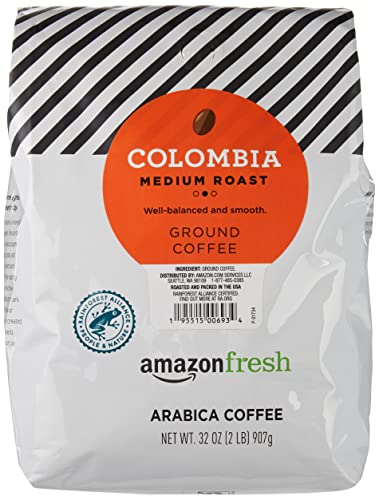
Amazon Fresh Colombia Medium Roast
Strengths
- 32 oz value pack
- Smooth full body
- Consistent flavor
Trade-offs
- Less aromatic
- Generic packaging
- Not origin-specific
Let’s be clear, this is the volume king. At 32 ounces, it’s the largest bag here, and for households that brew multiple pots a day, that’s a standout. It’s 100% Colombian Arabica, medium roast, with a balanced, full-bodied profile and smooth finish. Reviewers consistently say it tastes fresher than expected for the price, and the U.S. roasting adds credibility.
Compared to Eight O’Clock or Maxwell House, it holds its own in flavor while offering better value. It’s not as nuanced as the Nicaraguan single-origin, but it’s more consistent over time. If you want a big bag of dependable, slightly richer-than-average coffee without paying for branding, this is it. The Amazon Fresh label keeps costs down, and the quality stays up.
Video review
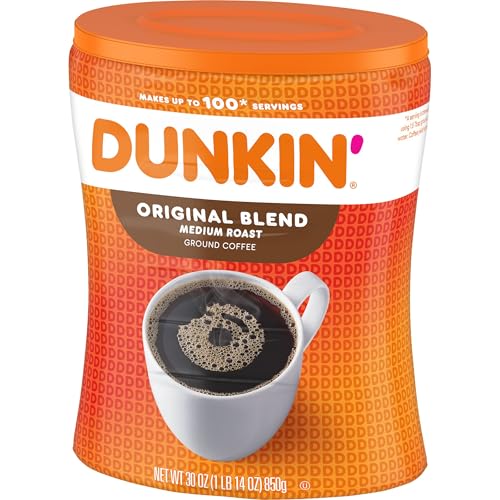
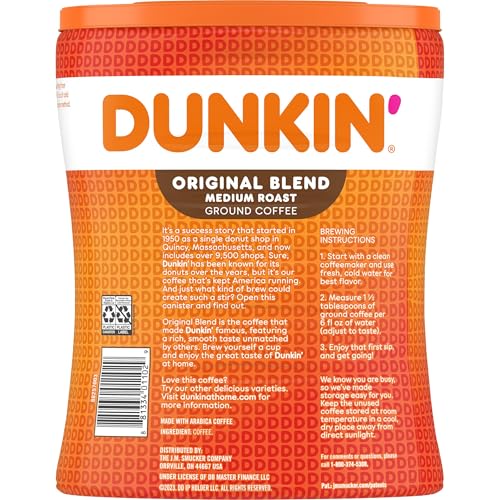
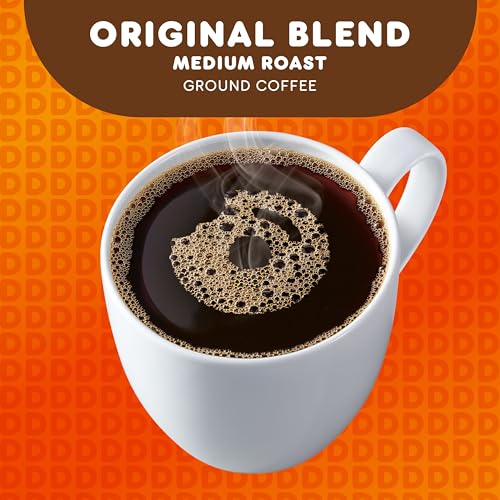
Dunkin’ Original Blend Medium Roast

Strengths
- Great for iced coffee
- Stay-fresh canister
- Reliable taste
Trade-offs
- One-dimensional flavor
- Can taste thin
- Plastic container
This coffee is engineered for the morning grind, no fuss, no surprises. The Original Blend leans into its diner-coffee roots with a clean, medium-roast profile that’s equally at home in a hot pot or an iced coffee pitcher. Owners love that it brews strong without turning bitter, and the stay-fresh canister helps maintain quality over weeks.
It’s not trying to be artisanal, and that’s its strength. Compared to Caribou or Kauai, it’s flatter in flavor, but it’s built for high-volume, high-reliability use. If your routine involves a travel mug and a rush out the door, this delivers. The 100% Arabica claim adds a step up from cheaper grocery blends, and the Central/South American sourcing keeps it balanced.
Product photos

Caribou Blend Medium Roast

Strengths
- Smooth, balanced
- Sweet berry notes
- Small batch roasted
Trade-offs
- Not ideal for espresso
- Medium strength
- Limited availability
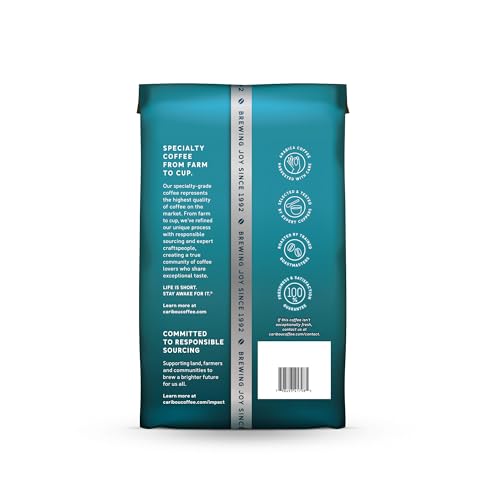
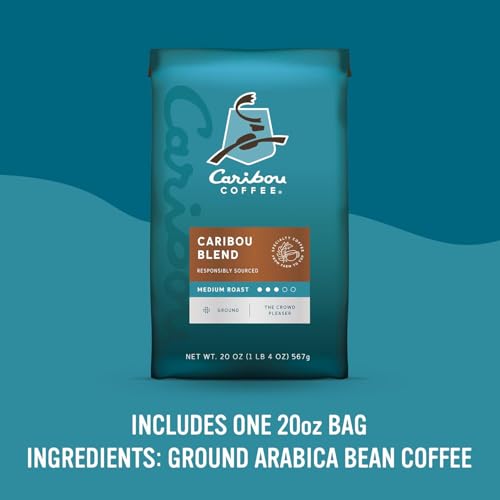
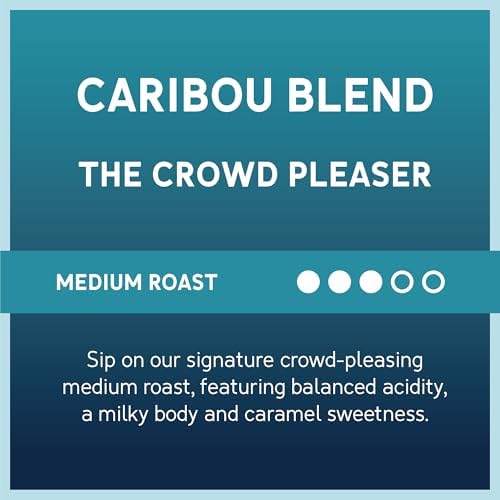
Caribou Blend stands out for its smooth, harmonious profile, a medium roast with sweet, spicy, and berry-like notes that owners describe as ‘relaxing’ and ‘down-to-earth.’ It’s Rainforest Alliance certified, small-batch roasted in Minneapolis, and made from 100% Arabica beans, which shows in the cup’s clarity.
Compared to Starbucks or Dunkin’, it’s more refined and less mass-market tasting. It brews beautifully in drip or Chemex, though the brand rightly suggests whole bean for French press or cold brew. It doesn’t have the exotic flair of Kauai, but it’s more interesting than Eight O’Clock or Maxwell House. For those wanting a step up from chain coffee without going full specialty, this is a strong contender.
Product photos
Kauai Coffee Koloa Estate
Strengths
- Unique Hawaiian origin
- Smooth, no bitterness
- Bright floral notes
Trade-offs
- Small 10 oz bag
- Higher price per oz
- Limited availability
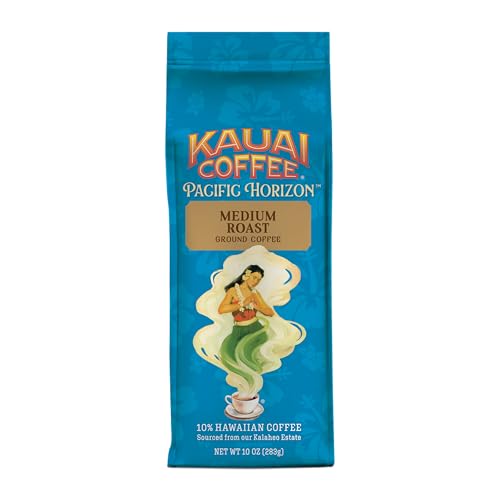
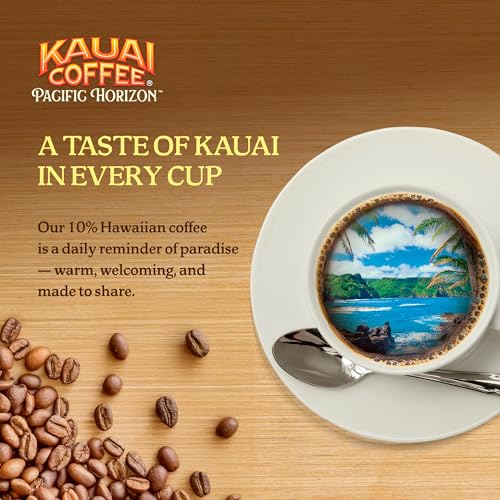
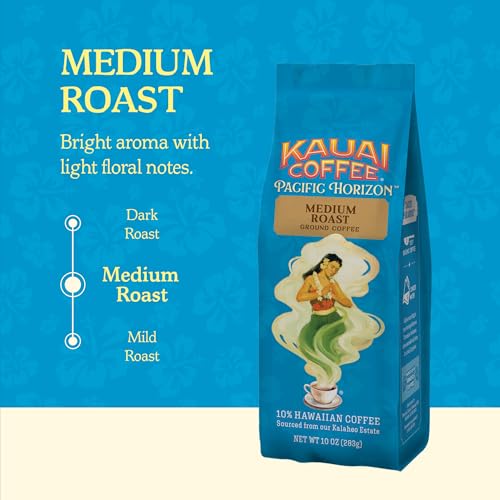
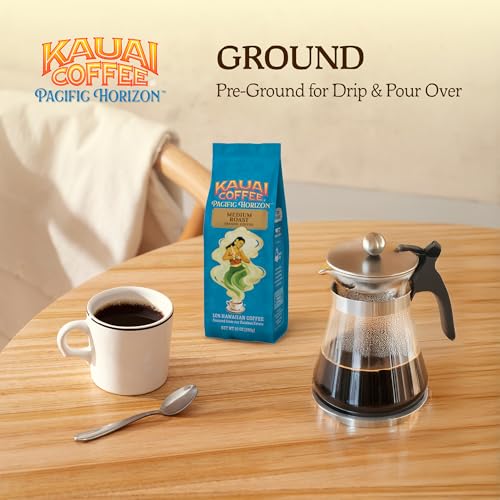
There’s a reason Kauai stands out, it leans into its origin like few mass-market bags do. With 10% Hawaiian-grown Arabica beans from Koloa Estate, this coffee carries a distinct identity: light floral notes, bright aroma, and a smoothness that avoids bitterness entirely. Reviewers note it brews clean and aromatic, especially in pour-over or drip, and the volcanic soil story isn’t just marketing fluff, it shows in the cup.
It’s not the strongest or boldest option here, but that’s not the point. For those wanting a mellow, elegant coffee with a sense of place, it’s refreshing. Compared to Starbucks or Dunkin’, it’s more delicate, but for fans of lighter profiles, that’s a win. The 10 oz size means it won’t last long, but freshness is easier to maintain.
Product photos
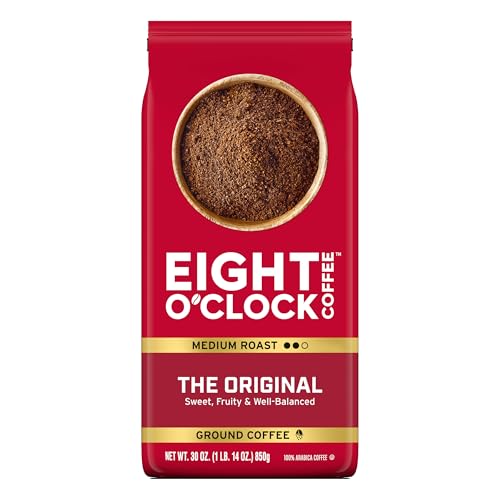
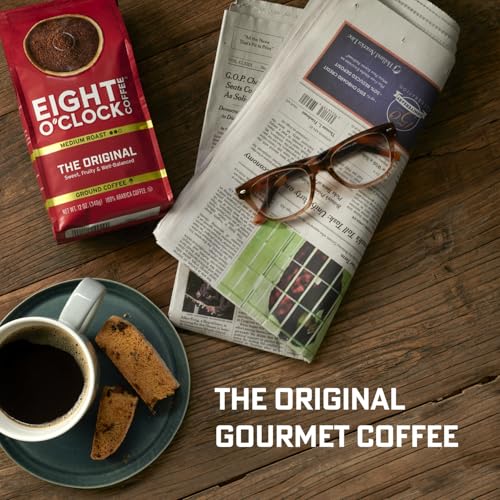
Eight O’Clock Original Medium Roast
Strengths
- Budget friendly
- Large 30 oz pack
- Smooth finish
Trade-offs
- Lacks complexity
- Flavor fades fast
- Generic profile
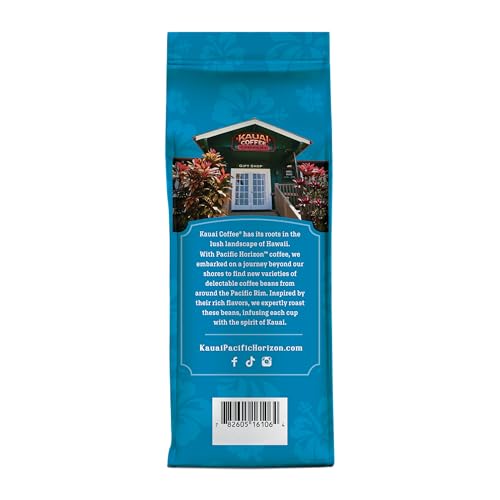
This is the kind of coffee that’s built for routine, not revelation. On paper, it’s 100% Arabica with a medium roast promising sweet, fruity notes and balance, and owners consistently report it delivers a clean, drinkable cup without harshness. It’s not flashy, but for those who want reliability without paying premium prices, it holds up.
Where it shines is consistency and accessibility. The 30-ounce pack stretches a long way, and the Kosher certification and ethical sourcing nods add quiet reassurance. Compared to pricier names, it doesn’t have depth or complexity, but it’s not trying to. This is pantry-staple coffee, and in that lane, it’s hard to beat.
Product photos
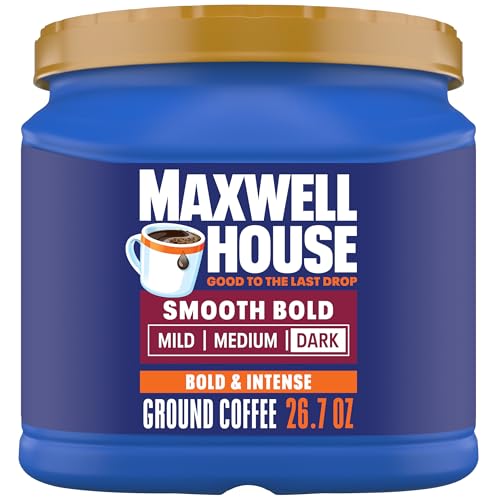
Maxwell House Smooth Bold Dark Roast
Strengths
- Bold, full-bodied
- Strong aroma
- Large canister
Trade-offs
- Lacks nuance
- Overpowering for some
- Plastic aftertaste reported
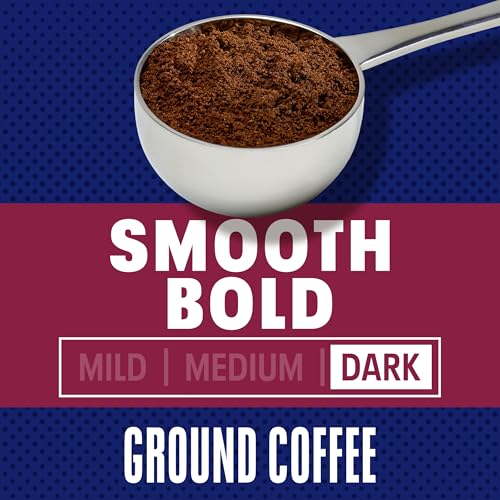
This is the go-to for drinkers who equate dark roast with strength. Despite the ‘smooth’ in the name, it delivers a bold, intense punch from first sip to last, exactly what its fans want. The dark roast brings out deep, smoky notes without tipping into burnt bitterness, and the 26.7-ounce canister offers solid value.
Owners report it’s especially good for jump-starting the day, though it lacks the finesse of Caribou or Starbucks. Compared to other dark roasts on the shelf, it’s more accessible than gourmet options but bolder than medium-roast blends. If you’re transitioning from light to dark roast, this is a forgiving entry point. Just don’t expect subtlety.
Product photos
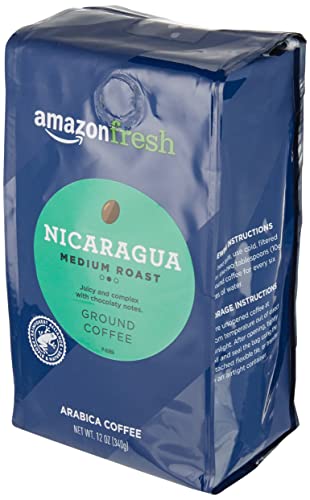
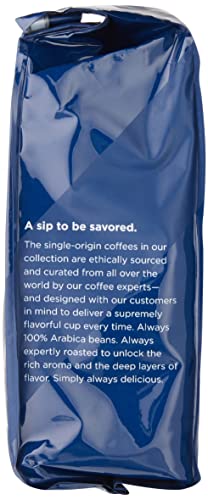
Amazon Fresh Nicaragua Medium Roast
Strengths
- Single-origin clarity
- Chocolatey notes
- Fresh U.S. roasting
Trade-offs
- Small bag size
- Mild body
- Limited roast depth
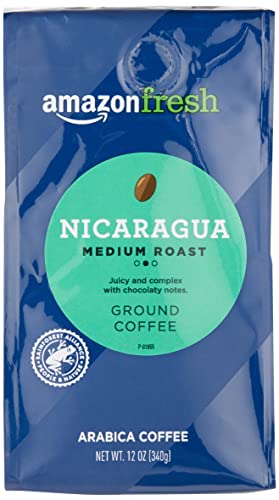
This is where Amazon Fresh quietly outshines bigger names. As a single-origin medium-light roast from Nicaragua, it offers subtle complexity, think chocolatey undertones with a clean finish, and it’s roasted in the U.S. for freshness. At 12 ounces, it’s sized for quicker turnover, which helps preserve its delicate notes.
Owners praise its clean, smooth taste and appreciate the transparency of origin. Compared to the Caribou or Dunkin’ blends, it’s lighter and more refined. It won’t knock your socks off like a specialty roaster’s batch, but for a grocery-store price, it punches above its weight. If you’re stepping beyond blends and want to explore what a single country’s beans can do, this is a smart starting point.
Product photos
How We Picked These store bought ground coffee
As the founder of Bean Thusiast, I approach coffee selection with a focus on the entire experience – from sourcing to the final brew. Rather than a hands-on lab test, this was a research-led comparison of published specifications and, crucially, owner feedback. I compared features like roast level, origin, and certifications across numerous brands, then weighed those against what customers are actually saying about taste, aroma, and overall satisfaction. My goal was to identify coffees that consistently deliver a quality experience.
For store-bought ground coffee, consistency and value are paramount. I heavily weighted roast level and bean origin, as these significantly impact flavor profiles. A balanced medium roast offers broad appeal, while single-origin coffees provide unique tasting notes. Beyond that, the reputation of the brand and the freshness reported by owners determined the rankings – a consistently stale bag simply won’t do, regardless of origin.
Specifications reliably indicate bean type (100% Arabica is generally preferred) and origin, but owner reviews are vital for judging actual flavor and freshness timeline for pre-ground coffee. I looked for recurring comments about boldness, smoothness, and any bitterness. Brand reputation also played a role; established roasters often maintain tighter quality control, but newer brands can offer excellent value.
How To Pick The Right store bought ground coffee
Finding a consistently good bag of pre-ground coffee can feel like a bit of a gamble. It’s not just about roast level; a lot hinges on freshness, sourcing, and how carefully the coffee was processed after roasting.
Pre-ground coffee should prioritize freshness above all else. Look for a roast date (not just a “best by” date) and aim to use the coffee within two weeks of that date. A quality product will use 100% Arabica beans, demonstrate attention to detail in sourcing, and offer a consistent flavor profile that matches its description. Consider the grind size relative to your preferred brewing methods for ground coffee.
Roast Level and Flavor Profile
For many, the roast level is the first thing they consider. While personal preference reigns supreme, understand that lighter roasts showcase more of the coffee’s origin characteristics – floral notes, brighter acidity – while darker roasts emphasize body and often introduce chocolatey or smoky flavors. Don’t automatically equate “bold” with quality. I often find that overly dark roasts mask inconsistencies in bean quality. Explore medium roasts first; they tend to strike a good balance. The Starbucks House Blend is a good example of a reliably balanced medium roast, though I encourage you to branch out and experiment.
Sourcing and Bean Quality
The origin of the beans matters. Single-origin coffees, like the Amazon Fresh Nicaragua Medium Roast, can offer a unique and traceable flavor experience, letting you taste the terroir. However, blends, skillfully crafted like Caribou Blend, can provide a consistent and well-rounded profile. Look for coffees that explicitly state they use 100% Arabica beans. Robusta beans are cheaper and add caffeine, but often at the expense of flavor complexity. Beyond just where the beans come from, look for certifications like Rainforest Alliance, indicating a commitment to sustainable farming practices.
- A “best by” date is almost meaningless.
- A roast date is crucial; use the coffee within a few weeks.
- Ethical sourcing (like that emphasized by Eight O’Clock) shows a roaster’s commitment to quality and responsible practices, and can translate to better flavor due to farmer partnerships and attention to detail.
Freshness and Packaging
This is where pre-ground coffee really struggles. Once ground, coffee rapidly loses its volatile aromatic compounds – that’s what gives it its smell and, importantly, its flavor. That’s why proper ground coffee storage is so important. Packaging plays a big role here. Look for canisters or bags with one-way valves. These allow carbon dioxide (released during roasting) to escape without letting oxygen in, which causes staling. Avoid clear plastic containers; exposure to light degrades coffee quickly. A stay-fresh canister, like the one Dunkin’ uses, is better than nothing, but even then, time is of the essence.
Don’t buy more pre-ground coffee than you can reasonably consume in two weeks. Even with the best storage, flavor will decline beyond that point.
Store Bought Ground Coffee Compared
Here’s a comparison of specifications for various store bought ground coffee options.
| Product Name | Roast Level | Origin | Bag Size (oz) | Bean Type | Flavor Profile |
|---|---|---|---|---|---|
| Starbucks House Blend | Medium | N/A | 12 | Arabica | Toffee, Cocoa |
| Amazon Fresh Colombia | Medium | Colombia | 32 | Arabica | Balanced, Smooth |
| Dunkin’ Original Blend | Medium | Central/S. America | N/A | Arabica | High-Quality Taste |
| Caribou Blend | Medium | N/A | 20 | Arabica | Sweet, Spicy, Berry |
| Kauai Coffee Koloa Estate | Light | Hawaii | N/A | 10% Hawaiian Arabica | Floral, Bright |
| Eight O’Clock Original | Medium | Latin America/E. Africa | N/A | Arabica | Sweet, Fruity |
| Maxwell House Smooth Bold | Dark | N/A | 26.7 | N/A | Bold, Intense |
| Amazon Fresh Nicaragua | Medium-Light | Nicaragua | 12 | Arabica | Chocolatey |
Frequently Asked Questions
What grind size should I choose for my coffee maker?
A medium grind is generally best for drip coffee makers, as it provides optimal extraction. If you’re using a French press, a coarse grind is preferred to avoid sediment, while espresso machines require a very fine grind.
Is it better to buy whole bean and grind myself?
Yes, absolutely. Pre-ground coffee loses flavor quickly, so whole bean is always preferable if you want the freshest possible cup. However, if convenience is a priority, choosing a coffee with a recent roast date is the next best thing.
How can I tell if pre-ground coffee is still fresh?
Check for a roast date, not just a “best by” date. Coffee is best within two weeks of roasting, and a strong aroma is a good indicator of freshness. If it smells faint or stale, it likely is.
What does “100% Arabica” mean, and why is it important?
It means the coffee is made entirely from Arabica beans, which are known for their smoother, more aromatic flavor profiles. Robusta beans are often blended in to add caffeine and reduce cost, but they can result in a harsher taste.
Can I extend the shelf life of my pre-ground coffee?
While flavor loss is inevitable, proper storage helps. Store it in an airtight container in a cool, dark place, and consider freezing pre-ground coffee for longer-term storage, though this can slightly impact flavor.
The Bottom Line
Choosing the best store-bought ground coffee often comes down to balancing convenience with optimal flavor. While a whole bean setup offers more control, pre-ground options can deliver a satisfying cup if you prioritize freshness and quality – and for many, the Starbucks House Blend strikes that balance consistently. It’s a reliable, widely available choice that doesn’t compromise too much on flavor.
For those prioritizing a specific need, several options stand out. If you’re looking for a budget-friendly option with a commitment to ethical sourcing, Eight O’Clock Original is a solid pick. For a taste of a unique origin, the Amazon Fresh Nicaragua Medium Roast provides a nice single-origin experience, and if you want a consistently smooth and familiar brew, the Dunkin’ Original Blend remains a popular choice.
Ultimately, remember that a fancy origin or a dark roast won’t overcome stale coffee. Focusing on a recent roast date and consuming your pre-ground coffee within a couple of weeks (refer to this ground coffee expiration guide) is far more important than any other specification. Prioritize freshness and a 100% Arabica bean, and you’ll be well on your way to a better brew.
