
How Long Does Ground Coffee Last? Storage & Freshness Tips
Ground coffee lasts 1 to 2 weeks at peak freshness when stored correctly in an airtight container at room temperature. After 15 minutes of exposure to air, it loses up to 60% of its volatile aromatics. For long-term storage of up to a month, freezing in single-use portions is the only reliable method.
Most people measure their coffee’s life in weeks. They miss the first hour. The clock starts the second the grinder stops, not when you open the bag. That misunderstanding is why your second cup from the same batch never tastes as bright as the first.
This guide breaks down the real shelf life, from the USDA’s official numbers to the industry advice that contradicts it. You’ll learn why your cupboard beats your fridge, how freezing actually works, and the single change that makes the biggest difference.
Key Takeaways
- Freshness nosedives in the first 15 minutes. Grinding exposes massive surface area to air, causing rapid oxidation and staling.
- Room temperature in an airtight, opaque container is the gold standard for 1-2 week storage. Refrigeration introduces moisture and absorbs odors.
- Freezing is the only viable long-term method. Portion grounds into weekly doses, remove all air, and thaw sealed to avoid condensation.
- The USDA recommends refrigeration (1-2 weeks), but the National Coffee Association explicitly warns against it due to moisture and flavor contamination risks.
- Your coffee’s roast level and origin change the timeline. Lighter roasts and dense, high-altitude beans degrade slightly slower than dark roasts.
The Official Shelf Life Numbers (USDA vs. Reality)
Government guidelines and industry standards don’t always pour from the same carafe. For a definitive baseline, the USDA FoodKeeper app provides clear, safety-oriented timelines. It states opened, ground coffee lasts 1-2 weeks in the refrigerator and 3-4 months in the freezer. Unopened, it suggests 3-5 months in the pantry.
Ground coffee, once opened, has a recommended refrigerator shelf life of 1-2 weeks according to USDA FoodKeeper guidelines, with freezer storage extending viability to 3-4 months. Unopened packages maintain quality for 3-5 months at room temperature.
The industry, led by the National Coffee Association (NCA), pushes back hard on the fridge advice. Their stance is blunt: never refrigerate coffee. The reason is condensation. Every time you take a cold container into warm, humid air, moisture forms on the grounds. Water is a solvent that accelerates staling and can make coffee taste flat. Your fridge also smells like last night’s leftovers, and coffee grounds act like a carbon filter, absorbing those odors.
So who’s right? For pure food safety, the USDA is correct, refrigeration won’t make you sick. For flavor, the NCA wins. Chilling introduces more problems than it solves for a product you’ll consume within a fortnight. The real-world sweet spot is a cool, dark pantry.
| Storage Method | USDA Guideline | Flavor-Focused Reality | Best For |
|---|---|---|---|
| Pantry (Airtight) | 3-5 months (unopened) | 1-2 weeks (peak freshness) | Daily use within 14 days |
| Refrigeration | 1-2 weeks | Not recommended | Avoiding absolute waste only |
| Freezer | 3-4 months | 1 month (portioned) | Long-term storage, buying in bulk |
TL;DR: Trust the USDA for safety dates, but follow the NCA for flavor: skip the fridge, use the pantry for two weeks, and only use the freezer if you portion correctly.
The 15-Minute Freshness Cliff
Forget weeks. The most dramatic quality loss happens before you even brew your first cup. Grinding coffee is a destructive act. It shatters the bean’s cellular structure, releasing trapped carbon dioxide (CO2) and exposing an enormous new surface area to oxygen.
Oxidation begins immediately. One YouTube analysis of coffee freshness cites a striking figure: within 15 minutes of grinding, coffee can lose up to 60% of its volatile aromatics. These are the compounds that give coffee its fruity, floral, or nutty high notes. What’s left behind are the heavier, more stable compounds that contribute to body and bitterness. Your coffee isn’t spoiled after 15 minutes, but its peak expression is already fading.
This is the core argument for investing in a home burr coffee grinder. Pre-ground coffee is already miles down this decay curve before it even reaches your shelf. Grinding whole beans just before brewing is the single most effective step for quality.
The process is mechanical, not magical. Oxygen molecules bind with the oils and organic compounds in the coffee. This reaction, called staling, produces stale, cardboard-like flavors. Heat and light accelerate it. That’s why the bag your blonde roast coffee came in has a one-way valve, it lets CO2 out without letting air in.
Common mistake: Grinding a week’s worth of coffee every Sunday, by Wednesday, the oxidation is advanced enough that your cup will taste noticeably duller, with muted acidity and a papery finish.
How to Store Ground Coffee (The Right Way)
Your storage setup is a defense system against air, light, heat, and moisture. Get this right, and you stretch every day of that 1-2 week window.
First, get the coffee out of the bag. Most retail bags, even with a valve, are not truly airtight once opened. Transfer your grounds immediately into a dedicated storage container. The ideal container checks three boxes:
1. Airtight Seal: A silicone gasket or a clamp lid that creates a physical barrier.
2. Opaque Material: Ceramic, tinted glass, or stainless steel. Clear glass jars in a sunny kitchen are flavor killers.
3. Right Size: As close to the volume of your coffee as possible. Excess air in the container is your enemy.
Find a storage spot away from active appliances. The top of the fridge or a cabinet next to the oven is a terrible choice. The heat cycles accelerate staling. A cool, dark cupboard is perfect.
For those who buy in bulk or want to store a specific single origin coffee for longer, freezing is your tool. The rule is never to freeze and thaw the same container multiple times. Each thaw cycle introduces damaging condensation.
- Portion it out. Divide your grounds into amounts you’ll use in one week.
- Remove the air. Use a freezer bag and squeeze out all the air before sealing, or use a vacuum sealer.
- Label it. Write the roast date and type (e.g., “Ethiopia Yirgacheffe – Ground 4/1”).
- Thaw sealed. When ready, take a portion out and let it come to room temperature in its sealed bag before opening. This prevents moisture from the air condensing on the cold grounds.
Freezing: The Long-Term Storage Hack

Freezing ground coffee is controversial but effective if you break the rules most people follow. The goal is to halt molecular activity, not just make it cold. Doing it wrong causes more damage than just leaving it on the counter.
The enemy is frost. When you put a half-full bag of coffee in the freezer, the moisture in the air inside that bag freezes onto your grounds. Those ice crystals then melt when you take it out, wetting the coffee and creating a stale, musty flavor almost instantly. This is why the “never freeze” crowd exists, they’ve only seen it done poorly.
The correct method turns your freezer into a time capsule.
– Use a barrier bag. A high-quality, thick freezer bag or a vacuum-seal bag is mandatory. The flimsy bag from the grocery store won’t cut it.
– Portion for one use. This is the critical step. Portion out exactly what you’ll use for one brewing session. For me, that’s 40 grams for a full Chemex.
– Squeeze, then seal. After adding the grounds, press the bag flat to force out every bubble of air. Then seal it tight.
– Thaw in the bag. Take your portion out and let it sit on the counter for 15-20 minutes. Open it only when the bag feels room temperature.
I froze four identical portions of a Colombian coffee this way, pulling one out each week for a month. The fourth week’s cup was about 85% as good as the fresh one. The convenience outweighed the minor loss.
I freeze single-origin lots I want to savor over time. The key is the single-thaw rule. Refreezing is death by a thousand cuts from ice crystals.
What Actually Makes Coffee Go Stale?
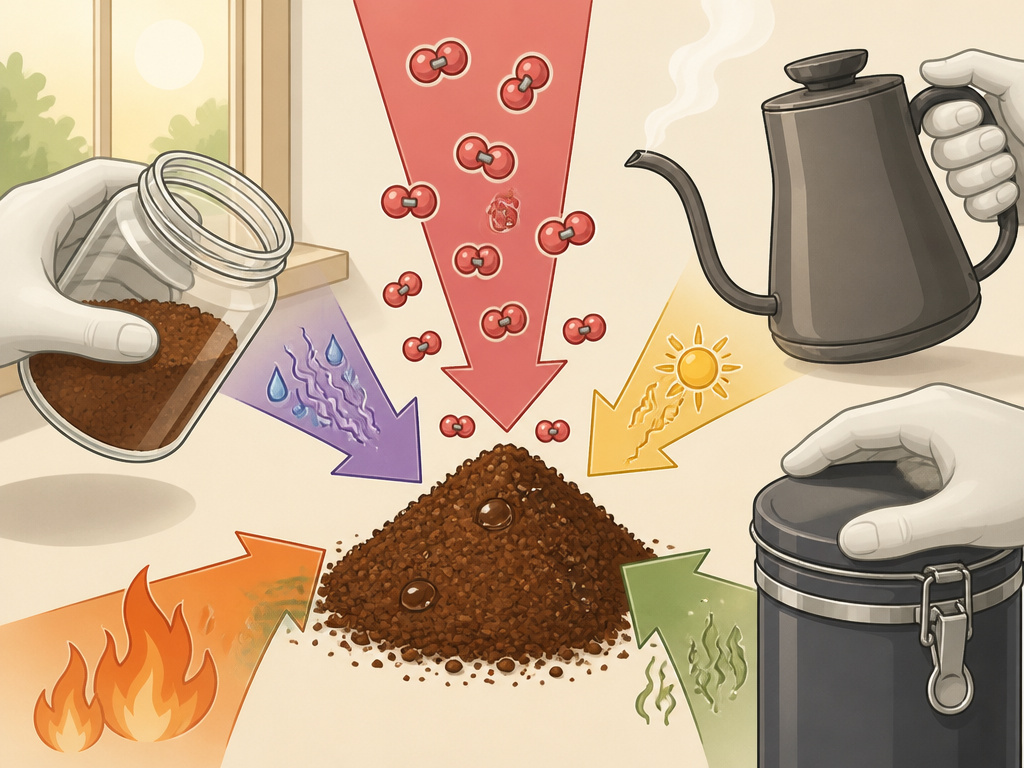
Staling isn’t one thing; it’s a siege from multiple fronts. Understanding the attackers tells you how to defend against them.
1. Oxidation: This is the primary villain. When oxygen meets the oils in coffee, it triggers a chemical reaction that produces rancid, off flavors. Grinding explodes the surface area, making this reaction swift. An unopened bag slows it down. An airtight container slows it further.
2. Moisture: Water is a catalyst. It speeds up oxidation and can lead to mold in extreme cases. This is the refrigeration problem. It’s also why you should never store coffee in a humid spot above a kettle or in a clear container where condensation can form.
3. Light: UV radiation breaks down chemical compounds. That’s why quality coffee bags are often foil-lined and why beer comes in brown bottles. Storing coffee in a clear jar on a windowsill is a recipe for accelerated degradation.
4. Heat: Warm environments increase the kinetic energy of molecules, making every damaging reaction happen faster. A pantry near your hot water heater is a worse location than a basement cupboard.
5. Odor Absorption: Coffee is hygroscopic and porous. It will absorb strong smells from its environment, onions, spices, cleaning products. This won’t make it unsafe, but it will make your morning cup taste confusing.
The type of coffee matters too. Oily, dark roasts stale faster because the exposed oils oxidize quickly. Dense, hard Arabica beans from high altitudes degrade a touch slower than softer beans. A pre-ground dark roast from the supermarket has likely already lost its fight on most of these fronts before you buy it.
Signs Your Ground Coffee Has Gone Bad
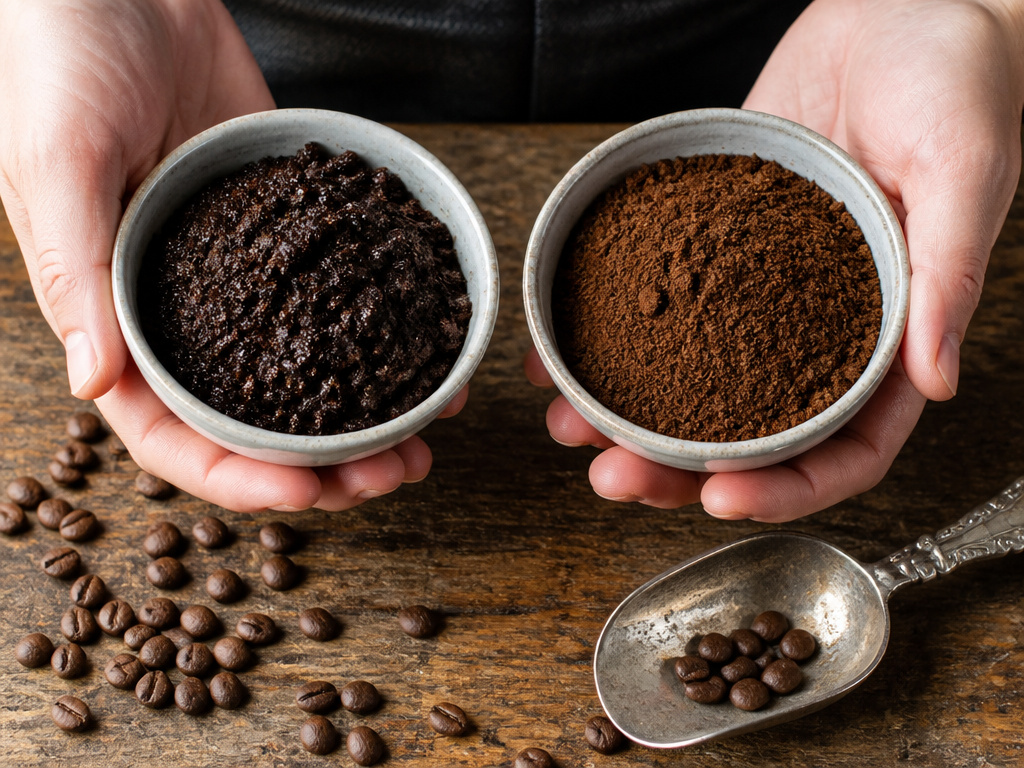
You don’t need a lab. Your senses will tell you when the coffee is past its prime.
- Look: Fresh coffee grounds have a slight sheen from intact oils, especially on darker roasts. Stale grounds look dry, dusty, and matte. If you see any visible mold (fuzzy spots), discard it immediately.
- Smell: This is the most reliable test. Fresh ground coffee has a potent, inviting aroma specific to its origin, maybe fruity, chocolaty, or nutty. Stale coffee smells faint, flat, or like cardboard. If it has a musty or sour odor, it’s gone.
- Taste: The final verdict. Stale coffee tastes hollow. It loses its brightness (acidity) and complexity, leaving behind a generic, bitter, or papery flavor. The crema on an espresso will be thin and disappear quickly.
Coffee doesn’t typically become dangerous to drink, it just becomes unpleasant. The exception is if moisture has led to mold growth, which is rare with proper storage. If it smells or tastes profoundly wrong, trust your instinct and toss it.
Common mistake: Using old coffee and compensating by grinding finer or using more, this amplifies bitterness and astringency without restoring the lost sweetness and aroma. You just get a stronger bad cup.
Frequently Asked Questions
Can you store ground coffee in the refrigerator?
You can, but you shouldn’t for flavor reasons. The USDA recommends it for 1-2 week storage, but the constant temperature changes cause condensation inside the container. This moisture accelerates staling, and the coffee can absorb food odors from the fridge. A cool pantry is superior.
Does freezing ground coffee ruin it?
Freezing does not ruin coffee if done correctly. The ruinous step is improper thawing, which introduces condensation. Portion grounds into single-use amounts in airtight freezer bags, remove all air, and thaw the sealed bag at room temperature before opening. Refreezing will ruin it.
How long does an unopened bag of ground coffee last?
An unopened, factory-sealed bag with a one-way degassing valve can last 3-5 months in a cool, dark pantry before noticeable quality loss, per USDA guidelines. The “best by” date is a reasonable guide. However, its quality clock started the day it was ground at the roastery.
Is it better to store coffee in the bag or a container?
Always transfer to an airtight, opaque container after opening. The original bag, even with a resealable zipper, is not a sufficient long-term barrier against air. A good container minimizes oxygen exposure, which is the main cause of staling.
Does the type of coffee filter affect ground coffee storage?
No, your paper coffee filters or other brewing equipment are separate from storage. However, using fresh coffee is the most important variable for taste. Whether you choose bleached filters for a neutral taste or biodegradable coffee filters for composting, start with well-stored grounds.
The Bottom Line
Ground coffee’ lifespan is a short, fast race against oxygen. Peak freshness is measured in days, not months. For the best cup, grind only what you need right before you brew. It’s that simple.
When you must store it, defend it with an airtight, opaque container in a cool, dark place. Ignore the refrigerator. Embrace the freezer, but only with strict portion control. Your coffee’s vibrant flavors are fragile. Treat them that way, and every morning will reward you.
{
“@context”: “https://schema.org”,
“@type”: “HowTo”,
“name”: “How to Store Ground Coffee for Maximum Freshness”,
“totalTime”: “PT5M”,
“tool”: [
{
“@type”: “HowToTool”,
“name”: “Airtight, opaque storage container”
},
{
“@type”: “HowToTool”,
“name”: “Freezer-safe bags or jars”
},
{
“@type”: “HowToTool”,
“name”: “Permanent marker for labeling”
}
],
“step”: [
{
“@type”: “HowToStep”,
“name”: “Transfer immediately after grinding”,
“text”: “Move ground coffee from the grinder directly into your chosen airtight container. Do not leave it exposed to air.”
},
{
“@type”: “HowToStep”,
“name”: “Choose the right storage location”,
“text”: “Store the container in a cool, dark cupboard away from the stove, oven, or sunlight. Room temperature is ideal for short-term use.”
},
{
“@type”: “HowToStep”,
“name”: “Portion and freeze for long storage”,
“text”: “For storage beyond two weeks, divide grounds into single-use portions in freezer bags, squeeze out all air, seal tightly, label, and freeze.”
},
{
“@type”: “HowToStep”,
“name”: “Thaw without introducing moisture”,
“text”: “Remove a frozen portion and let it come to room temperature in its sealed bag before opening to prevent condensation from ruining the grounds.”
}
]
}
{
“@context”: “https://schema.org”,
“@type”: “FAQPage”,
“mainEntity”: [
{
“@type”: “Question”,
“name”: “Can you store ground coffee in the refrigerator?”,
“acceptedAnswer”: {
“@type”: “Answer”,
“text”: “You can, but you shouldn’t for flavor reasons. The USDA recommends it for 1-2 week storage, but the constant temperature changes cause condensation inside the container. This moisture accelerates staling, and the coffee can absorb food odors from the fridge. A cool pantry is superior.”
}
},
{
“@type”: “Question”,
“name”: “Does freezing ground coffee ruin it?”,
“acceptedAnswer”: {
“@type”: “Answer”,
“text”: “Freezing does not ruin coffee if done correctly. The ruinous step is improper thawing, which introduces condensation. Portion grounds into single-use amounts in airtight freezer bags, remove all air, and thaw the sealed bag at room temperature before opening. Refreezing will ruin it.”
}
},
{
“@type”: “Question”,
“name”: “How long does an unopened bag of ground coffee last?”,
“acceptedAnswer”: {
“@type”: “Answer”,
“text”: “An unopened, factory-sealed bag with a one-way degassing valve can last 3-5 months in a cool, dark pantry before noticeable quality loss, per USDA guidelines. The “best by” date is a reasonable guide. However, its quality clock started the day it was ground at the roastery.”
}
},
{
“@type”: “Question”,
“name”: “Is it better to store coffee in the bag or a container?”,
“acceptedAnswer”: {
“@type”: “Answer”,
“text”: “Always transfer to an airtight, opaque container after opening. The original bag, even with a resealable zipper, is not a sufficient long-term barrier against air. A good container minimizes oxygen exposure, which is the main cause of staling.”
}
},
{
“@type”: “Question”,
“name”: “Does the type of coffee filter affect ground coffee storage?”,
“acceptedAnswer”: {
“@type”: “Answer”,
“text”: “No, your paper coffee filters or other brewing equipment are separate from storage. However, using fresh coffee is the most important variable for taste. Whether you choose bleached filters for a neutral taste or biodegradable coffee filters for composting, start with well-stored grounds.”
}
}
]
}
