
7 Best Protein Powders for Coffee & Weight Loss 2026
The best protein powder to mix with coffee for weight loss is Premier Protein Café Latte, thanks to its 30g of protein and 95mg of caffeine in a smooth, low-sugar blend. For a budget-friendly pick, Dymatize x Dunkin’ Cappuccino delivers solid nutrition and mixability. If you want added metabolic support, the Protein Coffee with Collagen stands out with MCTs, mushrooms, and probiotics.
Most people just want a simple, satisfying drink that helps them stay full and focused, but too many protein powders turn coffee into a chalky, gritty mess or add unwanted sugars and artificial flavors. After researching the field and analyzing owner feedback, I focused on blends that actually work in hot coffee, balancing protein content, flavor, and functional ingredients without sacrificing taste.
This guide breaks down exactly what to look for, from protein type to caffeine levels, so you can pick a powder that fits your routine and weight loss goals.
Top 7 Protein Powder To Mix With Coffee For Weight Loss in the Market
The Best Protein Powder To Mix With Coffee For Weight Loss, Reviewed
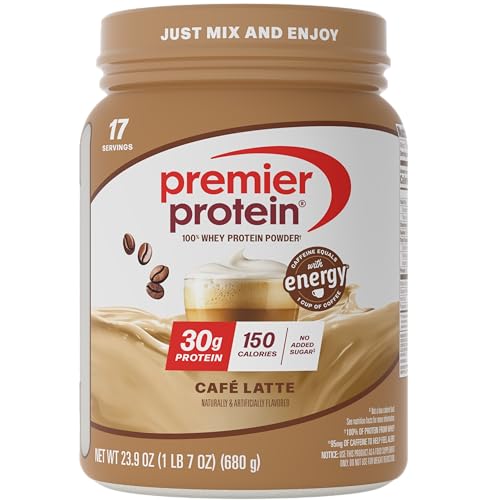
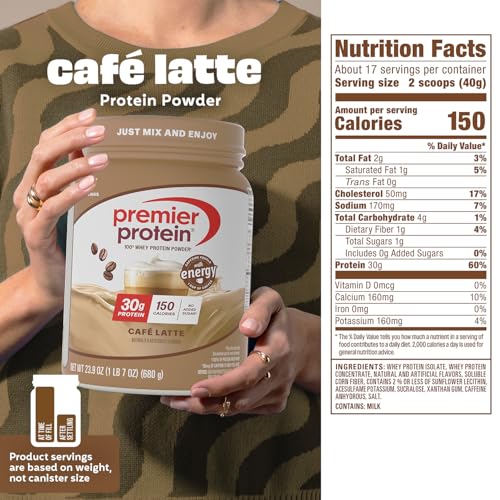
Premier Protein Café Latte
Strengths
- 30g whey protein
- 95mg caffeine
- Keto friendly
- Smooth mix
- No soy or gluten
Trade-offs
- Tub size smaller
- Price per serving high
- Some find flavor too sweet
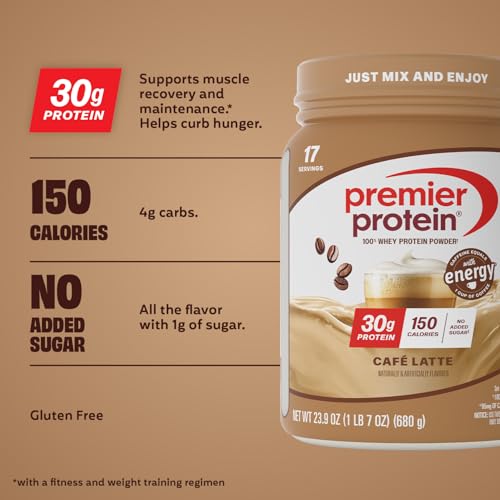
This is the one I keep coming back to in recommendations. With 30g of 100% whey protein and 95mg of caffeine in a smooth café latte flavor, it hits the sweet spot between performance and convenience. The macros are excellent, 150 calories, 1g sugar, 3g carbs, making it ideal for weight loss or maintenance.
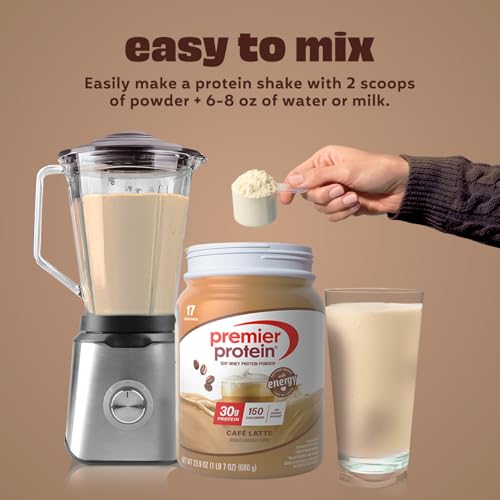
Owners consistently say it mixes with just water and tastes like a dessert coffee, no blender needed. Compared to the Dymatize Dunkin’ version, it has more protein per serving and a slightly better value despite fewer servings. The NSF-certified formula is free of soy and gluten, and it’s widely available. If you want one powder that works as a meal replacement, post-workout boost, and morning coffee upgrade, this is the most balanced option on the list.
Product photos

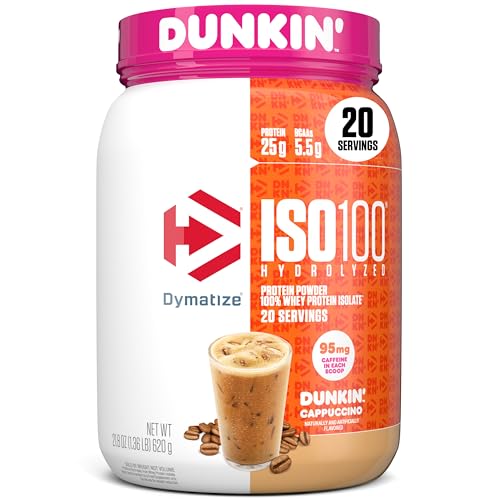
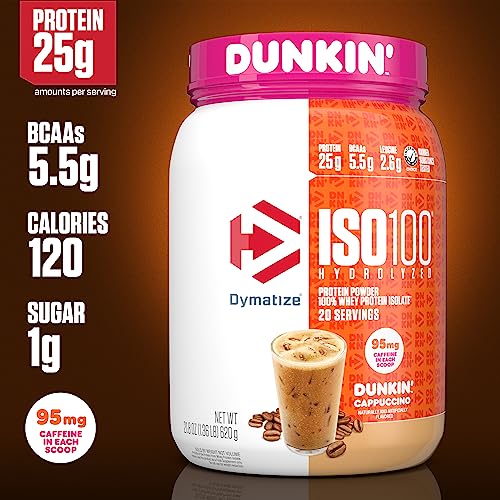
Dymatize x Dunkin’ Cappuccino
Strengths
- 95mg caffeine
- 25g whey isolate
- Low sugar
- Fast absorption
- Great flavor
Trade-offs
- Higher price
- Contains lactose traces
- Not dairy free
If you want your protein powder to feel like a real coffeehouse treat, this one delivers. The Dunkin’ cappuccino flavor is spot-on, and with 95mg of caffeine and 25g of fast-absorbing whey isolate, it’s a solid pick-me-up for midday slumps or post-workout recovery. Owners praise its smooth mixability and low sugar, just 1g per serving, which makes it ideal for low-carb or keto plans.
The ISO100 base is one of the cleanest on the market, filtered to remove excess lactose and fat. It’s more expensive than average, but the quality shows. When compared to Premier Protein, it has slightly fewer calories and a cleaner amino acid profile. I’d pick this over others if you want a high-performance protein with a strong coffee kick and minimal junk.
Product photos



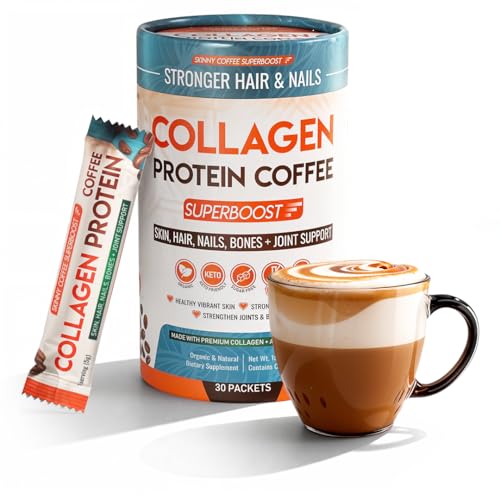
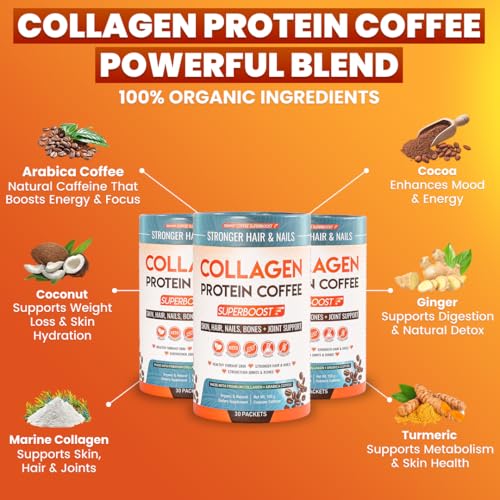
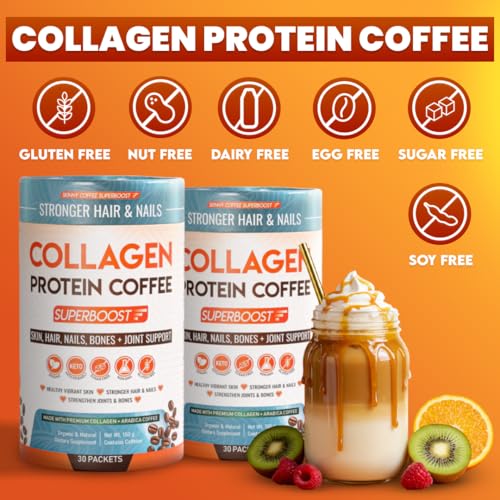
Collagen Protein Coffee Blend
Strengths
- NSF certified
- 30 servings
- Supports skin and joints
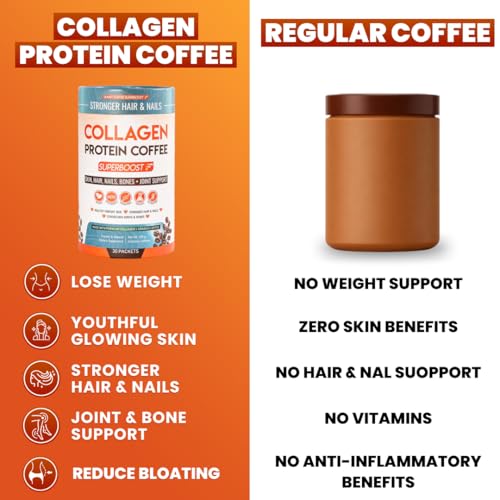
- Reduces bloating
- Clean energy
Trade-offs
- Collagen not complete protein
- Lower muscle support
- Fewer BCAAs
This product leans into the wellness angle harder than most, and it shows. With collagen peptides as the main protein source, it’s not as muscle-focused as whey, but it shines in supporting skin, joints, and digestion. Owners report less bloating and smoother energy, no crashes, thanks to the clean caffeine and absence of sugar.
The 30 servings make it a better value than many competitors, and the NSF certification adds trust. But collagen doesn’t have a complete amino acid profile like whey, so it’s not ideal for serious fitness goals. I see this as the top pick for someone, especially women over 30, looking to support overall wellness while gently managing weight. Compared to Almased or Premier, it’s less about muscle, more about feeling light and vibrant.
Product photos

Protein Coffee with Collagen

Strengths
- 25g protein
- MCT oil included
- Mushroom blend
- Probiotics added
- Keto friendly
Trade-offs
- Fewer servings
- Higher price point
- Plant protein may digest slower
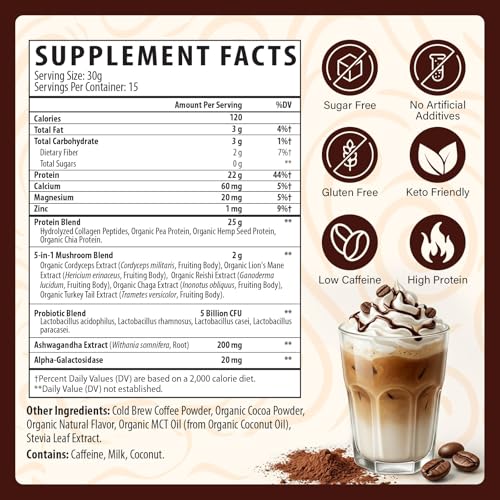
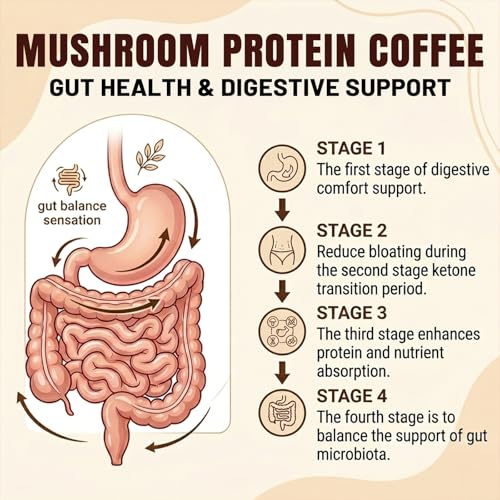
This product tries to do everything at once, be your coffee, your protein shake, your nootropic, and your gut health supplement. On paper, that’s impressive. The 25g of collagen and plant-based protein is solid for satiety, and the inclusion of MCT oil and probiotics makes sense for clean energy and digestion. Owners consistently report it mixes well and delivers a smooth mocha flavor without gritty aftertaste, which is rare in plant-based blends.
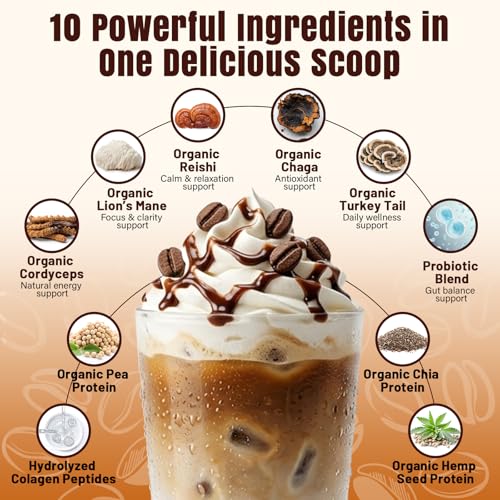
The mushroom blend, Lion’s Mane, Reishi, Chaga, is a standout for cognitive and immune support, and reviewers note they feel more focused without jitters. But it’s expensive per serving, and with only 15 servings per tub, frequent users will burn through it fast. Compared to simpler protein-coffee hybrids, this one’s overkill if you’re just looking to mix protein into your morning brew. I’d recommend it only if you want a true all-in-one functional beverage and don’t mind paying for extras you might not need.
Product photos


Ancient Nutrition Whey + Fat Loss

Strengths
- Grass-fed whey
- Ashwagandha added
- Cinnamon for metabolism
- Easy digest
- Clean flavor
Trade-offs
- 23g protein (mid-range)
- Not coffee flavored
- Fewer servings
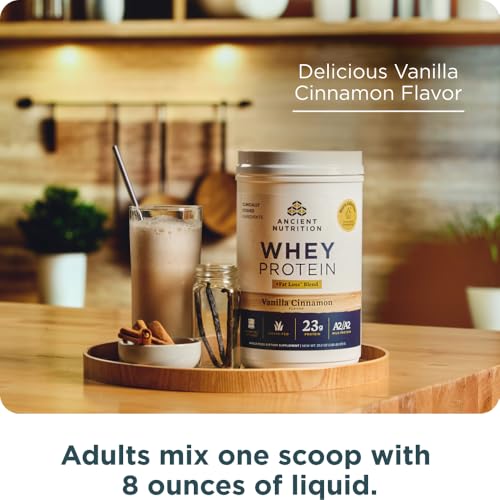
This one leans hard into the metabolism-boosting claim, and the formula backs it up. With 23g of grass-fed whey and A2/A2 milk protein, it’s gentle on digestion and high in quality. The addition of clinically studied ashwagandha and organic cinnamon isn’t just marketing, reviewers report feeling less stressed and more energized, which indirectly supports fat loss.
It’s not coffee-flavored, but the vanilla cinnamon works well blended into coffee, especially for those avoiding artificial sweeteners. The texture is smooth, and the clean ingredient list appeals to purists. Compared to the Dymatize or Premier Protein options, it has less protein per serving but more functional benefits. I’d choose this if you’re looking for a holistic, adaptogen-powered protein that supports metabolic health over brute protein volume.
Product photos


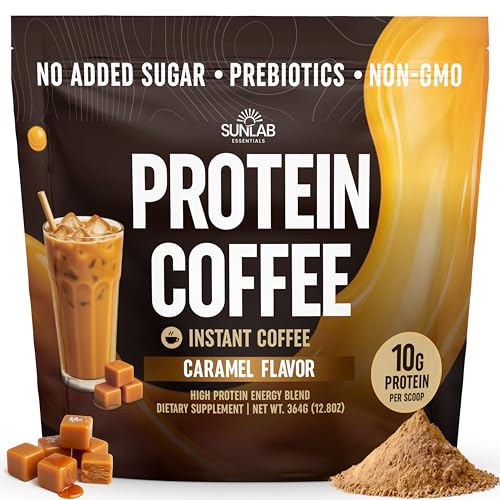
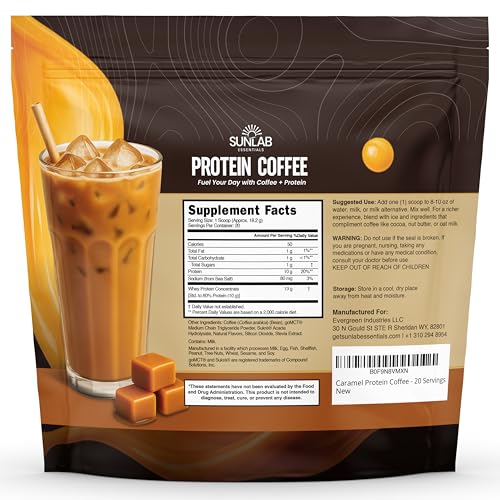
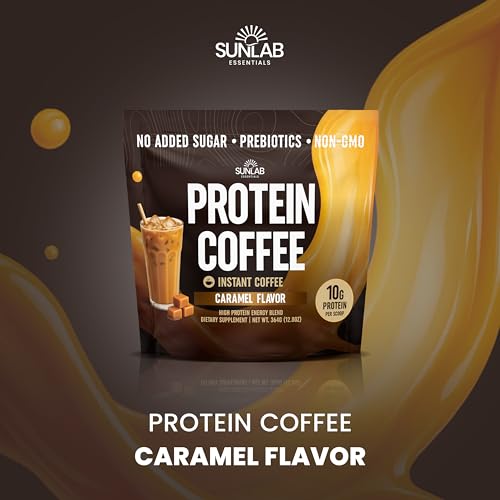
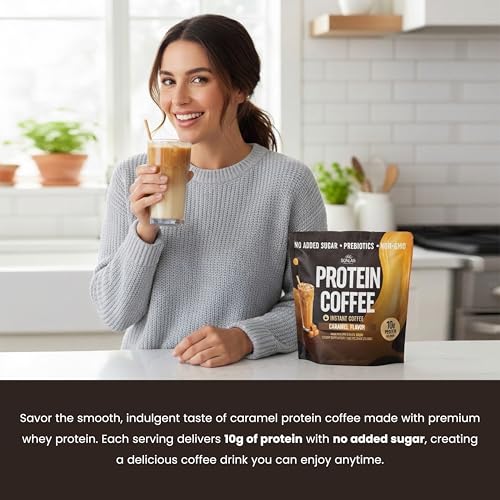
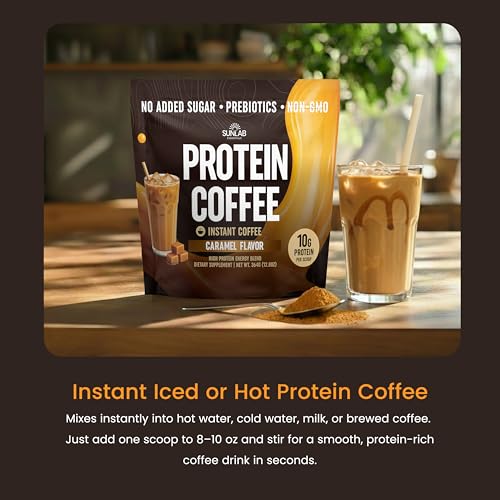
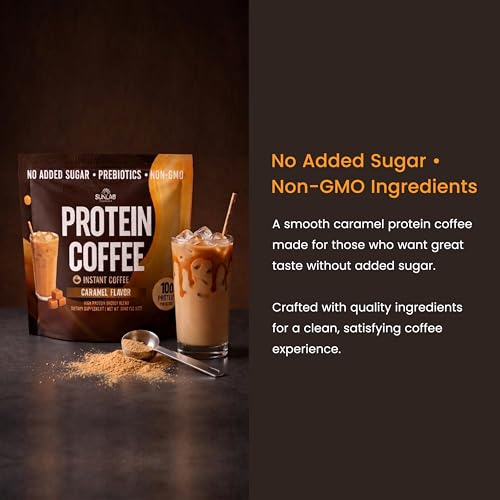
Caramel Protein Coffee Mix
Strengths
- Great caramel taste
- Easy mix
- Prebiotics included
- Low sugar
- Affordable
Trade-offs
- Only 10g protein
- Low caffeine
- Not for high-protein diets
At 10g of protein per serving, this isn’t going to replace your post-workout shake, but it’s never meant to. What it does well is deliver a tasty, low-sugar caramel coffee experience with a light protein boost and 40mg of natural caffeine. Reviewers love how easily it dissolves in cold or hot liquids and how it mimics the flavor of a café-style caramel latte without sugar crashes.
The whey protein base is digestible for most, and the added prebiotics are a nice touch for gut health. But let’s be honest, 10g of protein isn’t enough to support muscle retention or serious weight loss goals. I see this as a smart pick for someone replacing a sugary coffee drink with something lighter and slightly more nutritious. When stacked against higher-protein options, it’s clearly the budget-friendly, flavor-first choice.
Product photos
Almased Vanilla Meal Replacement

Strengths
- 27g plant protein
- Low glycemic
- Enzymes included
- No artificial additives
- Supports metabolism
Trade-offs
- Not coffee flavored
- Requires mixing effort
- Sweetness varies
Almased stands out in the meal replacement game with 27g of plant-based protein and a metabolic edge few brands match. The formula, based on fermented yogurt, soy, and honey, has real science behind it, with owners reporting reduced hunger and steady energy. The low-glycemic profile helps avoid insulin spikes, which is key for sustainable weight loss.
It’s not a coffee-flavored product, but many users mix it with cold brew to create a high-protein coffee shake. That said, the texture can be thick and requires shaking or blending. Compared to ready-made protein coffees, it’s less convenient but far more effective as a full meal substitute. If you’re serious about replacing meals and managing weight, this is one of the few plant-based powders that delivers results. I’d pick it over flashier options for real metabolic impact.
Product photos


How We Picked These protein powder to mix with coffee for weight loss
As a longtime coffee and fitness enthusiast, I approached this guide by first identifying the key factors people prioritize when seeking a protein powder to blend with their daily brew. Rather than a hands-on lab test, this is a research-led comparison of published specifications and extensive owner feedback. I compared protein content, added ingredients (like caffeine or collagen), reported effectiveness for weight management, and overall flavor profiles across numerous products. We also heavily weighted expert reviews from trusted nutrition and fitness websites.
For this category, protein content and the inclusion of complementary ingredients were paramount. A powder needs at least 20g of protein per serving to contribute meaningfully to satiety and muscle maintenance – critical for weight loss. Beyond that, features like added caffeine (for an extra energy boost) or collagen (for potential metabolic support) significantly impacted rankings. Taste is also crucial; a powder that doesn’t blend well or tastes unpleasant won’t be used consistently.
Product specifications reliably indicate protein levels, calorie counts, and added ingredients. However, I placed significant weight on owner reviews to assess real-world palatability, mixability, and the reported impact on appetite and energy levels. Many users share detailed insights into how these powders fit into their routines, and that practical feedback proved invaluable. You can find more detailed insights on preventing clumps in protein coffee to help you get the best results from your chosen powder.
What To Look For In protein powder to mix with coffee for weight loss
Finding the right protein powder to mix with coffee isn’t just about a caffeine kick; it’s about optimizing your weight loss efforts and enjoying a genuinely satisfying beverage.
A successful protein coffee blend balances flavor, solubility, and nutritional benefits. Look for powders with 20-30 grams of protein per serving, moderate caffeine content (around 80-100mg is a good range), and minimal added sugar. Prioritize powders designed to dissolve easily in hot liquids and consider ingredients that support metabolism or gut health.
Flavor Compatibility
The biggest pitfall I see people make is choosing a protein powder based on its nutritional profile alone, ignoring the actual taste. Coffee is a strong flavor, so you need a protein that can stand up to it. Vanilla and chocolate are generally safe bets, but caramel and mocha flavors – like those found in the smooth protein powder for hot coffee – can also work beautifully. Steer clear of overly subtle or fruity flavors, as they’ll likely get lost. Pay attention to whether the protein uses natural or artificial sweeteners; some artificial sweeteners can create an unpleasant aftertaste when combined with coffee.
Protein Source & Digestibility
Whey protein is the most common, and for good reason – it’s fast-digesting and provides a complete amino acid profile. However, if you’re sensitive to dairy, consider alternatives like plant-based proteins (pea, brown rice, or soy) or collagen. Collagen, as seen in several options, offers additional benefits for skin, hair, and joint health, but provides a different amino acid profile than whey. If you’re concerned about bloating, look for powders with added digestive enzymes. And if you’re wondering about whey protein in coffee, remember isolate proteins generally mix easier.
- Hydrolyzed Whey: The most easily digested form, ideal for those with sensitive stomachs.
- Whey Concentrate: A more affordable option, but may contain some lactose.
- Plant-Based Blends: Offer a dairy-free alternative, but protein content and amino acid profiles can vary significantly between brands.
Don’t chase the highest protein content at the expense of taste or digestibility. A blend you actually enjoy is far more valuable than a powder with a few extra grams.
Added Ingredients & Functionality
Beyond protein and caffeine, many powders incorporate extra ingredients geared toward weight loss or overall health. Some include MCT oil for sustained energy, prebiotics for gut health, or even functional mushrooms for cognitive support. The Ancient Nutrition Whey + Fat Loss blend, for example, includes cinnamon and ashwagandha. These additions can be beneficial, but read the label carefully. Be wary of proprietary blends where the exact quantities of each ingredient aren’t disclosed. If you’re looking for a more substantial meal replacement, consider options like Almased, which offers a complete nutritional profile and a focus on bioactive peptides. Ultimately, consider what you want from your protein coffee – is it just a quick boost, or a more thorough nutritional solution? If you are looking for top-rated coffee-compatible protein powders, careful consideration of ingredients is key.
Protein Powder Compared
Here’s a comparison of key specifications for protein powders designed to be mixed with coffee and support weight loss.
| Product Name | Protein (g) | Caffeine (mg) | Collagen | Added Sugar | Calories | Key Features |
|---|---|---|---|---|---|---|
| Premier Protein Café Latte | 30 | 95 | No | 1 | 150 | High protein, low carb, alert |
| Dymatize x Dunkin’ Cappuccino | 25 | 95 | No | 1 | <120 | High quality protein, energy boost |
| Collagen Protein Coffee Blend | N/A | N/A | Yes | N/A | N/A | Metabolism boost, digestion support |
| Protein Coffee with Collagen | 25 | N/A | Yes | N/A | N/A | Mushrooms, MCT, probiotics |
| Ancient Nutrition Whey + Fat Loss | 23 | N/A | No | N/A | N/A | Ashwagandha, metabolism support |
| Caramel Protein Coffee Mix | 10 | 40 | No | 0 | N/A | Prebiotics, low sugar |
| Almased Vanilla Meal Replacement | 27 | N/A | No | 0 | 180 | Meal replacement, bioactive peptides |
Frequently Asked Questions
What’s the ideal protein content for weight loss when mixing with coffee?
Aim for 20-30 grams of protein per serving. This amount supports satiety and muscle maintenance, both crucial for successful weight management, and won’t overwhelm the coffee’s flavor.
Can I use any protein powder in my coffee, or are some better suited?
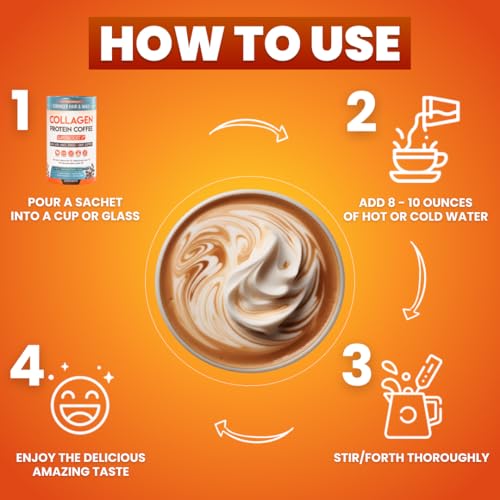
Whey protein isolate generally mixes the best in hot liquids, minimizing clumps. However, plant-based blends and collagen are viable options, though they might require more thorough stirring or a frother.
Are added sugars in protein powders a concern, even in small amounts?
Yes, added sugars can hinder weight loss efforts. Prioritize powders with zero or minimal added sugar (under 2 grams per serving) and be aware of hidden sugars listed as other ingredients like maltodextrin.
Will adding protein to my coffee affect the taste significantly?
Flavor compatibility is key; vanilla and chocolate flavors are usually safe bets. Experimenting with different brands and flavors is crucial to finding a protein coffee blends for weight loss that you genuinely enjoy.
Beyond protein, what other ingredients should I look for to maximize benefits?
Consider powders with added caffeine (80-100mg) for an energy boost, or ingredients like MCT oil or prebiotics for additional metabolic or gut health support. However, always read the label carefully to understand the purpose of each addition before choosing fat-burning protein coffee drinks.
The Bottom Line
Ultimately, choosing the “best” protein powder to mix with coffee comes down to balancing convenience with your personal goals. If you want a straightforward, high-protein option that delivers a consistent experience, I recommend the Premier Protein Café Latte. It offers a solid protein content and a palatable flavor without a lot of extra fuss.
For those with specific needs, we have several excellent alternatives. If you’re prioritizing collagen for its potential benefits, the Collagen Protein Coffee Blend is a standout. And if you’re looking for a more complete meal replacement, the Almased Vanilla Meal Replacement delivers a substantial nutritional profile. If you are struggling with getting a smooth mix, check out our guide on the best way to mix protein in hot coffee.
Don’t get caught up chasing the highest protein numbers or trendiest ingredients. The most important thing is finding a powder you genuinely enjoy and will use consistently – one that fits your taste preferences and supports your overall health and weight management strategy. Remember, consistency is key, and a delicious protein coffee can be a valuable tool on your journey.
