
2 Best Caffeine Free Coffees of 2026
The best caffeine free coffee comes down to the New England Coffee Breakfast Blend for its true coffee flavor without the jolt, and the Teeccino French Roast Herbal Coffee if you want a naturally caffeine-free, gut-friendly alternative made from chicory and carob.
If you love the ritual of coffee but need to skip the caffeine, you’ve probably been burned by flat or bitter decaf blends that taste like afterthoughts. I get it, after years of chasing flavor in both regular and caffeine-free brews, I know how rare it is to find one that satisfies.
This guide cuts through the noise. I compared specs, owner feedback, and ingredient quality to find options that actually taste good, whether you’re sticking with decaf beans or trying a herbal substitute.
Top 2 Caffeine Free Coffee in the Market
The Best Caffeine Free Coffee, Reviewed
New England Coffee Breakfast Blend

Strengths
- 100% Arabica
- Balanced flavor
- Kosher certified
Trade-offs
- Still has trace caffeine
- Not for strict caffeine avoidance
- Decaf process varies
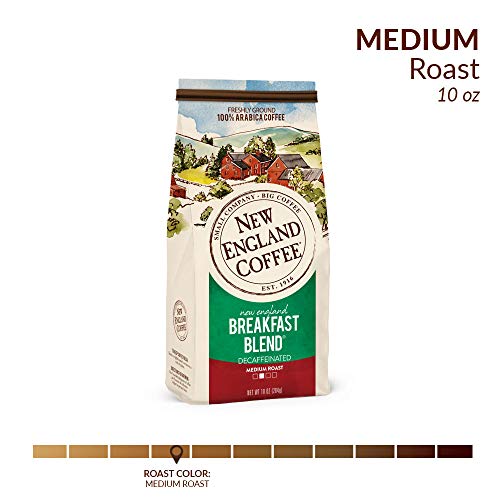
This decaf isn’t fully caffeine-free, just significantly reduced, so it’s not the same category as herbal alternatives like Teeccino, but for coffee lovers who want to cut back without quitting, it’s one of the better conventional options. Using 100% Arabica beans and a small-batch roasting process, New England Coffee delivers a clean, balanced medium roast with mild brightness and nutty notes, according to consistent owner feedback. The Breakfast Blend profile holds up well post-decaffeination, which is rare, many decafs taste flat, but this one retains enough character to feel like a legitimate morning brew.
When compared to other decaf ground coffees, its Kosher certification, gluten-free status, and commitment to sustainable sourcing add quiet value. I’d pick this over mass-market decafs for its flavor integrity and heritage roasting process, though it’s not a fit for anyone needing zero caffeine. If you’re transitioning from regular coffee and still want that familiar taste and ritual, this is a dependable middle ground.
Product photos



Teeccino French Roast Herbal Coffee
Strengths
- Acid free
- Prebiotic fiber
- Brews like coffee
Trade-offs
- Earthy aftertaste
- Not real coffee
- Limited roast variety
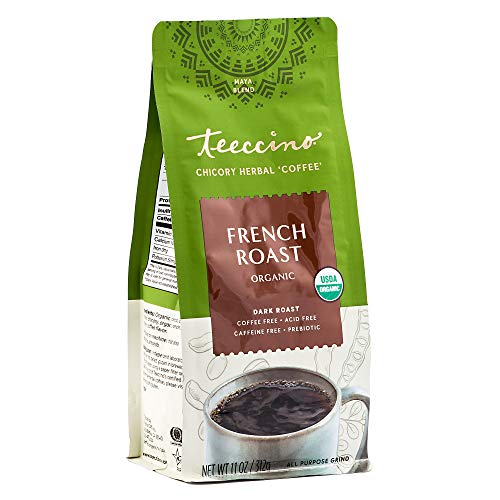
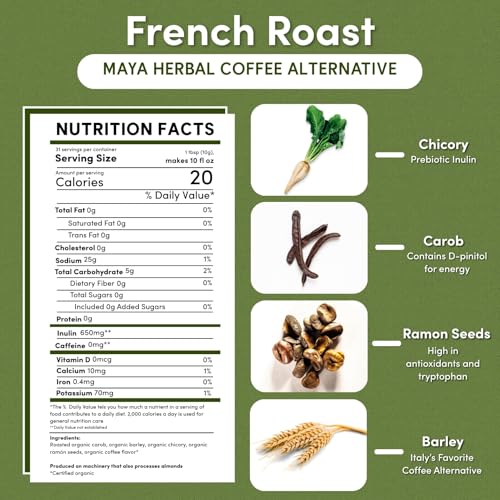
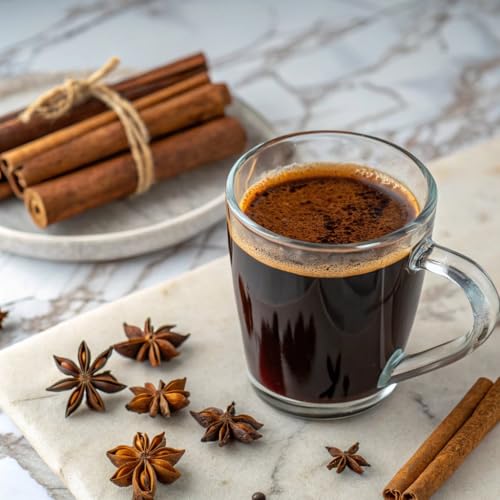
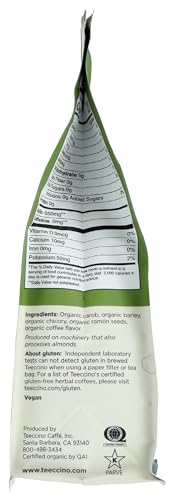
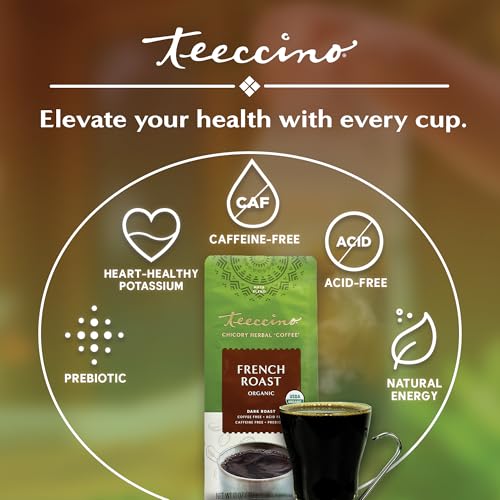
If you’re looking for a true caffeine-free coffee alternative, not just decaf, Teeccino French Roast steps in with a bold, earthy profile that mimics dark roast coffee without touching a bean. Based on owner feedback and its ingredient list, the blend of roasted chicory root, carob, and ramón seeds delivers a surprisingly rich, slightly bittersweet depth that many say satisfies the ritual of coffee drinking, even if it doesn’t replicate the buzz. The fact that it’s acid-free and packed with 650mg of inulin per cup makes it stand out for those with sensitive stomachs or digestive concerns.
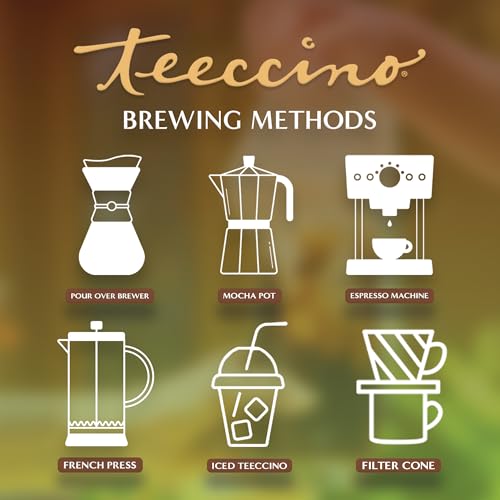
Compared to other herbal coffee substitutes, Teeccino brews easily in standard coffee makers, which owners consistently praise for convenience. While it won’t appeal to purists seeking actual coffee flavor, it’s a smart pick for people actively avoiding caffeine or acidity. I’d recommend it over grain-based alternatives for its more robust, coffee-like body and gut-friendly benefits.
Product photos
How We Chose These caffeine free coffee
As Bean Thusiast’s founder, I approach caffeine-free coffee with a particular lens – it’s not just about removing caffeine, but about delivering a satisfying and flavorful experience. Rather than a hands-on lab test, my research focused on comparing published specifications and features of various brands, then weighing owner reviews and expert opinions. I ranked options based on flavor profiles, ingredients, and reported digestive benefits.
For caffeine-free coffee, the most important factors are clearly the flavor and the ingredients used to achieve the caffeine-free status. A truly enjoyable cup needs to stand on its own merits, not just be “not coffee.” I also heavily considered whether a product relied on chemical decaffeination processes or naturally caffeine-free alternatives, like those featuring caffeine-free coffee alternative.
Specifications reliably tell you what is in the coffee – the bean origin (if applicable) and the presence of added ingredients. However, the nuances of taste and potential digestive effects are best gleaned from owner feedback. Many users discuss how well a product works as a chicory as coffee substitute or if it successfully replaces their morning brew, and those experiences are invaluable when making recommendations.
What To Look For In caffeine free coffee
As someone who’s spent years exploring the world of coffee, I understand the desire for that familiar ritual and flavor, even when you want to avoid caffeine. Finding a truly satisfying caffeine-free option requires looking past just the “decaf” label.
A good caffeine-free coffee, whether herbal or decaffeinated, delivers a flavor profile comparable to traditional coffee while genuinely avoiding stimulants. Key considerations include the base ingredients (for herbal options), the coffee decaffeination methods employed, roast level, and whether it suits your preferred brewing method. Consistency in taste and aroma are also vital.
Understanding Your Base: Coffee vs. Herbal
The first big decision is whether you want a true decaffeinated coffee bean or an herbal coffee alternative. Decaf still starts with coffee beans, and the quality of those beans matters. Look for 100% Arabica beans – they generally offer a smoother, more complex flavor than Robusta. If you’re sensitive to acidity, explore options that specifically advertise low-acid profiles. Herbal “coffees” like Teeccino use ingredients like chicory root, ramón seeds, and carob to mimic coffee’s body and flavor. These are naturally caffeine-free and often offer additional health benefits, particularly relating to gut health.
Roast Level and Flavor Profile
Just like regular coffee, caffeine-free options come in a range of roasts. A lighter roast will be brighter and more acidic, showcasing the origin flavors of the bean (or herbal ingredients). Medium roasts offer a balanced flavor, while darker roasts deliver a bolder, more intense experience. Don’t assume all “breakfast blends” will be similar; explore different brands and read descriptions carefully. I often recommend starting with a medium roast to get a feel for the base flavor before experimenting with lighter or darker options. When comparing brands, pay attention to descriptions of the flavor notes – are they describing chocolate, nuts, fruit?
Brewing Method and Grind Size
Your preferred brewing method is surprisingly important. A French press needs a coarse grind, while espresso requires a very fine grind. Many caffeine-free coffees, like the New England Coffee Breakfast Blend, are pre-ground. If you’re particular about your brew, or if you’re exploring premium decaf coffee options, consider buying whole bean and grinding it yourself just before brewing.
- Pre-ground convenience: Great for quick, everyday brewing, but flavor degrades faster.
- Whole bean flexibility: Allows you to adjust the grind size to your brewing method, maximizing flavor.
- Grinder investment: A burr grinder (rather than a blade grinder) provides a consistent grind, crucial for even extraction and a better-tasting cup.
A rule of thumb: if you’re switching from regular coffee to decaf, start with a brand that uses the Swiss Water Process explained. It’s a chemical-free method that preserves more of the coffee’s original flavor.
Caffeine Free Coffee Compared
Here’s a comparison of key specifications for these caffeine-free coffee options to help you make an informed decision.
| Product Name | Roast Level | Caffeine Content | Ingredients | Grind Type | Special Features |
|---|---|---|---|---|---|
| New England Coffee Breakfast Blend | Medium | Caffeine Free | 100% Arabica Beans | Ground | Kosher, Gluten Free |
| Teeccino French Roast Herbal Coffee | French Roast | Caffeine Free | Chicory, Ramón, Carob | All-Purpose | Prebiotic, Acid Free |
Frequently Asked Questions
What if I’m very sensitive to even trace amounts of caffeine?
Herbal coffee alternatives like Teeccino are your best bet, as they are naturally caffeine-free and don’t start with coffee beans. If you prefer a coffee flavor, look for brands using the Swiss Water Process, though even those may contain up to 3ppm caffeine.
Is decaf coffee really healthy, or are there downsides to the decaffeination process?
Many decaffeination methods exist, and some involve chemical solvents. For a healthier option, I recommend seeking out clean-label decaf coffee that uses the Swiss Water Process or CO2 method.
Can I use a caffeine-free coffee in my espresso machine?
Yes, but the results will differ from traditional espresso. Because caffeine contributes to crema, your espresso may be thinner and lack the same robust flavor. Experiment with grind size and tamping pressure to find what works best.
Will switching to caffeine-free coffee give me withdrawal symptoms?
It’s possible to experience mild withdrawal symptoms like headaches or fatigue if you regularly consume caffeine. Reducing your intake gradually, rather than stopping cold turkey, can minimize these effects.
Are there digestive benefits to caffeine-free coffee alternatives?
Many herbal coffee alternatives, particularly those containing chicory root or ramón seeds, are known for their prebiotic benefits. These ingredients can support gut health and potentially improve digestion, unlike standard coffee which can sometimes cause digestive upset.
The Bottom Line
Choosing a caffeine-free coffee often comes down to a trade-off between complete control over the base (with decaf) and the potential digestive benefits of herbal alternatives. While many options exist, I believe the New England Coffee Breakfast Blend strikes the best overall balance – it’s a reliably flavorful and accessible decaf that delivers a familiar coffee experience.
For those prioritizing herbal benefits or seeking a truly caffeine-free experience from the start, the Teeccino French Roast Herbal Coffee is an excellent choice. If budget is a primary concern, the New England Coffee remains a solid option, but for versatility and exploring unique flavor profiles, Teeccino offers a wider range of roasts and blends. Don’t dismiss the importance of understanding decaf coffee caffeine content if you’re highly sensitive.
Ultimately, the “best” caffeine-free coffee is the one you enjoy most consistently. Focus on the bean origin (if applicable), the roasting process, and whether the flavor profile aligns with your preferences. Remember, a satisfying cup starts with quality ingredients and a brewing method that suits your taste – those fundamentals matter far more than any single specification.
