
7 Best Proteins to Mix with Coffee 2026
This post contains affiliate links. As an Amazon Associate, we earn from qualifying purchases.
The Premier Protein Café Latte stands out as the best overall protein to mix with coffee, delivering a strong 30g of protein and a clean energy boost, while the BariWise Cappuccino Protein Mix is a solid budget-friendly pick that doesn’t skimp on taste or convenience. For those wanting functional extras, the Protein Coffee Powder Cold Brew Mocha brings probiotics and mushrooms into the mix.
Most people just want a protein coffee that tastes good, mixes easily, and fits their routine, without turning their morning brew into a chalky mess. After comparing the field and weighing specs against real user feedback, I focused on what actually matters: protein quality, mixability, flavor, and added ingredients that support your goals.
This guide breaks down the top options based on honest reviews and clear criteria, so you can pick one that works with your coffee habit, not against it.
Top 7 Protein To Mix With Coffee in the Market
The Best Protein To Mix With Coffee, Reviewed
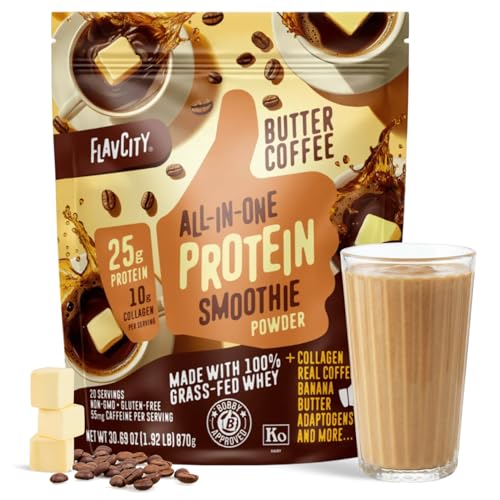
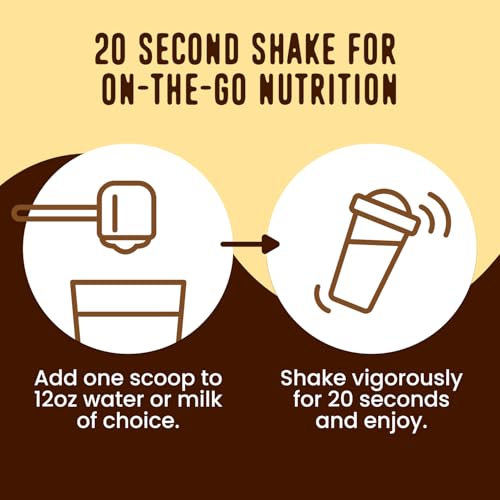
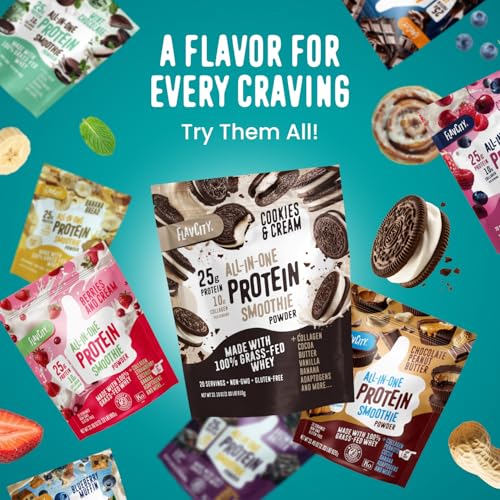
FlavCity Butter Coffee Protein
Strengths
- Collagen peptides
- Adaptogenic mushrooms
- 55mg caffeine
- Grass-fed whey
- Third-party tested
Trade-offs
- Higher cost
- Mild protein
- Vanilla only
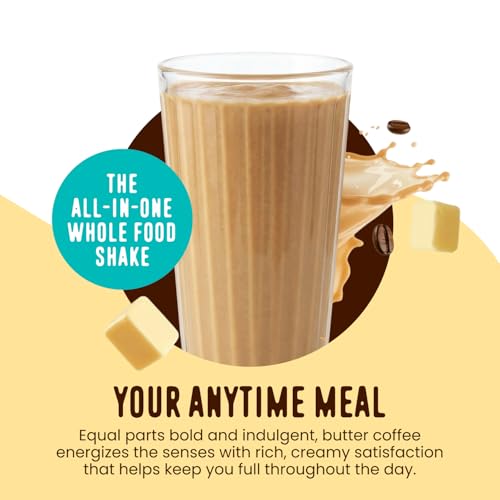
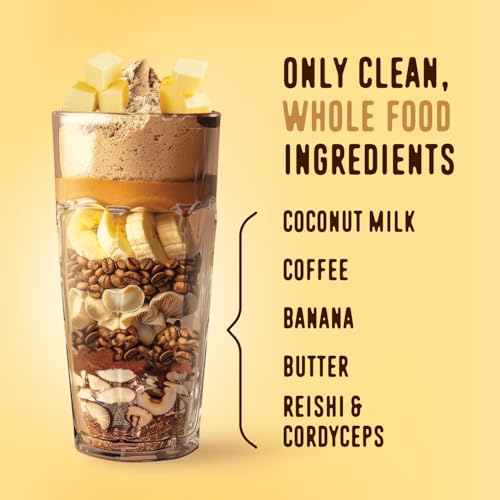
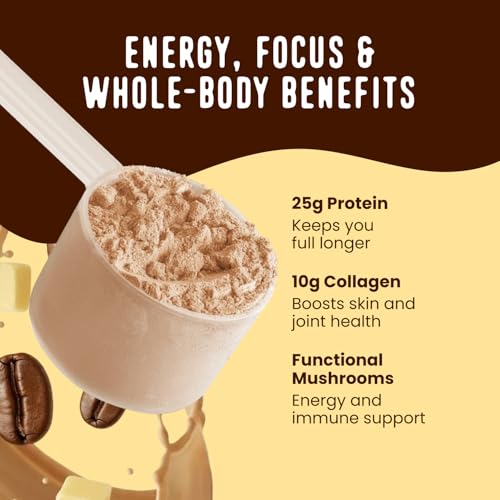
This is the most complete package on the list, no question. With 10g of collagen, 55mg of caffeine, and adaptogenic mushrooms like Reishi and Cordyceps, it replaces not just your coffee but half your supplement cabinet. The grass-fed whey is third-party tested, and users report clean energy without jitters. The vanilla butter coffee flavor is rich, not sweet, and it mixes easily in a shaker cup.
Owners love that it supports skin, joints, and mental clarity while still delivering solid protein. Compared to others, it’s pricier, but the ingredient quality and functional depth justify it. If you’re tired of taking five pills with your coffee, this is the smarter buy.
Product photos
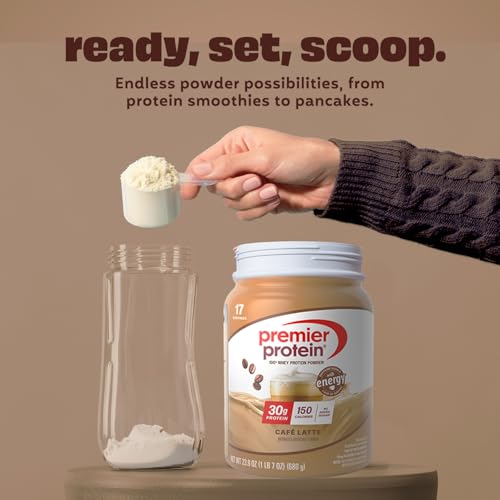
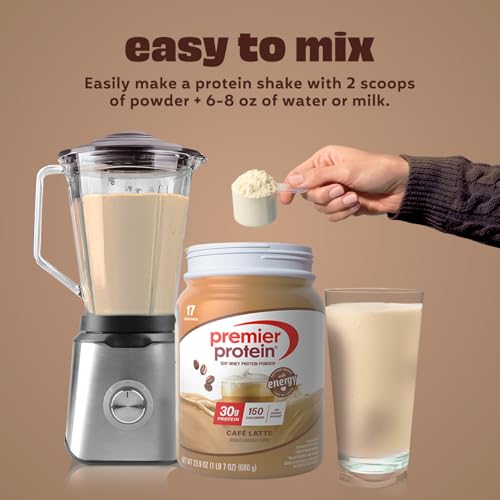
Premier Protein Café Latte
Strengths
- 30g protein
- 95mg caffeine
- Keto friendly
- Smooth mix
- No soy
Trade-offs
- High caffeine
- Can be filling
- Few flavors
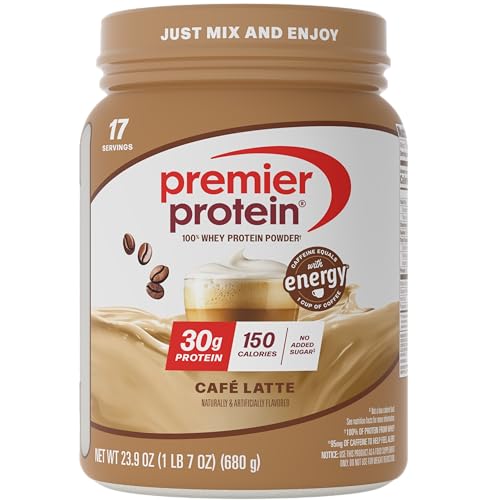
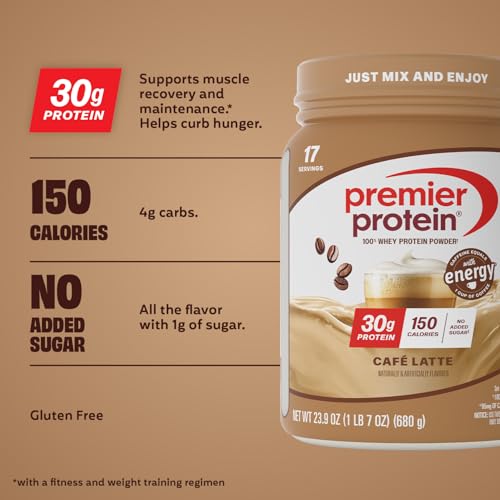
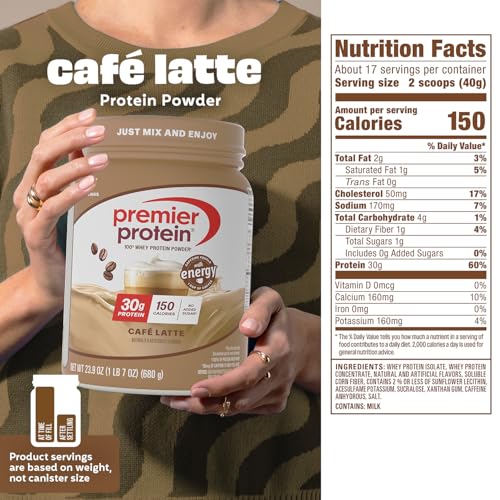
When you need a true energy and muscle-supporting jolt, this is the one. With 30g of 100% whey protein and 95mg of caffeine, equal to a full cup of coffee, it bridges the gap between a post-workout shake and your morning brew. The café latte flavor is rich and smooth, and owners consistently say it mixes well with just water or almond milk.
It’s got minimal carbs and sugar, making it keto-compliant, and the clean ingredient list avoids soy and gluten. Compared to lower-caffeine options, this is the pick when focus and recovery are both priorities. If you’re replacing breakfast with a shake, this one actually sustains you.
Product photos

Javvy Caramel Iced Coffee Protein
Strengths
- Smooth mix
- 80mg caffeine
- Real cold brew
- No artificial junk
- Great iced
Trade-offs
- Only 10g protein
- Mild flavor
- Not for muscle gain
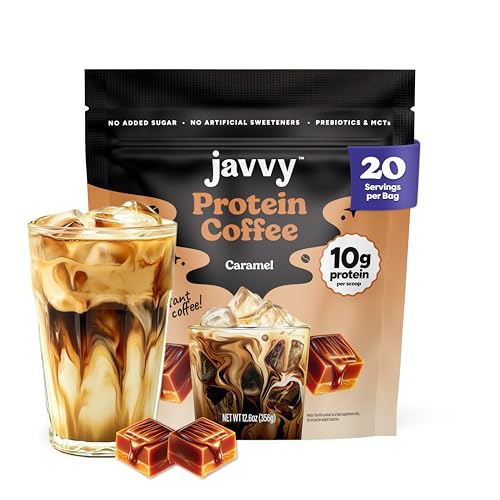
Javvy wins on texture. Owners repeatedly call out how smoothly it dissolves, no blender needed, no chalky residue. That makes it a standout for iced coffee lovers who hate gritty protein powders. With 10g of whey and 80mg of caffeine from real cold brew, it’s stronger than some but still not a meal replacement. The caramel flavor is balanced, not syrupy, and it holds up well when mixed with oat milk or almond milk.
It’s positioned as a café-style drink, and that’s the vibe: quick, clean, and satisfying. Compared to FlavCity or Premier, it’s lighter on protein and functional add-ons, but it nails the experience. If you’re sick of clumpy shakes, this is worth the trade-off.
Product photos


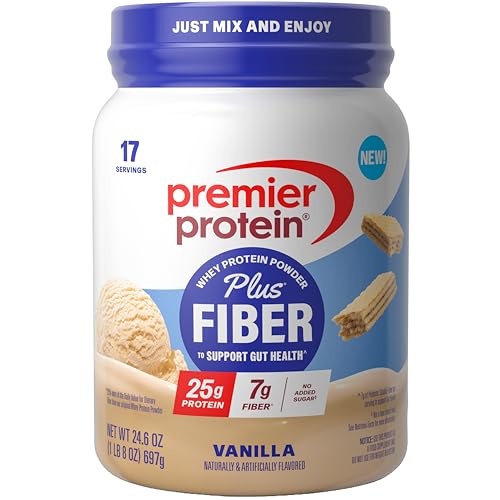
Premier Protein Plus Fiber Vanilla
Strengths
- 7g fiber
- 25g protein
- Prebiotic blend
- Gut health focus
- Easy mix
Trade-offs
- Vanilla only
- Not coffee-flavored
- Lower caffeine
I’d pick this one for anyone prioritizing digestion without sacrificing protein. The 7g of prebiotic fiber per serving is rare in this category and directly supports gut microbiome health, owners report less bloating and better regularity. Paired with 25g of whey protein, it’s a balanced blend for satiety and digestive wellness.
The vanilla flavor is mild and mixes cleanly, though it doesn’t scream ‘coffee’, you’ll want to blend it into a latte or smoothie for that vibe. Compared to the regular Premier Protein, this version trades a bit of protein for gut benefits. If you’re already taking a fiber supplement, this might be overkill. But if you want two birds, one stone, this delivers.
Product photos


BariWise Cappuccino Protein Mix

Strengths
- Portion controlled
- 15g protein
- Low sugar
- Gluten free
- Clinically trusted
Trade-offs
- Few servings
- Lower protein
- Limited flavor
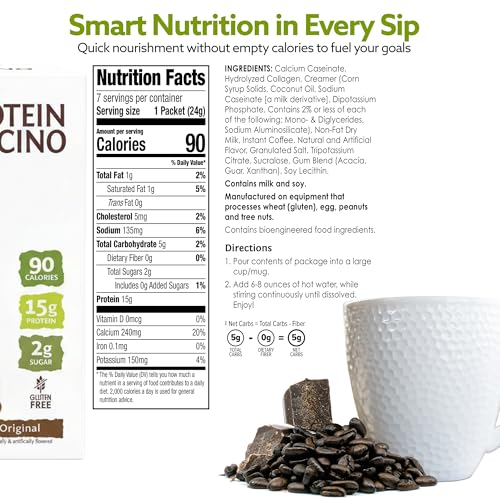
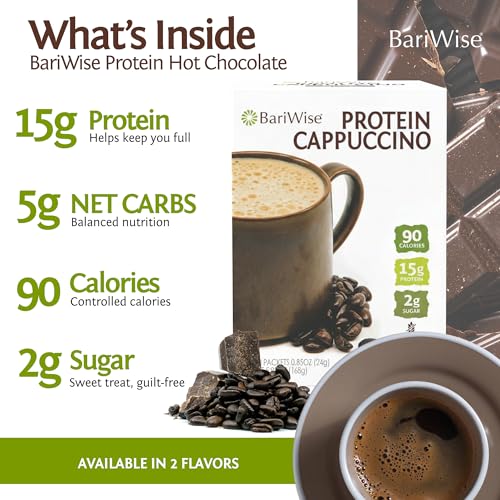
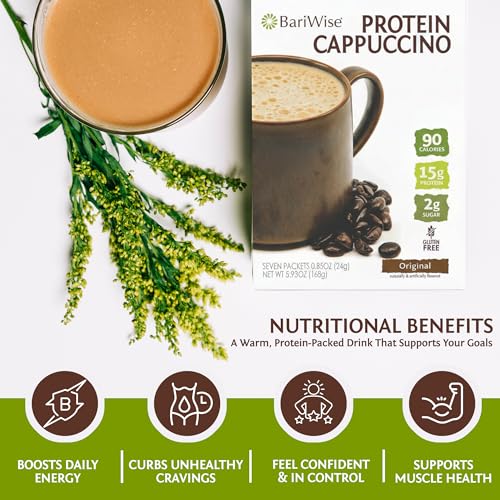
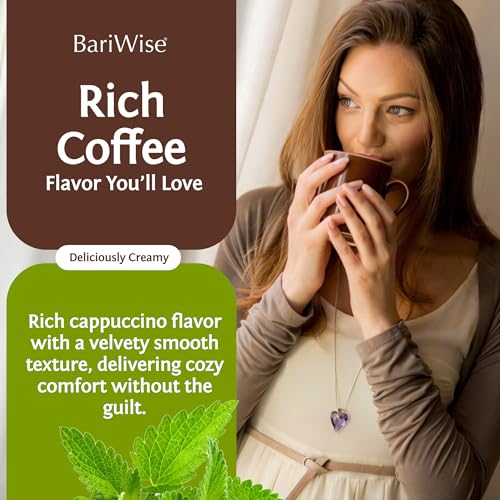
Portion control is where BariWise shines. These single-serve packets are pre-measured, travel-ready, and consistent, perfect if you’re tracking intake or avoiding the guesswork of scooping. Each delivers 15g of protein and just 2g of sugar, making it a smart pick for weight management or post-op nutrition routines. The cappuccino flavor is creamy without being sweet, and many reviewers say it tastes closer to real coffee than most protein powders.
It’s not the strongest protein punch per serving, and you’ll burn through the 7-pack fast if you’re drinking daily. But for someone needing structure, like those on medically supported plans, this is a trusted, hospital-recommended option. Compared to bulk tubs, it’s less economical but way more convenient.
Product photos

Protein Coffee Powder Cold Brew Mocha

Strengths
- 25g protein
- MCT oil
- Mushroom blend
- Probiotics
- Keto friendly
Trade-offs
- Slight grit
- Higher price
- Plant protein aftertaste
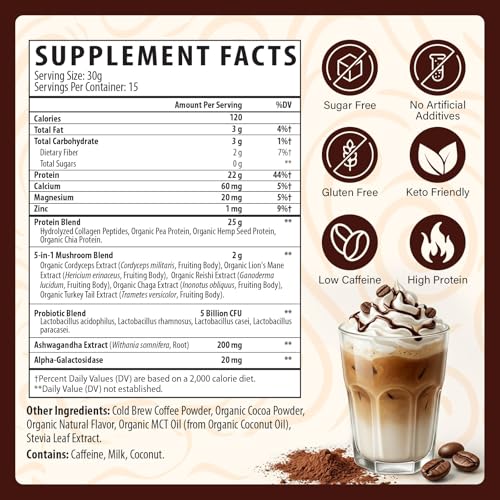
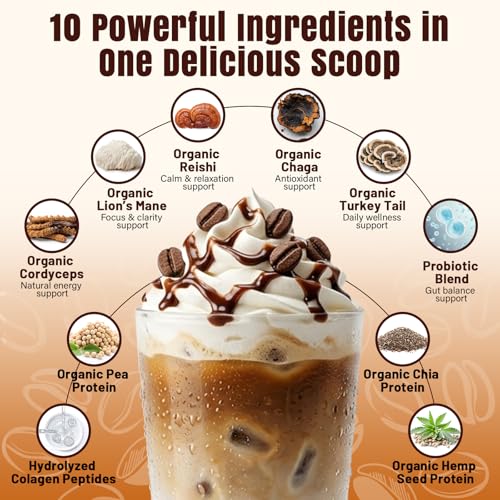
If you’re stacking supplements with your morning brew, this one consolidates the whole routine. With 25g of combined collagen and plant protein, it’s among the most complete protein hits in this category. The mushroom blend, Lion’s Mane, Reishi, Chaga, doesn’t add earthy taste, which owners appreciate, and it’s formulated to support focus and immunity without clashing with the mocha profile.
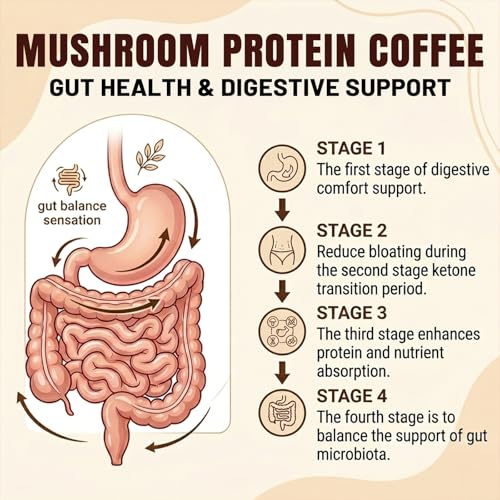
The MCT oil and probiotics add real functional depth, especially for keto or fasting routines. Mixability is decent, though some users note a slight chalkiness if not blended. Compared to simpler whey-based powders, this is a full wellness shot in coffee form. It’s not just fuel, it’s designed to do things.
Product photos


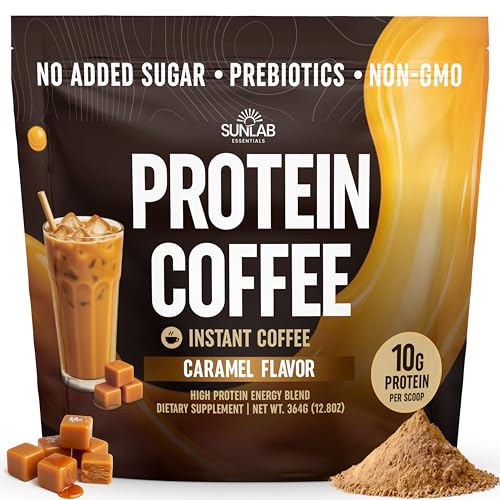
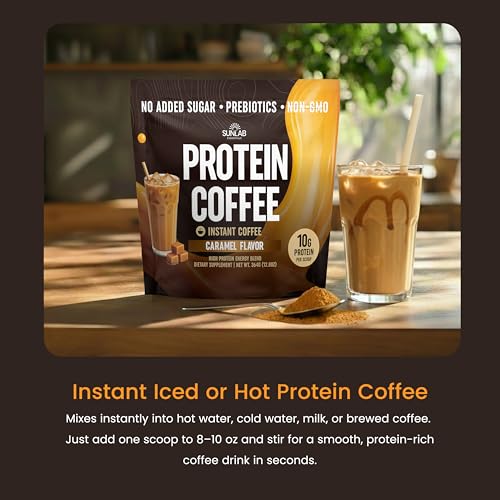
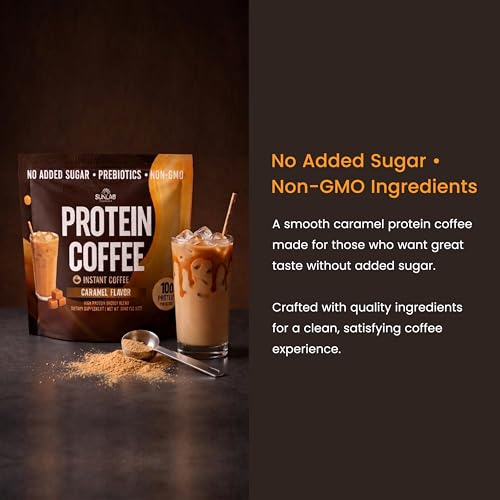
Caramel Whey Protein Coffee Mix
Strengths
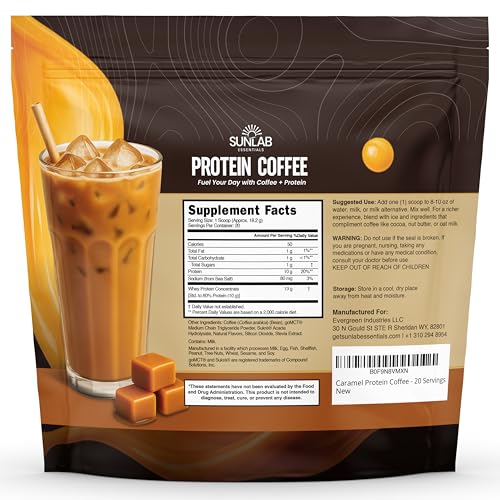
- 10g protein
- 40mg caffeine
- Effortless mix
- No added sugar
- Prebiotic support
Trade-offs
- Low protein
- Mild flavor impact
- Not for muscle goals
This one’s clearly built for budget-minded coffee sippers who still want a clean, light protein boost. At 10g of whey protein and 40mg of caffeine per serving, it won’t power a post-workout recovery, but it’s a solid sip for a mid-morning lift. The caramel flavor gets consistent praise for being rich without that cloying sweetness, and the prebiotic addition is a subtle nod to gut health, nothing major, but a nice bonus.
Where it really stands out is mixability. Owners report it dissolves fast, even in cold water or iced coffee, with minimal grit. That makes it a no-fuss option if you’re tossing it into your thermos and shaking on the go. Compared to higher-protein picks, this is more of a flavored coffee with protein than a protein shake with coffee.
Product photos
How We Chose These protein to mix with coffee
I approached this guide by first compiling a detailed list of products marketed for combining with coffee – everything from whey protein isolates to blends featuring mushrooms and collagen. Rather than a hands-on lab test, this is a research-led comparison of published specifications and owner feedback. I then weighed those details against my experience with coffee flavor profiles and protein solubility, establishing clear ranking criteria.
For this category, the most important factors were protein content and mixability, followed closely by flavor profile. A high protein content (over 20g per serving) is crucial for those looking to supplement their intake, while smooth mixability avoids the unpleasant clumps that can ruin a morning cup. Ultimately, a product needs to actually taste good in coffee, which is subjective but heavily informed by user reviews.
Product specifications reliably detail protein content, caffeine levels, and added ingredients like collagen or prebiotics. However, I placed greater emphasis on what owner feedback revealed about actual taste, how well the powder dissolves, and whether it alters the coffee’s flavor in a pleasant way. Many users discuss potential issues like preventing protein clumps in coffee, and those insights were invaluable when assessing overall quality.
What To Look For In protein to mix with coffee
Finding the right protein to mix with coffee isn’t just about boosting your intake; it’s about creating a genuinely enjoyable and functional morning ritual.
A successful protein coffee blend balances taste, texture, and nutritional benefits. Key considerations include protein source (whey, casein, plant-based), added ingredients like adaptogens or prebiotics, caffeine content, and mixability to avoid clumping. Prioritize products with third-party testing for purity and accurate labeling.
Protein Source & Digestibility
The type of protein matters significantly. Whey protein is the most common, prized for its rapid absorption – ideal if you’re having protein coffee as a post-workout recovery drink. However, whey can sometimes cause digestive discomfort for some people. Casein protein digests slower, potentially offering more sustained fullness, but might leave a heavier feeling. Plant-based proteins (pea, brown rice, soy) are excellent for those with dairy sensitivities or dietary preferences, though their texture and flavor can sometimes be less appealing. I often recommend experimenting with smaller amounts of different protein types to see what your body responds to best.
Added Functionals & Flavor Profiles
Many protein coffees go beyond a simple protein boost, incorporating ingredients designed to enhance focus, energy, or gut health. Adaptogens like Reishi and Cordyceps mushrooms are increasingly popular, though the actual benefits can be subtle and require consistent use. Prebiotics, as seen in the Premier Protein Plus Fiber, are a great addition for supporting digestive health. When it comes to flavor, consider your existing coffee preferences. A vanilla or caramel flavor (like in the Caramel Whey Protein Coffee Mix) will generally blend more easily with most brews, while mocha or bolder flavors might clash. For those looking for an all-in-one functional boost, exploring options with mushrooms and probiotics – like the Protein Coffee Powder Cold Brew Mocha – is a good starting point.
Mixability & Convenience
A gritty, clumpy protein coffee is simply unpleasant. This is where mixability becomes paramount. Some powders, like the Javvy Caramel Iced Coffee Protein, specifically market their smooth mixing capabilities. Beyond the powder itself, consider the format. Single-serve packets, like those offered by BariWise, provide portion control and convenience, especially if you’re on the go. If you’re interested in learning more about making the perfect cup, check out this protein coffee recipe. It’s also worth considering how much effort you want to put in; some options are designed to blend directly into hot or cold coffee, while others might require a shaker bottle or blender. Finding the best protein powders for coffee that suits your lifestyle will make all the difference.
Don’t chase the highest protein content at the expense of taste or texture. A slightly lower protein amount in a truly enjoyable blend is far better than a chalky, unpleasant drink you’ll dread.
Protein to Mix with Coffee Compared
Here’s a comparison of key specifications for various protein powders designed to be mixed with coffee.
| Product Name | Protein per Serving | Caffeine (mg) | Fiber (g) | Key Features | Serving Size |
|---|---|---|---|---|---|
| FlavCity Butter Coffee Protein | 10g | 60 | N/A | Mushroom Coffee, Collagen | 1 scoop |
| Premier Protein Café Latte | 30g | 95 | N/A | Focus & Energy | 1 serving |
| Javvy Caramel Iced Coffee Protein | 10g | N/A | N/A | Smooth Mixability | 1 scoop |
| Premier Protein Plus Fiber Vanilla | 25g | N/A | 7g | Gut Health | 1 serving |
| BariWise Cappuccino Protein Mix | 15g | N/A | N/A | Portion Controlled | 1 packet |
| Protein Coffee Powder Cold Brew Mocha | 25g | N/A | N/A | Mushrooms, Keto, Probiotics | 1 scoop |
| Caramel Whey Protein Coffee Mix | 10g | 40 | N/A | Prebiotics, No Added Sugar | 1 scoop |
Frequently Asked Questions
What protein powder has the least impact on coffee flavor?
Flavor-neutral proteins for coffee, like unflavored whey protein isolate, will generally alter your coffee’s taste the least. However, many people find a vanilla-flavored option blends well without overpowering the coffee’s natural notes.
Can I use any protein powder in my coffee?
You can use any protein powder, but not all will mix well. Some plant-based proteins and certain whey concentrates are prone to clumping, creating an unpleasant texture. Choosing one of the protein powders that don’t clump in coffee is best.
Are there protein powders specifically designed for cold brew?
Yes, some products, like the Protein Coffee Powder Cold Brew Mocha, are formulated to dissolve easily in cold liquids. Cold brew’s lower temperature can make mixing more difficult, so these specialized powders often include ingredients to improve solubility.
What’s the best protein content to look for in a coffee blend?
A good range is 20-30 grams of protein per serving, which provides a substantial boost without drastically altering the coffee’s texture. However, the ideal amount depends on your individual protein needs and preferences, and sometimes even the best protein for hot coffee will have less.
Do mushroom-infused protein coffees actually provide a noticeable benefit?
The effects of adaptogenic mushrooms like Reishi and Cordyceps are subtle and vary from person to person. While some users report increased focus and reduced stress, the science is still evolving. Many enjoy these as part of a broader wellness routine, seeking the potential benefits alongside the protein boost, and discovering high-quality coffee protein blends that include them.
The Bottom Line
Ultimately, choosing the best protein to mix with coffee comes down to balancing your priorities. Do you want maximum protein with a focus on performance, or are you seeking a more convenient, flavor-focused experience? Based on my research, the Premier Protein Café Latte strikes the best overall balance, offering a substantial 30 grams of protein alongside a caffeine kick, and positive feedback regarding taste and mixability.
For those with specific needs, there are excellent alternatives. If you’re prioritizing gut health, the Premier Protein Plus Fiber Vanilla is a standout choice. And if convenience is key, the single-serve packets of BariWise Cappuccino Protein Mix offer a simple, portion-controlled solution. You can also explore adding protein powder to coffee for more ideas.
At the end of the day, the numbers on the label – protein content, caffeine levels, even fiber grams – matter less than how the blend actually feels in your cup. Prioritize a smooth texture, a flavor that complements your coffee, and a protein source your body tolerates well. That’s the foundation of a truly satisfying and sustainable protein coffee ritual.
