6 Best Low Caffeine Coffees of 2026
If you’re looking for a smooth, genuinely low caffeine coffee that doesn’t taste like a compromise, I recommend starting with Lifeboost Half Caff Ground Coffee as the overall best, Mommee Half Caf for a solid budget-friendly pick, and Four Sigmatic if you want added functional benefits like focus support.
Most people turn to low caffeine coffee because regular brew leaves them jittery or disrupts sleep, but too many options end up tasting flat, bitter, or “off.” After researching the market, comparing specs, and analyzing owner feedback, I focused on coffees that deliver on both reduced caffeine and real flavor. This guide breaks down the top choices based on extraction method, bean quality, and added ingredients, so you can pick one that fits your taste and lifestyle without guessing.
Top 6 Low Caffeine Coffee in the Market
The Best Low Caffeine Coffee, Reviewed
Mommee Half Caf Low Acid Coffee

Strengths
- Only 50mg caffeine per cup
- Extremely low chlorogenic acid
- Organic and non-GMO
- Water-based decaf process
- Delicious caramel notes
Trade-offs
- Smaller 11 oz bag
- Not single-origin
- Limited availability
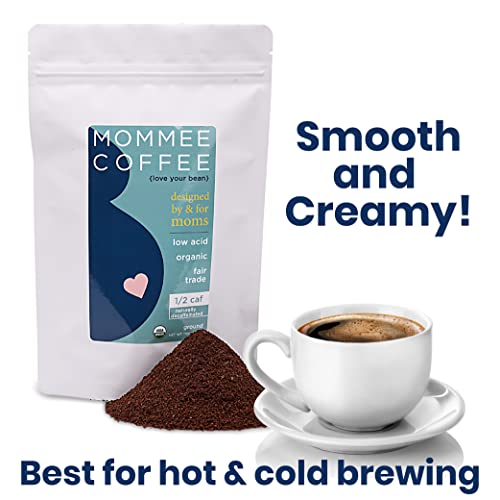
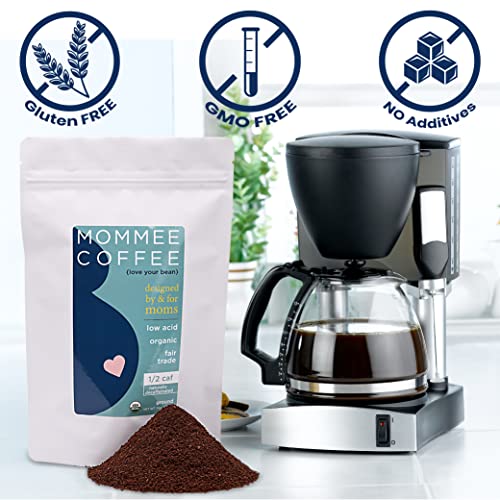
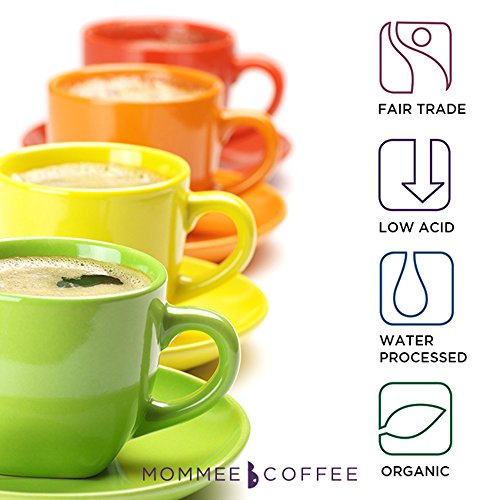
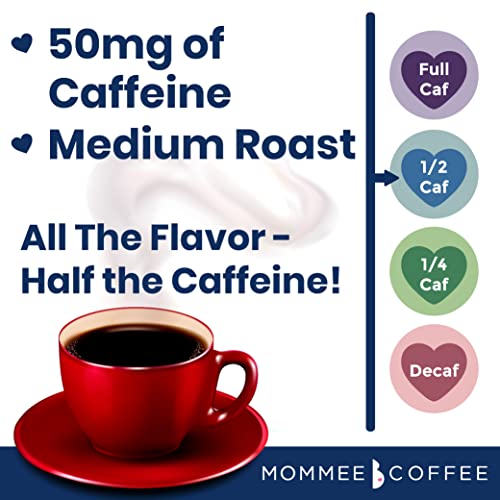
Mommee Coffee makes a strong case for being the best overall half-caff option, especially for those who care about what’s not in their coffee as much as what is. With only 50mg of caffeine per 12oz cup, it’s genuinely low-stim, but the real story is its ultra-low chlorogenic acid, reportedly 100 times less than standard coffee, which directly addresses heartburn and stomach upset.
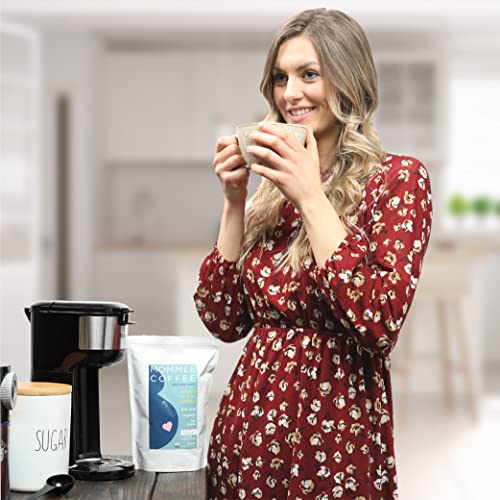
The beans are 100% organic, water-processed decaf, and the flavor, buttered caramel, toffee, smooth finish, wins praise across reviews. The resealable pouch helps maintain freshness, and the medium grind works well in drip and reusable K-cup setups. Compared to Lifeboost, it’s slightly less tested but more affordable; against Community Coffee, it’s far cleaner and gentler. For most people seeking a daily, low-caffeine, low-acid coffee, this is the easy pick.
Product photos
Maud’s Half Caff Coffee Pods 100ct
Strengths
- Affordable per-pod cost
- Smooth, balanced flavor
- Ethically sourced beans
- Keurig compatible
- Family-owned brand
Trade-offs
- Not USDA organic
- Plastic pods (not compostable)
- Less flavor nuance than ground
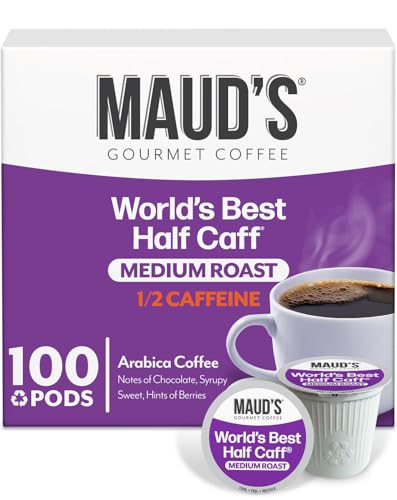
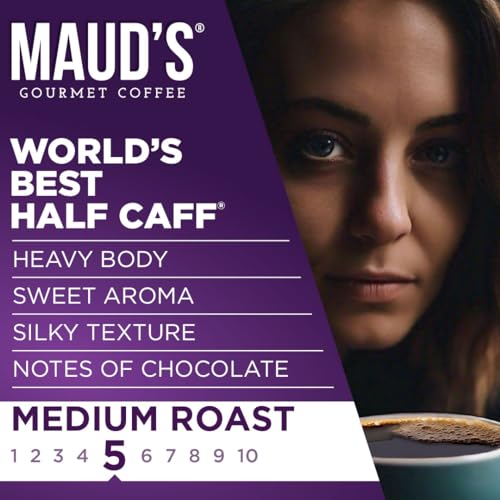
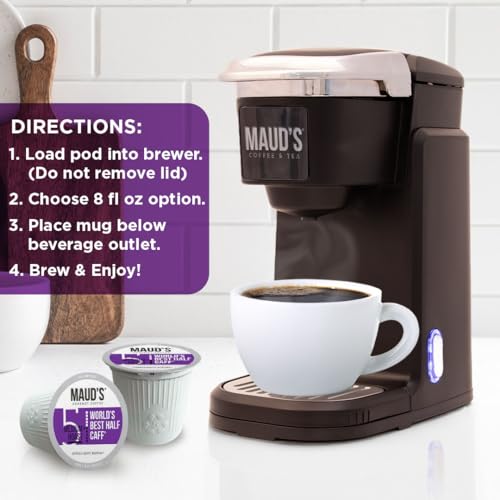
For Keurig users who want convenience without paying a premium for every pod, Maud’s hits a sweet spot. The blend of decaf Mellow Mood and dark roast Tall Dark & Handsome aims for balance, and reviewers say it delivers a satisfying, low-jitter cup with real coffee depth. It’s not specialty-tier, but for a pod, the flavor is consistently described as rich and smooth, with noticeably low bitterness.
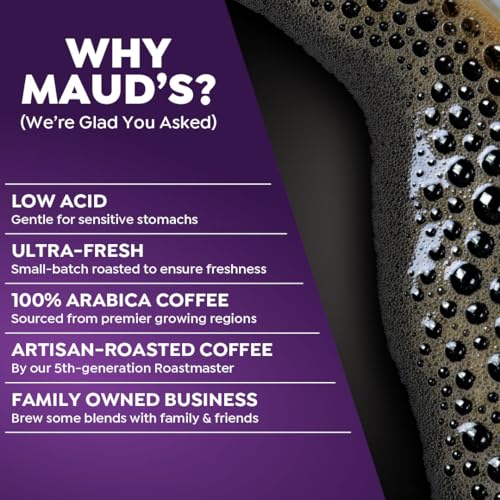
What stands out is the brand’s direct-to-consumer model, cutting out the middleman to offer fresher roasts at lower prices. The pods are compatible across most single-serve machines, and owners appreciate the ethical sourcing and solar-powered production. It’s not USDA organic, but for budget-conscious pod drinkers, it’s a solid value play.
Product photos
Community Coffee Half-Caff Medium Dark

Strengths
- Smooth medium-dark roast
- 100% Arabica beans
- Longstanding brand reputation
- Responsibly sourced
- Easy to find
Trade-offs
- Basic flavor profile
- No organic certification
- Not for flavor explorers
This is a straightforward half-caff option from a company that’s been roasting coffee for over a century. On paper, it delivers exactly what it promises: a medium-dark roast with half the caffeine and a profile built for familiarity, not adventure. Owners consistently report it brews smooth and consistent, with no sharp edges, ideal for those who want a middle-ground cup without rethinking their morning routine.
It’s 100% Arabica and responsibly sourced, which matters, but it doesn’t stand out in flavor complexity compared to specialty half-caff options. If you’re already a fan of traditional grocery-store-style coffee but want less caffeine, this is a safe, no-fuss pick. I wouldn’t call it exciting, but it’s dependable.
Product photos


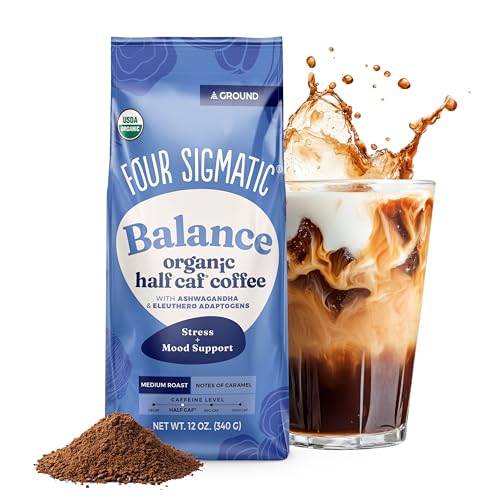
Four Sigmatic Adaptogen Ground Coffee
Strengths
- Adaptogenic mushroom blend
- Half the caffeine
- Smooth, low-acid taste
- Fruiting-body mushrooms
- Organic and fair trade
Trade-offs
- Earthy aftertaste (for some)
- Higher cost
- Not for traditionalists
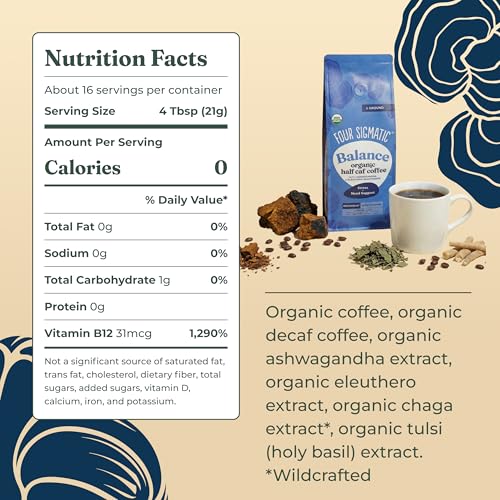
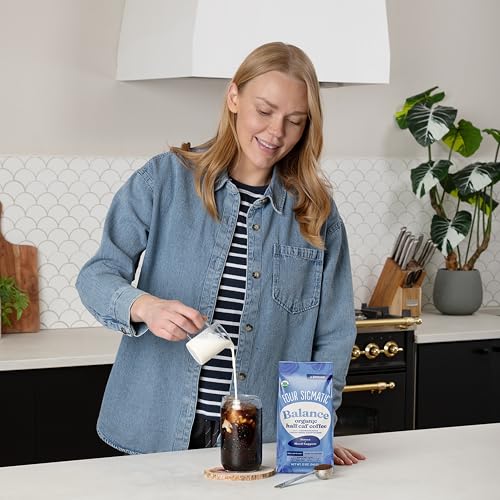
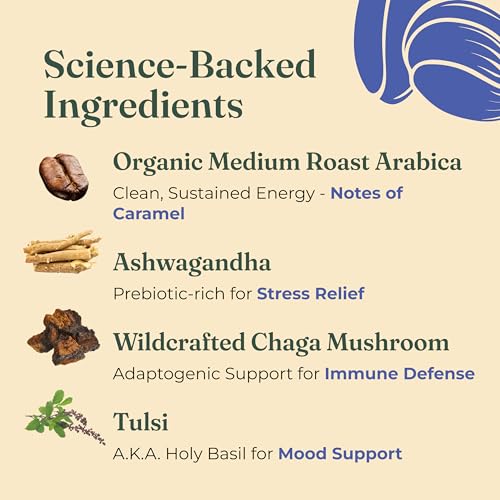
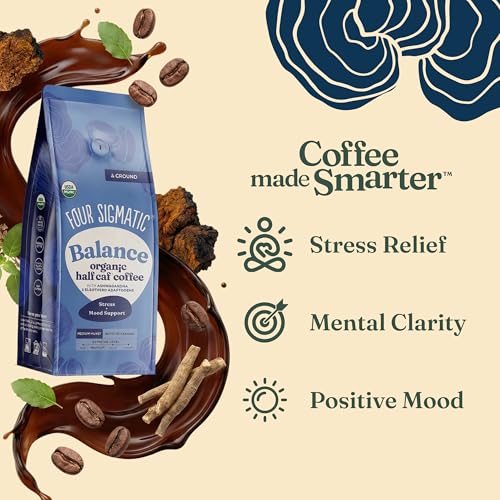
This is coffee with a mission: reduce stress, support immunity, and lower caffeine, all in one bag. FOUR Sigmatic blends decaf Peruvian beans with full-strength Honduran coffee to cut caffeine in half, then layers in adaptogens like ashwagandha, reishi, and 250mg of Chaga mushroom per cup. On paper, it’s one of the most functional half-caff options here, and reviewers confirm it delivers a calm, focused energy without jitters.
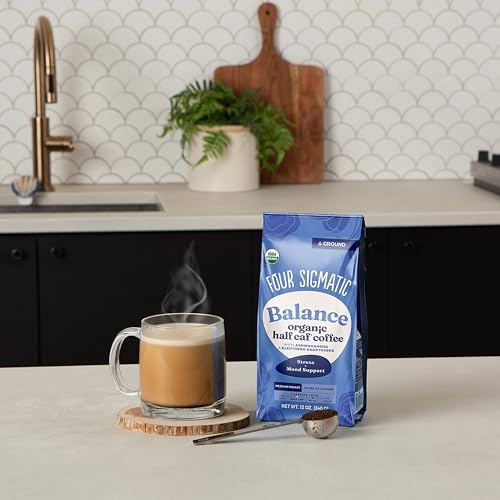
The medium roast has nutty caramel notes and a smooth, low-acid profile, making it easy to drink daily. The brand’s use of fruiting-body mushrooms (not mycelium) sets it apart in the functional coffee space. It won’t replace your morning espresso if you crave intensity, but as a mindful, balanced brew, it’s unmatched. I’d pick this over plain half-caff if mental clarity is your goal.
Product photos
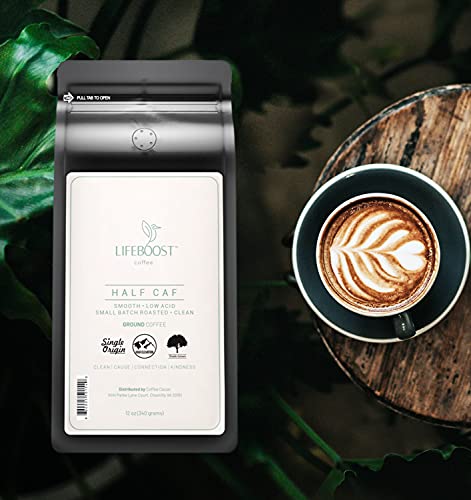
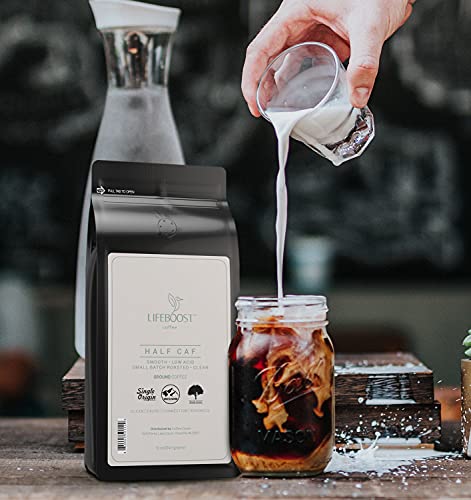
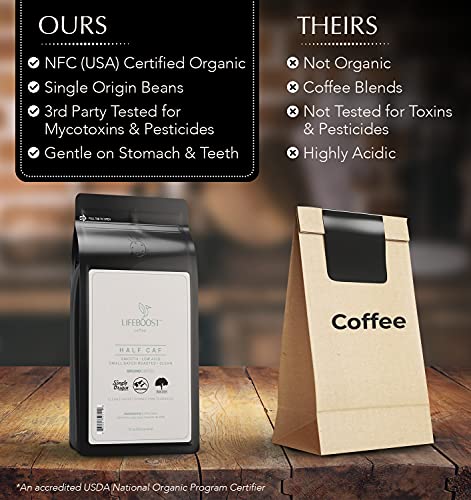
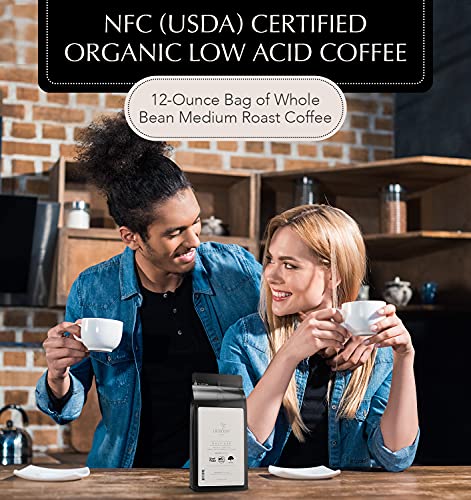
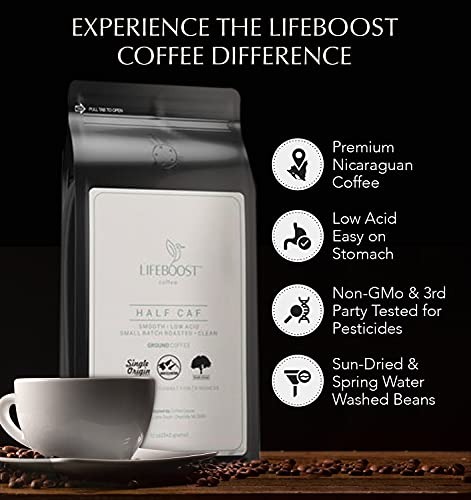
Lifeboost Half Caff Ground Coffee
Strengths
- USDA Organic certified
- Extremely low acidity
- Third-party toxin tested
- Swiss Water decaf process
- Single-origin beans
Trade-offs
- Higher price point
- Smaller bag size
- Limited roast complexity
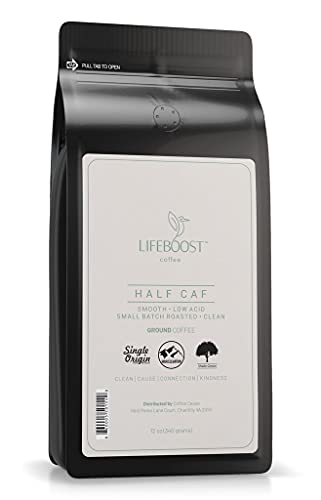
If stomach sensitivity is your main concern, Lifeboost is built for you. This isn’t just half-caff, it’s a full wellness package: USDA Organic, third-party tested for toxins, shade-grown at high elevation, and decaffeinated using the Swiss Water Process. The flavor profile, chocolate, caramel, slight fruitiness, is well-balanced, and owners praise its clean, smooth finish with zero acid burn.
The single-origin sourcing from Central America adds purity, and the hand-selected beans reflect a commitment to quality that shows in the cup. It’s on the pricier side of the spectrum, but for those who’ve struggled with acid reflux or pesticide concerns, the premium feels justified. Compared to other half-caff options, this one leans into purity as much as caffeine control.
Product photos
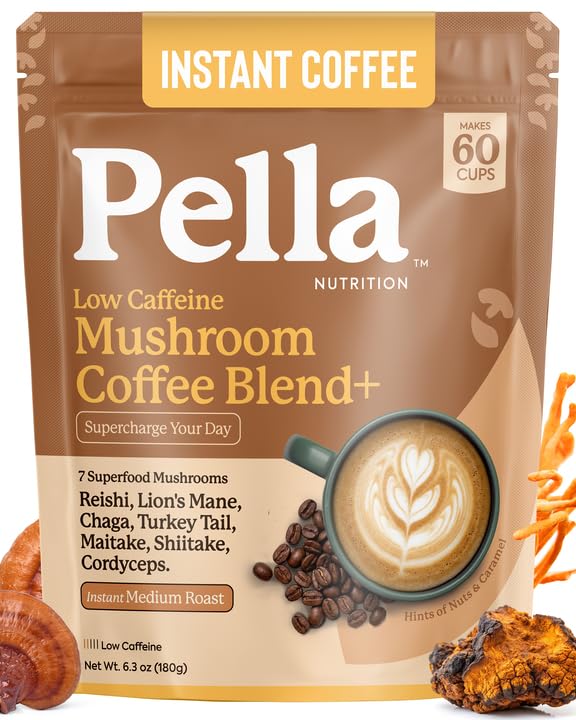
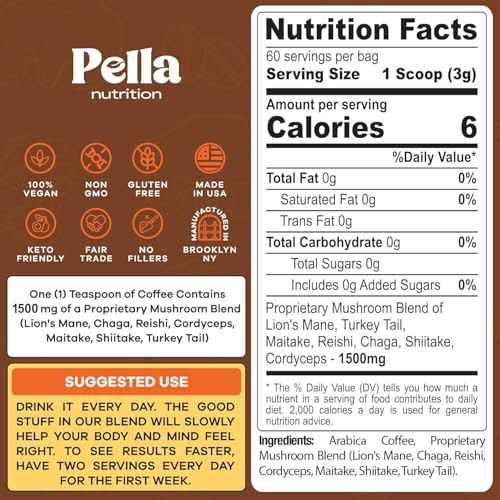
Low-Caffeine Mushroom Coffee 60 Servings
Strengths
- 7-mushroom adaptogenic blend
- Clean, sustained energy
- Instant convenience
- Low caffeine
- Keto and gluten-free
Trade-offs
- Not real brewed coffee
- Earthy flavor (acquired taste)
- Less roast depth
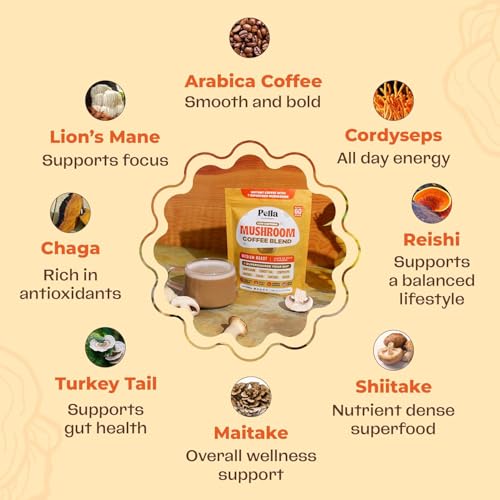
This instant mushroom coffee is designed for focus, not tradition. With 7 functional mushrooms, including Lion’s Mane and Cordyceps, and only moderate caffeine, it’s built for sustained mental energy without crashes. The flavor is described as nutty, caramel-tinged, and surprisingly palatable, even for those wary of mushroom taste. It dissolves easily, making it a strong contender for busy mornings or afternoon slumps.
Owners note the lack of jitters and the smooth cognitive lift, which sets it apart from regular coffee. While it’s not a direct replacement for a rich pour-over, it’s a smart choice for biohackers or productivity seekers. Compared to Four Sigmatic, it offers more mushroom varieties per serving (7 vs 4), but less brand transparency. If clean energy is your goal, this one delivers.
Product photos


How We Picked These low caffeine coffee
Rather than a hands-on lab test, my research for these recommendations involved a detailed comparison of published specifications and features across numerous low caffeine coffee options. I weighed owner reviews from multiple sources – Amazon, specialized coffee forums, and retailer websites – alongside expert opinions from coffee review sites and blogs. This process allowed me to build a ranking based on factors crucial to a satisfying low caffeine experience, drawing on my years of exploring the nuances of coffee flavor and sourcing.
For this category, I focused heavily on caffeine content accuracy and the smoothness of the brew. A low caffeine coffee needs to actually deliver on that promise, and the decaf coffee caffeine content is a key consideration. Beyond that, I prioritized coffees that didn’t sacrifice flavor in the pursuit of lower stimulation, as many people are seeking a similar taste profile to their regular brew.
Specifications reliably tell you the stated caffeine level, bean origin, and processing methods. However, owner feedback proved invaluable in assessing real-world taste experiences, particularly regarding potential bitterness or a “watered-down” flavor often associated with decaffeination. Reputation – a brand’s history and commitment to quality – also played a role, as consistently positive reviews across multiple platforms suggest a higher likelihood of customer satisfaction.
Choosing The Right low caffeine coffee
Finding the right low caffeine coffee requires a bit more thought than just grabbing the brightly colored decaf tin. We need to consider how that caffeine reduction is achieved, and what compromises (if any) are made to flavor and quality.
A truly good low caffeine coffee balances reduced stimulation with a satisfying taste experience. Key considerations include the method of caffeine extraction, the bean origin and roast profile, and whether additional ingredients are used to enhance the flavor or provide functional benefits. Look for 100% Arabica beans and transparent sourcing information to maximize quality.
Caffeine Level & Extraction Method
The term “low caffeine” isn’t standardized, but generally aims for around 50-75mg per 8oz cup (compared to 95-200mg in regular coffee). However, the method used to get to that level matters. The Swiss Water Process, used by brands like Lifeboost, is widely considered the gold standard. It avoids harsh chemicals, preserving more of the bean’s original flavor. CO2 processing is another good option, though less common. Avoid coffees that just blend regular and decaf beans – the resulting consistency can be unpredictable. If you are very sensitive, explore options with under 50mg like Mommee Half Caf.
Bean Quality and Roast Profile
Low caffeine doesn’t automatically equate to low quality. In fact, removing caffeine can make flaws in the bean more noticeable, so starting with a good bean is crucial. Look for 100% Arabica, ideally single-origin, and pay attention to roast level. Lighter roasts tend to retain more of the bean’s original characteristics, while darker roasts offer a bolder, more familiar flavor. If you’re exploring balanced caffeine coffee, don’t assume a dark roast will mask a subpar bean.
- Some brands, like Four Sigmatic, use functional mushrooms alongside reduced caffeine.
- Maud’s focuses on blending their decaf and regular roasts, aiming for a consistent flavor profile.
- Community Coffee emphasizes a traditional approach, using 100% Arabica beans and a medium-dark roast – they’ve built a reputation for consistency over 100 years.
Added Ingredients & Functional Benefits
Many low caffeine coffees now go beyond simply reducing stimulation. We’re seeing adaptogens like ashwagandha (Four Sigmatic) added for stress support, or proprietary blends designed to boost focus and energy. These ingredients can be beneficial, but also alter the coffee’s flavor profile. Consider what you’re hoping to achieve beyond lower caffeine. If you’re primarily seeking a coffee replacement, a purist approach with high-quality beans might be best. However, if you’re also interested in the potential benefits of adaptogens, these functional blends offer a unique option.
A good rule of thumb: Don’t sacrifice bean quality for a lower caffeine number. Focus on extraction methods that preserve flavor, and then consider added ingredients based on your personal preferences.
It’s also worth remembering that even decaffeinated coffee contains some caffeine, and it can still affect sensitive individuals. If you’re concerned about can decaf disrupt sleep, experiment with different brands and brewing times to find what works best for you. Exploring low-caffeine coffee options is a great starting point.
Low Caffeine Coffee Compared
Here’s a comparison of key specifications for various low caffeine coffee options.
| Product Name | Caffeine Per Serving | Form | Roast | Key Features | Special Diets |
|---|---|---|---|---|---|
| Mommee Half Caf Low Acid Coffee | 50mg (12oz cup) | Ground | Med/Dark | Low Chlorogenic Acid, Organic Arabica | Organic, GF |
| Maud’s Half Caff Coffee Pods 100ct | N/A | Pods | Med/Dark | Sustainable, Low Acid Blend | N/A |
| Community Coffee Half-Caff Medium Dark | N/A | Ground | Med/Dark | 100% Arabica, Responsibly Sourced | N/A |
| Four Sigmatic Adaptogen Ground Coffee | N/A | Ground | Medium | Adaptogens (Ashwagandha, Chaga) | Organic |
| Lifeboost Half Caff Ground Coffee | N/A | Ground | Med/Dark | Low Acid, Swiss Water Decaffeinated | Organic |
| Low-Caffeine Mushroom Coffee 60 Servings | N/A | Instant | Medium | 7 Mushroom Blend, Adaptogens (Lion’s Mane) | Keto, GF |
Frequently Asked Questions
What’s the difference between “low caffeine” and decaf coffee?
Low caffeine coffee typically contains 50-75mg of caffeine per 8oz serving, while decaf must have 97% of its caffeine removed by weight, generally resulting in under 3mg per serving. Many prefer low caffeine for a slight energy boost, whereas decaf aims for near-zero stimulation.
Are functional mushrooms in coffee like Four Sigmatic safe for everyone?
While generally considered safe, adaptogens like those in Four Sigmatic may interact with certain medications or conditions. It’s best to consult with a healthcare professional if you have concerns, particularly if you are pregnant, breastfeeding, or have autoimmune disorders.
Can I brew low caffeine coffee using any brewing method?
Yes, you can use any brewing method – drip, French press, pour-over, or espresso – with low caffeine coffee. However, remember that longer brew times (like with a French press) might extract slightly more caffeine, so adjust grind size and steep time if you’re particularly sensitive.
Is Swiss Water Process decaf really better tasting?
The Swiss Water Process avoids chemical solvents, relying on water and carbon filters to remove caffeine, which preserves more of the bean’s natural flavor compounds. Many coffee drinkers find it produces a smoother, less bitter cup compared to coffees decaffeinated using other methods.
What if I’m looking for a completely caffeine-free option?
If you want to avoid caffeine entirely, explore caffeine-free coffee alternatives. There are a growing number of options, including herbal coffee substitutes made from roasted chicory root, dandelion root, and other flavorful plants.
The Bottom Line
Choosing a low caffeine coffee often comes down to balancing your desire for reduced stimulation with your expectations for flavor and quality. While several good options exist, I believe Lifeboost Half Caff Ground Coffee strikes the best overall balance. Their commitment to the Swiss Water Process really shines through, delivering a smooth, flavorful cup that doesn’t sacrifice taste in the pursuit of lower caffeine.
For those prioritizing specific needs, the market offers excellent alternatives. If you’re particularly sensitive to acid, explore Mommee Half Caf Low Acid Coffee – it’s a fantastic choice for those seeking gentle decaf for sensitive stomachs. And if you’re intrigued by the potential benefits of functional mushrooms, Four Sigmatic Adaptogen Ground Coffee provides a unique and interesting brew.
Ultimately, the numbers on the bag – caffeine content, bean origin, or processing method – matter less than finding a coffee that you enjoy. Focus on high-quality Arabica beans, transparent sourcing, and a brewing method that suits your palate. A satisfying cup, even with less caffeine, is built on these fundamentals.
