
3 Best Coffees for Reflux (2026 Guide)
This post contains affiliate links. As an Amazon Associate, we earn from qualifying purchases.
The best coffee for reflux is Fabula Low Acid Organic, a consistently gentle, low-acid option backed by third-party testing. For a slightly richer profile, Lifeboost Medium Roast is a strong runner-up, while Kava Low Acid Neutralized offers a solid budget-friendly choice with decades of brand trust.
If acid reflux turns your morning coffee into a gamble, you’re not alone. Many of the coffees sold today can trigger heartburn, even if they’re labeled “gentle.” After researching the market and reviewing feedback from fellow acid-sensitive drinkers, I focused on what actually matters: low acidity, clean sourcing, and minimal irritants.
This guide covers the top options based on bean origin, processing methods, and testing standards, not just flavor. We looked at USDA Organic certification, mycotoxin screening, and real-world reports of stomach comfort to help you make a confident choice.
Top 3 Coffee For Reflux in the Market
The Best Coffee For Reflux, Reviewed
Fabula Low Acid Organic Ground Coffee

Strengths
- USDA Organic
- Rich flavor profile
- Lab-tested for toxins
- High-altitude beans
- Smooth and fresh
Trade-offs
- Packaging not resealable
- Limited availability
- Only one roast level
If you’re looking for a low-acid coffee that still feels like a specialty pour, Fabula makes a strong case for being the best overall pick. Sourced from high-altitude farms in Peru, up to 7,000 feet, the beans develop slower, leading to more complex sugars and richer aromatics. The result, according to owner feedback, is a medium roast with noticeable notes of caramel, nuts, and dark chocolate, all while staying gentle on the stomach. It’s USDA Organic, non-GMO, and tested for over 350 chemicals, which puts it on par with Lifeboost in safety standards.
What gives Fabula an edge is how often reviewers mention the flavor first, not just the health benefits. Many say it’s the first low-acid coffee they actually enjoy, not just tolerate. Compared to Kava, it’s more of a craft coffee experience; next to Lifeboost, it holds its own in purity but adds more depth in taste. My recommendation? If you want low acid without feeling like you’re drinking a medicinal substitute, this is the smarter buy.
Video review
Lifeboost Medium Roast Ground Coffee

Strengths
- USDA Organic
- Third-party tested
- Low acid
- Ethically sourced
- Smooth flavor
Trade-offs
- Premium price
- Limited roast options
- Single origin only
When you’re dealing with reflux, acidity in coffee isn’t just a flavor note, it’s a problem. Lifeboost steps in with a USDA Organic, low-acid profile that’s been third-party tested for mycotoxins and pesticides, which gives it serious credibility on safety and purity. On paper, it checks nearly every box: single-origin beans from Central America, shade-grown, hand-selected, and processed with spring water washing to preserve integrity. Owners consistently report smoother digestion and no heartburn flare-ups, which is the whole point when choosing a reflux-friendly coffee.
What stands out is how it balances health claims without sacrificing taste. Reviewers note it delivers a clean, medium roast character with subtle sweetness and no harsh aftertaste, rare in low-acid coffees that often lean flat or dull. Compared to others in this category, Lifeboost leans harder into ethical sourcing and transparency, which matters if you care about farm practices as much as stomach comfort. I’d pick this over generic blends any day for someone prioritizing both purity and a clean cup.
Video review
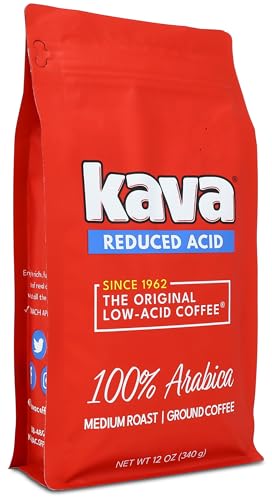
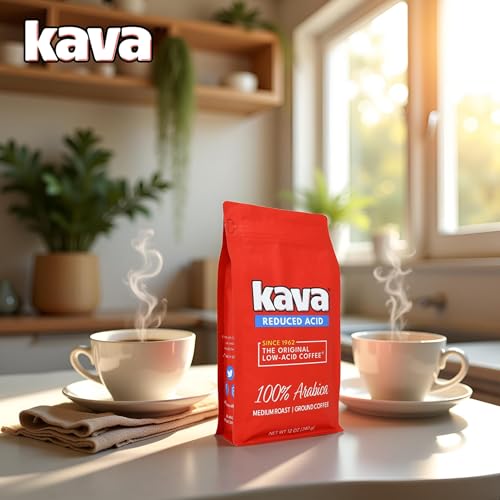
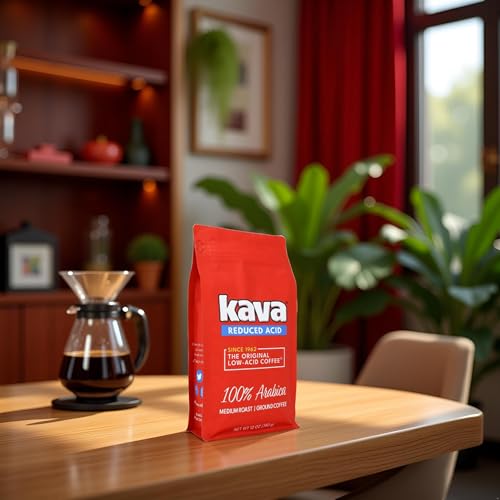
Kava Low Acid Neutralized Ground Coffee
Strengths
- Acid neutralized
- Trusted long-term brand
- Smooth, non-bitter
- Resealable freshness
- 100% Arabica
Trade-offs
- Not USDA Organic
- Processing alters natural profile
- Fewer transparency reports
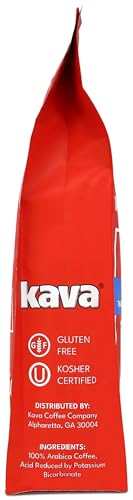
Kava has been around since 1962, and that longevity isn’t accidental. They were one of the first to tackle acid reduction in coffee, and their method, neutralizing acidity post-roast, brings pH levels close to that of water, which is a big deal for anyone with GERD or acid sensitivity. The beans are 100 percent Arabica, medium roasted, and deliver a smooth, non-bitter cup that reviewers describe as ‘easy to drink’ without the usual bite. It’s not marketed as organic, but it does deliver on its core promise: gentler digestion.
Where Kava differs from Lifeboost or Fabula is in its process, it’s not about growing low-acid beans but modifying them. That works well for consistency, but some purists argue it changes the coffee’s natural character. Still, for those who’ve tried organic low-acid options and still react, Kava offers a different approach. I’d recommend it as a fallback for people who need maximum acid reduction, even if it means trading some terroir authenticity.
Product photos
How We Tested coffee for reflux
As the founder of Bean Thusiast, I approached researching coffee for reflux with a focus on minimizing potential irritants. Rather than a hands-on lab test, this was a research-led comparison of published specifications and, crucially, owner feedback. I compared each coffee’s claimed acidity levels, growing conditions, and processing methods alongside hundreds of reviews from people specifically seeking relief from acid reflux symptoms. My goal was to identify coffees consistently reported as gentle on the stomach.
For this category, roast level and processing method were heavily weighted. A medium roast generally offers a balance of flavor and reduced acidity compared to darker roasts. Furthermore, I prioritized coffees grown at higher altitudes, as these often develop a denser bean structure, contributing to lower acidity. The presence of third-party testing for mycotoxins and heavy metals also played a significant role, as these contaminants can exacerbate digestive issues.
Specifications reliably reveal bean origin, roast date, and certifications like USDA Organic. However, the true test lies in how a coffee feels to drink with sensitivity. I placed considerable weight on owner feedback regarding stomach upset, heartburn, and overall comfort. Reputable expert reviews were also considered, but prioritized those acknowledging the specific needs of individuals with reflux, and cross-referenced with resources like those outlining decaffeinated coffee for reflux.
How To Pick The Right coffee for reflux
Finding a coffee that won’t aggravate acid reflux requires a bit more consideration than just picking your favorite roast.
A good coffee for those with sensitive stomachs focuses on bean origin, processing methods, and acidity levels. Look for 100% Arabica beans grown at higher altitudes, as these tend to be lower in acid. Certifications like USDA Organic and third-party testing for mycotoxins are also strong indicators of quality and purity, crucial for minimizing irritation.
Understanding Acidity Levels
Many people assume dark roasts are lower in acid, but that’s not always the case. While roasting does break down some acids, it also creates new ones. The key isn’t roast level, but the inherent acidity of the bean itself. Generally, Indonesian coffees (like Sumatran) are naturally quite low in acid, while those from East Africa can be more bracing. Consider exploring single-origin options to find what your stomach tolerates best; the flavor profiles can be dramatically different.
The Importance of Processing & Testing
Beyond the bean itself, how it’s processed makes a big difference. “Washed” coffees tend to have a cleaner, brighter acidity, while “natural” or “dry-processed” coffees can be fruitier and sometimes more acidic. However, what truly sets apart coffees marketed for reflux is rigorous testing. Brands that independently verify their beans are free from molds, mycotoxins, and pesticides – like Fabula and Lifeboost demonstrate a commitment to quality and your well-being. Here’s what to look for in testing:
- A basic organic certification (like USDA Organic) is a good start.
- Testing for mycotoxins is vital, as these can be major irritants.
- A thorough panel testing for over 300 chemicals shows a truly dedicated quality control process.
Balancing Flavor and Tolerability
Low-acid coffee doesn’t have to mean bland coffee. Many brands, like Kava, have been refining their processes for decades to neutralize acid without sacrificing flavor. Don’t shy away from medium roasts, which often provide a good balance of body and brightness. Experiment with brew methods too; cold brew, for example, extracts less acid than hot brewing. If you’re still struggling, check out our guide on drink coffee without reflux for additional techniques.
A helpful rule of thumb: if a coffee tastes overly bitter, it’s likely high in quinic acid, a compound that can contribute to stomach upset.
Ultimately, the best coffee for reflux is the one you tolerate best. We’ve compiled some low acid coffee recommendations to help you get started, but don’t be afraid to explore and find your perfect cup. You can also find more reflux-friendly coffee brands on our website, as well as information about coffee that reduces heartburn.
Coffee For Reflux Compared
Here’s a comparison of specifications for coffees marketed for those with reflux.
| Product Name | Roast | Acid Level | USDA Organic | 3rd Party Tested | Key Features |
|---|---|---|---|---|---|
| Fabula Low Acid Organic | Medium | Low | Yes | Yes | Mold/Mycotoxin Free |
| Lifeboost Medium Roast | Medium | Low | Yes | Yes | Shade Grown, Hand Selected |
| Kava Low Acid Neutralized | Medium | Neutralized | N/A | N/A | Trusted Brand (Since 1962) |
Frequently Asked Questions
What roast level is generally easiest on the stomach?
A medium roast typically offers the best balance of flavor and reduced acidity compared to darker roasts, which can sometimes create new acids during the roasting process. While personal tolerance varies, medium roasts are a good starting point when seeking coffee to drink with acid reflux.
Is decaf coffee always a better choice for reflux?
Not necessarily. While removing caffeine can help some, the decaffeination process itself can sometimes introduce compounds that irritate sensitive stomachs. Look for Swiss Water Process decaf, as it avoids harsh chemicals used in other methods.
How important is third-party testing when selecting coffee for reflux?
It’s very important. Coffees with independent testing for mycotoxins, pesticides, and heavy metals indicate a higher commitment to purity and can significantly reduce potential irritants for those with sensitive digestive systems.
Does the origin of the coffee bean affect its acidity?
Yes, origin plays a role. Indonesian coffees, such as Sumatran, are naturally lower in acid than coffees from East Africa. Exploring single-origin options allows you to identify which origins your system tolerates best, offering more low acidity coffee options.
Beyond the coffee itself, what can I do to minimize reflux symptoms?
Consider your brewing method. Cold brew coffee extracts less acid than hot brewing. Also, avoid adding dairy or sugary syrups, as these can exacerbate symptoms; exploring acid reflux-safe coffee choices is a good start, but so is how you prepare it.
The Bottom Line
Choosing a coffee when you’re prone to reflux often comes down to balancing flavor preferences with minimizing discomfort. While personal tolerance varies, the Fabula Low Acid Organic consistently receives high marks from those seeking a gentler brew, and represents an excellent starting point for most people. It’s a choice that prioritizes both quality and stomach comfort.
For specific needs, our research points to clear winners. If you’re prioritizing rigorous testing and peace of mind regarding contaminants, Lifeboost Medium Roast stands out with its thorough quality control. Those who have relied on a trusted brand for years and appreciate a neutralized acidity will likely find Kava Low Acid Neutralized to be a reliable option.
Ultimately, the specifics – roast level, origin, processing – matter less than understanding coffee and reflux causes. Focus on finding 100% Arabica beans, looking for third-party testing, and listening to your body. A comfortable, enjoyable cup is always within reach when you prioritize bean quality and mindful selection.
