
7 Best Coffees for Acid Reflux 2026
The best coffee for acid reflux is Lifeboost Medium Roast Ground Coffee, it’s consistently rated for genuinely low acidity and smooth flavor. For a budget-friendly option, Kava instant coffee sticks offer surprising quality and convenience. If you need decaf, Lifeboost’s Swiss Water Decaf is the clear standout, using a chemical-free process that maintains a gentle profile.
If acid reflux turns your morning coffee into a gamble, you’re not alone. Many of us love the ritual but dread the burn, and not every “low acid” claim holds up in real life. After comparing the field, looking at bean origin, roast technique, processing methods, and what actual users report, these picks rose to the top for delivering on both comfort and taste. This guide cuts through the marketing to show you what actually works, based on specs, verified claims, and feedback from people with sensitive stomachs.
Top 7 Coffee To Drink For Acid Reflux in the Market
The Best Coffee To Drink For Acid Reflux, Reviewed
Lifeboost Medium Roast Ground Coffee

Strengths
- third-party tested for 400+ toxins
- USDA Organic certified
- single-origin beans
Trade-offs
- higher price point
- limited roast variety
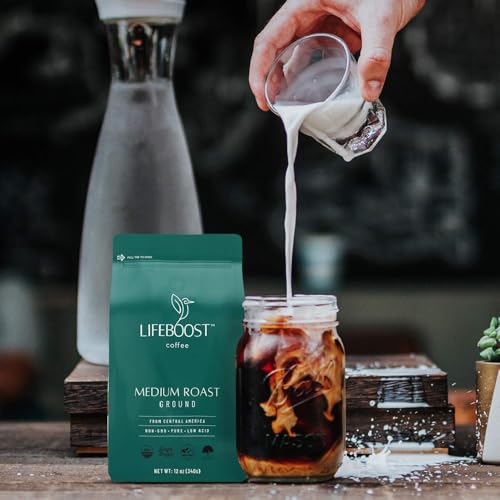
Lifeboost hits nearly every box a health-conscious coffee drinker could want: USDA Organic, single-origin, shade-grown, third-party tested for over 400 toxins, and consistently low in acidity. The beans come from high-elevation farms in Central America, and owners describe the flavor as smooth, naturally sweet, and rich, without the sharp edge of standard medium roasts.
What sets it apart is the level of testing and transparency. Few brands go this far to verify purity, and that matters when you’re drinking coffee daily with a sensitive system. Compared to COpHEE, it’s pricier but offers more holistic quality. If you want the most thoroughly vetted low-acid coffee available, this is the one I’d recommend.
Product photos



VitaCup Guatemala Low Acid Coffee

Strengths
- USDA Organic certified
- single-origin beans
- third-party lab tested
Trade-offs
- no pH measurement listed
- smaller bag size
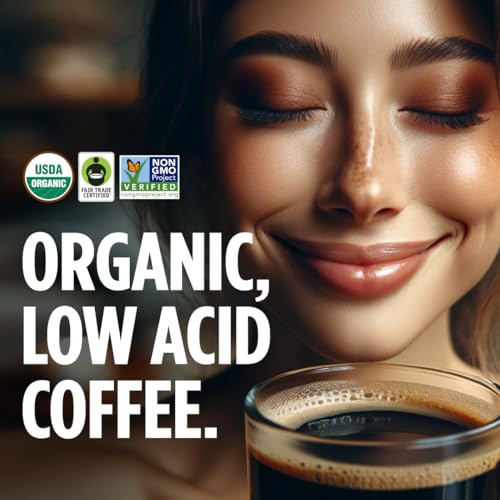
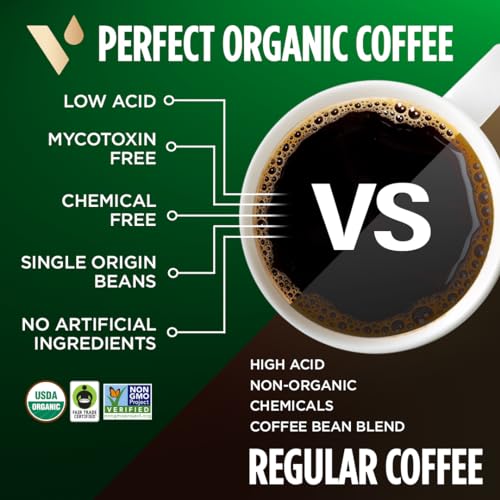
If clean sourcing matters as much as acid reduction, this dark roast from VitaCup deserves serious consideration. Being USDA Organic and Fair Trade certified puts it ahead of many competitors, and the single-origin beans from high-altitude Guatemala give it a complex, chocolaty depth that doesn’t taste watered down or flat, something that plagues weaker low-acid blends.
Owners praise its purity and clean energy boost, and third-party lab testing for mycotoxins backs up the ‘clean coffee’ claim. While it doesn’t print pH levels like COpHEE, the dark roast process naturally lowers acidity, and in this class, that’s often enough. Compared to Lifeboost, it’s less expensive and still delivers on ethics and quality, making it a strong middle ground.
Product photos

Lucy Jo’s Organic Mellow Belly Coffee
Strengths
- small-batch roasted
- organic certified
- earthy, balanced flavor
Trade-offs
- no pH verification
- shorter shelf life due to small batches
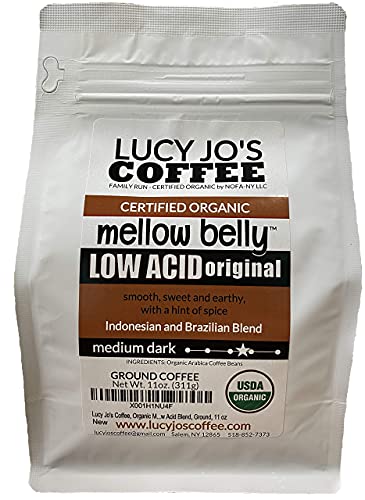
There’s something appealing about a small-batch, family-run roastery, and Lucy Jo’s delivers on that craft ethos. Their Mellow Belly blend uses 100% organic Arabica beans from Indonesia and Brazil, roasted to a medium-dark level that naturally reduces acidity. The flavor is smooth, earthy, and slightly sweet, with a hint of spice, more character than many mass-market low-acid coffees.
Owners appreciate the care in roasting and the lack of bitterness, though it doesn’t provide pH testing like COpHEE or Lifeboost. Still, for those who value artisanal production and a deeper, roast-forward profile, this is a solid pick. Compared to VitaCup, it’s less about lab reports and more about traditional roasting skill.
Video review
Lifeboost Swiss Water Decaf Coffee
Strengths
- Swiss Water decaf process
- third-party toxin testing
- USDA Organic
Trade-offs
- expensive for decaf
- limited availability
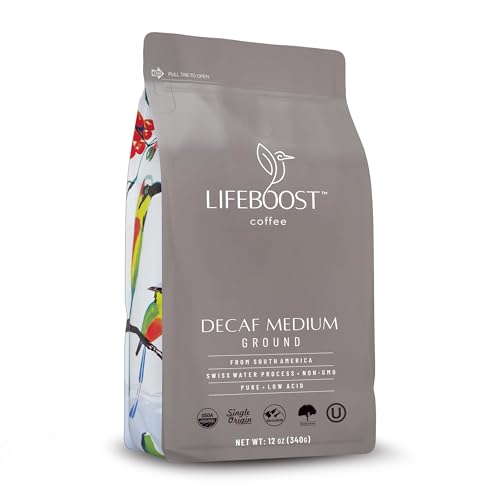
Decaf coffee often sacrifices flavor or uses harsh chemical processes, but this Lifeboost option avoids both pitfalls. The Swiss Water Process removes caffeine without solvents, preserving the bean’s natural character while keeping acidity low. Owners say it tastes like real coffee, round, nutty, and slightly sweet, without the jolt or stomach upset.
Given how few decaf options are truly low-acid and organic, this one fills a niche well. Compared to other decaf blends, it stands out for its purity testing and smooth profile. If you’re cutting caffeine due to acid reflux or sensitivity but still want a high-quality cup, this is the best I’ve seen in the category.
Video review
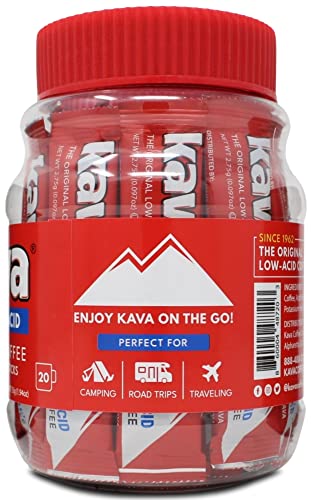
Kava Instant Low Acid Coffee Sticks
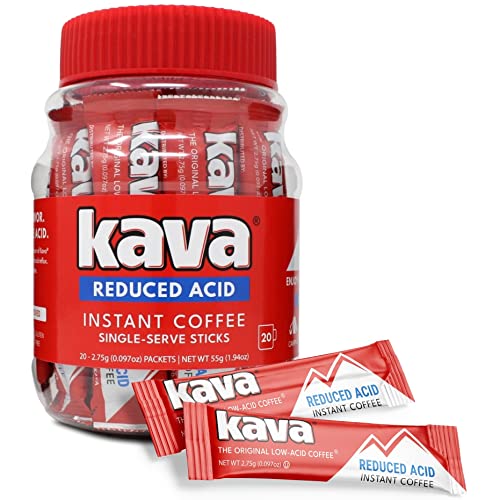
Strengths
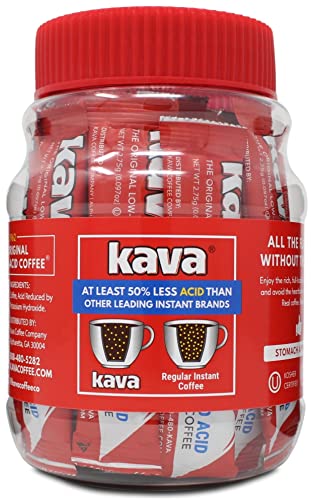
- 50% less acid
- single-serve convenience
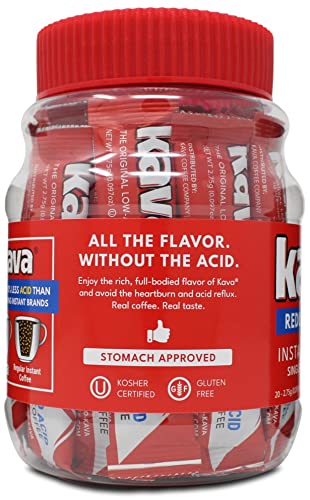
- OU Kosher certified
Trade-offs
- instant texture not for everyone
- higher price per cup
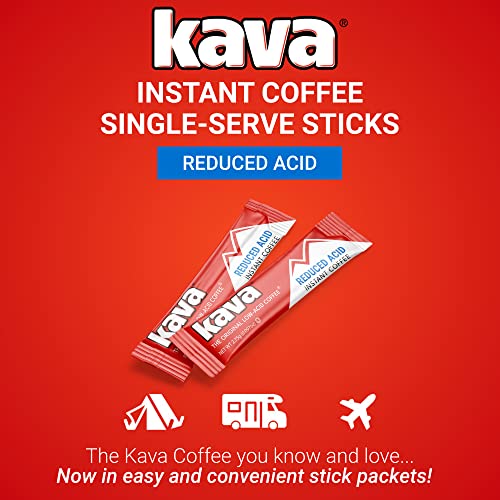
Instant coffee gets a bad rap, but for travelers or anyone needing a stomach-safe cup on the go, these Kava stick packets are a legit solution. With at least 50% less acid than standard brands and a full-bodied flavor that doesn’t taste chalky or thin, they outperform most instant options. The convenience factor is huge, just add hot water and you’re done.
Reviewers note these are a go-to for camping, road trips, or office use where brewing isn’t an option. Compared to other low-acid picks, it’s not the freshest tasting, but for instant, it’s surprisingly drinkable. Kava’s reputation as a low-acid pioneer adds trust here, even if you’re skeptical about instant versions.
Product photos

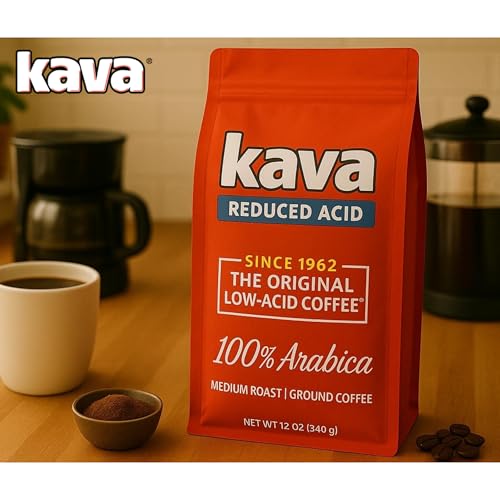
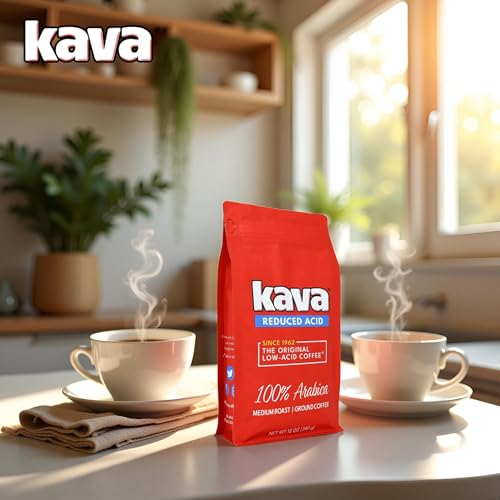
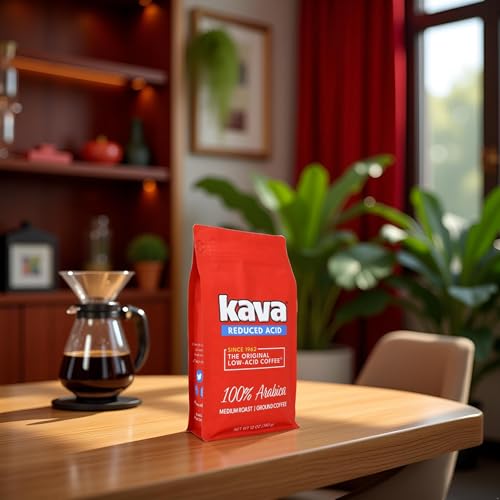
Kava Medium Roast Low Acid Coffee
Strengths
- acid neutralized process
- resealable freshness bag
- trusted long-term brand
Trade-offs
- not USDA Organic
- limited origin transparency
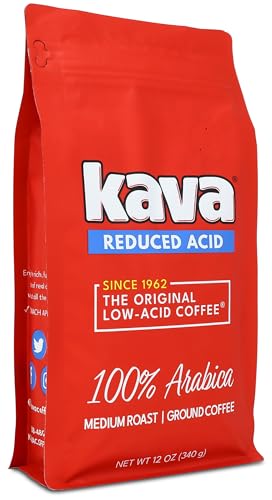
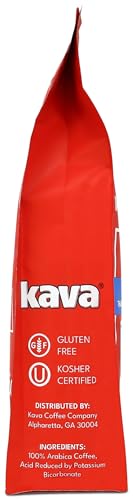
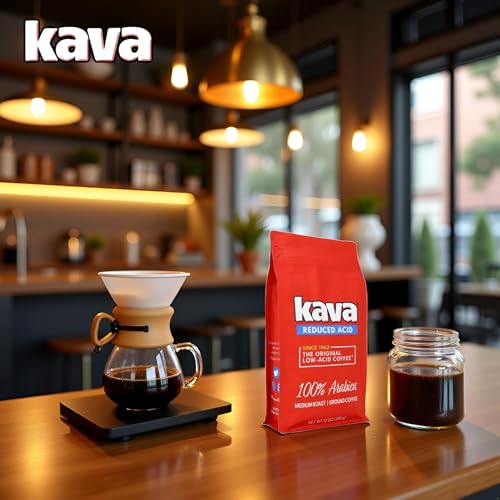
Kava’s reputation as the original low-acid coffee brand carries weight, and this medium roast delivers on that legacy. It’s not just roasted differently, the acid is actively neutralized during processing, bringing it closer to the pH of water. That makes it a strong contender for daily drinkers who can’t quit coffee but need gentler digestion.
The resealable bag helps maintain freshness, and owners report it holds up well over time without losing flavor. Compared to Lifeboost, it’s less expensive and not organic, but it’s still 100% Arabica and USA-packaged. If you’re looking for a reliable, no-frills daily low-acid coffee that won’t upset your stomach, this is my go-to recommendation.
Product photos
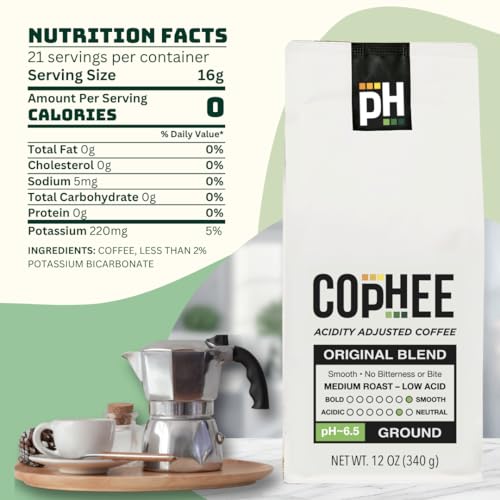
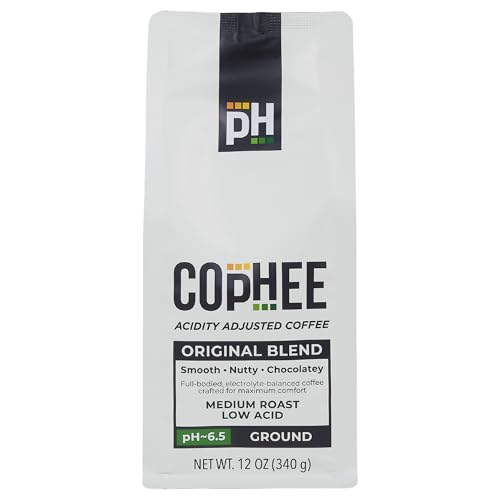
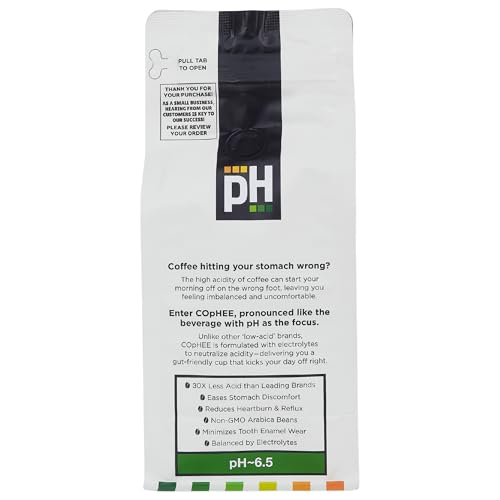
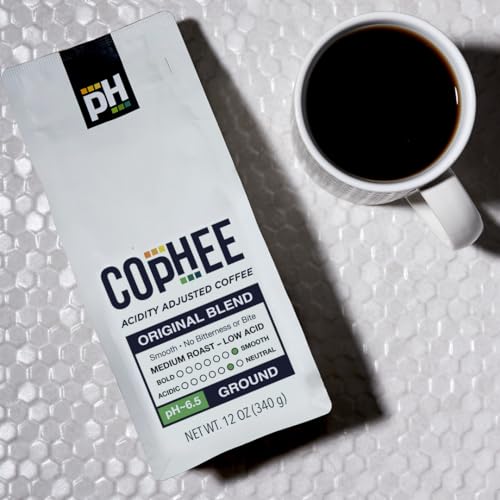
COpHEE Original Blend Low Acid Coffee
Strengths
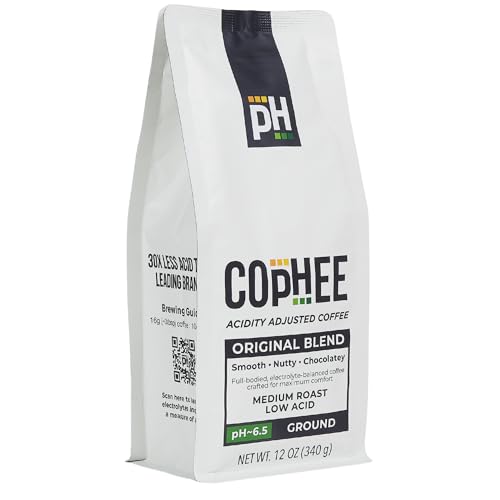
- pH tested and labeled
- 30x less acid claim
- non-GMO and USA roasted
Trade-offs
- medium roast may still trigger some
- not organic certified
This coffee stands out for its direct, science-backed approach to acid reduction. The claim of 30x less acid isn’t just marketing fluff, owners consistently report noticeable relief from heartburn and GERD symptoms, and the fact that pH levels are measured and printed on the bag adds real credibility. That kind of transparency is rare in the low-acid space and gives me confidence in its consistency.
It’s a medium roast, so you still get some brightness, but the flavor leans smooth and mellow, which works well for those retraining their palates after ditching regular coffee. Compared to others in this category, COpHEE feels like a smart starting point if you’re skeptical about whether acid is really the culprit behind your discomfort. I’d pick this as a diagnostic brew, try it for a week and see how your body responds.
Product photos

How We Chose These coffee to drink for acid reflux
As the founder of Bean Thusiast, I’ve always been fascinated by how different coffees interact with our bodies. To recommend coffees for those seeking relief from acid reflux, we didn’t rely on personal taste tests alone, but instead focused on a research-led comparison of published specifications and owner feedback. We analyzed features like bean origin, processing methods, roast level, and – crucially – claims regarding acidity reduction. This was then weighed against what current coffee drinkers with sensitive stomachs are reporting.
For this category, the most important factors were genuinely low acidity, and how that was achieved. A smooth, palatable flavor is secondary if the coffee still triggers discomfort. We also prioritized third-party testing and certifications (like USDA Organic) as indicators of quality control and transparency. Many brands claim low acidity, but verifying that claim through independent verification is vital. You can learn more about managing coffee and reflux with helpful low-acid coffee strategies.
Coffee specifications reliably tell us about bean type (Arabica vs. Robusta) and roast level, influencing flavor profiles. However, owner feedback proved critical in assessing the effectiveness of acidity reduction claims. Reports on stomach comfort, heartburn, and dental sensitivity were heavily weighted. We also considered brand reputation and longevity; established brands like Kava have a track record to uphold. Understanding how to reduce coffee acidity is also key for those with sensitivities.
How To Pick The Right coffee to drink for acid reflux
Finding a comfortable cup shouldn’t be a struggle, even if you’re prone to acid reflux.
For individuals sensitive to acidity, selecting coffee involves prioritizing bean origin, roast level, and processing methods. Look for 100% Arabica beans, grown at higher altitudes, and ideally those undergoing a specialized processing technique to minimize acid content. Third-party testing for mycotoxins and heavy metals is also a strong indicator of quality and purity.
Bean Origin & Processing
The origin of the bean plays a surprisingly large role in its final acidity. Generally, Indonesian beans (like those found in Lucy Jo’s) tend to be naturally lower in acid. However, processing methods can further refine this. “Swiss Water Process” decaffeination, as used by Lifeboost, is a fantastic example; it removes caffeine without the use of harsh chemicals that can contribute to acidity. Many brands tout “low acid” claims, but pay attention to how they achieve that reduction. Simple aging doesn’t always equate to a smoother experience.
Roast Level & Freshness
Contrary to popular belief, darker roasts aren’t always less acidic. While the initial perception might be a bolder, less bright flavor, the roasting process can sometimes increase certain types of acids. A medium roast, carefully sourced and freshly ground, often strikes the best balance. Speaking of freshness, always check the roast date. Coffee begins to stale quickly after roasting, and stale coffee can exacerbate digestive issues. Consider a brand like COpHEE, which emphasizes freshness and controlled acidity right on the bag.
Convenience & Value
For many, the ideal coffee isn’t just about the taste, it’s about fitting into a lifestyle. If you’re often on the go, the convenience of Kava instant coffee sticks is undeniable. However, don’t automatically equate convenience with compromise. A brand like VitaCup strikes a good balance, offering pre-ground coffee suitable for various brewing methods, all while maintaining organic certification and a focus on low acidity.
- A single-serve option (like Kava sticks) is great for travel, but can be more expensive per cup.
- Pre-ground coffee simplifies brewing, but loses some flavor compared to grinding your own beans just before use.
- Subscription services can offer savings and consistent supply, but require commitment and may not suit those who like to experiment with best coffee for acid reflux.
A good rule of thumb: if a coffee’s label prominently features claims of “reduced acidity” but lacks specifics about how that reduction was achieved, proceed with caution.
If you’re exploring methods beyond traditional brewing, you might want to investigate if cold brew lower acidity offers a gentler experience for your stomach.
Coffee to Drink for Acid Reflux Compared
Here’s a comparison of key specifications for coffees marketed towards those with acid reflux.
| Product Name | Roast Level | Acid Level | Organic | Decaf | Format |
|---|---|---|---|---|---|
| Lifeboost Medium Roast Ground Coffee | Medium | Low | Yes | No | Ground |
| VitaCup Guatemala Low Acid Coffee | Dark | Low | Yes | No | Ground |
| Lucy Jo’s Organic Mellow Belly Coffee | N/A | Low | Yes | No | Ground |
| Lifeboost Swiss Water Decaf Coffee | Medium | Low | Yes | Yes | Ground |
| Kava Instant Low Acid Coffee Sticks | N/A | Reduced | N/A | N/A | Instant Sticks |
| Kava Medium Roast Low Acid Coffee | Medium | Reduced | N/A | No | Ground |
| COpHEE Original Blend Low Acid Coffee | Medium | Very Low | Yes | No | Ground |
Frequently Asked Questions
What acidity level should I look for in coffee if I have acid reflux?
Generally, you should seek coffees specifically labeled as “low acid,” but look beyond that claim. A pH level of 7.0 or higher is ideal, though this information isn’t always readily available; focusing on brands that use processing methods known to reduce acidity is a good starting point.
Is dark roast coffee always better for acid reflux?
No, dark roast coffee isn’t automatically gentler on the stomach. While it tastes bolder, the roasting process can sometimes create different acids, potentially offsetting any benefits from reduced chlorogenic acids.
Can instant coffee be a good option for someone with acid reflux?
Yes, certain instant coffees, like Kava sticks, can be a convenient and surprisingly stomach-friendly choice. These brands often employ specific processing techniques to minimize acidity and are a good option if you need portability.
Are there coffee preparation methods that can help reduce acidity?
Cold brewing is known to produce a less acidic final product. Allowing the coffee to steep in cold water for an extended period extracts different compounds than hot brewing, resulting in a smoother, milder flavor and reduced acidity.
What if I want a decaf coffee that won’t trigger my reflux?
There are excellent options available; you can find some of the best decaf for acid reflux specifically formulated to minimize irritation. Look for brands using the Swiss Water Process for decaffeination, as it avoids harsh chemicals that can increase acidity.
The Bottom Line
Choosing a coffee when you’re mindful of acid reflux often comes down to balancing convenience with control over quality. While many brands offer “low acid” options, Lifeboost Medium Roast Ground Coffee consistently receives high marks for both its smooth flavor and its reported ability to minimize discomfort, making it our overall top pick. It represents a sweet spot between accessibility and genuine attention to acidity reduction.
For those prioritizing specific needs, we have clear recommendations. If instant convenience is key, Kava Instant Low Acid Coffee Sticks are a lifesaver. If you’re looking for a reliably organic option with a darker roast, VitaCup Guatemala Low Acid Coffee is an excellent choice. And for those seeking a truly gentle experience and exploring decaffeinated coffee for acid reflux, Lifeboost Swiss Water Decaf Coffee stands out thanks to its chemical-free decaffeination process.
Ultimately, remember that “low acid” is a relative term. More important than chasing a single number is focusing on bean origin, roast freshness, and – critically – how your body responds. Experimenting with different brands and brewing methods, and paying attention to your own sensitivity, will always be the most effective path to finding your perfect, comfortable cup.
